

The ever-changing weather holds a significant influence over the natural world, dictating the rhythms and behaviors of countless animal species. From migration patterns to hibernation, the adaptations animals make in response to the seasons are nothing short of remarkable. Understanding these behaviors provides a glimpse into how animals have evolved to survive and thrive in their environments.
Migratory Marvels: Following the Weather
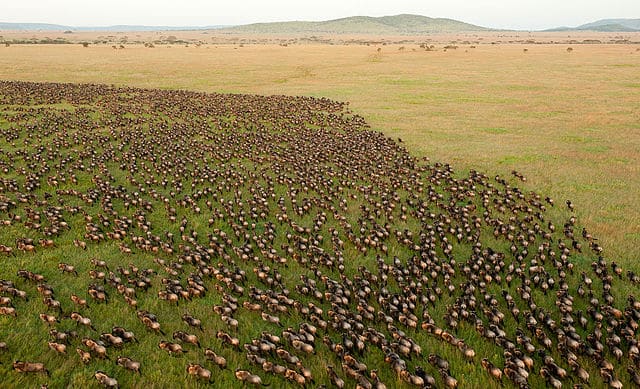
One of the most awe-inspiring behaviors influenced by weather is migration. Species like birds, whales, and even some insects travel vast distances to exploit favorable climates and abundant food sources. The Arctic Tern, for example, undertakes a staggering 20,000-mile journey from its breeding grounds in the Arctic to its winter home in the Antarctic. These migrations are closely timed with the changing seasons, allowing animals to maximize energy efficiency and reproductive success.
Migrating species often rely on environmental cues, such as the length of daylight and temperature changes, to initiate their journeys. This synchronization ensures they reach their destinations when conditions are optimal for feeding and breeding. Weather conditions along migration routes also play a critical role, with favorable winds and temperatures aiding or impeding these long-distance travelers.
Hibernation: Weather-Induced Sleep Cycles
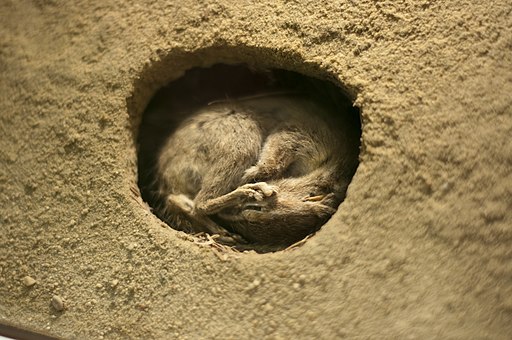
While some animals migrate, others resort to hibernation to survive the harsh conditions of winter. Hibernation is a state of significantly reduced metabolic activity that allows animals to conserve energy. Weather changes, specifically dropping temperatures and reduced food availability, trigger this remarkable adaptation. Bears, ground squirrels, and certain bat species are well-known hibernators.
During hibernation, animals enter a state of torpor, reducing their body temperature and slowing their heart rate to preserve resources. This strategy requires precise timing to ensure survival until spring’s arrival. As weather becomes milder, these animals awaken from their slumber, ready to resume activity and reproduction.
Breeding Seasons: Timing for Reproductive Success
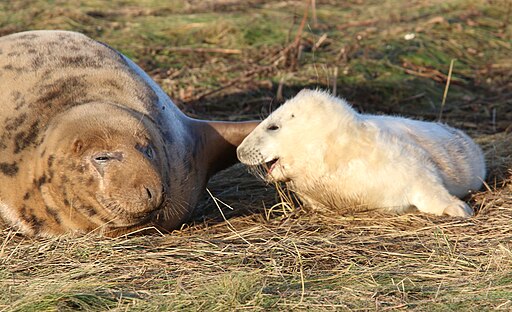
Weather often dictates breeding seasons, ensuring that offspring are born during periods of resource abundance. Many mammals, birds, and reptiles time their reproductive cycles to coincide with the spring and summer months when food is plentiful, and conditions are more favorable for nurturing young.
For example, the springtime flowering of plants and the emergence of insects are critical for many bird species, providing necessary nourishment for adults and their chicks. The synchronization of breeding with optimal weather conditions helps maximize offspring survival and enhances the overall fitness of the species.
Weather’s Impact on Feeding and Foraging

Weather variations also influence the feeding and foraging behavior of animals. Seasonal changes in temperature and precipitation affect the availability of food resources. In aquatic environments, for example, water temperature can alter the distribution of fish populations, forcing predators like seals and seabirds to adjust their foraging strategies.
Land animals, too, must adapt their feeding behavior based on the weather. Herbivores may switch their diets according to the seasonal availability of different plant species, while predators might adjust hunting strategies in response to the behavior of their prey, which is also weather-dependent.
Adapting to Extreme Weather Conditions
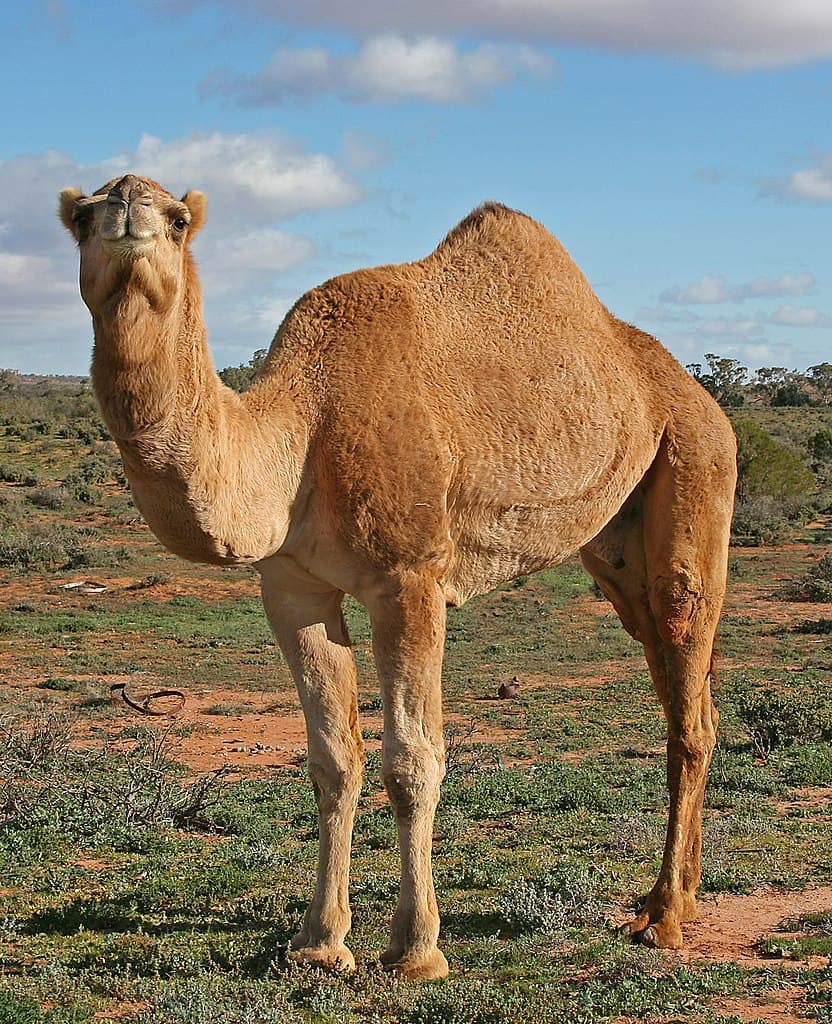
Extreme weather events, such as storms, droughts, and heatwaves, present further challenges for animals. While some species are remarkably resilient, others may struggle to survive. Animals that can quickly adapt their behavior, such as changing shelter or altering activity levels, often have better chances of enduring extreme weather conditions.
For instance, desert animals have evolved strategies to deal with intense heat and scarce water. Many are nocturnal, avoiding the heat of the day, while others, like camels, can store fat that metabolizes into water. Conversely, during cold spells, some animals increase their insulation by growing thicker fur or feathers.
Conclusion: A Symbiotic Dance with the Seasons
The role of weather in shaping the seasonal behavior of animals is a testament to the adaptability and resilience of life on Earth. Through migration, hibernation, breeding, and feeding adaptations, animals demonstrate an incredible ability to synchronize their lives with the planet’s climatic rhythms.
Understanding these natural processes not only deepens our appreciation for wildlife but also highlights the importance of preserving the delicate balance of ecosystems in the face of climate change. As we continue to study and learn from these creatures, it becomes increasingly vital to protect the habitats and environments that support their intricate seasonal dance.

- The Most Powerful Earthquake Ever Felt in the U.S. - July 19, 2026
- How Rhinoceros Males Compete for Mating Rights in the Wild - July 18, 2026
- 13 Spider Species Thriving in Changing Environments - July 18, 2026