

There’s something utterly mesmerizing about watching butterflies drift through your garden on a warm afternoon. These delicate creatures bring an unexpected burst of color and movement that can transform even the most ordinary backyard into something magical. You might be surprised to learn that you don’t need to travel to exotic locations to witness some of nature’s most stunning butterfly species. Right here in the United States, countless backyards host breathtaking butterflies that rival anything you’d find in a tropical rainforest. Let’s explore which beautiful winged visitors you might already be sharing your space with.
The Iconic Monarch Butterfly
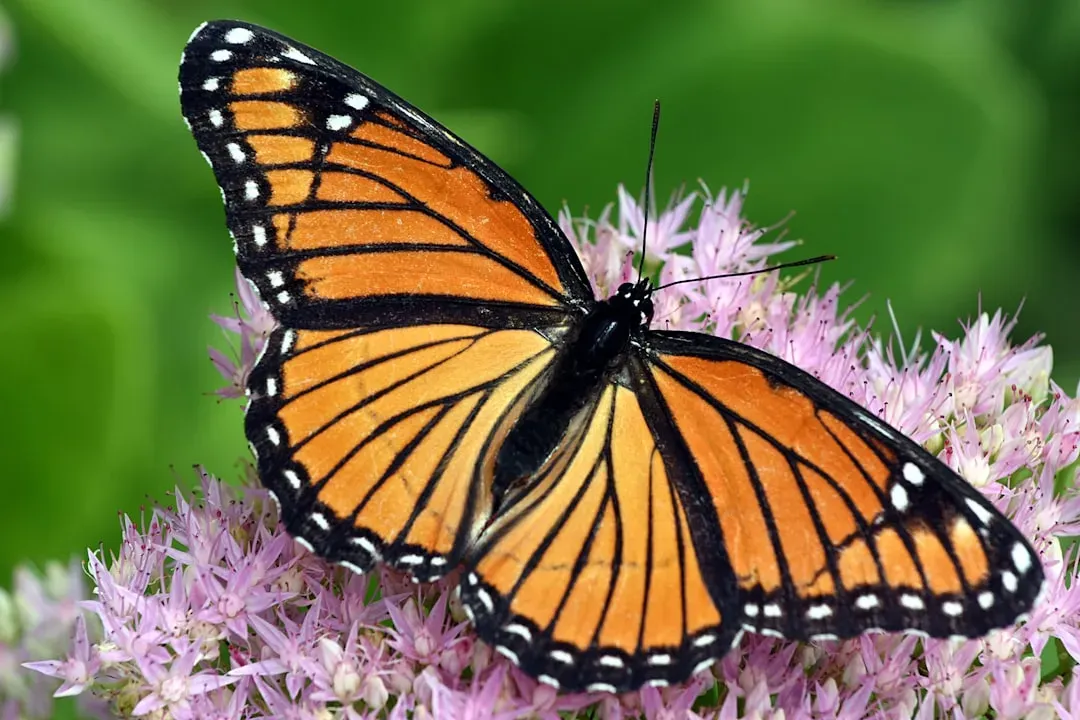
Nearly everyone’s favorite butterfly is the Monarch, Danaus plexippus. Here’s the thing: once you’ve seen one, you’ll never forget it. They have a tawny-orange colour on the upper side of their wings and beautifully arranged black veins and margins with two series of white spots.
It is also known as a wanderer because it migrates up to 2,500 miles southward during seasonal changes and returns northward in summer. This incredible journey makes them one of nature’s most remarkable travelers. The male Monarch Butterflies can be identified by the black spot on the hind wings over a vein on either side.
Honestly, these butterflies have an almost royal presence about them. It is known as a milkweed butterfly, as its caterpillar starts life by eating milkweed. If you plant milkweed in your garden, you’re essentially rolling out the welcome mat for these gorgeous creatures. Unfortunately, monarch populations have declined dramatically over the past two decades due to habitat loss and climate change.
Eastern Tiger Swallowtail
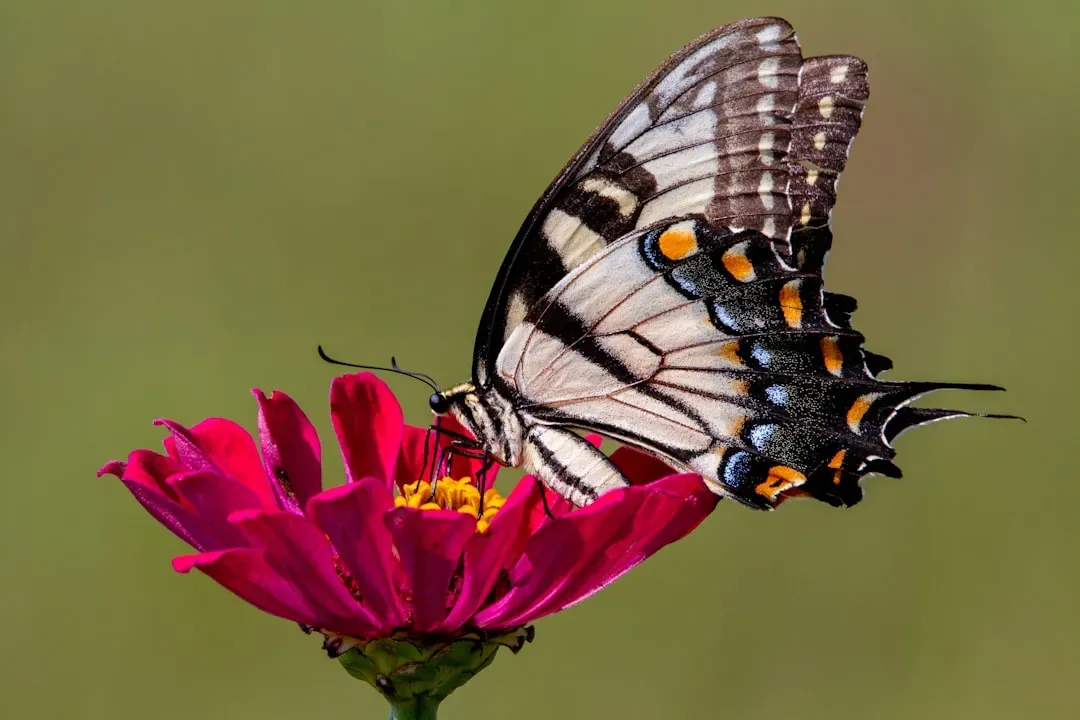
The Eastern Tiger Swallowtail Butterfly acquired its name because of the black tiger stripes on each yellow forewing of the male. These butterflies are absolutely striking when they float through your yard. You’ve probably seen tiger swallowtails in your garden; they’re among the most common butterflies in the U.S.
It is quite easy to identify this butterfly because of the thin hairline tail protruding at each hind wing. The females of this species can appear quite different, sometimes displaying black coloring instead of yellow. The Eastern Tiger, Papilio glaucus, is found from the Great Plains, Colorado, and Texas to the east coast.
Eastern tiger swallowtails go for several kinds of trees, including ash, wild cherry and tulip tree. I think one of the most delightful aspects of these butterflies is their slow, graceful flight pattern that makes them easy to photograph and observe. Their size alone commands attention.
Painted Lady
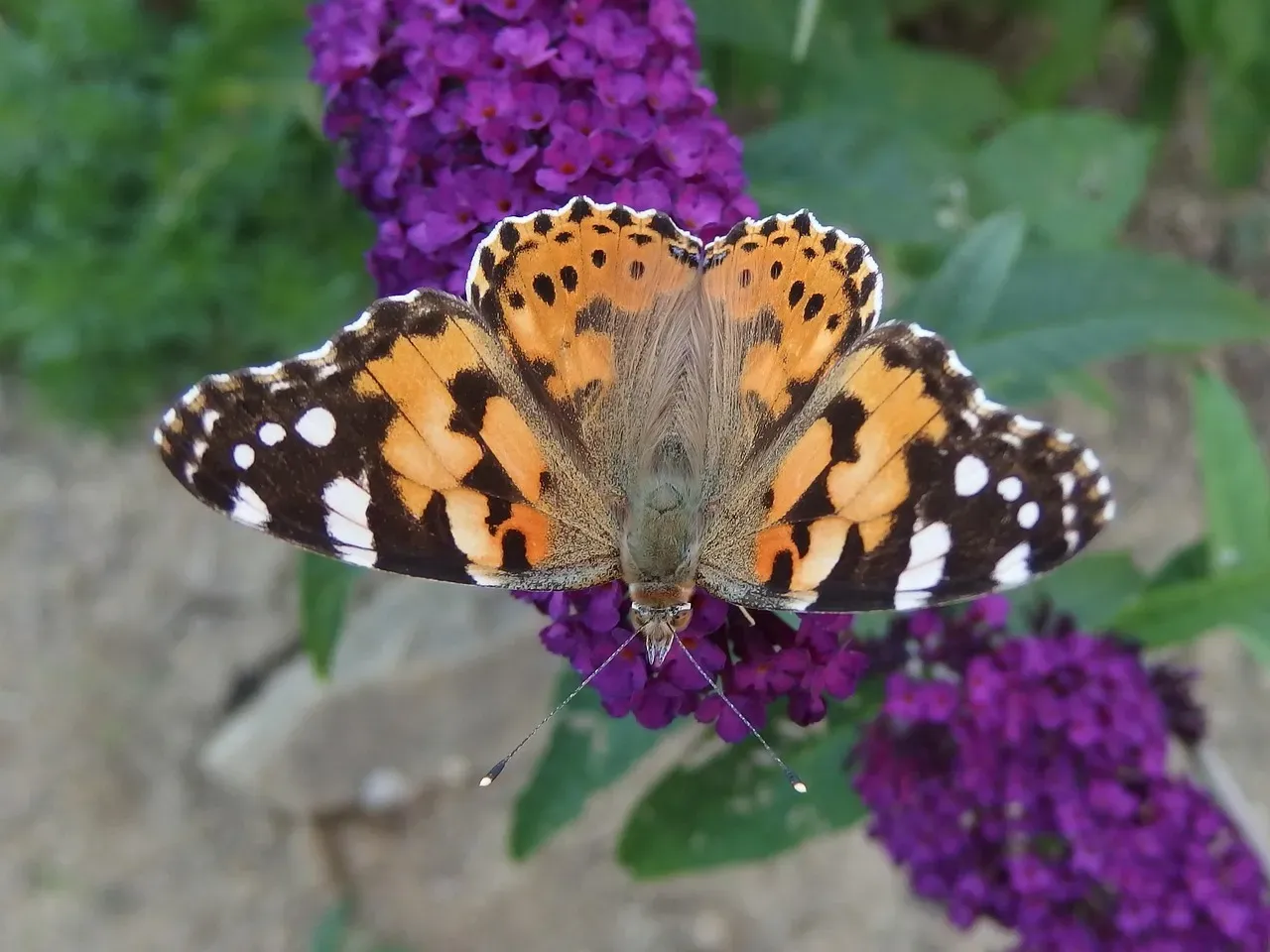
The Painted Lady, Vanessa Cardui, or American Painted Lady, is the most widely distributed butterfly in the world, inhabiting nearly all terrestrial environments on all continents except Australia and Antarctica. Let’s be real, that’s an impressive resume for any butterfly. These salmon-pink beauties with their distinctive markings have adapted to thrive almost anywhere.
These salmon-pink and black butterflies with distinctive white spots migrate in massive waves that can include millions of individuals. Unlike monarchs with their predictable routes, painted ladies follow irregular migration patterns triggered by rainfall and food availability. Not only that, but these delicate beauties can fly up to one hundred miles per day!
Their caterpillars aren’t picky eaters – they’ll munch on over 100 different plant species, including thistles, mallows, and even garden vegetables. This adaptability explains why you’re likely to spot them in your backyard at some point during the warmer months.
Black Swallowtail
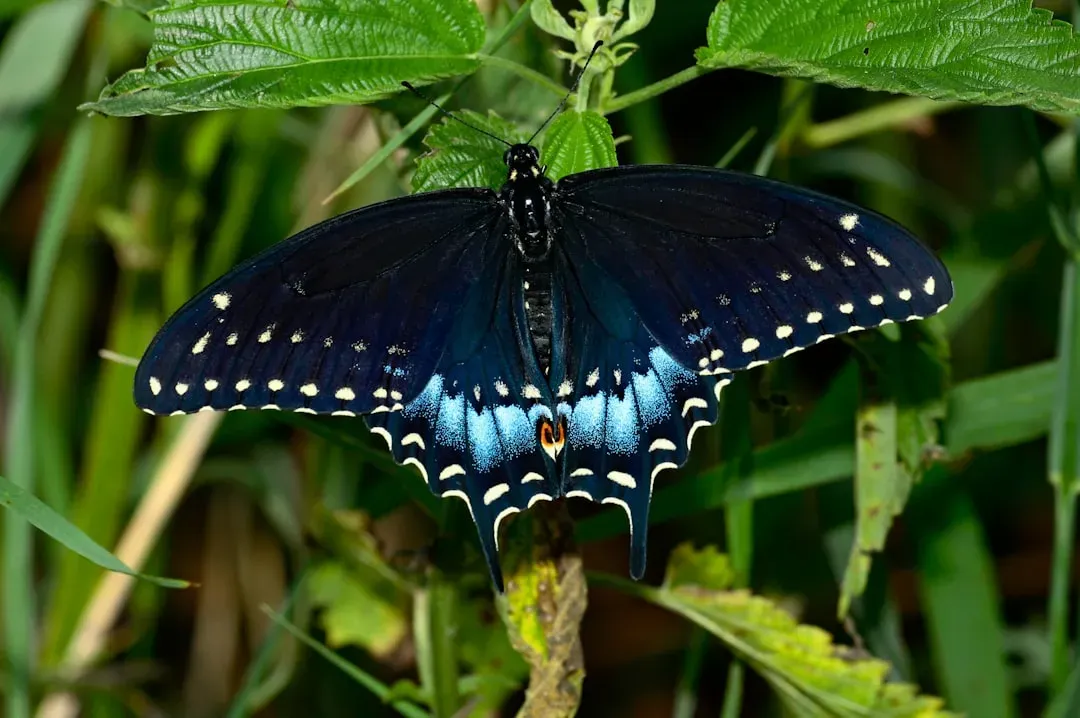
Black swallowtails bring gothic beauty to North American butterfly gardens with their velvety black wings accented by brilliant blue scaling and orange eyespots. These sophisticated butterflies look almost regal when they land on your flowers. Male black swallowtails display more prominent yellow spotting than females, while females show more extensive blue coloration on their hindwings.
Here’s something interesting: Many gardeners unknowingly host black swallowtail nurseries in their herb gardens, where the striped green, black, and yellow caterpillars quietly munch away. If you grow parsley, dill, or fennel, you might already be supporting these beautiful insects without even realizing it.
The easiest members of the family to attract are black swallowtails in the East and Southwest, and anise swallowtails in the West. Black swallowtails demonstrate remarkable site fidelity, often returning to the same patches of flowers year after year. They’re creatures of habit, much like us.
Great Spangled Fritillary
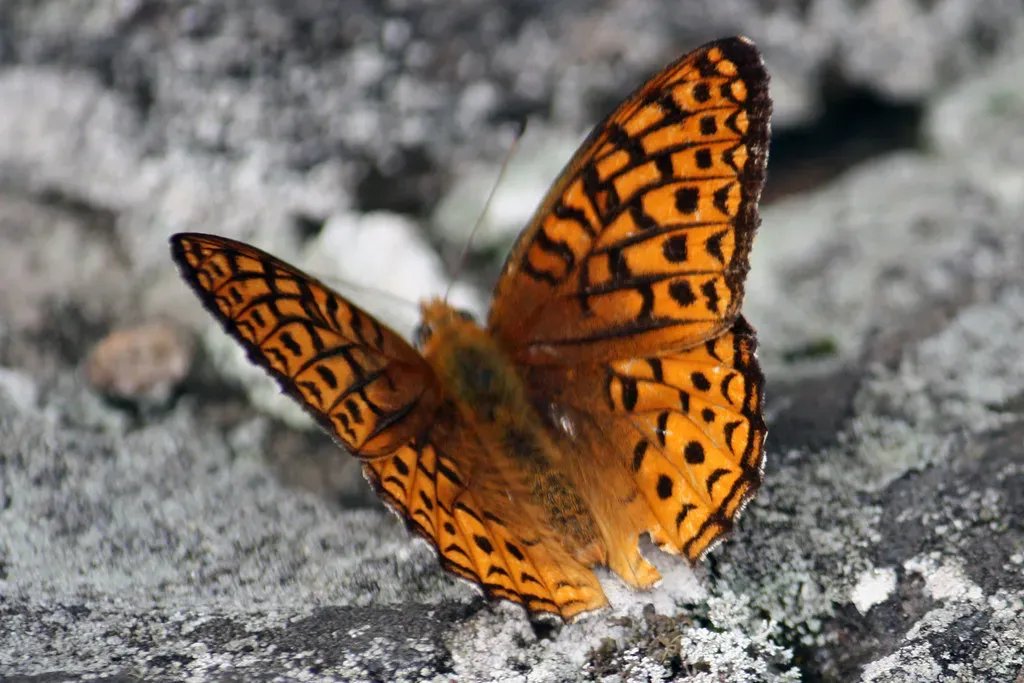
Great Spangled Fritillary has orange-coloured forewings and hind wings with dark black spots. This butterfly is a real showstopper with its intricate pattern. There are silver spots on the underside, and the broad yellow band with silver triangles on the wings is another distinguishing characteristic of this beautiful butterfly.
These striking butterflies thrive from mid- to late summertime and are found in verdant areas with moisture such as fields, pastures, and prairies. Most sightings of the great spangled fritillary occur in eastern North America and throughout California. They prefer open, sunny spaces where wildflowers grow abundantly.
Caterpillars eat leaves of violets plants, but the adults prefer nectar from flowers of thistles, purple coneflowers, and red clover. If you want to attract these beauties, plant some native violets and watch what happens come spring.
Mourning Cloak
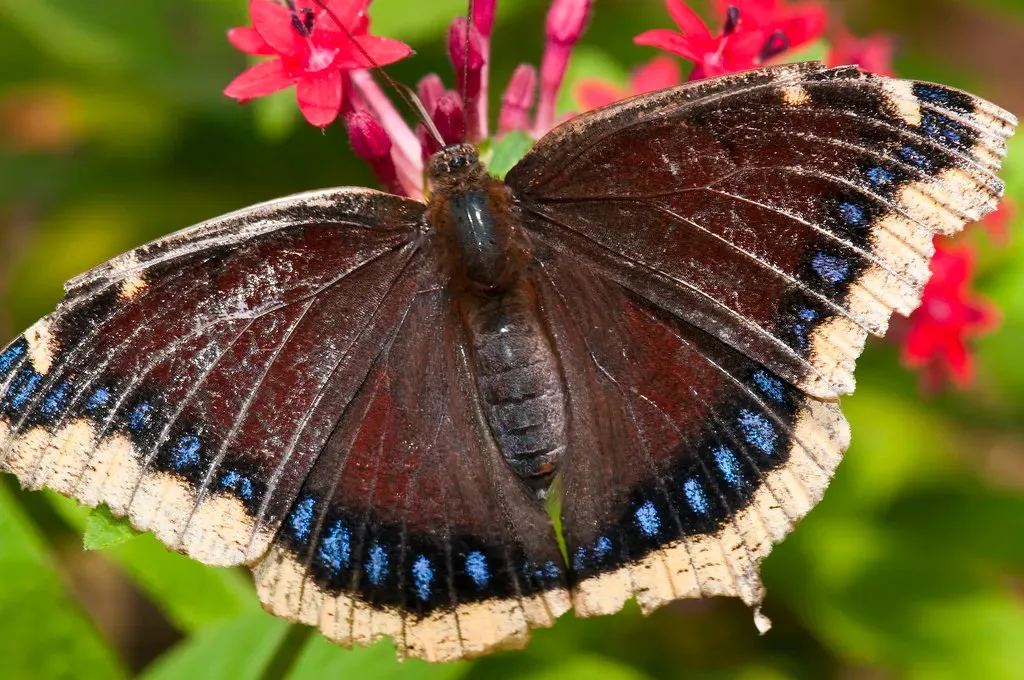
As their name suggests, their large wings are cloaked in maroon and black, with a dramatic yellow trim and light blue spots. The name might sound somber, but this butterfly is absolutely gorgeous. If you’ve ever seen a butterfly in the winter, it was most likely a mourning cloak. They are common throughout North America, especially in northern areas where the butterflies are known to overwinter.
The Mourning Cloak is one of the few butterflies that overwinter as adults, accomplishing this by building up body chemicals similar to antifreeze. I know it sounds crazy, but these butterflies essentially create their own biological antifreeze to survive harsh winters.
They prefer to feast on rotting fruit more than flower nectar, so leaving a bowl of fruit peels in your garden may entice them to visit your yard. They are spotted in all kinds of environments, from suburbs to forests.
Zebra Longwing
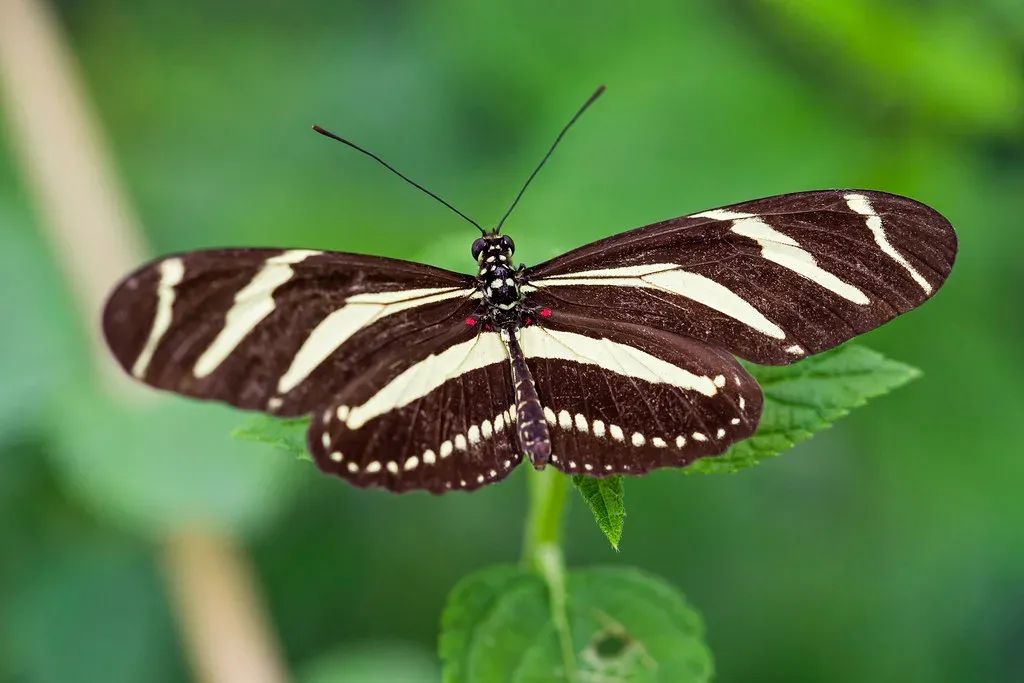
Their name is based on their striped pattern like Zebras, long black wings but narrow with thin yellow bands, and each one has a distinctive pattern. This butterfly stands out immediately with its striking zebra-like appearance. The Zebra Longwing Butterfly has been the state butterfly of Florida since 1996.
These butterflies are mainly found in southern parts of the United States but also in central and north-south parts. The caterpillars have a passion for eating passion flowers. They taste unpleasant and are poisonous due to the intake of toxins from passion flowers.
However, the adult butterflies enjoy the nectar, though pollen, and typically have a longer lifespan. These butterflies live considerably longer than most species, sometimes surviving for several months rather than just weeks. They even sleep in groups, which is somewhat unusual behavior in the butterfly world.
Red Admiral
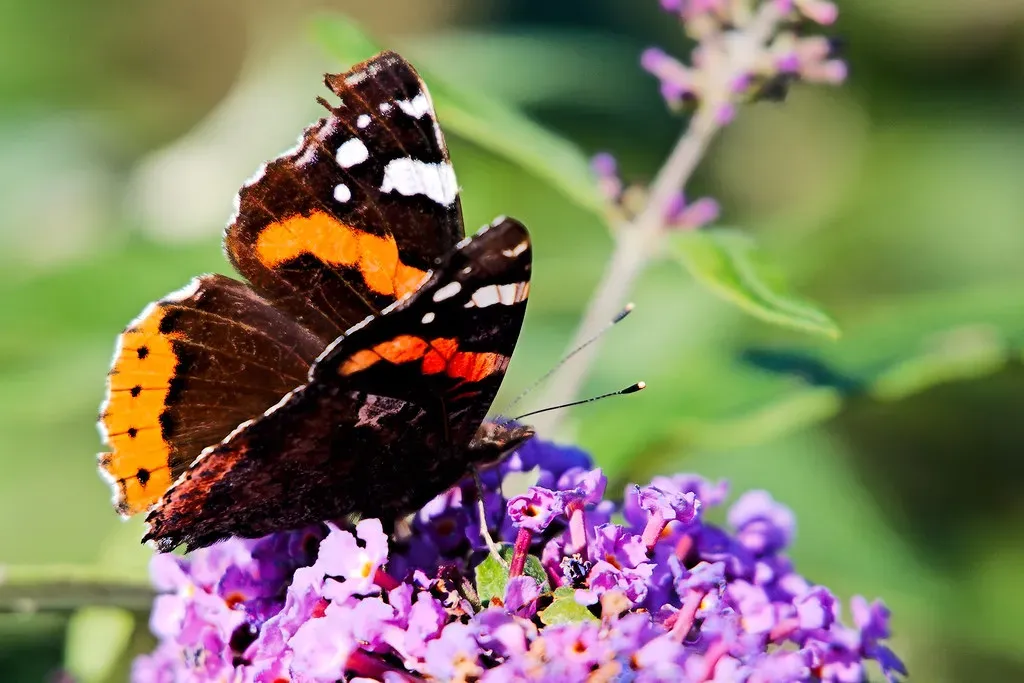
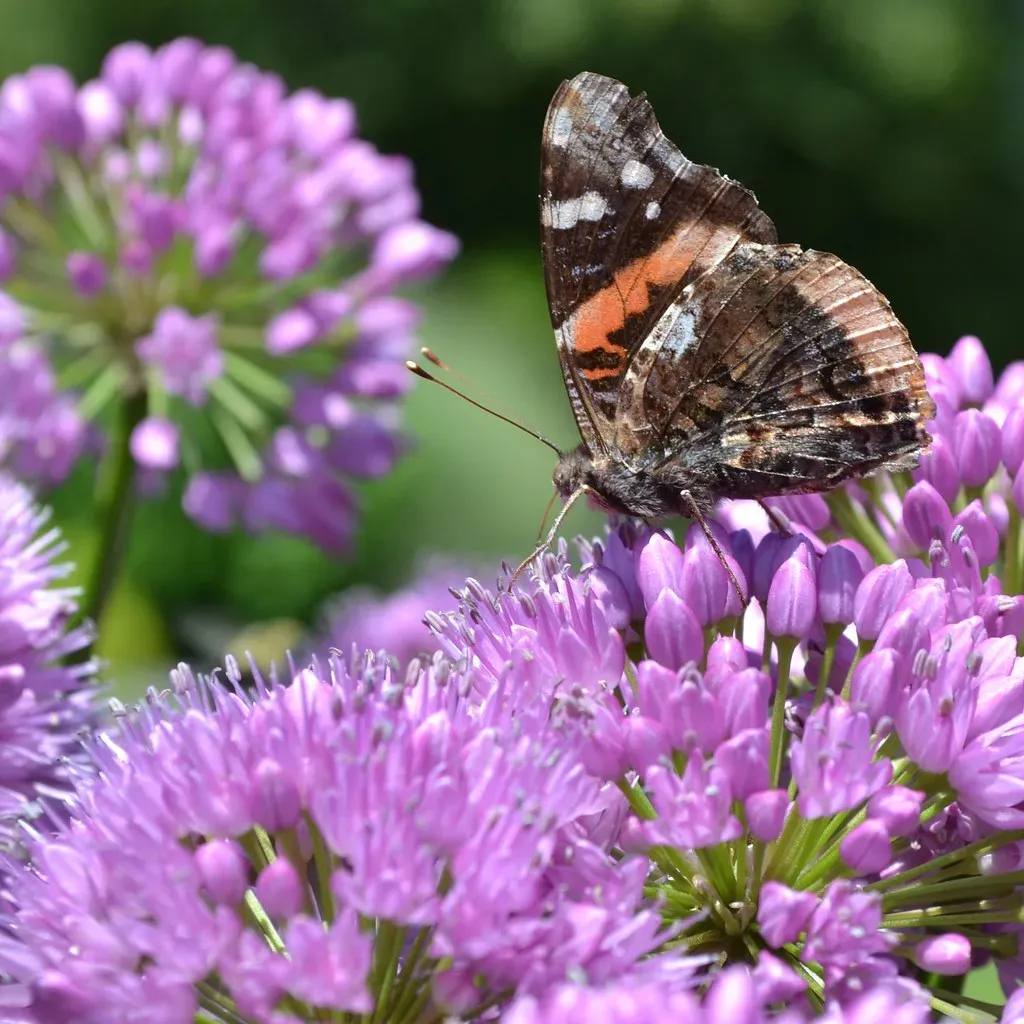
Red Admirals have a wingspan of 1.75 to 2.5 inches. The coloring is dark brown with a reddish circular band and white spots. The red bands on their wings create a stunning contrast against the dark background. Look for this beautiful butterfly near the edge of forests in moist habitats.
Red Admiral Butterflies have a unique favorite food – they love fermented fruit! That’s right, these butterflies essentially prefer their fruit aged and slightly boozy. If you’d like to attract them, try placing overripe cut fruit in a sunny spot in your yard.
Red Admirals are migratory butterflies. They fly south toward warmer climates in winter, and then move north again in late spring, where food is more plentiful. They’re remarkably calm and easy to approach, making them wonderful subjects for close observation.
Orange Sulphur
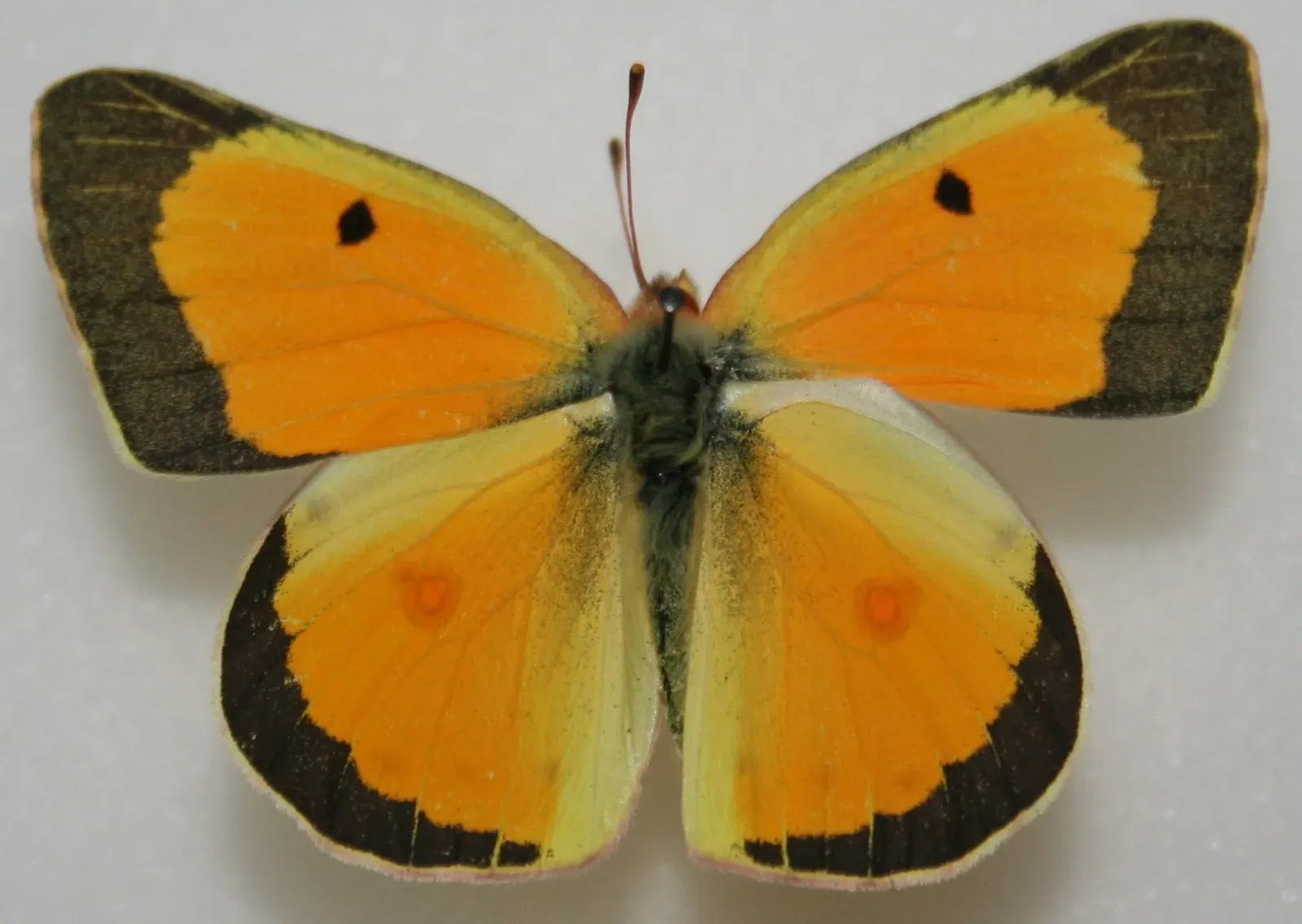
The Orange Sulphur, Colias eurytheme, was originally a western species but moved eastward with the planting of alfalfa fields and clear-cutting of forests. They’re now one of North America’s most widespread and common butterflies. This is a fantastic example of how butterflies can adapt to changing landscapes.
Females range from white or pale to bright yellow or orangish on the upper surface, while males are yellow to bright orange. This sexual dimorphism makes identification fascinating. The easiest way to recognize an Orange Sulphur is by its flight pattern. They have an erratic, jerky flying style and usually stay low to the ground.
Foods: They nectar from all kinds of flowers, including milkweeds, asters, and dandelions. This species is one of the most abundant in North America, sometimes swarming in vast numbers in alfalfa fields.
Spring Azure
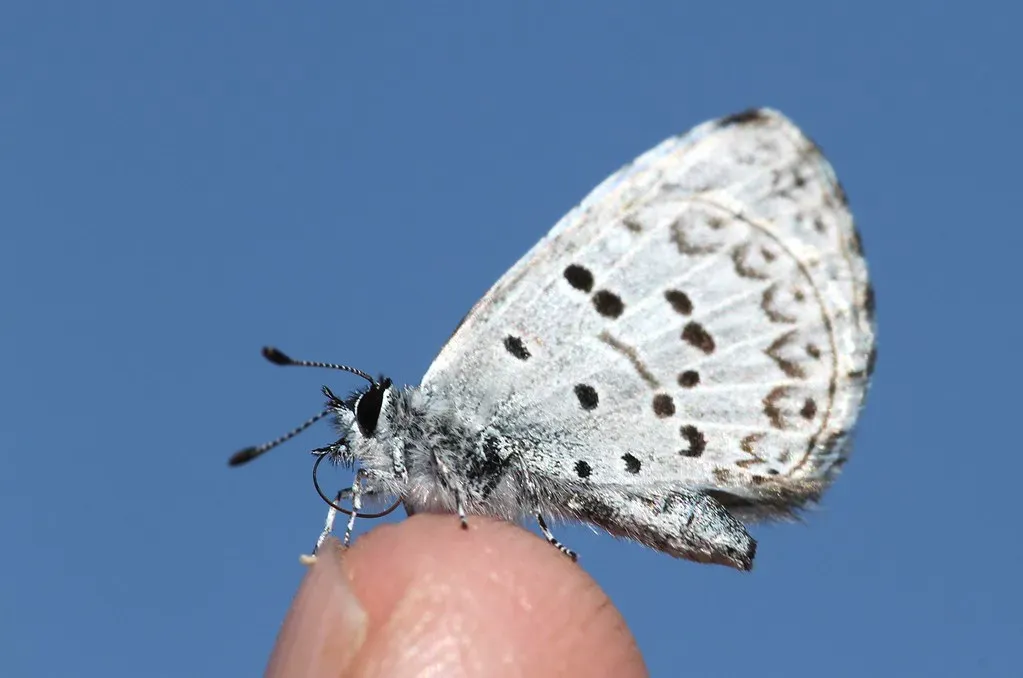
The brilliant blue of spring azures is a wake-up call for the winter weary butterfly enthusiast. Azures are one of the first butterflies to emerge in the spring to greet the new season and are found over most of the continent. Seeing these delicate blue butterflies after a long winter feels like nature’s way of announcing warmer days ahead.
These small butterflies measure less than an inch and a half across. Their coloring is dusky gray to cornflower blue, with spots and stripes in shades of gray. Females of this species tend to be darker and less colorful. Males display that stunning sky-blue color that catches your eye immediately.
The Spring Azure is widespread across North America and relatively common in backyards. They’re one of the most widely-seen species in our area and very abundant within their range. If you spot a tiny blue butterfly early in the season, chances are good it’s a Spring Azure.
Conclusion
The beauty of butterfly watching is that it requires nothing more than patience and an appreciation for the small wonders happening right outside your door. These ten species represent just a fraction of the butterflies you might encounter in your own backyard across the United States. From the majestic Monarch to the delicate Spring Azure, each species brings its own unique colors, patterns, and behaviors that enrich our outdoor spaces.
Creating a butterfly-friendly garden doesn’t require exotic plants or complicated setups. Simple additions like milkweed, violets, and native flowering plants can transform your yard into a butterfly haven. The more we understand and appreciate these beautiful insects, the better equipped we are to protect them and ensure future generations can enjoy their presence. So which of these stunning butterflies have you spotted in your backyard lately? Take a closer look next time you’re outside, you might be amazed at what’s been flying around all along.

- 6 Exotic Bird Species You Can Spot in U.S. National Parks - July 19, 2026
- 11 Iconic American Birds Facing New Challenges and How You Can Help - July 19, 2026
- 10 Friendliest Animals in the World - July 19, 2026