


Zoos and aquariums are often viewed as places of entertainment, but their roles extend far beyond housing exotic animals for public display. In recent years, these institutions have become pivotal in conservation education—raising awareness, providing meaningful learning experiences, and fostering a deeper understanding of wildlife and ecosystems. This article explores the critical importance of zoos and aquariums in conservation education, highlighting the multifaceted benefits they provide to both animals and visitors.
The Evolution of Zoos and Aquariums
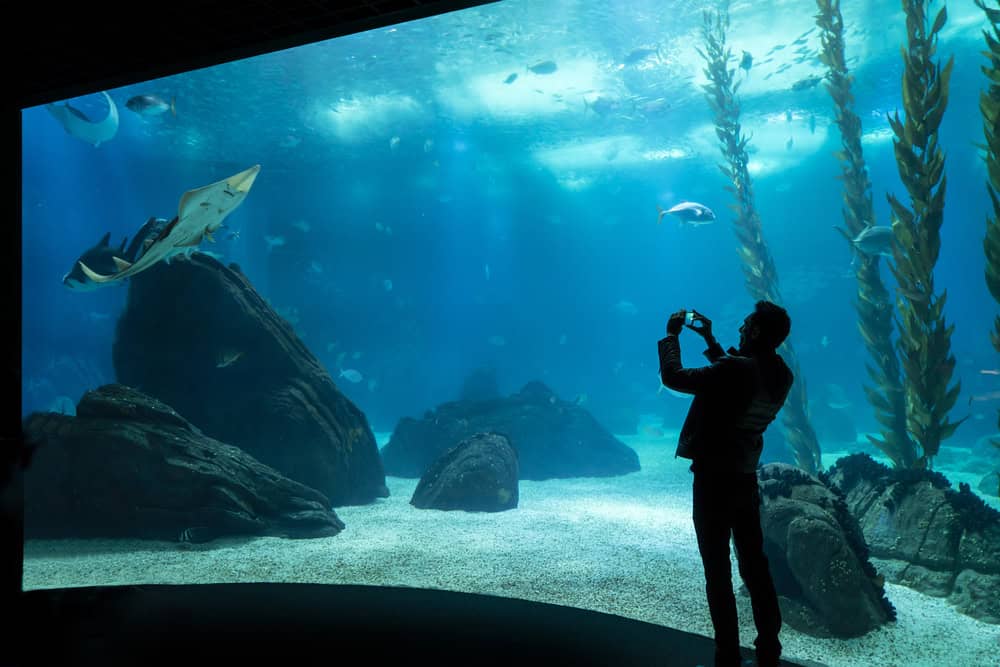
Historically, zoos were primarily focused on displaying animals for the delight and curiosity of the public. But as conservation challenges have grown, many zoos and aquariums have transformed into agents of change, prioritizing animal welfare, conservation, science, and education. These roles have shifted dramatically over the last few decades, with modern facilities striving to replicate natural habitats and educate visitors on the complexities of conservation.
Educating the Public Through Interactive Experiences

Zoos and aquariums provide interactive educational experiences that are designed to engage visitors of all ages. Hands-on activities, educational graphics, and immersive exhibits allow guests to observe animals closely and learn about their habitats, behaviors, and the threats they face in the wild. These experiences are crafted to leave a lasting impression, fostering a deeper connection and understanding of the importance of conservation efforts.
Providing Access to Underrepresented Wildlife

For many individuals, zoos and aquariums offer the only opportunity to see and learn about wildlife that they otherwise might never encounter. This accessibility plays a critical role in generating interest and awareness about global biodiversity and the specific challenges faced by various species. By witnessing these animals firsthand, visitors gain a greater appreciation for their intrinsic value and the need to protect their natural environments.
Supporting Species Preservation

Beyond education, zoos and aquariums are actively involved in conservation through breeding programs and reintroduction initiatives aimed at preserving endangered species. These programs often serve as a gene pool for dwindling populations, and the knowledge gained from them aids in the management of species both in captivity and the wild. Successful reintroduction efforts have even resulted in certain species’ comeback from the brink of extinction.
Collaborating with Scientific Research

Collaboration with scientists and researchers is another pivotal role played by zoos and aquariums. These partnerships allow for comprehensive studies on animal behavior, genetics, breeding, and health, providing insights that might be difficult to achieve in less controlled environments. The data gathered can be shared globally, contributing significantly to the broader scientific understanding necessary for effective conservation strategies.
Promoting Conservation Initiatives

Many zoos and aquariums are involved in or support conservation initiatives locally and globally. They often collaborate with conservationists and organizations to provide funding, resources, and advocacy to protect natural habitats and wildlife. These efforts are publicly shared to educate visitors about ongoing projects and encourage community involvement in conservation activities.
Encouraging Sustainable Practices
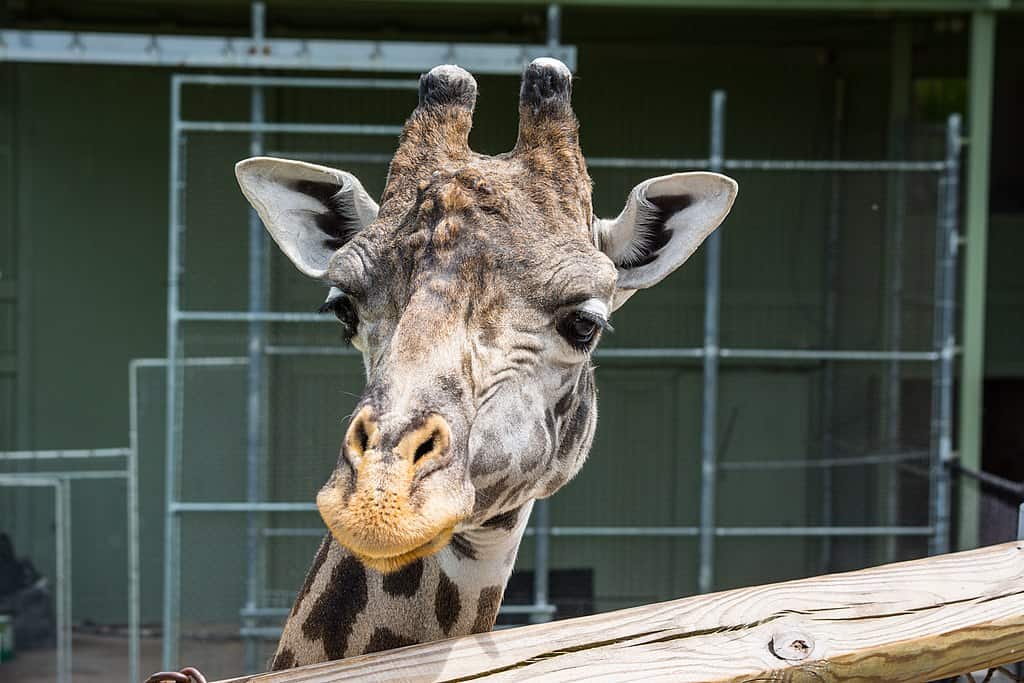
The operational footprint of zoos and aquariums themselves has increasingly come under scrutiny, prompting a shift towards sustainable practices. Many facilities have adopted green building technologies, waste reduction programs, and conservation-friendly landscaping. By demonstrating these practices, zoos and aquariums serve as models for sustainable operations while teaching visitors about environmental responsibility.
Inspiring Future Conservationists
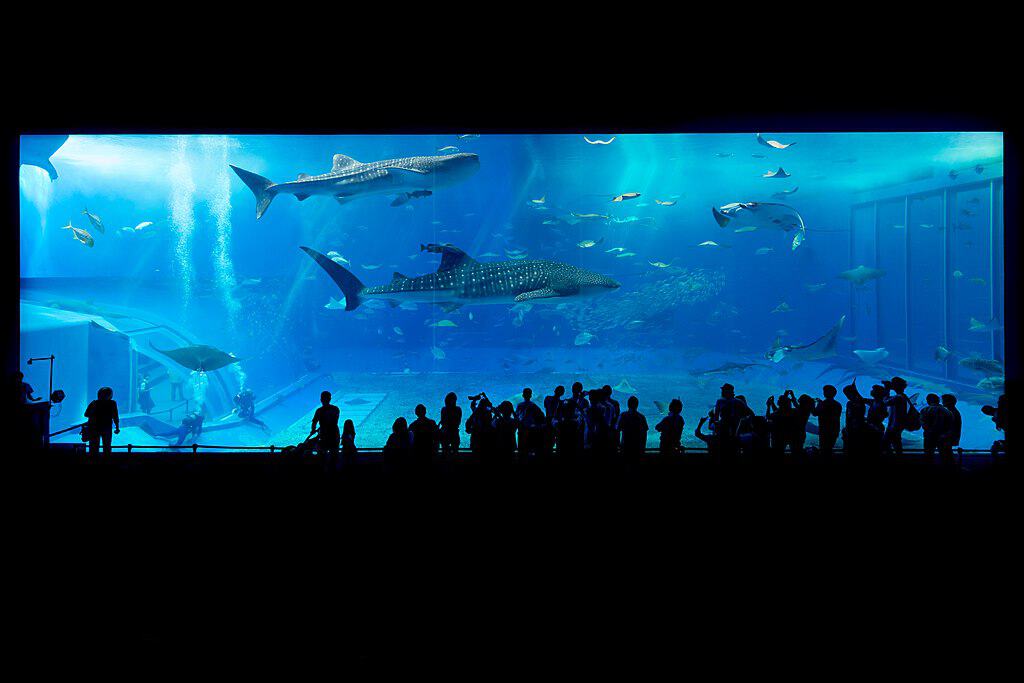
Through their educational programs and experiences, zoos and aquariums often inspire younger generations to pursue careers in conservation and animal sciences. By engaging with school groups and offering volunteer opportunities, these institutions provide pathways that can channel passion and curiosity into lifelong commitments to preserving wildlife.
Addressing Ethical and Moral Considerations

The ethical considerations behind keeping animals in captivity are complex and often debated. Modern zoos and aquariums strive to balance their mission with ethical responsibilities, ensuring high standards of animal welfare, enriching environments, and transparency in their operations. Open dialogue about these efforts helps the public understand the reasons behind modern zoos’ existence and their commitment to conservation.
Emphasizing the Connection Between Humans and Nature
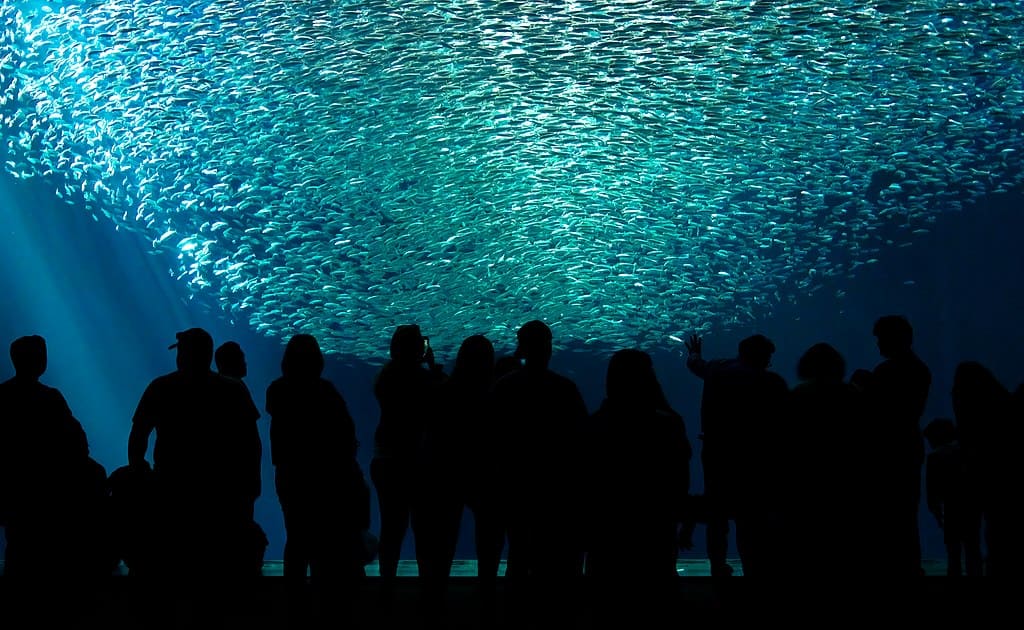
Zoos and aquariums offer unique opportunities for people to reconnect with nature, an experience increasingly rare in urbanized environments. By nurturing this connection, they play a critical role in fostering a sense of responsibility and stewardship towards the natural world, emphasizing the interdependence of humans and ecosystems.
Influencing Policy and Legislation

The advocacy and educational work done by zoos and aquariums often influence policy and legislation related to wildlife and habitat conservation. By educating the public and policymakers about crucial conservation issues, these institutions can drive change that supports the preservation of biodiversity and sustainable development.
The Future of Conservation Education
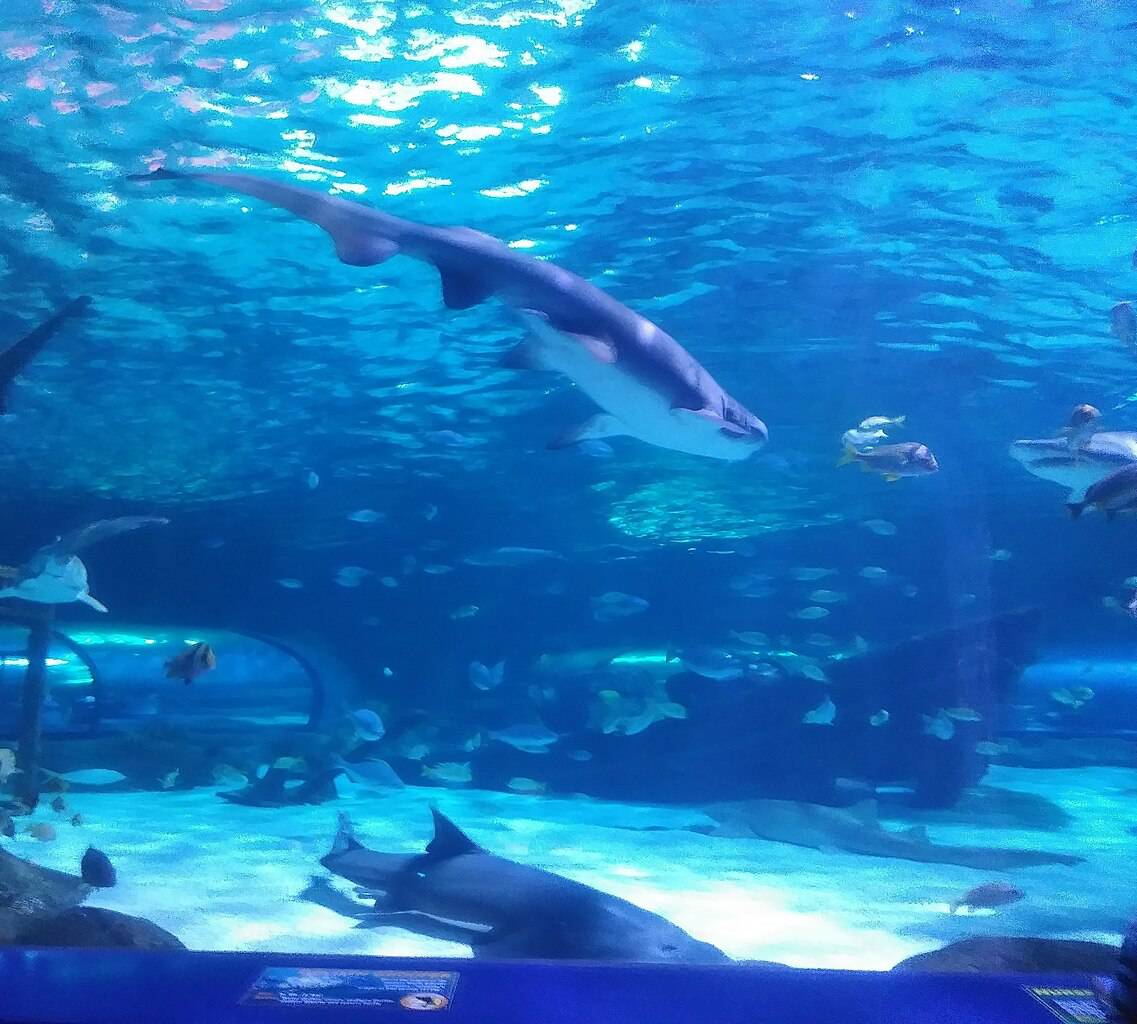
As the challenges facing our planet continue to evolve, so too must the strategies and roles of zoos and aquariums. The future of these institutions lies in their ability to adapt and innovate, expanding their reach through digital education programs and global partnerships. By continuing to elevate their educational offerings and improve animal welfare, zoos and aquariums can sustain their relevancy as vital players in the global conservation movement.
Zoos and aquariums are invaluable resources in the fight to educate the public about conservation. Through interactive education, species preservation, and sustainable practices, they actively enhance our understanding and appreciation of wildlife. These institutions help cultivate future generations of conservationists, playing a significant role in nurturing a future where people live in harmony with the natural world.

From exploring the marine wonders in the Azores and witnessing the vast savannas of Kenya, to delving deep into the rich biodiversity of South Africa and traversing iconic landscapes in Australia and the US like Yellowstone, Chris's experiences are vast.
With a penchant for diving alongside sharks, the ocean holds a special place in his heart.
Through his academic insights, he champions wildlife conservation, striving with 'Animals Around The Globe' to cultivate a profound connection between humans and animals, enhancing our mutual appreciation.
Connect with him at Feedback@animalsaroundtheglobe.com.
- A Bear Journey Through The USA: 18 Best Bear Photos from 18 US States - July 19, 2026
- Elephant Matriarchs Know Every Waterhole for Miles - July 19, 2026
- Top 10 Dinosaur Relatives Still Roaming Earth Today - July 19, 2026