

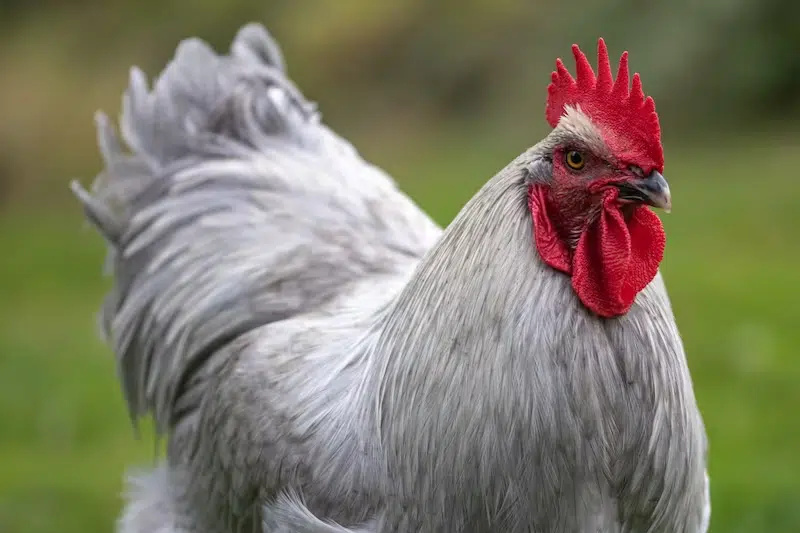
The humble rooster, with its proud strut and resounding crow at dawn, holds a privileged place in European folklore that extends far beyond its role as a barnyard animal. Across the continent, from the sun-drenched Mediterranean to the misty shores of the North Sea, the rooster has been revered as a powerful protective symbol against malevolent forces. This vigilant bird has crowed its way into cultural significance as a guardian that keeps evil spirits at bay, adorning weathervanes, church steeples, and household items throughout European history. Its association with the rising sun and its fearless announcement of daybreak has made it an enduring symbol of light conquering darkness, of good triumphing over evil. Let us explore the fascinating cultural history of the rooster as a spiritual protector, whose legacy continues to influence European traditions and architecture to this day.
The Ancient Origins of Rooster Symbolism

The rooster’s protective symbolism traces back to ancient civilizations, where it was first associated with solar deities. In Persian mythology, the rooster was sacred to Sraosha, a divinity of obedience who helped fight demons. The bird’s morning call was believed to banish night spirits and signal the triumph of light over darkness. Similarly, ancient Greeks connected the rooster to Apollo, the sun god, and to Asclepius, the god of medicine and healing, suggesting the bird had both protective and restorative powers.
Romans continued this tradition, considering the rooster a symbol of Mercury, the messenger god, and a creature that could ward off evil through its vigilance. Archaeological evidence shows rooster figurines placed in Roman homes and graves as protective talismans. This foundation of rooster symbolism as a creature that announces the day and chases away night’s dangers formed the basis for its later adoption into European Christian folklore as a guardian against evil spirits.
The Rooster in Christian Symbolism
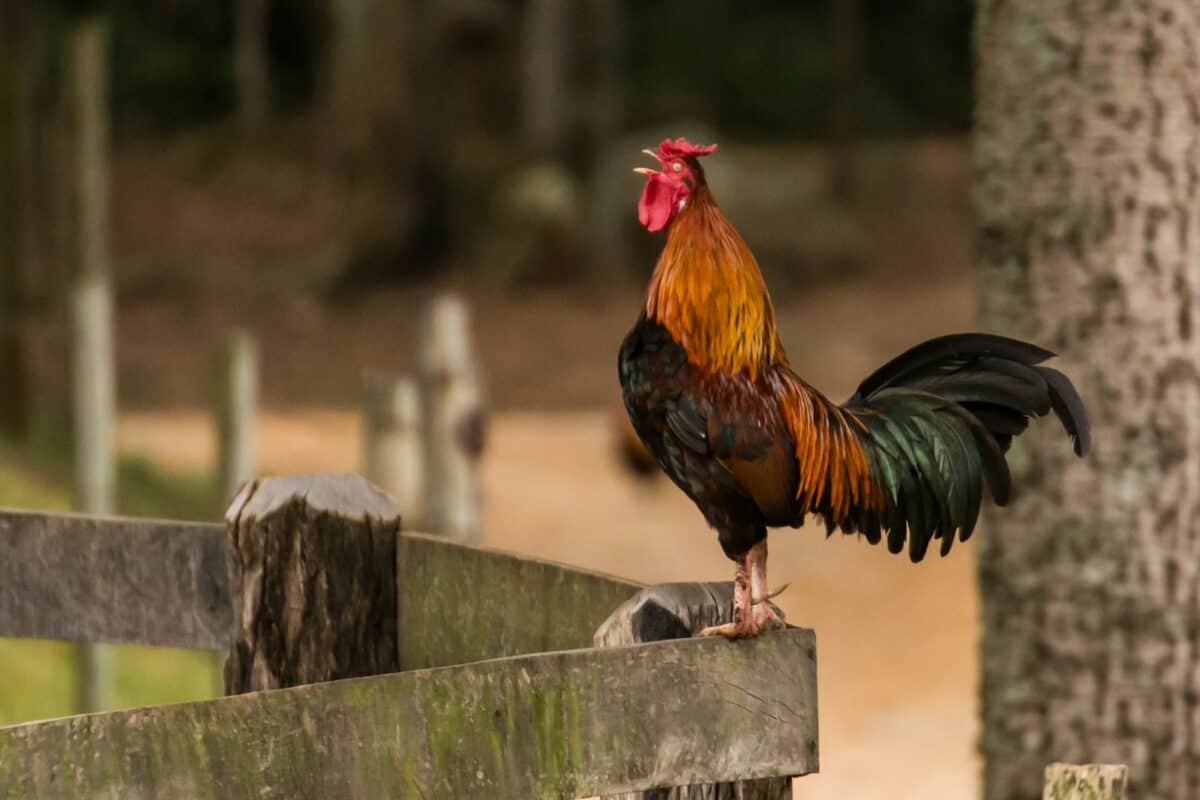
When Christianity spread across Europe, the rooster acquired new symbolic dimensions while retaining its protective qualities. The most significant biblical reference comes from the story of Peter’s denial of Christ, where Jesus prophesies that Peter will deny him three times before the rooster crows. Following this narrative, the rooster became a symbol of vigilance and repentance in Christian iconography. Church fathers interpreted the bird’s crow as a call to spiritual awakening and protection against the temptations of sin and darkness.
By the 9th century, Pope Nicholas I decreed that the image of a rooster should be displayed on every church steeple as a reminder of Peter’s denial and as a symbol of clerical vigilance. This papal declaration institutionalized the rooster as a guardian of sacred spaces, watching over the congregation and warding off evil influences. Consequently, the weathercock or weathervane rooster became one of the most visible and enduring symbols in Christian European architecture, standing as a sentinel against malevolent forces.
The Gallic Rooster: France’s Protective Emblem

Perhaps nowhere in Europe has the rooster gained more prominence as a national protective symbol than in France. The Gallic Rooster (Le Coq Gaulois) emerged as an unofficial national emblem through a linguistic coincidence—the Latin words “gallus” (rooster) and “Gallus” (Gaul or a Gallic person) created a natural association. This connection was embraced by the French as a symbol of national identity and vigilance against external threats, particularly during the French Revolution when it represented liberty and opposition to monarchy.
Throughout French folklore, the rooster appears as a protective figure that keeps homes and communities safe. Rural traditions held that a rooster’s crow could disperse gathering evil spirits, witches, and supernatural threats. During the Middle Ages, French peasants would often keep a white rooster specifically for its supposed enhanced protective powers. The bird’s prominent place in French culture is reflected in everything from sports team emblems to government buildings, where it continues to stand as a vigilant guardian of French values and territories.
Portuguese Rooster of Barcelos: The Legend of Protection
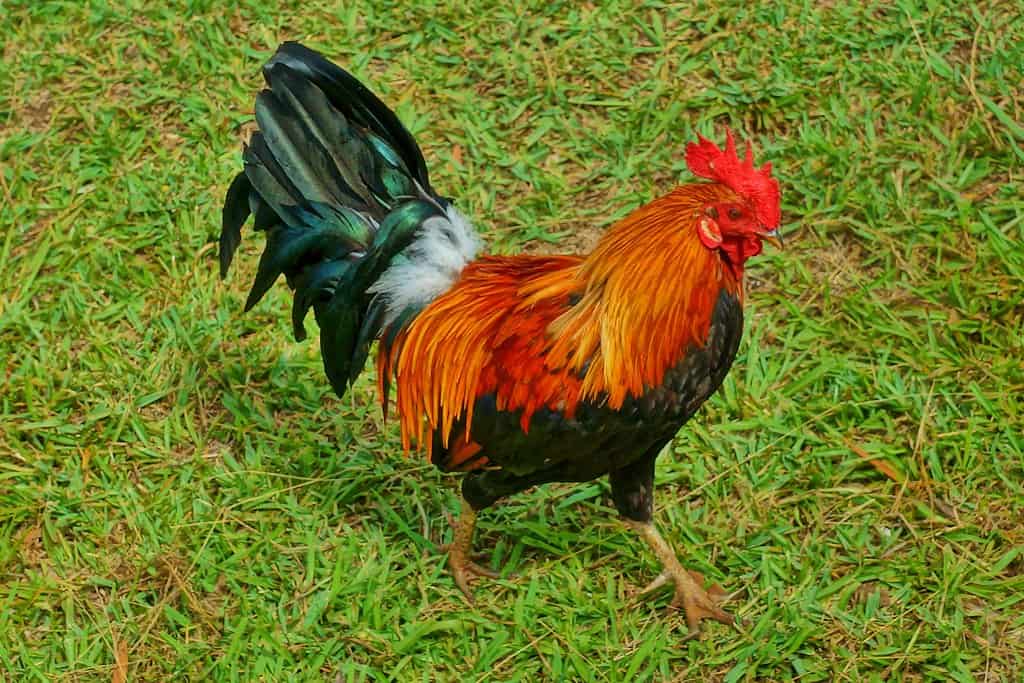
One of the most celebrated European legends involving a protective rooster comes from Portugal in the form of the Rooster of Barcelos (Galo de Barcelos). According to the folk tale, a pilgrim traveling to Santiago de Compostela was wrongfully accused of theft in the town of Barcelos. Despite his protestations of innocence, he was sentenced to hang. As a final statement, the pilgrim pointed to a roasted rooster being prepared for the judge’s dinner and declared that as proof of his innocence, the cooked bird would crow when he was hanged.
Miraculously, when the pilgrim was being executed, the roasted rooster stood up on the table and crowed loudly, proving the man’s innocence and saving him from death. This story transformed the rooster into a Portuguese symbol of justice, faith, and good fortune. Today, colorful ceramic roosters of Barcelos are considered protective talismans that bring luck and safety to Portuguese households, guarding against misfortune and evil. This emblematic rooster has become one of Portugal’s most recognized cultural symbols, representing the triumph of truth over injustice and good over evil.
Roosters on Weathervanes: Practical Protection
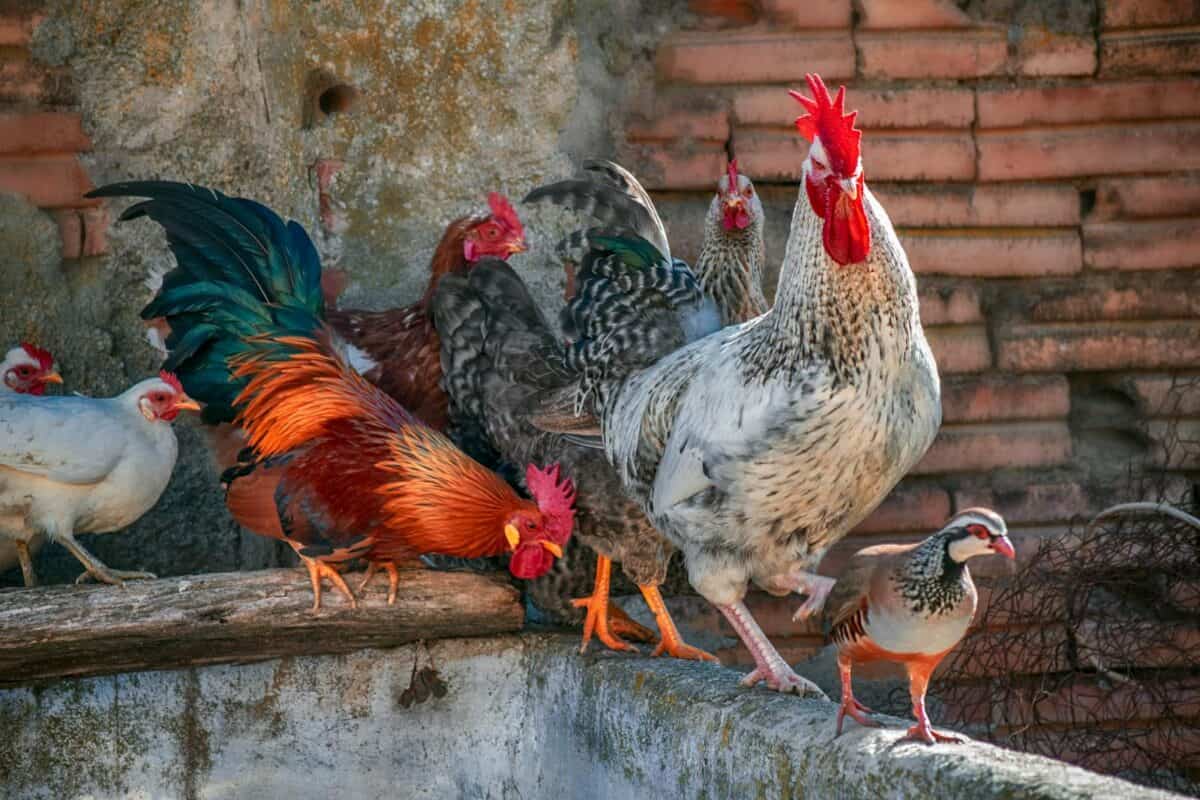
The tradition of placing rooster figures on weathervanes combines practical meteorology with spiritual protection. While the primary function of weathervanes is to indicate wind direction, the choice of the rooster as the most common figure reflects deep-seated beliefs in its protective powers. Farmers and sailors relied on these devices to predict weather patterns, but the rooster’s presence added a layer of spiritual security, watching over farms, villages, and harbors.
Medieval Europeans believed that since the rooster announced the arrival of sunrise, it held power over demons and spirits that roamed during the night hours. A metal rooster, permanently vigilant atop buildings, created a continuous zone of protection. The weathercock’s elevated position also placed it between heaven and earth, making it an ideal intermediary and guardian. Craftsmen often included special blessings or protective inscriptions when creating these weathervanes, enhancing their apotropaic (evil-averting) qualities and ensuring they would remain effective guardians regardless of which way the wind blew.
Rooster Blood and Feathers: Folk Magic Practices

Beyond symbolic representations, European folk magic incorporated physical elements of roosters into protective rituals and remedies. In various rural traditions, particularly in Eastern and Southern Europe, rooster blood was believed to possess powerful protective properties. During the construction of new buildings, some communities practiced the ritual sacrifice of a rooster, sprinkling its blood on foundation stones to ward off structural problems and protect future inhabitants from harm. This practice reflected the belief that the rooster’s life force could be transferred to create a spiritual barrier against malevolent influences.
Rooster feathers, especially those with distinctive colors or patterns, were collected and used in protective amulets. In Romanian folklore, placing a rooster feather under a child’s pillow would protect them from nightmares and nocturnal spirits. Similarly, in parts of Italy and Spain, farmers would nail rooster feathers to barn doors to prevent livestock illness and protect their animals from the evil eye. These practices demonstrate how the rooster’s protective symbolism extended beyond its living form to include its physical components, each believed to carry a portion of the bird’s apotropaic power.
The Rooster in Seasonal and Agricultural Protection

European agricultural communities developed specific rooster-related customs tied to the seasonal calendar, designed to ensure protection during vulnerable periods of the farming year. During midsummer celebrations, particularly around the solstice, farmers in parts of Central Europe would carry roosters around the boundaries of their fields, believing the bird’s presence would establish a protective perimeter against crop-damaging spirits and ensure fertility for the coming harvest. The rooster’s strong association with the sun made it especially powerful during these solar festivals.
In winter, particularly around the Christmas season, various European traditions involved the rooster as a protective figure during the darkest time of year. In Scandinavian countries, the Julbok (Christmas goat) was sometimes accompanied by a rooster figure that was said to keep watch through the long winter nights. Some communities maintained the tradition of listening for a rooster’s crow during Christmas Eve midnight mass—if the bird crowed during the service, it was considered a powerful omen that the household would be protected from evil influences throughout the coming year, highlighting the rooster’s role as a seasonal guardian during transitional periods.
Roosters Against the Evil Eye

Across Mediterranean Europe, the rooster gained special significance as a counter to the dreaded evil eye (malocchio in Italian, mal de ojo in Spanish). This malevolent force, transmitted through jealous or admiring glances, was believed to cause illness, misfortune, and various calamities. The rooster, with its bold appearance and fearless behavior, was considered one of the most effective animals for deflecting and neutralizing this negative energy. In Greece, Italy, and Spain, ceramic or metal rooster figurines were prominently displayed in homes, especially near entrances and windows—the vulnerable points through which the evil eye might enter.
The rooster’s effectiveness against the evil eye was attributed to several characteristics. Its bright comb and wattles were thought to distract and confuse malevolent gazes, while its aggressive stance symbolically fought off negative influences. In some regions, rooster images were specifically painted in bright colors with exaggerated features to enhance their protective power. Fishermen in coastal areas would often paint roosters on their boats or carry rooster amulets to protect against the evil eye while at sea, demonstrating the wide geographical and occupational spread of this belief in the rooster’s protective capabilities.
Household Guardians: Roosters in Domestic Protection

Within European homes, the rooster appeared in numerous forms as a domestic guardian. Kitchen witches in Germanic regions often advised keeping rooster-themed items in cooking areas to prevent food spoilage and protect the health of family meals. These could range from decorative plates and tiles featuring rooster motifs to actual roosters painted on hearths and ovens. The bird’s connection to fire and the hearth—the central life-giving element of traditional homes—reinforced its role as a household protector. Some families maintained the tradition of hanging a dried rooster foot near the chimney to prevent evil from entering through this opening.
Textiles and furniture also incorporated rooster imagery for protective purposes. In Eastern European countries like Hungary and Romania, traditional embroidery patterns featured stylized roosters that were sewn into clothing, especially children’s garments and wedding attire, during times when individuals were considered particularly vulnerable to spiritual harm. Cradles and bedposts sometimes featured carved rooster figures to watch over sleeping family members when they were most susceptible to supernatural threats. These domestic applications of rooster symbolism created layers of protection throughout the home, from threshold to hearth to bedchamber.
Regional Variations of the Protective Rooster
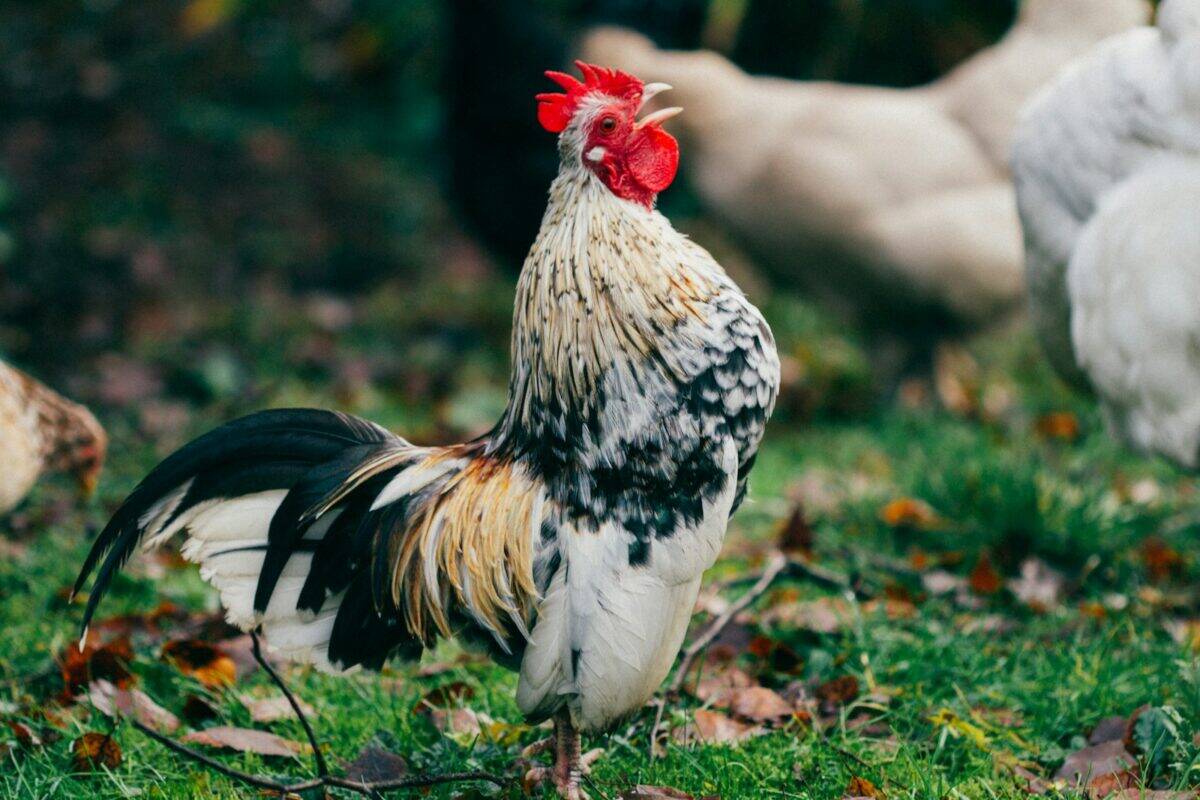
While the protective rooster appears throughout European folklore, regional variations reveal fascinating cultural adaptations. In Slavic traditions, particularly in Russia and Ukraine, the rooster was associated with the fire god Svarog and believed to have special power against water spirits and rusalkas (dangerous female entities that dwelled near bodies of water). Coastal communities would place rooster images near wells, rivers, and lakes to prevent these spirits from causing drownings or water-related misfortunes.
In Germanic regions, the rooster gained connections to Thor and his battle against giants and chaotic forces. Black roosters held particular significance in some Alpine communities, where they were considered especially effective against storm spirits and weather-related threats. Meanwhile, in Celtic traditions found in Ireland and Brittany, the rooster was linked to solar deities and the seasonal cycle, with specific protective roles during transition periods like dawn, dusk, and seasonal changes. These regional variations demonstrate how the basic protective concept of the rooster was adapted to address the specific supernatural threats and cultural concerns of different European populations.
Modern Survivals of Rooster Protection Beliefs

Despite centuries of scientific advancement and changing religious landscapes, the rooster’s protective symbolism persists in modern European culture, often in subtle or secularized forms. Contemporary architectural designs still incorporate rooster weathervanes, particularly in rural areas and on traditional-style buildings. While many owners may not consciously think of them as spiritual guardians, the continuation of this tradition preserves the protective symbolism. Similarly, the popularity of rooster motifs in kitchen décor across Europe maintains a connection to the bird’s traditional role as a household protector.
In some regions, rooster protection traditions remain more explicit. Portuguese families still gift Barcelos roosters as housewarming presents for their protective qualities, and some Italian communities maintain festivals with rooster-themed rituals that date back centuries. Even in urban environments, sports teams and organizations that use rooster imagery often reference the bird’s qualities of vigilance and protection in their promotional materials. These modern survivals demonstrate the remarkable persistence of the rooster as a protective symbol in European culture, adapting to contemporary contexts while maintaining connections to ancient beliefs about this guardian bird.
The Enduring Legacy of the Guardian Rooster
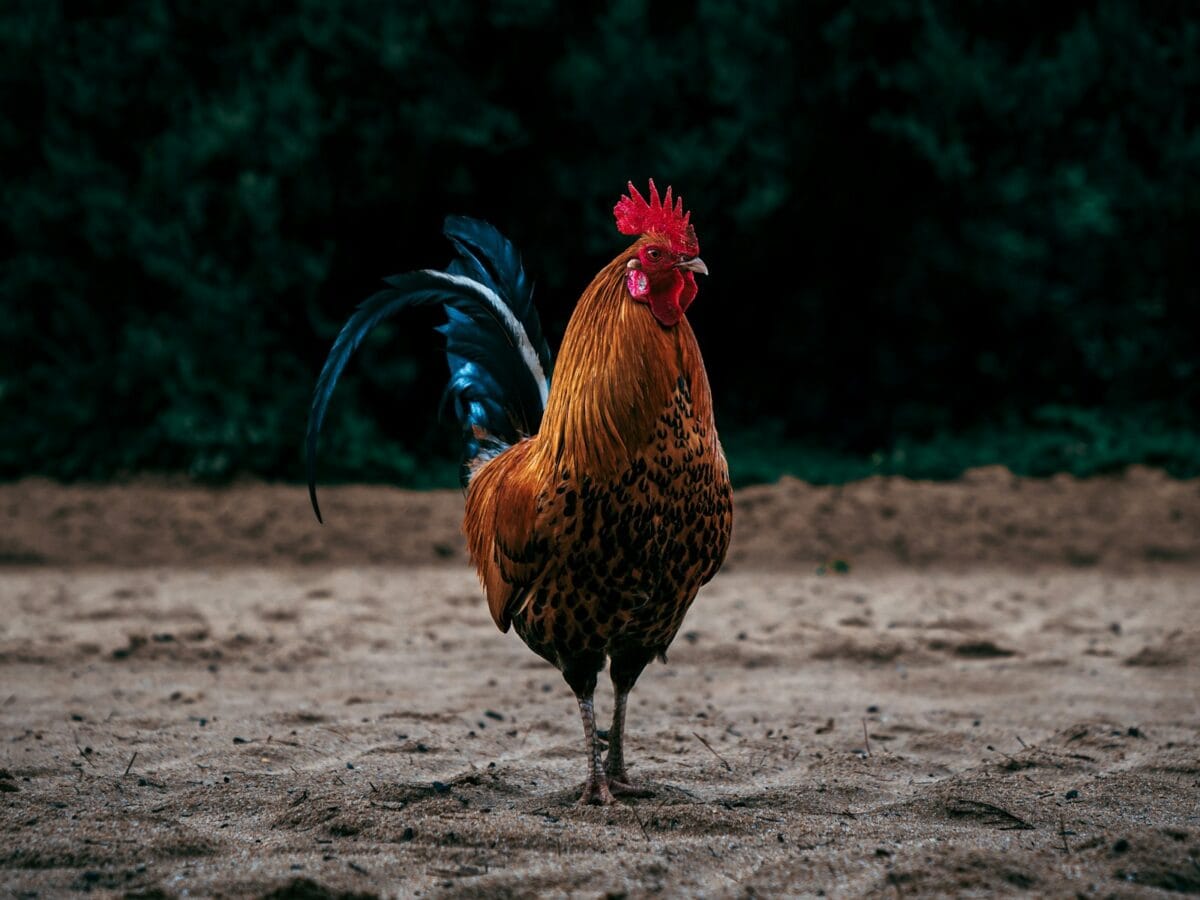
The European tradition of the rooster as a guardian against evil spirits represents one of the most persistent and widespread examples of animal symbolism in folk belief. From ancient solar associations to Christian vigilance, from national emblems to household protectors, the rooster has crowed its way through centuries of European cultural history as a steadfast spiritual guardian. This remarkable continuity speaks to both the practical observation of the rooster’s behavior—its alert stance, its announcement of dawn’s victory over night—and the deeper psychological need for protective symbols that stand watch over vulnerable communities and individuals.
Today, whether as a colorful ceramic figure in a Portuguese home, a gleaming weathervane on a French church, or a decorative motif in a modern kitchen, the rooster continues its centuries-old vigil against malevolent forces. Its symbolism has evolved and adapted with changing times, yet its core identity as a boundary-keeper between light and darkness remains intact. In a world where traditional beliefs increasingly give way to secular perspectives, the protective rooster represents a fascinating bridge between past and present, between superstition and symbol, reminding us of our ancestors’ search for guardianship in an uncertain world and their recognition of this bold bird as an ally in that eternal quest.

From exploring the marine wonders in the Azores and witnessing the vast savannas of Kenya, to delving deep into the rich biodiversity of South Africa and traversing iconic landscapes in Australia and the US like Yellowstone, Chris's experiences are vast.
With a penchant for diving alongside sharks, the ocean holds a special place in his heart.
Through his academic insights, he champions wildlife conservation, striving with 'Animals Around The Globe' to cultivate a profound connection between humans and animals, enhancing our mutual appreciation.
Connect with him at Feedback@animalsaroundtheglobe.com.
- The Rooster That Wards Off Evil Spirits in European Lore - July 30, 2026
- This Dolphin Is Risking Extinction Sooner Than Expected - July 30, 2026
- How Tigers Mark Their Territory Using Scent and Scratches - July 29, 2026
Leave a comment
You must be logged in to post a comment.