

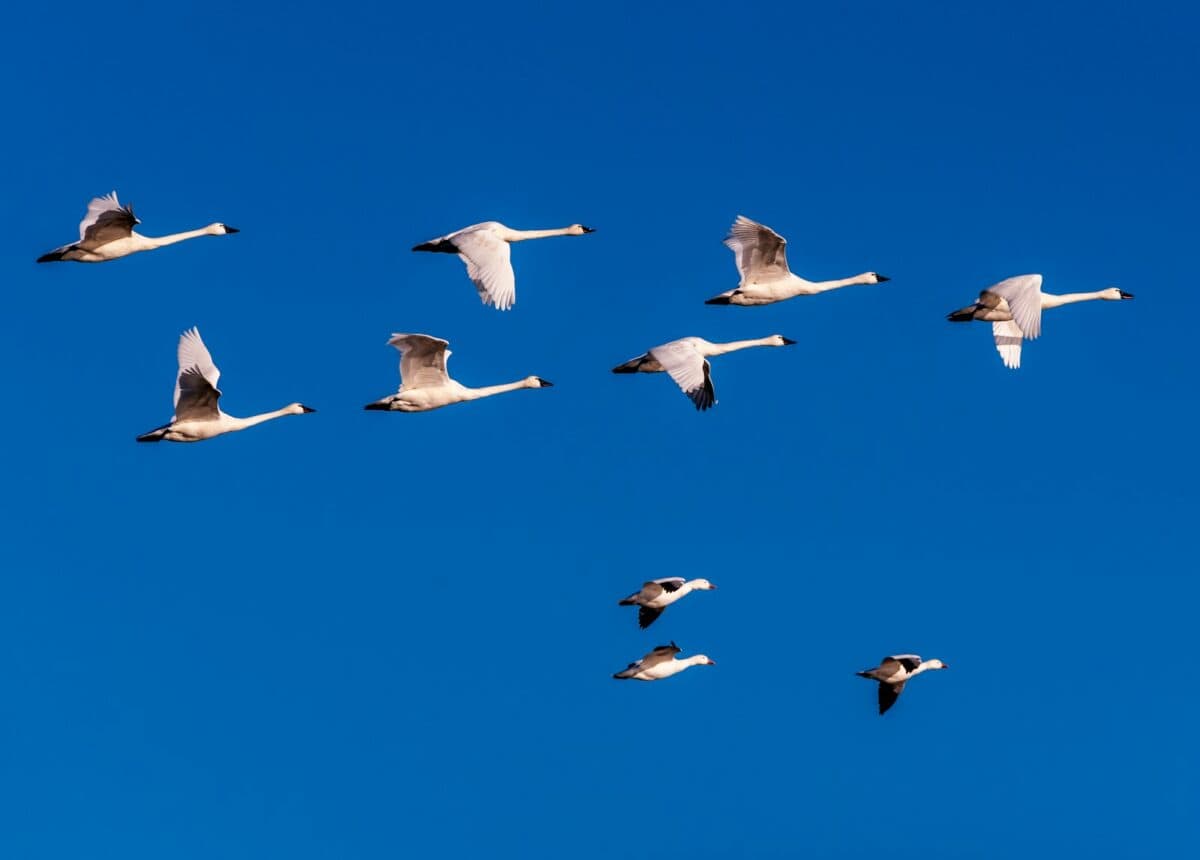
The seemingly magical ability of animals to find their way home across vast distances has fascinated humans for centuries. From the epic journeys of migrating birds to the loyal dog that tracks its family across unfamiliar territory, animal navigation abilities often surpass our human capabilities and technological innovations. These remarkable homing instincts serve critical survival functions in the wild while reminding us of the complex and sophisticated adaptations that evolution has produced. This article explores the fascinating science behind these navigational marvels, examining the diverse mechanisms animals use to orient themselves, the evolutionary advantages of these abilities, and the cutting-edge research that continues to unravel these mysteries.
The Evolutionary Significance of Homing Abilities

Animal homing abilities represent one of evolution’s most remarkable adaptations, providing distinct survival advantages across species. For migratory animals, the ability to navigate between breeding and feeding grounds enables them to access seasonally abundant resources and avoid harsh environmental conditions. For territorial species, spatial awareness allows efficient foraging while maintaining familiarity with shelter and escape routes from predators.
These navigation systems didn’t develop overnight but evolved over millions of years through natural selection, where individuals with superior navigation abilities survived longer and produced more offspring, gradually enhancing these traits within populations. As environments changed and species adapted to new niches, increasingly sophisticated navigation mechanisms emerged, from simple trail-following to the complex multi-sensory systems we observe today in many animals.
Magnetic Field Detection: Nature’s Compass

Many animals possess an extraordinary ability to detect Earth’s magnetic field, effectively giving them an internal compass. This magnetoreception capability has been documented in diverse species including birds, sea turtles, salmon, and even some mammals. Research suggests these animals possess specialized cells containing magnetite (a naturally magnetic mineral) or photosensitive proteins that respond to magnetic fields.
In birds, studies have identified magnetoreceptors in the upper beak and the eyes, allowing them to visualize magnetic fields as patterns superimposed on their visual field. Experiments with migratory birds in planetariums show that when the magnetic field is artificially altered, birds change their orientation accordingly. This remarkable sensitivity allows animals to determine their heading regardless of visual cues, cloud cover, or time of day, providing a reliable navigational baseline that remains constant across vast journeys.
Celestial Navigation: Using Stars and Sun

Many species demonstrate the ability to navigate using celestial bodies, employing the sun, moon, and stars as directional guides. Birds like the indigo bunting and European robin can identify specific star patterns and use them for orientation during night migrations. During daytime, numerous species use the sun’s position as a compass, with internal biological clocks compensating for the sun’s movement across the sky. Dung beetles, remarkably, navigate by following the band of light created by the Milky Way, the first insects documented to use the galaxy for orientation.
Desert ants calibrate their internal compass using the sun’s polarized light patterns, allowing precise navigation even in seemingly featureless environments. This celestial navigation provides reliable directional information over long distances, particularly useful for species migrating over oceans or deserts where landmarks are scarce. The ability to process and interpret celestial information represents a sophisticated cognitive feat, highlighting the remarkable navigational intelligence present across the animal kingdom.
Olfactory Navigation: Following Scent Maps

For many animals, particularly mammals, olfaction plays a crucial role in navigation. Species create cognitive “scent maps” of their environment, using distinctive odors as landmarks to orient themselves. This system is particularly evident in dogs, whose olfactory capabilities are estimated to be 10,000 to 100,000 times more sensitive than humans. Pacific salmon perform one of nature’s most remarkable navigation feats using olfaction, imprinting on the specific chemical signature of their natal stream before migrating to the ocean.
Years later, they use this olfactory memory to locate the exact tributary where they were born, swimming hundreds of miles upstream against currents. Studies with seabirds like albatrosses and petrels demonstrate they can detect dimethyl sulfide, a compound released when phytoplankton are consumed, helping them locate productive feeding grounds across vast oceans. Recent research suggests some migratory birds may also use olfactory cues for continental-scale navigation, detecting region-specific plant oils and other environmental odors that create large-scale scent gradients across landscapes.
Visual Memory and Landmark Recognition

Visual memory forms a fundamental component of many animals’ navigation systems, allowing them to recognize and use landmarks for orientation. This capability is particularly advanced in birds like the Clark’s nutcracker, which can remember the locations of thousands of seed caches across complex mountain landscapes. Bees perform elaborate “learning flights” when leaving their hive or food sources, systematically memorizing visual patterns and landmarks by flying in increasing arcs to establish spatial context.
Primates, including humans, excel at landmark-based navigation, creating detailed cognitive maps that integrate visual memories with spatial relationships. Research with homing pigeons reveals they preferentially follow linear features like roads and railways, suggesting these birds use a sophisticated understanding of landscape elements for efficient navigation. In urban environments, many animals adapt their navigation strategies to use artificial structures as orientation points, demonstrating the flexibility of visual-spatial memory systems. This landmark recognition ability allows animals to navigate efficiently through complex environments and quickly adapt to changes in their surroundings.
Echolocation: Navigating Through Sound

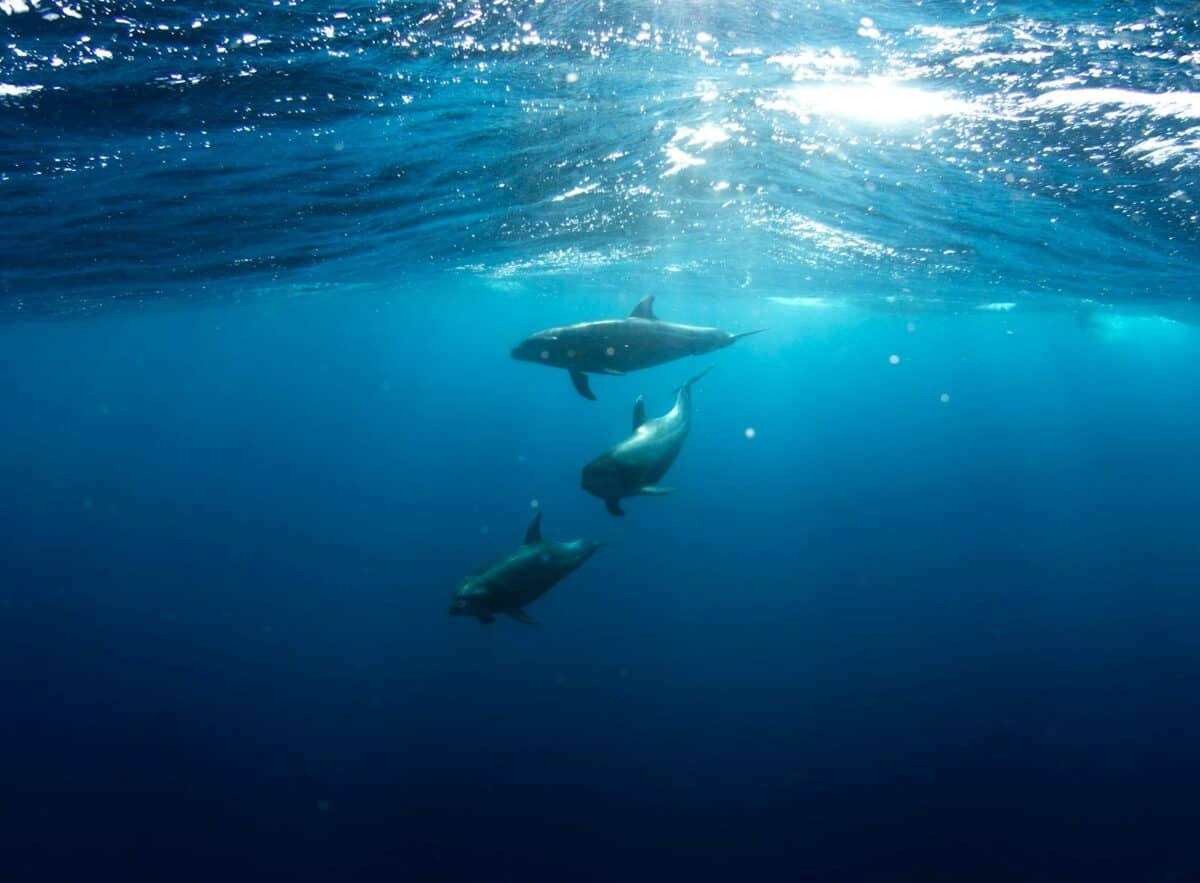
Echolocation represents one of nature’s most sophisticated navigation technologies, allowing animals to create detailed mental maps through sound. Bats, the most renowned echolocators, emit high-frequency calls that bounce off objects in their environment, providing precise information about distance, size, texture, and movement. This system is so refined that bats can detect objects as thin as a human hair in complete darkness. Marine mammals like dolphins and whales have evolved echolocation systems adapted for underwater environments, producing clicks that can travel for miles through water.
Their biosonar allows them to locate prey, navigate complex underwater topography, and communicate with pod members across vast distances. Recent research has discovered that some species of shrews, tenrecs, and even certain birds (oilbirds and swiftlets) use simpler forms of echolocation to navigate dark caves or dense forests. This sensory capability represents a remarkable example of convergent evolution, where different animal lineages independently evolved similar solutions to navigation challenges in light-limited environments.
Infrasound and Seismic Sensing

Some animals navigate using sounds and vibrations that humans cannot perceive, detecting infrasound (low-frequency sounds below 20 Hz) that can travel enormous distances. Elephants communicate and potentially navigate using infrasound that travels through ground and air, detected through specialized receptors in their feet and trunks. These sounds can travel over 6 miles, allowing herds to coordinate movements and locate distant water sources. Pigeons have shown sensitivity to infrasound generated by ocean waves and wind patterns around mountains, potentially using these acoustic landscapes for long-distance orientation.
Research indicates that some migratory birds may detect infrasound created by ocean waves, prevailing winds, and geographic features to supplement other navigational cues during long journeys. In aquatic environments, sharks and rays possess electroreceptive organs (ampullae of Lorenzini) that detect minute electrical fields and possibly seismic signals, aiding navigation in murky waters or during long oceanic migrations. These specialized sensory systems demonstrate how evolution has equipped animals to extract navigational information from environmental signals imperceptible to most other species.
Social Learning and Cultural Navigation

Navigation abilities in many species aren’t purely instinctual but involve significant social learning components. Young migratory birds often follow experienced adults on their first migrations, learning complicated routes through observation and participation. In whale and dolphin pods, migration knowledge appears to be culturally transmitted, with elder females often leading groups along traditional routes that have proven successful over generations. Honey bees communicate specific locations through their famous “waggle dance,” a sophisticated communication system where returning foragers share distance and directional information about food sources.
In primate societies, knowledge of resource locations and territory boundaries is socially transmitted throughout the group, creating a collective spatial awareness that benefits all members. This social dimension of navigation allows for rapid adaptation to environmental changes and enables species to pass down accumulated spatial knowledge across generations. The interplay between innate navigational instincts and learned components represents an important area of ongoing research, particularly relevant as climate change alters traditional migration patterns and habitat distributions.
The Remarkable Case of Homing Pigeons

Homing pigeons represent one of the most thoroughly studied examples of animal navigation, having been used for message delivery for over 3,000 years. Their extraordinary homing ability allows them to return to their loft from unfamiliar release points hundreds of miles away, even when displaced in covered containers that prevent visual tracking. Research indicates these birds integrate multiple navigational systems, including magnetoreception, solar compass orientation, infrasound detection, olfactory mapping, and visual landmark recognition. Experiments disrupting individual senses demonstrate that pigeons can compensate using alternative navigation methods, showing remarkable system redundancy.
The birds create a “map and compass” navigational framework, first determining their position relative to home (the map component) and then maintaining the appropriate direction during flight (the compass component). Early research by German scientist Gustav Kramer in the 1950s established the sun compass capabilities of these birds, while later studies by Italian scientist Floriano Papi demonstrated their olfactory navigation abilities. Homing pigeons exemplify how multiple sensory inputs can be integrated into a sophisticated navigation system, making them invaluable models for understanding the broader principles of animal orientation.
Sea Turtle Navigation Mysteries
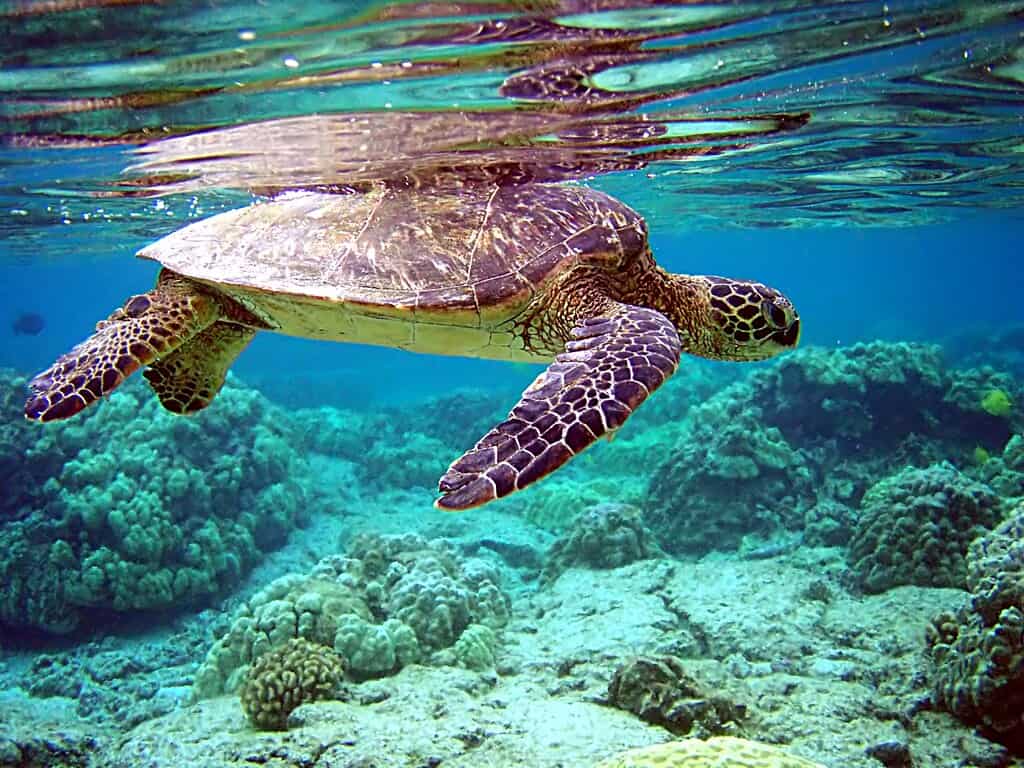
Sea turtles perform some of the most impressive navigation feats in the animal kingdom, with females returning to nest on the exact beaches where they were born after spending decades in the open ocean. Loggerhead turtles from Florida have been documented making a 8,000-mile round trip across the Atlantic to feeding grounds near North Africa before returning to nest on their natal beaches with remarkable precision. Hatchlings emerge knowing the precise direction to the ocean and then orient themselves to swim directly into prevailing currents, suggesting innate directional knowledge.
Research has confirmed that sea turtles possess magnetoreception abilities that allow them to detect both the intensity and inclination of Earth’s magnetic field, effectively giving them access to a global positioning system. Each beach has a unique magnetic signature based on its geographic location, which turtles appear to imprint upon as hatchlings. Recent studies also suggest they may use chemical cues in ocean currents and possibly celestial information to refine their navigation during long migrations. Their ability to integrate these multiple systems after years at sea represents one of nature’s most impressive examples of long-term spatial memory and multi-sensory navigation.
Cutting-Edge Research and New Discoveries

The field of animal navigation is experiencing rapid advances through new technologies that allow researchers to track and study animal movements with unprecedented precision. Miniaturized GPS tracking devices weighing just a few grams now enable scientists to follow small migratory birds across continents, revealing previously unknown stopover sites and route fidelity patterns. Neural imaging techniques are revolutionizing our understanding of the brain mechanisms behind navigation, with researchers identifying specialized “grid cells” and “place cells” that fire in patterns corresponding to an animal’s position in space.
These cells, discovered in rats but likely present across many vertebrate species, earned their discoverers the 2014 Nobel Prize in Physiology or Medicine. Recent studies with dung beetles in planetariums have demonstrated they can navigate using the Milky Way, while work with monarch butterflies has identified specialized circadian clock neurons that help calibrate sun compass orientation during their multi-generational migrations. Genetic research is uncovering the hereditary components of migratory behavior, with studies in birds identifying specific genes that influence migratory restlessness and orientation preferences. As climate change disrupts traditional migration patterns, understanding these navigation mechanisms becomes increasingly important for conservation efforts aimed at protecting migratory species.
Human Applications of Animal Navigation Research
The study of animal navigation systems has inspired numerous technological innovations and practical applications. Military and civilian navigation technologies have been influenced by biological navigation principles, with biomimetic sensors designed to detect magnetic fields similar to those used by birds and sea turtles. Search and rescue operations increasingly incorporate understanding of how scent travels across landscapes, knowledge derived from studies of how tracking animals follow odor plumes. Conservation efforts for endangered migratory species now utilize insights from navigation research to identify and protect critical habitat corridors and stopover sites essential for successful journeys.
Medical research into spatial cognition disorders like Alzheimer’s disease draws upon understanding of the neural mechanisms of navigation, particularly the functions of place cells and grid cells in forming spatial memories. Architectural design has begun incorporating principles from animal navigation studies to create more intuitive building layouts and urban spaces that align with natural human wayfinding tendencies. These diverse applications demonstrate how fundamental research into animal navigation capabilities continues to yield practical benefits across multiple disciplines, connecting theoretical biology with real-world problems and solutions.
Conclusion: The Continuing Mystery of Animal Navigation

The remarkable homing and navigational abilities of animals represent one of nature’s most compelling mysteries, combining innate instincts, learned behaviors, and multi-sensory integration systems that still surpass human technological equivalents in many ways. Despite significant advances in understanding the mechanisms behind these abilities, many aspects remain elusive, highlighting the sophisticated neural processing and evolutionary adaptations that make such feats possible.
Each species offers unique insights into different navigation strategies, from the celestial orientation of dung beetles to the complex magnetic mapping of sea turtles, revealing the diverse solutions that evolution has produced for the universal challenge of finding one’s way. As research continues with increasingly sophisticated tools and methodologies, we can expect further revelations about these extraordinary abilities, deepening our appreciation for the remarkable navigational intelligence that exists throughout the animal kingdom and potentially inspiring new technological innovations based on nature’s time-tested designs.

From exploring the marine wonders in the Azores and witnessing the vast savannas of Kenya, to delving deep into the rich biodiversity of South Africa and traversing iconic landscapes in Australia and the US like Yellowstone, Chris's experiences are vast.
With a penchant for diving alongside sharks, the ocean holds a special place in his heart.
Through his academic insights, he champions wildlife conservation, striving with 'Animals Around The Globe' to cultivate a profound connection between humans and animals, enhancing our mutual appreciation.
Connect with him at Feedback@animalsaroundtheglobe.com.
- The Brightest Animal Lives in the Sea - June 30, 2026
- This Ocean Creature Moves the Slowest—but Lives the Longest - June 30, 2026
- 12 Biggest Dinosaur Fossils Ever Found - June 30, 2026