
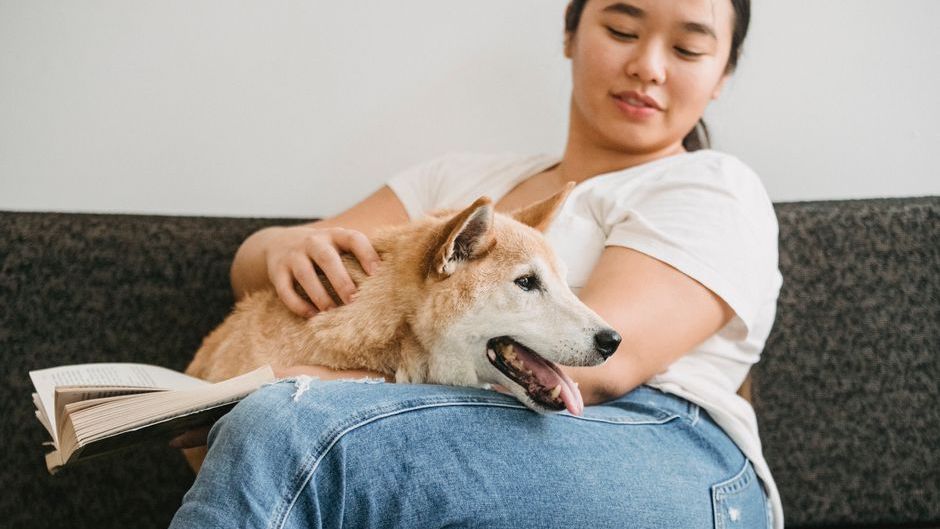
Your dog does not love everyone in the house the same way, and deep down, you already know it. She perks up the second you walk through the door, tail going wild, while ignoring the person who fed her breakfast an hour ago. He waits by your side of the bed, not theirs. He follows you room to room like you’re the only heartbeat in the house.
That’s not random, and it’s not just personality. There’s real biology behind why dogs latch onto one specific human and stay devoted to them for life – and once you understand the mechanics of it, you’ll never look at your dog’s “favorite person” habit the same way again.
The Puppy Window That Quietly Decides Everything
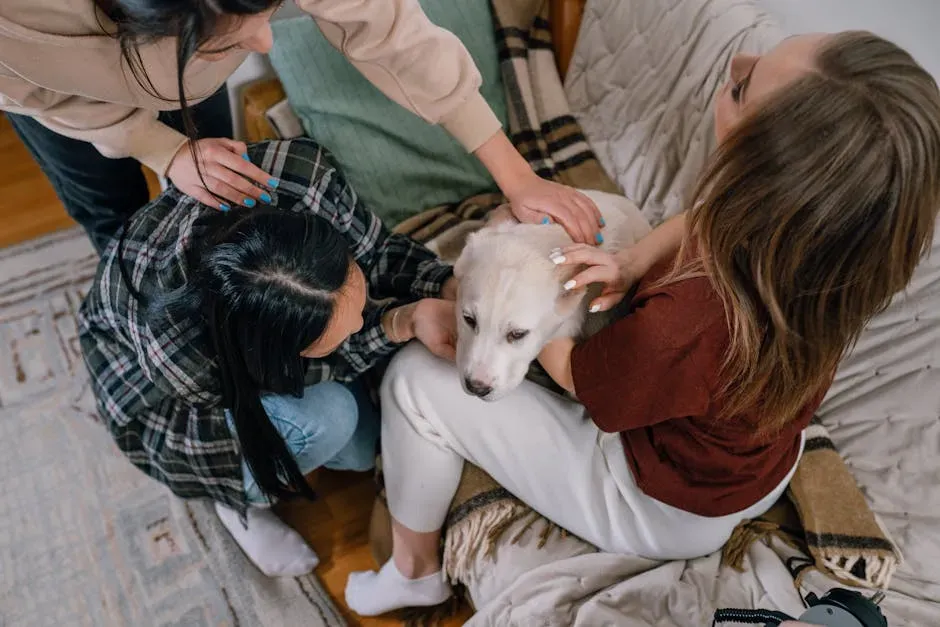
Somewhere between 3 and 16 weeks old, a puppy’s brain is wide open, soaking up every face, voice, and touch it encounters. Breeders and shelters call this the socialization window, and it’s the single most important stretch of a dog’s entire life for shaping how they relate to people. Puppies who meet lots of different humans during this stage tend to grow into dogs who are comfortable with everyone.
But flip that script, and the pattern flips too. If one person did most of the feeding, holding, and comforting during those early weeks, that person often becomes the emotional anchor for the rest of the dog’s life. It’s not a decision the puppy consciously makes. It’s imprinting, and it’s remarkably durable.
Fast Facts
- The critical socialization window runs roughly from 3 to 16 weeks of age.
- One steady caregiver during this stage often becomes the dog’s lifelong reference point for “safe.”
- Once the window narrows, dogs can still bond with new people, just less instinctively.
- Experiences packed into these few weeks can shape trust patterns that last a lifetime.
Why the Person Who Shows Up Every Day Wins
Dogs are creatures of pattern, and they keep score in a very simple way: who is reliably here. The person who fills the food bowl, clips the leash, and shows up for the 6 a.m. walk becomes wired into the dog’s sense of safety and routine. It’s not about who hands out the most treats or who plays the hardest. It’s about who never disappears.
Layered on top of that routine is something less mechanical: the quality of attention a dog receives. A person who kneels down to make eye contact, who notices when the dog is anxious, who actually plays instead of just tossing a ball once and scrolling their phone, becomes unforgettable to a dog. Dogs read human emotion with startling accuracy, and they gravitate toward whoever consistently makes them feel understood.
Some Dogs Are Just Wired to Attach Harder
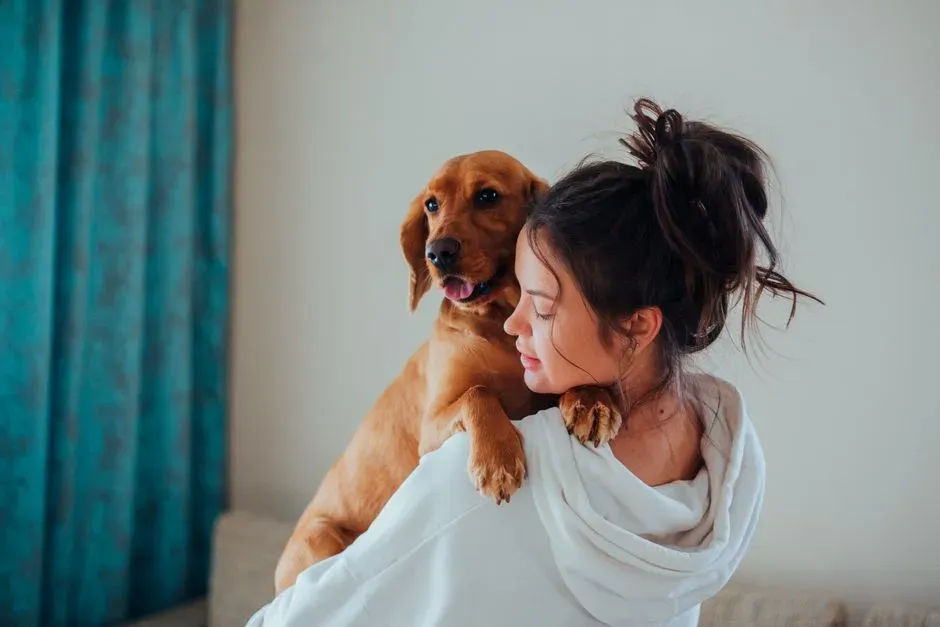
Just like people, dogs come with built-in personalities that have nothing to do with training. Some are naturally independent, content to greet anyone who walks in with equal enthusiasm. Others form deep, almost singular attachments no matter how they were raised, because that’s simply who they are.
Anxious or more sensitive dogs often take this a step further, latching onto one person as their personal safety net. That single human becomes a walking security blanket, the one presence that makes a thunderstorm or a vet visit feel survivable. It’s less about preference and more about self-protection.
Breeds Bred for One Master, Not a Family
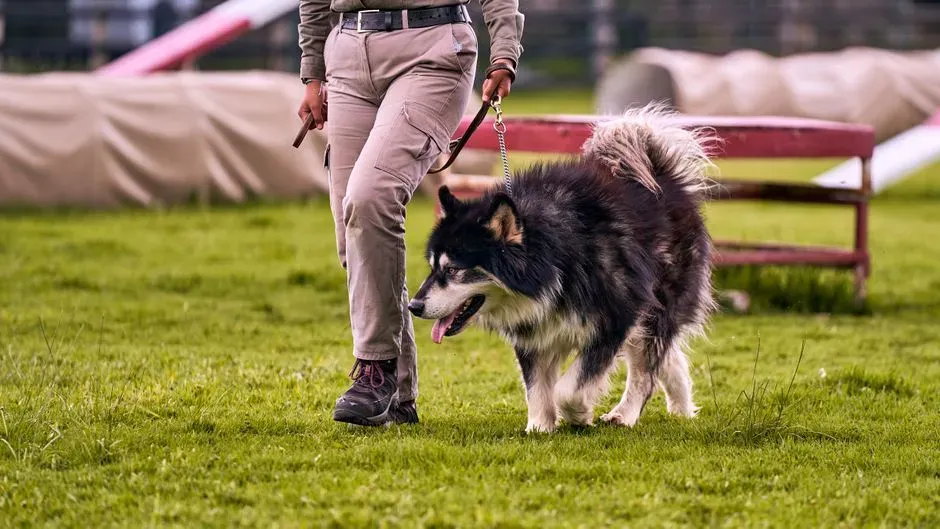
Some dogs didn’t just happen to bond with one person, they were bred for it. Akitas, German Shepherds, and similar working breeds were developed for centuries to guard, herd, or protect alongside a single handler, not a rotating cast of family members. That history is still humming in their instincts today.
This doesn’t mean a Labrador or a mutt from the shelter can’t fall hopelessly devoted to one owner, because plenty do. It just means certain breeds arrive pre-loaded with a genetic nudge toward single-person loyalty, making that intense, almost shadow-like devotion far more likely and far more pronounced.
Quick Compare
- Single-handler instinct: Akitas, Chow Chows, and similar guarding or herding lines historically worked alongside one handler.
- Family-first instinct: Labradors, Golden Retrievers, and Beagles were bred to work with and please an entire household or hunting party.
- Guardian breeds tend to size up new people slowly and bond deeply only once trust is earned.
- Companion and sporting breeds tend to spread affection more evenly across the whole family.
Rescue Dogs and the One Person Who Made Them Feel Safe
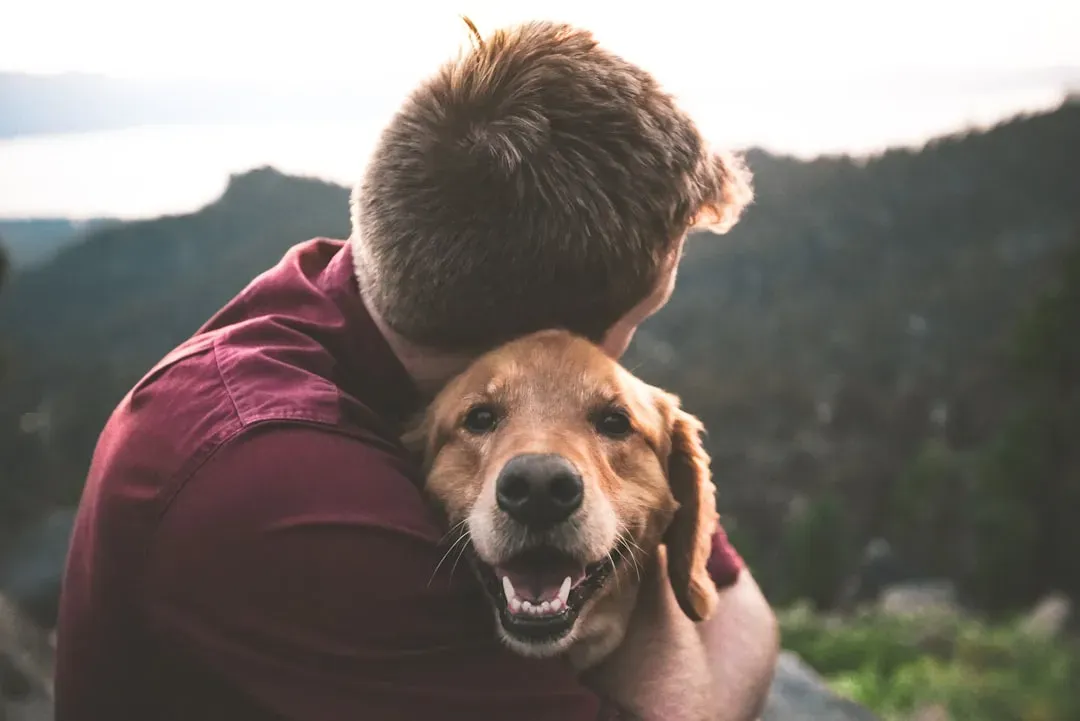
Environment leaves fingerprints on a dog’s heart just as much as genetics do. Dogs who bounced between shelters, foster homes, or previous owners often arrive carrying real uncertainty about whether people can be trusted to stay. When one person finally offers steady food, a warm bed, and a calm voice, that dog often responds by locking onto them with fierce, almost desperate loyalty.
Trauma sharpens this bond even further. A dog who has been through hardship isn’t just looking for companionship, they’re looking for proof that safety is real and repeatable. The person who provides that proof, over and over, becomes irreplaceable in a way that’s hard to overstate.
The Hormone That Makes Your Dog Fall in Love With You
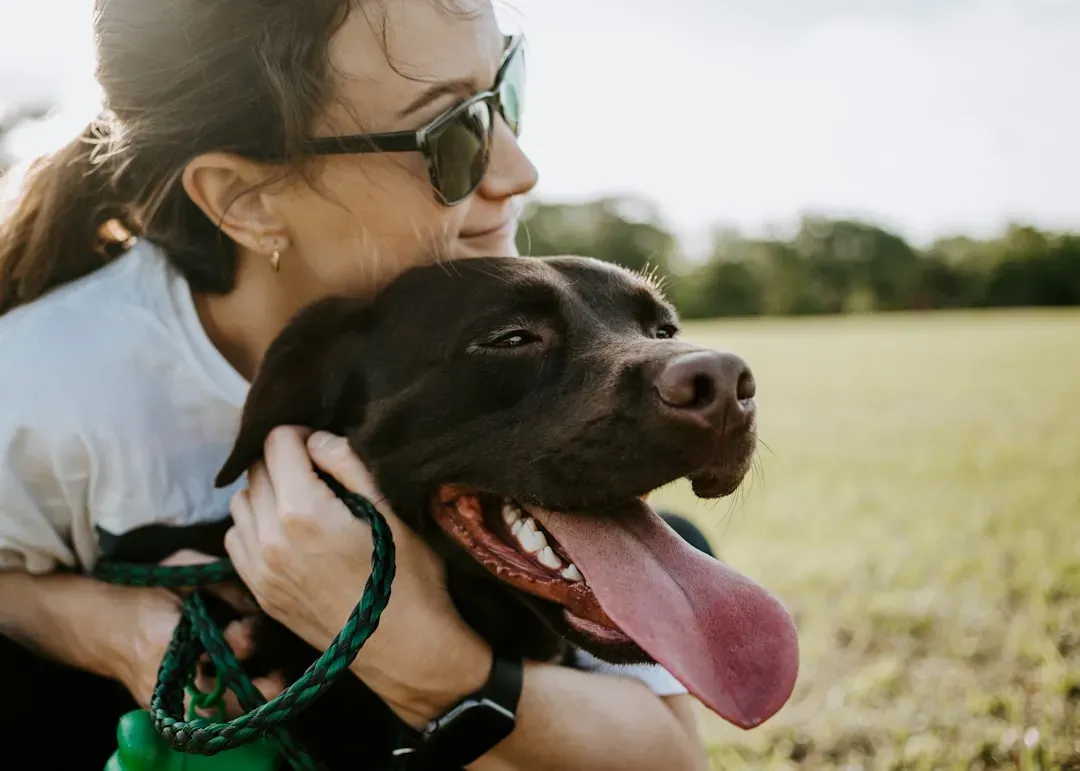
Underneath all of this behavior is a chemical reality: oxytocin, the same hormone that floods a mother’s brain when she holds her newborn. Studies on dogs and their owners have found that mutual eye contact and gentle touch trigger oxytocin release in both species at the same time, creating a feedback loop of bonding that neither party is even aware is happening.
That’s the biological glue behind the phenomenon. It’s not sentimentality, it’s neuroscience, and it explains why petting your dog can feel just as calming to you as it does to them.
Worth Knowing
- A landmark study published in the journal Science found that mutual gazing increased oxytocin levels in both dogs and owners, while wolves, who rarely engage in eye contact with their human handlers, seem resistant to this effect.
- Researchers tracked the effects of a 30-min human–dog interaction on oxytocin-secretion in both owners and dogs to see how quickly the loop kicks in.
- The pattern mirrors the same bond dynamic seen when a gaze between a dog and human… will share similar properties to mother–infant relationships.
- Earlier research found that owners and dogs sharing a long mutual gaze had higher levels of oxytocin in their urine than owners of dogs giving a shorter gaze.
Dogs are not our whole life, but they make our lives whole.
Roger Caras
The Bottom Line
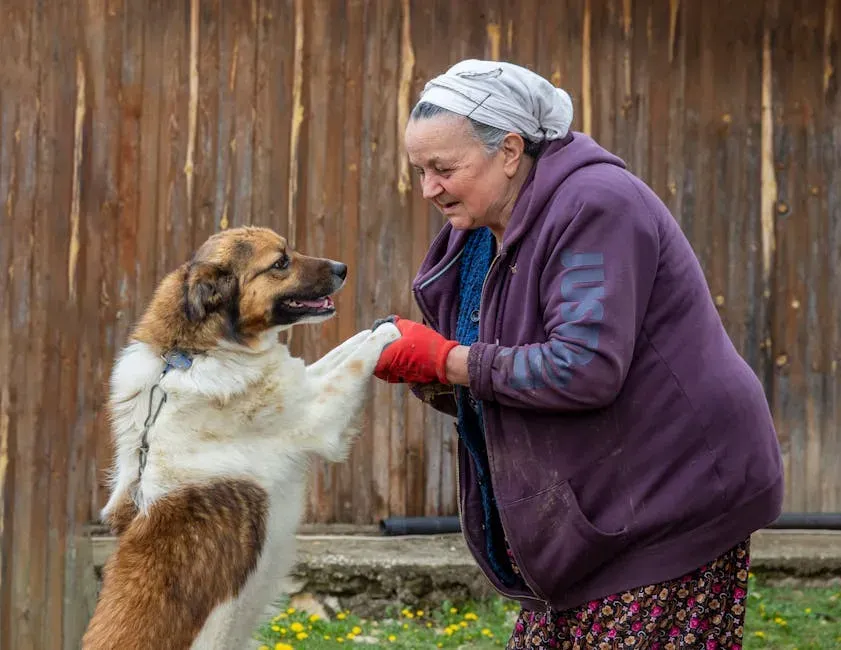
Being your dog’s chosen person is an honor, but it’s not a free pass for the rest of the household to check out. A dog’s loyalty to one human is built from imprinting, routine, temperament, breed history, past hardship, and a hormone doing its quiet chemical work in the background. None of that means everyone else in the house is off the hook.
If you want a dog who trusts more than one person and doesn’t fall apart the moment their favorite human leaves the room, everyone needs to feed, walk, and show up for that dog consistently. Being chosen feels incredible. But raising a secure, well-adjusted dog means making sure that love isn’t resting on just one set of shoulders.
