
Everyone assumes a wildlife-friendly garden means expensive imported flowers, fussy soil amendments, and a greenhouse’s worth of trial and error. It doesn’t. Some of the most reliable pollinator magnets in America are plants your grandmother probably grew without a second thought, and most nurseries barely mention them.
The real surprise isn’t that native plants work. It’s how differently they work, some quietly feed monarch caterpillars for weeks, others summon hummingbirds within days of blooming, and one popular backyard staple turns out to be doing far more heavy lifting than anyone gives it credit for. Here’s the countdown, and the plant at the very top might change how you look at your yard for good.
13. Serviceberry: The Tree Birds Practically Fight Over
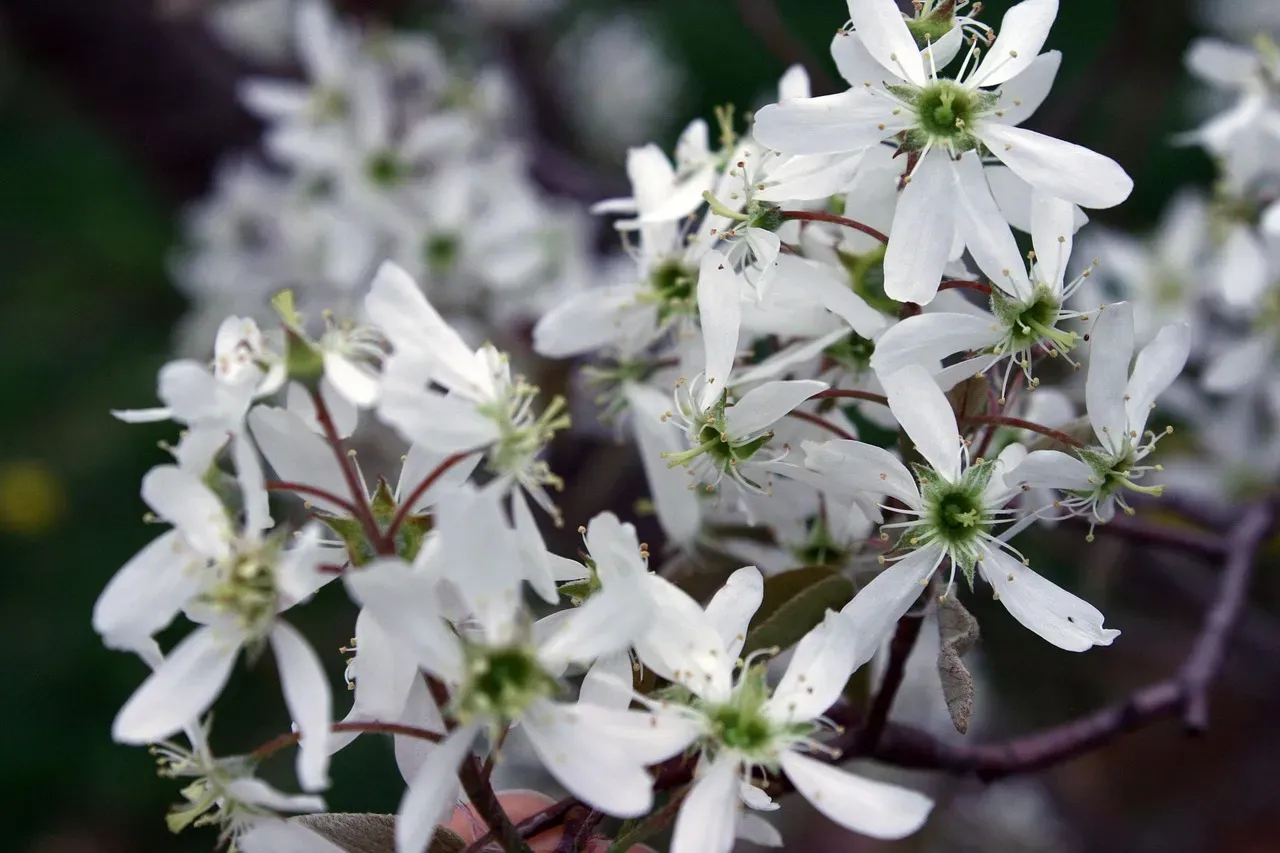
Serviceberry pulls double duty in a way few trees can. In early spring, before most of the yard has woken up, its delicate white flowers open first and pull in bees and early butterflies looking for one of the season’s first real meals. By summer, that same tree is loaded with sweet berries that robins, cedar waxwings, and orioles will strip clean in a matter of days.
What makes it even more valuable is what happens underneath the flowers and fruit. Its foliage doubles as a host plant for butterfly larvae, meaning the tree isn’t just feeding adult wildlife, it’s supporting the next generation too. Add in its easy adaptability to almost any soil type, and serviceberry earns its reputation as one of the lowest-effort, highest-reward native trees a homeowner can plant.
12. Wild Bergamot: The Purple Bloom Hummingbirds Can’t Ignore
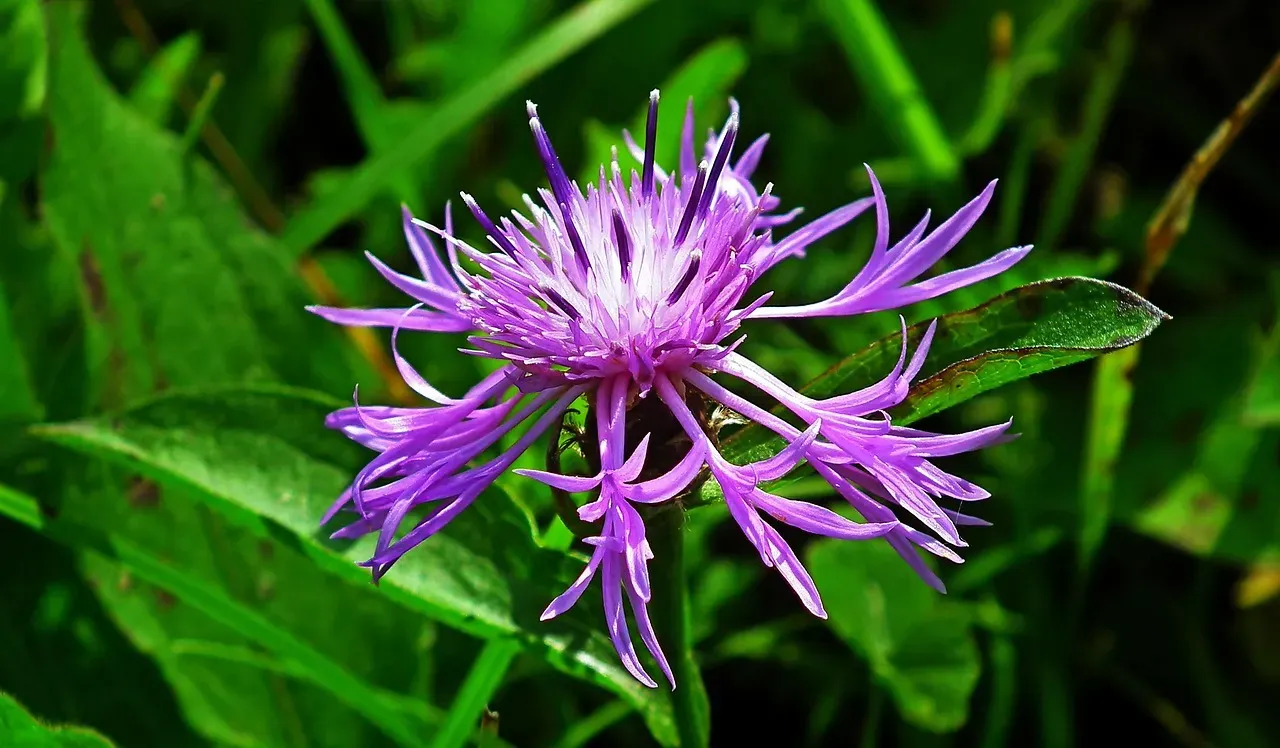
Wild Bergamot, better known to most gardeners as bee balm, blooms in shaggy lavender-to-pink clusters right in the thick of summer, exactly when pollinators are working overtime. Bees pile in for the nectar, butterflies drift through all afternoon, and hummingbirds treat the tubular flowers like a personal buffet.
The plant has a practical side too. Its aromatic foliage keeps deer at a distance, which is more than most flowering perennials can claim. Give it full sun and decent drainage and it will spread happily for years, asking for almost nothing in return.
11. Purple Coneflower: The Fall Feeder Goldfinches Depend On
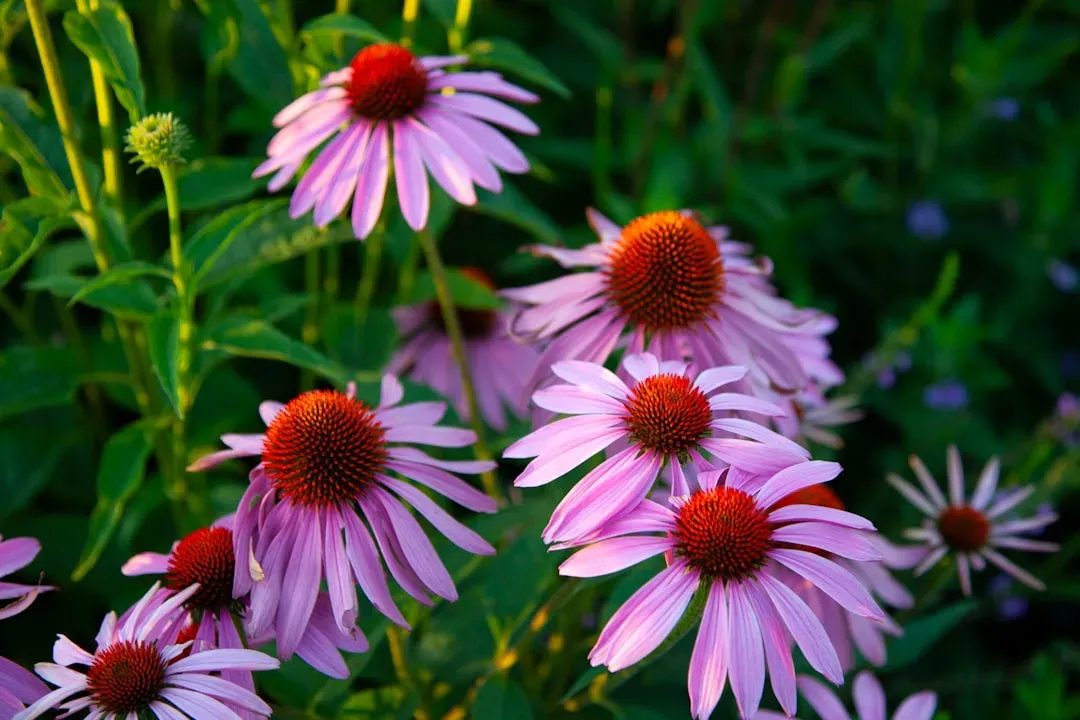
Purple coneflower’s big, drooping-petaled blooms with that spiky orange-brown center are practically synonymous with pollinator gardens, and for good reason. Bees and butterflies swarm the flowers all summer long, drawn in by nectar that’s easy to reach and hard to resist.
But the real payoff comes after the color fades. Once the petals drop, the seed heads left behind become a fall and winter food source for goldfinches and other seed-eating birds. Few native perennials manage to feed pollinators in summer and birds in winter from the exact same plant.
10. Black-Eyed Susan: The Cheerful Bloom With a Secret Job
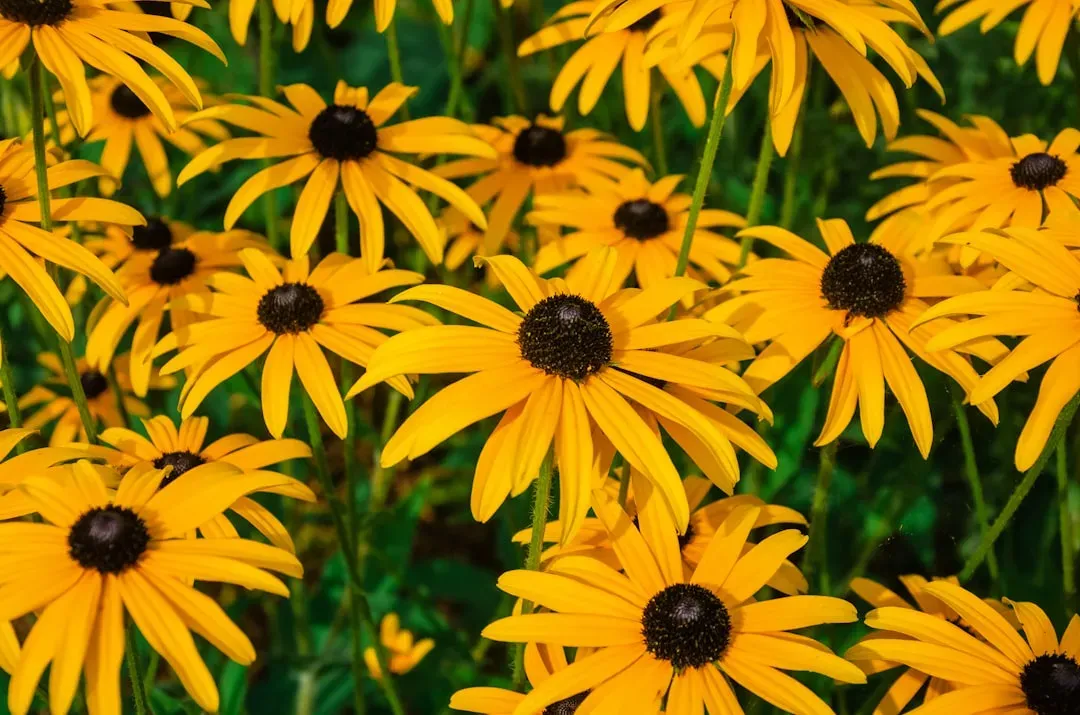
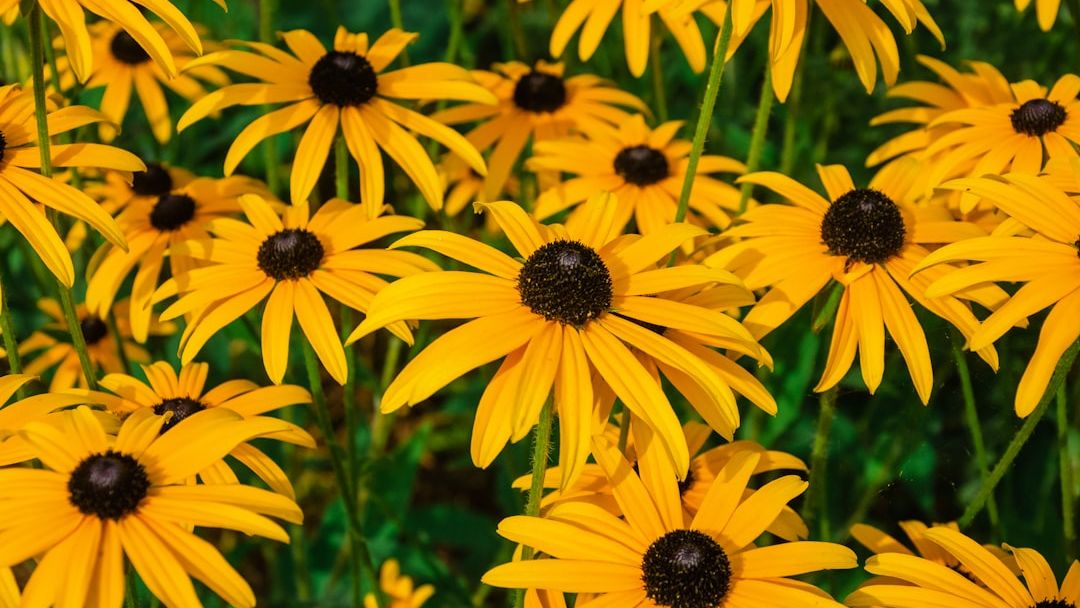
Black-eyed Susan looks like the definition of a low-effort wildflower, and it mostly is. Its bright yellow petals and dark center draw bees, butterflies, and beetles in steadily throughout the growing season, with almost no fussing required from the gardener.
Its quieter role is just as important. The plant serves as a larval host for numerous moth and butterfly species, meaning it’s not just feeding adult pollinators, it’s raising the next batch of them too. That combination of beauty and biological usefulness is rare in a plant this easy to grow.
9. Milkweed: The One Plant Monarchs Cannot Live Without
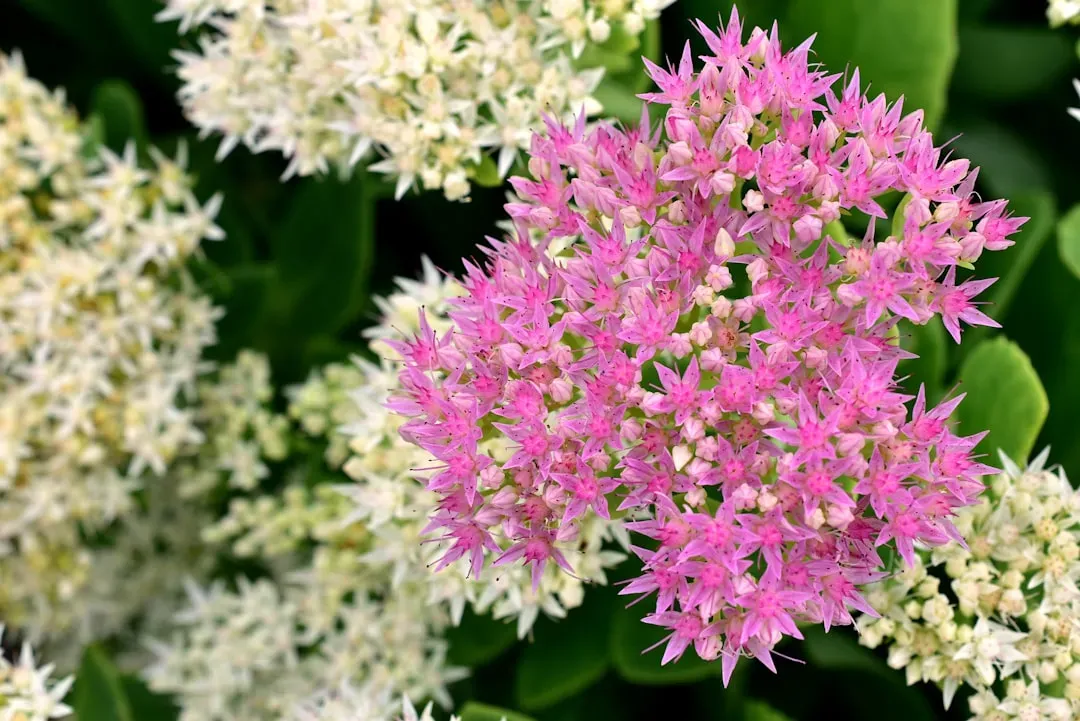
No plant on this list carries higher stakes than milkweed. It is the exclusive host plant for monarch butterfly larvae, meaning without it in the landscape, monarch populations simply have nowhere to reproduce. That single fact has turned milkweed from a roadside weed into one of the most talked-about plants in American gardening.
Its clusters of pinkish-purple flowers also pull in a wide range of native bees and other pollinators, so its value goes well beyond monarchs alone. Milkweed tolerates a broad range of soils and conditions, which means planting it isn’t just easy, it’s one of the most direct, measurable ways a home gardener can help a struggling species.
Fast Facts
- More than 100 milkweed species are native to North America, so there’s a regional fit for nearly every garden.
- Monarch caterpillars will eat milkweed leaves and nothing else, making it a true make-or-break plant.
- The eastern monarch population has dropped by roughly 80% since the 1980s, largely tied to milkweed loss.
- Most milkweed varieties bloom from June through August, right in the heart of monarch breeding season.
8. Goldenrod: The Late-Season Lifeline Everyone Blames for Allergies
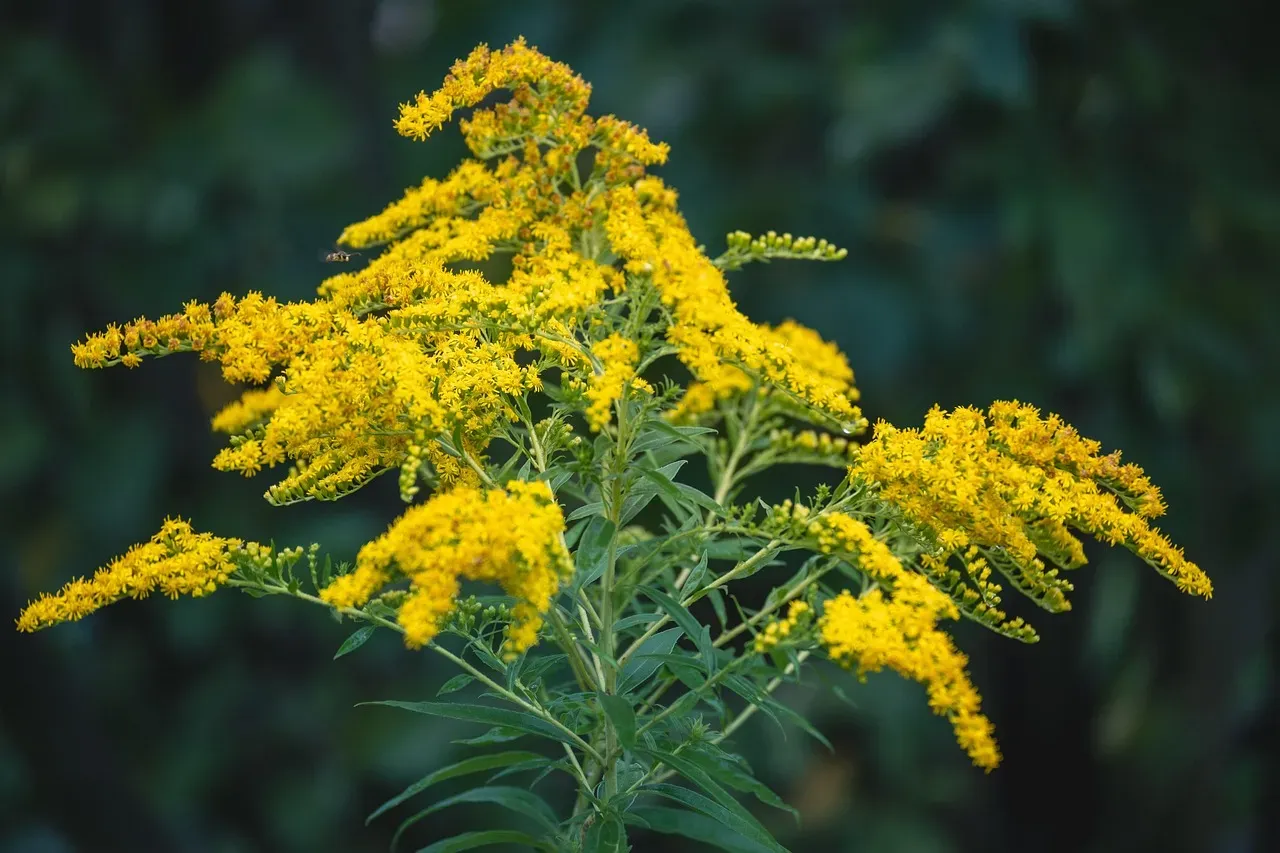
Goldenrod gets an unfair reputation as an allergy trigger, but that blame actually belongs to ragweed, which blooms at the same time. Goldenrod’s bright yellow flowers show up in late summer and fall, right when most other blooms are fading, and become a critical last-chance nectar source for bees and butterflies stocking up before winter.
Species like Canada goldenrod and showy goldenrod are native across huge swaths of the country and thrive in conditions that would stress out fussier plants. For a garden that wants to stay useful to pollinators deep into autumn, goldenrod isn’t optional, it’s essential.
7. Joe-Pye Weed: The Giant That Swallowtails Can’t Resist
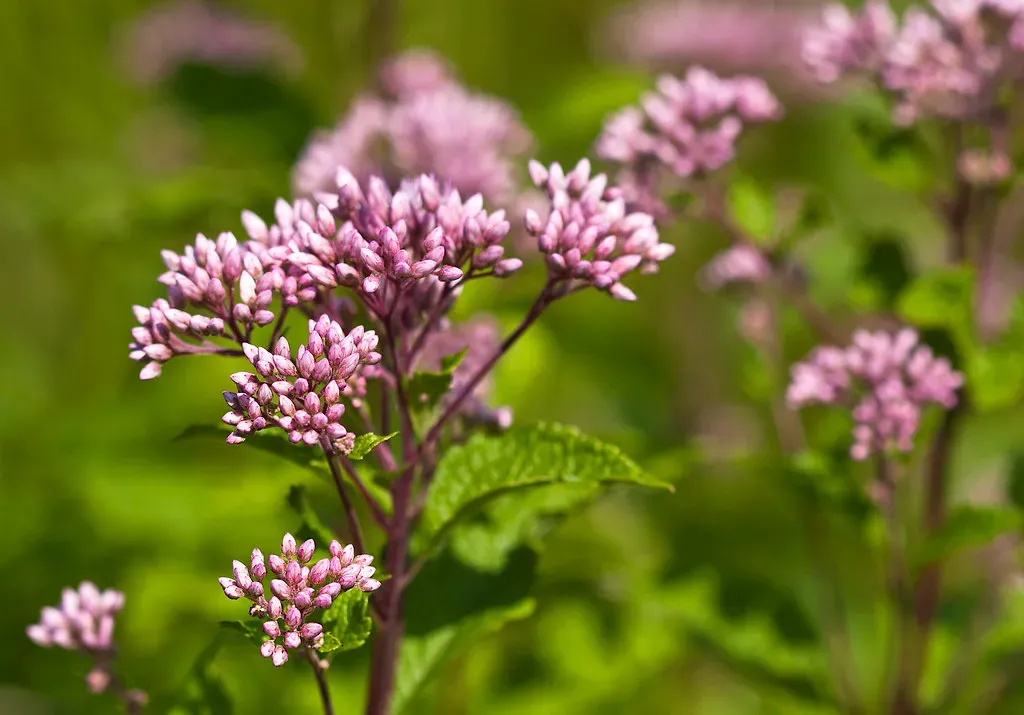
Joe-Pye weed doesn’t try to blend in. It towers over most garden perennials, producing huge, rounded clusters of pinkish-purple flowers that are impossible for pollinators to miss. Larger butterfly species, especially swallowtails, seem particularly drawn to its abundant blooms.
It prefers moist soil and full sun to partial shade, making it a strong choice for the damper corners of a yard where other flowering plants tend to struggle. In a pollinator garden, its height and volume of blooms make it one of the most visually dramatic performers on this list.
6. Wild Lupine: The Rare Bloom an Endangered Butterfly Depends On
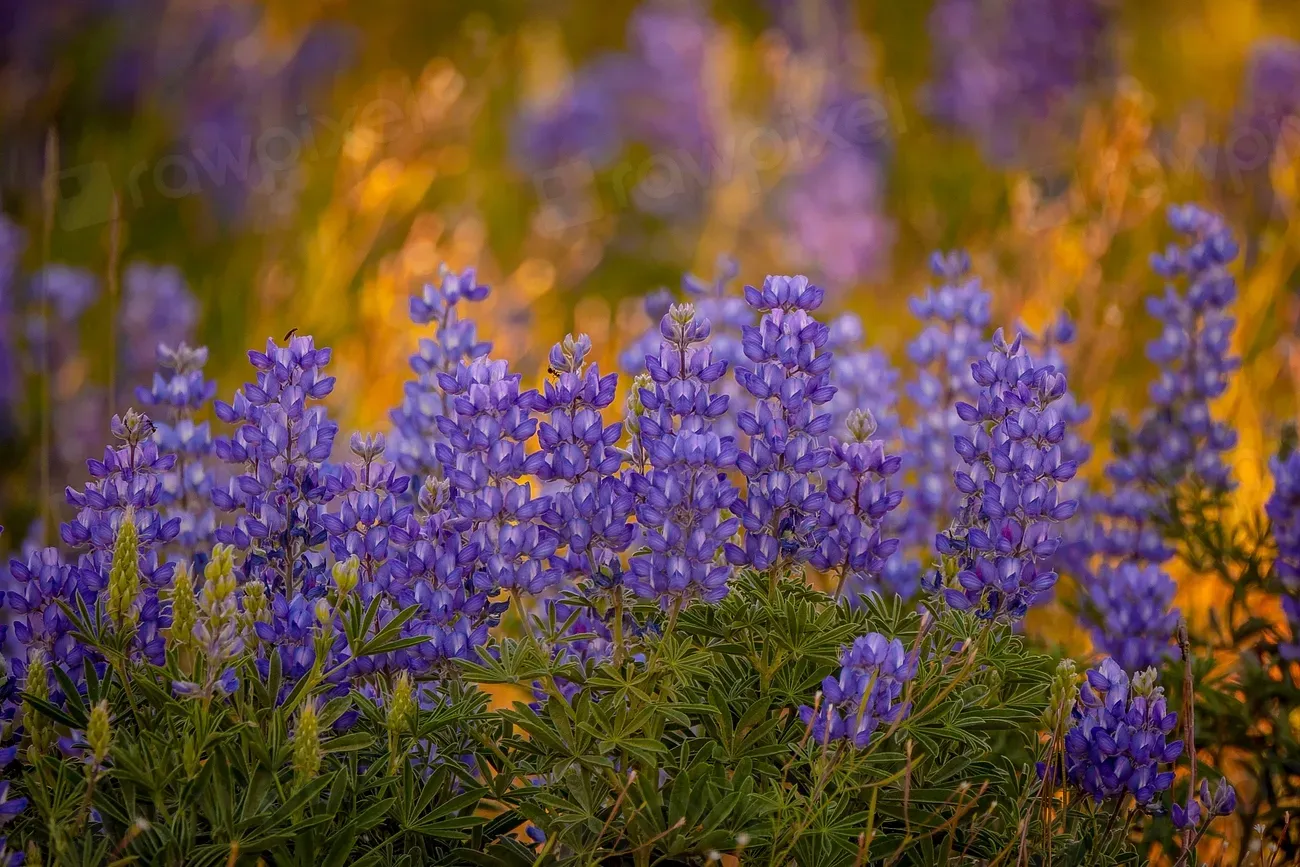
Wild lupine opens the season early, sending up tall spikes of blue, purple, or pink flowers that bumblebees seem to find irresistible. It’s a striking plant even before you learn what depends on it.
The Karner blue butterfly, an endangered species, relies on wild lupine as the only food its larvae will eat. That makes planting lupine in sandy, well-drained soil more than a gardening choice, it’s a small but real act of conservation for a butterfly that has very few places left to go.
At a Glance
- Wild lupine is the only plant Karner blue caterpillars can eat, full stop.
- The Karner blue butterfly has been classified as endangered in the U.S. since 1992.
- The species is already believed gone from several states, including Illinois and Iowa.
- Wild lupine typically flowers in late spring, often by mid-to-late May.
5. Asters: The Late Bloomers That Keep the Party Going
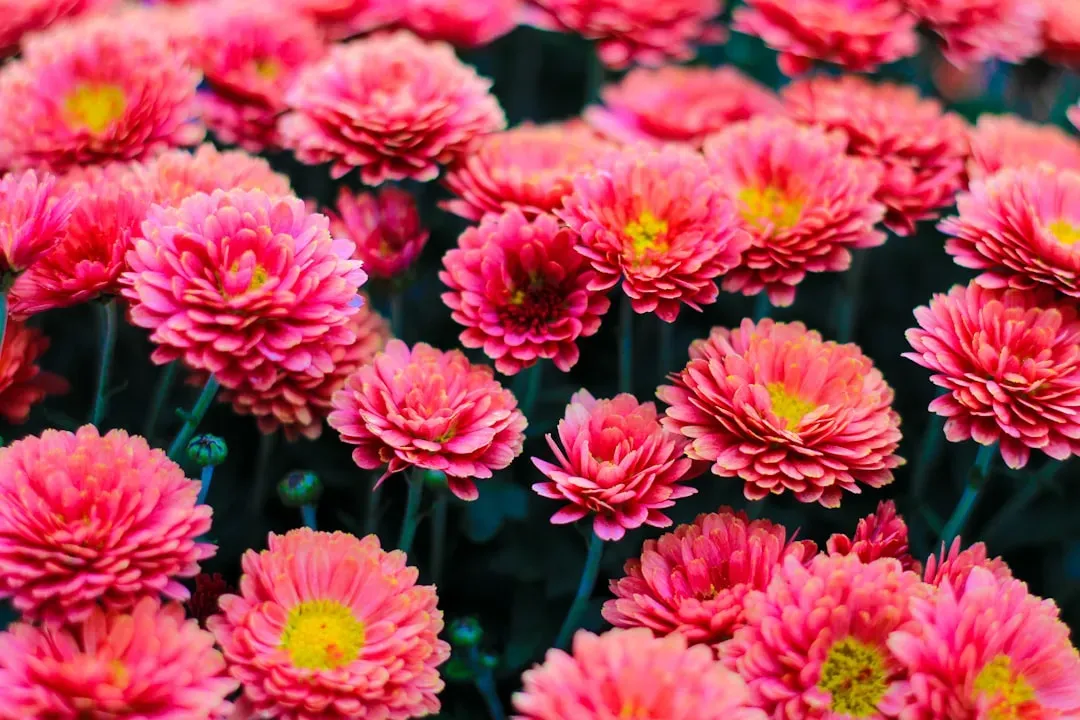
While most garden flowers are winding down by early fall, asters are just getting started. Their blooms arrive later than nearly anything else in the yard, giving pollinating insects a crucial nectar source well into autumn when options are scarce elsewhere.
Once the flowers fade, asters keep giving. The seeds that follow become a reliable food source for garden birds through the colder months, making this one of the few native plants that genuinely works overtime, feeding pollinators and birds in two completely different seasons.
4. Sunflowers: The Backyard Giant Feeding Bees and Finches Alike
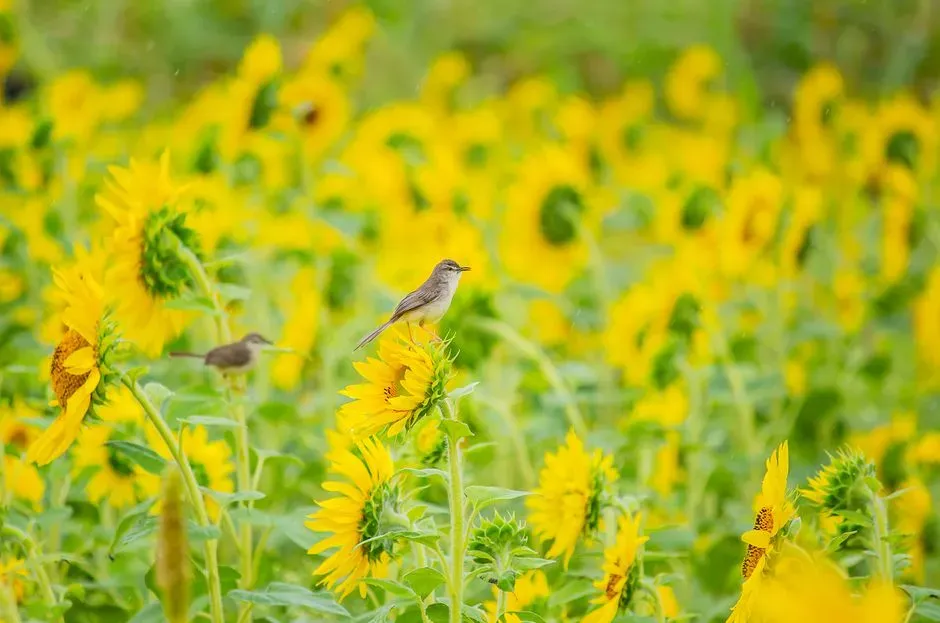
Few flowers are as instantly recognizable, or as hardworking, as the native sunflower. Its massive flower heads are practically engineered for pollinators, offering wide landing pads and abundant nectar that bees and butterflies visit in steady rotation throughout the day.
Once the blooms fade, the real spectacle begins. Each flower head can produce hundreds of seeds, and goldfinches, chickadees, and other seed-eating birds will return to a single sunflower stalk again and again well into fall. It’s rare to find a plant that draws pollinators all summer and then feeds birds all autumn from the exact same stem.
3. Coral Honeysuckle: The Vine Hummingbirds Remember
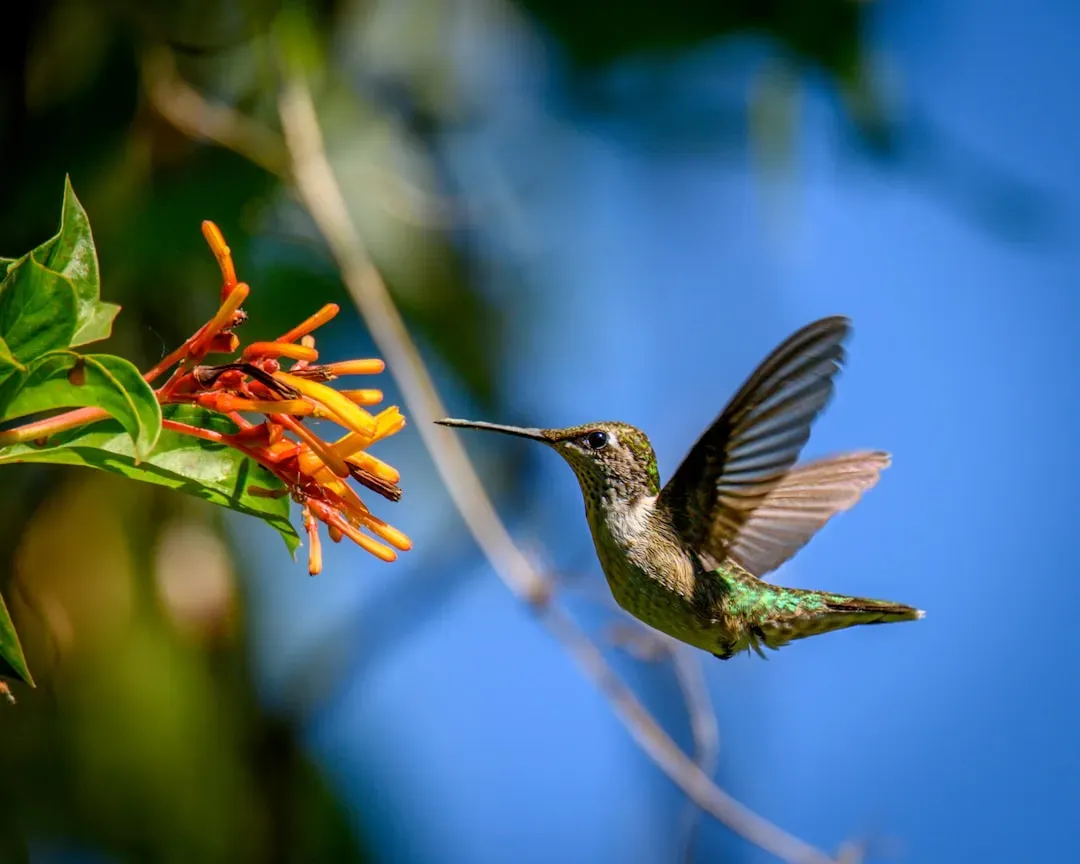
Coral honeysuckle produces long, trumpet-shaped red-orange flowers that seem custom-built for hummingbirds, and the birds clearly agree. It’s one of the most reliable native vines for pulling hummingbirds into a yard, often bringing the same birds back on a near-daily schedule once they find it.
Bees work the flowers too, but the real bonus comes later in the season when the vine produces small red berries. Songbirds move in to strip them clean, which means this single vine manages to feed two very different kinds of wildlife without any extra effort from the gardener.
Worth Knowing
- Unlike invasive Japanese honeysuckle, coral honeysuckle is native and non-invasive, staying put where you plant it.
- Ruby-throated hummingbirds are especially drawn to its long, narrow, red-orange tubes.
- In warmer climates it stays semi-evergreen, giving hummingbirds a food source even outside peak bloom.
- Established vines often rebloom in flushes from spring through fall rather than all at once.
2. Blazing Star: The Purple Spike Monarchs Use as a Fueling Station
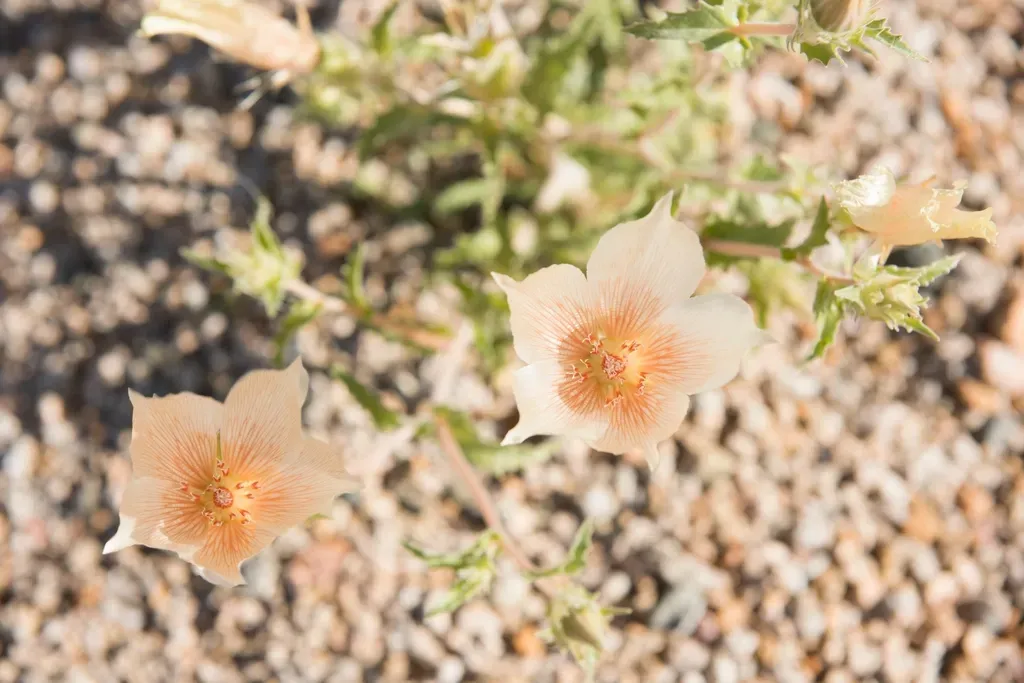
Blazing star sends up tall, dense spikes of purple flowers that bloom from the top down, an unusual habit that keeps the plant productive for weeks at a time. Butterflies, especially monarchs during migration, treat it like a fueling station, stopping to feed in numbers that can be startling to first-time gardeners.
Bees are just as enthusiastic, working the spikes from morning to evening during peak bloom. Because blazing star flowers later in summer, it fills a nectar gap right when migrating monarchs need it most, making it one of the more quietly critical plants on this entire list.
1. Cardinal Flower: The Red Bloom That Stops Hummingbirds Cold
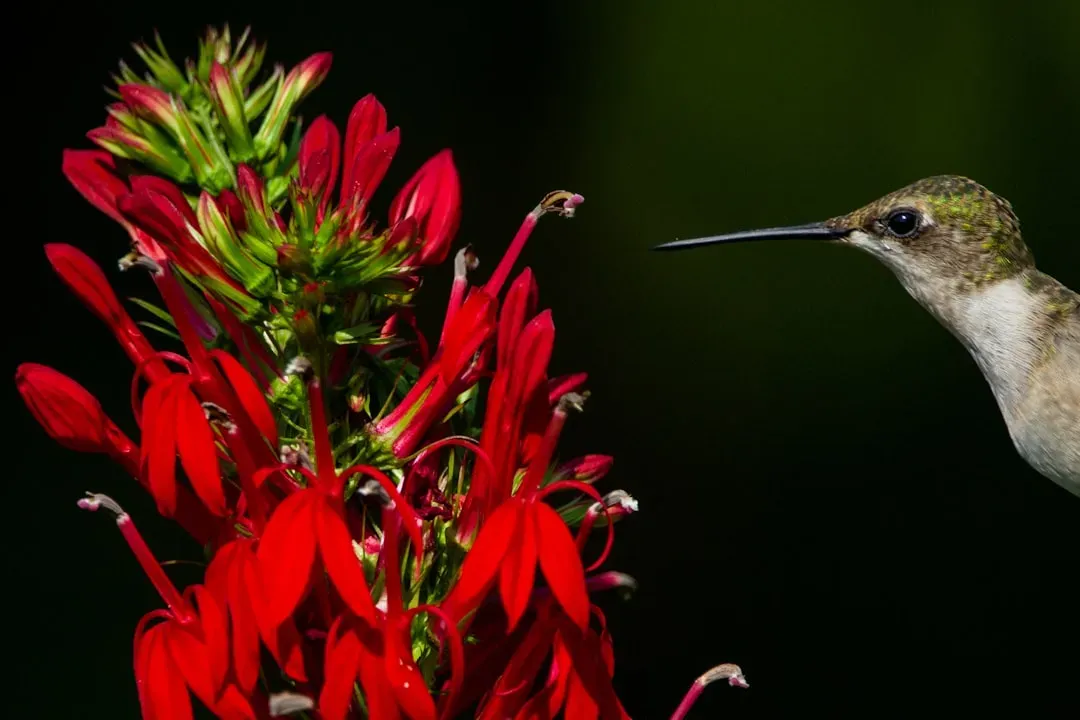
Cardinal flower produces some of the most intensely red blooms in any native garden, and hummingbirds seem physically unable to fly past them. Its tall spikes of tubular flowers are shaped almost perfectly for a hummingbird’s bill, making it one of the single best plants for reliably drawing them in close.
Butterflies visit too, though less dramatically than the hummingbirds that treat this plant like a landmark. Cardinal flower prefers moist soil near streams, ponds, or low spots in the yard, and once established, it tends to return year after year, quietly becoming the plant a garden becomes known for.
Why It Stands Out
- Its native range covers wetland edges, stream banks, and low, damp spots across most of the eastern and central U.S.
- The tubular red blooms are shaped almost perfectly for a hummingbird’s curved bill.
- It’s one of the few plants on this list that stays vividly red rather than purple, orange, or yellow.
- Once settled into moist soil, it tends to self-seed and return reliably year after year.
If there’s one thing this list makes obvious, it’s that native plants aren’t the boring, default choice, they’re the smarter one. The exotic flowers lining garden center shelves might look impressive, but most of them offer local nothing they can actually use.
Milkweed and lupine matter more than the rest here, not because they’re the prettiest, but because entire species depend on them to survive at all. Plant those two first. Everything else on this list is a bonus, but those two are closer to a responsibility.
