
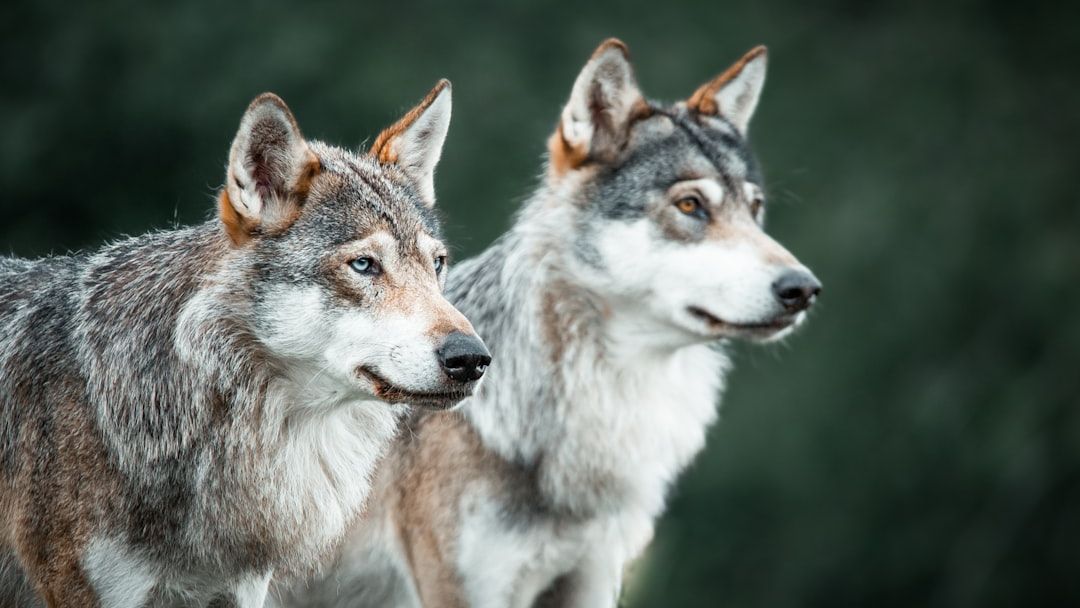
When we think of devoted couples in the animal kingdom, wolves rarely fail to capture our imagination. These magnificent predators roam vast territories and face countless dangers, yet somehow manage to maintain bonds that would make many humans envious. The notion of wolves as eternally faithful partners has inspired countless stories, but what does science actually tell us about their loyalty?
Recent research reveals that wolf faithfulness is far more complex and fascinating than we ever imagined. From chemical messaging systems to evolutionary pressures that favor long-term partnerships, these apex predators have developed one of nature’s most intriguing bonding strategies. So let’s explore the remarkable science behind why wolves choose to stay faithful for life.
The Chemical Language of Love
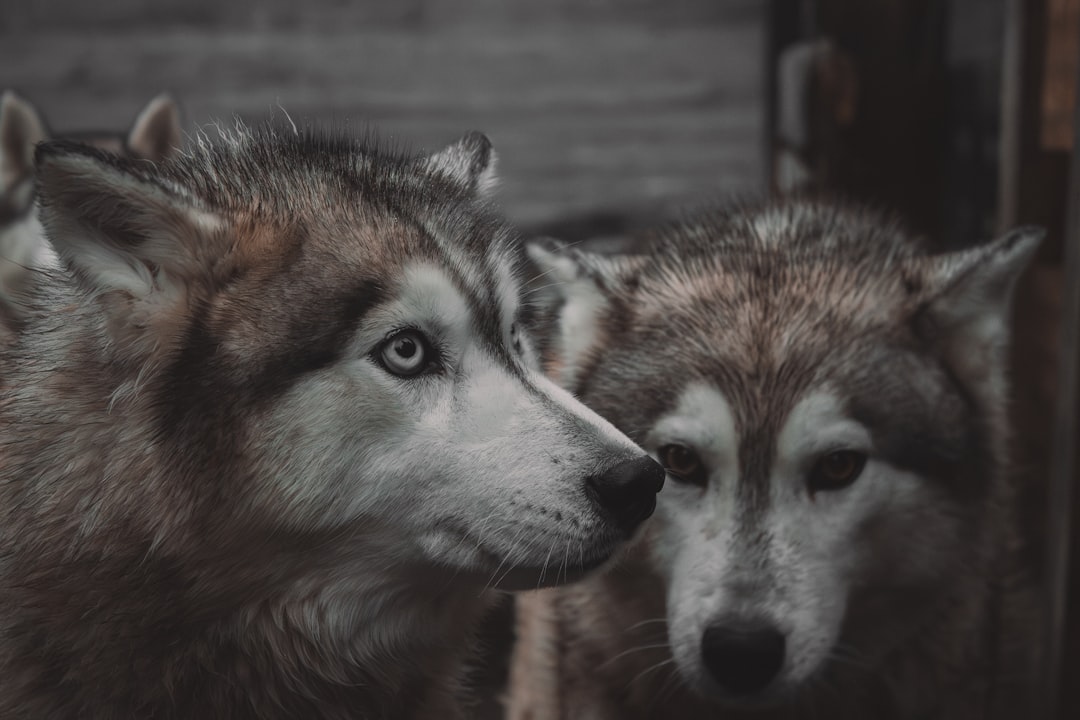
Female wolves have unique scents that their partners use to identify them. This isn’t just casual recognition. Wolves extensively employ chemical signals for various aspects of communication, including territory maintenance, reproductive synchronisation and social hierarchy signalling. Pheromone-mediated chemical communication operates unconsciously among individuals, serving as an innate sensory modality that regulates both their physiology and behaviour.
The wolf’s specialized vomeronasal system processes these chemical messages with incredible precision. Females release sex hormones known as pheromones when they are ready to breed. If an alpha male doesn’t smell these hormones, he waits or finds a new mate. This chemical communication creates a biological lock and key system that helps wolves recognize their chosen partner among dozens of pack members.
Monogamy as Survival Strategy
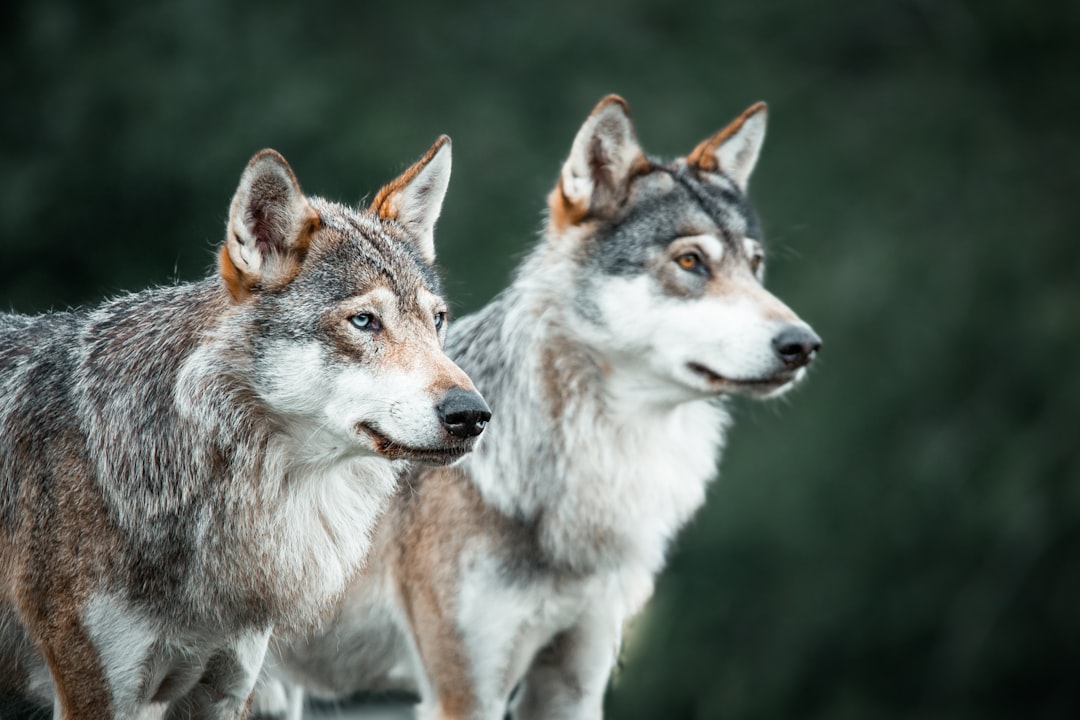
Gray wolves mate for life. They have monogamous relationships; they remain together throughout their adult life. Though this might sound romantic, the real driver is pure survival mathematics. The longer wolf couples are together, the more likely their offspring are to survive into adulthood. Experienced pairs show improved pup survival rates, with longer partnerships generally associated with better offspring outcomes.
This remarkable statistic reveals that wolf loyalty isn’t just about affection. “They get 20% better at what they do every year,” according to research. Experienced pairs develop synchronized hunting patterns, better den selection skills, and more effective pup protection strategies that directly translate to offspring survival.
The Parental Care Connection
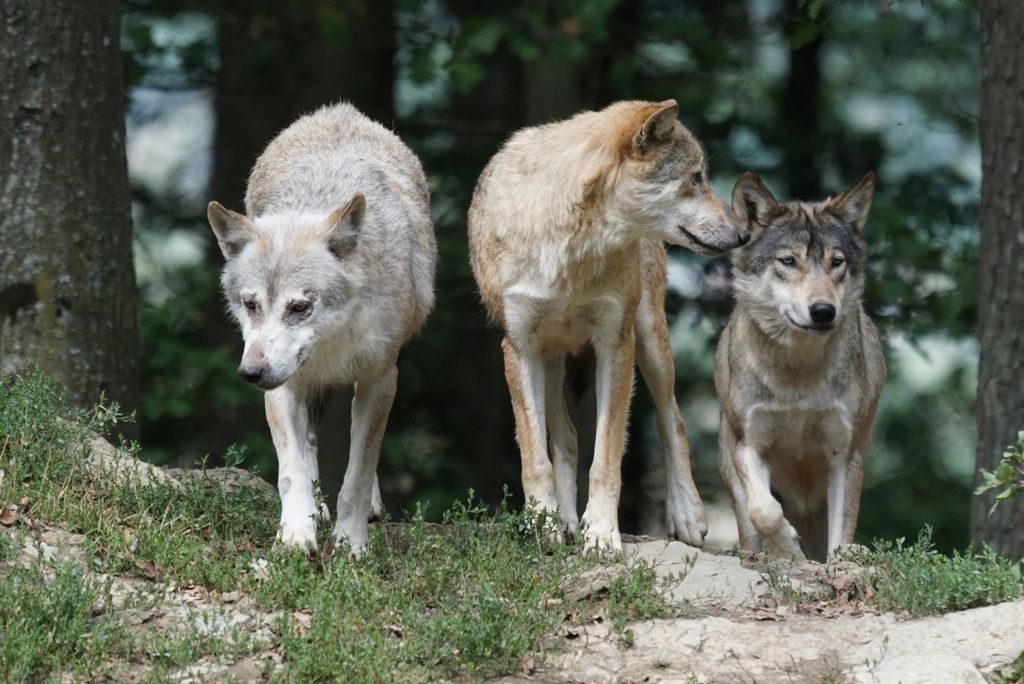
The main reason wolves often mate for life is closely related to parental care. More akin to natural human parenting, where good parent relationships contribute to producing healthy and mentally stable offspring and a family pack. Wolf pups require intensive care for months, making two dedicated parents essential for survival.
Within a pack, only an alpha pair will breed. Male and female wolves usually form lifelong bonds and raise their litters together, with around four to six pups born in the spring. A gray wolf father attentively stands guard of his family’s den, in addition to protecting the entire pack’s territory. This division of labor between partners creates a powerful incentive to maintain the relationship.
In bat-eared foxes, the best predictor of the number and proportion of surviving young is the amount of male den attendance. Similar patterns likely apply to wolves, where dedicated fathers make the difference between thriving and struggling offspring.
Learning From Experience Together
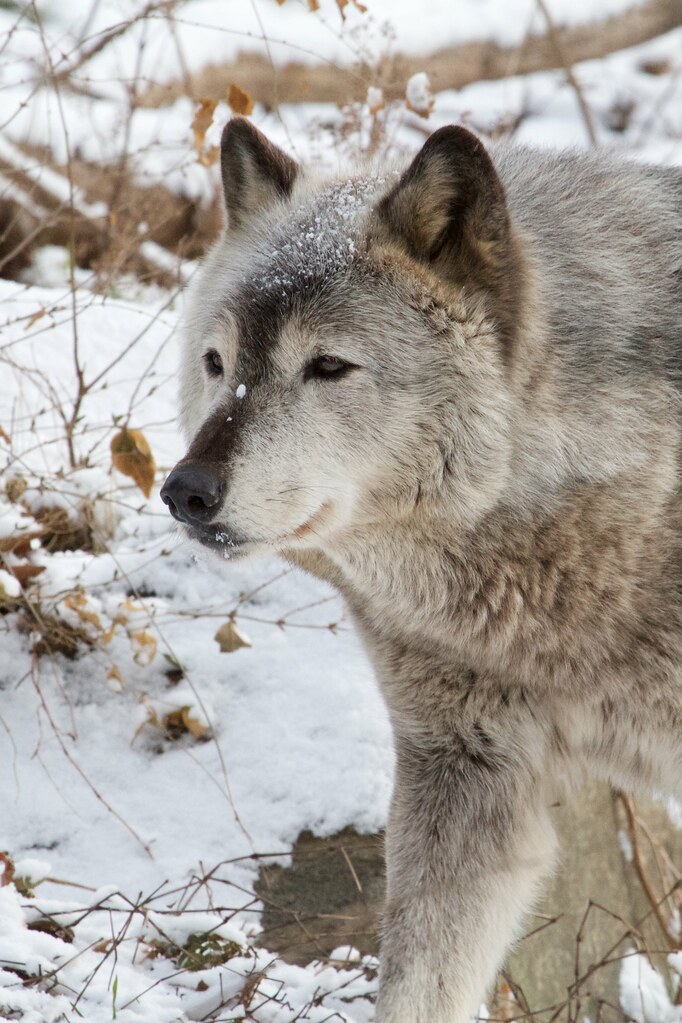
When an older wolf mated with a younger wolf, the older appeared to teach the younger how to parent. Pups born to those pairings were more likely to survive than pups born to two first-time parents. This mentorship aspect of wolf partnerships adds another layer to their bonding strategy.
Experienced pairs develop what researchers call “cooperative learning.” They share knowledge about territory boundaries, prey behavior, weather patterns, and threat assessment. Like us, wolves form friendships and maintain lifelong bonds. They succeed by cooperating, and they struggle when they’re alone. This accumulated wisdom becomes increasingly valuable with each passing season.
The Reality Check: Not Always Forever
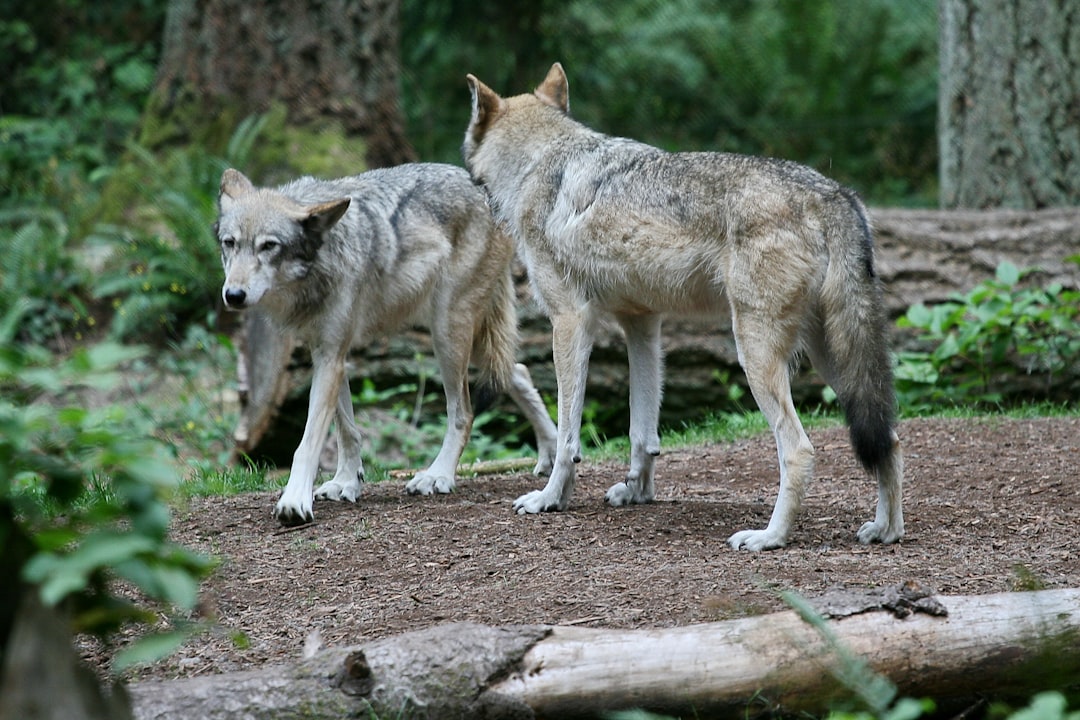
However, recent field studies challenge the romantic notion of absolute wolf fidelity. In our study areas in Belarus the minority of adult wolves breed monogamously, and adult wolves change breeding partners for different reasons not rarely. Environmental pressures, human interference, and mortality can disrupt even the strongest bonds.
On average, wolf pairs stayed together for 2.2 years, although there was wide variance. One wolf couple documented stayed together for at least nine years, basically an eternity for an animal that is considered ancient at 13. The harsh realities of wild life often cut partnerships short, forcing wolves to adapt their loyalty strategies.
The gray wolf is generally monogamous, with mated pairs usually remaining together for life, unless one of the pair dies. Upon the death of one mated wolf, pairs are quickly re-established. This pragmatic approach to partnership reflects wolves’ survival priorities.
The Marking Ritual
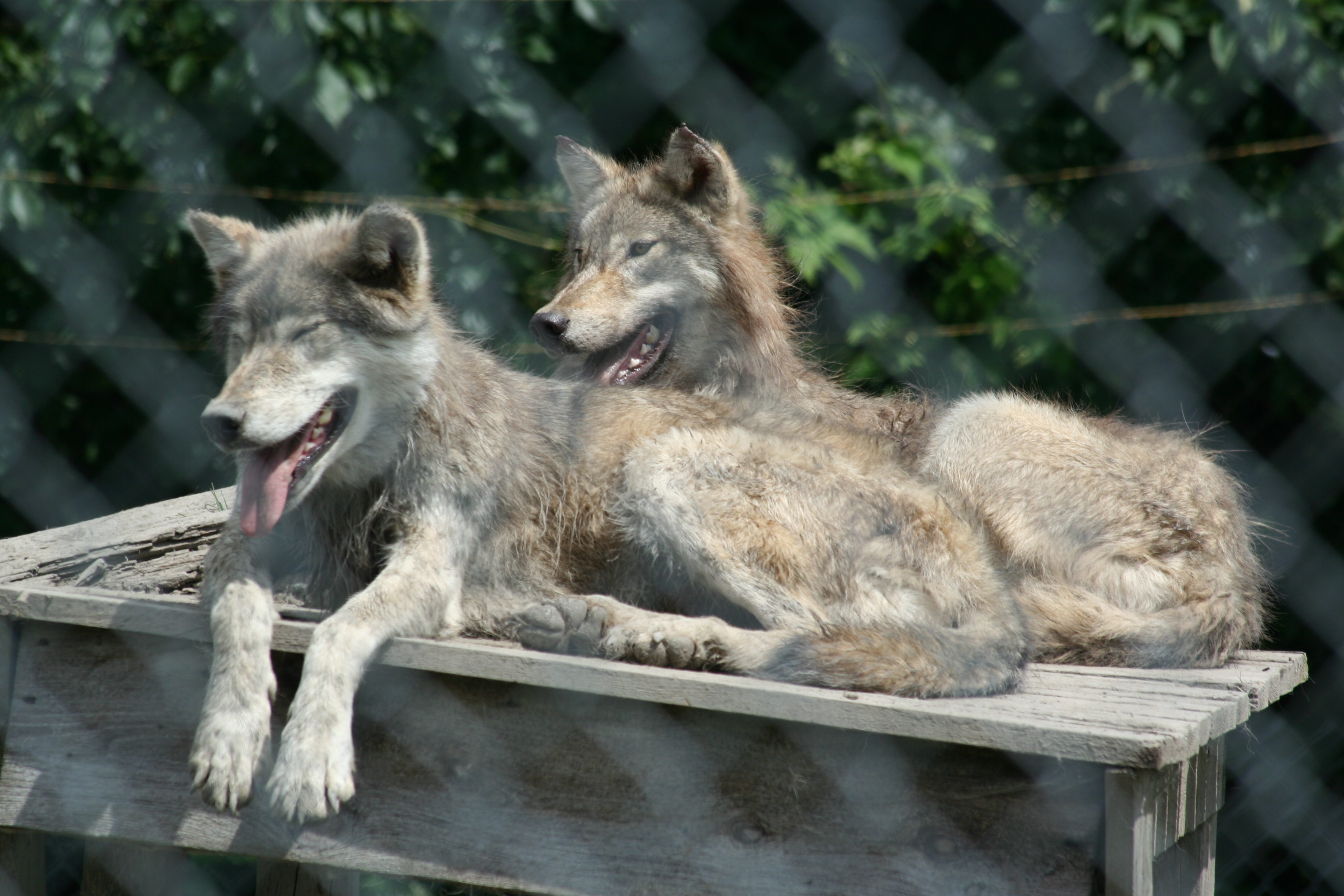
Male wolves, the alpha males in particular, are very possessive of their mates. When a male selects his chosen female by marking her, he is basically telling the other males in the group to stay away from her. This marking behavior serves as both a chemical claim and a social announcement.
The other wolves in the pack seem to respect this marking, as they will leave the marked female alone and will only select a mate from among the available females. The ritual creates a social contract within the pack that reduces conflict and maintains stability.
During mating, wolves also experience a physical bonding mechanism. During intercourse, a mating pair of wolves will actually become “locked together” for as long as half an hour. During this period, they will have a difficult time physically separating from each other. This locking happens when the male’s penis swells inside the female’s vagina, which in turn constricts, producing a tight bond. This biological mechanism ensures successful fertilization and may strengthen pair bonding.
Pack Stability and Social Benefits
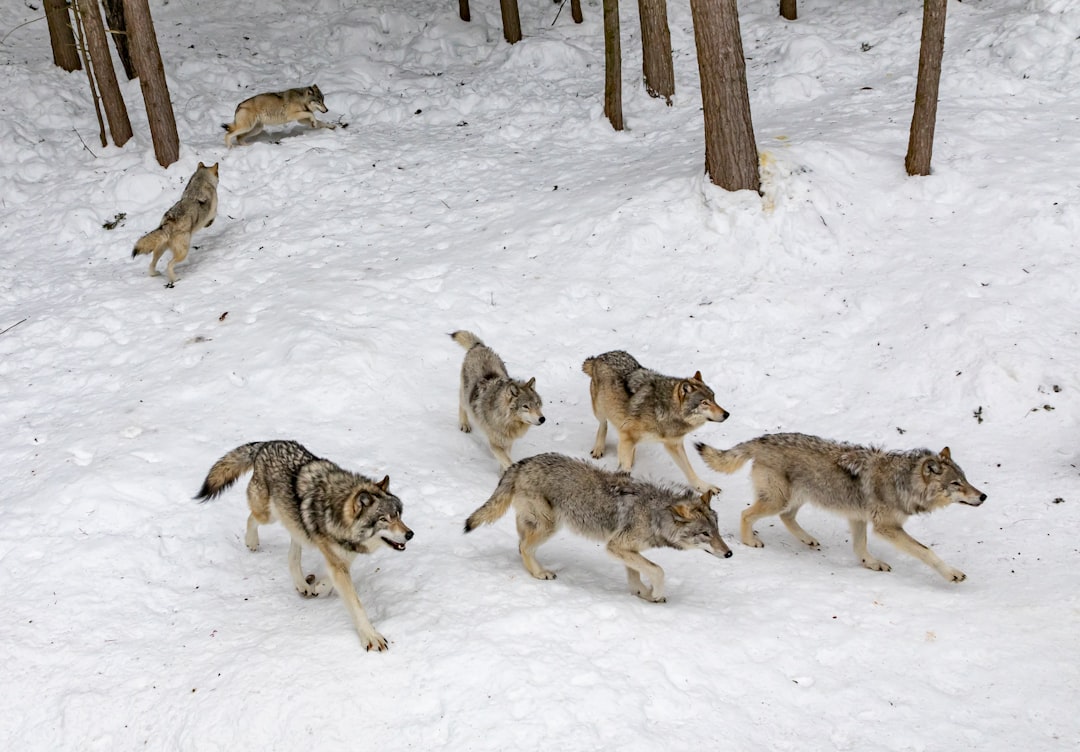
Overall, wolves are monogamous about 85-90% of the time. In addition to increasing pup survival, monogamy also stabilized pack dynamics. Monogamous pairs reduced the occurrence of “sneaker males” and decreased polygamy in the group. Stable partnerships create ripple effects throughout the entire wolf social structure.
They, especially the alpha female (the mother of the pack), are the glue keeping the pack together. The loss of a parent can have a devastating impact on social group cohesion. In small packs, human-caused mortality of the alpha female and/or the alpha male can cause the entire pack to dissolve. This demonstrates how individual pair bonds support larger social networks.
The Evolutionary Advantage
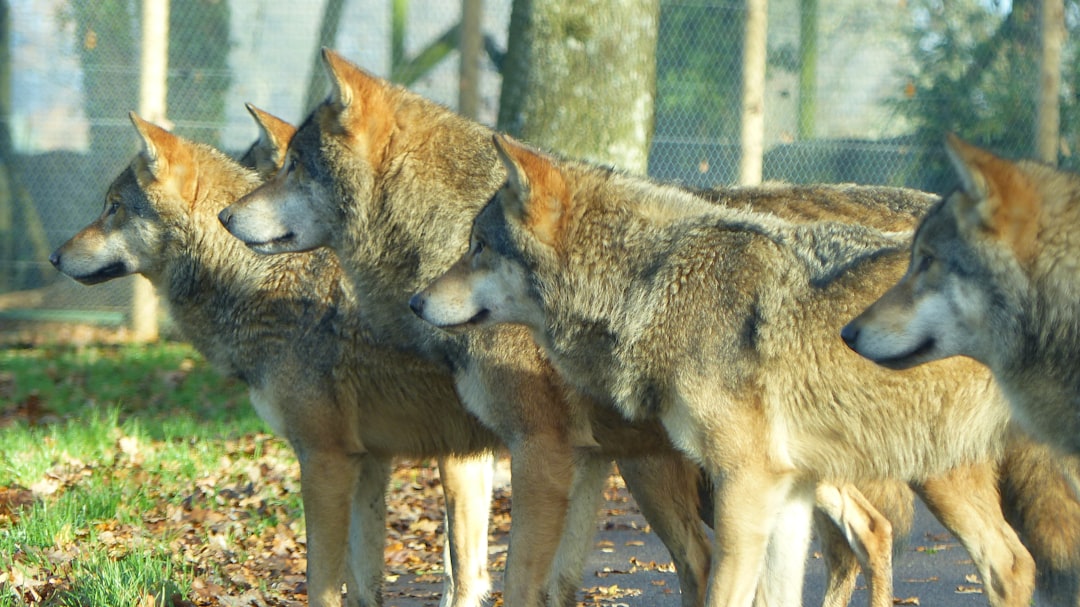
It is estimated that around 3 to 5 percent of mammals are monogamous or mate for life. Wolves belong to this select group because monogamy offers specific evolutionary advantages in their ecological niche. The combination of large litters, extended parental care requirements, and territorial defense creates conditions where partnership loyalty pays off.
If bi-parental care is highly beneficial or necessary for offspring survival, social monogamy may be the optimal strategy for both sexes. Wolf pups face numerous threats from predators, weather, disease, and starvation. Two committed parents dramatically improve survival odds compared to single-parent families.
Monogamous wolves make for better parents, raising offspring more successfully. The study shows how mating pairs who’ve bonded longer showed higher survival rates in offspring. The wolf pups produced from monogamous mating pairs were simply healthier and had a better chance of surviving. This creates strong selective pressure favoring faithful partnerships.
Conclusion
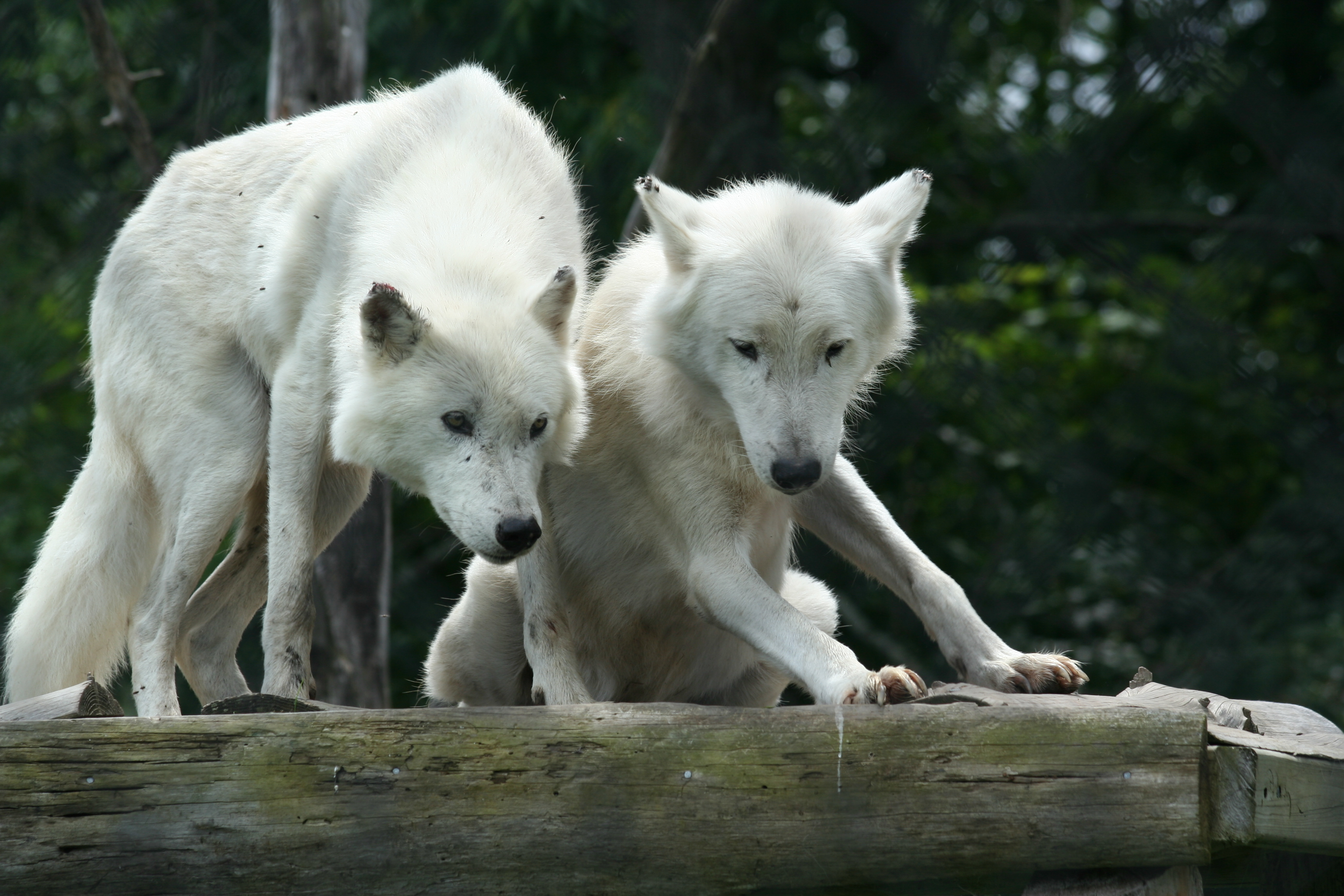
The science of wolf loyalty reveals a sophisticated biological and social system that goes far beyond simple romance. Chemical communication, parental cooperation, learned behaviors, and evolutionary pressures all combine to create powerful incentives for lifelong partnerships. While not every wolf pair stays together forever, those that do enjoy remarkable success in raising offspring and maintaining stable pack dynamics.
These findings remind us that loyalty in nature often serves practical purposes. Wolves don’t stay faithful because they’re sentimental – they do it because it works. Their chemical bonding systems, cooperative parenting strategies, and social structures have evolved to maximize survival in one of nature’s most challenging environments.
What do you think about the practical nature of wolf loyalty? Does it make their partnerships more or less impressive knowing the science behind their devotion?

- 8 Ways Glaciers Carved New York's Finger Lakes - August 10, 2026
- 8 Ways Bobcats Move Through Suburbs Without Being Seen - August 9, 2026
- 7 Reasons Black Bears Return to the Same Food Source - August 9, 2026