

Elephants are majestic creatures, revered for their intelligence and complex social structures. Their remarkable ability to communicate across vast distances is one of nature’s most intriguing phenomena. This article delves into the secret language of elephants, exploring how they use sound, body language, and other sophisticated communication methods to maintain harmony in their herds, protect their young, and navigate vast landscapes.
Understanding Elephant Communication

Elephants are known for their intricate communication systems, which play a crucial role in the social dynamics of their herds. These systems are a blend of vocalizations, body language, and even seismic signals that help them convey a range of messages from danger alerts to social bonding rituals. At the heart of their communication is the need to ensure group cohesion and survival.
The Range of Elephant Vocalizations

The range of sounds elephants make is extraordinary. They can emit low-frequency rumbles that can travel through the ground or air for several kilometers. These sounds, often inaudible to human ears, are crucial for long-distance communication among elephants. These infrasonic calls are especially vital when elephants are dispersed over large areas.
The Anatomy Behind Elephant Sound Production

Elephants produce sounds using their specialized vocal cords, located in their larynx. When air passes through, these vocal cords vibrate, creating sounds. The size and unique structure of their vocal tracts allow elephants to produce a range of frequencies, from deep rumbles to trumpeting calls, each serving different communicative purposes.
The Role of Infrasound

Infrasound is pivotal in elephant communication. These low-frequency sounds can travel great distances, sometimes over 10 kilometers. This ability is crucial for elephants living in dense forests or open savannas where maintaining contact over large areas is necessary. Infrasound allows them to send signals related to location, mating availability, and warnings.
Seismic Communication

Beyond vocal sounds, elephants also communicate using seismic vibrations. These vibrations travel through the ground and can be detected by the sensitive feet and trunks of other elephants. This method of communication can provide information about distant herds or potential threats, helping them to respond swiftly and coordinate movements or defense strategies.
The Role of Body Language

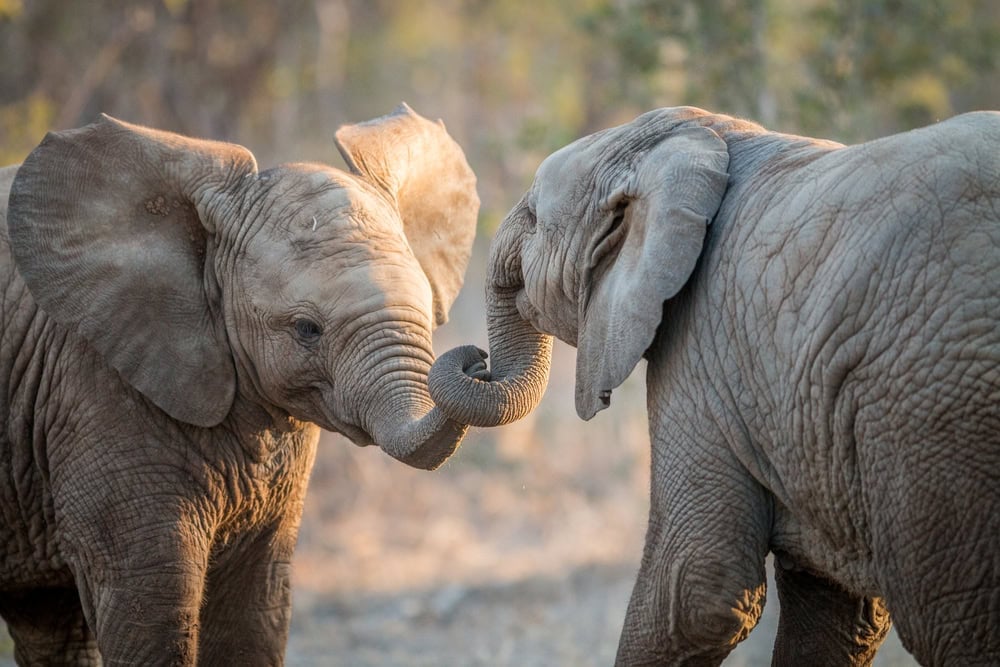
Body language is another essential component of elephant communication. Gesture and posture convey emotions and intentions. For example, flapping ears, twirling trunks, or specific body stances can indicate excitement, aggression, or submission. Observing these non-verbal signals helps researchers understand the social interactions within herds.
The Intricacies of Touch in Elephant Communication

Touch is a powerful means of communication among elephants. It is used to establish bonds, reassure young calves, and maintain social hierarchies. The gentle caress of a trunk can convey comfort, while a playful nudge can signal curiosity or camaraderie. This tangible connection is integral to their sophisticated social networks.
The Social Structures and Communication

Elephants live in complex matriarchal societies where the eldest female leads the group. Their communication methods play pivotal roles in maintaining these structures. Through vocal and non-vocal signals, leaders coordinate movements, make decisions about resource distribution, and ensure the safety and welfare of the herd.
The Role of Communication in Elephant Mating

Communication is vital in elephant reproduction. Males emit low-frequency calls to signal their presence and strength during mating seasons. Similarly, receptive females may use specific vocalizations or behaviors to indicate their availability, ensuring successful mating and genetic diversity within the population.
Communication and Calf Protection

Protecting calves is a priority for elephant herds, and communication is central to this task. Adult elephants use various sounds to alert each other to potential threats, ensuring collective action to shield the young. Mothers employ gentle sounds to call and reassure their calves, fostering close-knit familial bonds.
The Impact of Human Activity on Elephant Communication
Human activities, such as deforestation and habitat encroachment, threaten elephant communication. Noise pollution can drown out the subtle infrasonic calls, leading to disruptions in their complex social structures. Conservation efforts increasingly focus on understanding and preserving these communication pathways as vital elements of elephant conservation strategies.
The Future of Research on Elephant Communication

The study of elephant communication is an evolving field. Technological advancements, like bioacoustic monitoring and seismic sensors, are providing deeper insights into their communicative behaviors. Such research not only enriches our understanding of these incredible animals but also informs strategies to protect them from environmental and anthropogenic threats.
In summary, elephants communicate through a rich tapestry of vocalizations, vibrations, and gestures that facilitate their social lives and survival. Understanding this secret language not only deepens our appreciation for their intelligence but also reinforces the urgent need to preserve these remarkable animals and their habitats. As we continue to study and safeguard these giants, we are reminded of the wondrous complexity of life on Earth.

- Why Alligators Are Dangerous in the Water - July 12, 2026
- The Secret Language of Elephants and How They Communicate Over Long Distances - July 12, 2026
- The Largest Eagle Ever to Exist Could Carry Off Humans - July 12, 2026
Leave a comment
You must be logged in to post a comment.