


Snow leopards, often referred to as the “ghosts of the mountains,” embody mystical elegance and prowess. Residing in the harsh, rugged terrains of the Himalayas, these enigmatic creatures continue to captivate biologists and animal lovers alike. Their secretive nature and exceptional adaptability have long intrigued conservationists and researchers. This article delves into the hidden realms of snow leopards, unraveling their fascinating lives amidst the towering peaks.
Majestic Landscapes: The Snow Leopards’ Habitat

Set against the dramatic backdrops of the Himalayas, snow leopards inhabit some of the world’s steepest and most rugged mountains. The range spans across several countries, including India, Nepal, Bhutan, China, and Pakistan. At elevations of 2,500 to 5,500 meters, these terrains host an extraordinary array of biodiversity, yet the snow leopard reigns as the top predator.
Physical Characteristics: Built for Survival
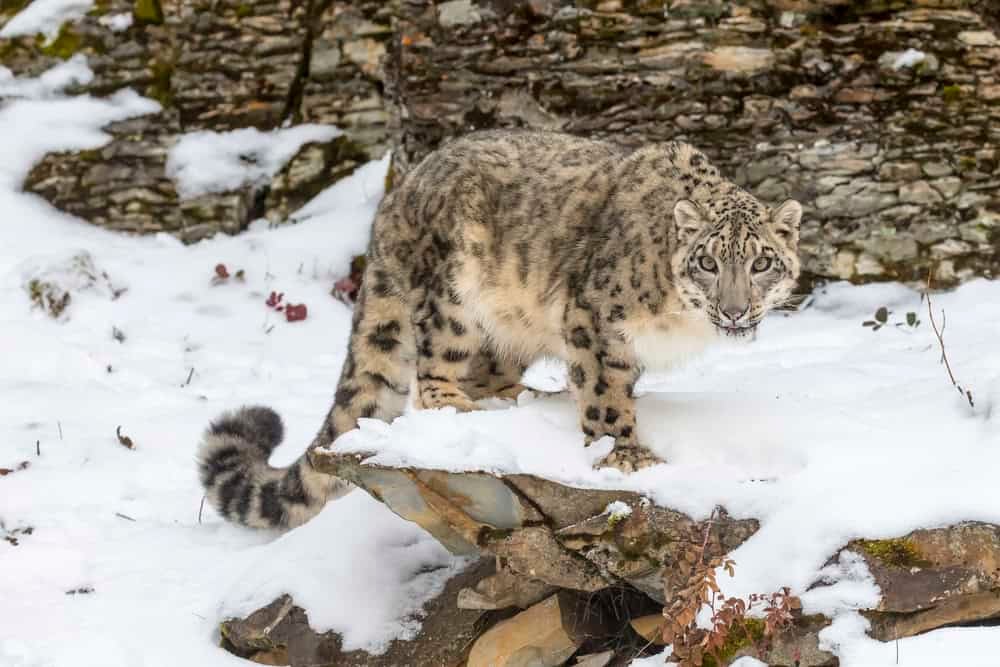
Snow leopards are iconic for their thick, smoky-gray fur adorned with black rosettes and spots, which provide perfect camouflage in their rocky habitats. Their powerful build includes long, thick tails for balance and warmth, along with large nasal cavities to adapt to high-altitude conditions by warming extreme cold air before it reaches their lungs.
Solitary Predators: Behavior and Hunting Techniques

Preferring solitude, these elusive cats are primarily active at dawn and dusk. Snow leopards are skilled hunters; with powerful hind legs, they can leap six times the length of their bodies. Their diet mainly consists of blue sheep (bharal), mountain ibex, and several smaller animals, all of which call the high-altitude home.
Reproduction and Family Life

Snow leopards typically breed between January and March, a period marked by increased vocalizations and scent markings to attract mates. After a gestation period of around 90-100 days, females give birth to a litter of one to three cubs. For the first few months, the family remains protected in a den, with the cubs learning to hunt at around 18-22 months.
Silent Communicators: Vocal and Non-vocal Communication

Though they cannot roar like some other big cats, snow leopards have a range of vocal sounds like chuffing, woofs, and mews for communication among themselves. Scent marks, scrapes, and visual markings, such as claw markings on trees, further enable silent interactions over vast distances.
Adaptations to High Altitude Living

The unique adaptations of snow leopards are a testament to their evolution for life at high altitudes. Shortened limbs minimize contact with snow, while their dense fur and enlarged paws act like natural snowshoes. Their lungs have adapted to thrive in rarefied, thin air, enhancing oxygen uptake and providing endurance.
Conservation Status and Threats
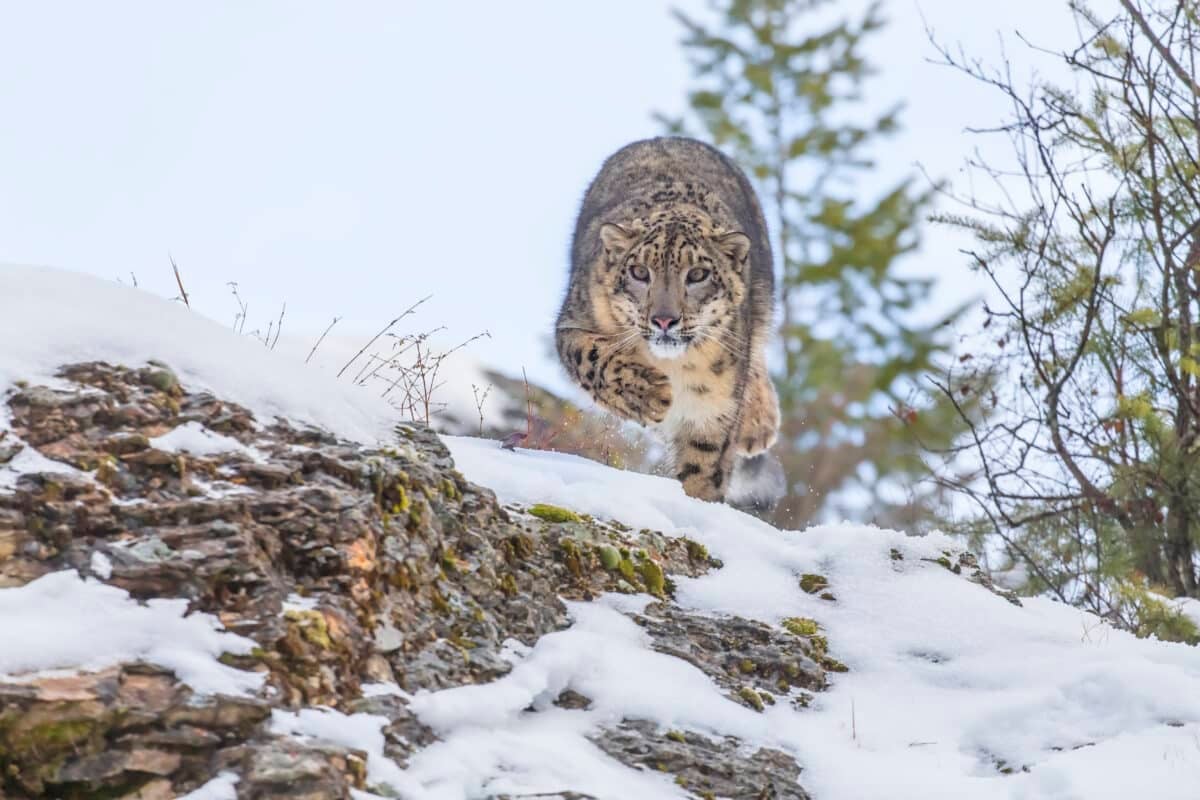
Despite their resilient nature, snow leopards face numerous threats, leading to their classification as vulnerable by the International Union for Conservation of Nature (IUCN). Habitat destruction, poaching for their fur and bones, and retaliatory killings from human-wildlife conflict due to livestock predation remain significant threats.
Conservation Efforts and Organizations
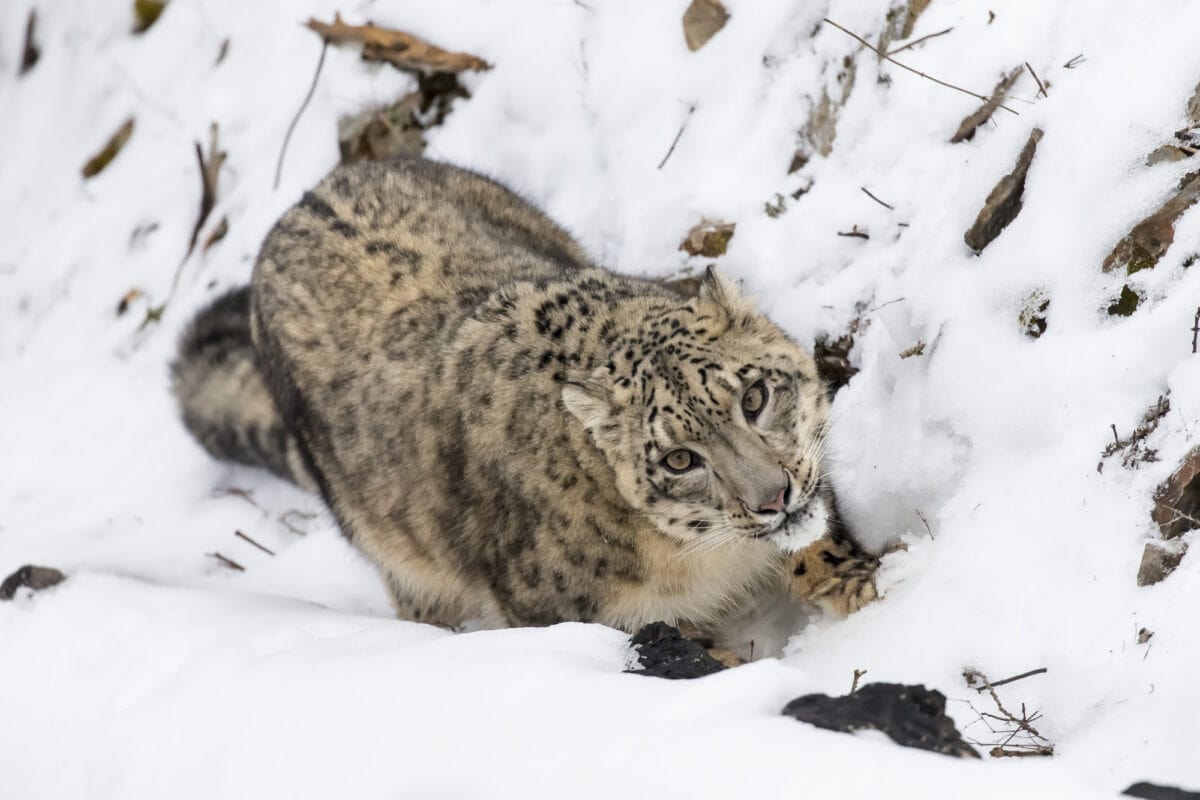
Efforts to conserve snow leopards span across international borders with organizations like the Snow Leopard Trust and World Wildlife Fund (WWF) implementing community-based conservation projects. These include anti-poaching measures, protecting habitats, and providing insurance schemes to communities affected by livestock losses.
The Role of Technology in Conservation

Modern technology like camera traps and GPS collars has revolutionized snow leopard research. These tools help scientists gather data on their movements, behavior, and population sizes, guiding conservation strategies and policies precisely tailored to snow leopard ecology.
Human Communities and Snow Leopard Coexistence
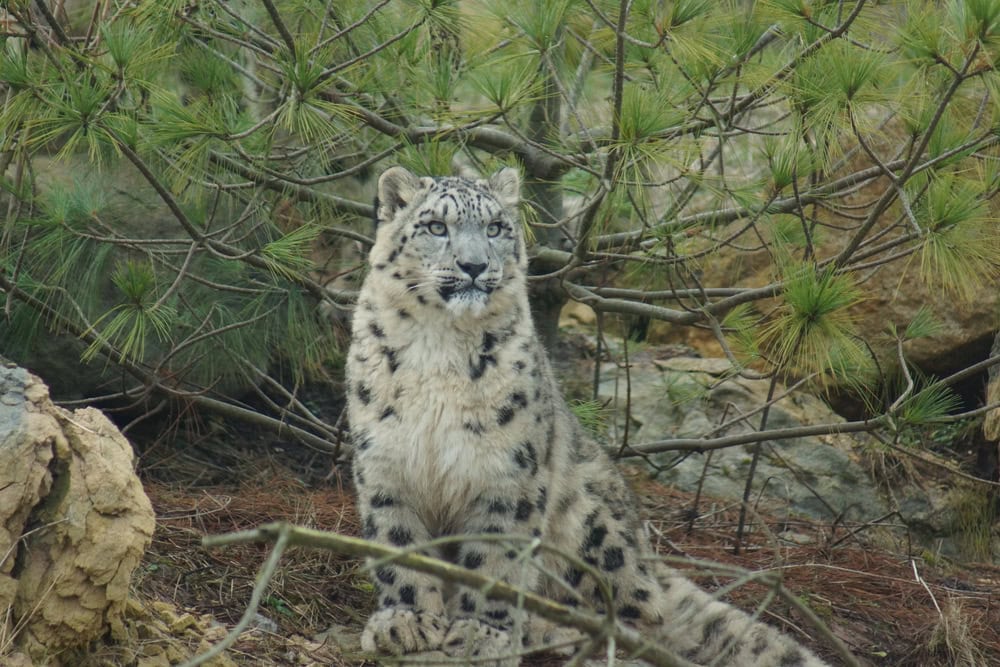
Local communities living within snow leopard habitats have gradually embraced conservation efforts. Educating these communities about the ecological importance of snow leopards and integrating sustainable tourism and livestock insurance schemes have shown promise in mitigating human-wildlife conflicts.
Mythology and Cultural Significance

Snow leopards hold a revered place in the folklore and rich cultural tapestries of Himalayan peoples. Considered symbols of strength and beauty, they feature prominently in local myths and legends, further strengthening their presence and the importance of preserving these majestic creatures for future generations.
The Future of Snow Leopards

The survival of snow leopards hinges on the continued efforts of conservationists, governments, and communities working together to protect their habitats and counteract poaching and human-induced challenges. As ambassadors of mountain ecosystems, their story is an inspiring reminder of nature’s interconnected wonders.
In conclusion, the secret life of the snow leopard is an inspiring testament to resilience and adaptation. Protecting these magnificent creatures is not only crucial for maintaining biodiversity but also for preserving the cultural heritage of the regions they inhabit. Through sustained conservation efforts, we can hope to see these “ghosts of the mountains” thrive once more in their majestic Himalayan home.

From exploring the marine wonders in the Azores and witnessing the vast savannas of Kenya, to delving deep into the rich biodiversity of South Africa and traversing iconic landscapes in Australia and the US like Yellowstone, Chris's experiences are vast.
With a penchant for diving alongside sharks, the ocean holds a special place in his heart.
Through his academic insights, he champions wildlife conservation, striving with 'Animals Around The Globe' to cultivate a profound connection between humans and animals, enhancing our mutual appreciation.
Connect with him at Feedback@animalsaroundtheglobe.com.
- 13 Most Bizarre Things Washed Up on American Beaches - July 26, 2026
- Why More Animals Are Moving Into Urban Areas - July 26, 2026
- The Surprising Intelligence of Octopuses Explained - July 26, 2026