
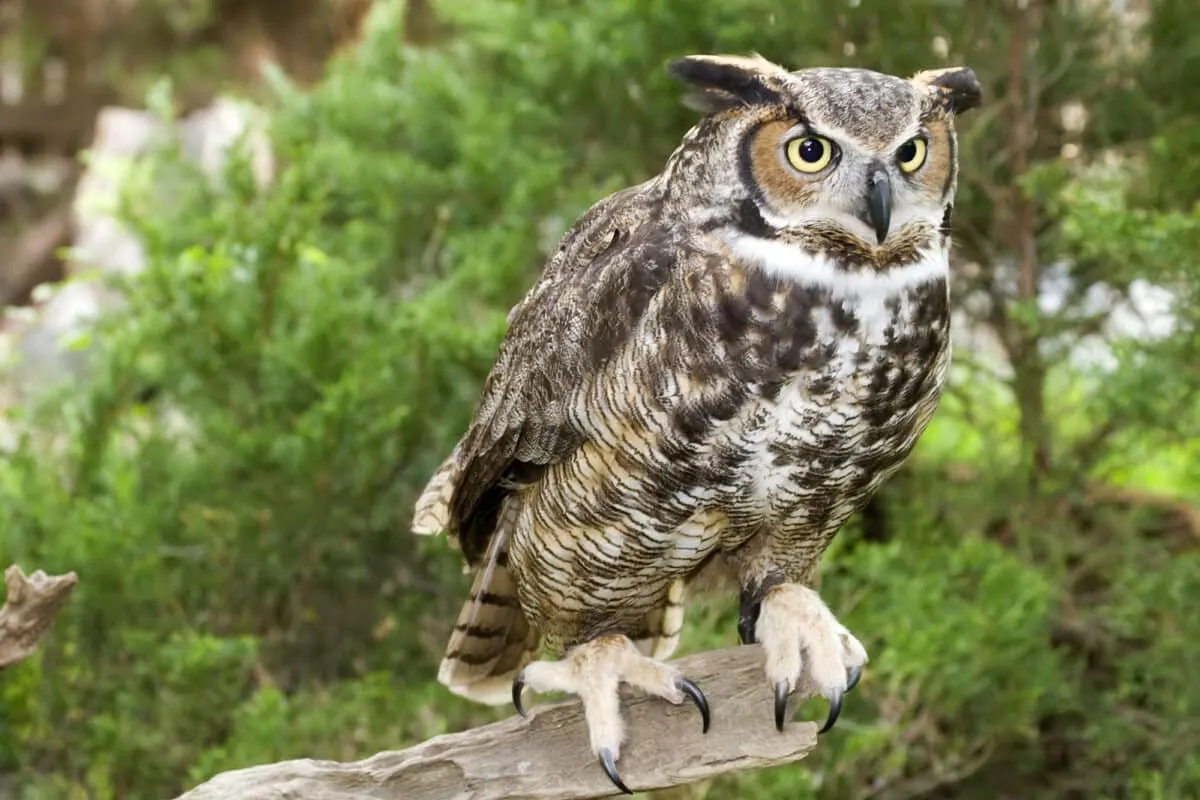
Arizona, known for its breathtaking landscapes and Sonoran Desert, also shelters a cast of elusive nocturnal predators. As dusk falls and temperatures drop, an intriguing world of night dwellers unfolds. Shrouded by darkness, these creatures demonstrate unique adaptations and behaviors that allow them to thrive in the challenging desert environment. So, what do we know about these mysterious prowlers of the night?
Understanding Nocturnal Predators

Nocturnal predators are animals that are active predominantly during the night and have adapted to darkness in fascinating ways. In Arizona, the cool, dim hours offer a refuge and hunting ground for various species, from small mammals to formidable insects. These creatures use keen senses to navigate, socialize, and hunt once the sun sets, effectively dominating the night-time ecosystem.
The Arizona Nightscape

The Arizona landscape, with its deserts, forests, and mountains, presents a varied palette of habitats. Each habitat supports its own unique assemblage of nocturnal predators that have evolved to exploit the specific resources available. Hot daytime temperatures and scarcity of water make the night-time activity not just a choice, but often a necessity for survival.
Adaptations for Night Life
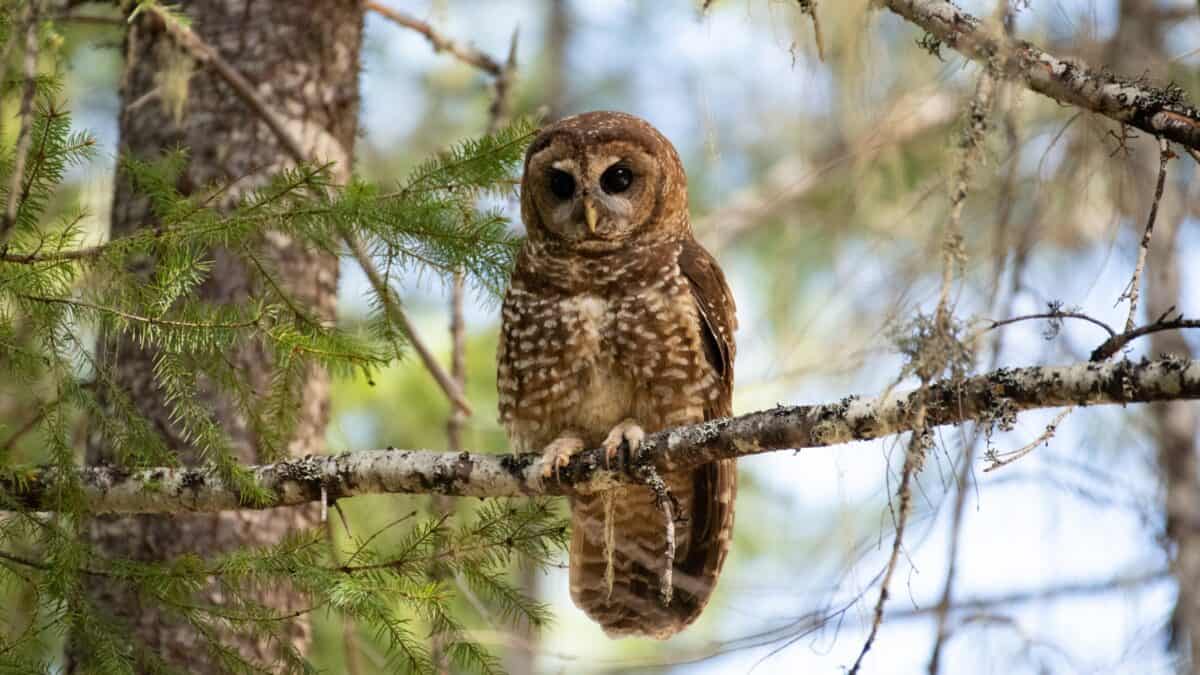
Nocturnal desert predators exhibit numerous adaptations, such as enhanced hearing, acute night vision, camouflaging techniques, and thermoregulation capabilities. For example, the large eyes of many night-stalkers, like owls, boast a greater number of rod cells than cone cells, allowing them to see in low-light conditions. Meanwhile, snakes like the rattlesnake use thermal imagery to detect prey.
The Iconic Great Horned Owl
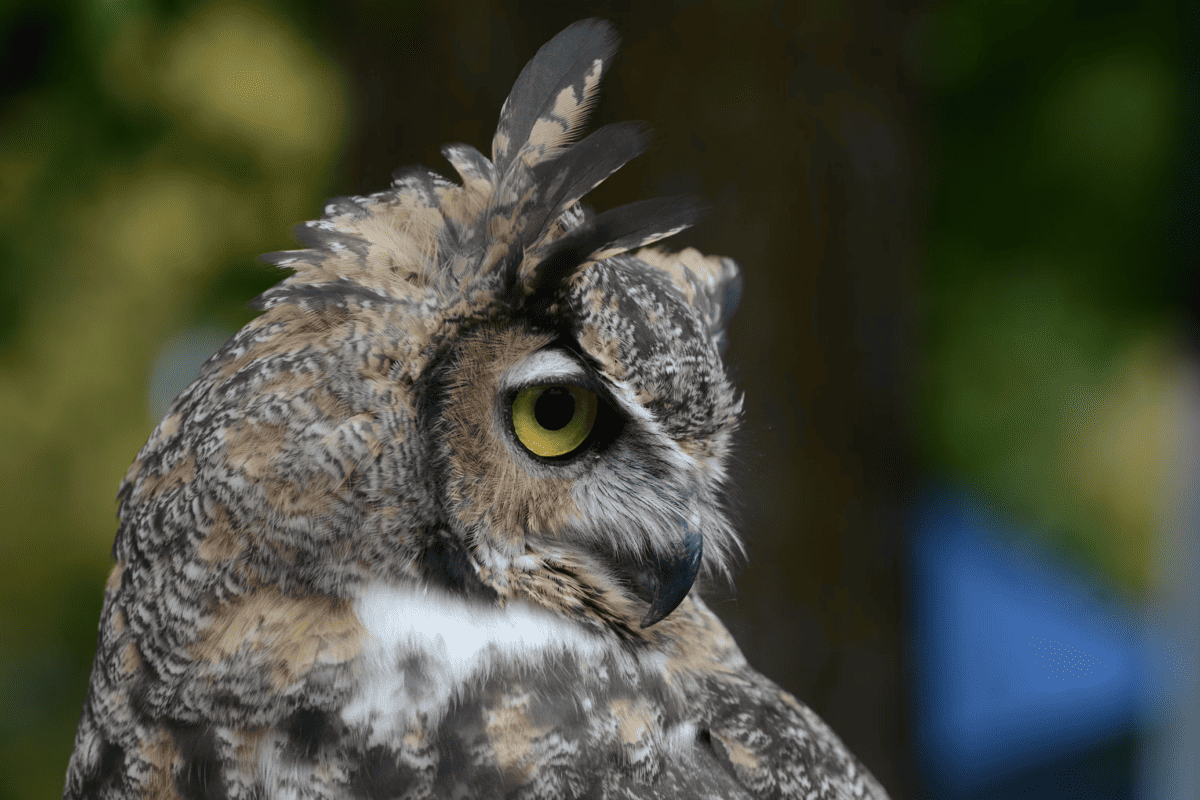
Arizona’s skies frequently play host to the great horned owl, a master of silence and stealth. This powerful bird uses its acute sense of hearing to locate wildlife, often swooping down silently to catch its unsuspecting prey. The owl’s feather structure complements its hunting style; fringed feathers minimize noise during flight.
The Crafty Coyote

Coyotes thrive across various terrains, from forests to cities. As opportunistic omnivores, their adaptability to different environments is unmatched. Under the cover of night, these cunning predators exhibit complex social dynamics and communication methods, often hunting in packs and using clever strategies to outsmart their prey.
The Stealthy Bobcat

Bobcats, recognizable by their tufted ears and short tails, are elusive predators that rely on cover afforded by darkness to capture their meals. With acute senses and muscular agility, they stalk small mammals such as rabbits and rodents, showcasing a combination of patience and power.
The Formidable Rattlesnake
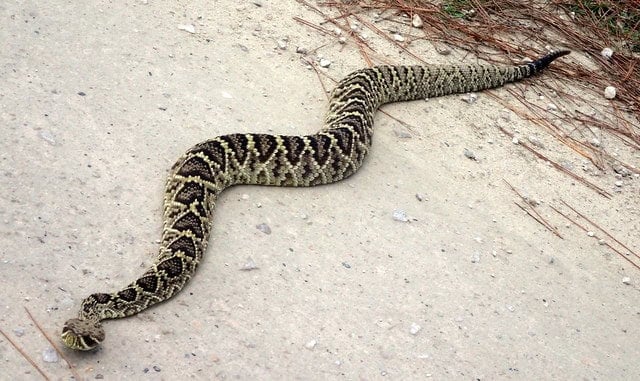
Arizona’s deserts are home to several species of rattlesnakes, each equipped with heat-sensing pits for hunting in the dark. By detecting warm-blooded prey, they can strike with precision even under the cover of night. Their distinctive rattle serves as a warning to potential predators, a testament to their formidable presence in the desert ecosystem.
Spiders of the Night

Many arachnids come alive at night, with tarantulas and wolf spiders embarking on nocturnal hunts. These spiders rely on vibration and chemical cues to locate prey. Tarantulas dwell in burrows, ambushing unsuspecting insects and smaller vertebrates, while wolf spiders roam the ground actively searching for food.
The Lesser Known Night Stalkers

Beyond the more famous predators, Arizona hosts various nocturnal insects that play a pivotal role in the delicate ecological balance. Predatory beetles, like the blister beetle, hunt smaller insects, contributing to insect population control and soil richness, thereby supporting the broader ecosystem.
Threats to Night Predators

Despite their adaptations, Arizona’s nocturnal predators face threats from human activities, habitat fragmentation, and climate change. Urban expansion disrupts natural habitats, while rising temperatures challenge their survival tactics. Conservation efforts are vital in preserving these creatures and their nocturnal realms.
Conservation Efforts

Efforts to protect nocturnal predators focus on habitat preservation, reducing human-wildlife conflict, and educating the public about these misunderstood creatures. Organizations are working to establish wildlife corridors and reduce light pollution, allowing these animals to continue their roles in the ecosystem undisturbed by human interference.
Embracing the Night

Understanding and appreciating Arizona’s night-stalking predators opens a window into an unseen world, reminding us of the diversity and resilience of life that thrives in darkness. Through recognizing and protecting this unique biodiversity, we can ensure that the hush of the night remains filled with the secretive activities of these incredible creatures.
In conclusion, Arizona’s nocturnal predators are key players in their ecosystems, showcasing remarkable adaptations and behaviors that warrant both awe and protection. By supporting conservation efforts and fostering a deeper appreciation for these night dwellers, we contribute to preserving the rich tapestry of life bustling, albeit quietly, under the Arizona night sky.
