
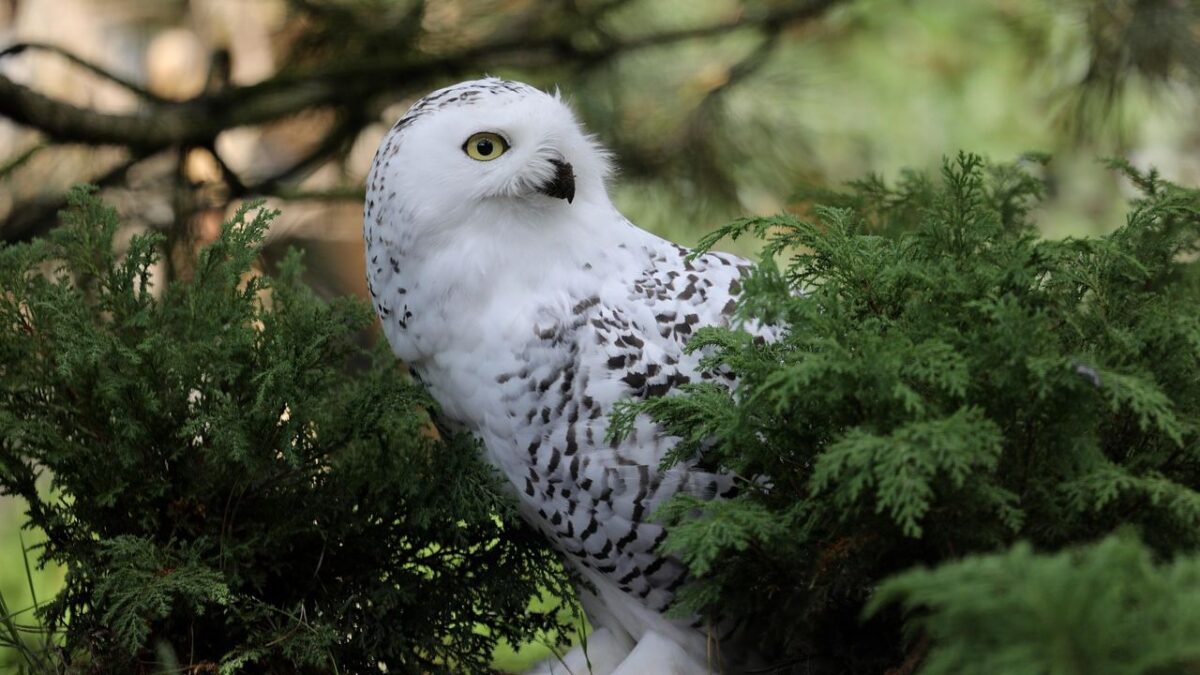
There is a whole other world that wakes up the moment you fall asleep. It operates without fanfare, without daylight, and without mercy. Most of us will never witness it firsthand. We go to bed, pull the covers up, and somewhere out there, in forest, desert, and sky, nature’s most refined killing machines begin their shift.
When the sun goes down, an entirely different set of creatures comes to life – skilled hunters with heightened senses that thrive under the cover of darkness. What makes them so extraordinary is not just what they hunt, but how they do it. The precision. The patience. The almost eerie silence.
Honestly, the more you learn about nocturnal predators, the more you realize that night isn’t empty at all. It’s breathtakingly full. Let’s dive in.
Eyes Built for the Dark: The Biological Engineering Behind Night Vision
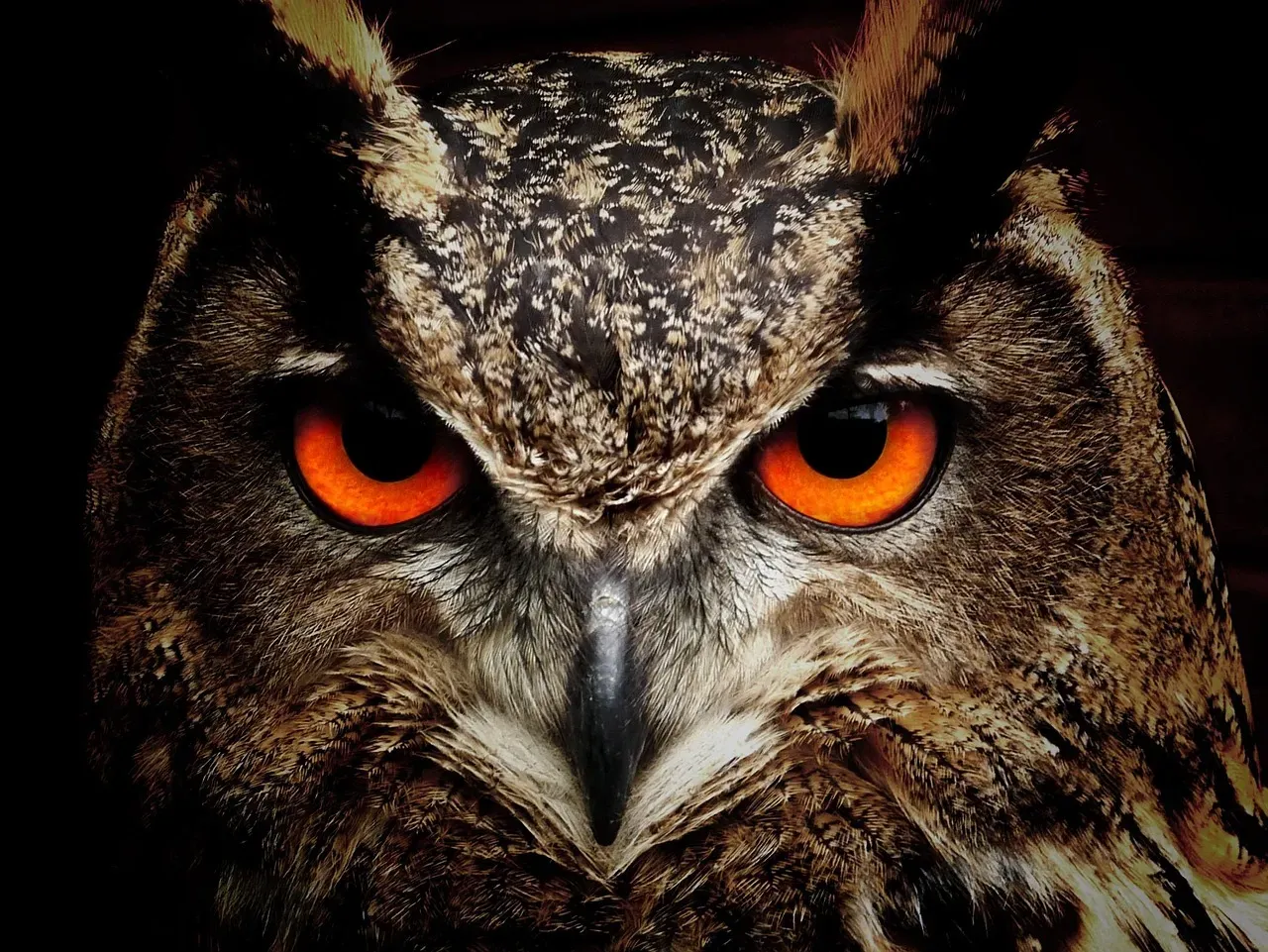
Here’s the thing – seeing in near-total darkness isn’t magic. It’s millions of years of biological engineering, and the results are genuinely jaw-dropping.
The eyes of nocturnal animals tend to be quite large, with pupils that can dilate to extremes. Consider an owl’s enormous and immobile eyes, which compose up to three percent of their body weight. These enlarged eyes allow for more light collection, particularly because nocturnal animals tend to have more rods than cones.
Nocturnal animals also have eyes with a tapetum lucidum, which is Latin for “bright tapestry.” It’s a mirror-like, reflective layer at the back of an animal’s eye that is designed to supply more light to the rods and cones. Think of it as a built-in second chance for every photon of light that enters the eye.
Lions, leopards, jaguars, mountain lions, and even house cats have night vision thanks to this special reflective layer. Called the tapetum lucidum, this mirror-like structure reflects any available light back into their retinas, allowing them to see in the shadows.
Leopards, for instance, have eyes that are six times more sensitive to light than human eyes. Their large pupils can dilate widely to capture maximum light, and like other cats, the tapetum lucidum reflects light back through their retinas. Six times more sensitive. Let that sink in for a moment.
Owls: The Undisputed Masters of Nighttime Aerial Hunting
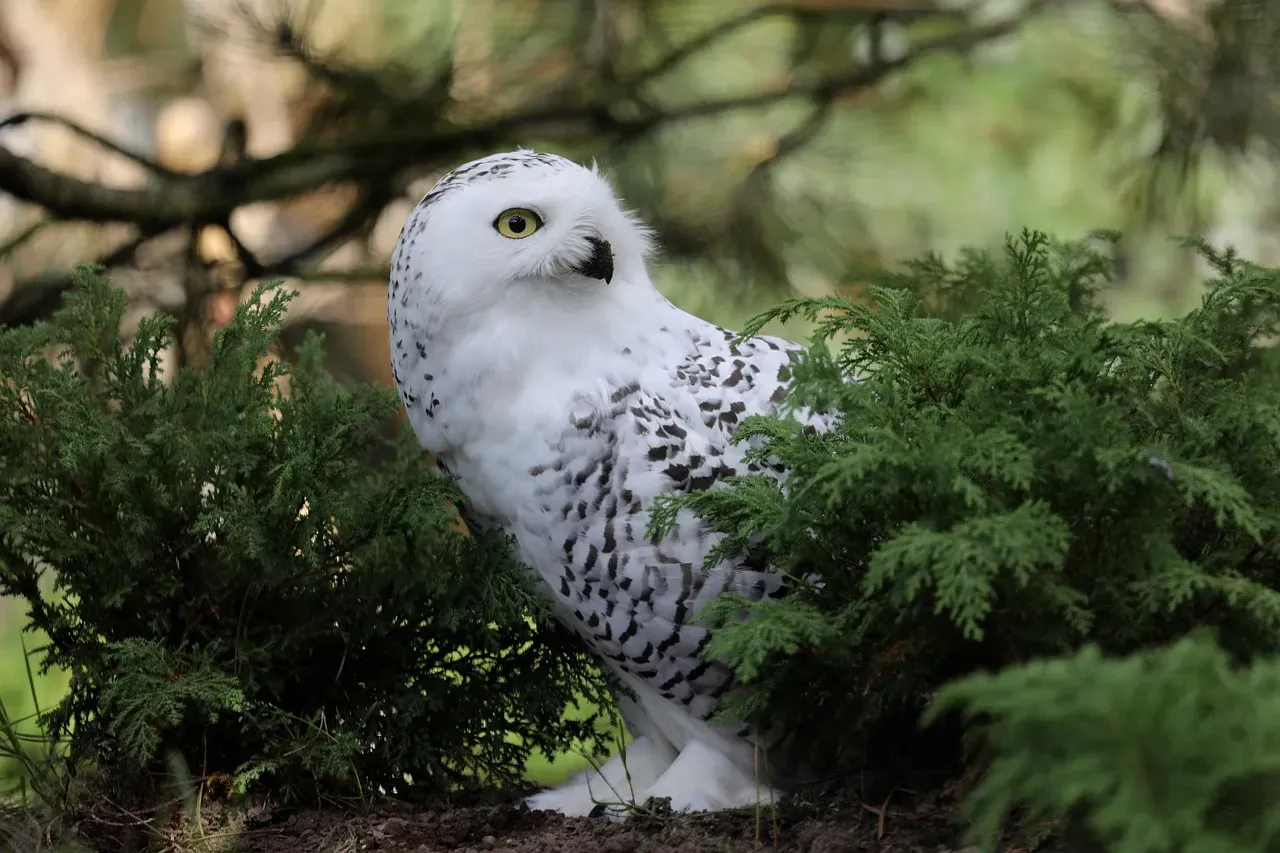
If nocturnal predators had a mascot, it would undoubtedly be the owl. No other creature combines stealth, sensory precision, and lethal efficiency in quite the same way. I think what makes owls genuinely unsettling, in the most magnificent way, is that they can kill without making a single sound.
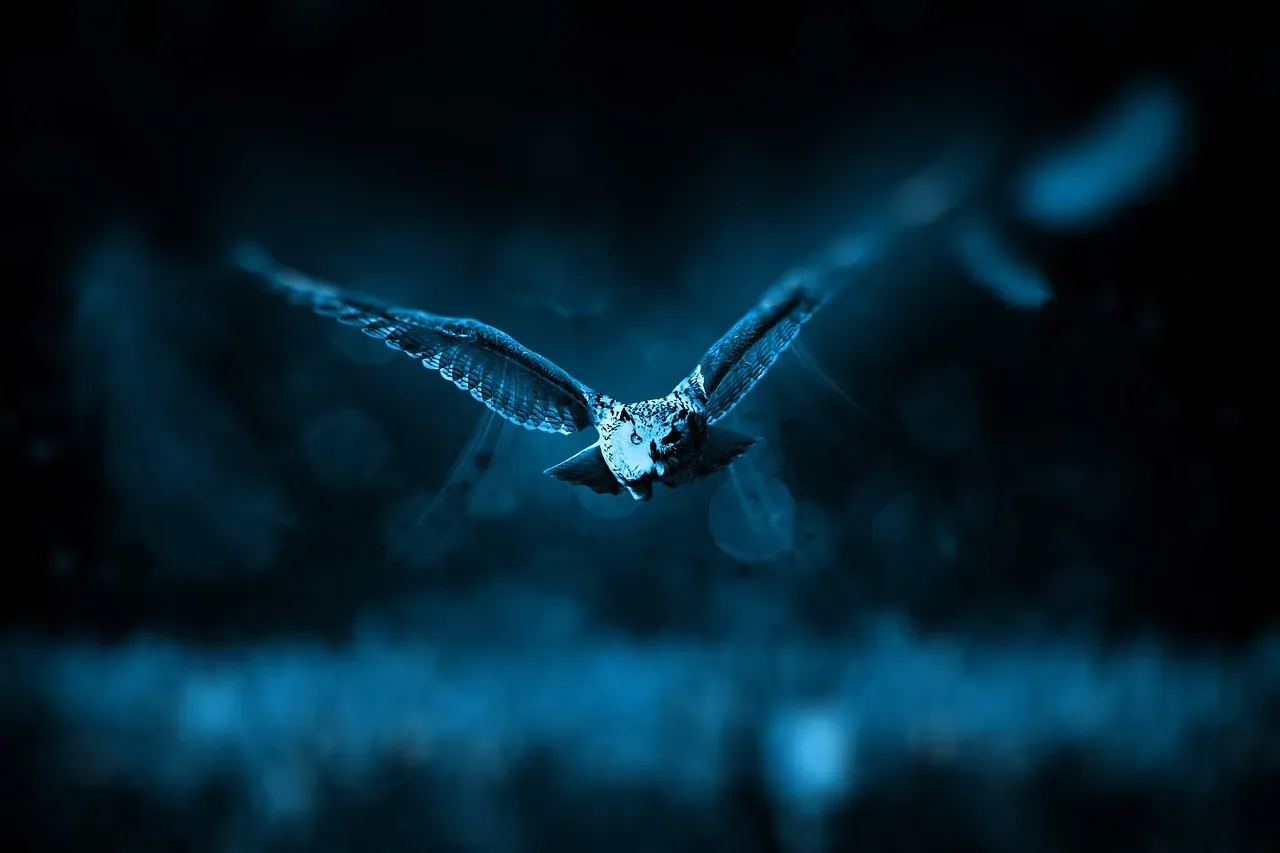
Owls can hunt small mammals, insects, and even fish in almost total darkness. Their feathers are specially adapted to allow silent flight, making them stealthy nighttime predators.
A barn owl can catch a mouse in complete darkness using hearing alone, pinpointing the location with such precision that it rarely misses. No light needed. Just pure, extraordinary acoustic tracking.
The great grey owl can hear a vole moving under two feet of snow and punch through the snow to grab it. That’s the kind of fact that makes you stop and re-read the sentence twice. Hunting through solid snow, guided only by sound.
Owls are known for their exceptional hearing, which enables them to detect prey even in total darkness. Asymmetrical ears allow owls to triangulate bioacoustic cues, noticing the slightest motion of small rodents or insects. Combined with sharpened talons and hooked beaks, these features turn them into extraordinarily successful predators.
These adaptations have made owls successful predators across diverse habitats, from Arctic tundra to tropical rainforests, cementing their reputation as one of nature’s most efficient nocturnal hunters.
Big Cats in the Dark: Stealth, Strength, and Shadow
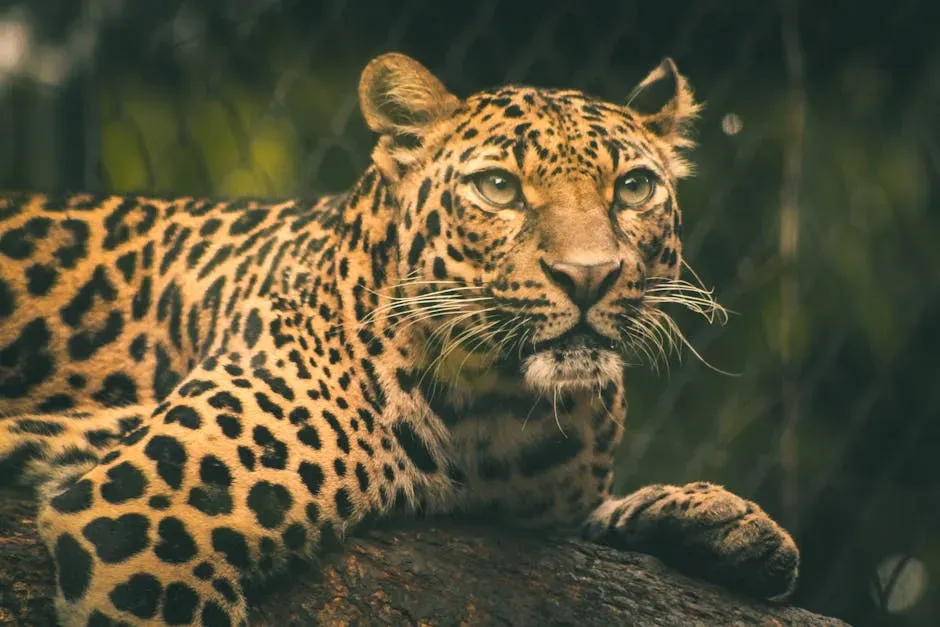
There is something primal about a leopard moving through darkness. Completely silent. Completely focused. It’s the kind of thing that makes your instincts fire even when you’re safely reading about it from your couch.
While some big cats like lions and cheetahs are known for daytime hunting, many feline predators are actually most active during twilight hours and nighttime. Leopards, jaguars, tigers, and even smaller wild cats like bobcats and ocelots are predominantly nocturnal or crepuscular hunters.
What makes leopards particularly impressive is their stealth. They can move almost silently through vegetation, and their rosette-patterned coat provides excellent camouflage in dappled moonlight. They’re also incredibly strong – a leopard can carry prey up to twice its own body weight up into trees.
Big cats carry out stealthy movements with padded paws for the silent approach of prey and specialized camouflage patterns that help them blend into shadows. Hunting behavior differs among species, with lions preferring to hunt in groups while leopards prefer solitary stalking.
These large carnivores survive well by using a combination of keen eyesight and hearing, as well as an excellent sense of smell. Their forward-facing eyes allow for very accurate judgment of distances when hunting. They also rely heavily on very acute reflexes, great strength, and the ability to run down most prey.
Bats and Snakes: The Surprising Precision of Nature’s Underdogs
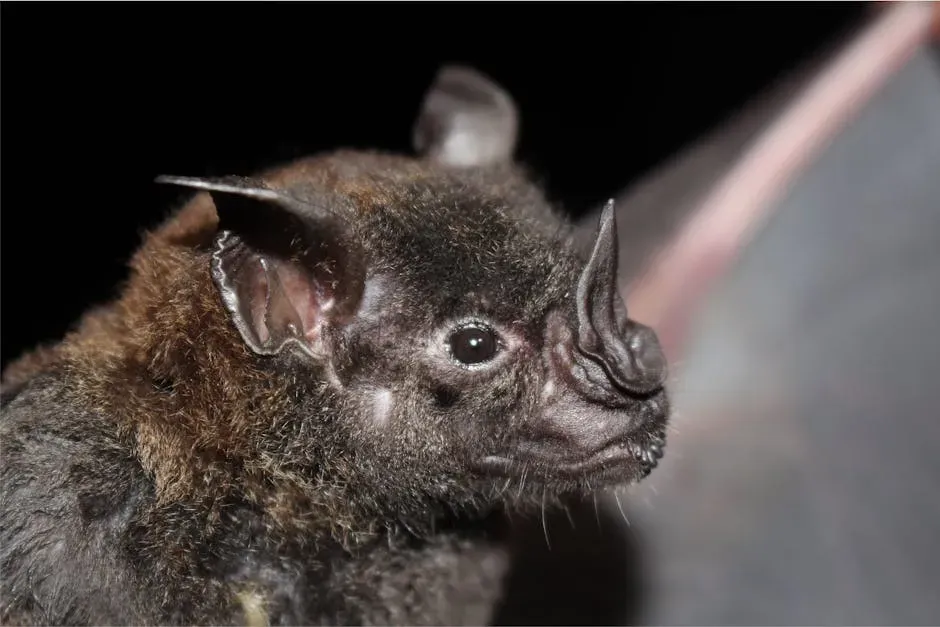
Let’s be real – bats and snakes don’t get nearly enough credit. Most people instinctively recoil from both, and yet these two groups of nocturnal hunters have evolved some of the most sophisticated sensory systems on the planet. We’re talking about biological technology that engineers still struggle to fully replicate.
Bats are champions of the night. Using echolocation to hunt insects and avoid obstacles, they are among the most successful nocturnal animals. Found nearly worldwide, they also play a vital role in ecosystems by pollinating plants and dispersing seeds.
The bat’s sound detection system is capable of detecting even the slightest movements, even when there is no light present. Their navigation system can create a mental map by using high-pitched sound waves and interpreting echoes, allowing them to move easily through their environment. It’s essentially a living sonar system, and it works with stunning accuracy.
Snakes represent another group of nocturnal predators with remarkable adaptations enabling them to thrive in darkness. Many snake species, including pit vipers and some boas, bear specialized heat-sensing pits that enable them to perceive the body heat of warm-blooded prey even in total darkness. These features, combined with silent movement and impressive striking speed, transform snakes into dangerous nocturnal hunters.
Glands on either side of certain snake species’ heads give them an exceptional advantage, allowing them to “see” without using their eyes. Rattlesnakes and various other snakes have specialized organs that give them heat vision. It’s hard not to be impressed, even if reluctantly.
The Hidden Threats: How Light Pollution and Human Activity Are Disrupting the Night
Here’s where things take a darker turn – and I mean that literally and figuratively. The world that nocturnal predators have spent millions of years mastering is changing fast. Faster, perhaps, than evolution can keep up with.
Light pollution is a major issue for nocturnal species, and the impact continues to increase as electricity reaches parts of the world that previously had no access. Species in the tropics are generally more affected due to the change in their relatively constant light patterns, but temperate species relying on day-night triggers are also affected.
Anthropogenic noise is an increasing form of environmental change that alters natural soundscapes. Human activities, including road traffic, have led to a notable increase in ambient noise, which may impair how animals use their sensory systems. Previous experiments suggest that noise affects the hunting behavior of nocturnal predators.
Climate change has also led to an increasing number of diurnal species to push their activity patterns closer toward crepuscular or fully nocturnal behavior. This creates new competition and pressure in an ecosystem that was already finely balanced.
Nocturnal wildlife are often misunderstood because of the unique skills that allow them to thrive after dusk. Their adaptations show us that wildlife is constantly evolving, but the world is changing faster and faster, making it harder for them to catch up.
Numerous nocturnal species face threats from habitat loss and disease, highlighting the urgent need for conservation efforts to protect these unique creatures.
Conclusion: A World Worth Protecting
The night is not empty. It is alive with intelligence, with precision, with an elegance that daylight rarely witnesses. From the barn owl’s impossible ears to the leopard’s shadow-melting coat, from the bat’s sonar grid to the pit viper’s heat map – every nocturnal predator is a masterclass in adaptation.
Throughout evolutionary history, nocturnal behavior developed as a means of balancing an ecosystem, enabling a greater variety of species by reducing competition during the daytime hours. This was not a conscious choice, but was achieved through adaptations developed over thousands of generations.
What we risk losing, as cities glow brighter and noise grows louder, is not just a collection of impressive animals. We risk unraveling an entire parallel world, one that has been silently operating alongside us for longer than our species has existed.
Human beings may act like we have conquered the darkness with electricity and technology, but the natural world long ago became the true masters of the night.
The next time you look out a window into darkness and see nothing – remember that’s not absence. That’s just the limit of your eyes. Out there, the silent hunters are wide awake. What would you give to see what they see?

- American Crocodiles Are Expanding Their Range in Florida’s Warm Waters - July 18, 2026
- 9 Common Myths About Wild Animals That Are Simply Not True - July 18, 2026
- 15 Signs Your Pet Is Secretly a Genius (And How to Spot Them) - July 18, 2026