

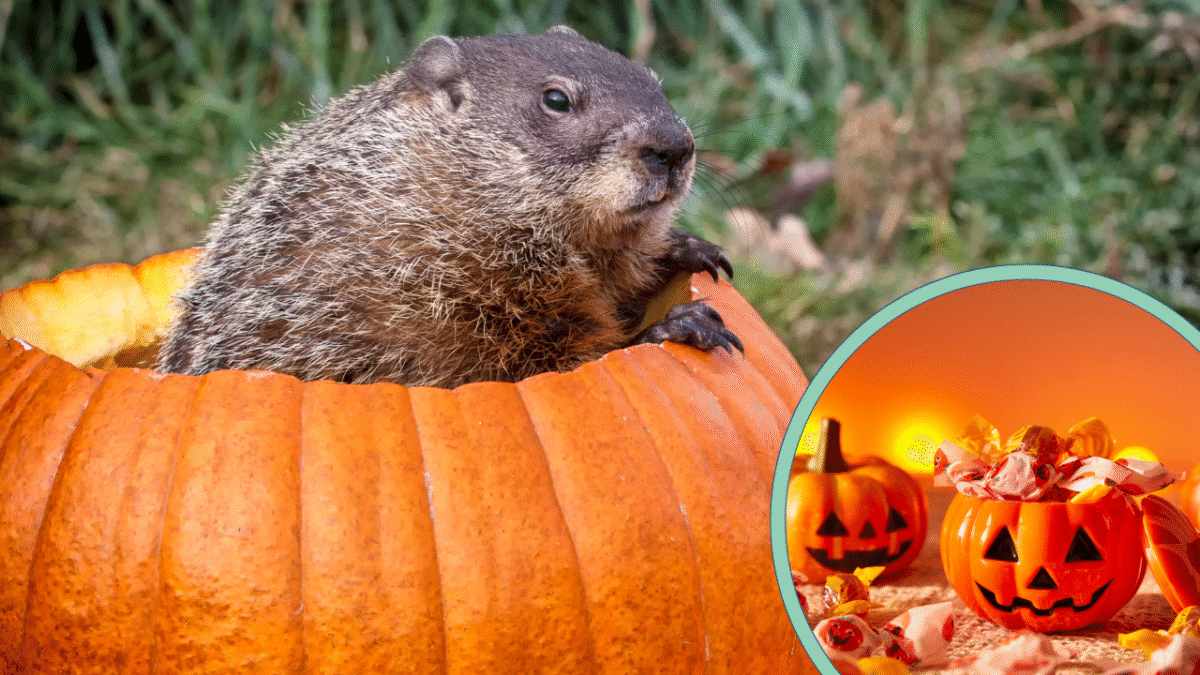
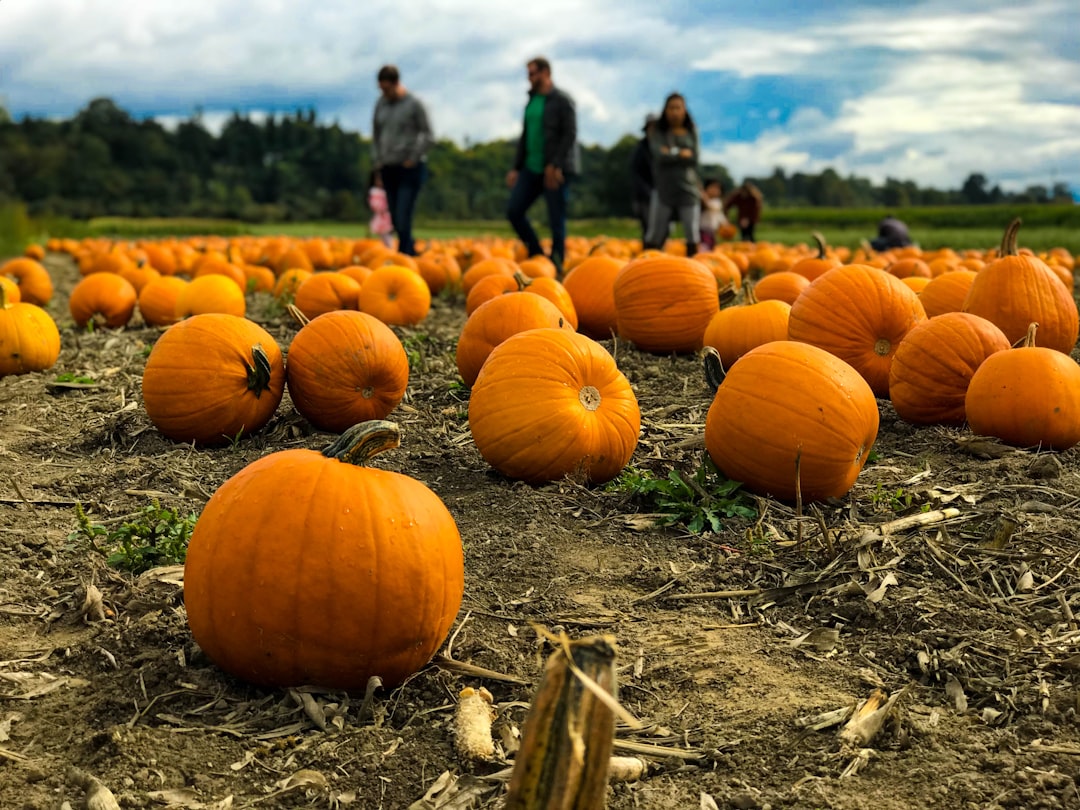
Halloween season brings excitement and festive decorations to neighborhoods everywhere. Families carefully select the perfect orange pumpkins for their porches and gardens. Children eagerly anticipate carving jack-o’-lanterns while adults plan elaborate displays to welcome trick-or-treaters.
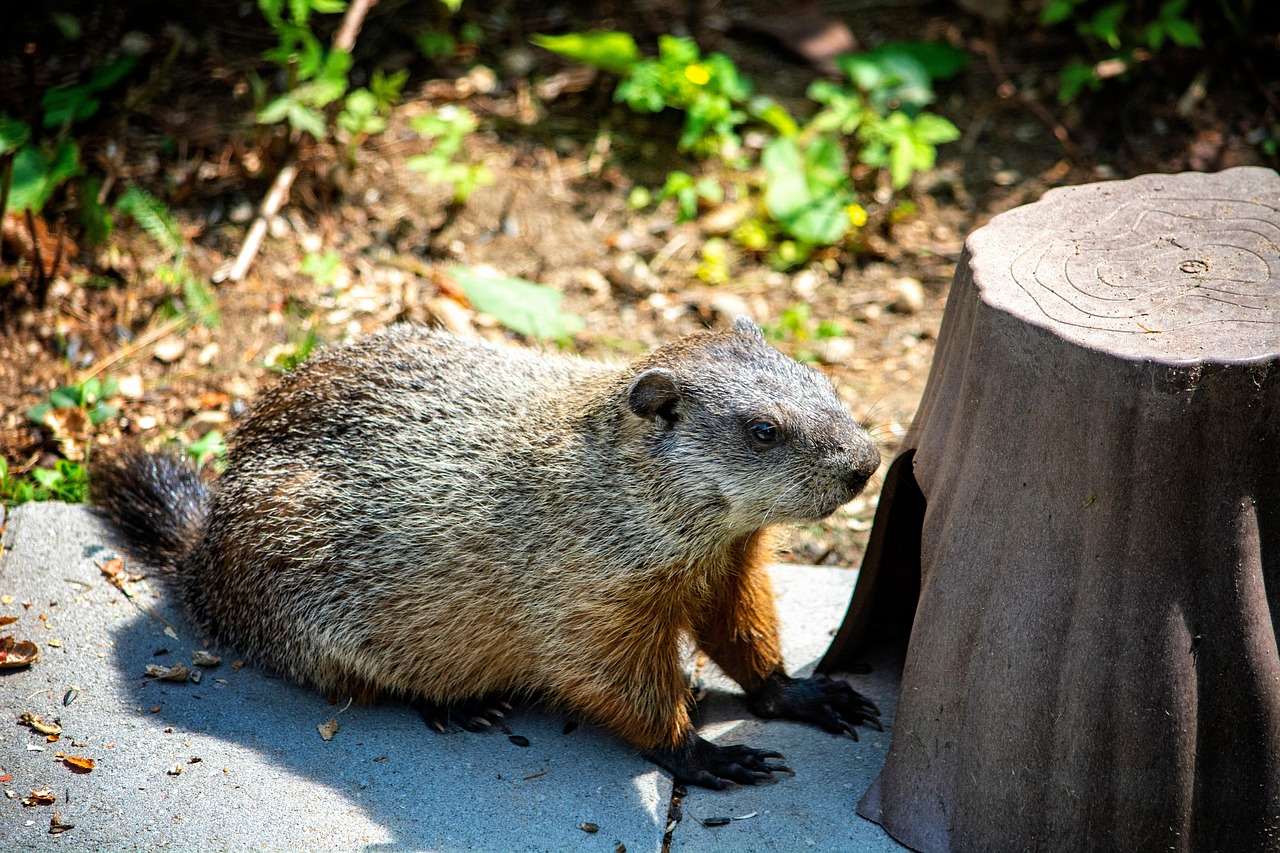
Yet lurking in the shadows of this joyful season is a threat many homeowners don’t see coming. A variety of creatures eat pumpkins – including ants, fruit flies, squash bugs, groundhogs, and other rodents. Groundhogs eat every part of pumpkins. They eat the fruit flesh, rinds, seeds, flowers, leaves, etc. No part of your pumpkin will be spared by groundhogs, so you must prevent groundhogs from reaching the plants. Halloween pumpkin harvests face significant danger from these relentless creatures who view your carefully cultivated gourds as an all-you-can-eat buffet.
Build a Fortress with Proper Fencing
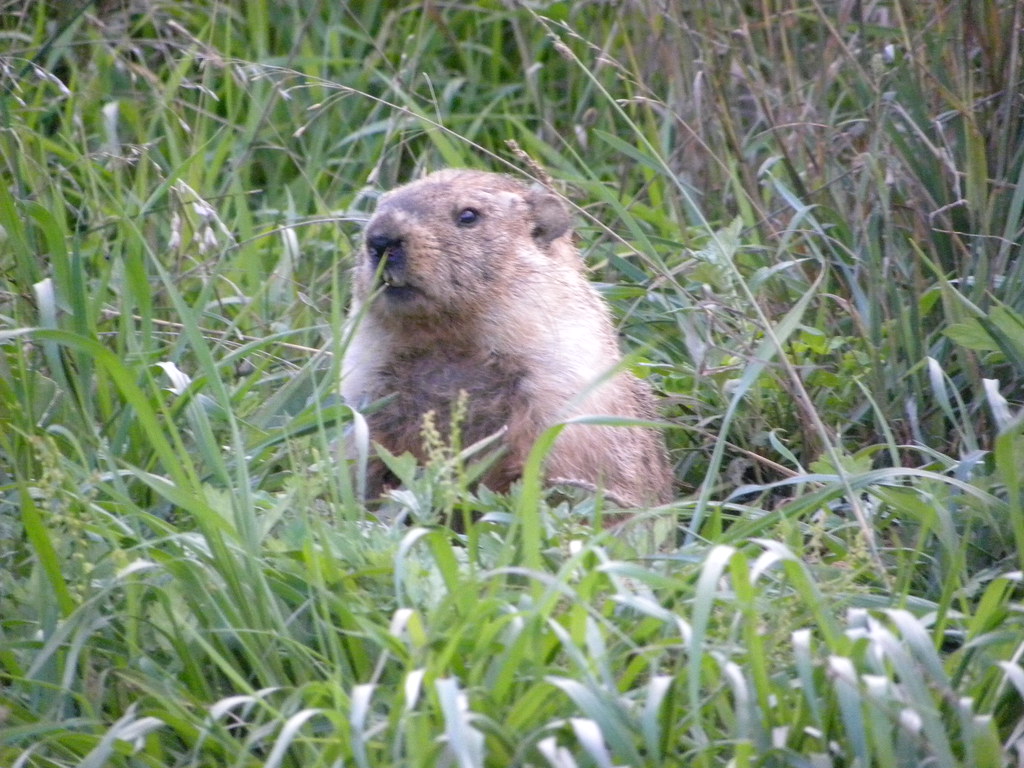
Your first line of defense against groundhog invasion requires strategic fencing that addresses their dual talents for climbing and digging. Groundhogs can jump short fences and tunnel under others, so it’s important to do this right. Buy chicken wire (at least three to four feet tall) and appropriate posts. Bury the wire twelve inches deep to prevent tunneling. The key lies in creating multiple barriers that confuse and deter these persistent creatures.
A good fence to protect gardens from woodchucks consists of a tight wire mesh at least 3 feet tall. Extra height at the top can be bent at a 45° angle away from the garden to deter climbers. Excess at the bottom can be bent out underground at a 90° angle to keep diggers at bay. This design creates an impenetrable fortress that protects your precious pumpkins from both surface and underground attacks.
Harness the Power of Scent Deterrents
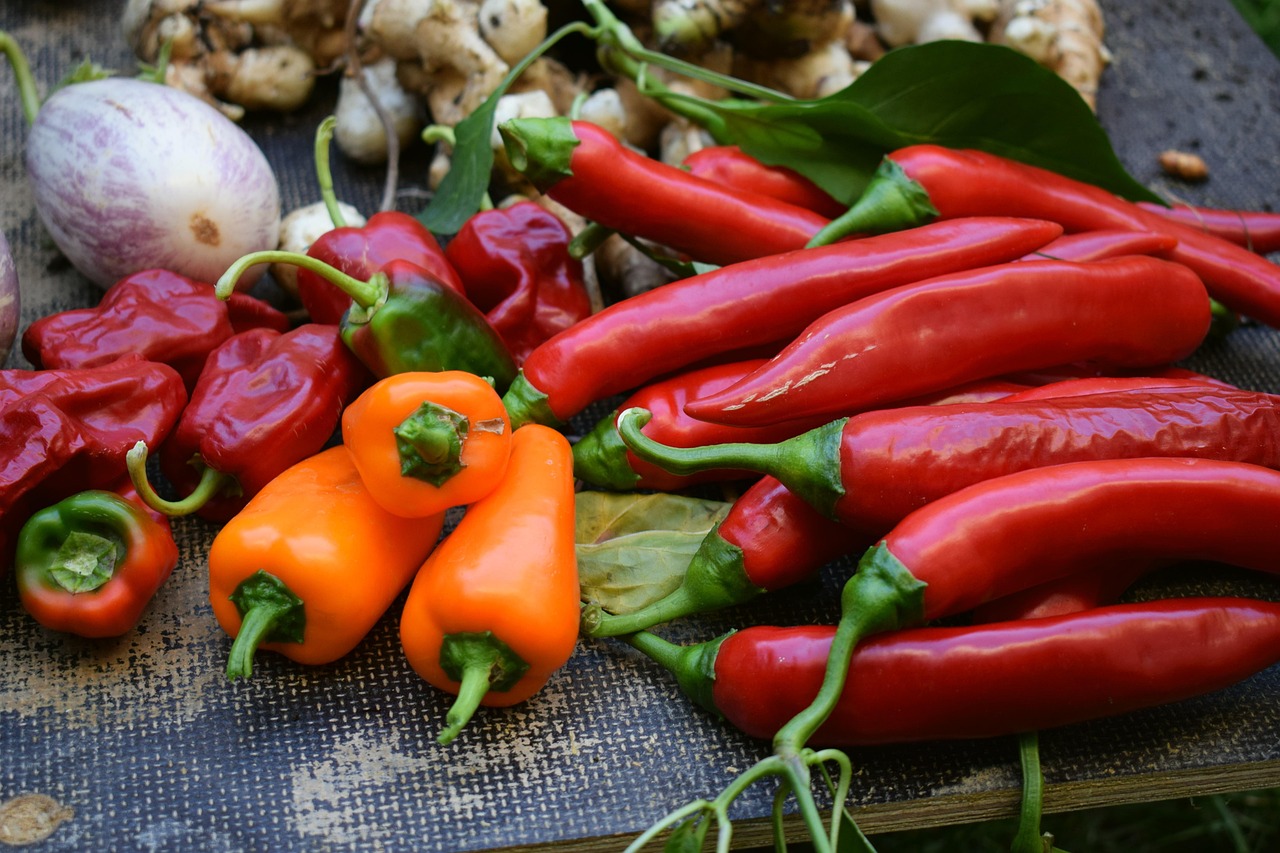
There are certain smells groundhogs absolutely detest. Nature provides powerful aromatic weapons in your fight against these garden raiders. Simply pour cayenne pepper close to the groundhog’s holes. You can also spray tender plants with a mixture of 2 teaspoons cayenne with one quart of water to deter them from nibbling. The intense heat and pungent smell create an invisible barrier around your pumpkin patch.
Crush some garlic cloves and spread the paste around areas of the garden you want groundhogs to avoid. Their sensitive noses can’t handle the pungent smell. Human hair clippings also prove remarkably effective, as groundhogs instinctively avoid areas that smell like potential predators.
Create Texture Barriers That Confuse Their Senses
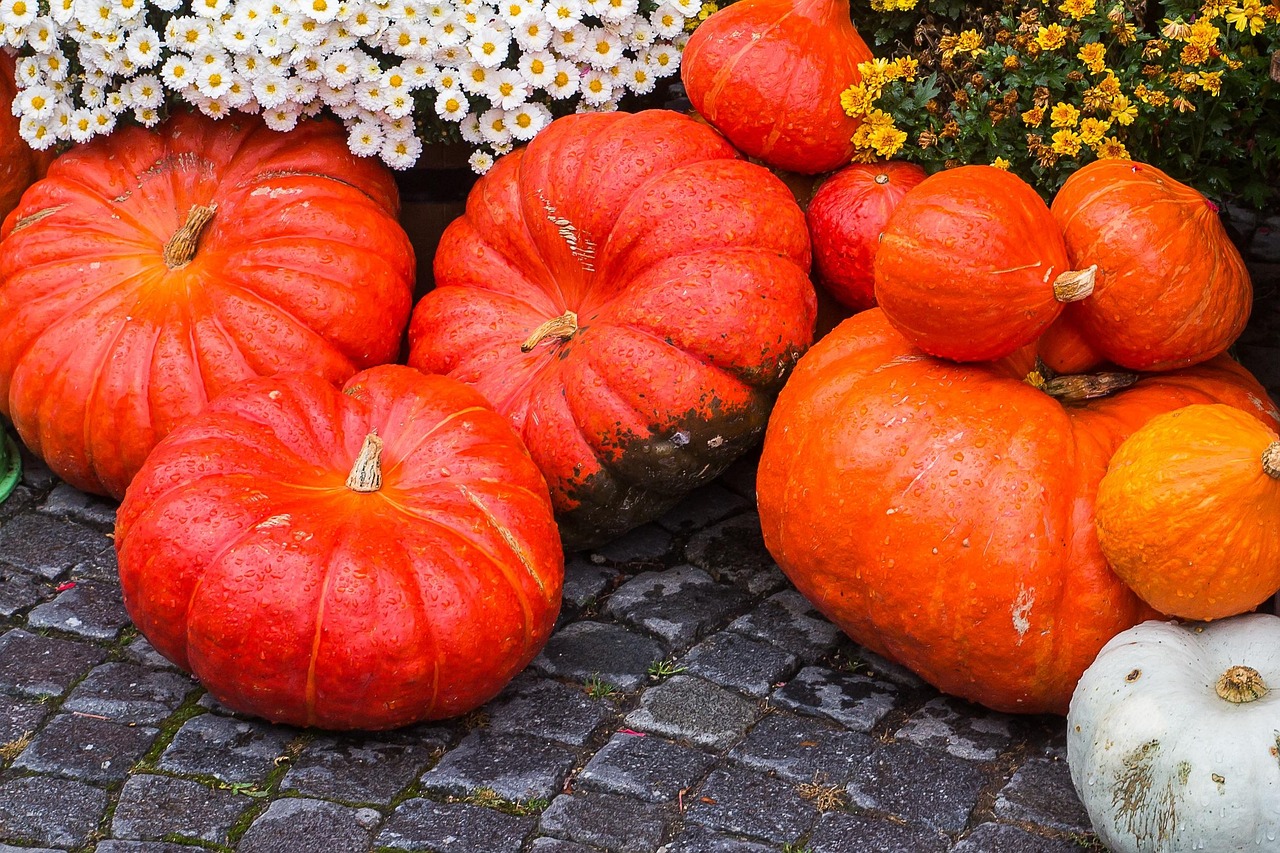
Groundhogs rely heavily on their sense of touch when investigating potential food sources. Most animals avoid eating things that have unpleasant textures. You can make your pumpkins less appealing by applying substances with unpleasant textures that may deter animals. Make sure you cover all exposed parts of the pumpkin! This simple household item transforms your decorative pumpkins into unappealing targets.
You can coat it in a generous layer of petroleum jelly. The jelly creates a tacky layer that most animals will find unappealing. These texture modifications don’t harm the groundhogs but effectively discourage their destructive feeding behavior while maintaining your pumpkins’ visual appeal.
Deploy Scare Tactics and Motion Deterrents
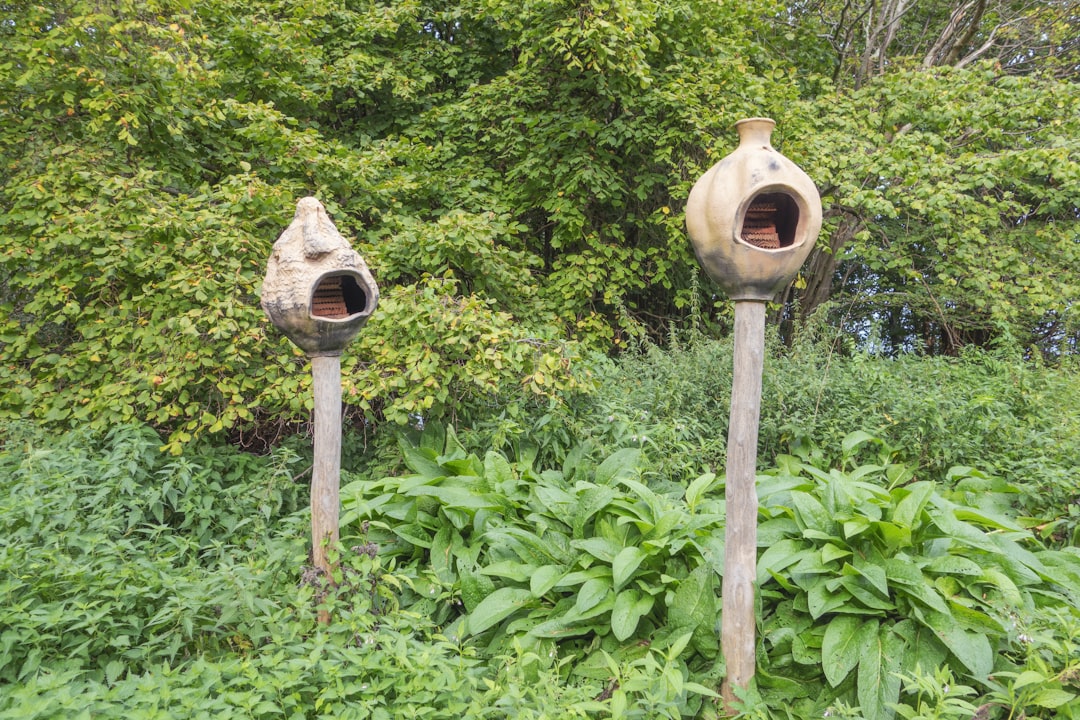
Groundhogs are shy. Noisy moving items may work. Use wind chimes, pinwheels or other decorative but functional items. These creatures prefer quiet environments where they can feed undisturbed. Strategic placement of movement-activated deterrents creates an atmosphere of constant uncertainty that drives them elsewhere.
Groundhogs are cautious animals and can be frightened by new objects in the environment. Scare devices are more likely to work if they’re changed frequently. Try tying silver Mylar® helium balloons in the garden on a short line, so the wind occasionally bounces them onto the ground. Regular rotation of these devices prevents groundhogs from becoming comfortable with familiar objects in their feeding areas.
Master the Art of Habitat Modification
Proper landscape maintenance discourages groundhogs from settling in the first place. Clear away brush, woodpiles and other places that provide cover. Groundhogs seek secure environments where they feel protected while foraging. Removing potential shelter forces them to search for more suitable territories away from your property.
Harvest your garden and pick up any fallen fruit often. Also, consider a covered compost bin – especially if your compost piles have sweet fruit like melons, a groundhog’s favorite. Maintaining clean outdoor spaces eliminates the food sources that initially attract groundhogs to your area, making your property less appealing as a permanent residence.
Offer Strategic Distractions Through Alternative Feeding
Sometimes the most effective defense involves redirecting rather than completely blocking groundhog behavior. Give them a garden of their own! If you plant a “groundhog garden” with favorites such as clover and alfalfa, they may never venture near your garden. Make sure to plant the “groundhog garden” near their burrow. This sacrificial garden strategy acknowledges their presence while protecting your valuable pumpkin displays.
You can try to feed them on your own terms. Place seeds and treats far away from the pumpkins as a distraction to ensure their attention is somewhere else. Creating designated feeding areas draws groundhogs away from your Halloween decorations while satisfying their nutritional needs through controlled offerings rather than destructive foraging.
These proven strategies transform your property from an easy target into an impenetrable fortress that preserves your Halloween magic. The key lies in combining multiple approaches rather than relying on a single solution. Remember that persistence and early implementation yield the best results in protecting your seasonal treasures.
What strategies have you found most effective in your own battle against garden invaders? Tell us in the comments.

- 17 Rare Dog Breeds You Might Not Have Heard of Before - June 30, 2026
- 15 Exotic Animals People Bond With – And the Hidden Dangers They Bring - June 30, 2026
- 22 Coolest Animals Gifted with Extreme Abilities of Survival - June 30, 2026