
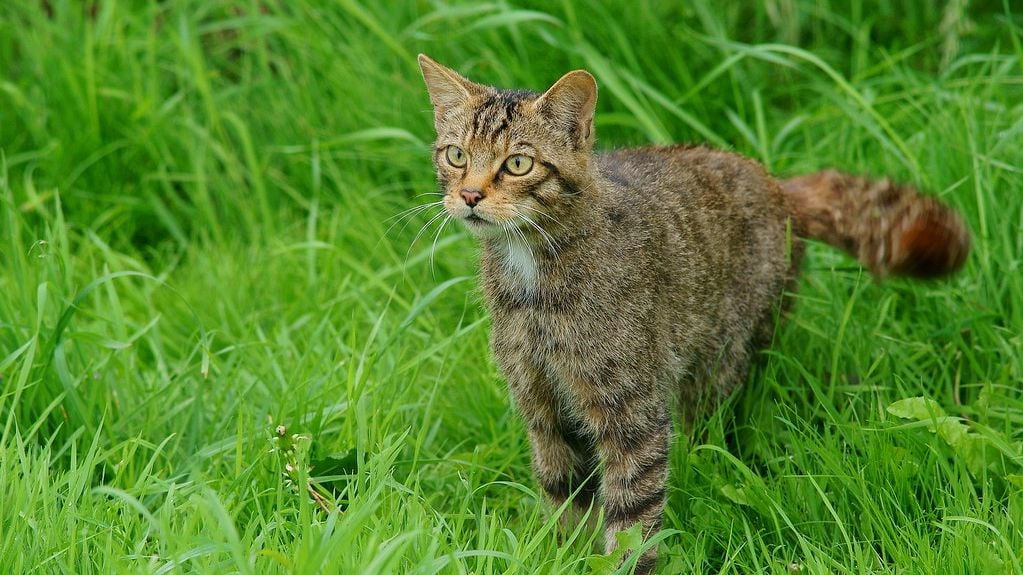
Cat owners often watch their pets with fascination, picking up on subtle cues that reveal a world of emotion. A flick here, a curl there – the tail serves as a feline billboard, broadcasting moods without a single meow. While dogs wag for joy, cats use theirs with more nuance, turning everyday movements into a code worth decoding.
Observing these signals helps build stronger bonds and avoids misunderstandings that lead to scratches. Tails don’t lie; they offer a direct line into what your cat feels right now.[1]
Straight Upright Tail: Confidence in Motion
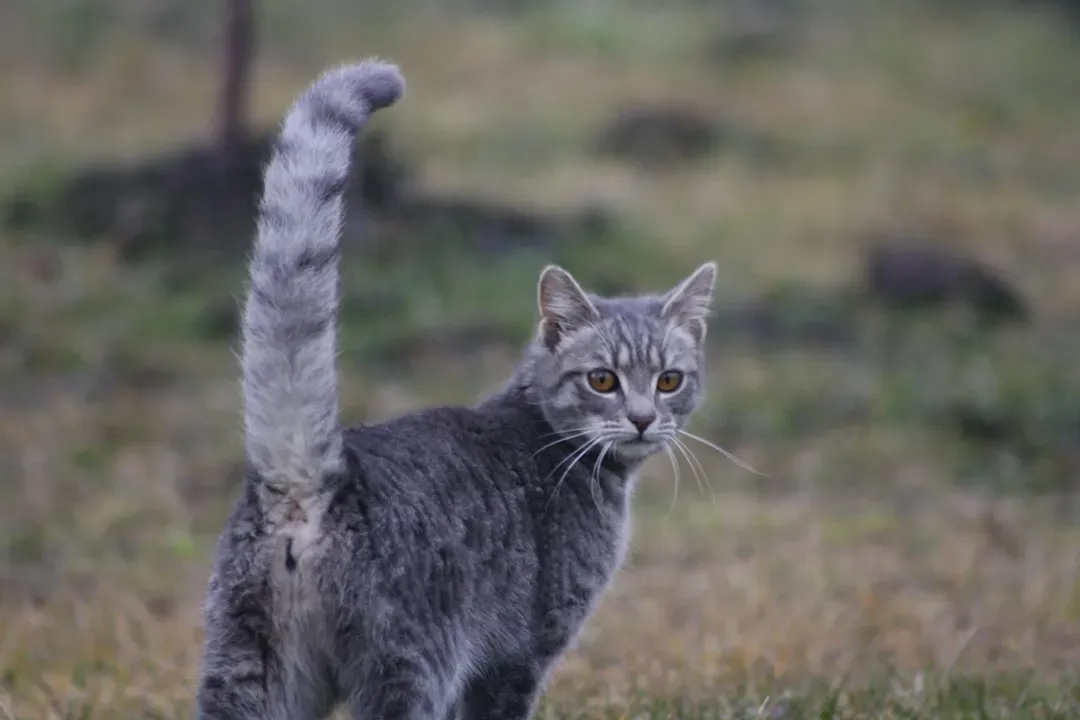
A tail held high and straight signals pure confidence. Your cat struts toward you or another pet this way, feeling social and open to interaction. It’s their version of a friendly hello, often seen when they’re relaxed in familiar territory.[1][2]
Sometimes the tip quivers slightly, adding excitement to the mix – like when they’re thrilled to see you after time apart. Kittens pick this up early, using it to greet their moms. Watch for it during playtime; it means they’re fully engaged and happy.[3]
Curved Question Mark: Playful Curiosity
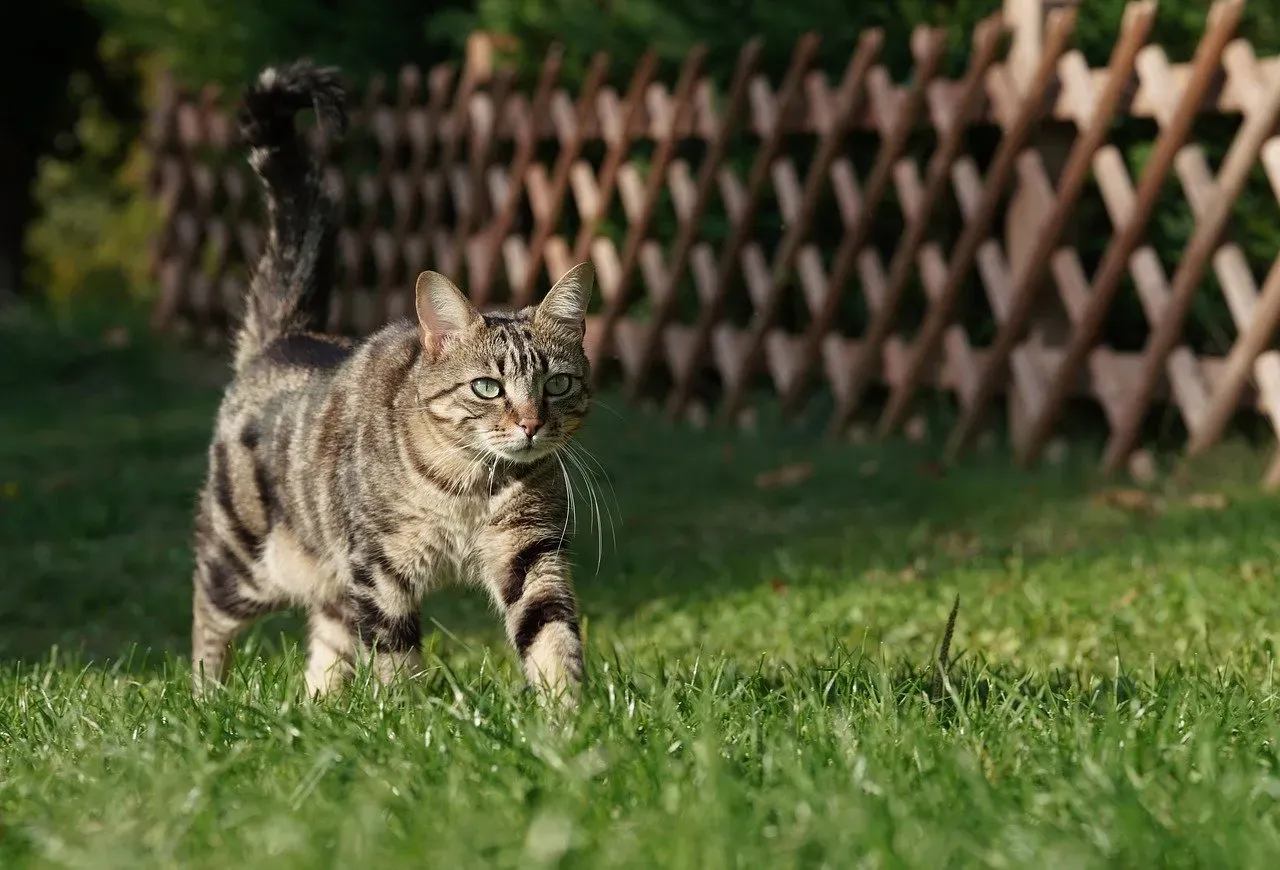
When the tail rises with a gentle hook at the end, like a question mark, your cat is in a playful, curious mood. This shape invites interaction, whether rubbing against your legs or approaching a toy. It shows they’re feeling affectionate yet alert.[3][4]
Owners notice this during greeting rituals, paired with purring or slow blinks. It’s a green light for petting, though always check ears and body for full context. Such tails often sway lightly, hinting at budding playfulness.
Context matters here; in new environments, it might blend caution with interest. Still, it’s mostly positive, a cat’s way of saying they’re up for fun.[5]
Swishing Side to Side: Irritation Brewing
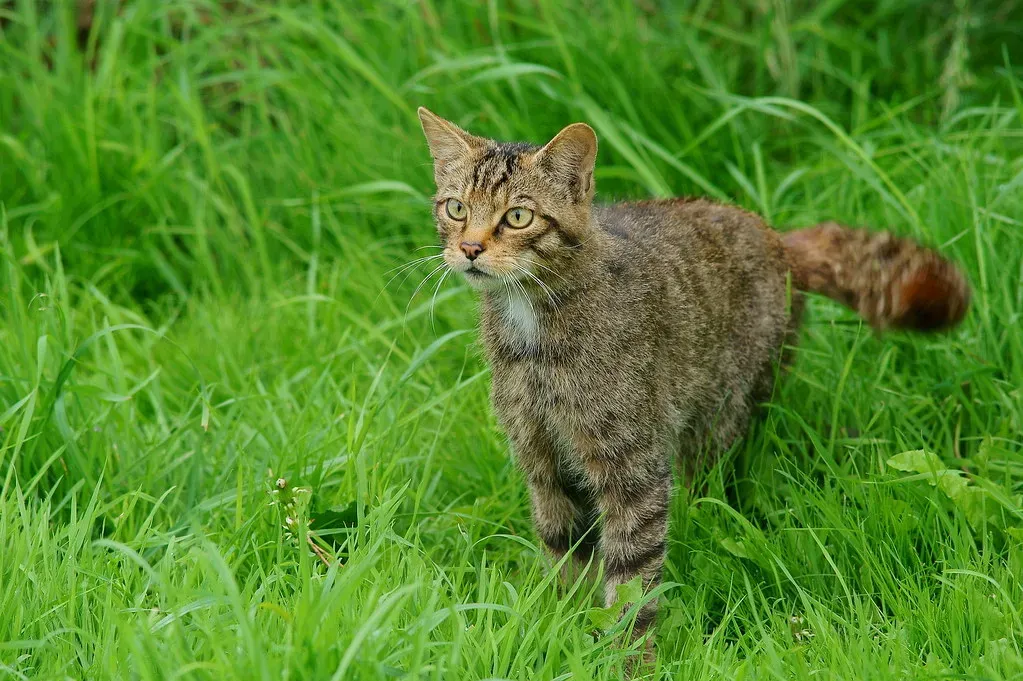
Unlike a dog’s joyful wag, a side-to-side swish usually spells trouble. Slow sweeps mean uncertainty or mild annoyance, like when petting goes on too long. Faster thrashing ramps up to clear anger – back off to avoid a swipe.[6][3]
This movement helps them focus too, especially hunters eyeing prey. A low swish might signal aggression toward rivals. Paired with flattened ears, it’s a stop sign from your cat.
Tip twitching alone can flip to playfulness during games. Learn the speed and height to read it right; it prevents overstimulating your feline friend.[7]
Puffed and Bushy: Fear Takes Hold
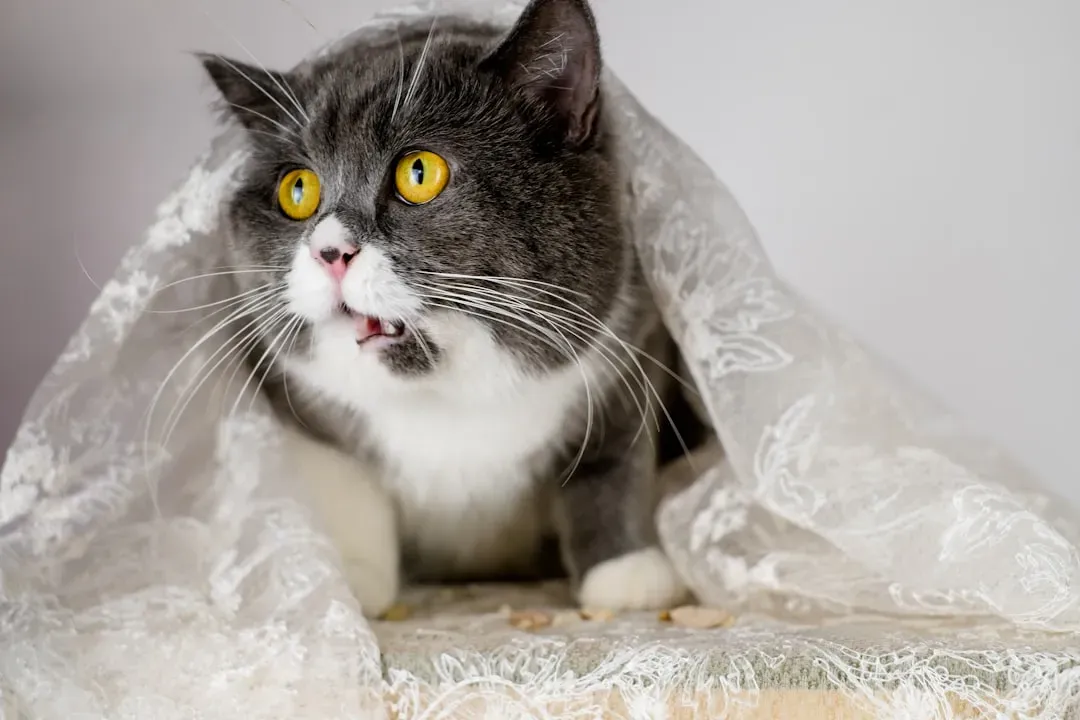
A suddenly fluffy tail means your cat feels threatened. The fur stands on end to look bigger, deterring predators or scary dogs. It’s pure defense mode, often with an arched back.[8][9]
This puff can blend into aggression if the threat lingers. Give space until it smooths out. Loud noises or strangers trigger it most.
Recovery shows in slow lowering; comfort them quietly from afar. Recognizing this early keeps everyone safe.
Tucked Low: Submission or Stress
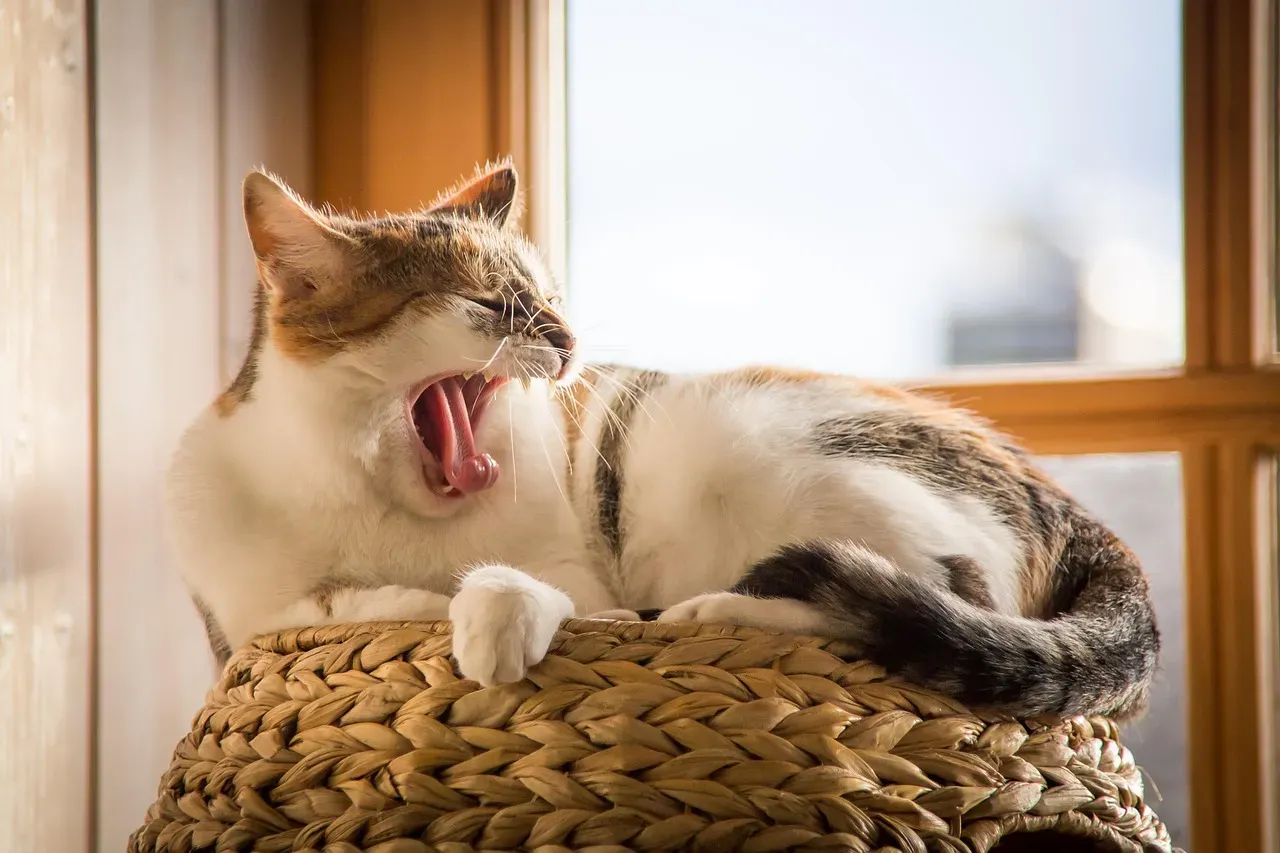
Tail squeezed between legs screams fear or submission. Your cat feels vulnerable, maybe from pain, anxiety, or dominance by another pet. It’s their white flag, avoiding fights.[10][11]
Illness hides here too – watch for other signs like hiding. A low neutral tail might just mean caution in new spots. Offer hiding spots and gentle reassurance.
Over time, building trust lifts it higher. Patience turns tucked tails into upright ones.
Decoding the Full Picture
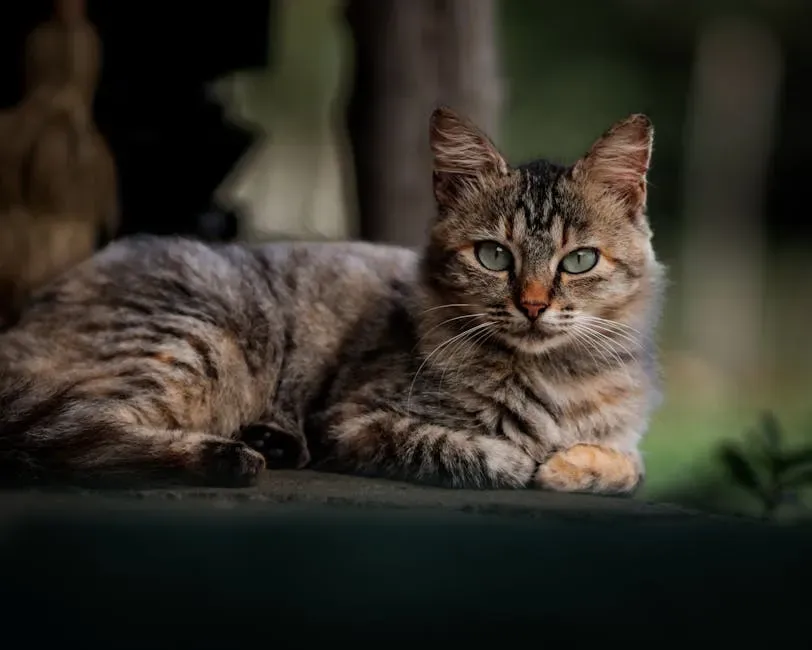
Tail talk never stands alone; ears, eyes, and posture fill in the story. A happy upright pairs with relaxed whiskers, while swishes demand checking the rest. Practice watching in calm moments to spot patterns unique to your cat.[11]
These signals evolved for survival, now bridging you and your pet. Tuning in deepens that quiet connection. Next time a tail moves, you’ll know exactly what’s on their mind.

- Which Wild Horse Are You According to Your Zodiac Sign - July 12, 2026
- 7 Ancient Volcanoes That Changed Earth Forever - July 12, 2026
- 10 Ice Age Facts Most People Don't Know - July 12, 2026