
Worried about unexpected vet bills?
Pet insurance can cover thousands in unexpected vet costs. Get a free quote from Lemonade in under 2 minutes.
Get My Free Quote →Sponsored · Opens Lemonade.com
Watch a herd of elephants for long enough, and something shifts in your understanding of them. They move together with an uncanny coordination. They pause, lift a foot, and freeze in unison – no visible signal exchanged. A calf wanders close, and a nearby adult curves her trunk around it without breaking stride. Nothing, it seems, was said. Yet everything was communicated.
Elephant communication is a sophisticated multimodal system that integrates vocal, visual, tactile, chemical, and seismic signals to facilitate social bonding, coordination, and information exchange across large distances. What makes this so remarkable is how much of it happens beyond the reach of human senses. We are, in a very real way, only just beginning to read a language that has been spoken for millions of years.
Conversations Below the Surface: Infrasound and Seismic Signals
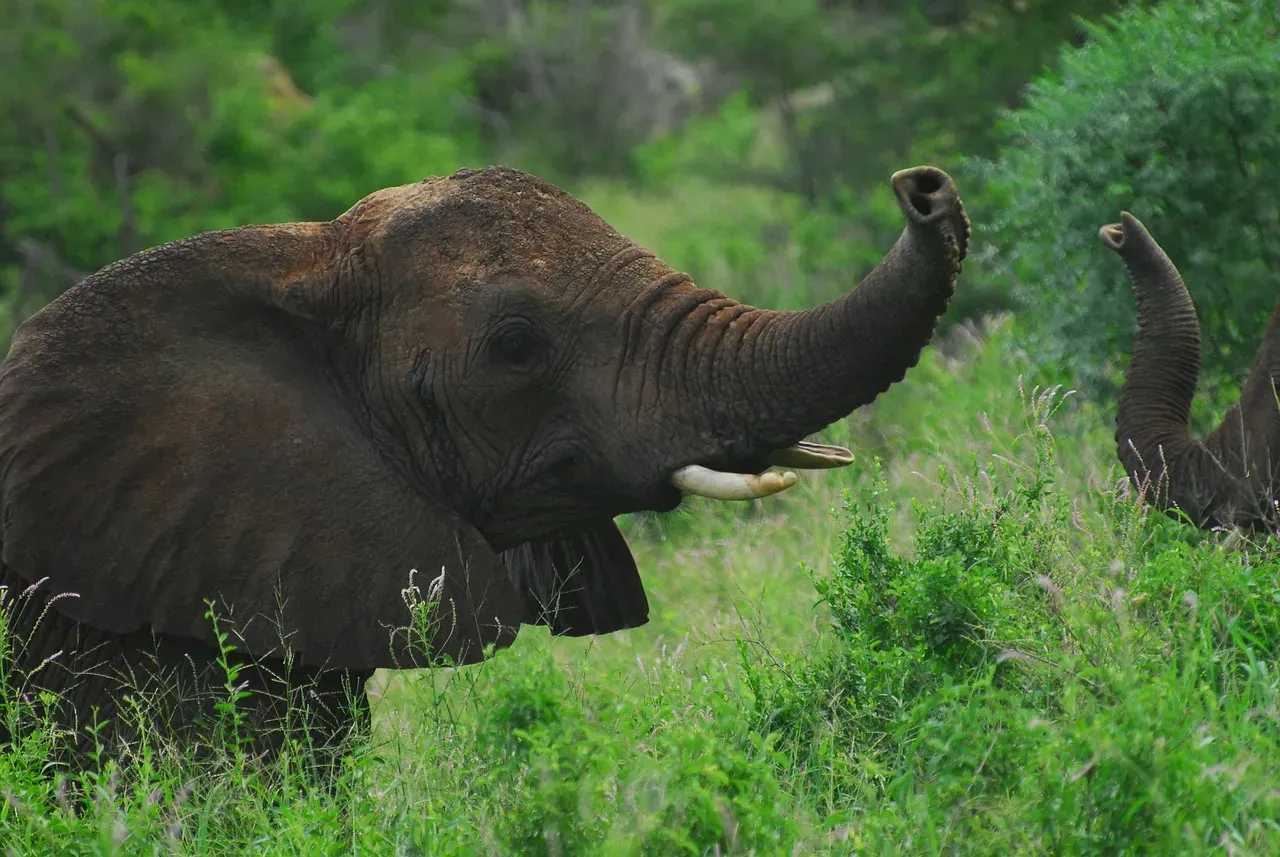
The most astonishing part of elephant communication is what humans simply cannot hear. While trumpeting captures our attention, much of elephant communication occurs below the threshold of human hearing. Infrasound, low-frequency rumbles that travel through the ground, plays a crucial role in the elephant’s communication repertoire, and these calls can cover vast distances.
The emission of infrasonic calls generates seismic waves that propagate through the ground, allowing elephants to detect these vibrations through bone conduction and specialized mechano-receptors in their feet. This unique form of communication enables elephants to convey vital information over vast expanses of their habitat, including warnings about potential threats, herd movements, resource utilization, and reproductive status.
When an elephant rumbles or deliberately stomps, it generates seismic vibrations that ripple through the earth in the form of waves. These ground vibrations can travel even farther than airborne calls, potentially reaching other elephants as far as 32 km under favorable soil conditions.
When elephants detect these underground messages, they engage in what researchers call “freezing behaviour.” They stand completely still, often with one foot raised, leaning forward to channel vibrations through their leg and shoulder bones directly to their middle ear. During transmission, a unique muscle around the ear canal constricts, dampening airborne sounds and allowing the elephant to focus exclusively on seismic signals.
Research indicates that elephants may be able to determine the emotional state of the signaler through subtle variations in seismic patterns, allowing them to assess the urgency or importance of the message. That’s not just communication. That’s empathy transmitted through the ground itself.
Gestures, Sentences, and Intentional Meaning
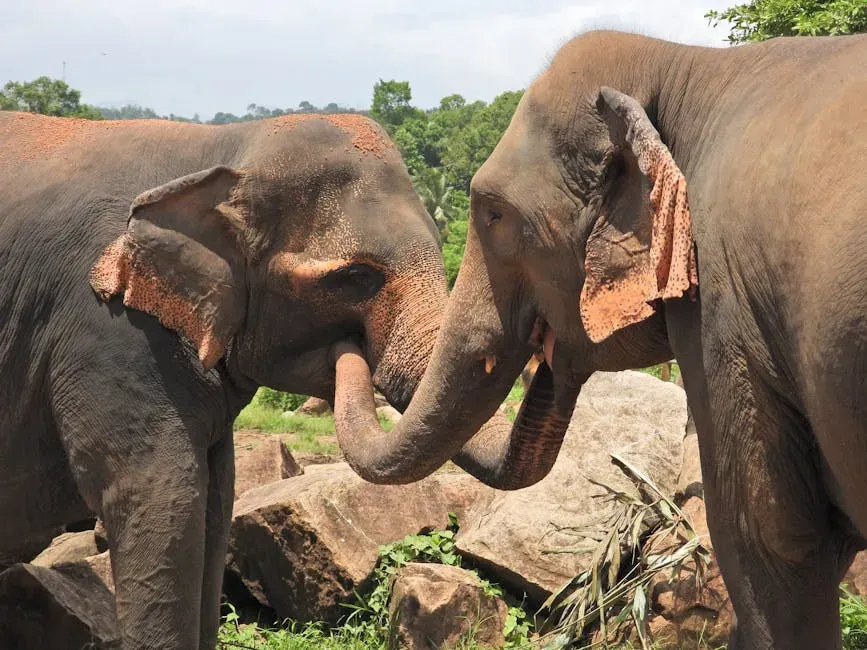
For a long time, it was tempting to view elephant behavior as broadly instinctive. Recent research has firmly closed that door. As they rumble, flap their ears, rub their trunks, release sex pheromones and engage in other silent visual, audible and tactile gestures, elephants are not engaged in chaotic nonsense behavior. Instead, they are putting together sophisticated “sentences” to express detailed thoughts.
Research published in Communications Biology describes the greeting behaviour of elephants and provides an account of first-order intentionality and multicomponent signalling in an animal group other than primates, contributing to our understanding of social signalling in mammals. The implications are significant. Intentional signaling, previously considered a hallmark of primate intelligence, turns out to run far deeper through the animal kingdom.
Just as humans gesture when speaking, nod to indicate understanding, or persist in signaling when misunderstood, elephants appear to use similar principles to achieve shared goals. They also adapt. Skilled communicators like elephants adjust strategy when their first approach doesn’t succeed.
Elephants combine different vocalisations with gestures in different ways and orders, suggesting a kind of grammar to their exchanges. That structural flexibility is precisely what sets their communication apart from simple signaling systems observed in other animals.
The Chemistry of Connection: Scent, Touch, and the Trunk
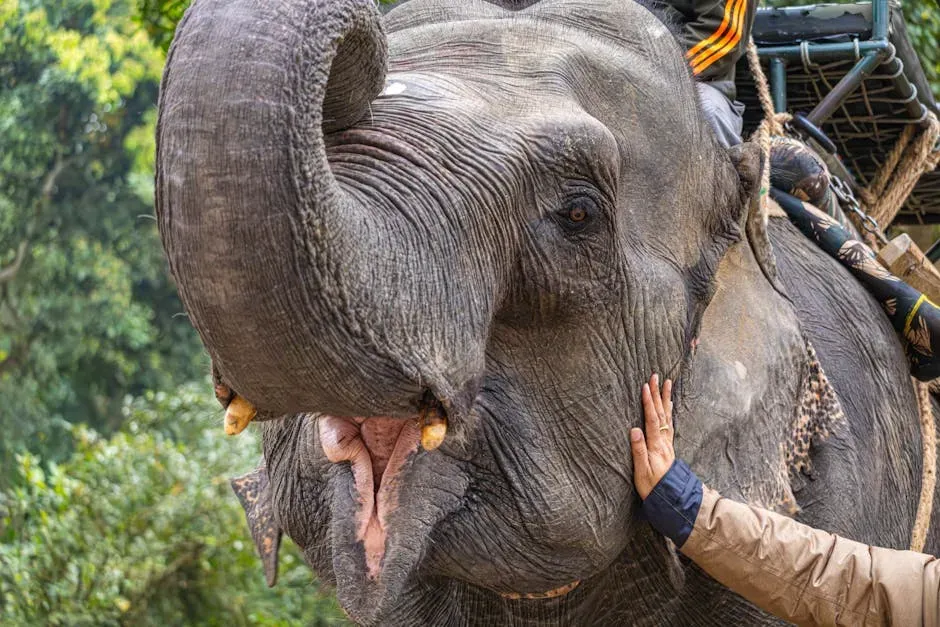
Touch and scent do work that words never could. Elephants employ tactile signals through direct physical contact to convey affection, reassurance, dominance, and guidance within their social groups. The trunk serves as the primary organ for these interactions, functioning as a versatile “hand” due to its exceptional dexterity and sensitivity. This appendage contains approximately 90,000 muscle fascicles, enabling precise manipulations from gentle caresses to forceful pushes.
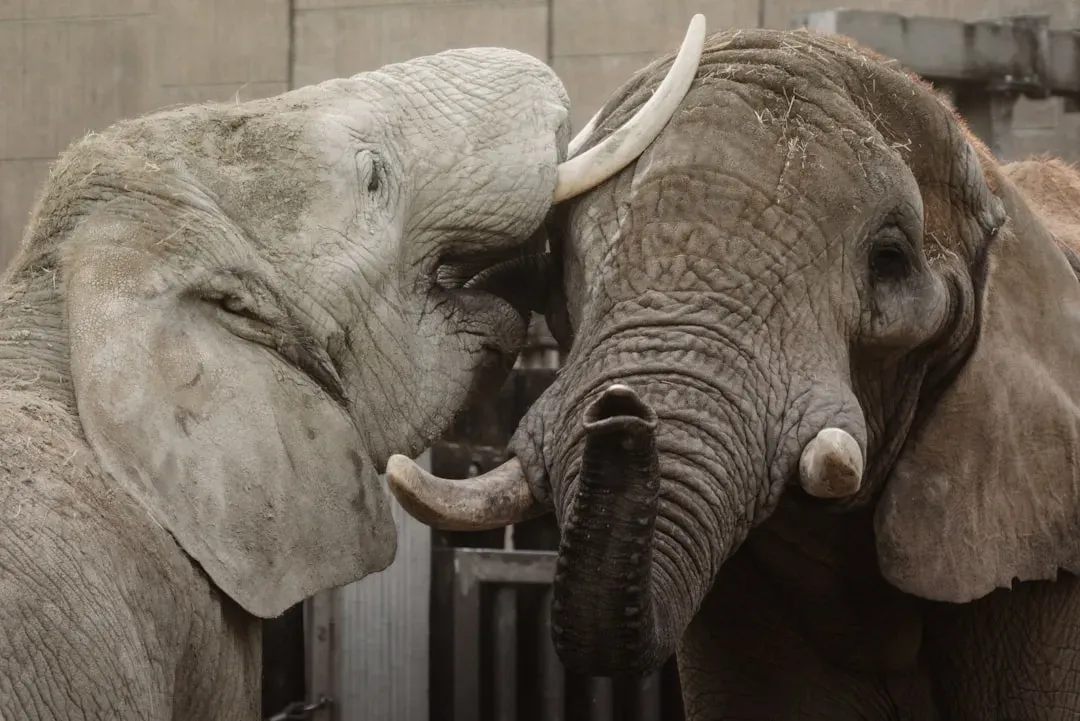
Elephants intertwine or stroke trunks with one another to strengthen bonds, particularly during reunions after separation. In migrating herds, tactile contacts facilitate social cohesion, as observed in long-term studies of African elephants where trunk-to-trunk interactions reinforced group unity during movement.
For Asian and African elephants, odors convey information between individuals and between elephants and their environment. Two pheromones are known for Asian elephants: one signals receptivity in females and the other a heightened reproductive state in males. The elephant trunk serves numerous functions including detecting airborne odors and transporting chemicals in substrates such as urine to be detected by multiple sensory systems.
The trunk, serving as both a proboscis and olfactory organ, relates to a genome containing around 2,000 olfactory receptor genes, surpassing other mammals and enabling precise odor discrimination. The vomeronasal organ processes pheromones and other non-volatile semiochemicals, with elephants using a trunk-mediated response to transfer samples to it for enhanced detection. Their entire face, in essence, is a precision chemical laboratory.
Grief, Memory, and the Emotional Architecture of the Herd
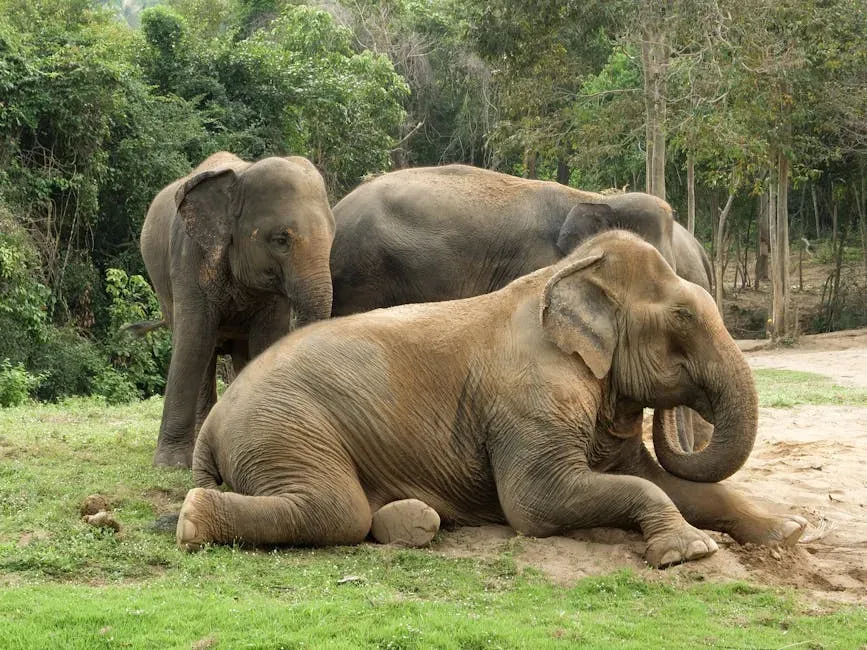
Perhaps no behavior among elephants is more quietly powerful than the way they respond to death. Elephants deal with loss and grief through a combination of physical mourning behaviors, such as touching and inspecting the remains of the deceased, and social support within the herd. They may remain near the body for days, and the herd may exhibit signs of distress and depression for weeks or even months afterward.
Elephants have been observed visiting the graves of their family members with an eerie stillness, touching the remains gently with their trunks. This act of revisiting the graves signifies more than just curiosity; it is a profound display of grief and mourning. Elephants may perform what resemble burial rituals, covering the bodies with soil, leaves, and branches.
Neurochemically, elephants share key bonding mechanisms with humans: oxytocin, the “love hormone,” surges during social contact and is linked to attachment and grief responses. Their limbic system, especially the hippocampus and amygdala, is proportionally larger than in most mammals, supporting deep emotional memory.
In a study carried out at an elephant camp in Thailand, elephants affiliated significantly more with other individuals through directed, physical contact and vocal communication following a distress event than in control periods. Community, it turns out, is not merely a survival strategy. It’s an emotional necessity woven into their biology.
What Their Language Means for Conservation
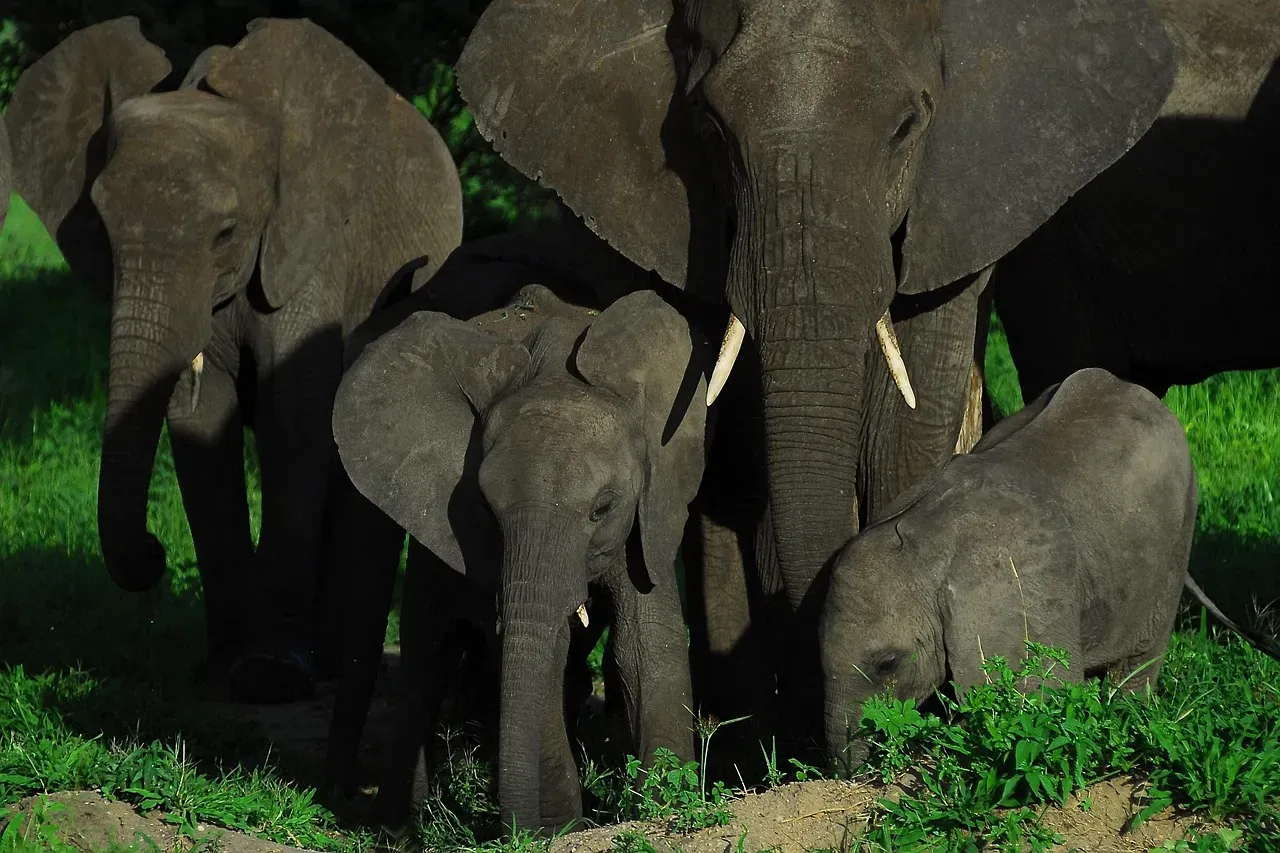
Understanding how elephants communicate has moved well beyond scientific curiosity. It now carries real weight for how we protect them. In conservation efforts, understanding elephant communication has enabled innovative applications, such as AI-driven acoustic and seismic monitoring systems that detect distress calls and rumbles to alert rangers to poaching threats in real time.
The dual communication system, through both air and ground, has profound implications for the survival of elephants. Herds can share warnings about poachers or other dangers across large territories, where visual or even long-range vocal communication would be impossible.
The matriarchal structure of elephant society relies entirely on these emotional connections, with the oldest female leading through wisdom accumulated over decades of shared experiences. Matriarchs serve as repositories of ecological and social information, using low-frequency rumbles to coordinate group movements and share details about migration routes, water sources, and predator avoidance. Losing a matriarch doesn’t just break a bond. It erases irreplaceable knowledge.
Elephants often suffer from loneliness and psychological disorders. Lack of social bonding leads to aggression, anxiety, and even early death. Conservation strategies that ignore the social and communicative architecture of a herd risk saving bodies while losing the living culture that gives those bodies meaning.
Conclusion
Elephants have been talking all along. The rumble through the earth, the press of a trunk, the stillness of a herd standing over the bones of their dead – each is a word in a language older than human speech. We’ve simply lacked the instruments, and perhaps the humility, to hear it properly.
The ability to intentionally gesture, persist, and adapt is not an evolutionary accident but a universal principle of social life. Elephants didn’t invent emotional connection. They simply never stopped practicing it.
The more science decodes their silent world, the more it reflects something familiar back at us. Grief. Reassurance. Loyalty. Coordination across distances we’d call impossible. These aren’t human traits that elephants happen to mirror. They’re life’s traits, expressed through a different body, in a different key, and with a depth that should give us considerable pause.
Worried about unexpected vet bills?
Pet insurance can cover thousands in unexpected vet costs. Get a free quote from Lemonade in under 2 minutes.
Get My Free Quote →Sponsored · Opens Lemonade.com
