
Picture this. You’re living in your dream home, everything seems perfect. Then one day, you tap on a wooden beam and hear a hollow echo where solid wood should be. That sinking feeling hits you right in the gut. Something invisible has been dining on your biggest investment for months, maybe even years, and you had absolutely no clue.
Here’s the thing: most homeowners focus on what they can see. A leaky faucet grabs your attention immediately, so does a crack in the wall. Those visible problems scream for help. The truly destructive pests, though? They work in complete silence, hidden deep inside your walls, beneath your floors, and within the structural bones of your home. By the time you discover them, the damage bill can be staggering. Let’s dive into the hidden world of silent pest destruction and what you really need to watch for before it devastates your property.
The Hidden World of Subterranean Termites
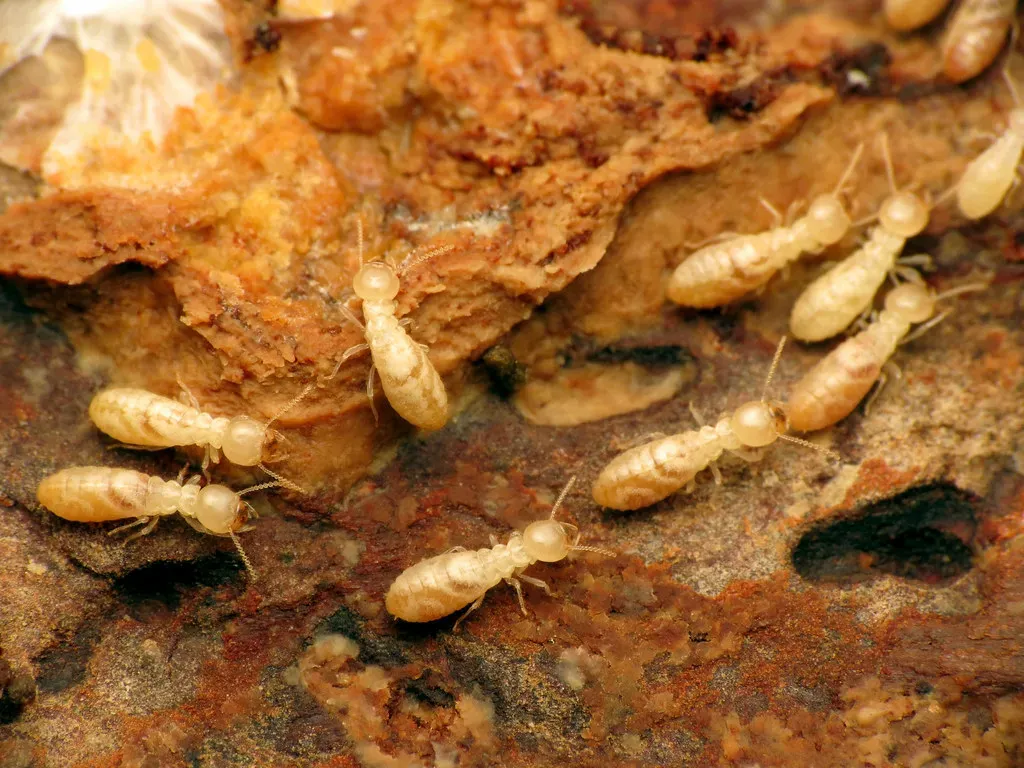
Termites are social insects that live in colonies and feast on cellulose-rich materials like wood, paper, and cardboard. They’re stealthy critters, often entering homes through tiny cracks and crevices in search of food and moisture. What makes them absolutely terrifying is their invisibility. You won’t hear them scratching around like mice or see droppings like roaches.
Their presence is not readily noticed and damage often is discovered before the termites are seen. Think about that for a second. The damage shows up first. Termite colonies can range from hundreds of thousands to millions with colonies attacking more than one structure.
Keep an eye out for signs of termite activity, such as mud tubes along walls and foundations, discarded wings near windows and doors (a sign of swarming), and hollow-sounding wood. I know it sounds crazy, but tapping on your wooden surfaces every now and then could save you a fortune. If it sounds hollow when it should sound solid, that’s your red flag waving furiously.
The brutal truth? Subterranean termites cause more than $750,000,000 of damage each year in the United States. It’s a fact that Termites cause more damage than all fires, storms, and earthquakes.
A termite infestation can go unnoticed for months, as termites typically remain hidden within the timber they consume. Left untreated, termites can silently erode your home’s structural support.
Carpenter Ants: The Misunderstood Destroyers
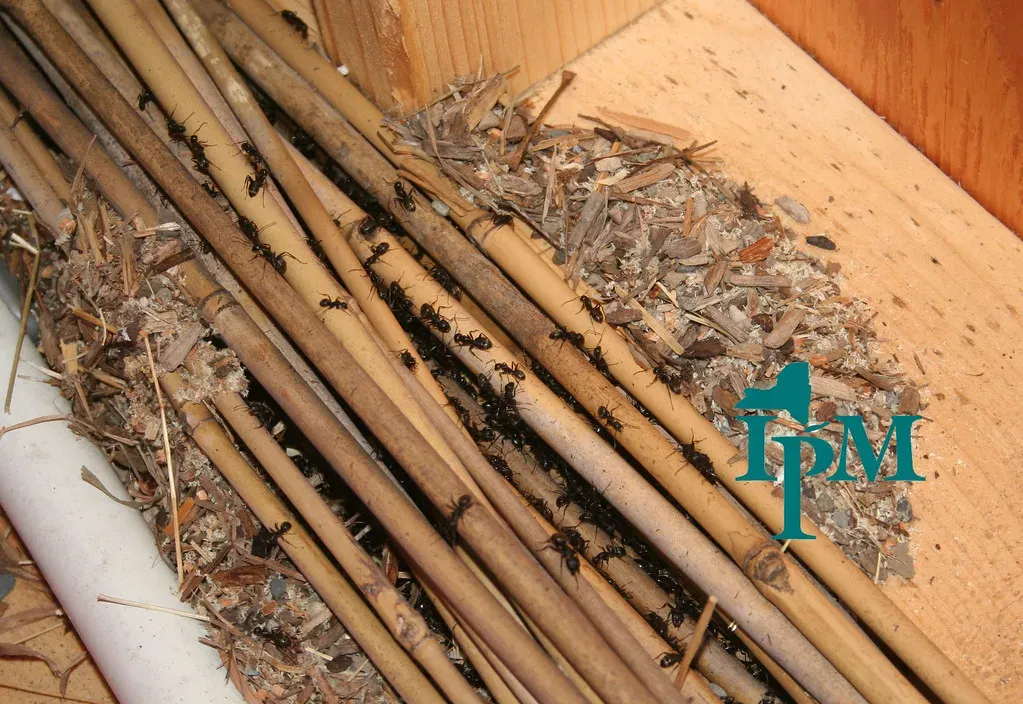
Let’s be real, most people confuse carpenter ants with regular ants. Big mistake. While not consuming wood like termites, Carpenter ants excavate galleries within wooden structures to create nests, causing significant structural damage over time.
Unlike termites, carpenter ants don’t eat wood; they damage it by chewing holes to create galleries for their nests. You might notice the large ants or small piles of wood shaving or sawdust outside pinhole-size holes in wood. That sawdust is actually called frass, and it’s different from what powderpost beetles leave behind. This material, called frass, looks like coarse pencil shavings mixed with insect parts and debris.
Another telltale sign of carpenter ants is activity around moist or decaying wood. Check for damage around leaky pipes, windows, and doors. These guys absolutely love moisture. If you’ve got a slow leak somewhere, you’re basically rolling out the welcome mat for them.
Honestly, one thing many homeowners miss is the sound. The sound resembles dry rustling or crinkling cellophane, sometimes with soft chewing clicks. These noises are loudest after sunset when worker ants are most active. Lie still in a quiet room at night and listen. Sounds weird, but it works.
In large colonies, carpenter ants can produce rustling or tapping sounds within walls or wooden structures, particularly at night. These colonies grow larger than you’d imagine, and once they’re established, getting rid of them becomes a serious challenge.
Powderpost Beetles: The Silent Wood Devourers
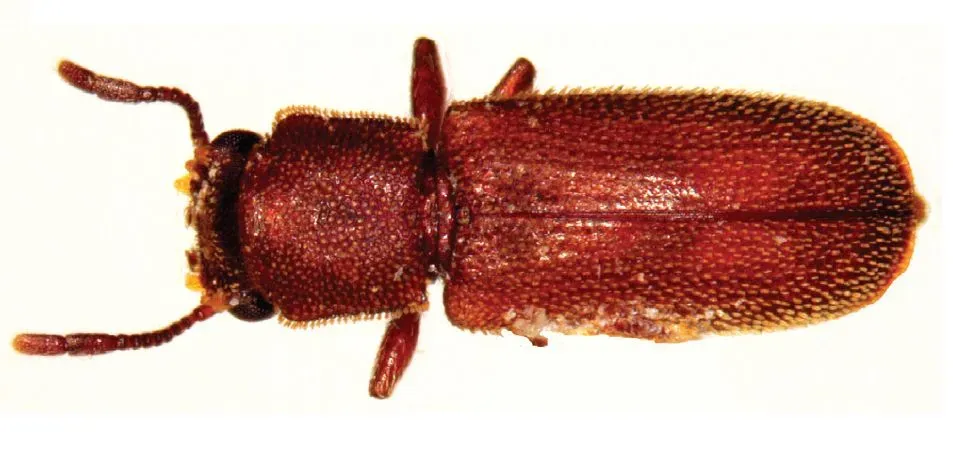
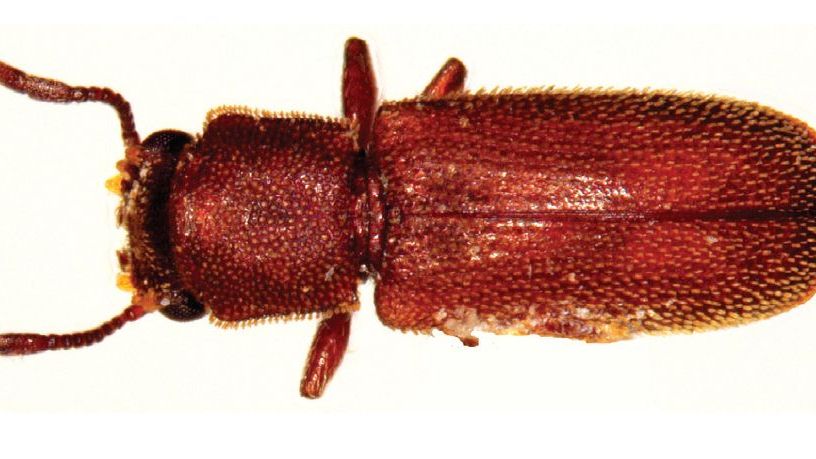
Here’s a pest most people have never even heard of, yet some researchers estimate that powderpost beetles are the second leading contributor to insect-based property damage in the United States. That puts them right behind termites. Scary, right?
This beetle species earned the “powder post” part of its name because the larvae feed on wood, and if given enough time, they can break down the wood until it becomes merely powdery dust. The adults lay eggs in wood, and it typically takes up to 5 years before the larvae will mature into adults, which means a lot of feeding on wood and furniture.
Powderpost beetles pose a significant risk to homes, as they alter the wood they consume to dust or a fine powder. Individuals who are considering purchasing or currently own an older property can be at high risk for powderpost beetle infestations. If you’re eyeing a charming historic home, definitely get it inspected for these critters.
Powderpost beetles create small, round exit holes in wood – often about the size of a pinhead. This “shot-holed” look is a key indicator of the presence of powerpost beetles. Near these holes, you will often see fine, powdery wood powder (frass) piled up on the floor or falling from the wood.
The frustrating part? Unfortunately, powder post beetle infestations are not usually detected until the damage has already happened. You might not discover them until you’re renovating or replacing something. Severe infestations of powder post beetles can cost homeowners thousands of dollars in repairs.
Wood Borers and Old House Borers: The Long-Term Threat
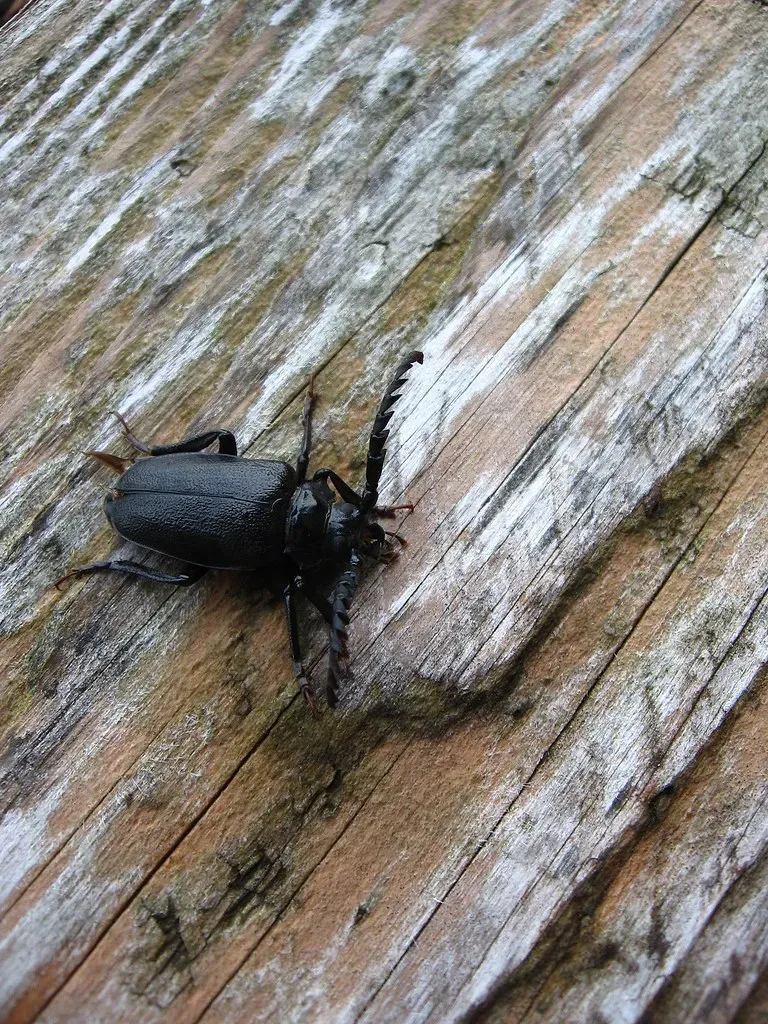
Old house borers bore into wooden beams, siding, and flooring, weakening structures over time. They typically target structural softwoods used in homes. Infestations can persist for years, causing long-term damage. These pests are particularly sneaky because they work extremely slowly.
It’s the larvae of wood borers that do all the damage. The adults? They’re basically just there to reproduce. But those larvae can tunnel through wood for years before they emerge. This means that wood borers can sometimes be found in finished boards used in homes!
These pests can attack structural timber and wood items in the home at any time and can literally turn the item to dust! It’s hard to say for sure, but if you own an older home with original structural beams, you could have these pests and not realize it until something gives way.
Unlike termites, no preventative treatment protects existing structural timber or furniture items, so inspections are vital. That’s the kicker. You can’t just spray something and call it a day. You need regular professional inspections to catch these pests before they compromise your home’s integrity.
The good news is that homeowners should rest easy knowing that, other than the exit holes wood borers leave in wood, they do not reinfest finished wood products. Still, that initial infestation can cause significant problems if left unchecked.
The Subtle Warning Signs You’re Probably Missing
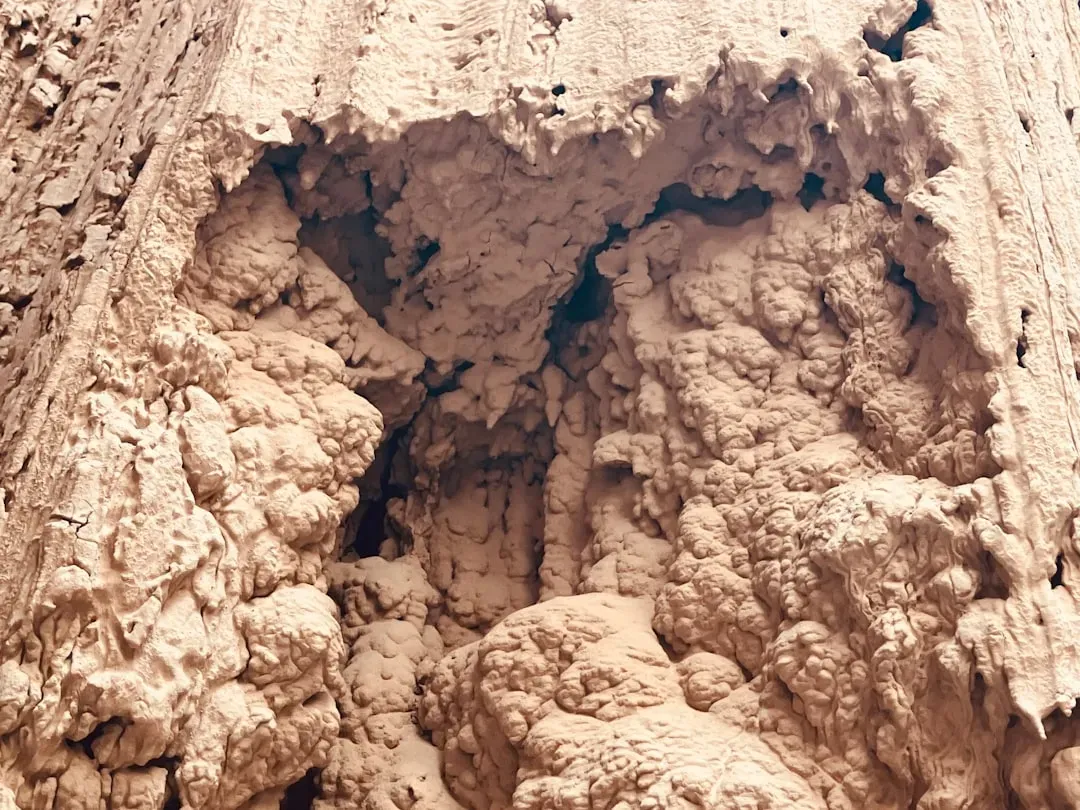
Long before an infestation becomes obvious, subtle signs often indicate developing activity within walls, crawl spaces, or outdoor entry points. When these early indicators go unnoticed, small problems can escalate into costly and disruptive infestations.
Certain pests produce strong, unpleasant odors. Rodents emit a musky smell from their urine, which can permeate confined areas. Cockroach infestations may cause a musty or oily odor due to their secretions. Termite colonies create a damp, earthy smell near wood structures. Trust your nose. If something smells off in your basement or crawl space, investigate immediately.
Termite problems may start with discarded wings near window sills or faint mud tubes along your foundation, while ants tend to appear as narrow trails – often near kitchen sinks or cupboards – which may seem small but often point to much larger colonies nearby. Don’t ignore those wings thinking they’re just random debris.
By the time you see a mouse scurry across the floor or a cockroach on the counter, you might already have a significant infestation on your hands. Recognizing the subtle signs of a hidden pest problem is key to protecting your home or business. Early detection allows you to take action before a small issue becomes a costly and stressful ordeal.
Check for physical evidence too. Pests leave behind physical evidence such as footprints or smudge marks from oily body parts. Rodents, for example, leave greasy streaks along walls and baseboards where they frequently travel.
One thing people miss a lot is fine sand or soil pushing up through cracks in concrete. That usually means pavement ants are tunneling underneath. Little details like that can reveal huge problems brewing beneath the surface.
Why Professional Inspections Are Non-Negotiable
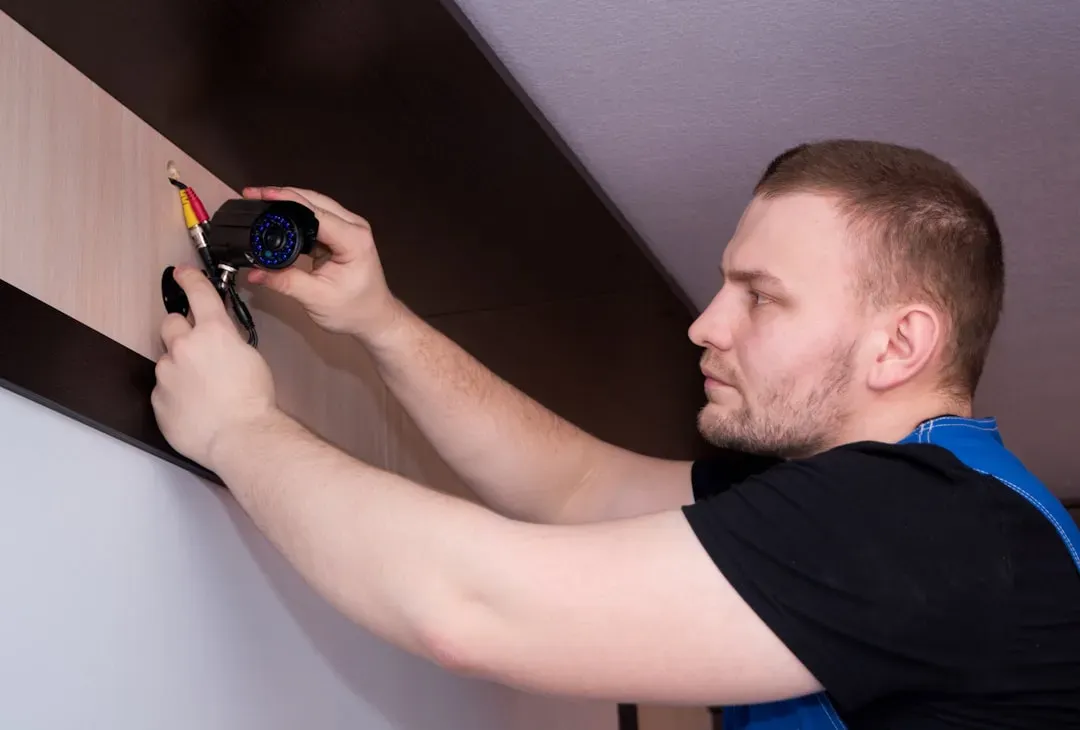
Look, I get it. Hiring professionals costs money. However, by addressing hidden threats early, homeowners reduce long-term repair costs and preserve the value and safety of their living space. The math is pretty simple: a few hundred dollars for an inspection versus thousands for structural repairs.
Regular inspections by trained pest control professionals can help catch termite infestations early on and prevent extensive damage to your home. Professionals know exactly where to look and what to look for. An experienced professional will be able to detect specific signs that might not be obvious to most homeowners.
Demonstrates how long-term bat damage can go unnoticed for years. Bats can sometimes be difficult to locate. Even pristine homes can hide major infestations. The same principle applies to wood-destroying pests. Just because your home looks fine doesn’t mean it is fine.
Infestations often require extensive repairs. Preventative measures cost significantly less. Early action reduces the need for structural repairs and repeated treatments. Prevention is always cheaper than cure.
Do-it-yourself termite treatments are usually ineffective and can actually compound the problem. The truth is that these chemicals are only designed to kill the termites out in the open, and because few termites roam around out in the open, most of the termites in your home won’t be affected by most DIY solutions. You might feel like you’re saving money, but you’re probably just wasting time while the damage continues. Getting expert help isn’t optional when structural integrity is at stake.
Conclusion: Protecting Your Biggest Investment

Silent pest damage represents one of the most insidious threats to your home. Unlike visible problems that demand immediate attention, these hidden destroyers work quietly for months or years before revealing themselves. The damage they cause can compromise structural integrity, reduce property value, and create dangerous living conditions.
The key takeaway? Vigilance and prevention beat reaction every single time. Regular professional inspections, attention to subtle warning signs, and swift action when problems emerge are your best defenses against catastrophic damage. Yes, termites and carpenter ants get most of the attention, but powderpost beetles and wood borers deserve equal concern, especially in older homes.
Remember, that hollow sound in your wall or that tiny pile of sawdust you keep sweeping up isn’t just a minor annoyance. It could be your home’s way of screaming for help. The question is, will you listen before it’s too late? What signs have you noticed in your home that you might have been ignoring?
