
The giant tortoise is a living symbol of patience, resilience, and longevity. These incredible creatures move at a slow and steady pace, yet they have outlived many other species on Earth. Some of the oldest known tortoises have lived for more than 150 years, making them one of the longest-living land animals. Their unhurried lifestyle, combined with their massive size and tough shells, has allowed them to survive in some of the harshest environments.
Despite their gentle nature, giant tortoises are powerful in their own right. They have evolved to endure extreme conditions, travel long distances in search of food, and store water in their bodies for extended periods. Their slow movements are not a sign of weakness but rather an adaptation that helps them conserve energy and thrive in challenging habitats.
A True Giant Among Reptiles
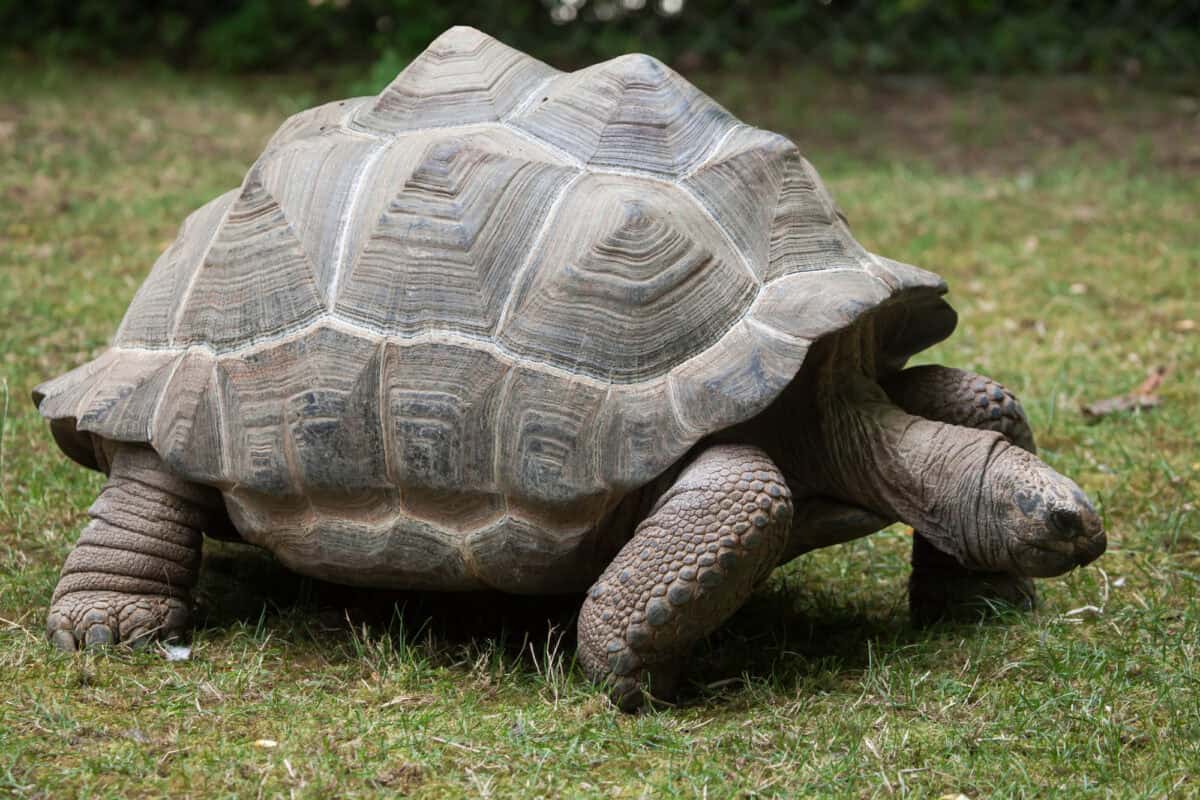
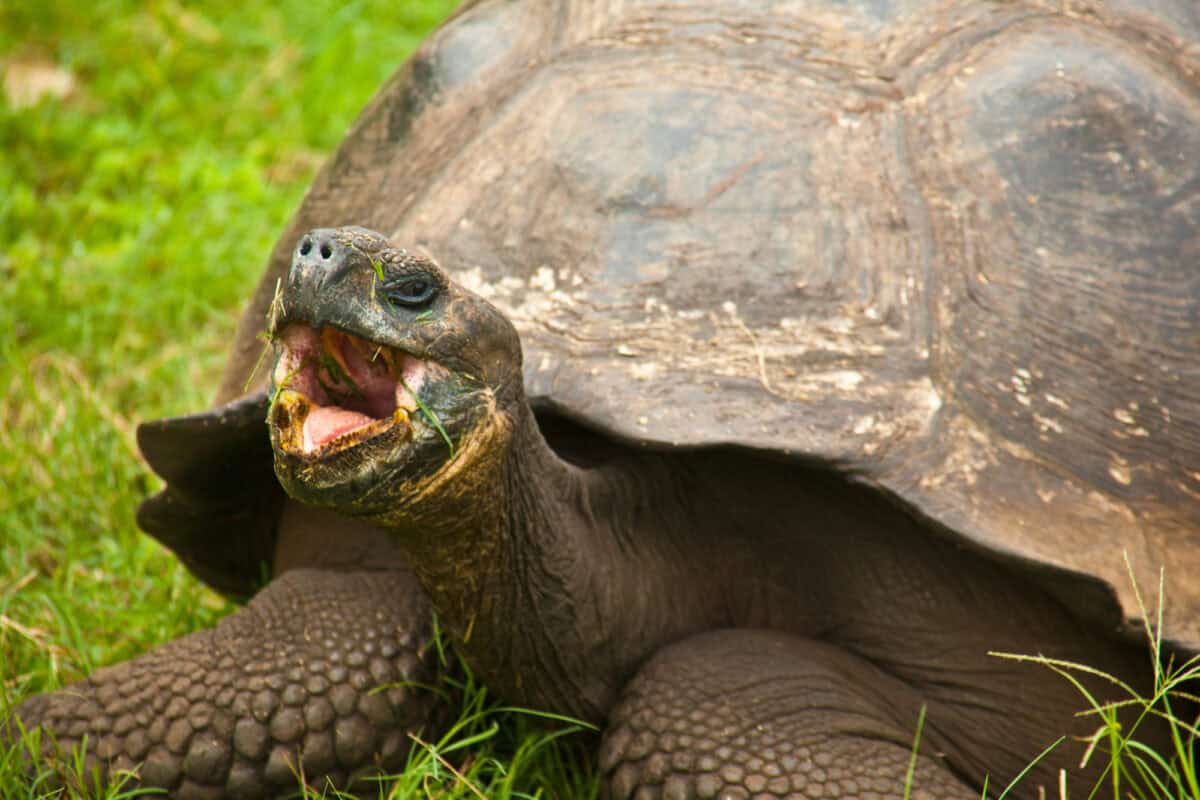
Giant tortoises are among the largest reptiles on Earth, with some individuals weighing over 500 pounds. Their sturdy, dome-shaped shells serve as both protection and support, allowing them to withstand attacks from predators and harsh weather conditions. Their thick, elephant-like legs help them move across rocky terrain, despite their sluggish pace.
There are several species of giant tortoises, with the most famous ones found in the Galápagos Islands and the Aldabra Atoll. Each species has unique shell shapes and adaptations that suit their environment. Some have saddleback shells that allow them to reach higher vegetation, while others have dome-shaped shells suited for ground grazing.
Built for a Long Life
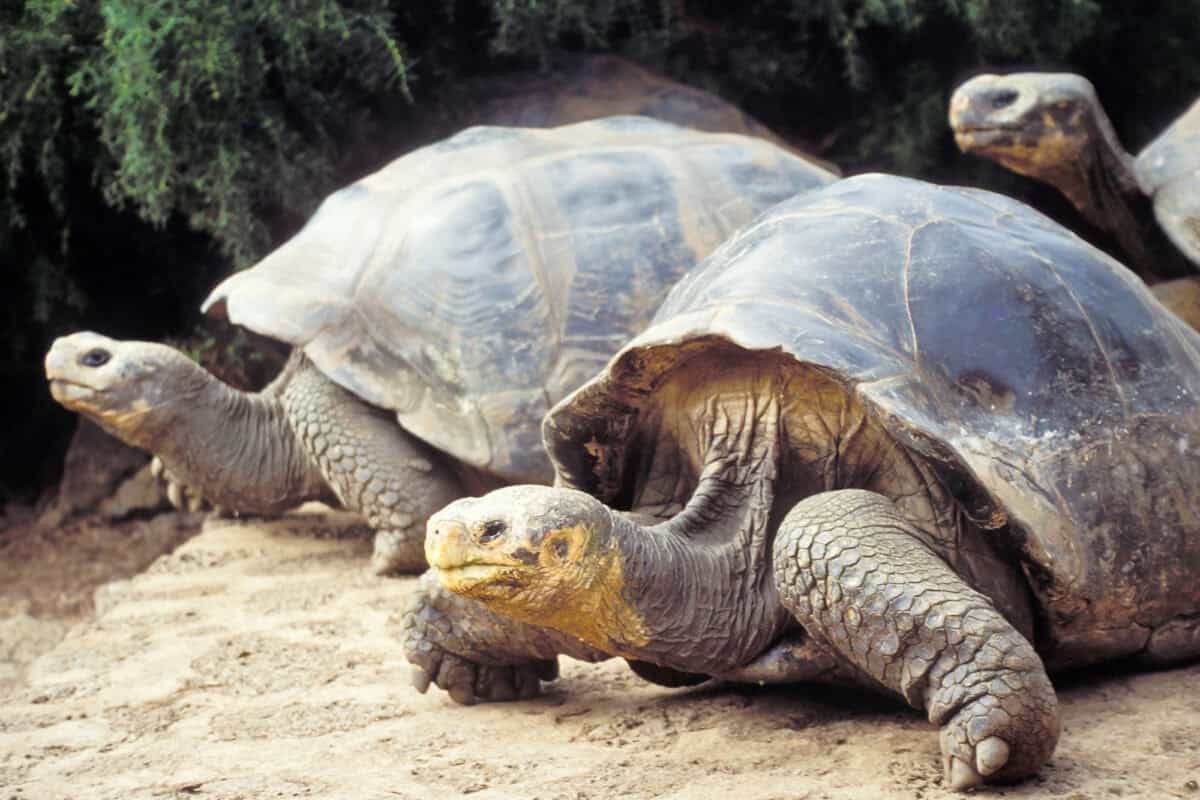
The secret to the giant tortoise’s longevity lies in its slow metabolism. Unlike fast-moving animals that burn energy quickly, tortoises conserve their energy, which helps them live for over a century. Their bodies are designed to function efficiently with minimal food and water, allowing them to survive in dry and resource-limited environments.
Another factor contributing to their long lifespan is their ability to recover from injuries. Their slow-paced lifestyle reduces wear and tear on their bodies, and their tough shells provide excellent defense against predators. Scientists continue to study these remarkable creatures to understand how they age so slowly, hoping to uncover secrets that could benefit human health and longevity.
Masters of Adaptation
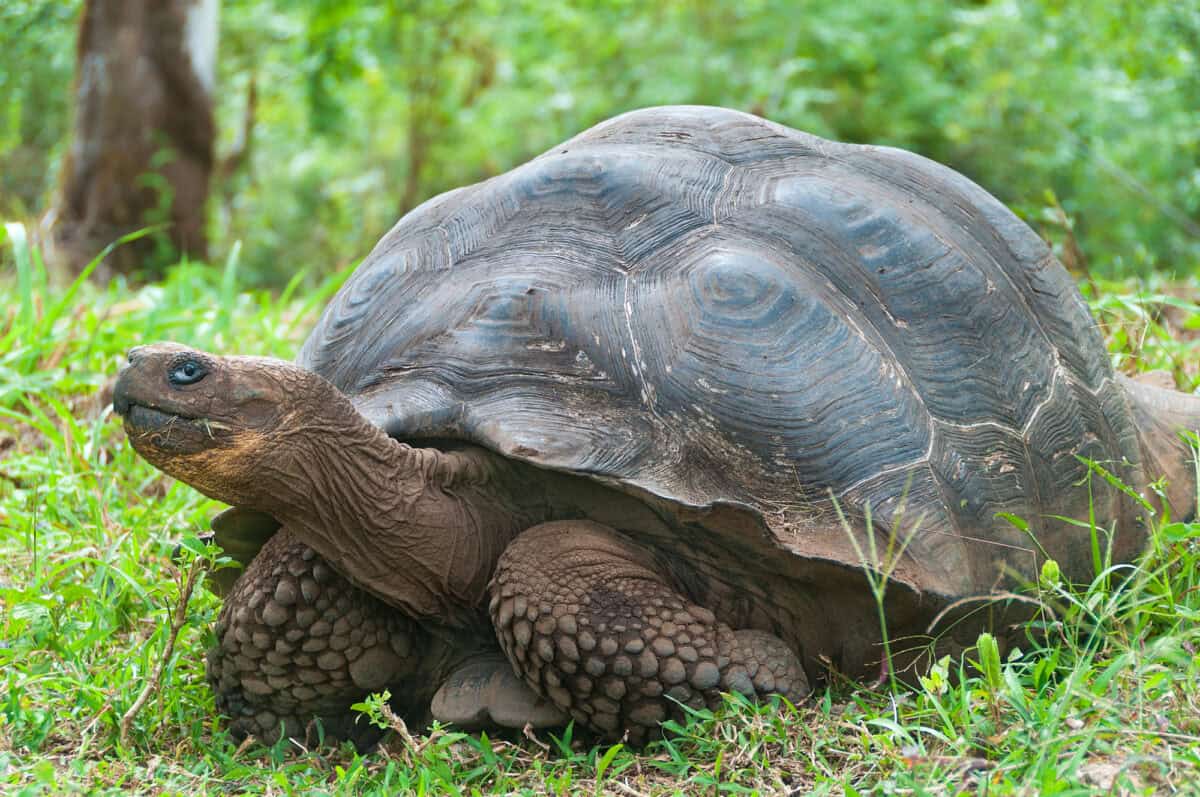
Giant tortoises have developed remarkable adaptations to survive in different environments. In the Galápagos Islands, where food sources vary from island to island, tortoises have evolved different shell shapes and neck lengths to access vegetation. Those living in drier areas have longer necks to reach cacti, while those in lush regions graze on low-lying plants.
Their ability to store large amounts of water in their bodies also helps them endure droughts. When food and water are scarce, they can go for months without eating or drinking, relying on stored reserves to sustain them. This unique survival strategy has allowed them to thrive in isolated island ecosystems where resources are unpredictable.
Slow but Strong
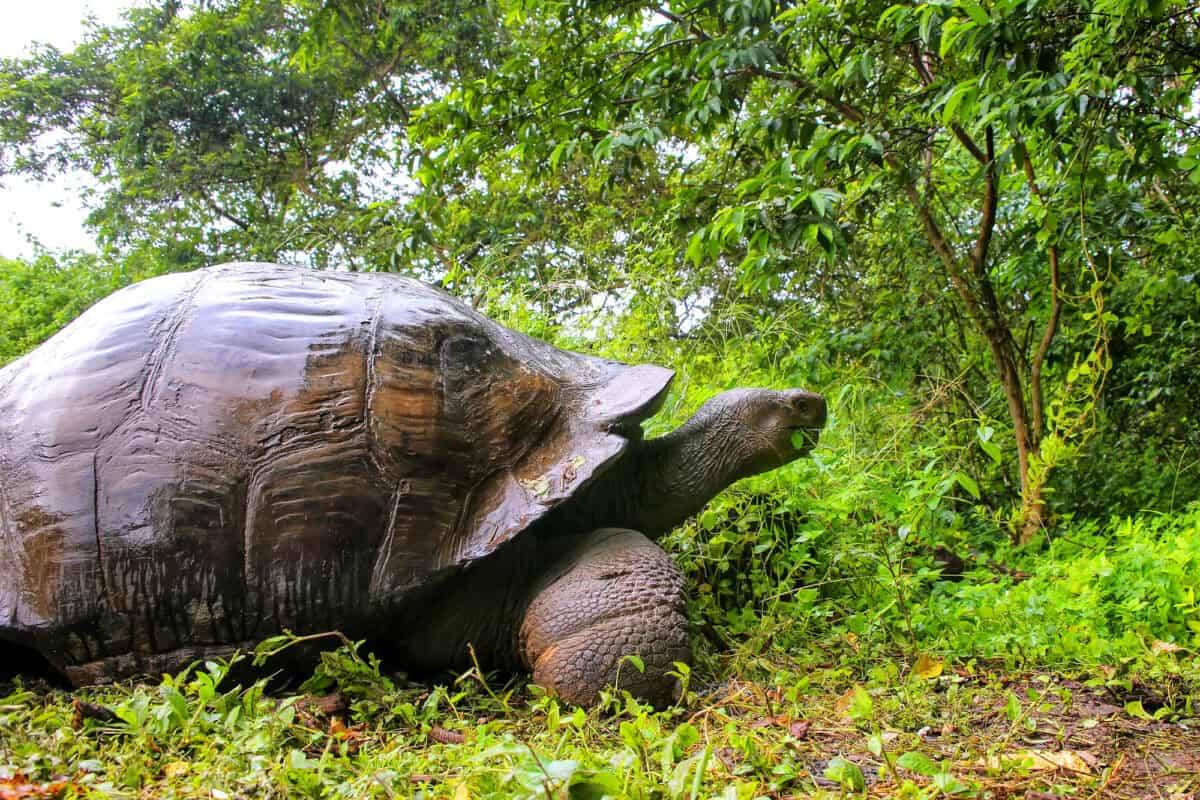
Despite their slow movements, giant tortoises are surprisingly strong. Their powerful legs allow them to push through thick vegetation and even climb over obstacles in their path. Their shells, made of fused bones, can withstand significant pressure, providing them with one of the best natural defenses in the animal kingdom.
Their strength is not just physical but also biological. Giant tortoises have robust immune systems, allowing them to resist many diseases that affect other animals. This resilience has played a key role in their ability to survive for centuries, even in environments where other species struggle.
The Battle Against Extinction
For centuries, giant tortoises faced severe threats due to human activity. Sailors and explorers once hunted them for food, as they could survive for months without water, making them a convenient source of fresh meat. Introduced species, such as rats and goats, also devastated their populations by eating their eggs and competing for food.
Thanks to conservation efforts, giant tortoises are making a comeback. Organizations have worked tirelessly to restore their populations by protecting nesting sites, removing invasive species, and breeding tortoises in captivity for reintroduction into the wild. While challenges remain, these efforts have helped bring some species back from the brink of extinction.
A Legacy That Lives On

Giant tortoises are more than just ancient reptiles; they are living reminders of Earth’s rich history. They have witnessed changes in climate, geography, and ecosystems over centuries, adapting to survive through it all. Their long lifespans allow them to pass on genetic traits that ensure the survival of future generations.
Scientists continue to study giant tortoises to unlock the secrets of their longevity and resilience. Their ability to live for over a century without major health issues fascinates researchers, who hope to apply these findings to human medicine. As conservation efforts continue, these slow-moving giants will remain an enduring symbol of nature’s strength and persistence.
A True Testament to Patience and Strength

The giant tortoise may move slowly, but its impact on the natural world is profound. Its ability to survive for centuries, adapt to different environments, and withstand threats from nature and humans makes it a true powerhouse of resilience. Their slow and steady lifestyle is not a weakness but a winning strategy that has allowed them to endure for generations.
Through conservation and continued scientific study, these remarkable creatures will hopefully thrive for centuries to come. Their story is a testament to the power of patience, strength, and adaptation—a reminder that sometimes, slow and steady truly does win the race.
O

- The Secret Language of Dolphins Decoded by Researchers - July 20, 2026
- 7 Animals That Can Survive Extreme Environments You Couldn’t - July 20, 2026
- The Longest Snake Ever Found in the U.S. - July 20, 2026