
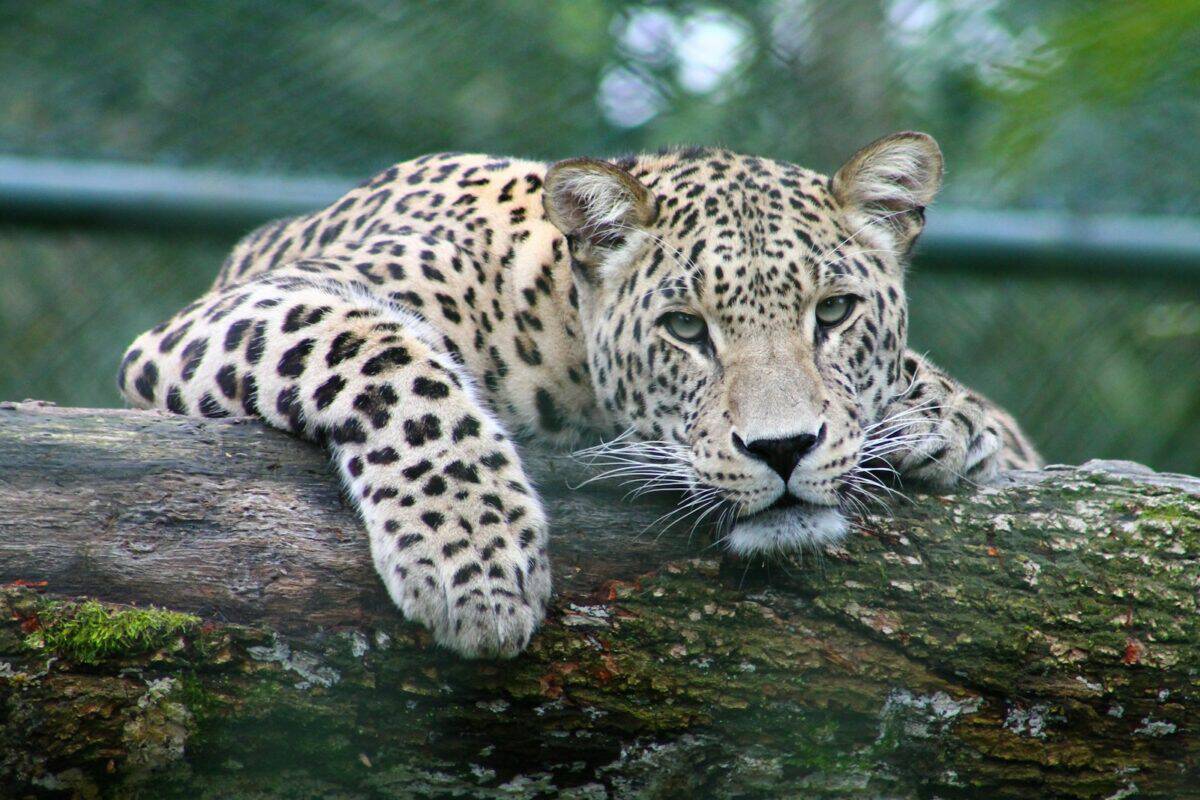
The animal kingdom is a realm of intricate survival strategies and ingenious predation techniques. Predators, in particular, have evolved remarkable skills to outwit and capture their prey, often showcasing intelligence and adaptability that leave wildlife enthusiasts in awe. From the stealthy approach of the big cats to the cooperative hunting methods of orcas, nature’s deadly predators employ a range of tactics that are as impressive as they are effective. Join us as we delve into the fascinating world of these predators and the smartest hunting tactics that secure their place at the top of the food chain.
Stealth and Ambush: The Art of Surprise
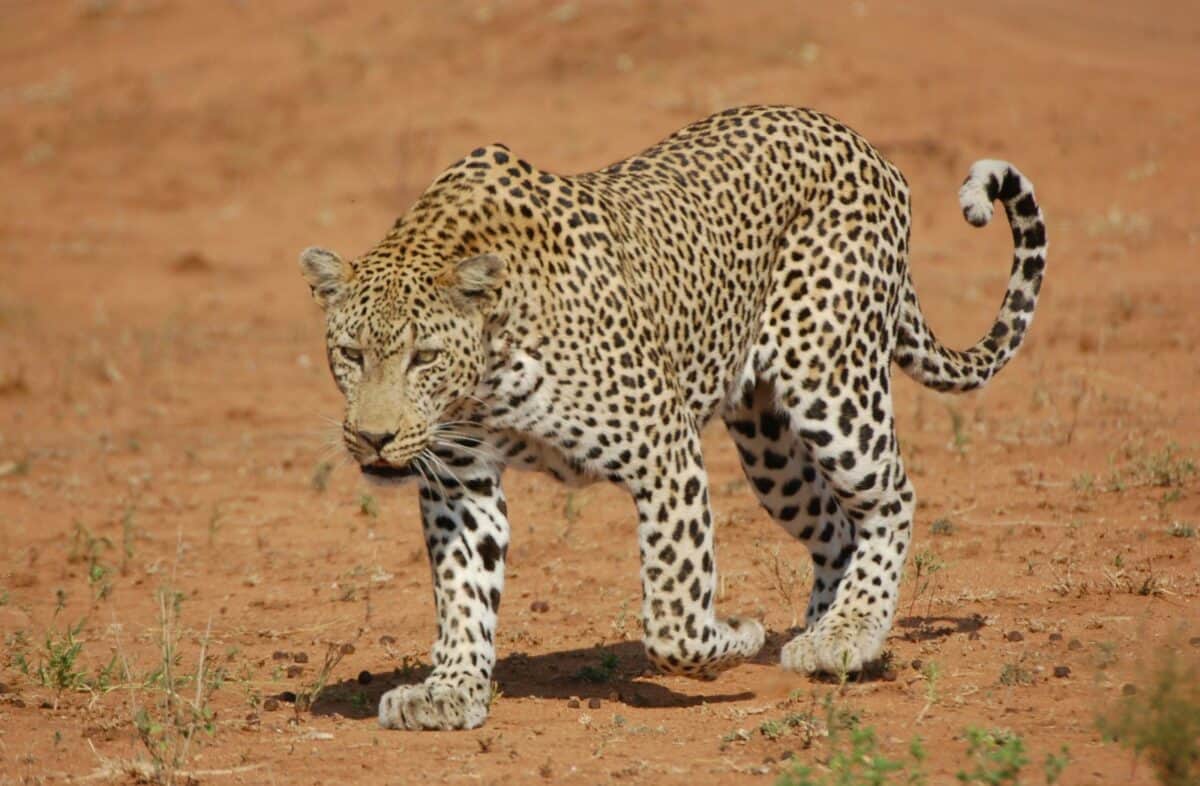
For predators like leopards and lions, stealth and ambush form the cornerstone of their hunting strategy. These big cats rely on their ability to blend into their surroundings and move silently, creeping ever closer to unsuspecting prey. Once in range, they explode into action with a burst of speed, relying on the element of surprise to catch prey off guard.
The Power of the Pack: Cooperative Hunting

Pack hunters such as wolves exemplify the power of teamwork in nature. By hunting in groups, they can take down prey much larger than themselves. Each member of the pack plays a crucial role, whether it’s driving prey into a trap or isolating an individual target from the herd. This sophisticated level of cooperation is a testament to their high intelligence and strong social bonds.
Speed and Agility: Chasing Down Prey

Cheetahs are the fastest land animals and utilize their incredible speed and agility to chase down fast-moving prey on open grasslands. Their streamlined bodies are built for bursts of activity, allowing them to reach speeds up to 60 miles per hour in just a few seconds. However, this dash must be perfectly timed, requiring acute senses and precise judgment.
Camouflage: Nature’s Invisible Hunters

Many predators rely on camouflage to gain an edge over their prey. An example of this is the octopus, which can change its skin color and texture to mimic its surroundings. This remarkable ability allows it to ambush prey or avoid detection by predators, demonstrating the power of disguise in the natural world.
Intelligence and Tool Use: Crafty Strategies

Several predators, such as certain birds of prey and primates, use tools to aid in hunting. Crows are known for their problem-solving skills and have been observed using sticks to extract insects from tree bark. Similarly, some species of dolphins use sponges to protect their rostrums while foraging on the seafloor. These behaviors highlight the cognitive capabilities of certain predators.
Sonic Warfare: The Use of Sound in Hunting
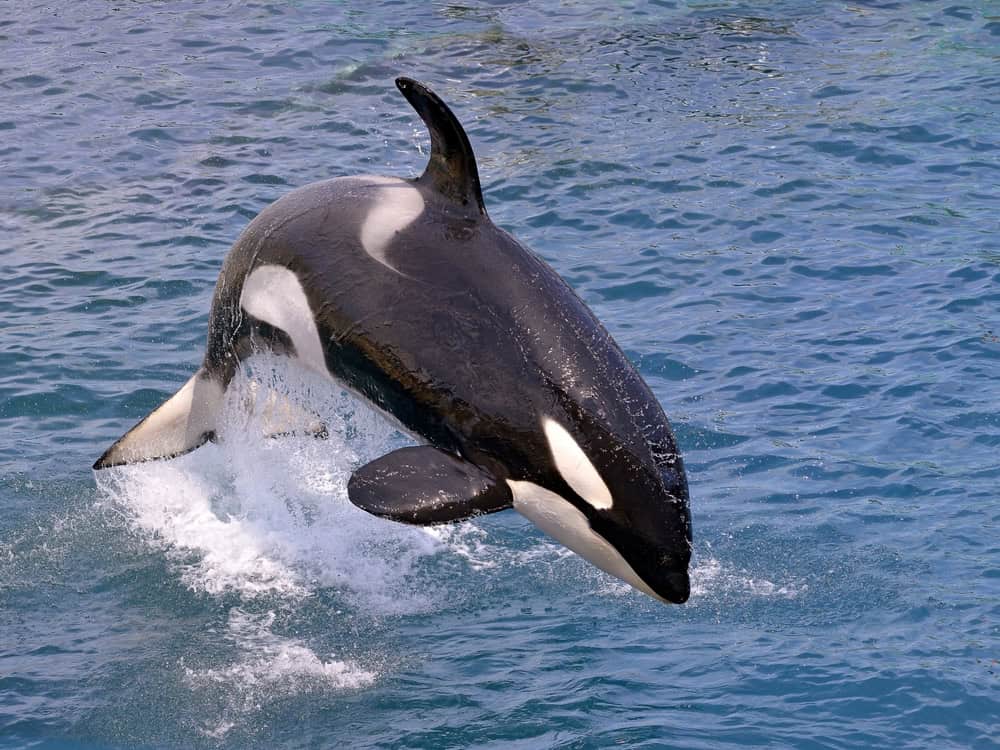
Orcas, also known as killer whales, employ sound as a hunting tool. These intelligent marine mammals use echolocation to locate prey even in murky waters. They emit clicks that bounce off objects, providing information about the size, shape, and distance of their prey. This sophisticated use of sound is crucial for their hunting success.
Fishing Expertise: Mastering the Aquatic Environment

Bears, particularly grizzlies, are expert fishermen, using their paws and claws to catch salmon from rivers during migration. Their timing and precision are exceptional as they swipe fish mid-leap, showcasing a learned skill passed down through generations. Mastery of fishing demonstrates their adaptability to seasonal food sources.
Venom and Toxins: Chemical Warfare

Predators such as venomous snakes and some species of spiders use venom to subdue their prey. The venom acts quickly, incapacitating the prey and making it easier to consume. This method allows these predators to tackle prey that may otherwise be too large or dangerous to subdue by physical means alone.
Traps and Deception: Luring Prey

Some predators set traps or engage in deceptive behaviors to lure prey. The anglerfish uses a bioluminescent lure on its head to attract smaller fish close enough to be devoured. This method of deception is a clever adaptation to the deep-sea environment, where ambush and energy conservation are essential.
Circle of Confusion: Disorienting Tactics

Some predatory fish, like certain species of sharks, use confusion as a tactic to catch their prey. They circle schools of fish, creating a frenzied atmosphere that scatters individuals and makes them easier to target. This organized chaos is a technique that speaks to the predators’ ability to manipulate their environment to their advantage.
Endurance and Stamina: The Long Chase
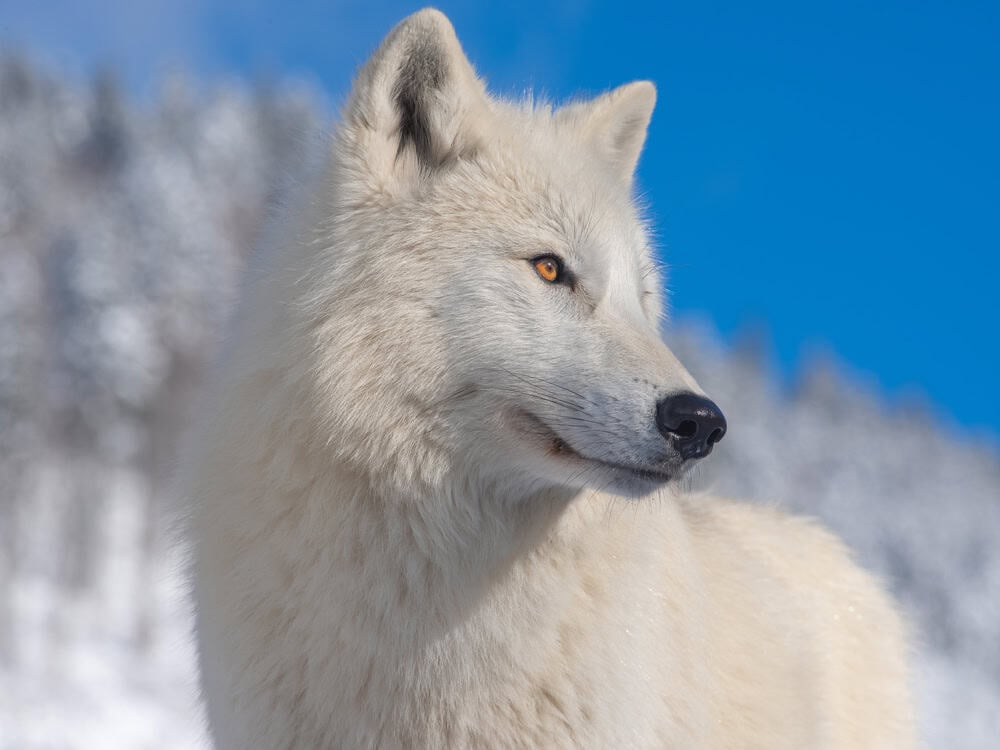
While speed is critical in some hunts, endurance plays a key role for predators like African wild dogs and Arctic wolves. These animals rely on relentless stamina to outlast their prey. Long-distance running allows them to pursue and exhaust herbivores, making them easier to catch over time.
The Art of Overcoming Obstacles: Versatility in Hunting

Adaptability is crucial for predators facing challenging or changing environments. Cougars, for instance, are versatile in their hunting methods, capable of stalking prey across diverse terrains from mountains to deserts. This flexibility ensures their survival even as environmental conditions shift.
Conclusion: The Evolution of Predatory Mastery

The diverse hunting tactics employed by nature’s deadliest predators illustrate the complexity and intelligence found within the animal kingdom. From meticulously planned ambushes and cooperative strategies to ingenious deception and tool use, these predators demonstrate a remarkable ability to adapt and thrive in their respective environments. As we marvel at these incredible adaptations, we gain a deeper appreciation for the delicate balance of nature and the evolutionary processes that shape life on Earth.

- 10 Animals That Cheat Death in the Most Unexpected Ways - July 19, 2026
- The Shrimp That Punches Like a Bullet - July 19, 2026
- This Tiny Mammal Can Slow Its Heartbeat to One Beat Per Minute - July 19, 2026