
Spiders are frequently thought of as ground dwellers, building webs in corners or scurrying across the forest floor. However, some species defy this stereotype by taking to the skies. In Oregon, a unique spider species exhibit this remarkable ability to “fly” short distances. Let’s explore the captivating world of these small aerial adventurers, shedding light on their intriguing capabilities and ecological significance.
Introduction to the Oregonian Flying Spider

Though most people envision spiders as earthbound creatures, certain species have developed the ability to glide through the air. Known colloquially as “flying spiders,” these spiders demonstrate a form of locomotion known as ballooning. In Oregon, where diverse ecosystems foster various types of arachnids, these captivating creatures unfold another chapter in the fascinating book of spider evolution.
What is Ballooning?

Ballooning is a dispersal method where spiders release silk threads that catch the wind, allowing them to travel through the air. This technique is particularly useful for young spiders, or spiderlings, as it enables them to find new habitats and resources. It’s a phenomenon that underscores the ingenuity and adaptability of these creatures in their quest for survival and territorial expansion.
Environmental Factors Favoring Ballooning

In Oregon, conditions often favor the ballooning method. The state’s varied landscape, from lush forests to coastal dunes, provides optimal environments for spiders to harness wind currents. Gentle breezes, open spaces, and the right temperature and humidity levels create suitable conditions that allow these spiders to soar over short distances effectively.
The Spider Species Practicing Ballooning in Oregon
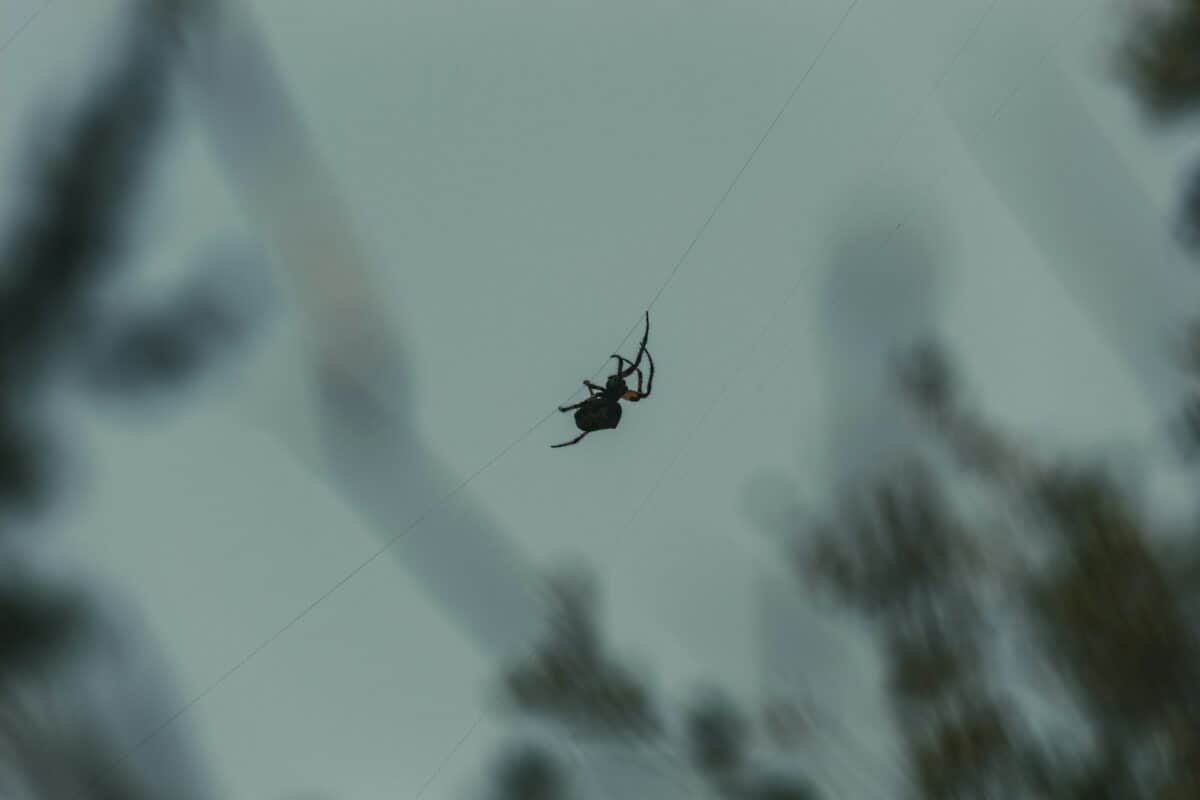
Several spider species in Oregon engage in ballooning behaviors, but none are as well-adapted to this lifestyle as the Linyphiidae, or sheetweaver spiders. These small-bodied arachnids are known for their distinctive sheet-like webs and their propensity for taking flight under the right conditions. Despite their petite size, their impact on the local ecosystem is substantial.
Appearance and Identification
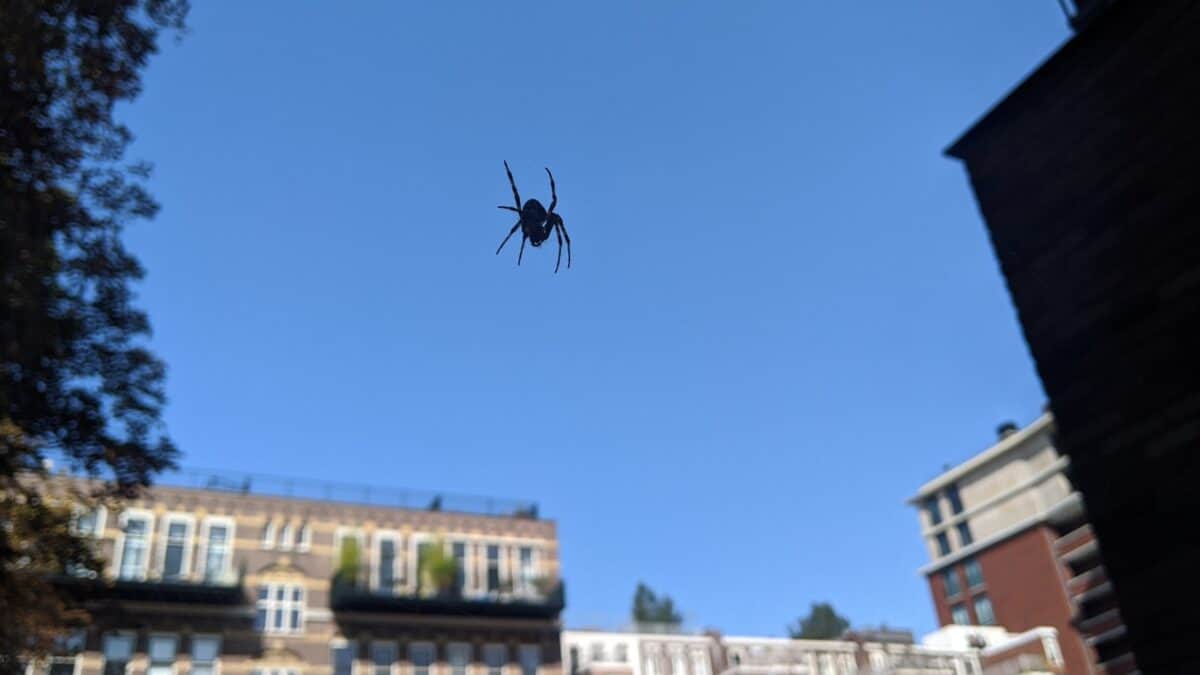
Flying spiders in Oregon, particularly the sheet weavers, are usually tiny, measuring just a few millimeters in length. Their colors range from gray to light brown, allowing them to blend seamlessly into their environments. Distinctive markings and a delicate build help identify them and offer insight into their specialized adaptations for both web-building and aerial endeavors.
Life Cycle and Reproductive Behavior
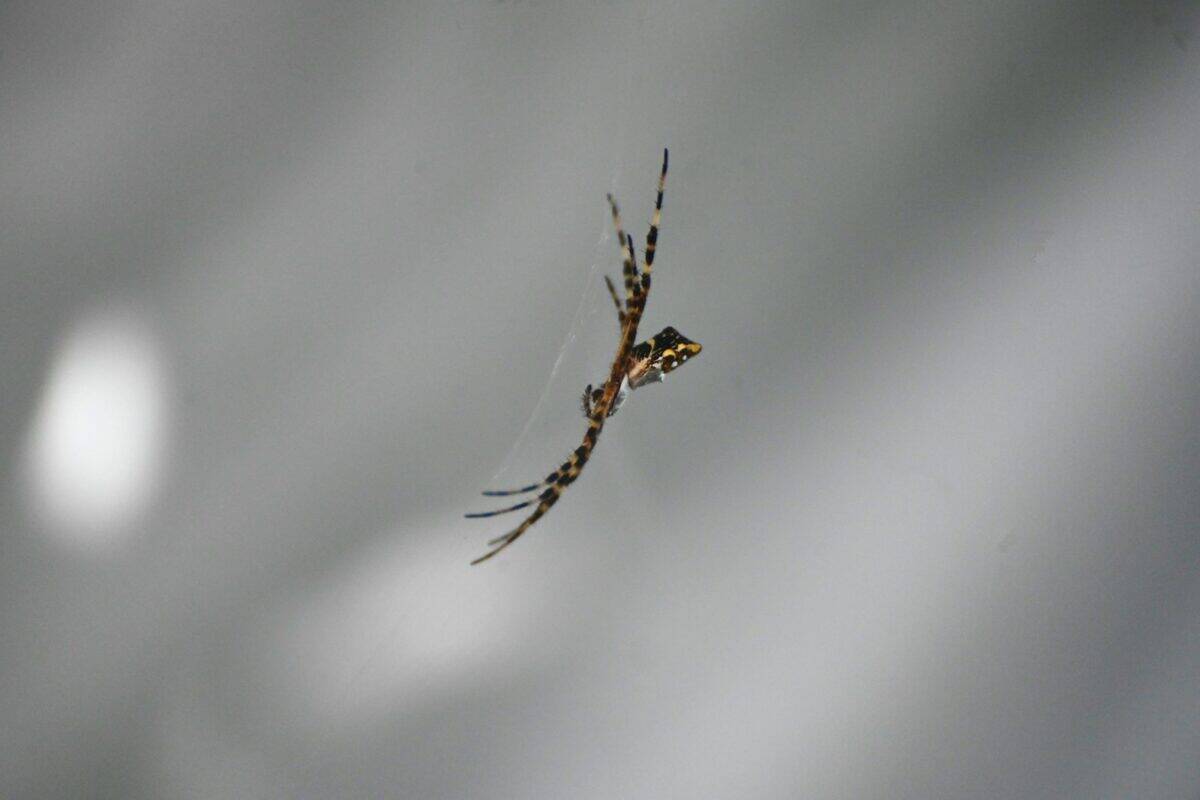
The life cycle of these flying spiders follows the typical pattern of arachnids: egg, spiderling, and adult. During the spiderling stage, the spiders rely heavily on ballooning as a means of dispersal and finding food. They use this technique to escape their natal areas, reducing competition and increasing their chances of survival and successful maturation.
Diet and Predatory Behaviors
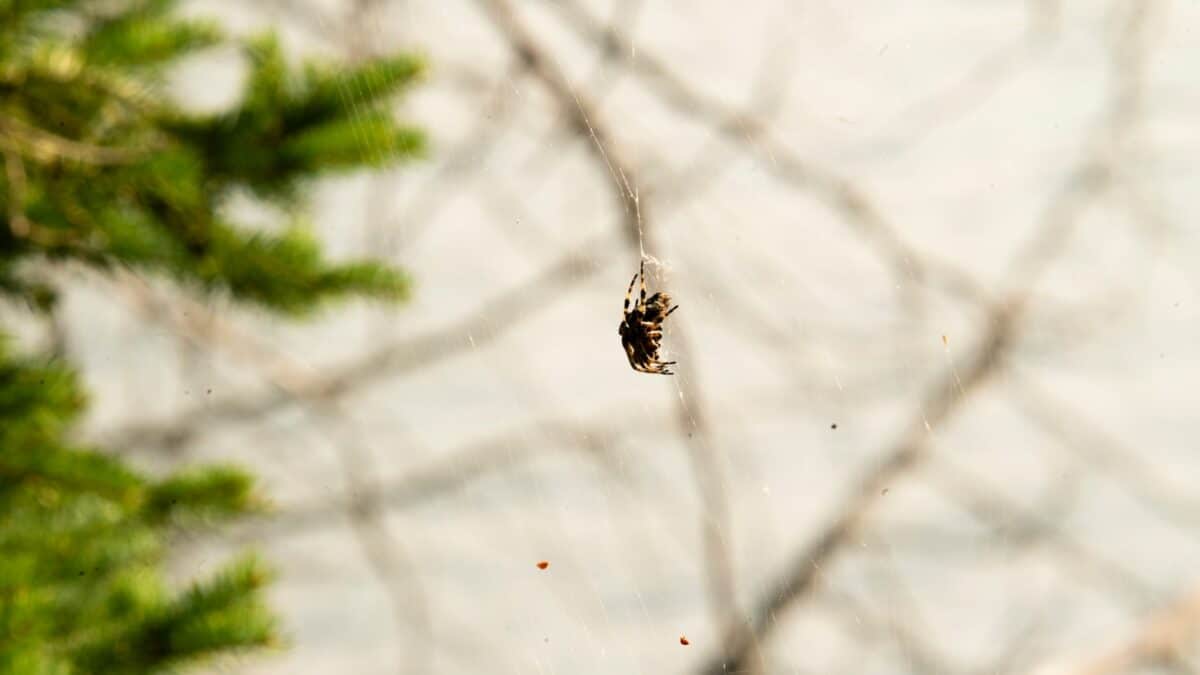
Similar to their grounded relatives, flying spiders primarily feed on small insects. Their tiny size allows them to exploit a niche where they can capture minute prey that may slip through larger webs. Ballooning also aids in hunting, as it allows spiders to rest in areas with bountiful insect activity, maximizing their feeding opportunities.
Role in Ecosystem Dynamics
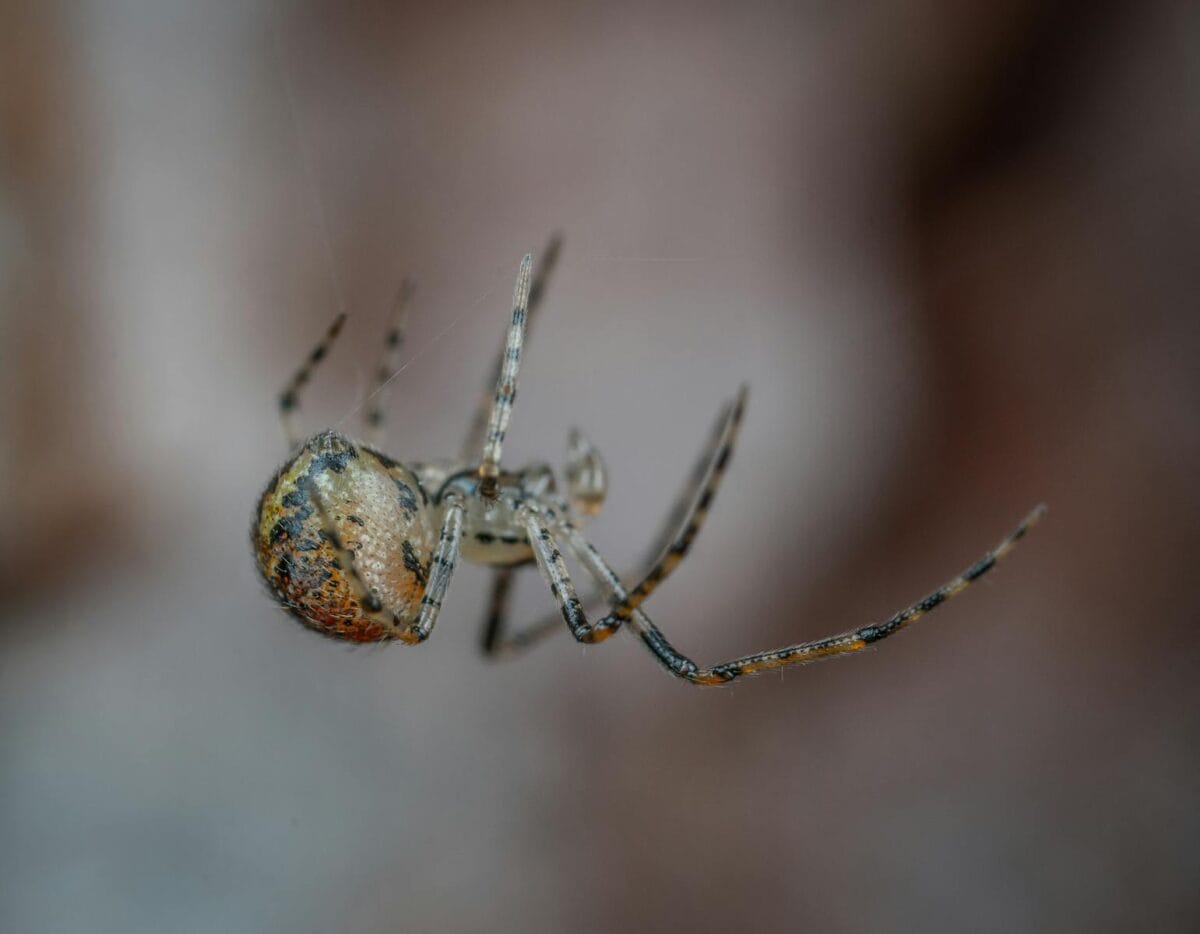
Flying spiders, like other spiders, play a crucial role in controlling insect populations, serving as natural pest managers. By regulating these populations, they help maintain the health and balance of Oregon’s ecosystems. Their presence indicates a flourishing and biodiverse community, highlighting the importance of even the most minute creatures in environmental health.
Survival Challenges
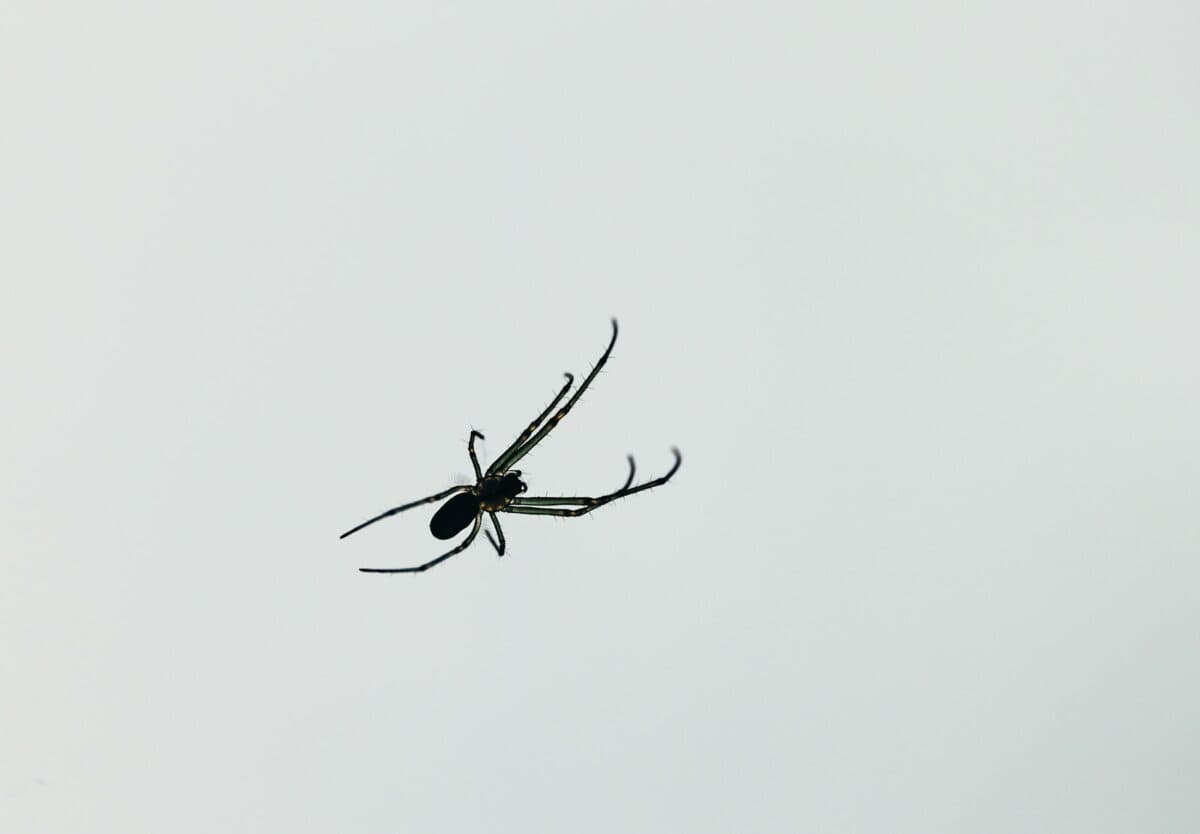
Despite their adaptive capabilities, flying spiders face numerous survival challenges. Weather conditions such as rain and wind play critical roles in their success; unfavorable conditions can prevent effective ballooning or lead to predation. Additionally, habitat destruction and pesticide use pose significant threats, impacting their population dynamics and ecological contributions.
Conservation and Protection
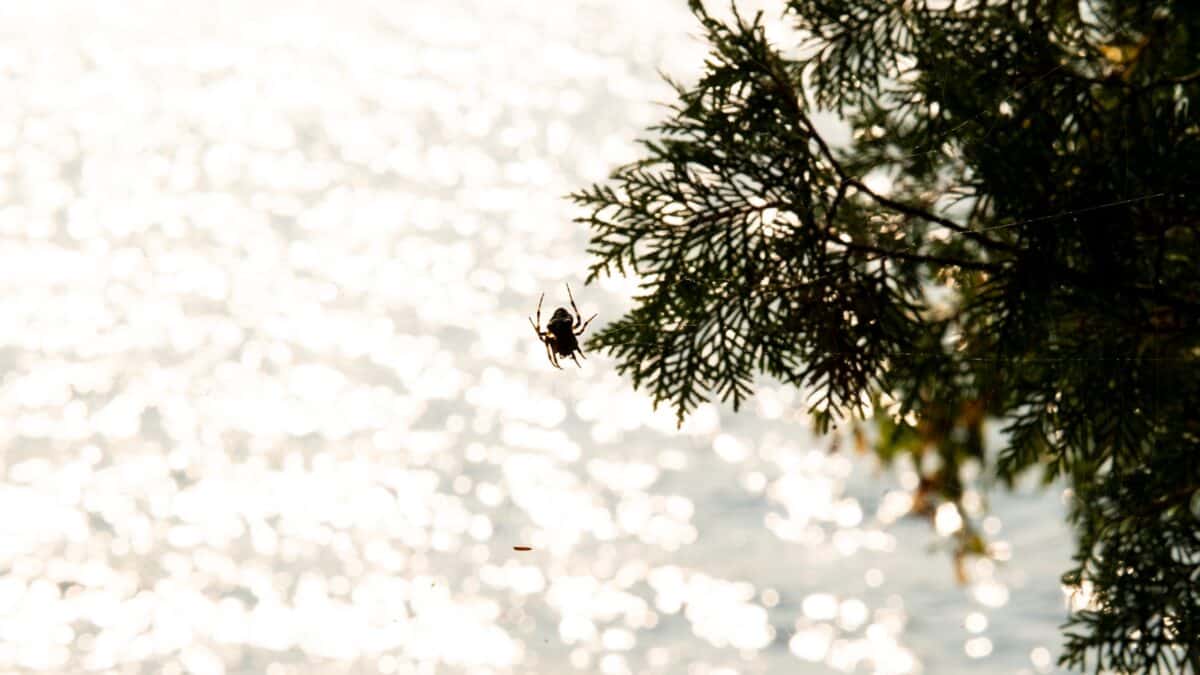
Conservation efforts aimed at preserving Oregon’s diverse ecosystems benefit these unique spiders significantly. By protecting their habitats from degradation and limiting pesticide use, we can ensure that flying spiders continue to thrive. Educational initiatives can also help raise awareness of their ecological importance, encouraging more sustainable and considerate environmental practices.
Human Interactions and Misconceptions

Flying spiders rarely pose any threat to humans. However, their enigmatic nature often leads to misunderstandings. Myths of spiders invading homes by air can cause unnecessary alarm, even though these creatures prefer natural settings. Educating people about their true behavior and benefits can foster coexistence and appreciation of their unique capabilities.
The Fascinating Future of Arachnid Study

Research into these intriguing spider species continues to unveil new insights into arachnid adaptation and evolution. Advances in genetic studies, wind mechanics analysis, and ecological monitoring promise to deepen our understanding of how these spiders navigate and interact with their environments. These studies not only broaden our scientific knowledge but also enrich our appreciation of the natural world.
Conclusion: A Remarkable Adaptation
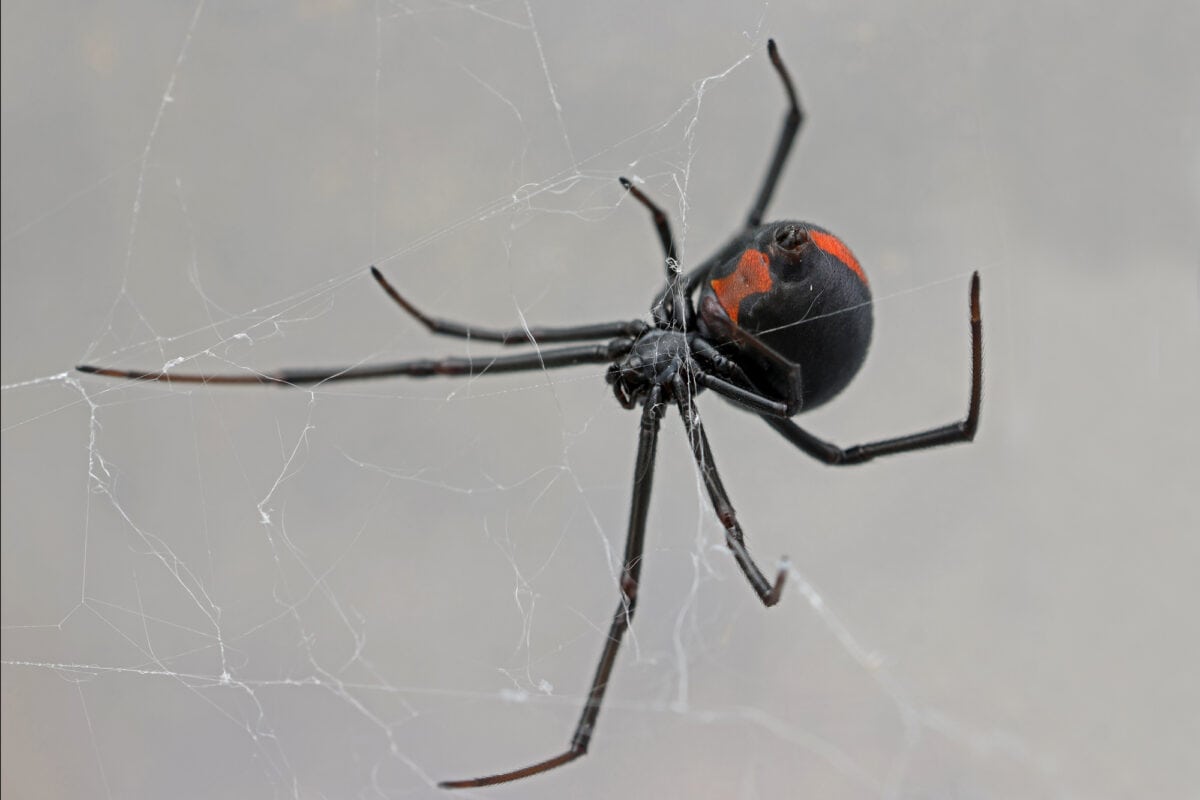
The phenomenon of flying spiders in Oregon underscores the adaptability and resilience of arachnids. Through ballooning, these spiders navigate a complex tapestry of ecosystems, bridging distances and expanding their reach. Despite their size, they play essential roles in maintaining ecological balance, reminding us of the intricate interdependencies that sustain life on Earth. Embracing and protecting these fascinating creatures enhances our connection to the natural world, ensuring that they continue to inspire wonder and respect for generations to come.

- The Most Extreme Animal Migrations on Earth - July 20, 2026
- Prehistoric Penguin Fossil Found in Argentina - July 20, 2026
- Could Wolves Be the Answer to America’s Ecosystem Crisis? - July 20, 2026