

The world’s oceans are home to a myriad of fascinating and, sometimes, dangerous creatures. Among these is the stonefish, a master of camouflage and the bearer of a venomous sting that can pose a significant threat to unsuspecting beachgoers and divers. Though encounters with this stealthy, spiky predator are rare, understanding its biology and the risks it presents is crucial for anyone exploring tropical marine environments.
The Stonefish: Nature’s Master of Disguise
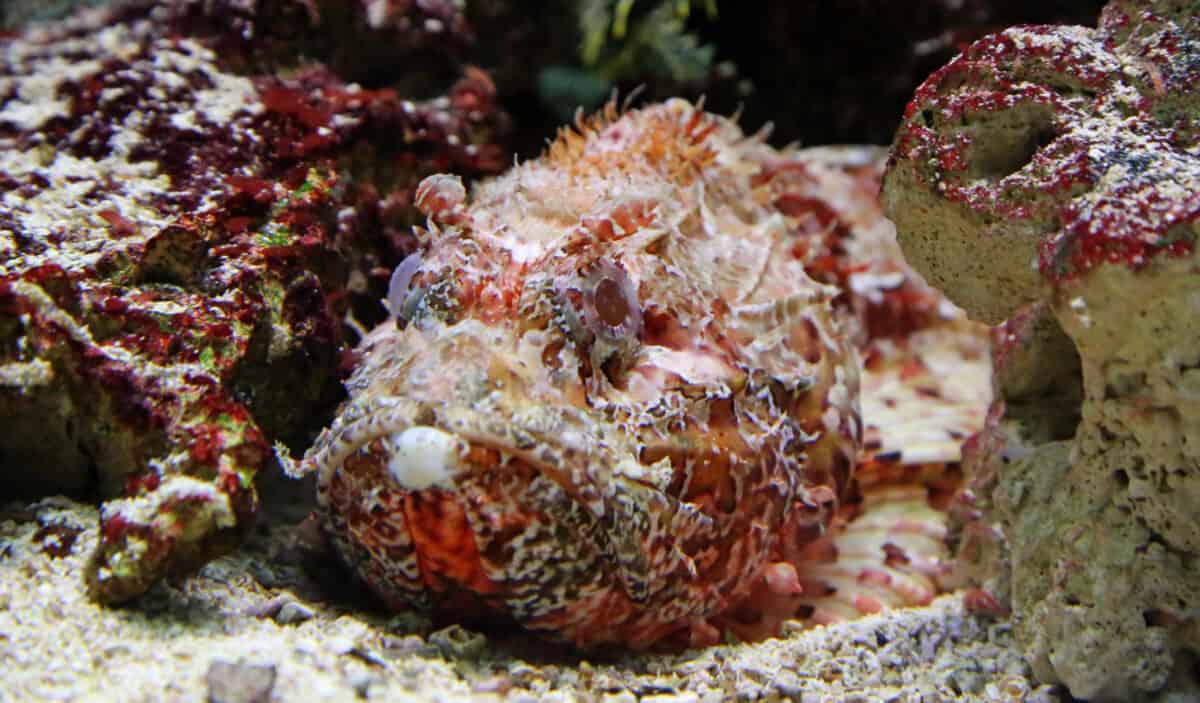
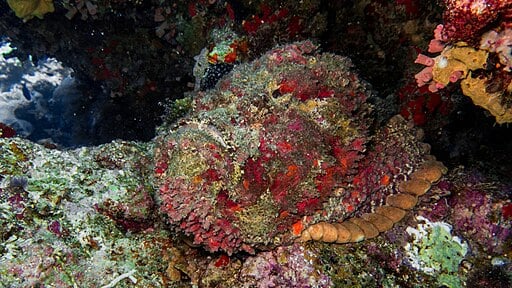
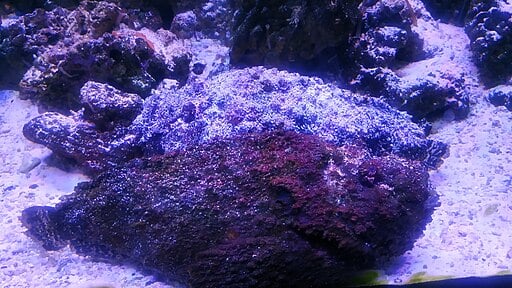
The stonefish, belonging to the genus Synanceia, is appropriately named for its remarkable ability to blend in with its surroundings. Its textured, mottled skin closely resembles the rocky ocean floors it inhabits. Found primarily in the coastal waters of the Indo-Pacific region, the stonefish uses its camouflage to ambush prey such as small fish and crustaceans. This ability to go undetected also makes it a hidden danger for humans unwittingly venturing into its territory.
Venomous Spines: The Stonefish’s Stealthy Weapon

The stonefish is armed with 13 sharp dorsal spines, each connected to venom glands capable of delivering a potent and painful sting. The venom, which the fish uses for both defense and predation, is one of the most lethal in the animal kingdom. When a person accidentally steps on or provokes a stonefish, the spines inject venom through the puncture wounds, causing immediate and excruciating pain.
The Mechanism of Venom Delivery
The venom delivery mechanism of the stonefish is ingeniously simple yet brutally effective. The spines act like hypodermic needles, with venom sacs situated at their bases. When traumatized, the venom sacs contract, pushing venom through ducts in the spines and into the victim. This mechanism not only inflicts pain but can also cause tissue damage, paralysis, and in extreme cases, heart failure.
Symptoms and Treatment: What to Expect
Those unfortunate enough to experience a stonefish sting will likely encounter a range of symptoms. Immediate effects include intense pain, swelling, and redness at the puncture site. More severe reactions can involve nausea, vomiting, difficulty breathing, and heart complications. Rapid first aid is essential. Immersing the affected area in hot water can help alleviate pain, as the heat inactivates some of the venom’s proteins. Medical attention should be sought immediately, and antivenom may be administered in severe cases.
Prevention: How to Avoid a Stonefish Sting
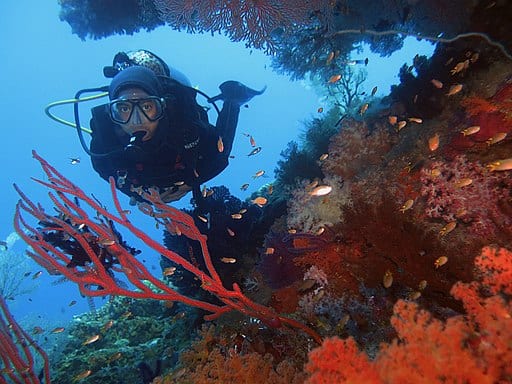
Prevention is the best strategy to avoid the stonefish’s perilous sting. Beachgoers should be vigilant when walking in rocky or sandy areas near the ocean, particularly in regions known to harbor stonefish. Wearing protective footwear such as thick-soled shoes or diving boots can provide a crucial layer of defense. Divers and snorkelers should steer clear of touching or disturbing the seabed, where stonefish often lie hidden.
Stonefish in the Ecosystem: A Role to Play
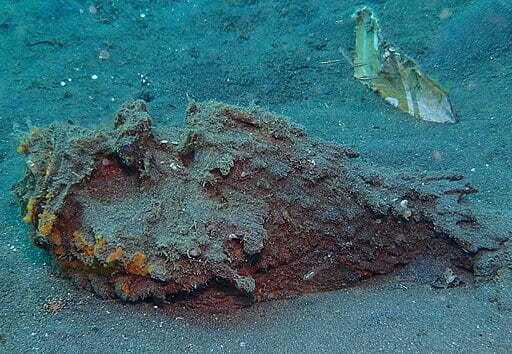
Despite their fearsome reputation, stonefish play a vital role in their ecosystem. Their presence helps regulate populations of smaller fish and crustaceans, maintaining balance in the marine food chain. By occupying the niche of both predator and prey, stonefish contribute to the biodiversity and health of coral reef environments.
Conclusion

The stonefish, with its unparalleled disguise and potent venom, serves as a reminder of the ocean’s unpredictable and awe-inspiring nature. While their sting can be dangerous, understanding and respecting these creatures can help prevent unnecessary harm and promote safe exploration of our planet’s marine treasures. By educating ourselves about the stonefish and other ocean dwellers, we can coexist peacefully with these remarkable inhabitants of the sea.
