
Worried about unexpected vet bills?
Pet insurance can cover thousands in unexpected vet costs. Get a free quote from Lemonade in under 2 minutes.
Get My Free Quote →Sponsored · Opens Lemonade.com
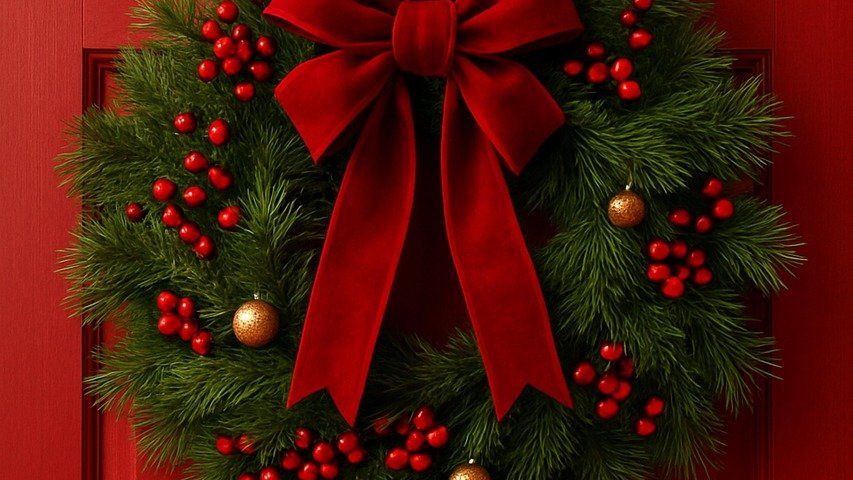
Ever pause for a second to stare at that circular arrangement of evergreens hanging on your neighbor’s door? You know the one. It’s brimming with pinecones, maybe a few crimson berries, and wrapped with that classic red ribbon. Looks festive enough, right?
Thing is, there’s way more going on with that simple wreath than most of us realize. These circular adornments have been around for centuries, winding through ancient civilizations, pagan rituals, and Christian traditions before landing squarely on our front doors every December. Let’s peel back the layers and discover what is really all about.
Ancient Roots That Predate Christmas

Long before anyone sang carols or hung stockings, wreaths were already making their mark in the ancient world. The Greeks awarded laurel wreaths to triumphant athletes, while in the Persian Empire, wreaths were worn on the head as symbols of importance. The Romans took things further, wearing them like crowns to broadcast their achievements and social standing.
Here’s the thing though. These decorative wreaths originated in Ancient Greece and were used to promote healthy crop harvests, made from the previous year’s harvest and hung on people’s doors in hope for a fruitful harvest in the coming year. So even back then, people understood that this circular symbol held power beyond mere decoration. The shape itself mattered deeply.
Why Circles Matter More Than You Think
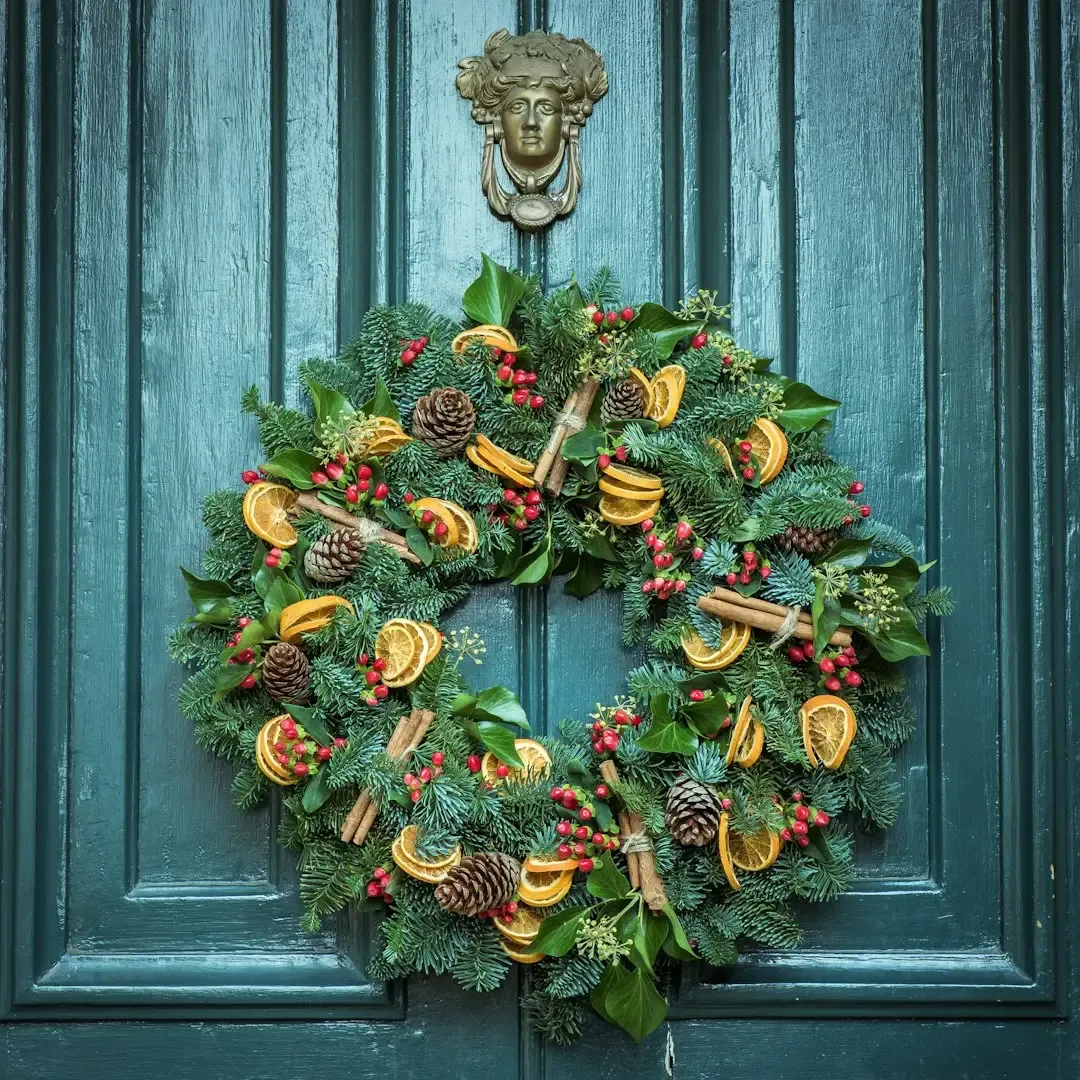
The circle is a symbol of immortality, and throughout history, wreaths have been associated with life, rejuvenation, and renewal. No beginning, no end. Just an endless loop representing eternity. When you really stop and think about it, that’s a pretty profound statement to hang on your door.
Together, the circular shape and the evergreen material make the wreath a representation of eternal life. For Christians specifically, the circular shape represents God, with no beginning and no end. Whether you’re religious or not, there’s something universally appealing about this symbolism of continuity and hope.
The Evergreen Connection Nobody Talks About
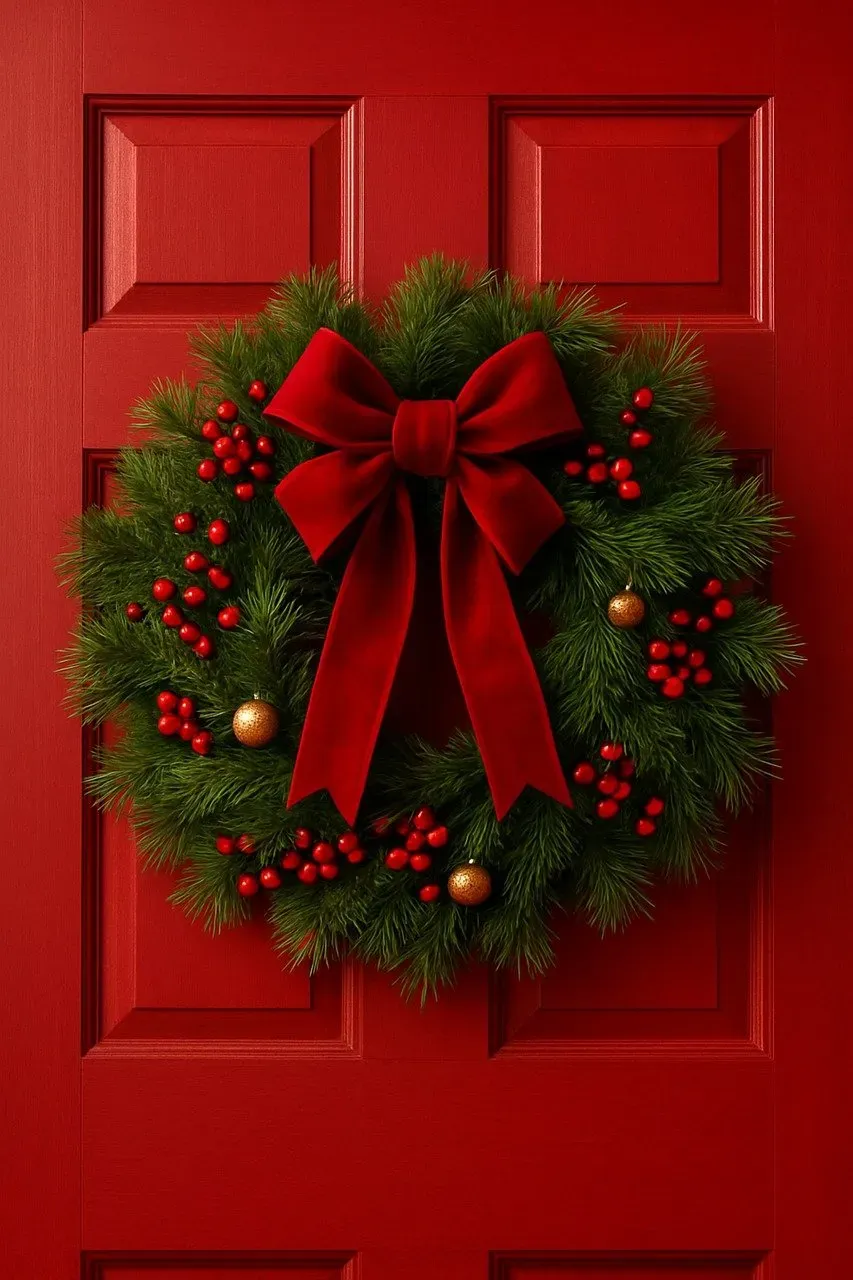
Ancient Germanic and Scandinavian people created wreaths with evergreen branches during the winter solstice, with these evergreens symbolizing the strength of life surviving harsh winter months and the anticipation of spring’s return. Think about it from their perspective. Everything around you is dead or dying, the cold is brutal, and yet these trees remain stubbornly green.
Egyptian, Chinese and Hebrew cultures believed that evergreen branches are a symbol of eternal life, with evergreens keeping their color throughout the year. So when winter hit and life seemed bleak, these branches represented resilience. They were a promise that spring would eventually come, that life would return. Honestly, we could all use that kind of reminder sometimes.
When Christians Adopted The Wreath Tradition
As Christianity spread through Europe, many pagan traditions were assimilated and given new Christian meanings, with the becoming one such symbol, as Christians began to use evergreen wreaths as a sign of everlasting life. It’s fascinating how traditions evolve and get reinterpreted.
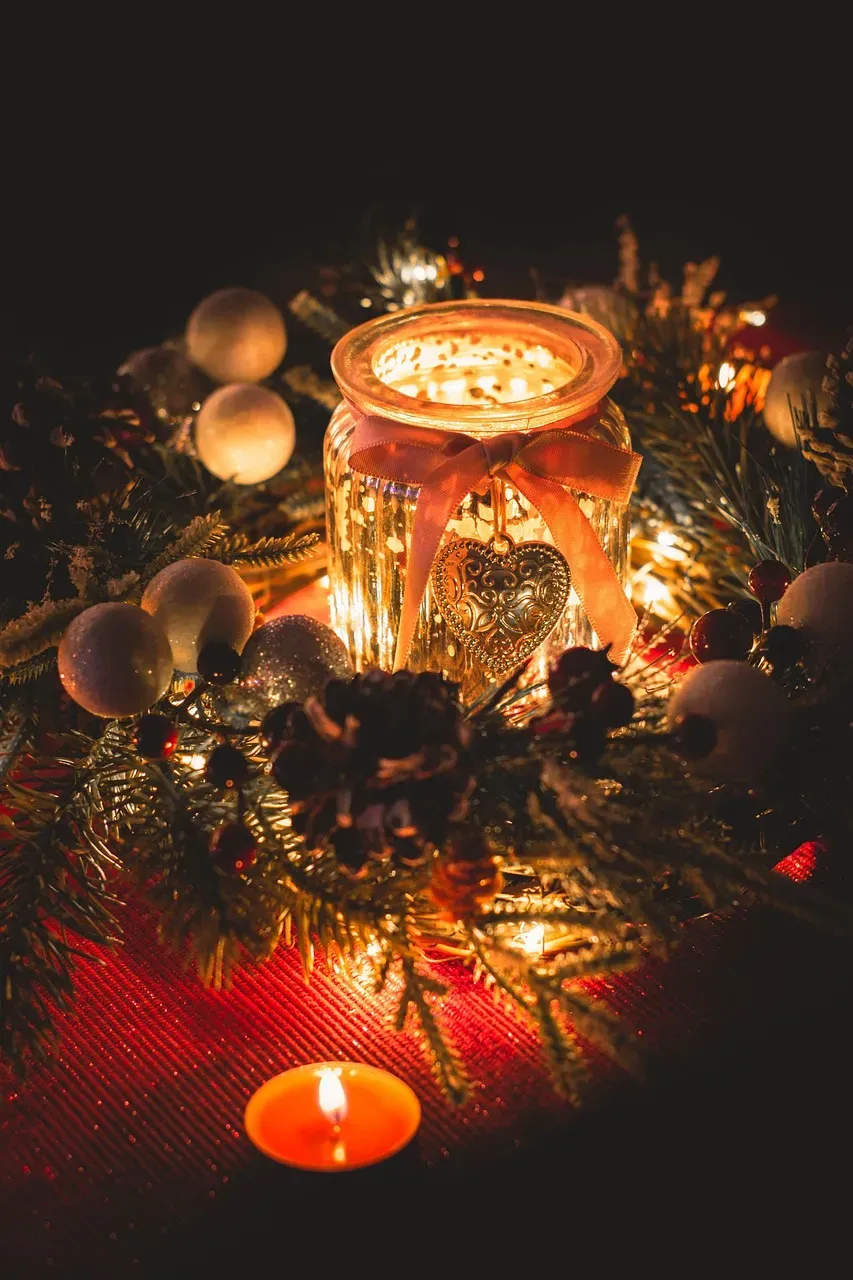
The use of holly in wreaths added additional Christian symbolism, with red holly berries representing the blood of Christ. The prickly leaves? Those were meant to evoke Christ’s crown of thorns. Suddenly, what started as a pagan winter celebration became a deeply religious symbol. Christians in Europe often placed a candle on the wreath during Advent to symbolize the light that Jesus brought into the world.
Johann Hinrich Wichern’s Revolutionary Idea
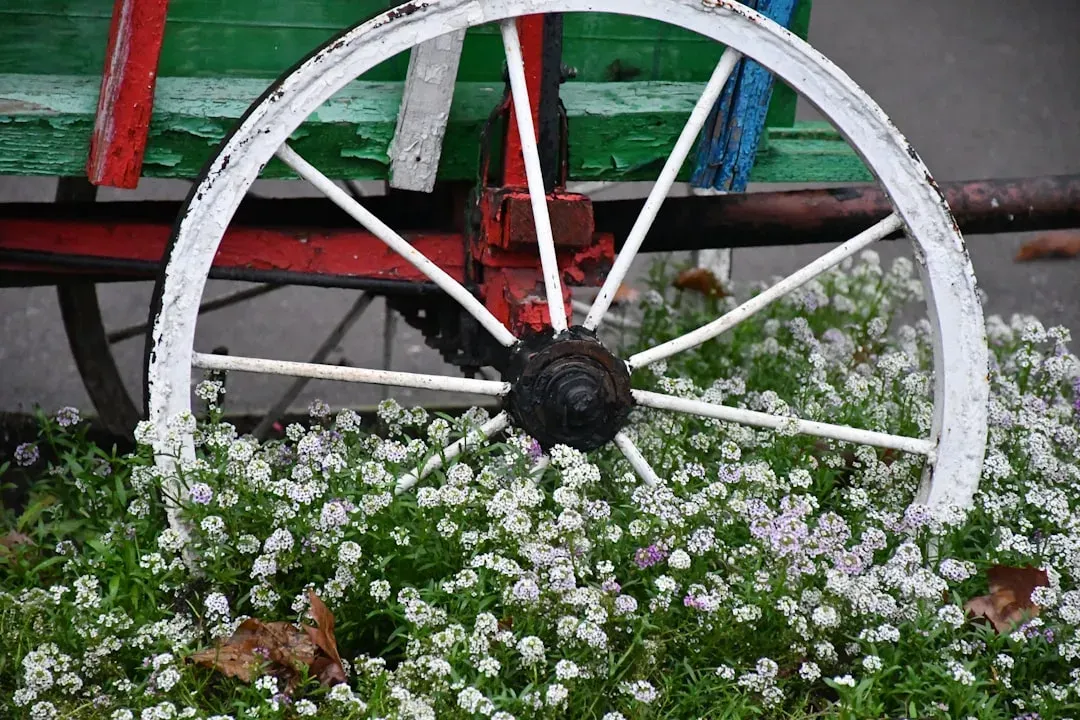
Let’s talk about the guy who really changed everything. A German Lutheran pastor named Johann Hinrich Wichern used a wreath made from a cart wheel in 1839 to educate children about the meaning and purpose of Christmas and help them count its approach. Picture this humble pastor trying to teach impatient kids about Advent.
His solution was brilliant. For every Sunday of Advent, starting with the fourth Sunday before Christmas, he would put a white candle in the wreath and for every day in between he would use a red candle. The kids could literally watch the countdown to Christmas, one candle at a time. This eventually evolved into the modern four-candle Advent wreath we recognize today.
The Meaning Behind Those Advent Candles
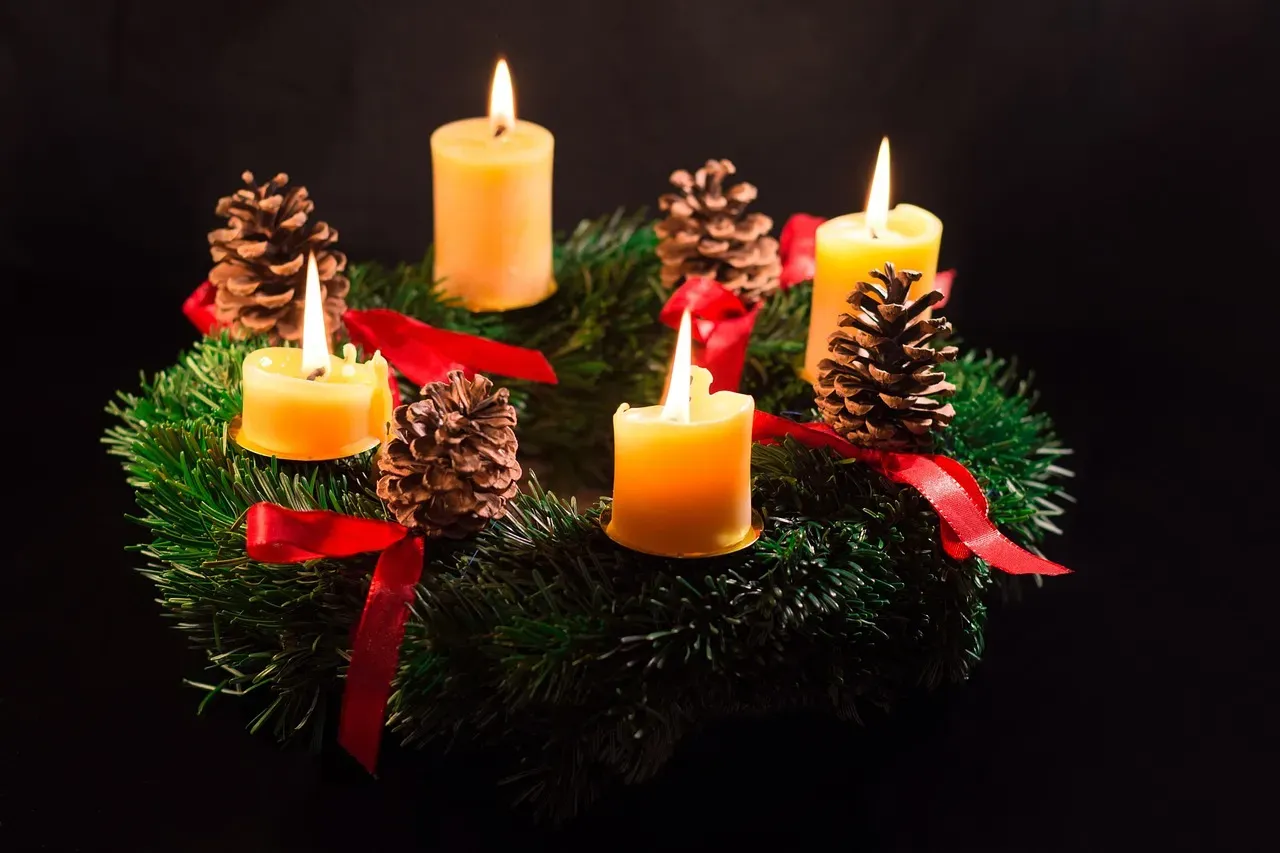
In that tradition, there are four candles in total, one for each week of Advent, with three candles, usually purple, representing the Christian values of hope, peace and love. Each Sunday before Christmas, families would light another candle, adding more light as the holiday approached.
The final candle, most often red in color, symbolized the joy of new life gained through Christ’s sacrifice on the cross, and at times, a white candle was lit on Christmas eve and welcomed Jesus’ birth. Even if you’re not particularly religious, there’s something beautiful about this gradual increase of light during the darkest time of year. It’s hopeful, you know?
How The Wreath Made It To Your Front Door
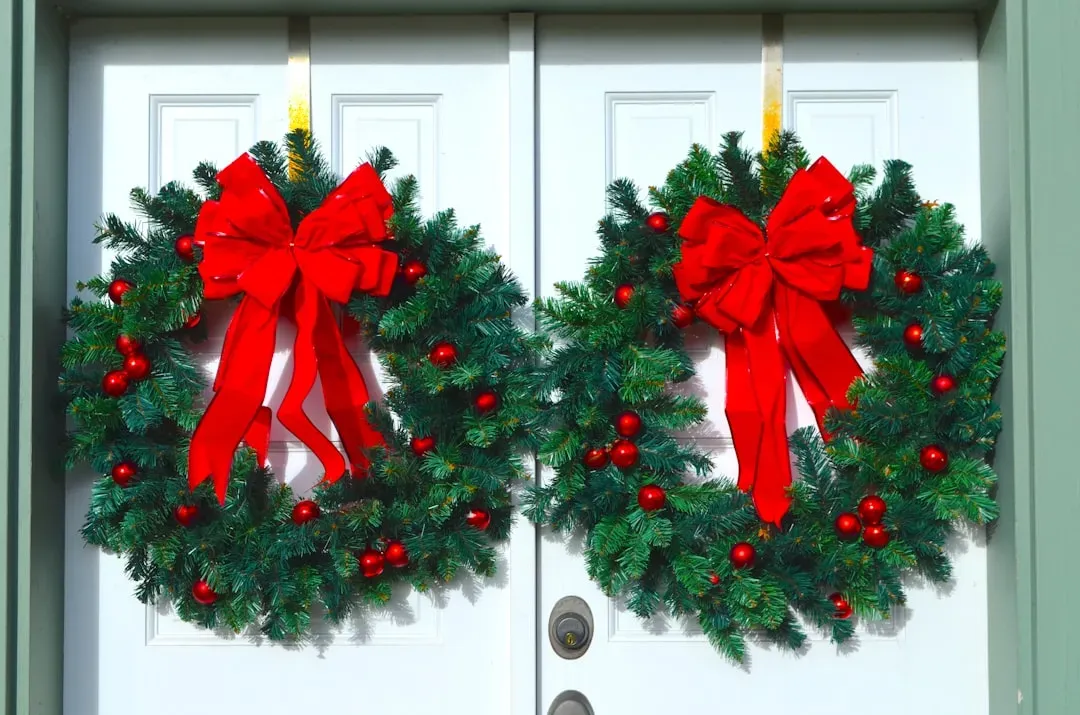
The Romans had a tradition of hanging wreaths on their door as a sign of victory and the custom may originally have come from them. Still, it took centuries for the door wreath to become a Christmas staple. The tradition of the Advent wreath was adopted by the masses beginning in the 19th century, with the marriage of Victoria, Queen of the United Kingdom, to Prince Albert from Germany opening the door for Christmas traditions from other European regions to become popular in England, which in turn influenced American culture.
Hung on the door or window, the wreath has been viewed as an invitation to the spirit of Christmas to enter the home and bring luck, suggesting as well that the Christmas spirit dwells within. It’s like putting out a welcome mat for the holidays themselves. Pretty nice sentiment when you think about it.
What Your Wreath Really Represents Today
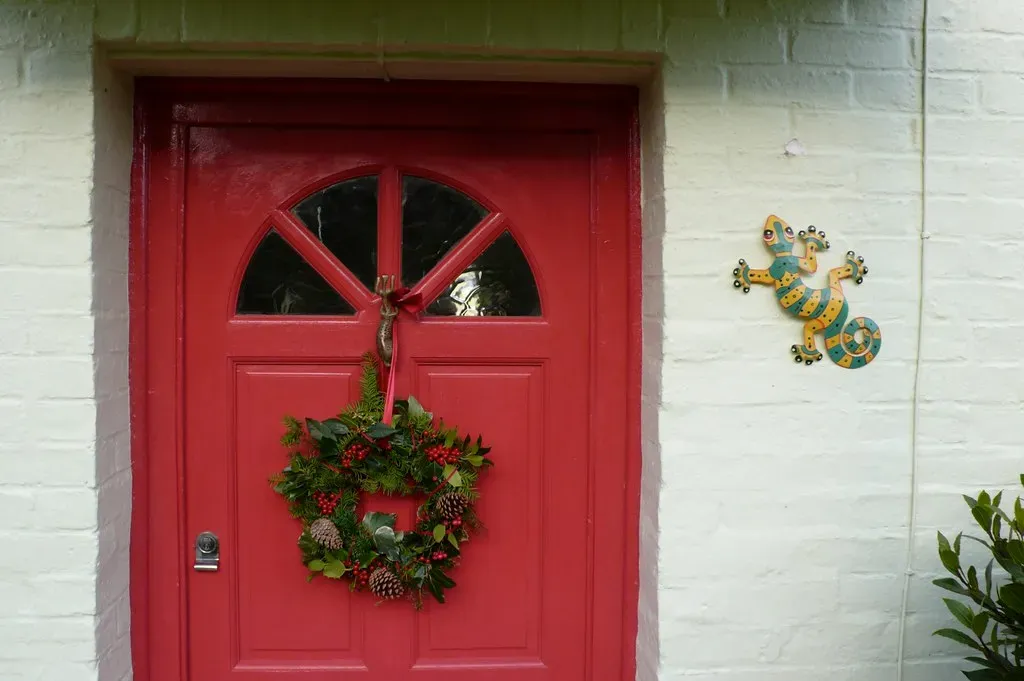
So where does all this history leave us now? Today, the has become a universal symbol of welcome and goodwill, with hanging a wreath on your front door being not just a decorative gesture but a way to invite the joy, warmth, and spirit of the holiday season into your home. It’s managed to retain its deeper meanings while adapting to modern times.
s are now a common sight in many parts of the world during the holiday season, diversified in style from traditional evergreen wreaths to more contemporary designs featuring different materials like burlap, paper, or even recycled objects, with the symbolism remaining though often more secular. Whether you hang one for religious reasons, because you love the way it looks, or simply because it’s tradition, that circular arrangement carries millennia of human hope and resilience with it.
Conclusion
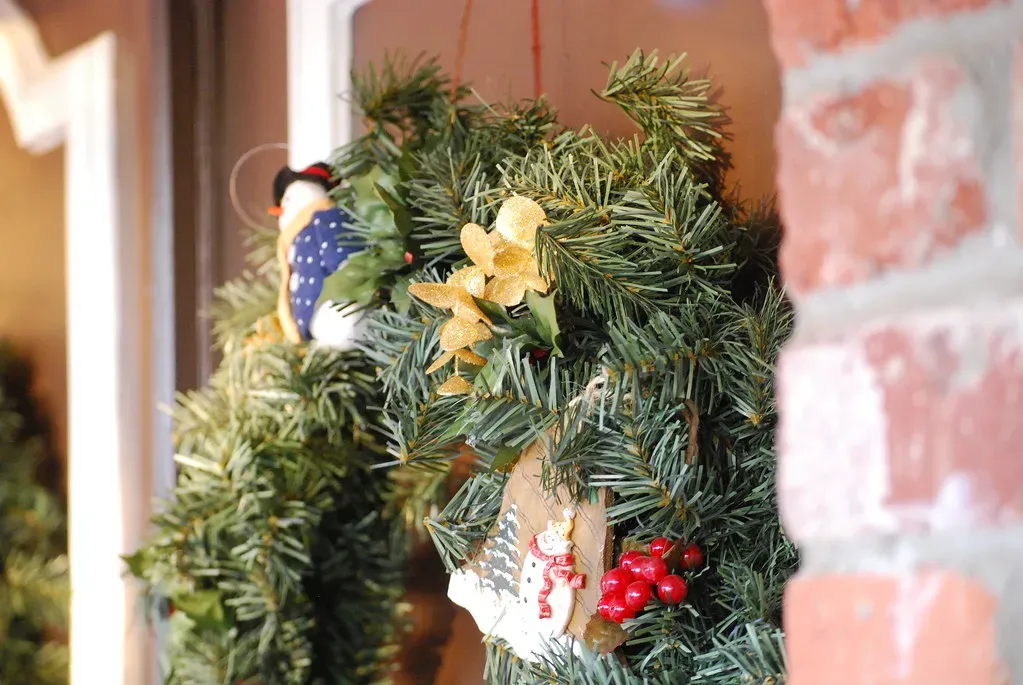
That wreath hanging on your door isn’t just pretty decoration. It’s a time traveler, carrying symbols from ancient Greece, pagan winter festivals, and Christian theology all at once. From victory crowns worn by Roman athletes to a German pastor’s teaching tool, from pagan promises of spring to Christian symbols of eternal life, the wreath has absorbed layer after layer of meaning.
Next time you hang your wreath or pass one on a neighbor’s door, maybe you’ll see it differently. That circle of evergreens represents thousands of years of humans seeking light in darkness, hope in winter, and continuity in change. Pretty remarkable for something we often pick up at the store without a second thought, right? What story does your wreath tell? Think about it this holiday season.
Worried about unexpected vet bills?
Pet insurance can cover thousands in unexpected vet costs. Get a free quote from Lemonade in under 2 minutes.
Get My Free Quote →Sponsored · Opens Lemonade.com
