
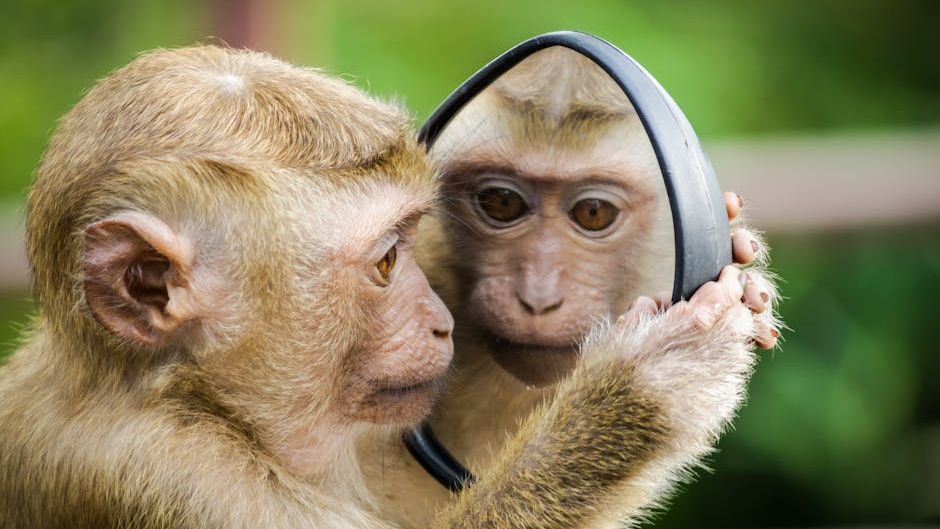
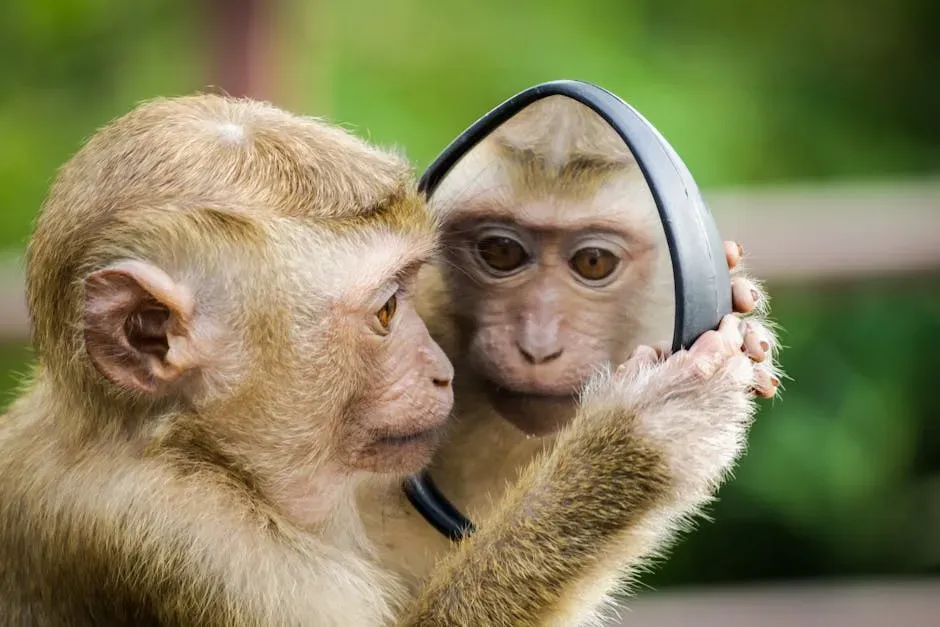
There is a question that has quietly unsettled philosophers, biologists, and neuroscientists for centuries. Not where the universe came from, or how life began, but something more intimate and harder to pin down: what is it like to be you, right now, reading these words? That private inner world, that flicker of experience behind your eyes, is what we call consciousness. It’s the one thing we know most immediately and yet understand least scientifically.
ary biology forms a cornerstone of the life sciences and thus the neurosciences, yet the emergence of consciousness during the timeline of remains opaque. What makes this so compelling is not just the mystery itself. It’s the growing suspicion that the answer, once found, will fundamentally change how we see ourselves and every creature we share this planet with.
The Ancient Roots: When Did Awareness Begin?
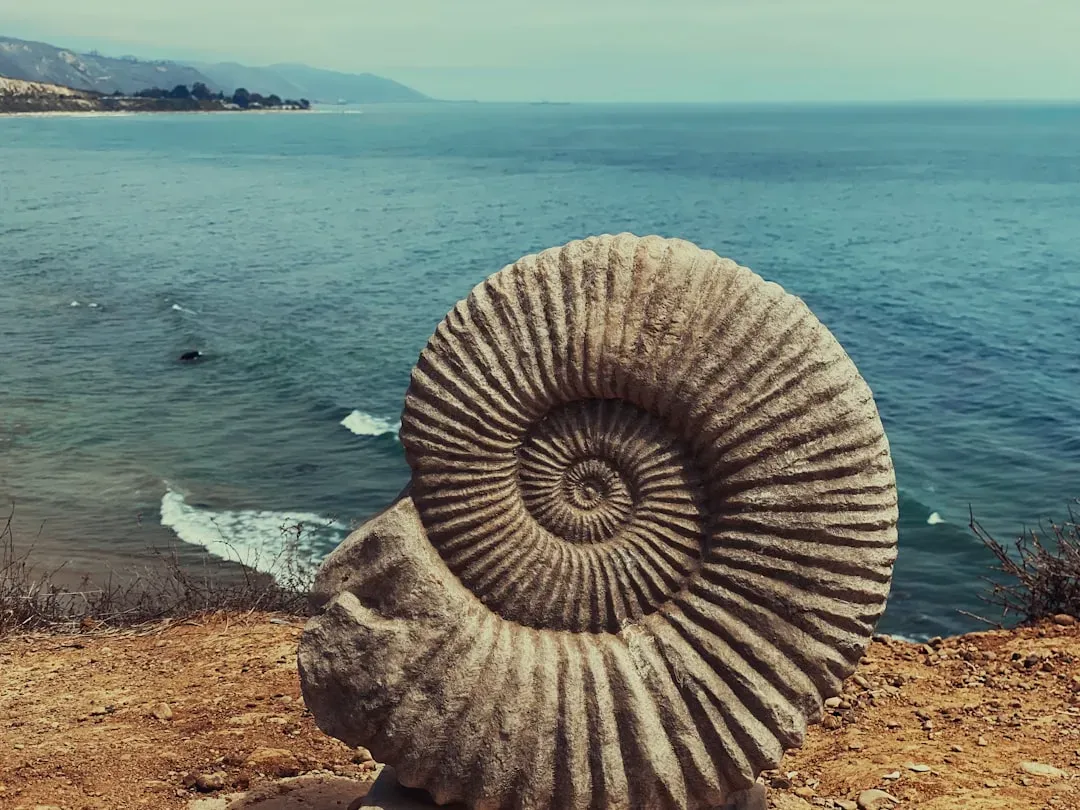
The question of when consciousness first appeared is one of the most contested in all of science. Vertebrates evolved in the Cambrian Period before 520 million years ago, but we do not know when or how consciousness arose in the history of the vertebrate brain. That ancient era, teeming with new body plans and complex sensory organs, may well be where the first flickers of inner experience took hold.
Researchers have deduced that consciousness evolved in the earliest vertebrates in the Cambrian, the oldest geologic period with abundant fossil evidence for complex animals. Other scientists place the threshold even earlier. Ginsburg and Jablonka argued for an even earlier origin of consciousness in the pre-Cambrian, Ediacaran Period with the very first appearance of worm-like bilaterian animals, and that this consciousness coincided with the evolution of associative learning and memory.
Once we shed all magical thinking about the nature of consciousness and try to understand it as a biological phenomenon, it immediately becomes apparent that like all other biological phenomena and like life itself, it must have evolved in gradations. The building blocks appeared first: behavior, detection, learning, and memory. Properly understood, these do not require a nervous system. Nervous systems came later, followed by central nervous systems.
The Cambrian Explosion and the Birth of Sensory Experience
There is a strong correlation between having elaborate sensory organs, which are posited to encode sensory maps of animals’ surroundings and their own body, having larger brains, having high mobility, and satisfying other criteria for consciousness. The Cambrian explosion was the moment in evolutionary history when all of these traits began rapidly co-evolving, creating the first organisms capable of forming a genuine internal model of the world around them.
The appearance of the visual image was the earliest manifestation of sensory consciousness, followed by others. Vision, it turns out, was probably the original doorway into experience. Once an animal could form a unified image of its environment, the groundwork for something like feeling was laid.
The first conscious animals explored and learned about their world and the effects of their actions by seeking the satisfactions of food, sex, and social bonding and avoiding the pains and fears imposed by predators, deprivation, and disease. Their explorations were guided by what they learned in the past, which, in turn, led to further learning and exploration. Consciousness, from its earliest form, was a tool for survival, not an accident.
Consciousness Across the Animal Kingdom: Not Just a Human Story
For a long time, science treated consciousness as something uniquely human. That position has been decisively and quietly dismantled. A major scientific declaration states there is “strong scientific support” that birds and mammals have conscious experience, and a “realistic possibility” of consciousness for all vertebrates. Far more animals than previously thought likely have consciousness, including fish, lobsters, and octopuses.
That possibility extends to many creatures without backbones, such as insects, decapod crustaceans including crabs and lobsters, and cephalopod mollusks like squid, octopus, and cuttlefish. The boundaries keep moving. Recent research on animal minds, including those of crayfish, octopuses, snakes, and fish, suggests that consciousness can exist in a neural architecture that looks completely alien to ours.
If we try to make sense of variation across the animal kingdom using a single sliding scale, ranking species as “more conscious” or “less conscious” than others, we will inevitably neglect important dimensions of variation. There is a need for a multidimensional framework that allows the conscious states of animals to vary continuously along many different dimensions, so that a species has its own distinctive consciousness profile. In other words, consciousness is not a ladder, it’s more like a vast and branching landscape.
The Social Brain: Why Living Together May Have Ignited Awareness

One of the most compelling new hypotheses argues that consciousness didn’t evolve to help individuals navigate the physical world alone. It evolved because group living demanded it. Researchers present the social origins of consciousness hypothesis, according to which the ability to coordinate with group members was the original adaptive function of consciousness.
Before animals became cognitive beings, their motion was directly and immediately caused by external stimuli, without intervening representations. There was no learning, no memory and, in this hypothesis, no consciousness. With the emergence of cognition, individuals’ responses to stimuli became more variable and therefore harder for others to predict. Groups that could model the intentions of other individuals gained a survival advantage that was profound and lasting.
A 2025 review drawing on behavioral and neurological evidence argues that corvids exhibit sophisticated cognitive capacities across all dimensions, including high perceptual acuity, emotional evaluation, episodic-like memory, future planning, and possible forms of self-awareness and theory of mind. Remarkably, mammals and birds inherited the same brain components from their last common ancestor nearly 300 million years ago, and have since independently evolved and formed significantly different brain types, yet arrived at surprisingly similar forms of awareness. Evolution, it seems, found consciousness useful enough to invent it twice.
What Makes Human Consciousness Different?
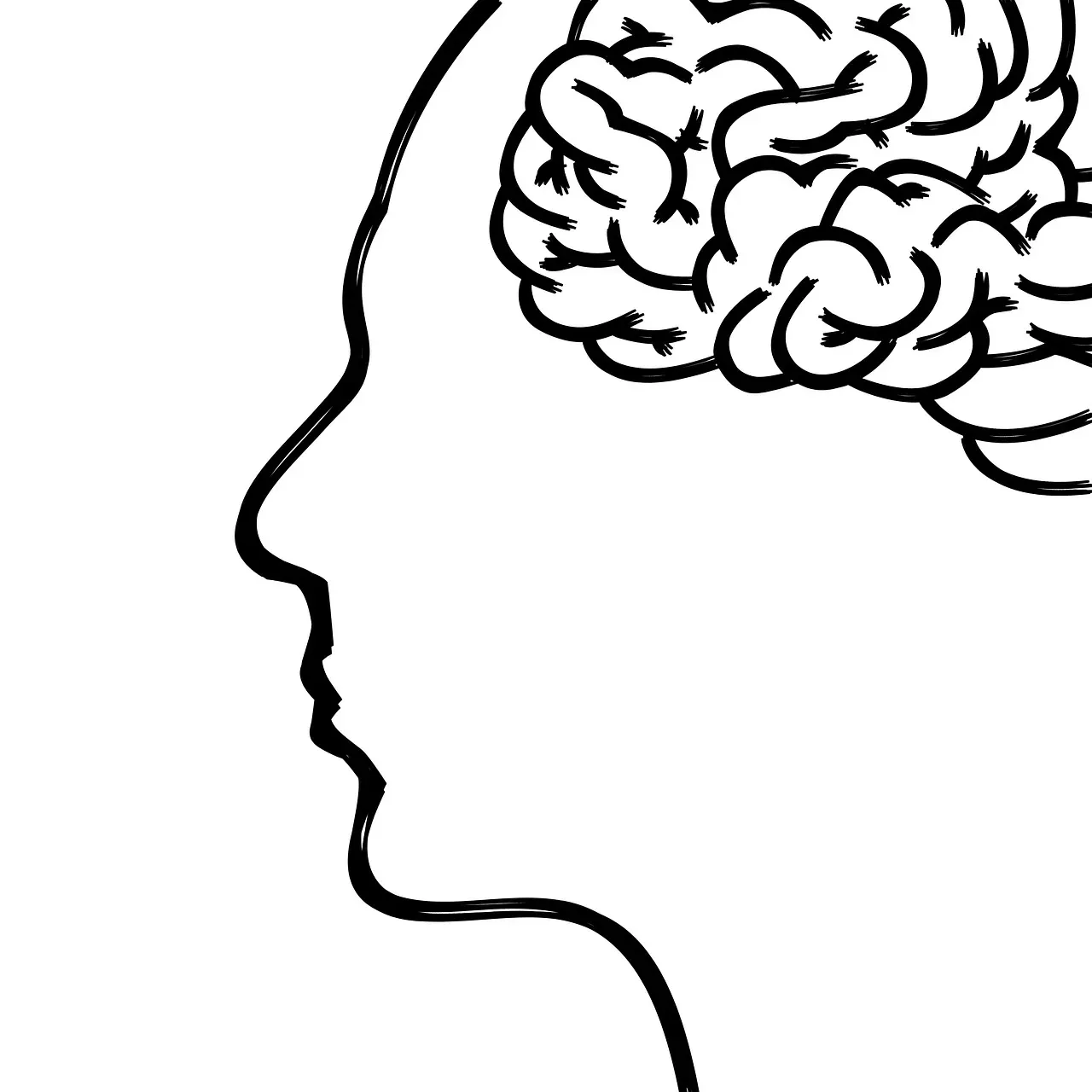
Human consciousness is often viewed as one of the pinnacles of evolution, with most theories positioning it as an upgrade of pre-existing cognitive skills. The reality, however, is considerably stranger and more interesting. Human consciousness, especially the capacity for self-consciousness and reflection and projection in time, seems unique. Although evidence suggests that the core of consciousness is rooted in phylogenetically older structures such as the brainstem and diencephalon, the evolution of that which is particular to human consciousness may be more closely associated with the development of the frontal cortex.
In humans, the granular prefrontal cortex expanded further, not only increasing in size but also enhancing connectivity with other association areas. This expansion facilitated abilities such as abstract reasoning, language, and sophisticated social behaviors. Language in particular seems to have opened a qualitatively new dimension. Two additional important abilities are at the very root of being human: the development of theory of mind and the ability to mentally travel in time, which has been considered a most sophisticated form of autonoetic consciousness.
Neocortical development in mammals proceeded in five major transitions: from early reptiles to early mammals, early primates, simians, early Homo, and modern Homo sapiens. These transitions provide the foundation for human self-awareness related to sexuality, materiality, emotionality, intellectuality, and spirituality. Each step built on the last, slowly assembling the architecture of a mind that could not only feel, but know that it was feeling.
Competing Theories and the Road Ahead
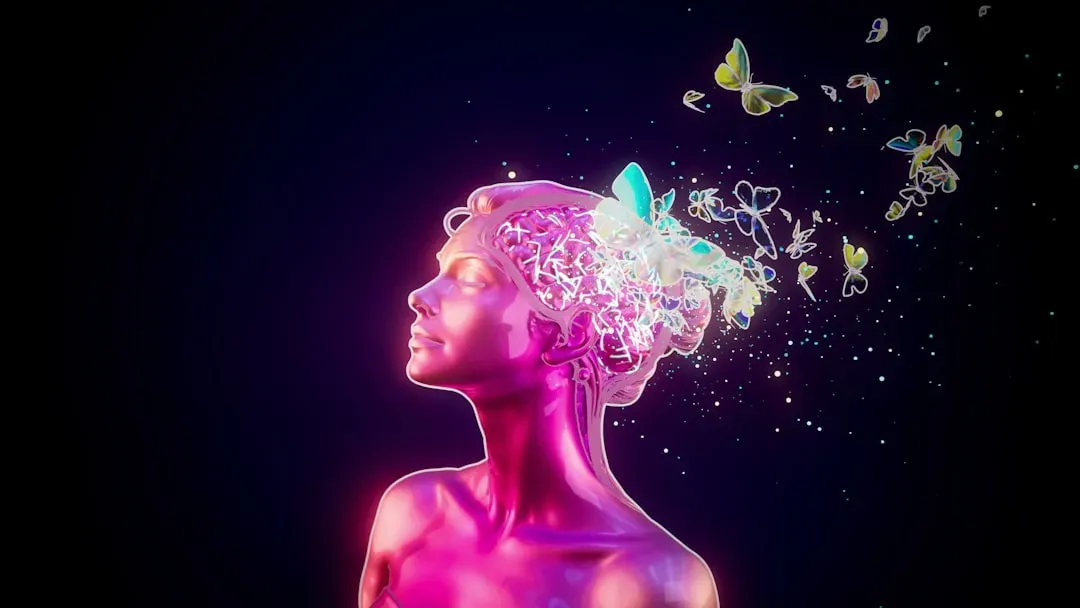
Science has no shortage of theories about how consciousness works, and they don’t all agree. An experiment seven years in the making uncovered new insights into the nature of consciousness and challenged two prominent, competing scientific theories: Integrated Information Theory and Global Neuronal Workspace Theory. The results were illuminating not because one theory won, but because neither did entirely.
An unprecedented brain study delivered fresh clues about consciousness, suggesting it’s more about perception than planning. This points to a genuinely open question: the deeper mechanisms of consciousness remain elusive despite extraordinary scientific effort. Solving consciousness, even partially, will have profound implications across science, medicine, animal welfare, law, and technology development, reshaping how we see ourselves and our relationships to both AI and the natural world.
The characteristics of consciousness, like many other physical concepts such as mass, temperature, or heat, or biological concepts like “gene” or “chromosome,” may only come to be properly understood during the process of investigation, as measurements become more refined and reliable. As with the concept of life, we may look back one day and realize that what we did not know prevented us from seeing how consciousness could and should be explained.
Conclusion: The Most Personal Discovery in Science
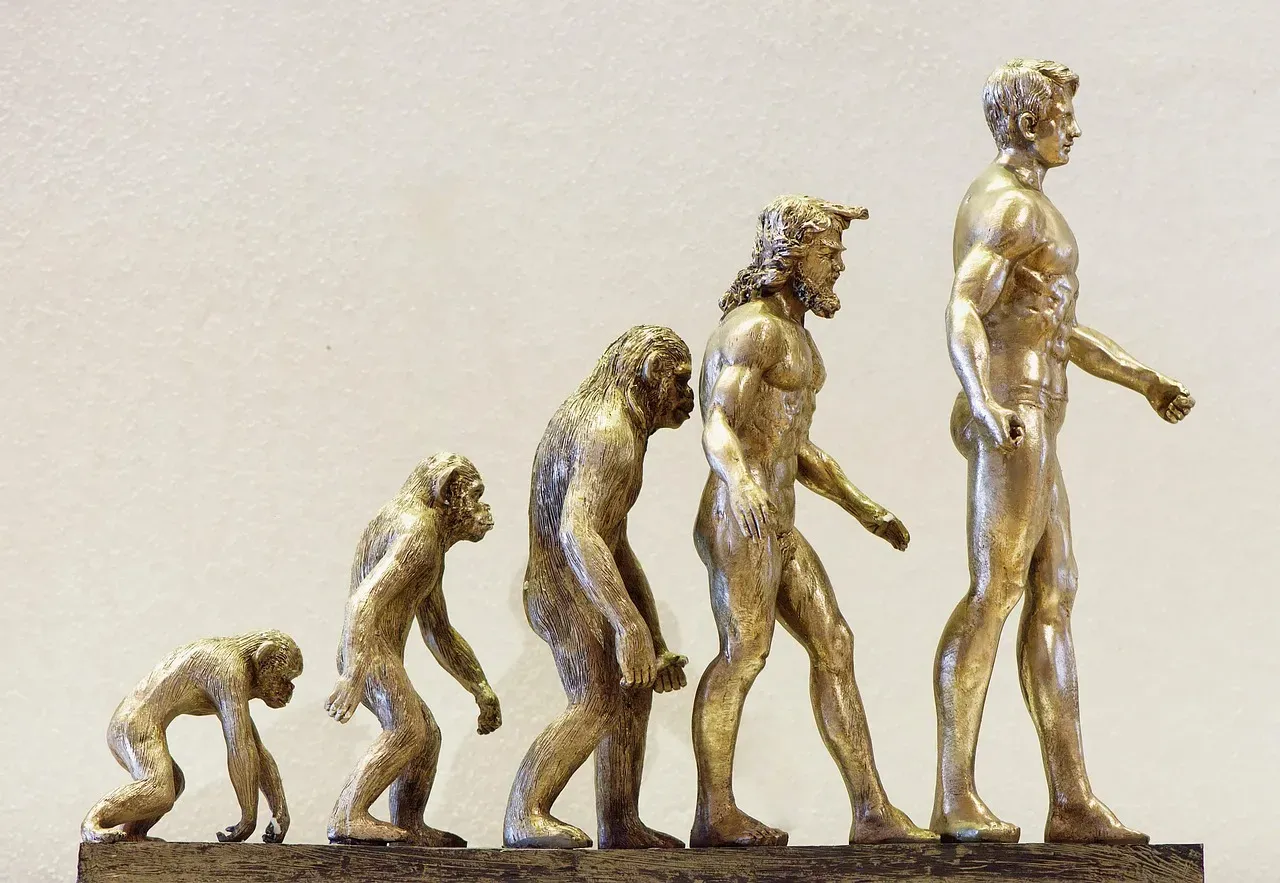
Consciousness is not a puzzle humans invented. It’s a phenomenon that evolution built, layer by layer, across hundreds of millions of years. Every creature that flinches from pain, seeks connection, or remembers its past is participating in a story that began long before humans arrived to tell it. That, to me, is worth sitting with.
The honest truth is that we are still early in understanding consciousness scientifically. Three decades after the Association for the Scientific Study of Consciousness was founded in 1994, researchers still do not even know, or cannot agree on, what precisely it is that needs to be explained. That’s not a failure of science. It’s a measure of how extraordinary the question is.
What we can say with confidence is that consciousness is not uniquely human, not a singular switch that flipped on one day, and not something that evolution stumbled into by accident. It was shaped because it was useful, because aware creatures survived, adapted, and flourished in ways their less aware predecessors could not. is ultimately the story of life learning to know itself, and that story is far from over.

- 8 Most Mysterious Lakes In The United States - July 29, 2026
- Why Do Wolves Howl? It Has Nothing to Do with the Moon - July 29, 2026
- 10 Cat Breeds That Start Fights With Other Pets for No Reason - July 29, 2026