
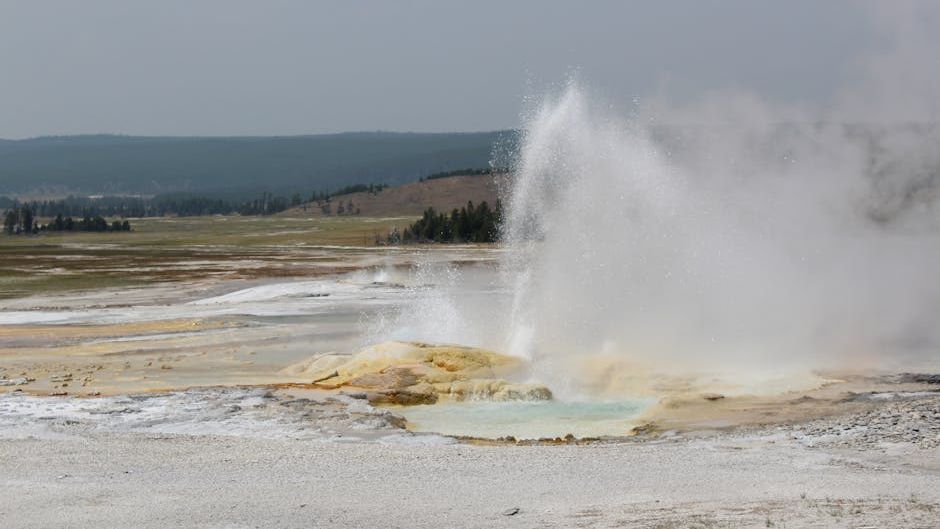
Millions of people visit Yellowstone every year to watch geysers erupt, soak in the colors of prismatic pools, and hike through forests that feel almost prehistoric. Very few of them think much about what’s generating all of that heat. Beneath their feet, one of the most powerful geological systems on Earth sits in a slow, restless state that scientists are only now beginning to fully understand.
What makes Yellowstone genuinely fascinating is not panic or doomsday speculation. It’s the science. The more researchers dig into this system, the stranger and more complex it turns out to be. The picture emerging in 2026 looks very different from what geologists assumed just a decade ago.
#1. A Geological Giant With a History Written in Fire
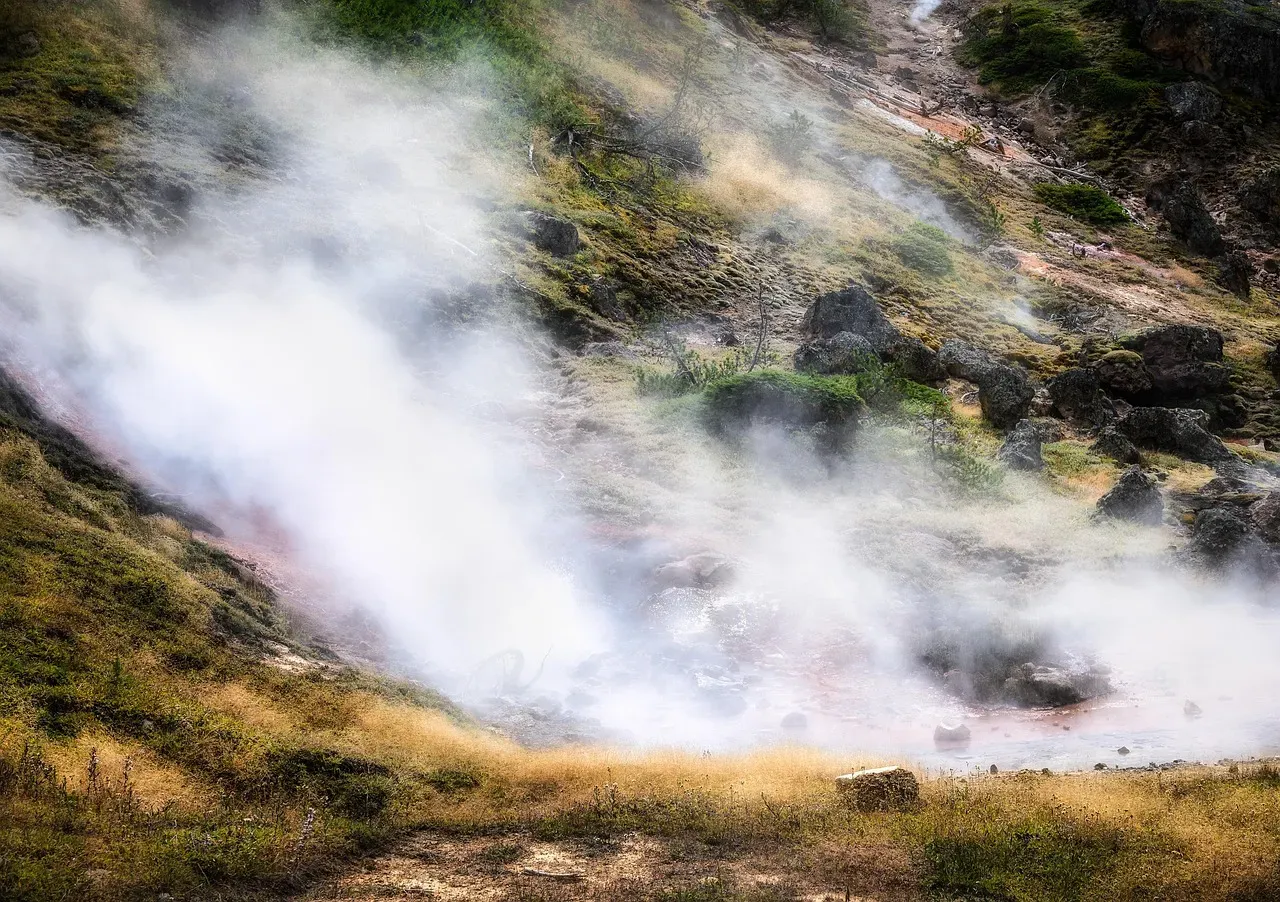
Volcanism at Yellowstone began roughly 2.15 million years ago and has proceeded through three major volcanic cycles, each involving a large ignimbrite eruption, pyroclastic flows, continental-scale ash-fall, and caldera collapse. These were not ordinary volcanic events. Supereruptions are defined as events that eject more than a thousand cubic kilometers of magma, rock, and ash, and they rank among the most hazardous geological events on Earth.
The most recent caldera-forming eruption, known as the Lava Creek event, occurred around 640,000 years ago and ejected approximately 1,000 cubic kilometers of rock, dust, and volcanic ash into the atmosphere. Each of the previous eruptions spewed enormous amounts of volcanic ash, gas, magma, and other volcanic debris that covered most of the continental United States, with some material found as far away as Louisiana. That kind of reach is hard to comprehend standing next to Old Faithful.
Yellowstone is the latest expression of a hotspot that has been active for at least 17 million years. As the North American plate drifts southwest, the stationary plume has left a trail of progressively older calderas and volcanic fields across Idaho’s Snake River Plain. It’s a slow geological conveyor belt, and Yellowstone is simply the current stop.
#2. What Actually Lurks Below: The Magma System Explained
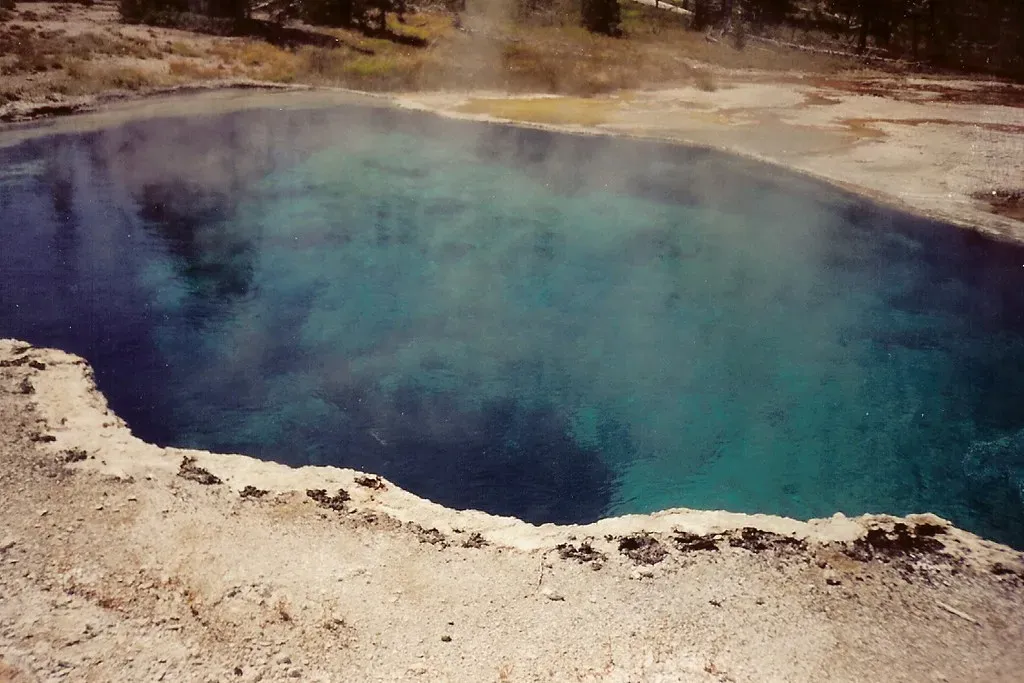
Yellowstone is underlain by two magma bodies. The shallower one is composed of rhyolite and stretches from roughly 5 kilometers to about 17 kilometers beneath the surface, spanning roughly 90 kilometers long and about 40 kilometers wide. Critically, this chamber is mostly solid, with only about 5 to 15 percent melt. It’s less a bubbling lake of lava and more a thick, crystalline sponge saturated with a relatively small fraction of liquid rock.
The deeper reservoir is composed of basalt and extends from 20 to 50 kilometers beneath the surface. Even though this deeper chamber is about 4.5 times larger than the shallow chamber, it contains only about 2 percent melt. Far from a smooth blend of molten rock, magma reservoirs contain a large amount of solid rock, semi-liquid crystals, gases, and other volatile substances. This “magmatic mush” is highly dynamic but tends to burst out when the proportion of liquid, or melt, crosses a certain threshold. Previous work suggests that eruptions typically occur when at least half of the space in the upper magma reservoir is filled with melt. Yellowstone is nowhere near that threshold right now.
#3. The 2026 Discovery That Changed Everything We Thought We Knew
Yellowstone’s famous supervolcano is likely being fueled in a completely different way from what many scientists assumed. New research suggests that Yellowstone’s volcanic activity is actually driven by shifts in Earth’s crust, rather than a deep well of magma underground as previously thought. This finding could help scientists predict future volcanic activity and better understand how the volcano will behave.
The exact mechanism driving Yellowstone’s volcanism and how magma travels from deep within Earth to the surface has long been debated, but a new study published in Science offers evidence that Yellowstone’s underground magma system is largely driven by tectonics. This is in contrast with some previous theories which proposed that a deep mantle plume is the main source of magma. This mantle “wind” and resulting lithospheric tearing create a southwest-dipping conduit, facilitating magma ascent and forming a large, long-lived magma mush system rather than a persistent liquid chamber, reshaping supervolcano hazard models.
Overall, the study provides a more complete explanation of how supervolcano systems form, linking magma production in the asthenosphere with its storage in the lithosphere. It also identifies a mechanism that can sustain large, long-lived magma mush systems, which appear to be common beneath supervolcanoes worldwide. In short, the engine powering Yellowstone is older, deeper, and stranger than previously imagined.
#4. The Ground Breathes, the Earth Shakes: Current Activity in 2026
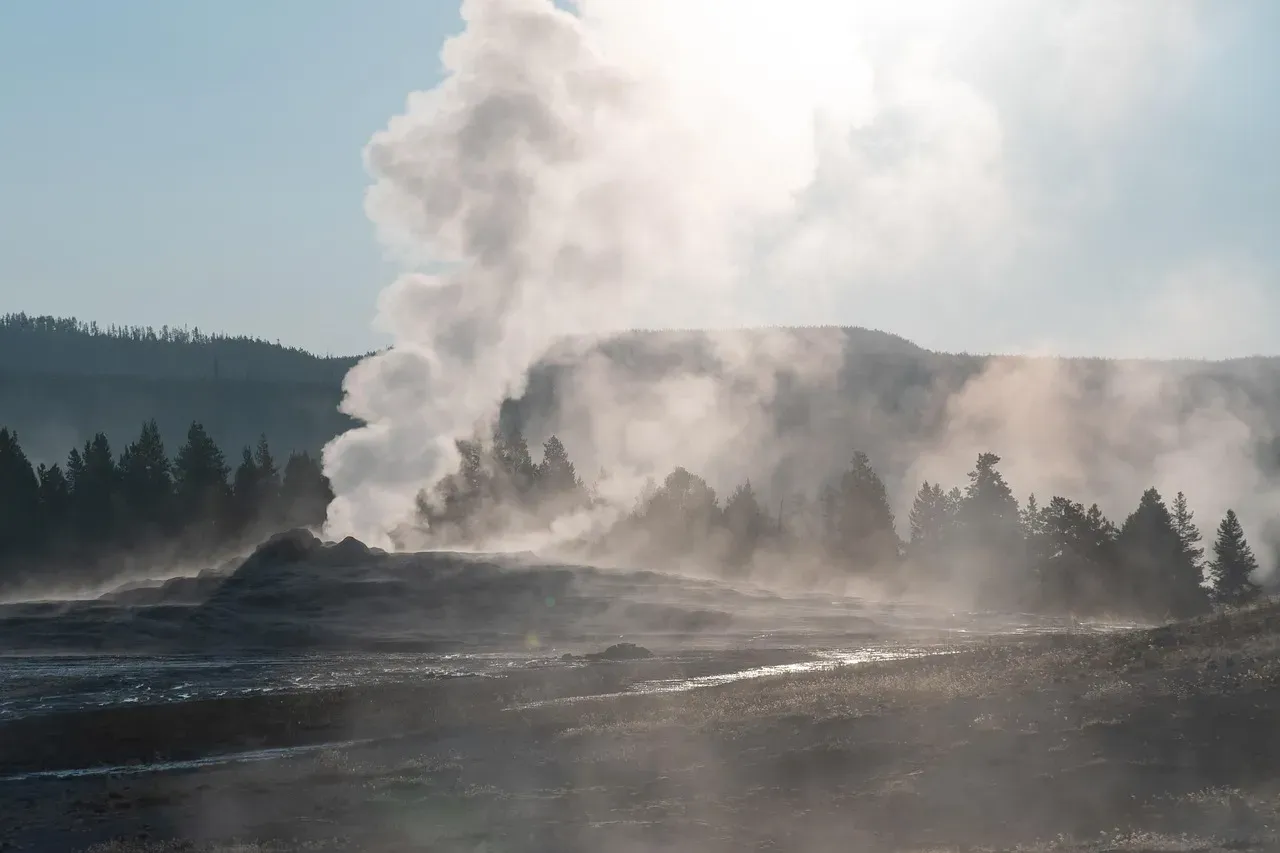
Yellowstone Caldera activity currently remains at background levels, with 97 located earthquakes recorded in April 2026, the largest measuring magnitude 2.5. Deformation measurements indicate no significant uplift or subsidence of the caldera or north caldera rim since January 2026. This is normal. Yellowstone averages between 1,500 and 2,500 earthquakes per year.
GPS stations recorded that the uplift that began in July 2025 on the north caldera rim ceased by mid-January 2026. In Yellowstone Caldera, continuous GPS data showed little net change since December. This is the first winter since 2015 to 2016 with no caldera subsidence, suggesting a subtle change in the style of caldera deformation. Scientists are watching this closely, not with alarm, but with the careful attention it deserves.
Even without any signs of a supereruption, Yellowstone remains a very geologically active environment. The region records thousands of small earthquakes per year, ground deformations, and intense hydrothermal activity. Geysers, hot springs, and gas emissions reflect the permanent subterranean heat of the magmatic system. All of this is, by any measure, completely normal for a system of this scale.
#5. If Yellowstone Erupted: What Science Actually Says About the Consequences
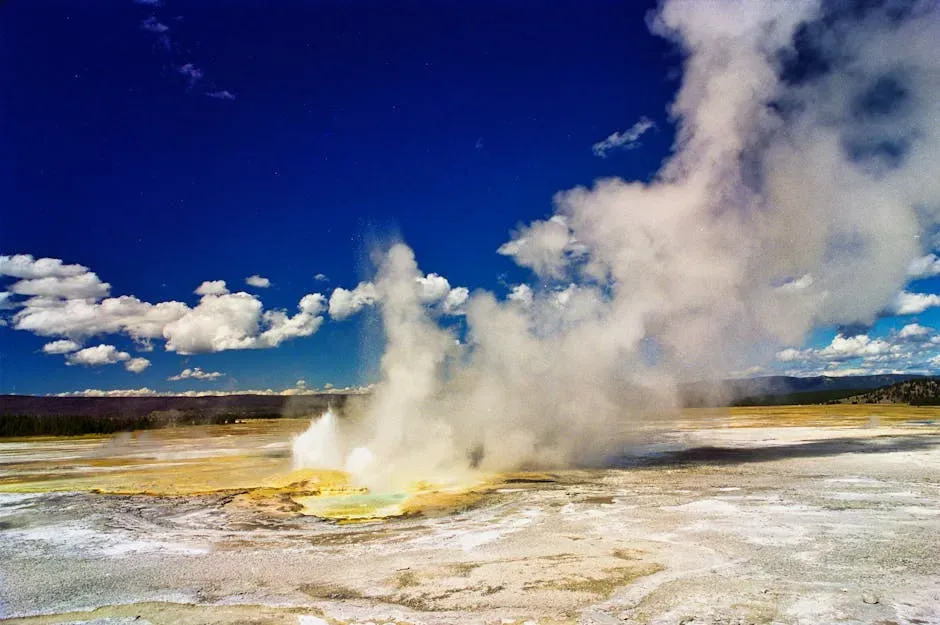
If another large, caldera-forming eruption were to occur at Yellowstone, its effects would be worldwide, bringing regional consequences such as falling ash and short-term changes to global climate lasting years to decades. Those parts of the surrounding states of Montana, Idaho, and Wyoming closest to Yellowstone would be affected by pyroclastic flows, while other places in the United States would be impacted by falling ash.
The 1991 eruption of Mount Pinatubo in the Philippines was about 1,000 times smaller than Yellowstone’s largest known eruption, yet it caused temporary but measurable changes in global temperatures. The sulfur dioxide emitted interacted with the atmosphere, cooling the Earth’s surface for three years. At the height of the impact, global temperatures dropped by roughly 1.3 degrees Fahrenheit. Scale that up to a Yellowstone supereruption and the implications become significant by any scientific measure.
A Yellowstone supereruption would drop at least a few millimeters of ash over much of the United States and parts of Canada, devastating agriculture, water supplies, and electrical grids. Huge amounts of ash and gas launched into the stratosphere would act as aerosols, blocking sunlight and plunging the Earth into a long period of cold and dark. Still, humans are an adaptable species, and there is no evidence of any extinction of any species due to even the largest known eruptions in human prehistory.
Conclusion: A Force Worth Respecting, Not Fearing
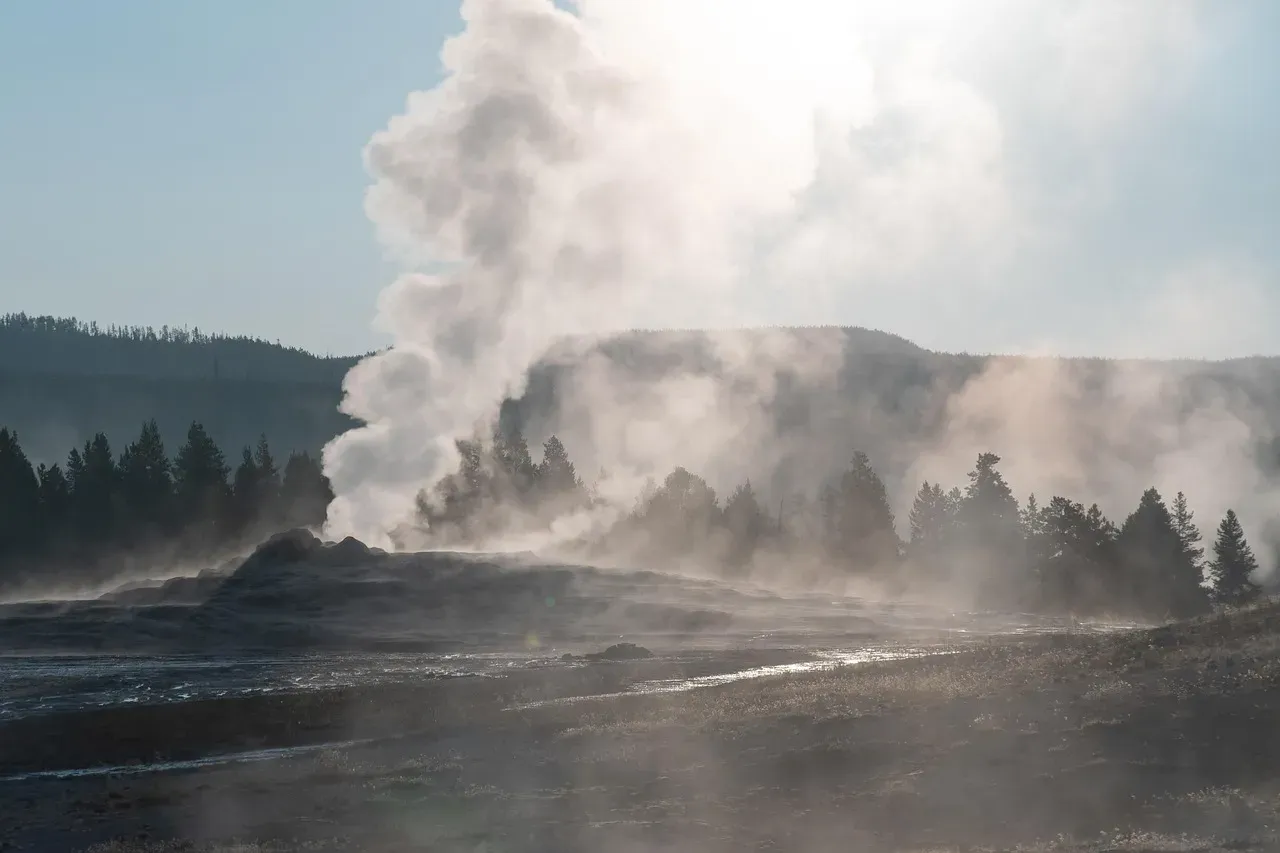
Yellowstone is extraordinary in just about every measurable geological sense. It is the most intensively monitored supervolcano on Earth and produces more scientific data than any other volcanic system. That monitoring infrastructure exists precisely so that scientists can catch meaningful changes early, long before the public would need to worry.
Despite popular imagination surrounding the supervolcano, scientists warn that Yellowstone should not be treated as a “bomb about to explode.” The Yellowstone Volcano Observatory repeatedly states that there are no signs of an imminent eruption. Furthermore, supereruptions do not follow predictable regular intervals. The idea that Yellowstone is “overdue” to explode is considered incorrect by experts.
The honest truth is that Yellowstone teaches us something more humbling than fear. It reminds us that the planet has forces operating on timescales so vast they make human history look like a blink. The ground beneath a beloved by millions is also one of the most powerful geological engines on Earth, still being reshaped by tectonic forces, still breathing, still studied. Understanding it better is not about preparing for catastrophe. It’s about understanding the planet we live on, which is always worth doing.

- The Most Resilient Animals Ever Discovered Thriving in Extreme Environments - July 21, 2026
- 7 Signs Your Dog Thinks You're Family - July 21, 2026
- 12 Surprising Facts About North American Mountain Lions You Never Knew - July 21, 2026