
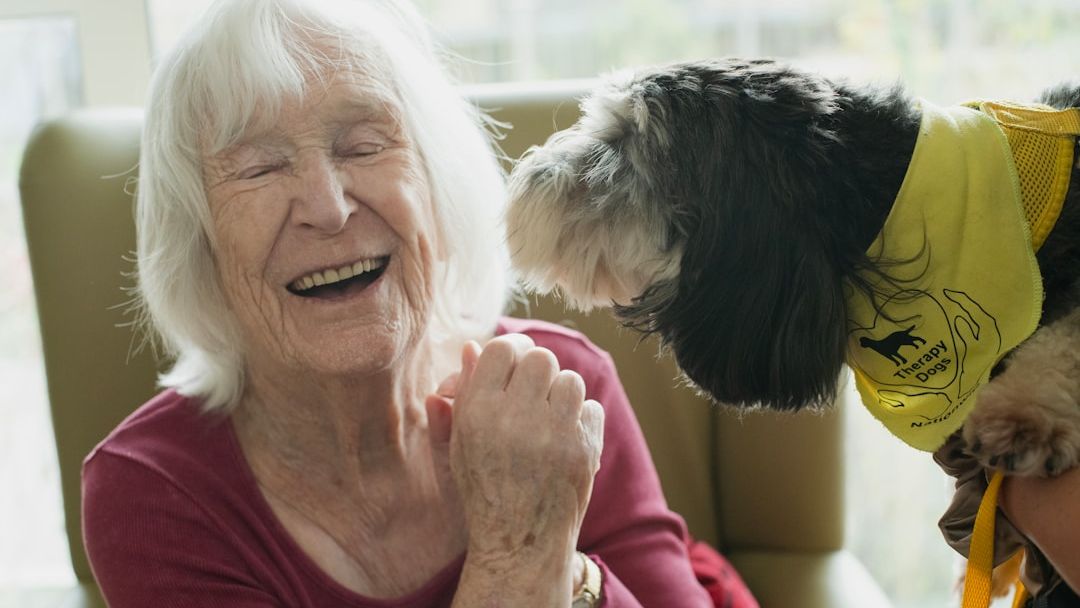
Growing older doesn’t mean the adventure has to stop. It’s hard to say for sure, but honestly, many seniors find themselves facing unexpected challenges, like feeling disconnected from the world or missing a sense of daily purpose. Sometimes the simplest solution comes with four paws and a wagging tail, or maybe a gentle purr.
Let’s be real, the connection between seniors and pets goes way deeper than you might think. It’s not just about having something cute around the house. There’s actual science showing how animals can change the game when it comes to staying sharp, feeling connected, and even living longer. So what makes this relationship so powerful? Buckle up, because you might be surprised at what having a furry companion can really do.
Pets Keep Your Mind Sharp as You Age
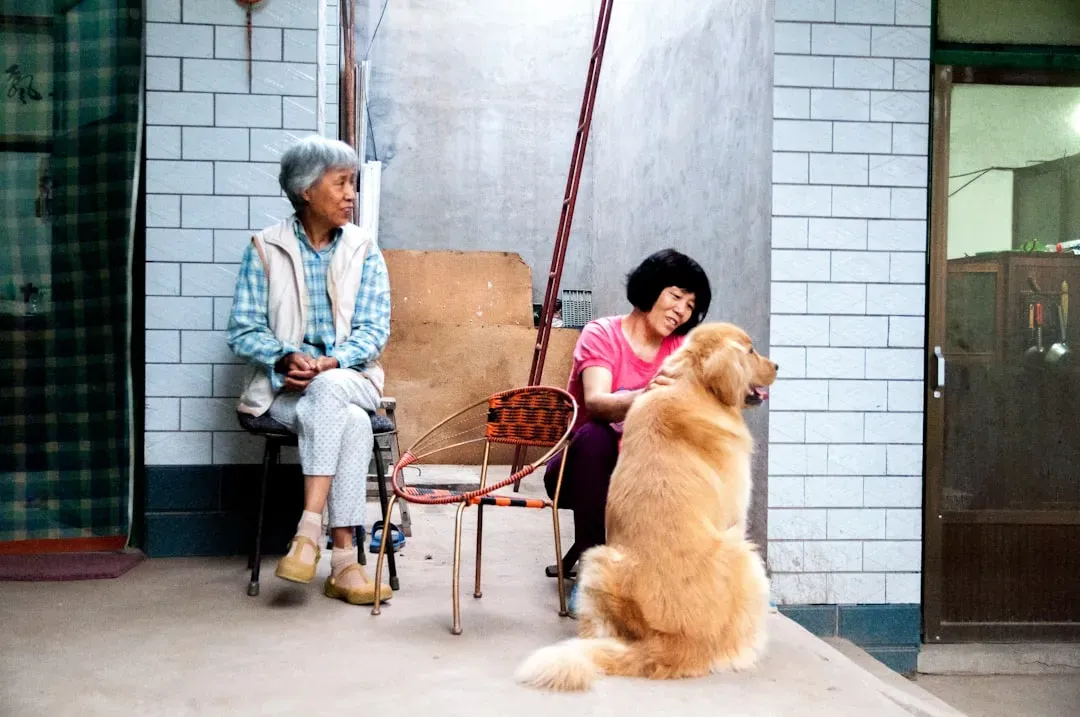
Here’s something that’ll catch your attention. A study of nearly 8,000 older adults who lived alone found that having a pet was associated with a slower rate of cognitive decline, especially in verbal cognition, memory and fluency. That’s huge when you think about it.
Among those living alone, having a pet was associated with a slower rate of cognitive decline (specifically composite verbal cognition, verbal memory and verbal fluency). The research went even further, showing that pet ownership might completely offset the association of living alone with faster rates of decline in verbal memory and verbal fluency among older adults. Think about that for a second – a dog or cat could literally help keep your brain functioning better as the years roll by.
Interestingly, this benefit seemed strongest for those living solo. It’s like pets fill a gap that would otherwise leave the mind with less stimulation. Whether you’re chatting to your cat about the weather or training your dog to do new tricks, those interactions keep neurons firing.
Deterioration in cognitive function with age was slower for pet owners than non-owners, and the effects showed up across multiple areas of brain function. Walking your dog? That counts too – among dog owners, walkers experienced slower deterioration than non-walkers in certain cognitive tests. Movement and mental sharpness go hand in hand.
Loneliness Doesn’t Stand a Chance Against Pet Companionship

Loneliness can feel crushing, especially for older folks living on their own. The good news? Pets might be one of the best antidotes we have.
When the psychiatrists adjusted for living status (alone or not alone), age, and happy mood, they found those living with pets were 36% less likely than non-pet owners to report loneliness. That’s more than one third less likely to experience that painful feeling of being disconnected from the world. The group most likely to report feelings of loneliness was those living alone without a pet.
The science tells a clear story. Pet ownership confers benefits for older adults, but those benefits appear to be limited to those who live alone, thus supporting a compensation hypothesis. What does that mean exactly? Basically, pets step in to fill the social void when human connection becomes harder to come by.
85% of respondents agree that interaction with pets can help reduce loneliness, according to a nationally representative survey. The unconditional acceptance animals offer creates a bond that’s difficult to replicate. They don’t judge, they don’t criticize, they just love. For someone who might go days without meaningful human interaction, that furry presence makes all the difference.
Your pet doesn’t need to understand your words. Just having them nearby, feeling their warmth, hearing them move around the house – these simple things create a sense of not being alone. Sometimes that’s all it takes.
Physical Health Gets a Serious Boost
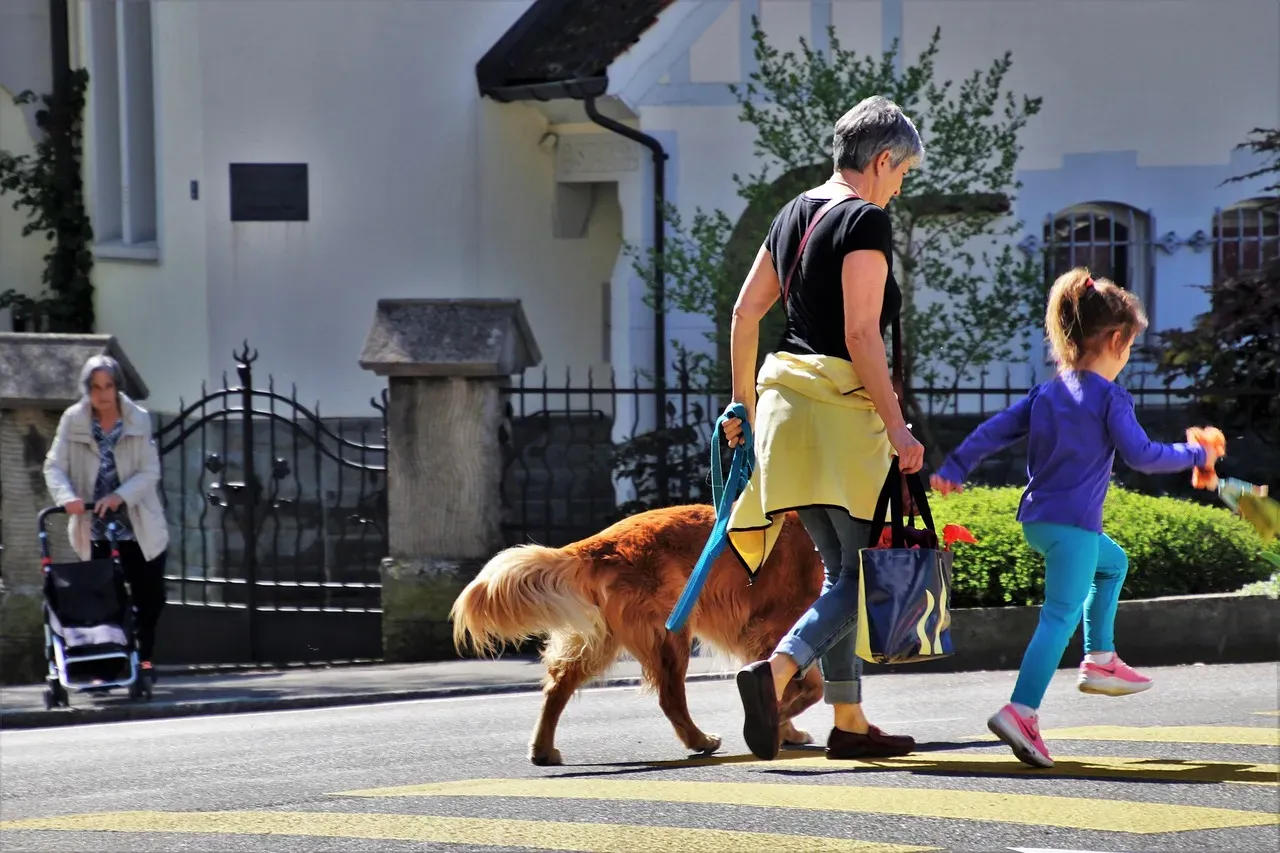
Let’s talk about your heart, literally. A 2022 study found that cat owners experienced a greater reduction in cardiovascular disease risk factors than other pet owners. Surprised? Most people assume dogs would take the lead here, given all that walking.
Studies have shown that the bond between people and their pets is linked to several health benefits, including decreased blood pressure, cholesterol levels, triglyceride levels, feelings of loneliness, anxiety and symptoms of PTSD. That’s a pretty impressive list right there. Your blood pressure drops when you stroke your cat or throw a ball for your pup.
Spending time with animals can lower blood pressure, decrease stress levels, and even boost immunity. I know it sounds almost too good to be true. Yet researchers keep finding the same patterns over and over. Having a pet means more physical movement too. Even if you have a cat, you’re still bending down to fill food bowls, changing litter boxes, playing with toys.
Dog owners get the added benefit of regular walks. Older adult dog owners have been shown to have significantly higher levels of physical activity than older adults who did not own a dog or did not report walking their dog. Those daily strolls add up. Every step counts toward better cardiovascular health, stronger muscles, and improved balance – all critical for maintaining independence as you age.
Plus, there’s something about being outside with your dog that just feels good. Fresh air, a bit of sunshine, maybe a friendly chat with another dog owner at the park. These moments matter more than you might think.
A Reason to Wake Up Each Morning
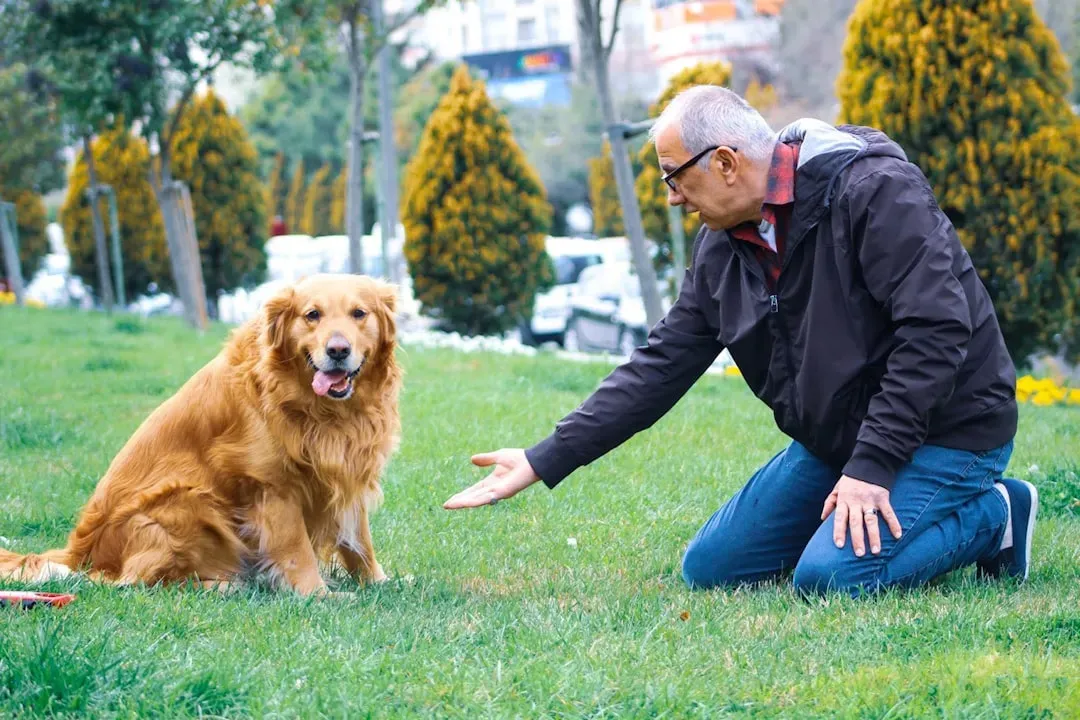
Purpose. It’s one of those things we don’t talk about enough when it comes to aging. Retirement can be wonderful, sure, yet it can also leave people wondering what they’re supposed to do with all that time.
Pets also help seniors stay active and give them an added purpose in life. There’s something powerful about being needed. Your dog needs to be walked. Your cat needs to be fed. These aren’t burdens, they’re reasons to get out of bed, to structure your day, to keep moving even when you don’t particularly feel like it.
The role of pet ownership may benefit community-dwelling older adults by providing companionship, giving a sense of purpose and meaning, reducing loneliness and increasing socialisation. Four major themes emerged from research on this topic: pets provide comfort and safety, social inclusion and participation, purposeful routine and structure, and a meaningful role.
Think about it this way. When you’re responsible for another living being, you can’t just check out. You have to show up. That daily routine of feeding times, play sessions, grooming, and vet visits creates a framework that keeps you engaged with life. The responsibility of caring for a pet fosters a sense of purpose and routine, promoting physical activity and social engagement.
Caring for their pet provided meaning through these hard times, and a sense of things continuing to be the same, at least in some regards. In this way, the pet helped them to cope with the challenges. Even when facing health issues or other difficulties, having a pet gives you something positive to focus on. Something that depends on you. That’s incredibly valuable.
Mental Health Benefits You Can Actually Feel
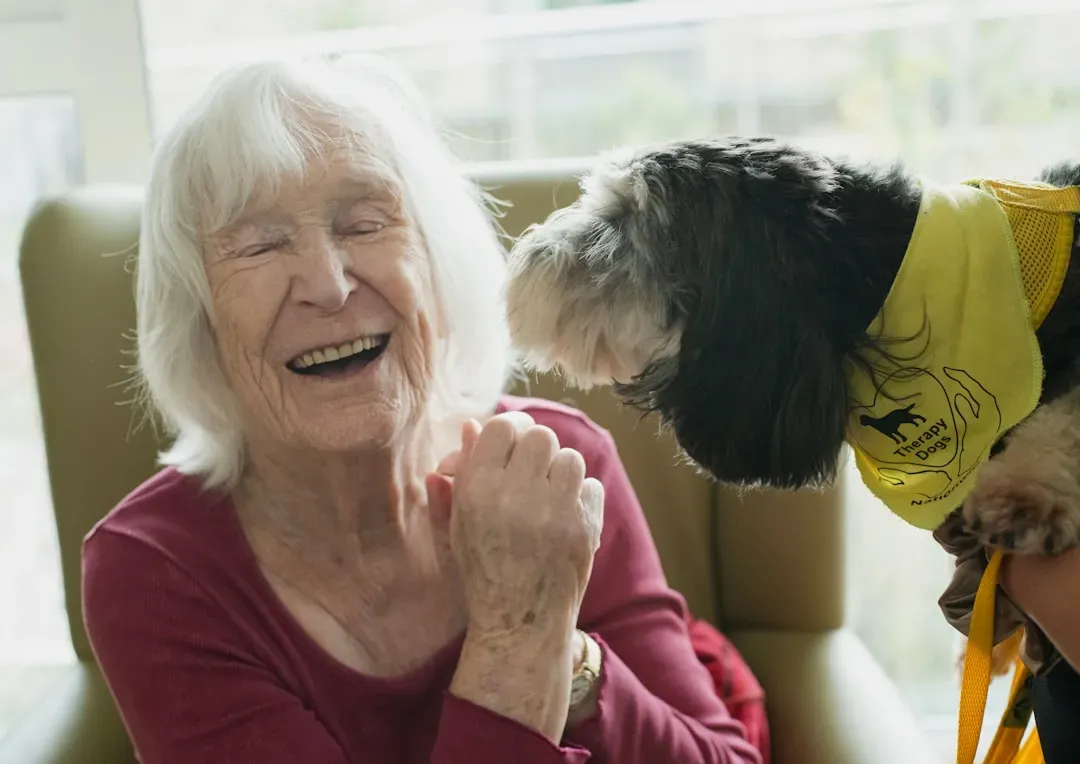
Depression and anxiety don’t just disappear when you hit a certain age. Actually, many older adults struggle with these issues as they face losses, health challenges, and major life transitions.
Pets have been shown to alleviate symptoms of depression and anxiety, offering a natural form of therapy that enhances seniors’ psychological well-being. Natural therapy – no prescriptions, no side effects, just the healing power of the human-animal bond. Research on homebound older adults who own cats found evidence of lower levels of depressive symptoms compared with dog owners.
Interacting with a pet has been shown to lower cortisol levels, which in turn helps in reducing feelings of anxiety and promoting a sense of calm. Cortisol is your body’s main stress hormone. When it’s constantly elevated, you feel tense, worried, on edge. Pets somehow have this magical ability to bring those levels down just by being themselves.
Honestly, there’s something about the non-judgmental presence of an animal that creates space for emotional healing. They don’t care if you’re having a bad day, if you said something embarrassing yesterday, or if you’re worried about the future. They just want to be near you. Pets alleviate symptoms of depression and anxiety, offering a natural form of therapy that enhances seniors’ psychological well-being.
Plus, pets are pretty great at making you laugh. Their silly antics, their quirky personalities, the way they get excited about the smallest things – these moments of joy matter. They interrupt negative thought patterns and remind you that life can still be fun, even when it’s hard.
Social Connections Multiply Through Pet Ownership

Here’s the thing about having a pet: they’re basically conversation starters on four legs. Walk a dog down the street and watch how many people suddenly want to chat.
Pets can reduce subjective feelings of loneliness and can help against social isolation by facilitating social contacts. Your pet becomes a bridge to other people. Dog parks, vet waiting rooms, pet stores, even just your neighborhood sidewalk – these all become places where social interaction happens naturally.
Among adult samples, studies examining the relationship between pet ownership and social isolation found that owning a pet was associated with lower levels of social isolation. You might meet up with other dog owners for regular walks. You start recognizing the same faces and their pets. Before you know it, you’ve got a whole new social network built around your furry friend.
It’s way easier to talk to strangers when there’s a cute animal involved. People who might normally walk past each other will stop to admire a dog or ask about a pet’s breed. These small interactions add up over time, creating a sense of community and belonging. Pet ownership could help spread feelings of social connectedness and significantly decrease feelings of isolation in older patients.
Even online, pet ownership creates connections. Social media groups for specific breeds, local pet owner communities, forums where people share advice and photos – these digital spaces offer another layer of social engagement. Your pet gives you stories to share, photos to post, and common ground with others. That matters more than you might think, especially if mobility issues or health concerns make it harder to get out and about.
What would you have guessed? Did you expect that having a pet could touch so many different aspects of life for seniors? The research keeps growing, and the message stays consistent: pets aren’t just nice to have around, they’re genuinely life-changing companions for older adults. Whether you’re considering getting your first pet in years or you’ve been a lifelong animal lover, that relationship offers benefits that ripple out in every direction. So maybe the real question isn’t whether pets help seniors – it’s whether we’re doing enough to make pet ownership accessible and supported for every older adult who wants that connection.

- 14 Signs a Dog Near the Rainbow Bridge Is at Peace With Its Person - July 21, 2026
- 15 Ways a Shelter Animal Tells You It Was Always Meant to Be Yours - July 21, 2026
- 14 Ways a Dog Shows You Are the Center of Its Whole World - July 21, 2026