
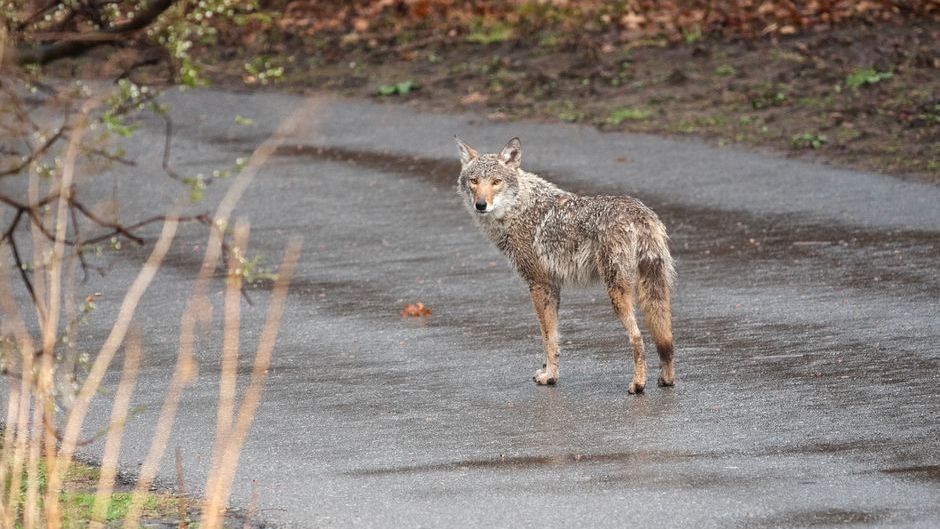
People spot them on golf courses at dawn or trotting across suburban backyards at dusk. The sight often stops folks in their tracks because these wild canines seem so out of place among traffic lights and apartment blocks.
Yet coyotes have settled into dozens of major American cities with surprising ease. Their success raises a quiet question about what urban life actually offers them that rural landscapes sometimes cannot.
Steady Meals from Human Activity
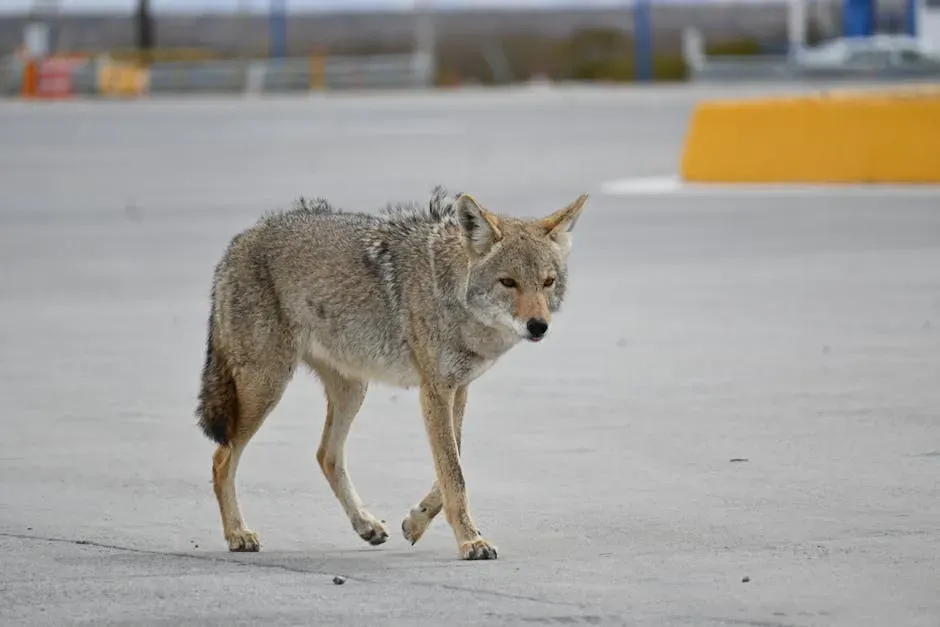
Coyotes find reliable food in places most people overlook. Open trash bins, dropped takeout containers, and pet food left on porches supply calories that do not depend on seasonal hunting success.
Rodents drawn to the same waste streams add another consistent layer. In cities the animals rarely face the long stretches of scarcity that can occur in remote areas after harsh winters or droughts.
Green Patches That Act as Refuges
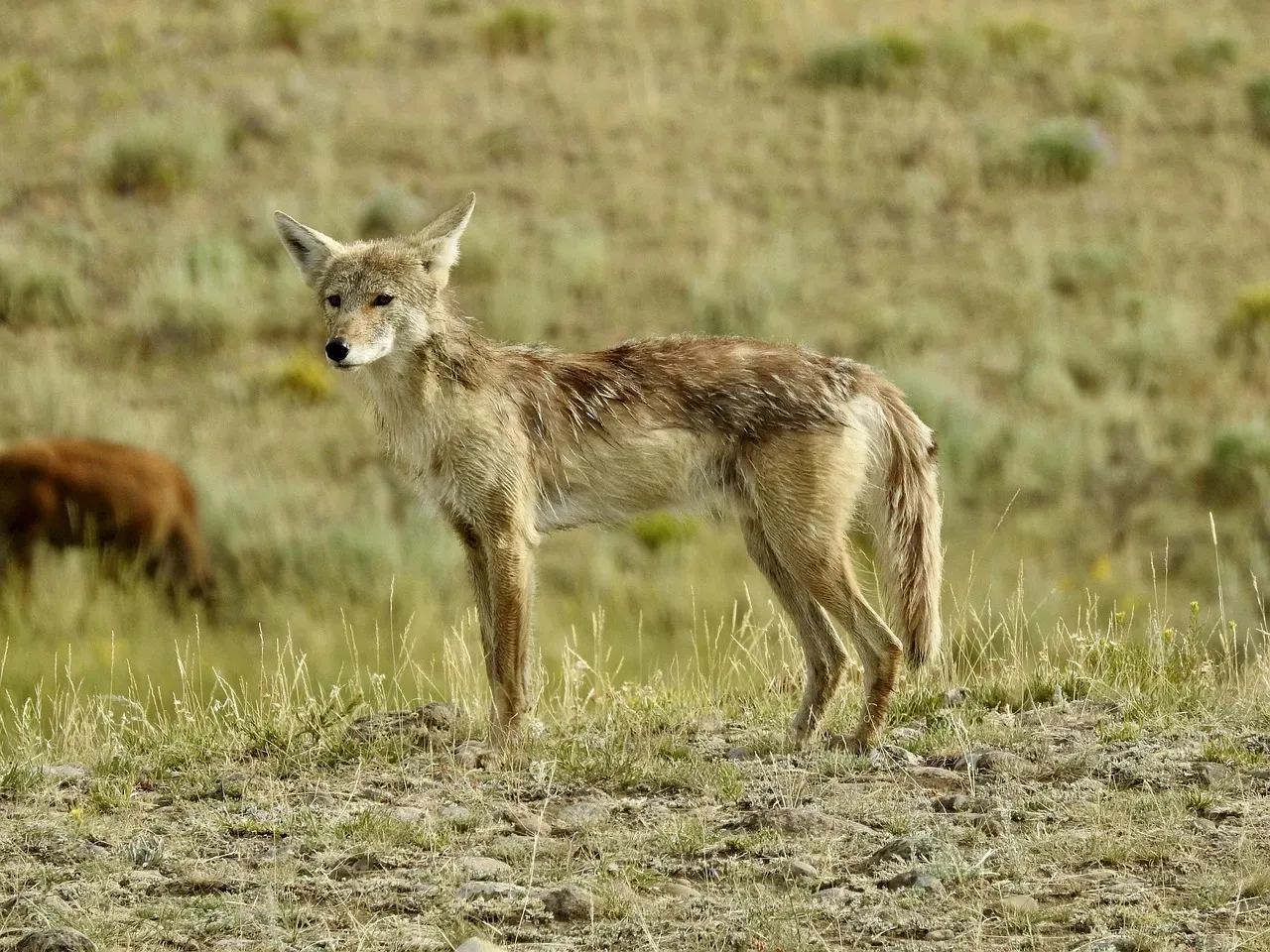
Parks, golf courses, and overgrown rail corridors give coyotes cover during daylight hours. These fragments of habitat connect into loose networks that let the animals move without constant exposure.
Even small wooded lots or cemetery edges serve as daytime resting spots. The patchwork of green space turns out to be more forgiving than the open fields many assume are ideal for wildlife.
Lower Pressure from Larger Predators
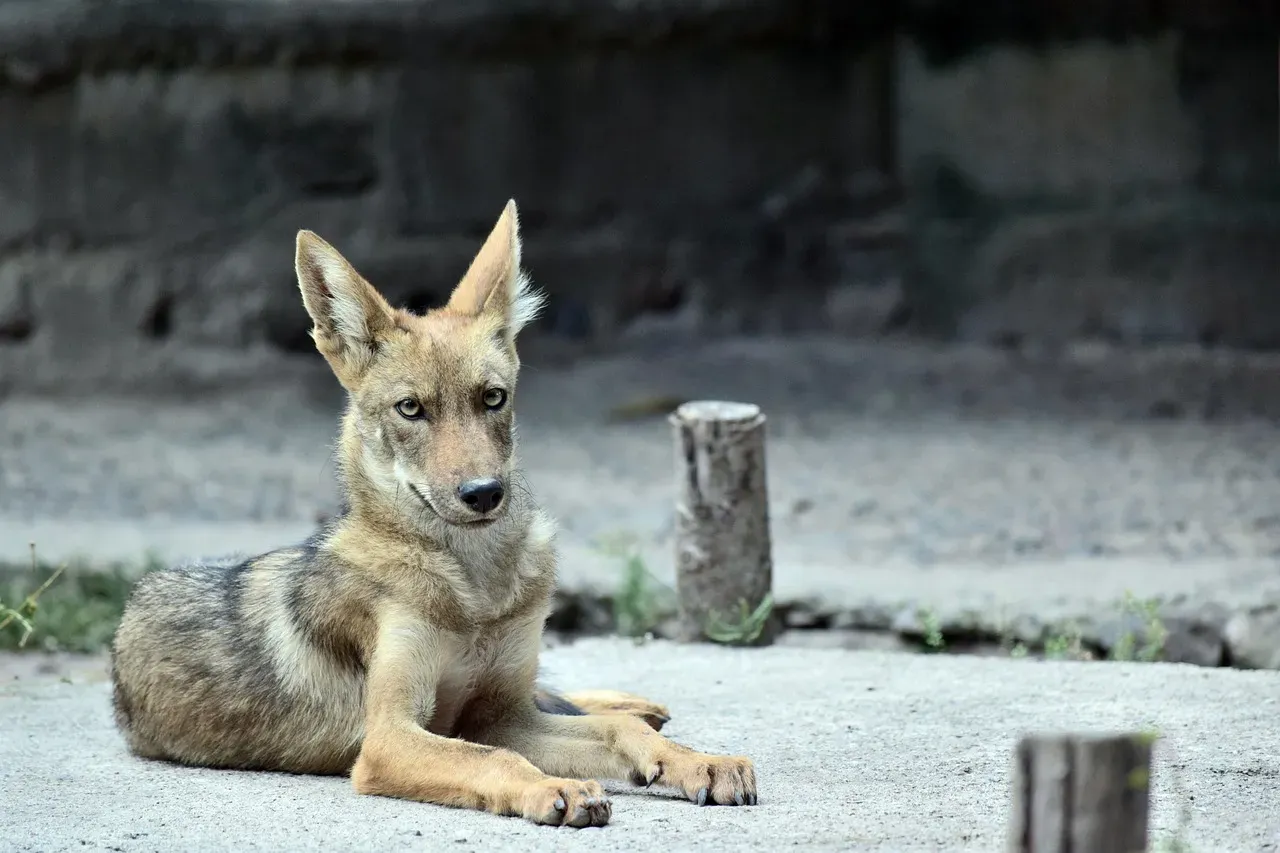
Wolves and mountain lions rarely venture into dense urban zones. Without those top competitors, coyotes face fewer direct challenges for territory and prey.
Human development has already pushed larger carnivores farther out. The result leaves a middle sized predator with room to expand its range inside city limits.
Flexible Daily Routines
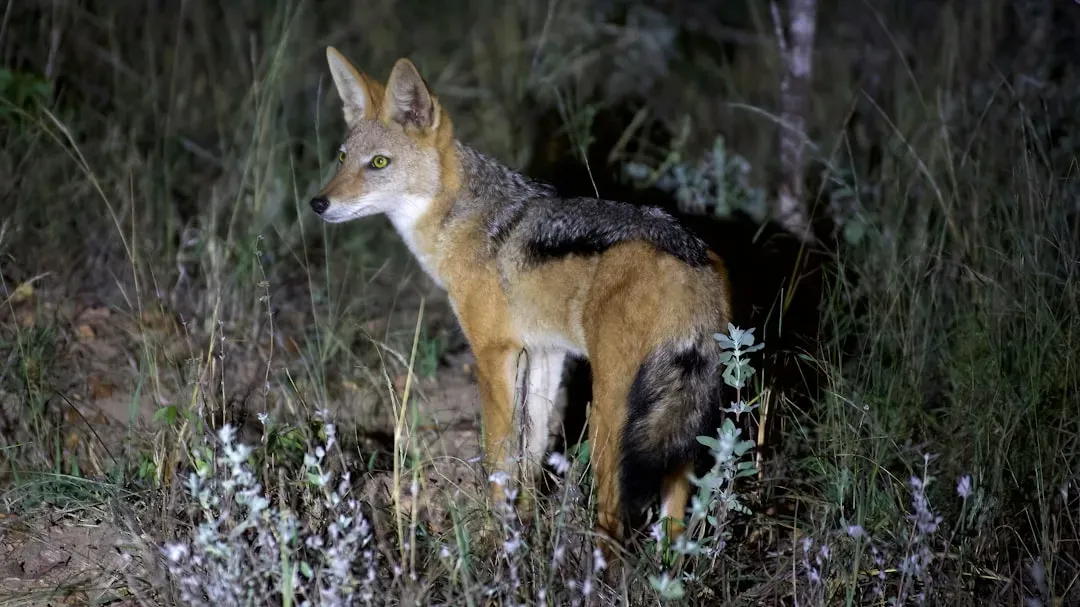
Coyotes shift their activity to nighttime hours in busy districts. This adjustment reduces encounters with people and vehicles while still allowing access to food sources that operate around the clock.
They also learn to cross roads at safer times and use underpasses or drainage channels as travel routes. Such behavioral tweaks accumulate over generations and support steady population growth.
Accidental Support from Residents
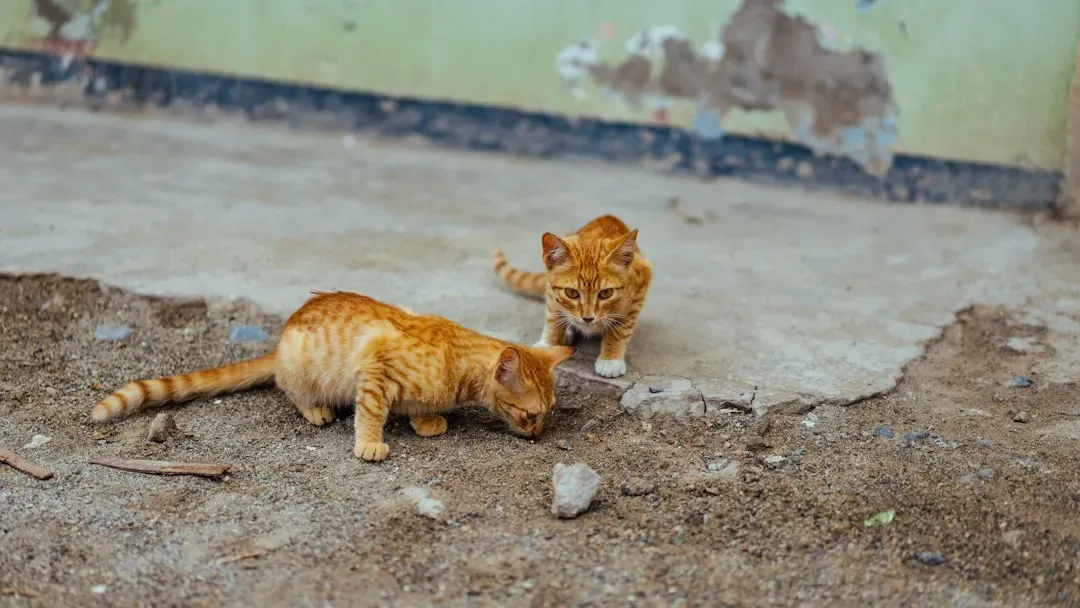
Some homeowners put out food for stray cats or birds, and coyotes quickly learn the locations. Others plant fruit trees or maintain compost piles that become reliable snacks.
Even well meaning efforts to feed wildlife create dependable resources. The animals do not need handouts to survive, yet the extra options reduce the daily energy spent searching.
Rapid Adaptation Across Generations
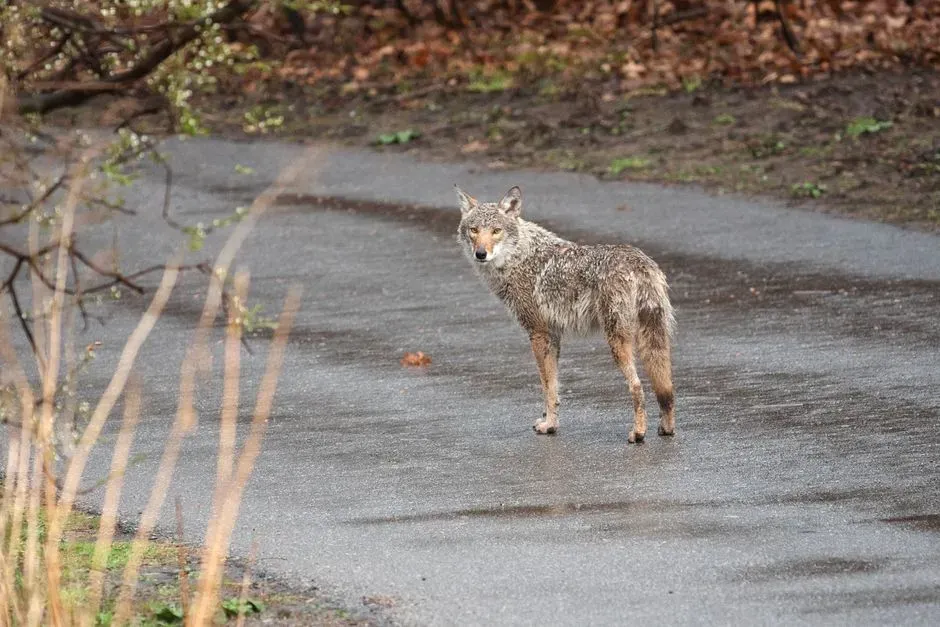
Urban coyotes show measurable differences in behavior compared with rural ones. Studies note they tend to be bolder around certain human structures yet more cautious near busy streets.
These changes appear within a few generations because the city environment rewards quick learning. The pace of adjustment helps the species keep pace with ongoing development.
Challenges That Still Shape Their Presence
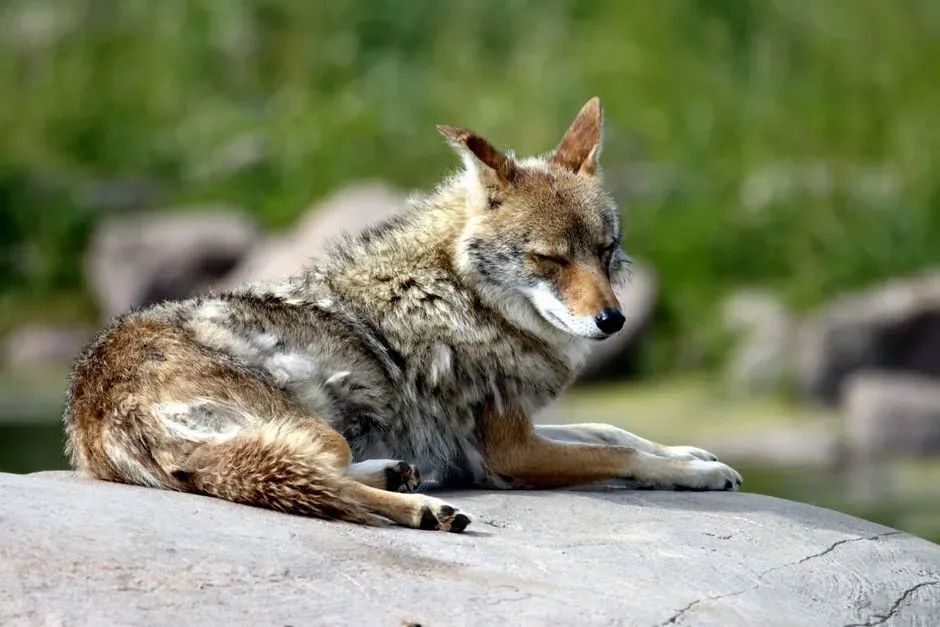
Vehicle collisions and occasional disease outbreaks remain real limits. City managers also respond with trapping or hazing when conflicts arise near schools or playgrounds.
Still, the overall trend points to stable or growing numbers in many metro areas. The same adaptability that lets them enter cities also helps them persist once established.
The presence of coyotes in cities ultimately reflects how thoroughly humans have reshaped the landscape. Their quiet success invites a closer look at what we leave behind and what we unintentionally provide. In the end, these animals remind us that nature finds ways to fit into the spaces we build, whether we plan for it or not.

- 11 Cat Breeds Vets Say Handle Aging Alone Far Better Than Most Owners Ever Expect - August 1, 2026
- The Amazing Reason Why Some Dogs Act Like They Own the House - August 1, 2026
- 8 Signs Your Rabbit Trusts You Completely - August 1, 2026