

When you picture life thriving on Earth, you probably think of lush forests or vibrant coral reefs. What you might not expect is that some of the planet’s most remarkable survivors are hanging out in places that seem downright inhospitable. From boiling undersea vents to frozen polar landscapes, animals have colonized environments that would kill most living things in minutes.
So what’s their secret? Honestly, it’s not what most people would guess. Sure, there’s the usual talk about special proteins and behavioral tricks. Yet the truly surprising reason these creatures flourish where others perish has to do with something far more unexpected: it’s often not about resisting the extreme conditions at all. Instead, many of these animals have learned to manipulate their internal biology in ways that transform deadly environments into ideal homes.
The Microscopic Masters of Suspended Animation
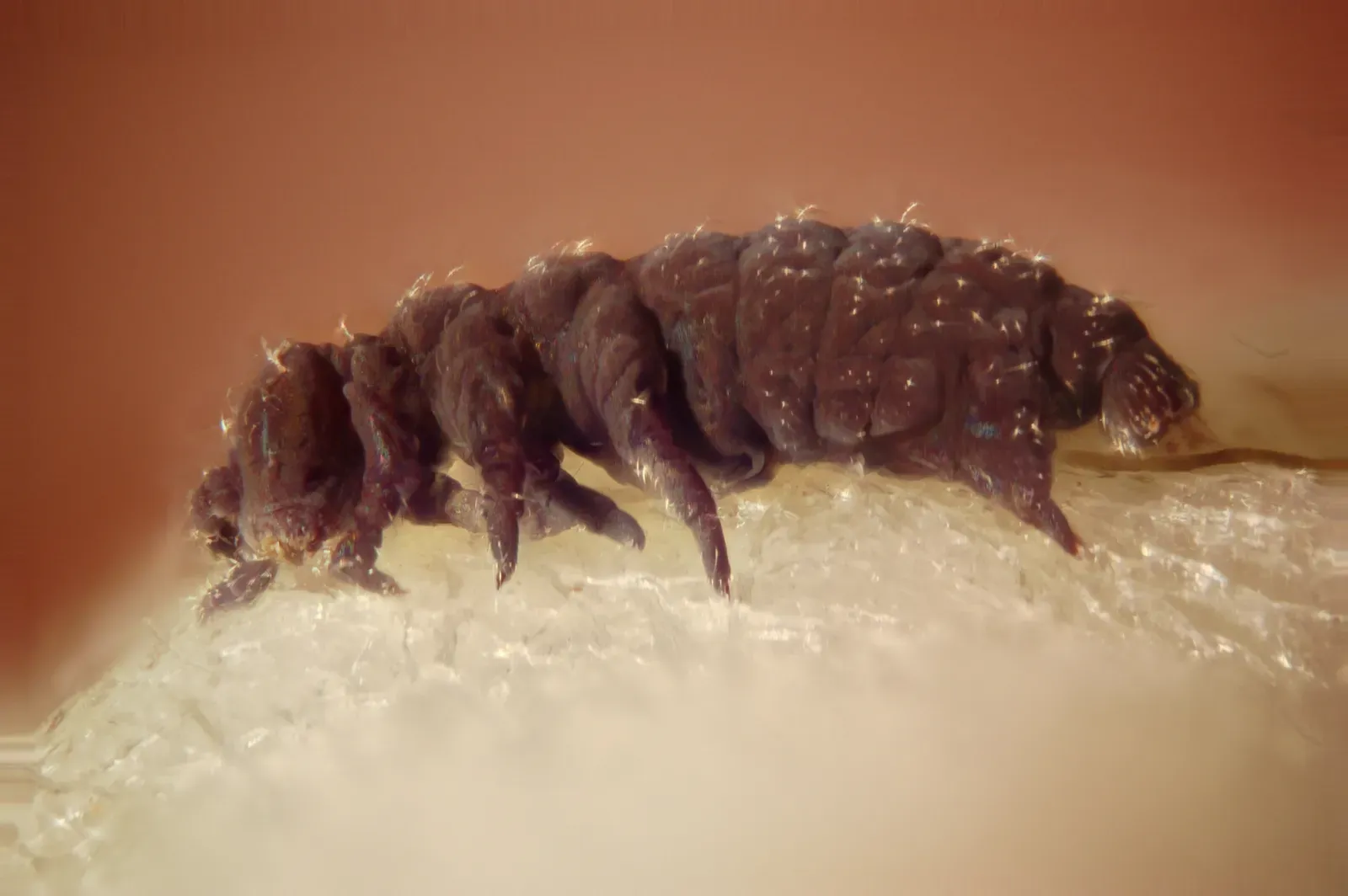
Tardigrades, those tiny water bears, may be nature’s ultimate survivors. These microscopic creatures look adorable under a microscope, with their plump bodies and stubby legs. Don’t be fooled by the cute factor though.
Tardigrades can survive extreme heat, cold, radiation, dehydration, starvation, high and low pressures, and even lack of air or vacuum of space. Let’s be real, that sounds more like science fiction than actual biology. The wild part? They survive almost complete desiccation by entering a dormant state called anhydrobiosis, which allows them to reversibly halt their metabolism.
Here’s the thing scientists discovered that changes everything. A protein named Dsup binds to chromatin and forms a protective cloud that shields DNA from hydroxyl radicals. This isn’t just about toughing it out. The tardigrade essentially shuts down its entire body, pulls in its legs, and waits. In this state, they can go without food or water for several years. When conditions improve, they simply rehydrate and carry on like nothing happened.
Tardigrades made their entrance into astrobiology with the FOTON-M3 mission in 2007, and were the first animals to survive a combined exposure to space vacuum, cosmic radiation and UV radiation. Think about that for a second. These creatures survived actual outer space.
Deep Sea Architects Building Life from Poison
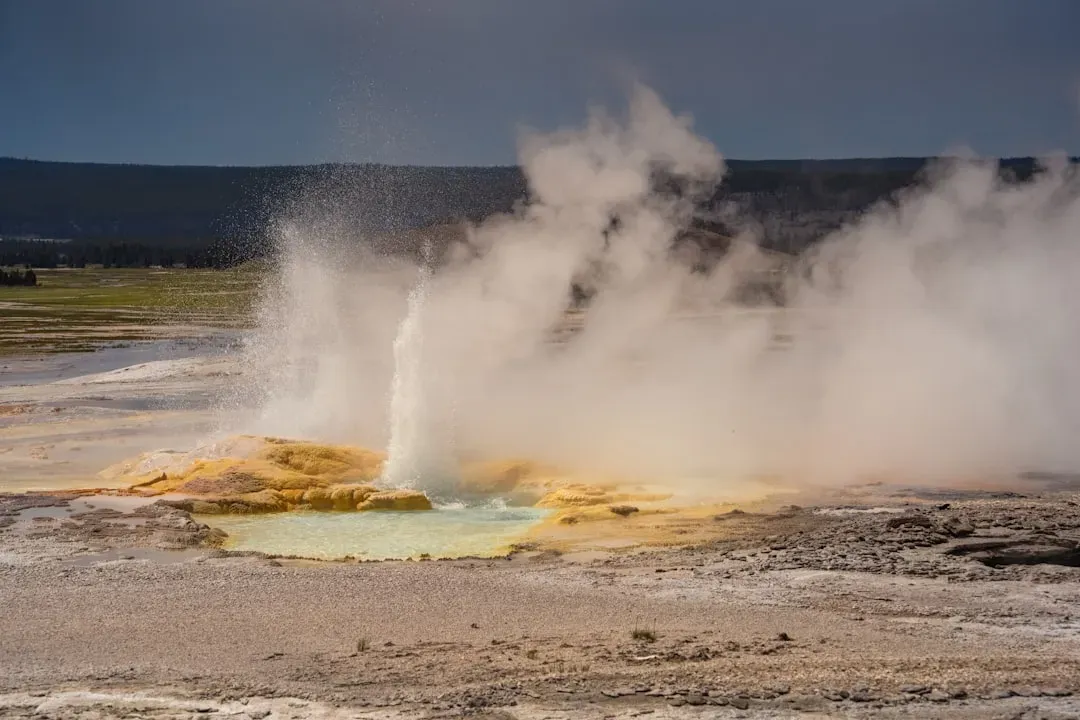
Miles beneath the ocean surface, where crushing pressure and complete darkness reign, you’d expect to find nothing. Instead, there’s a thriving ecosystem around hydrothermal vents. Temperatures plunge below freezing in polar waters, hydrostatic pressures in the deep sea crush unprotected structures, and hydrothermal vents spew fluids exceeding 350 °C loaded with toxic chemicals.
The surprising twist? Chemosynthesis is a process in which chemical energy is used to convert carbon dioxide into sugar in the complete absence of sunlight. These animals don’t just tolerate the toxic chemicals pouring from the vents. They actually depend on them.
Mussels rely on a close living relationship with bacteria for their nutrition, with bacteria using chemicals from the hydrothermal fluid and seawater to produce organic compounds, while the mussels provide the bacteria with essential compounds and protection. It’s basically an underwater chemical factory where poison becomes food. Hydrogen sulfide is highly toxic to most animals, including people, but animals at hydrothermal vents have special biochemical adaptations that protect them from hydrogen sulfide.
Most animals that live in these habitats are invertebrates, and they have adapted to extreme vent environments that include high temperatures, hypoxia, high sulfide, high metal concentration, and darkness. The genius move? They turned what should kill them into their primary energy source.
The Arctic’s Biological Antifreeze Revolution
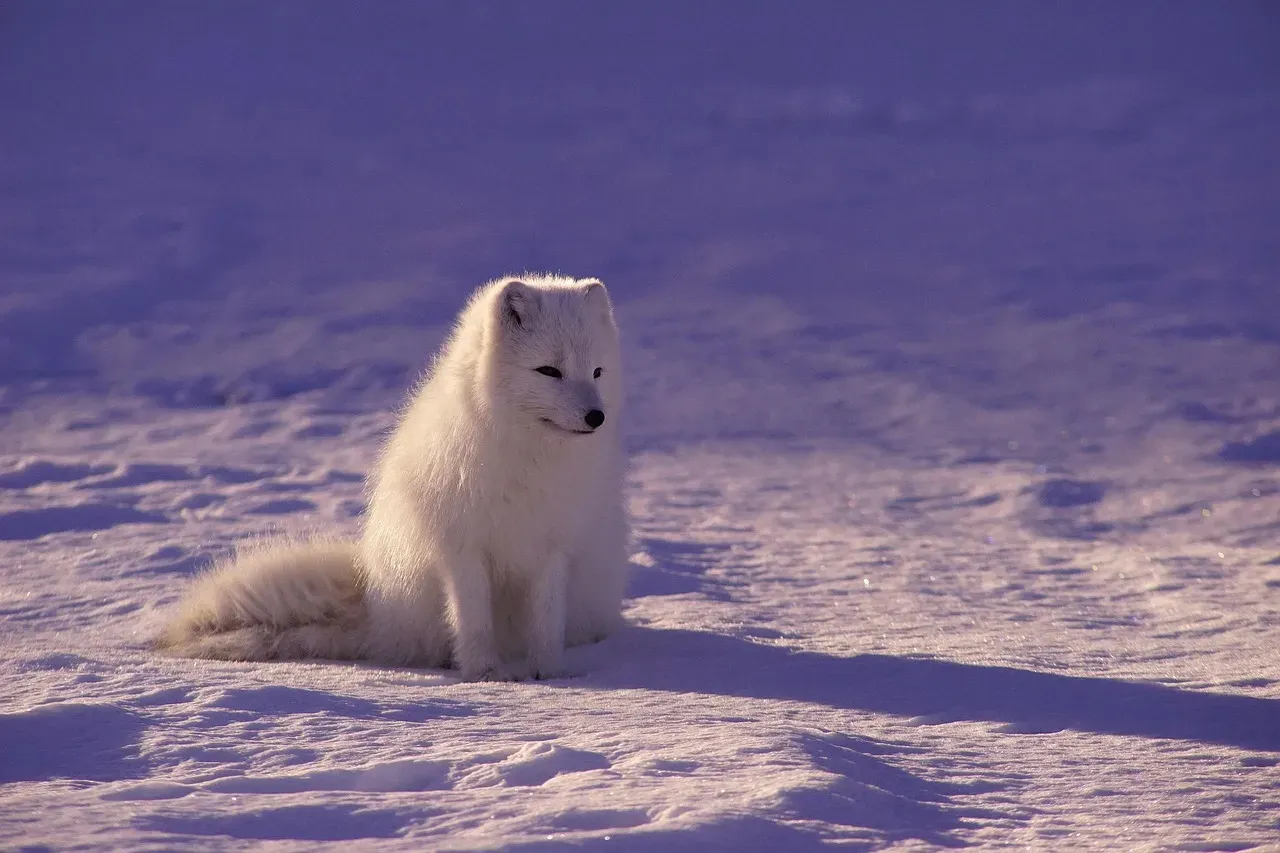
Fish swimming in Arctic waters face a mathematical impossibility. Arctic fish swim around seawater that is minus 1.8 degrees Celsius, but the blood of the fish has a freezing point of minus 1 degree Celsius, which means they should not be able to avoid freezing in the water.
The solution scientists eventually found is genuinely brilliant. Antifreeze proteins bind to small ice crystals to inhibit the growth and recrystallization of ice that would otherwise be fatal. It’s not like the antifreeze in your car, which works by lowering the freezing point. They work in a noncolligative manner, which allows them to act as an antifreeze at concentrations 1/300th to 1/500th of those of other dissolved solutes.
These amino-acid repeats have just the right chemical properties to bind to ice crystals in the blood and prevent the crystals from growing. The proteins don’t prevent ice from forming entirely. They just stop tiny ice crystals from becoming deadly daggers that would puncture cell membranes.
What’s even more fascinating? Springtails developed the antifreeze protein long before other animals, with fish and insects not developing them until a million years later. This adaptation emerged over 400 million years ago, making it one of the oldest survival strategies on the planet.
Desert Dwellers Mastering Water Wizardry
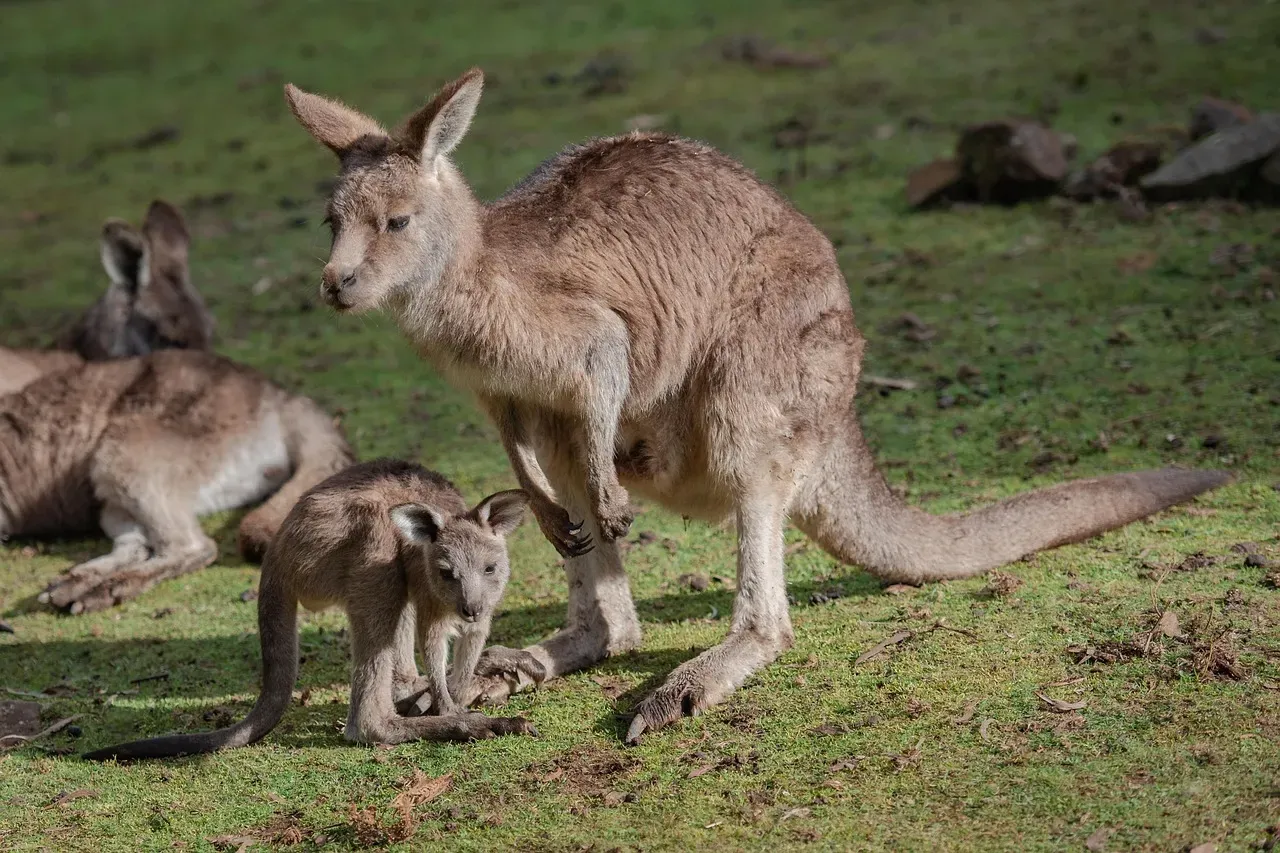
Deserts seem straightforward in their challenge: extreme heat and no water. Simple problem, right? The solutions animals have evolved are anything but simple. Kangaroo rats live in underground dens which they seal off to block out midday heat and to recycle the moisture from their own breathing, have specialized kidneys to extract most of the water from their urine, and recapture moisture in the nasal cavities by specialized organs.
Here’s what blows my mind. Kangaroo rats actually manufacture their water metabolically from the digestion of dry seeds, and will not drink water even when it is given to them in captivity. They’ve essentially eliminated the need for drinking altogether.
Camels have developed efficient water conservation mechanisms, such as highly concentrated urine and nasal passages that trap moisture from exhaled air. It turns out the famous hump doesn’t store water at all – it stores fat, which the body can metabolize into water when needed.
Xerocoles reabsorb water in the gut and produce much drier feces, with the kangaroo rat’s feces containing only one-sixth as much water as that of other non-desert rodents. Every drop counts, and desert animals have mastered extracting and recycling moisture from sources other creatures would never consider.
The Metabolic Shutdown Strategy
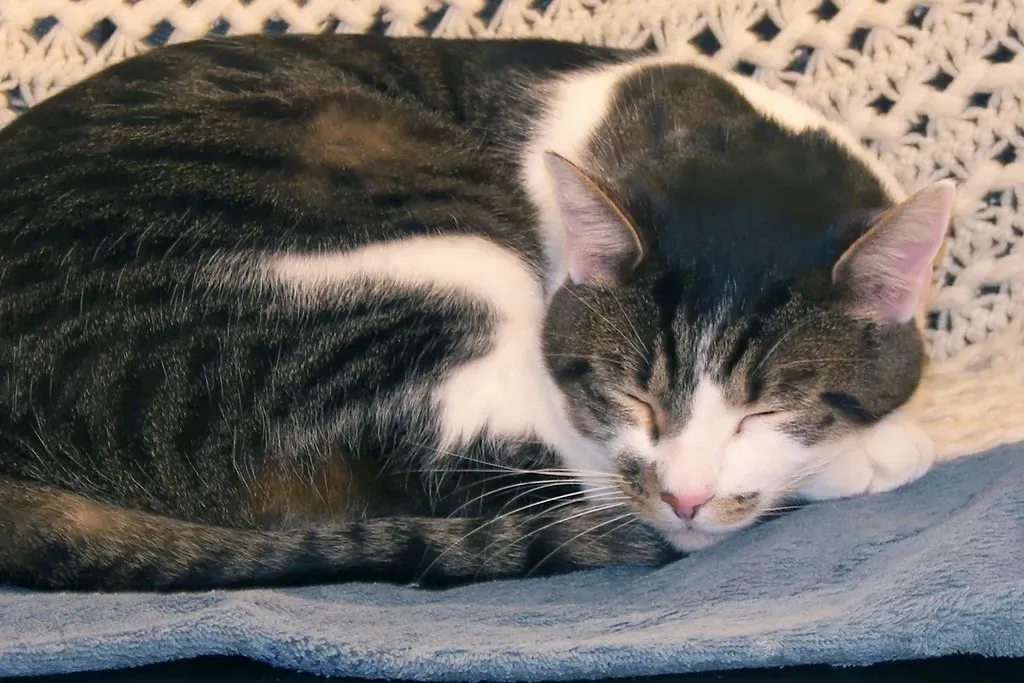
Perhaps the most unexpected survival strategy is the ability to simply turn off. A lowered metabolism appears to be a key survival strategy in extreme environments, whether in the deep sea or hot and arid desert. Think about it like putting your phone in airplane mode to save battery, except these animals can maintain this state for months or even years.
The vampire squid inhabits depths of up to 1000 m in the deep sea, where no light penetrates and oxygen levels are extremely low, through highly adaptive strategies, including an exceptionally low metabolic rate and a detritivorous trophic strategy. It’s basically living life in extreme slow motion.
Hot-spring fish have diverged morphologically, physiologically and behaviourally, with fish living in hot springs being deeper-bodied, having shorter jaws and steeper craniofacial profiles, and having a lower metabolic rate, which could be adaptive especially during winter. Turning down the internal furnace means less energy needed, less food required, and less waste to process.
This strategy was coined Preparation for Oxidative Stress, and laboratory experiments have confirmed that over 100 species, spanning 9 animal phyla, apply this strategy to endure harsh environments. It’s not a rare trick – it’s a widespread solution that evolution has discovered again and again.
Conclusion
The real surprise isn’t that animals can survive extreme environments. It’s that they’ve turned impossibility into opportunity. These creatures don’t merely endure harsh conditions by being tough or resistant. Instead, they’ve fundamentally rewritten their biological playbooks.
From tardigrades shutting down completely to deep-sea creatures partnering with bacteria to transform poison into food, from Arctic fish preventing ice formation at the molecular level to desert rats that never need to drink, extreme survival is about innovation, not endurance. Nature’s most successful extremophiles succeed because they’ve learned to manipulate biology itself in ways that transform deadly environments into ideal habitats.
What do you think is the most impressive adaptation? The ability to survive space, or perhaps manufacturing water from dry seeds? Share your thoughts.
