
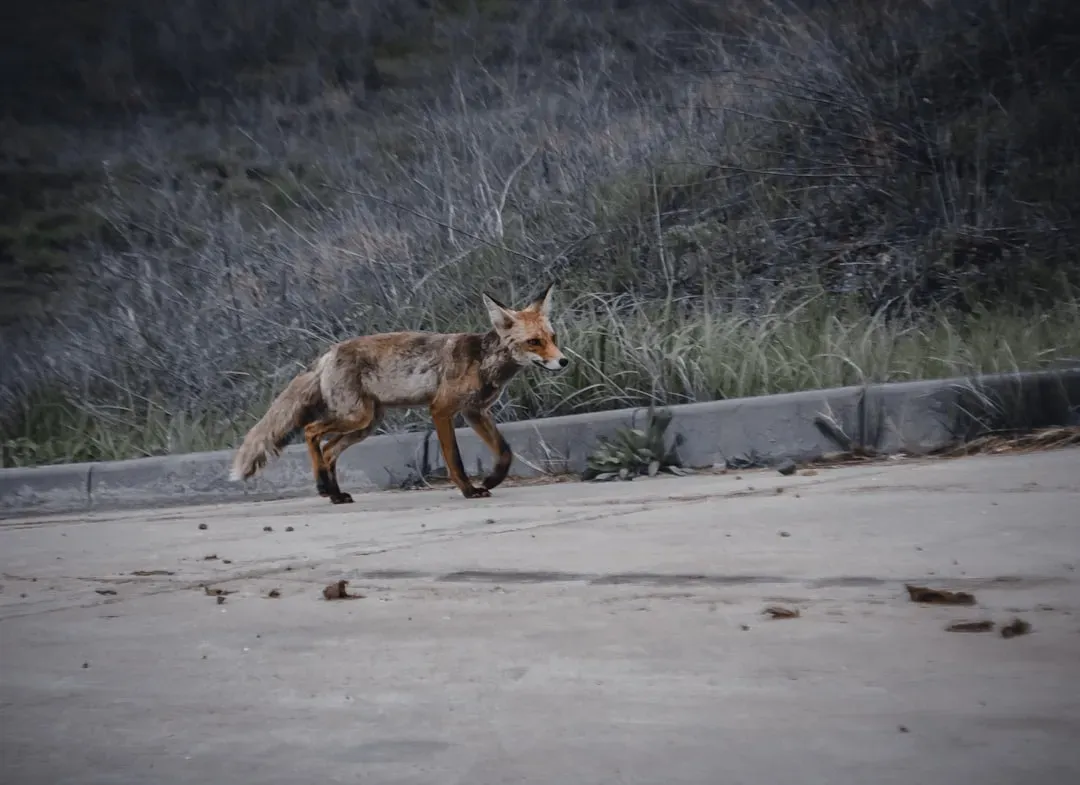
Walk through any major city on earth and you’ll probably step over a pigeon, spot a fox darting between parked cars, or hear the unmistakable chatter of a crow. Most people barely notice. Yet beneath the noise, the traffic, and the relentless concrete, something extraordinary is unfolding. Animals are not just surviving in our cities. In some cases, they are thriving in ways that are genuinely reshaping the science of evolution.
This is not a story about a few lucky pigeons. It is a far deeper, weirder, and more inspiring story about nature quietly rewriting its own rulebook right under our noses. So let’s dive in.
The City as an Evolutionary Pressure Cooker
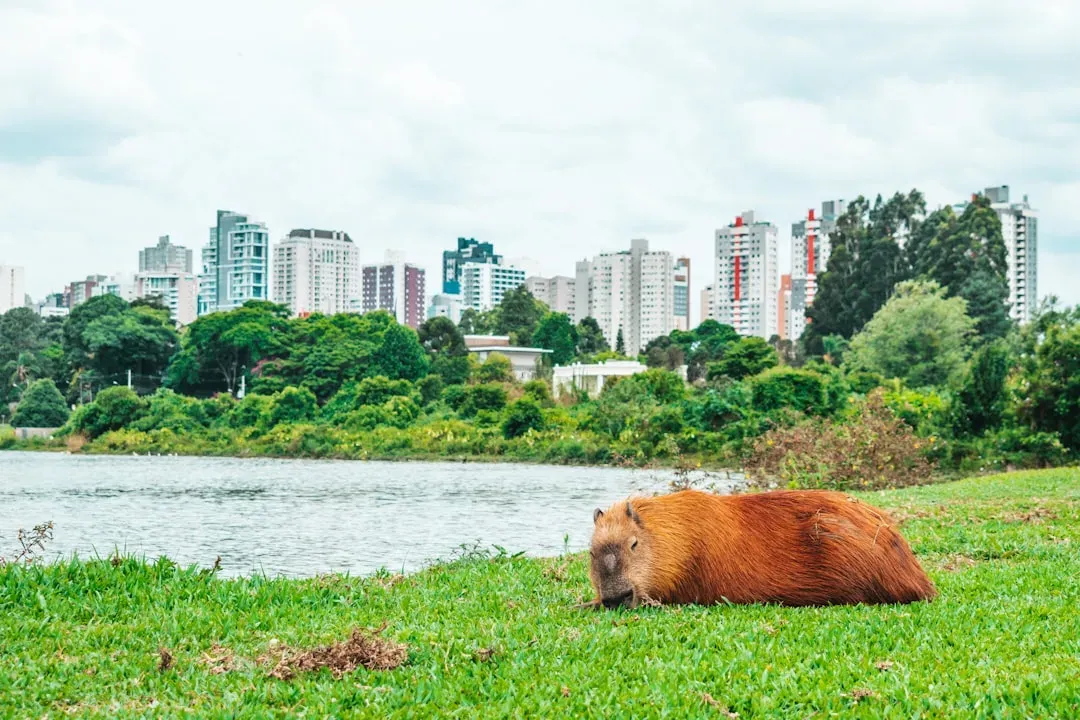
Here’s the thing most people completely miss: cities are not dead zones for wildlife. Urban environments are in fact “powerhouses of evolution,” where animals as diverse as blackbirds and bobcats are adapting to their new surroundings with startling results. Think of a city like a biological stress test running in real time, 24 hours a day, seven days a week.
In urban areas, the forces of rapid natural selection are leading to striking genetic changes in animals. This is not the slow, glacial evolution we learned about in school. This is fast. Remarkably fast.
Scientists call this HIREC, or human-induced rapid evolutionary change, to highlight the impacts human beings have on animals by creating an extreme ecological and habitual situation that often means either life or death for the entire species. It is a concept both humbling and a little unsettling. We built the cities. The animals are now evolving in response to us.
As one researcher put it, “A city changes an environment dramatically. It creates a completely novel ecosystem.” That quote alone should stop you in your tracks.
Behavioral Gymnastics: How Animals Outsmart the Concrete Jungle
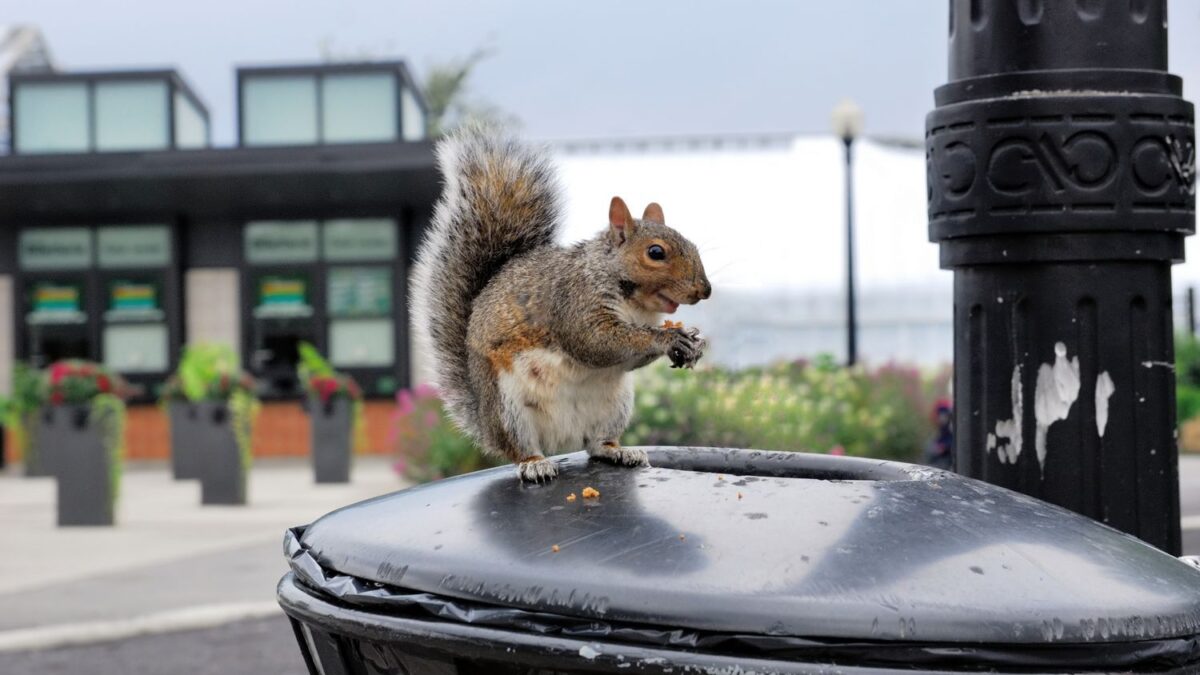
Honestly, some of the behavioral shifts animals have made are nothing short of jaw-dropping. Coyotes look before crossing a street. Black bears know when it’s trash day. Raccoons figure out how to yank bungee cords off trash cans. These are not coincidences. These are learned, calculated responses to a human-built world.
A 2020 review of 83 urban wildlife studies across six continents found that a whopping 93 percent of city-dwelling mammals behaved differently from their rural peers. Most of these animals, as diverse as European rabbits, wild boars, rhesus macaques, and beech martens, became active at night to avoid people. They also expanded their natural diets to include human foods and shrank their home ranges to much smaller areas.
It’s almost like watching an animal version of street-smart survival skills being passed down through generations. Crows in the Japanese city of Sendai typically grab walnuts and drop them from a high height to break them open. These crows discovered it is far more efficient to place the walnuts in front of slowly moving vehicles to let the tires crush them. These crows can now be observed grabbing walnuts and placing them on roads for cars to break open so they can eat them.
Mountain chickadees that nest in cities are bolder than their rural counterparts, while urban coyotes avoid humans and particularly their cars by being more active at night. The city, in short, is a masterclass in behavioural reinvention.
Physical Changes: When Bodies Start to Shift
Behavior is one thing. Physical transformation is something else entirely. And this is where the story gets genuinely surprising. Most city-dwelling species tend to have smaller body sizes, allowing them to better navigate the urban landscape, and they also tend to be quite diverse in their choice of food.
Studies reveal that various urban wildlife species, from birds to mammals, show a preference for smaller dimensions. Urban birds tend to have smaller beaks than their rural counterparts, enabling them to access diverse food sources in the city. Think about that like a Swiss Army knife effect where the beak morphs to match whatever scraps the city happens to serve up.
Anolis lizards in Puerto Rico have evolved longer limbs and more toe lamellae, which are fine scales on the bottom of their feet, in cities. These traits may help individuals better cling to smooth urban surfaces like glass, metal, or painted concrete. That’s evolution responding to skyscrapers. Remarkable.
Brown rats in New York City may be evolving smaller rows of teeth, while tiny fish across the Eastern United States have adapted to thrive in polluted urban waters. It is hard to say for sure exactly how fast these changes will cascade across species, but the direction is clear.
The Unlikely Urban Winners (and the Hidden Losers)
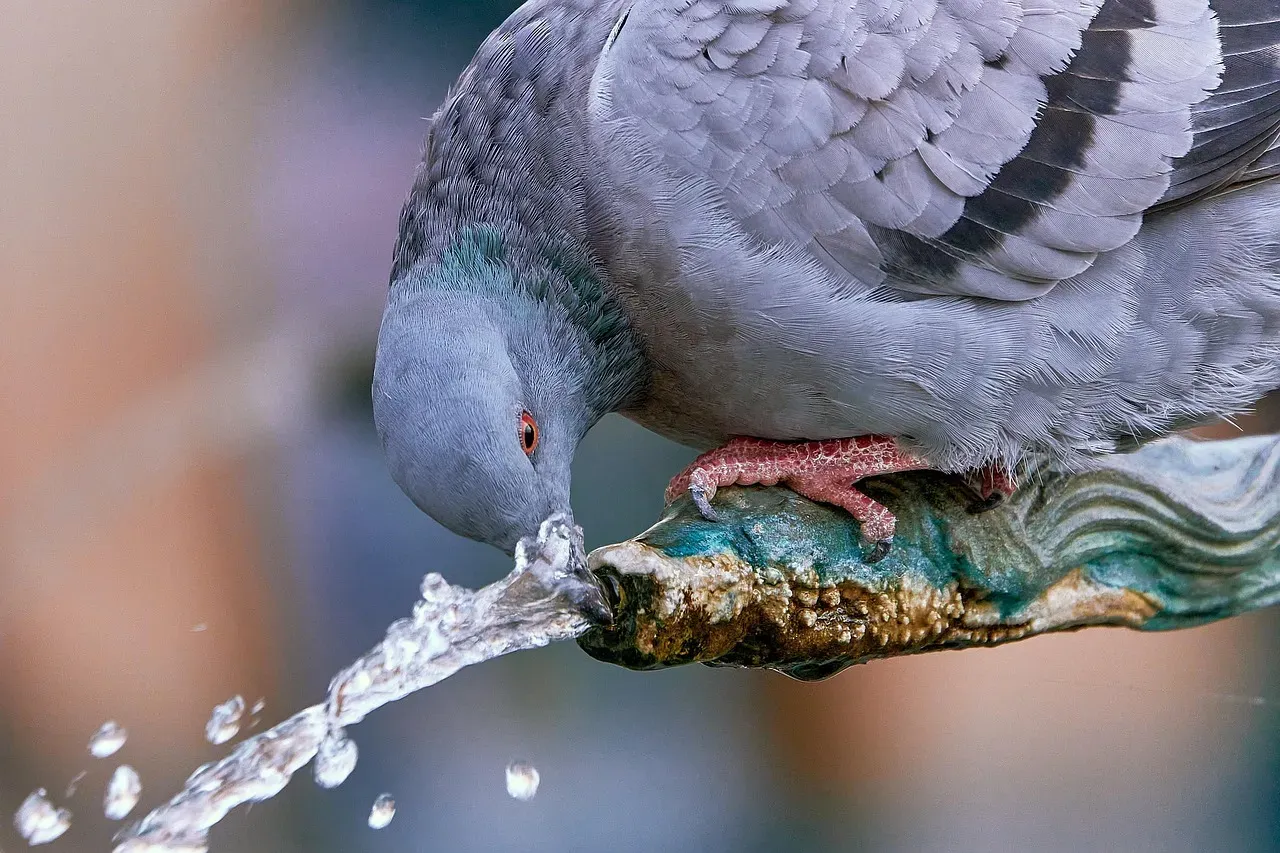
Let’s be real: not every animal makes the cut. Urban life creates a sharp divide between what researchers call “winners” and “losers.” Urbanization creates a picture of a few winners, well adapted to urban environments, versus many losers, whose populations decline and eventually go locally extinct.
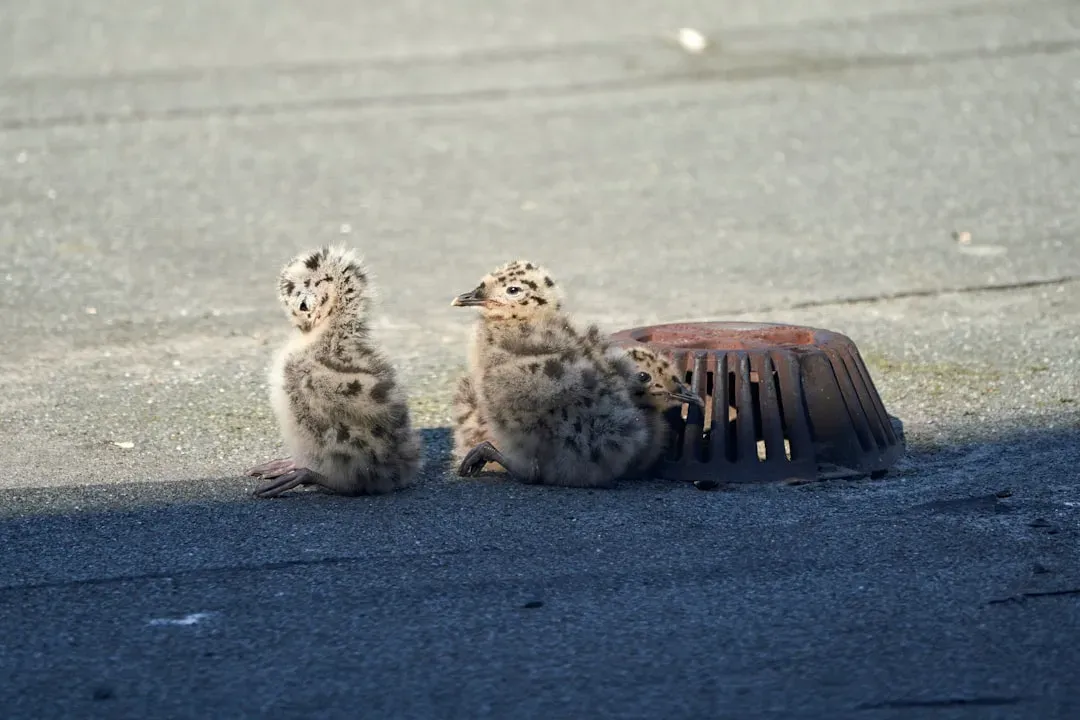
The winners, though, are fascinating. From raccoons rummaging through city trash bins to peregrine falcons nesting on skyscrapers, urban areas provide resources and opportunities that some animals have come to exploit. For many species, the abundance of food and lack of natural predators make cities an attractive alternative to their traditional habitats.
Some winners are almost comically unexpected. One type of insect nicknamed the London Underground Mosquito has distinct differences from other mosquitoes. These mosquitoes have evolved to thrive inside London’s underground metro systems, whereas other mosquitoes are more adapted for life on the outside. A species born from a subway. That might be the wildest fact in this entire article.
In London, since improvements in water quality in the Thames, seals and porpoises have been seen in the river’s waters in the center of the city. Seals in central London. You genuinely could not script this.
What This Hidden Ecosystem Means for Our Future
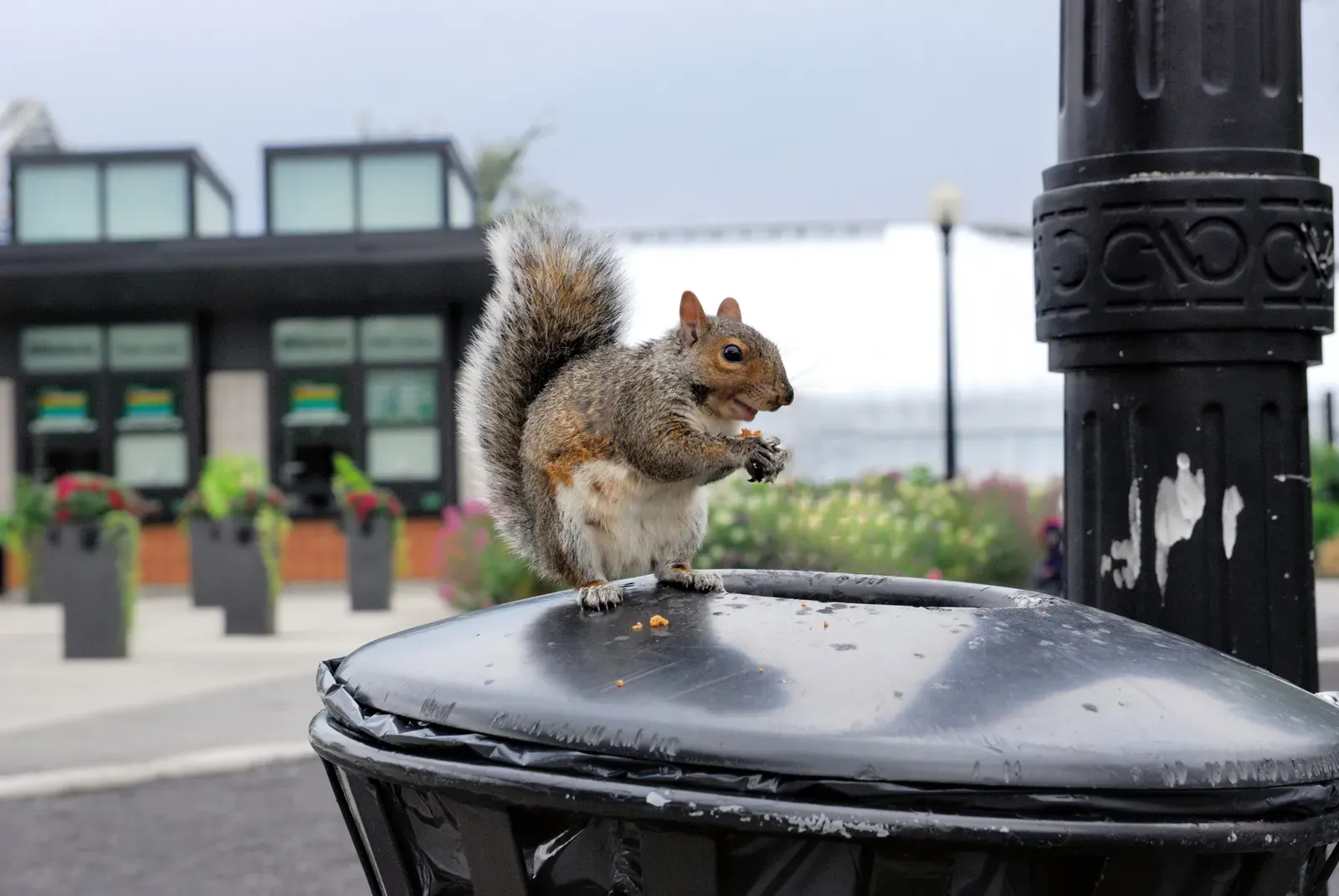
Here is where things get both hopeful and complicated. Cities, as much as they disrupt nature, are also inadvertently becoming living laboratories. A study from Queen’s University Belfast indicates that animal populations living in urban areas show elevated resilience to stressful environmental conditions, with conservation implications.
The research showed that animal populations from urban areas, with higher temperatures and greater concentrations of pollutants, demonstrated significantly higher resilience to stressful environmental conditions when compared to their counterparts from protected habitats. In other words, city animals might hold the genetic keys to surviving a warming, more polluted planet.
As large-scale research projects show, studies undertaken in cities can help us better understand basic ecological and evolutionary processes. This knowledge can also help us protect declining species, which is critical as we face the dual challenges of biodiversity loss and climate change.
Green spaces do more than support wildlife. They provide recreational opportunities for people and improve overall urban resilience. Urban wildlife, when integrated thoughtfully into city planning, has the power to reshape our environments into more sustainable, livable spaces for all. The wild and the urban, it turns out, were never really opposites. They were always headed for the same place.
Conclusion: Nature Has Never Needed an Invitation
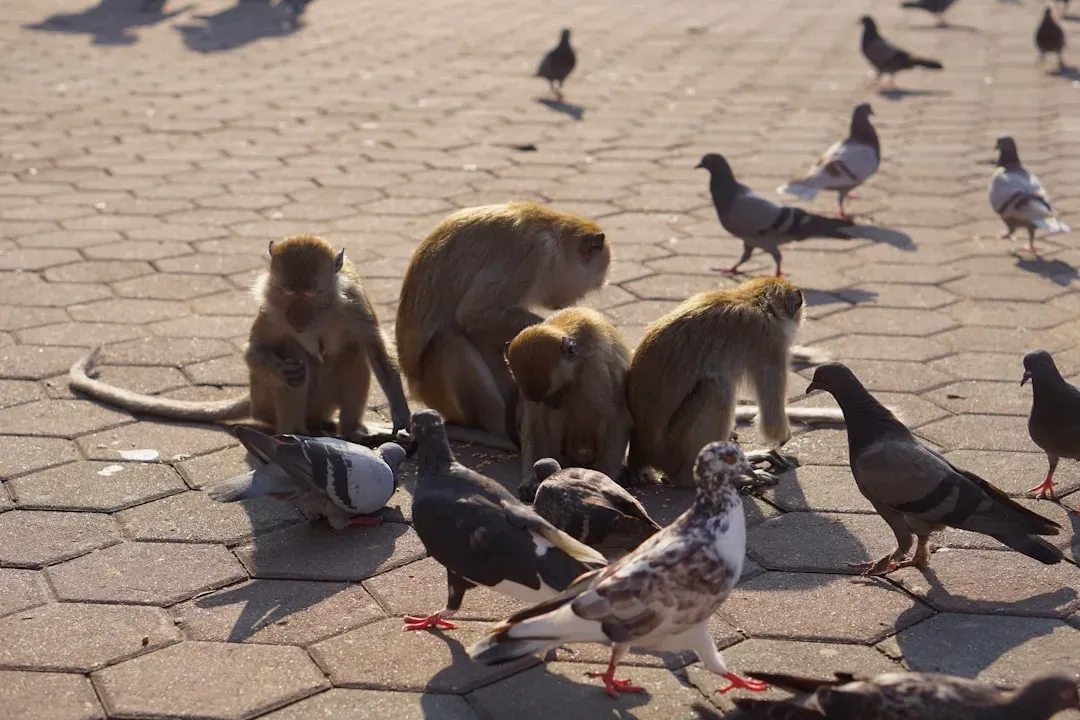
What the story of urban wildlife ultimately tells us is this: nature does not wait for permission. It squeezes through the cracks, soars above the rooftops, and quietly rewrites its DNA to match whatever world we build around it. The presence of wildlife in urban areas underscores the adaptability and resilience of nature, and as cities continue to expand, understanding and supporting urban wildlife becomes increasingly important.
The highly modified urban landscape provides a veritable proving ground for the ability of wildlife to adapt. Every city is, in its own strange way, a nature documentary still being filmed.
Perhaps the most powerful takeaway is not about the animals at all. It is about what their resilience says to us. If a crow can learn to use traffic as a nutcracker, and a lizard can grow new feet for glass walls, then our own responsibility to meet nature halfway seems less like a burden and more like an obvious next step.
Next time you walk past a pigeon or catch a fox’s glance in an alleyway, remember: you are not watching something out of place. You are witnessing evolution in real time. What would you have guessed was living right beside you all along?

- The 13 Small Signs a Rescue Cat Uses to Tell You It Finally Feels Safe - July 20, 2026
- Why Veterinarians Say If Your Cat Sleeps With Their Back to You, It's the Highest Form of Trust in Feline Behavior - July 20, 2026
- The Zodiac Signs That Owls Avoid Completely (And What Folklore Says It Means About Your Energy) - July 20, 2026