

The cheetah (Acinonyx jubatus) is often celebrated as the speed king of the animal kingdom, known for its breathtaking pace and agility. This magnificent creature captures the imagination of wildlife enthusiasts and scientists alike. Found primarily in parts of Africa and Iran, the cheetah is the very embodiment of grace and power blended in perfect harmony. In this article, we delve into what makes the cheetah an icon of speed, exploring its anatomy, behavior, and conservation status.
Physical Adaptations: Built for Speed

The cheetah’s unrivaled speed is a result of its unique physical adaptations, which make it superbly equipped for fast pursuits. Capable of reaching speeds up to 60-70 miles per hour, the cheetah can accelerate from 0 to 60 mph in just a few seconds. This phenomenal speed is facilitated by a series of specialized adaptations.
Firstly, the cheetah’s lightweight frame and long legs allow for a wide stride, covering distances of up to 21 feet in a single bound. Its specialized spine acts like a spring, flexing and extending to increase stride length. The cheetah’s large nasal passage and lungs enable increased oxygen intake, supporting high-speed chases.
In addition, the cheetah’s retractable claws provide grip and traction similar to a sprinter’s cleats. An elongated tail helps with steering and balance, acting as a rudder that stabilizes the cheetah during rapid maneuvers.
Hunting Strategy: Speed and Strategy

Cheetahs are primarily diurnal hunters, conducting most of their hunting in the early morning or late afternoon to avoid the midday heat. Their keen eyesight enables them to spot prey from a distance, while their speed allows them to surprise and overtake their targets swiftly.
A typical hunt involves stalking prey such as antelope, gazelles, and hares. The cheetah stealthily approaches as close as possible before initiating a high-speed chase. The chase is typically short, lasting less than a minute, as the cheetah relies on its ability to overtake prey quickly before exhaustion sets in.
After a successful hunt, a cheetah needs to rest for about 30 minutes to an hour due to the physical exertions of the chase. During this time, it is vigilant of other predators like lions and hyenas, which may attempt to steal its kill.
Social Structure and Behavior

Unlike many other big cats, cheetahs demonstrate unique social structures. While adult females are solitary except when caring for cubs, males tend to form small groups known as coalitions. Generally composed of brothers from the same litter, these coalitions help males secure territory and increase hunting success.
Cheetah mothers are dedicated caregivers, raising litters of up to six cubs. The survival of these cubs depends hugely on the mother’s hunting prowess and their ability to avoid predators. Cubs start accompanying their mothers on hunts at about six weeks old and learn critical skills by observing and imitating her actions.
Conservation Status: Challenges and Efforts
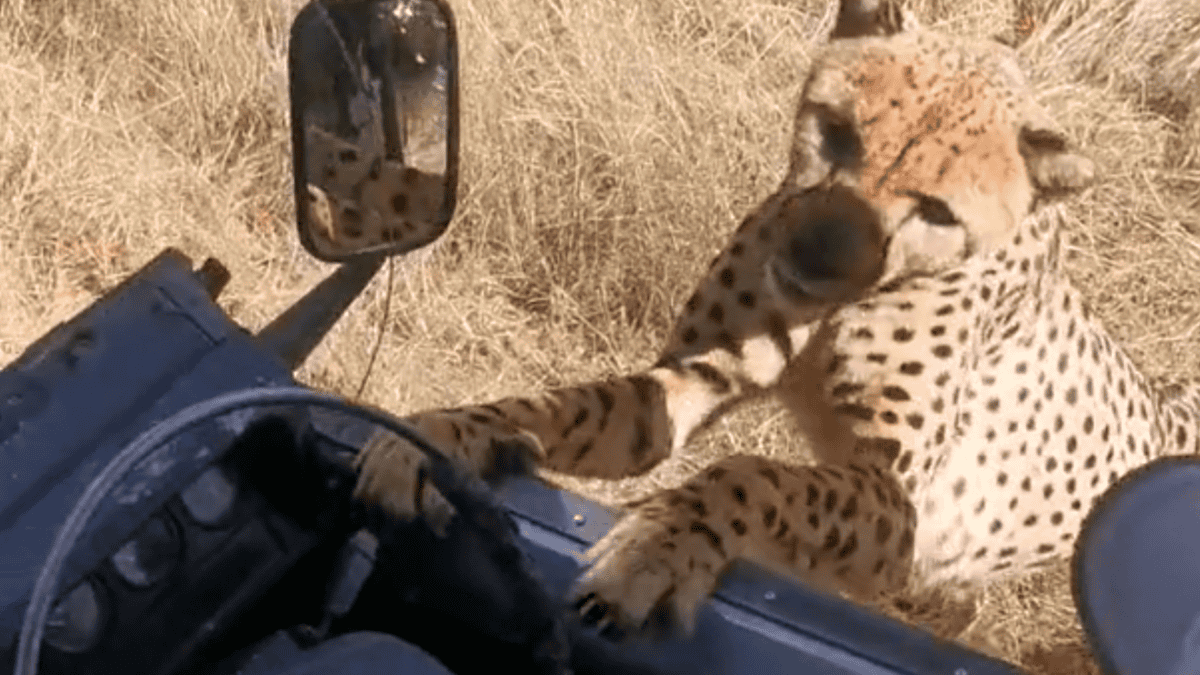
Despite their speed and adaptability, cheetahs face numerous threats in the wild, leading to a decline in their global population. Habitat loss, human-wildlife conflict, and illegal poaching are significant challenges impacting cheetah populations. Additionally, their low genetic diversity makes them more vulnerable to diseases and environmental changes.
Conservation efforts are underway to protect this iconic species. Organizations worldwide focus on habitat conservation, reducing human-cheetah conflicts through community engagement, and monitoring populations to implement strategic protection measures. Captive breeding programs also play a key role, aiming to bolster genetic diversity and support future reintroduction efforts.
Conclusion
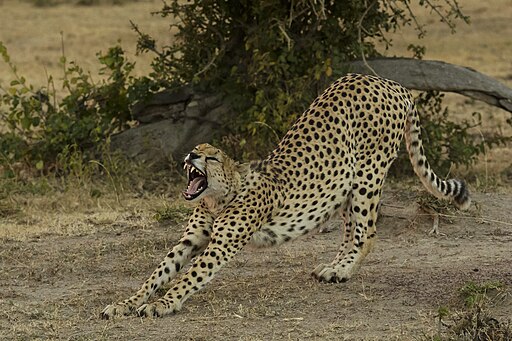
The cheetah remains a symbol of speed and elegance in the animal kingdom, captivating people across the globe. Ensuring its survival in the wild is a challenging, yet essential task. By understanding and addressing the threats faced by cheetahs and taking action to preserve their habitat, we can help secure a future for these majestic animals. The speed king of the animal world deserves nothing less than our utmost admiration and commitment to conservation.

- The Most Powerful Earthquake Ever Felt in the U.S. - July 19, 2026
- How Rhinoceros Males Compete for Mating Rights in the Wild - July 18, 2026
- 13 Spider Species Thriving in Changing Environments - July 18, 2026