

The hummingbird is one of nature’s most fascinating creatures, captivating scientists and bird enthusiasts alike with its remarkable flying abilities. Among its many talents, the speed at which these diminutive birds can fly stands out as particularly impressive. Despite their small size, certain species of hummingbirds can reach speeds of up to 60 miles per hour (mph). This article delves into the mechanics behind their unique flying capabilities, exploring how these tiny birds achieve such astonishing velocities.
Anatomy of Speed: The Hummingbird’s Unique Physiology

To understand how hummingbirds reach such speeds, it’s essential to examine their anatomy. A hummingbird’s body is built for speed and agility. One of the key anatomical features is their wing structure. Unlike most birds, which have wings that hinge primarily at the shoulder, hummingbirds have a ball-and-socket joint at the shoulder, which allows their wings to rotate almost 180 degrees in all directions. This offers unparalleled maneuverability and enables the characteristic rapid flapping necessary for hovering.
Another crucial factor is muscle composition. Hummingbirds possess a high ratio of red muscle fibers, which are fatigue-resistant and support sustained flapping. These muscles can account for up to 30% of their total body weight, a testament to the evolutionary trade-off between body size and power necessary for their speed and flight style.
The Role of Metabolism: Fueling High-Speed Flight
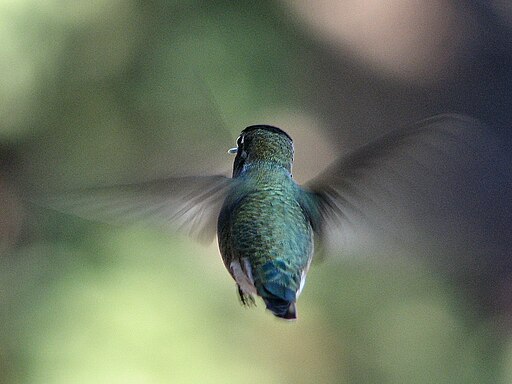
The rapid wing movement that hummingbirds exhibit—flapping their wings up to 80 times per second—requires an enormous amount of energy. Hummingbirds have one of the highest metabolic rates relative to their size in the animal kingdom, as they consume energy at an astonishing rate. This high metabolism is fueled by a diet primarily consisting of sugary nectar, which provides the necessary quick energy boosts needed for sustained high-speed flight.
To support this energetic lifestyle, hummingbirds have developed highly efficient respiration and circulatory systems, allowing for rapid oxygen delivery throughout their bodies. Their hearts can beat as much as 1,260 times per minute during flight, with breathing rates that correspondingly increase to match the demands of their muscles.
Aerodynamics: Masters of the Air

Hummingbirds have also evolved an aerodynamic body shape that minimizes air resistance during flight. Their tapered bodies and narrow wings reduce drag, allowing them to cut through the air with minimal resistance. This streamlined body, combined with their powerful muscle structure, contributes significantly to their ability to reach high speeds.
The agility in their flight, including the ability to hover and even fly backward, is a direct result of their unique wing structure and flight mechanics. Such capabilities allow hummingbirds to quickly change direction and speed, catching insects mid-air or darting between flowers with incredible precision.
Adaptations for Survival: Beyond Speed

While speed is an impressive feature of hummingbirds, it’s important to note the survival advantages it confers. Fast flight allows hummingbirds to escape predators swiftly, access a wide range of flowering plants over vast areas, and even perform complex courtship displays which are crucial for reproduction.
Their ability to maneuver quickly helps them defend territories aggressively against other hummingbirds or nectar-feeding birds, thus ensuring a steady food supply. Speed and agility also enable them to outcompete other nectar feeders, capitalizing on the fleeting abundance of blooming flowers.
The Journey Ahead: Conservation Efforts

Despite their amazing flying abilities, many hummingbird species today face risks from habitat destruction and climate change, which affect the availability of their food sources. Conservation efforts are crucial to preserving these breathtaking creatures, ensuring their survival for future generations to marvel at their speed and grace.
By protecting their natural habitats and supporting measures aimed at mitigating climate change, we can help maintain the delicate ecological balance that hummingbirds—and many other species—depend on. With ongoing research and awareness, the swift hummingbird will continue to inspire both scientific study and awe for their incredible flying feats.
