

If you’ve ever experienced sneezing, itching, or a runny nose when around animals, you’re not alone. Pet allergies are a common condition that affects millions of people worldwide. Contrary to popular belief, these reactions are not caused by animal fur itself. Instead, the culprits are proteins found in pet dander, saliva, and urine, which can trigger allergic responses in susceptible individuals.
Common Signs and Symptoms

Recognizing the signs of pet allergies can be the first step toward managing them effectively. Common symptoms include sneezing, nasal congestion, itchy or watery eyes, itchy skin, and even asthma-like symptoms in more severe cases. It is important to note that symptoms may vary depending on individual sensitivities and the type of pet involved.
The Science Behind Pet Allergies

Pet allergies stem from the body’s overactive immune response to usually harmless proteins. These proteins, known as allergens, are ubiquitous in the environment and can linger in homes long after an animal has left the premises. When an allergic person comes into contact with these proteins, their immune system mistakenly identifies them as a threat, releasing chemicals like histamines that cause typical allergy symptoms.
Identifying the Source

To manage pet allergies effectively, it’s crucial to identify the specific source. While cats and dogs are the most common culprits, other animals like birds, rabbits, and rodents can also trigger allergies. Consulting with an allergist can pinpoint the exact source through skin tests or blood tests, allowing for targeted management strategies.
Living with Pet Allergies

Living with pet allergies doesn’t necessarily mean giving up beloved pets. There are several strategies to reduce exposure to allergens and minimize symptoms. Regular cleaning, using air purifiers, and creating pet-free zones in your home can significantly help. Bathing pets regularly and vacuuming with a HEPA filter can also reduce allergen levels.
Medical Interventions and Treatments
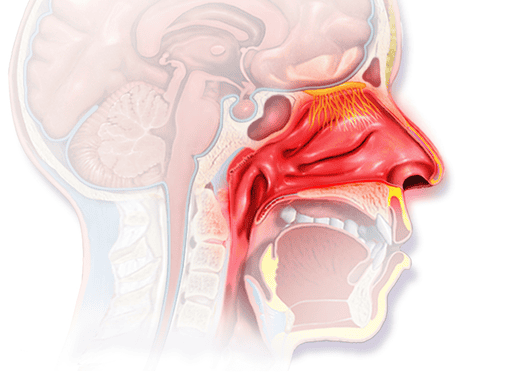
For those with severe allergies, medical intervention may be necessary. Over-the-counter or prescription antihistamines and decongestants can provide relief. More severe cases may benefit from allergy immunotherapy, commonly known as allergy shots, which gradually desensitize the immune system to specific allergens. Always consult healthcare professionals before starting any treatment regimen.
Exploring Hypoallergenic Breeds
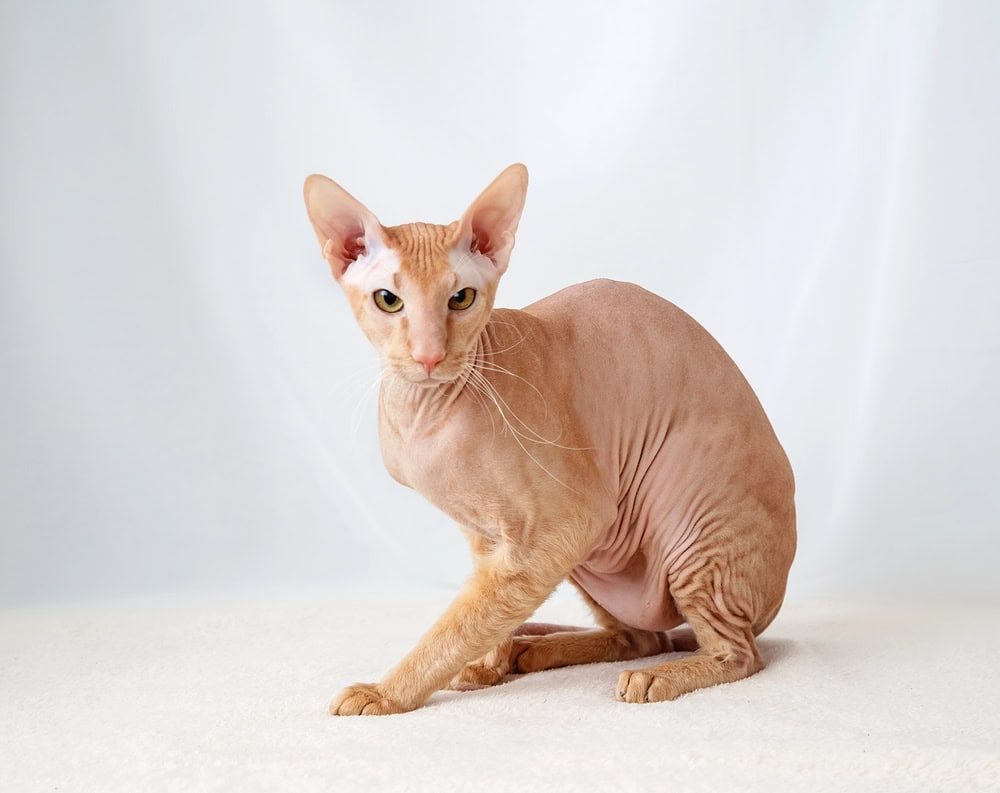
Some people might be interested in hypoallergenic pet breeds, which are said to produce fewer allergens. While no breed is completely allergen-free, some breeds like the Poodle, Bichon Frise, and certain hairless cats or dogs may cause fewer reactions. It’s important to spend time with a particular animal before bringing it home, as individual responses to allergens can vary.
Conclusion: Navigating Your Pet Allergy Journey

Pet allergies can be challenging, but with the right information and strategies, navigating them is possible. Understanding the science and symptoms, exploring various management strategies, and considering medical options are key to finding a balance between your health and your heart’s attachment to your pet. Consulting with healthcare professionals can ensure you receive advice tailored to your specific situation, making your experience with pets as joyful and comfortable as possible.

- 14 Signs Your Aging Cat Is Growing Older With Grace and Comfort - July 23, 2026
- The US States With The Deadliest Tornado Strikes in History - July 23, 2026
- The Truth About Pet Allergies: What You Need to Know - July 23, 2026
Leave a comment
You must be logged in to post a comment.