

Exploring the great outdoors can be a rewarding experience, particularly within the iconic landscapes of the United States national parks. Among the myriad of wildlife that calls these parks home, bears often captivate both excitement and caution in visitors. From the dense forests of Alaska to the mountainous terrains of the Rockies, certain parks are renowned for their frequent bear sightings, drawing tourists hoping to witness these majestic creatures in their natural habitat. This article will guide you through the U.S. national parks where you’re most likely to encounter bears, offering insight into the habitats, behaviors, and safety tips for observing these magnificent animals responsibly.
1. Yellowstone National Park

Yellowstone National Park is famous not only for its geysers and hot springs but also for its abundant wildlife, including bears. Home to both grizzly and black bears, Yellowstone’s diverse ecosystems offer ample habitat and food sources for these animals. Grizzly sightings are fairly common, particularly in the northern and eastern sections of the park. Visitors should maintain a safe distance and always practice bear safety protocols.
2. Glacier National Park

Located in Montana, Glacier National Park is another hotspot for bear sightings, particularly grizzlies and black bears. This park’s rugged mountains and alpine meadows provide an ideal environment for bears, especially during the summer months when food is plentiful. Hikers often glimpse bears from trails, making bear awareness and preparedness a critical component of park regulations.
3. Great Smoky Mountains National Park

The Great Smoky Mountains, spanning North Carolina and Tennessee, host a significant population of black bears. With an estimated 1,500 bears, visitors have a good chance of spotting one while hiking or driving through the park’s scenic routes. This park actively promotes bear conservation, encouraging visitors to understand and respect these creatures.
4. Katmai National Park and Preserve
Katmai National Park in Alaska is one of the best places to see brown bears in the wild, particularly at Brooks Falls, where they gather to catch salmon during the summer months. The park’s remote wilderness is a haven for wildlife photographers and nature enthusiasts hoping to observe these bears in action.
5. Denali National Park and Preserve

Also located in Alaska, Denali National Park is home to both grizzly and black bears. The park’s expansive tundra and forested areas provide habitats where bears can thrive. Sightings are common along the park road, and the park service offers ranger-led programs to educate visitors on safe bear viewing practices.
6. Grand Teton National Park
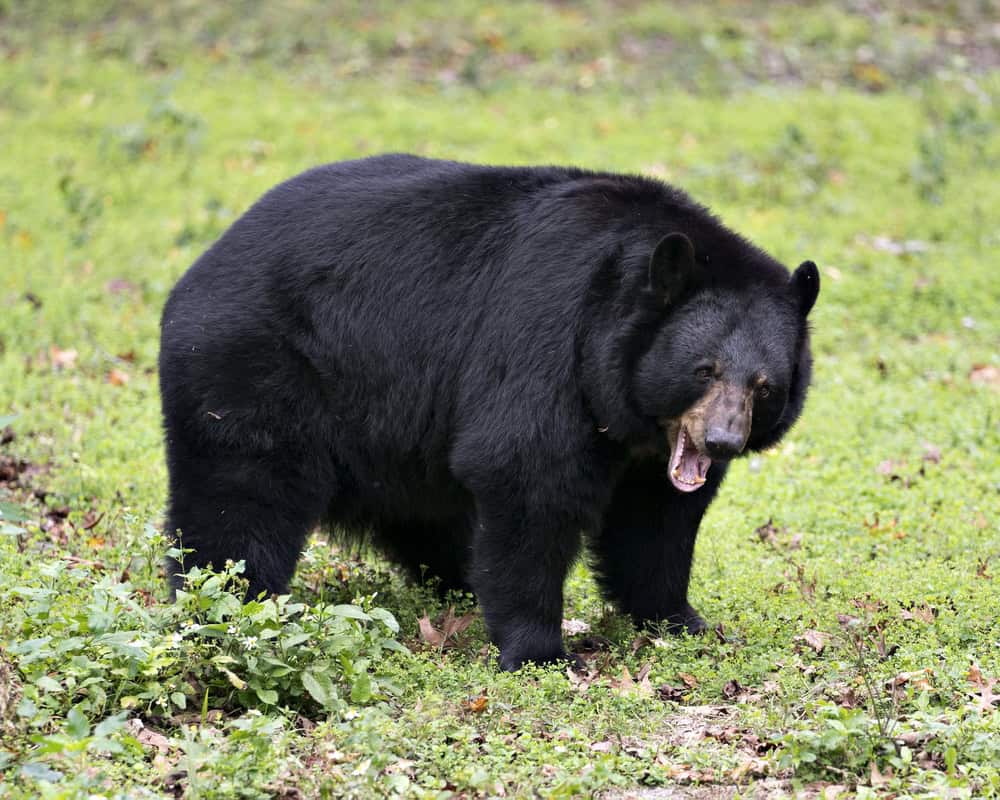
Just south of Yellowstone, Grand Teton National Park in Wyoming offers abundant opportunities for bear sightings. Both black and grizzly bears inhabit the park, with frequent sightings along hiking trails and roadways. The park’s diverse ecosystems, ranging from rivers to mountains, provide ample resources for bears.
7. Olympic National Park
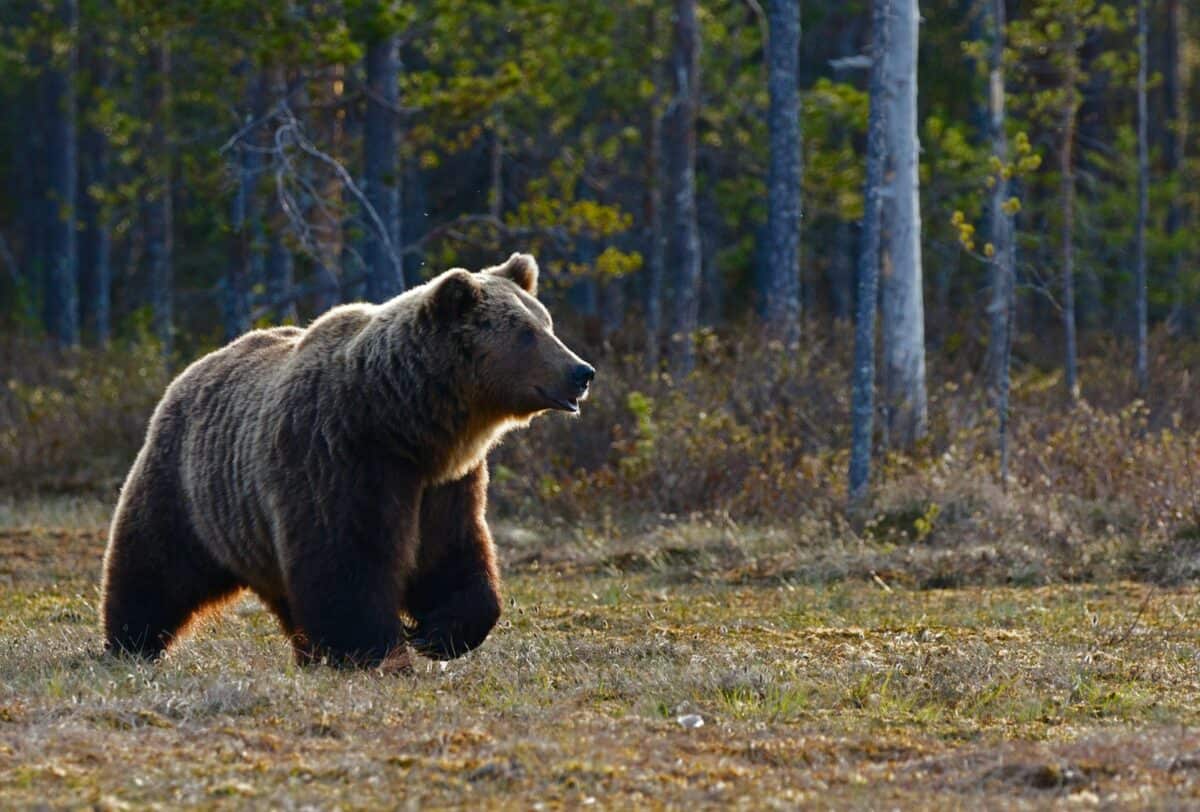
In Washington State, Olympic National Park is noted for its variety of ecosystems, from temperate rainforests to rugged coastline. Black bears are a common sight, especially in the rainforest areas on the western side of the park. The rich biodiversity of the park supports a healthy bear population, allowing for frequent sightings.
8. Yosemite National Park

California’s Yosemite National Park is known for its stunning granite cliffs and waterfalls, but it is also home to a healthy population of black bears. The park’s research and conservation efforts have helped maintain a stable and visible bear population, offering visitors ample chances to see these animals, particularly in less densely populated areas.
9. Alaska’s Chugach National Forest

While not a national park, Chugach National Forest is worthy of mention due to its high bear population. Located near Anchorage, the forest’s expansive wilderness areas are populated by both black and brown bears. Visitors often spot bears during the salmon runs, making it a prime location for wildlife viewing.
10. Sequoia and Kings Canyon National Parks
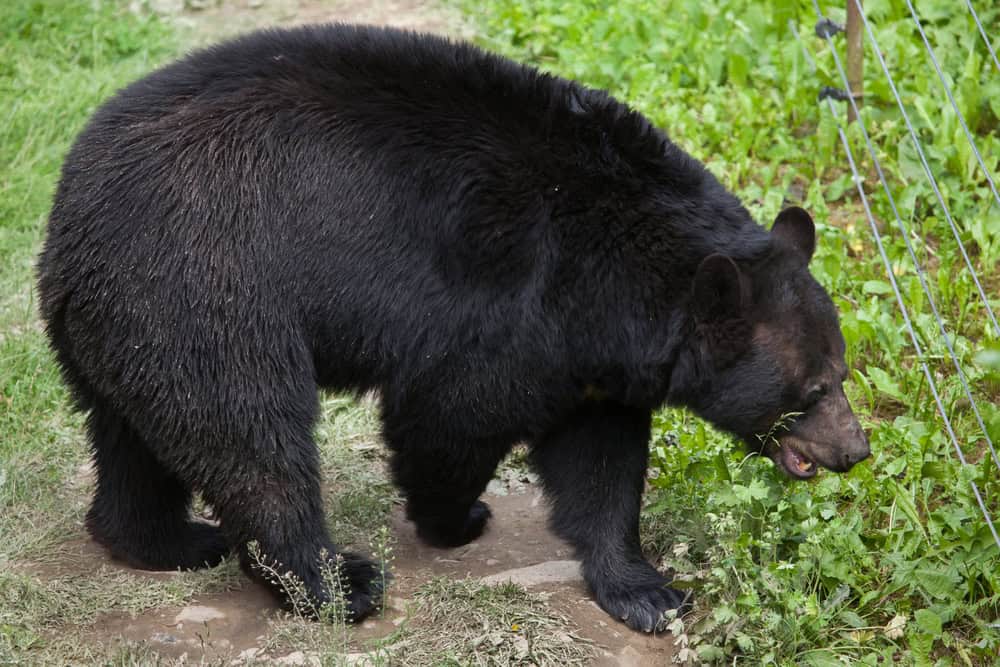
These adjoining parks in California are home to black bears that roam freely across the diverse landscapes, from the foothills to higher mountain elevations. There are frequent sightings along trails and campgrounds, making this destination popular for those eager to observe bears in the wild.
11. Wrangell-St. Elias National Park and Preserve
As the largest national park in the United States, Wrangell-St. Elias in Alaska provides extensive habitats for both brown and black bears. Its vast, untamed wilderness offers prime conditions for bear sightings, especially along its numerous rivers and valleys.
12. Kenai Fjords National Park

This coastal park in Alaska is known for its glaciers and marine wildlife, but it also offers visitors the chance to see bears. Both brown and black bears inhabit the park, with sightings often occurring along the park’s many waterways. Visitors are advised to maintain a safe distance to protect both themselves and the bears.
Conclusion

The U.S. national parks offer some of the best opportunities for bear sightings, thanks to their diverse ecosystems and dedicated conservation efforts. While the prospect of encountering a bear can be thrilling, it’s crucial to prioritize safety and respect for these creatures. By understanding bear behavior and taking the necessary precautions, visitors can enjoy observing these magnificent animals in their natural habitats. Whether you’re an avid wildlife enthusiast or a casual park-goer, witnessing a bear in the wild is an unforgettable experience that underscores the importance of preserving nature’s delicate balance.

- The Secret Language of Dolphins Decoded by Researchers - July 20, 2026
- 7 Animals That Can Survive Extreme Environments You Couldn’t - July 20, 2026
- The Longest Snake Ever Found in the U.S. - July 20, 2026