


Along the southeastern United States, a remarkable ecological phenomenon has been unfolding over recent decades. The St. Johns River in Florida, a waterway that has witnessed centuries of human activity and environmental change, has become home to an increasingly significant manatee migration.
These gentle marine mammals, known affectionately as “sea cows,” have established a consistent migratory pattern within this river system that represents both a conservation success story and an ongoing environmental challenge. The presence of these federally protected creatures in a river system so intertwined with human development offers a compelling case study in wildlife adaptation, conservation efforts, and the delicate balance between human needs and natural ecosystems.
The Historical Absence of Manatees in the St. Johns River
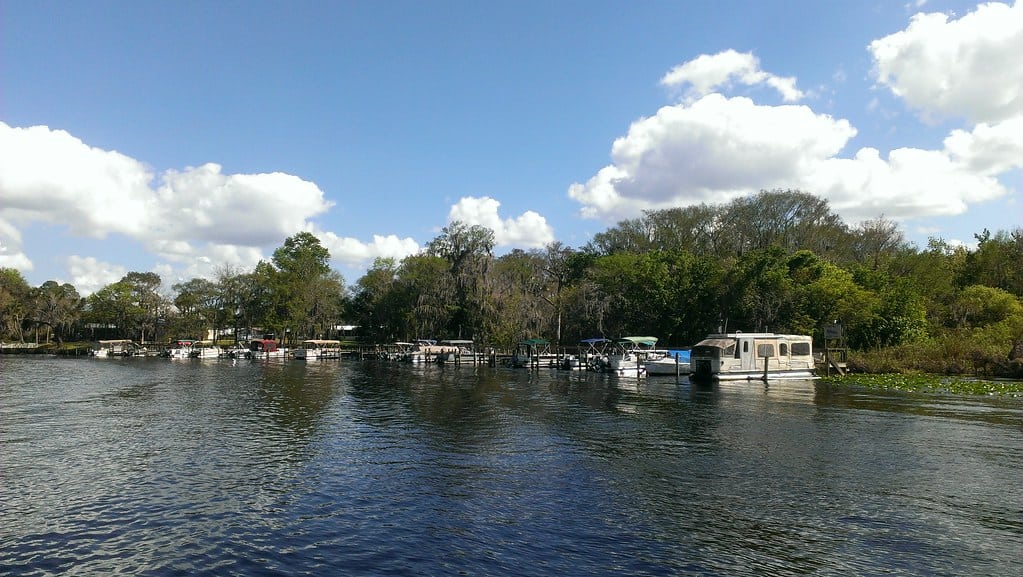
While manatees have inhabited Florida’s waters for thousands of years, their presence in the St. Johns River as a regular migratory destination is a relatively recent development. Historically, manatees were occasional visitors to the river rather than seasonal residents. Early accounts from naturalists and explorers in the 16th through 19th centuries mention manatee sightings in Florida’s coastal waters, but the St. Johns River was not documented as a significant habitat.
Environmental historians note that prior to the mid-20th century, the river’s conditions—particularly its cooler winter temperatures and different vegetation patterns—made it less hospitable to these temperature-sensitive marine mammals. The transformation of the St. Johns into a manatee migration destination represents a significant ecological shift that scientists continue to study.
Understanding the St. Johns River Ecosystem
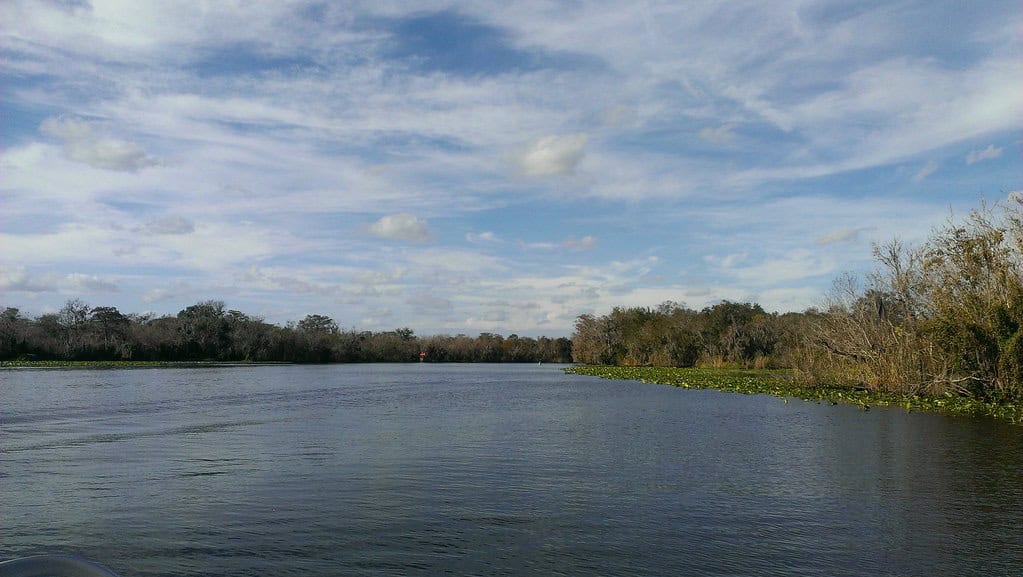
The St. Johns River stands as Florida’s longest river, flowing northward for 310 miles from its marshy beginnings near Vero Beach to its mouth at the Atlantic Ocean near Jacksonville. This unusual north-flowing river is characterized by a slow current, averaging just 0.3 mph, creating what locals call “a river of lakes.” The ecosystem is brackish in its lower basin, transitioning to freshwater in its upper reaches, with extensive wetlands, springs, and tributaries throughout its course.
This diverse aquatic environment supports over 200 fish species and serves as habitat for countless birds, reptiles, and amphibians. The river’s unique characteristics—including its relatively stable temperature ranges, abundant aquatic vegetation, and network of warm-water springs—have created conditions that increasingly attract manatees, particularly during winter months when these temperature-sensitive mammals seek thermal refuge.
The Biology and Behavior of Florida Manatees
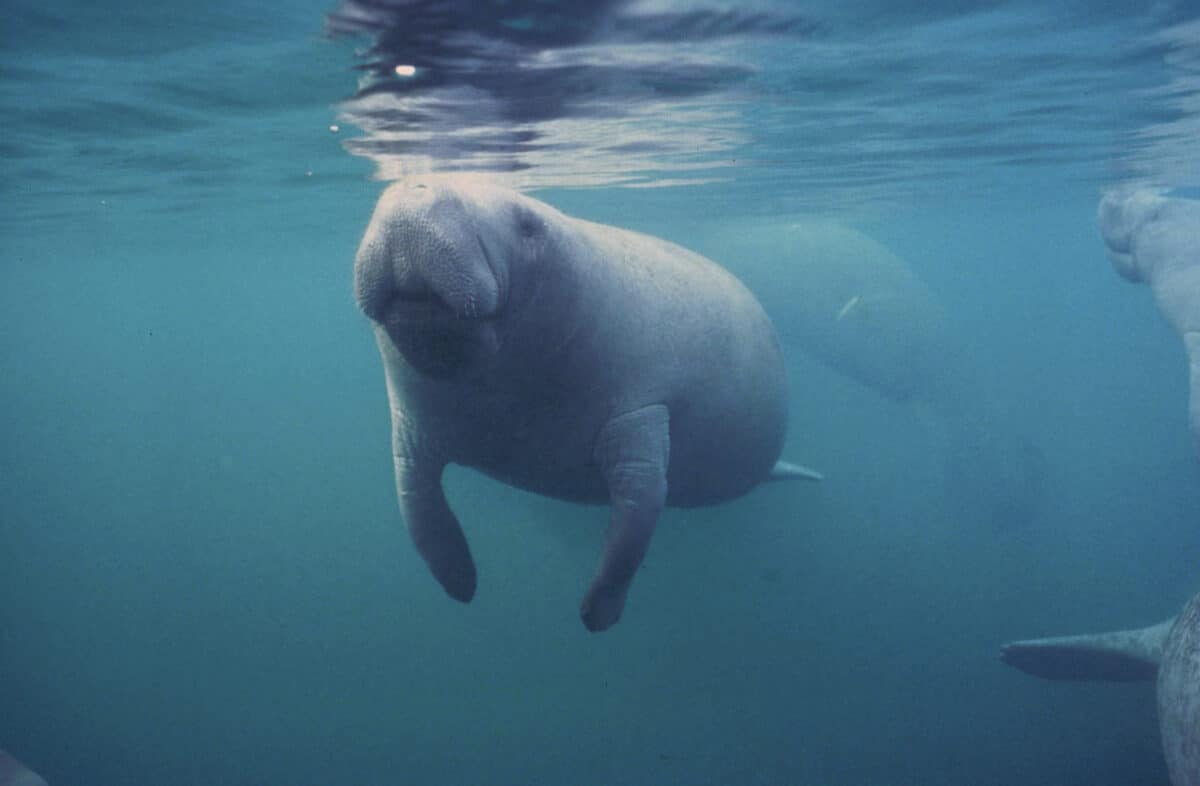
Florida manatees (Trichechus manatus latirostris), a subspecies of the West Indian manatee, are large aquatic mammals that typically grow to 9-10 feet in length and weigh between 800-1,200 pounds. These herbivores consume up to 10% of their body weight daily in aquatic vegetation, making the plant-rich St. Johns River an attractive feeding ground. Physiologically, manatees lack the thick blubber layer common to many marine mammals, which makes them particularly vulnerable to cold water temperatures below 68°F.
This temperature sensitivity drives their migratory behavior, as they must seek warm-water refuges during winter months or risk cold stress syndrome, which can be fatal. Manatees are capable of swimming up to 20 miles per day during migration, though they typically move at a leisurely pace of 3-5 mph. Their lifespan in the wild can reach 60 years, though many face shortened lives due to human-related threats like boat strikes, which remain the leading cause of manatee mortality in Florida waters.
Factors Behind the New Migration Pattern
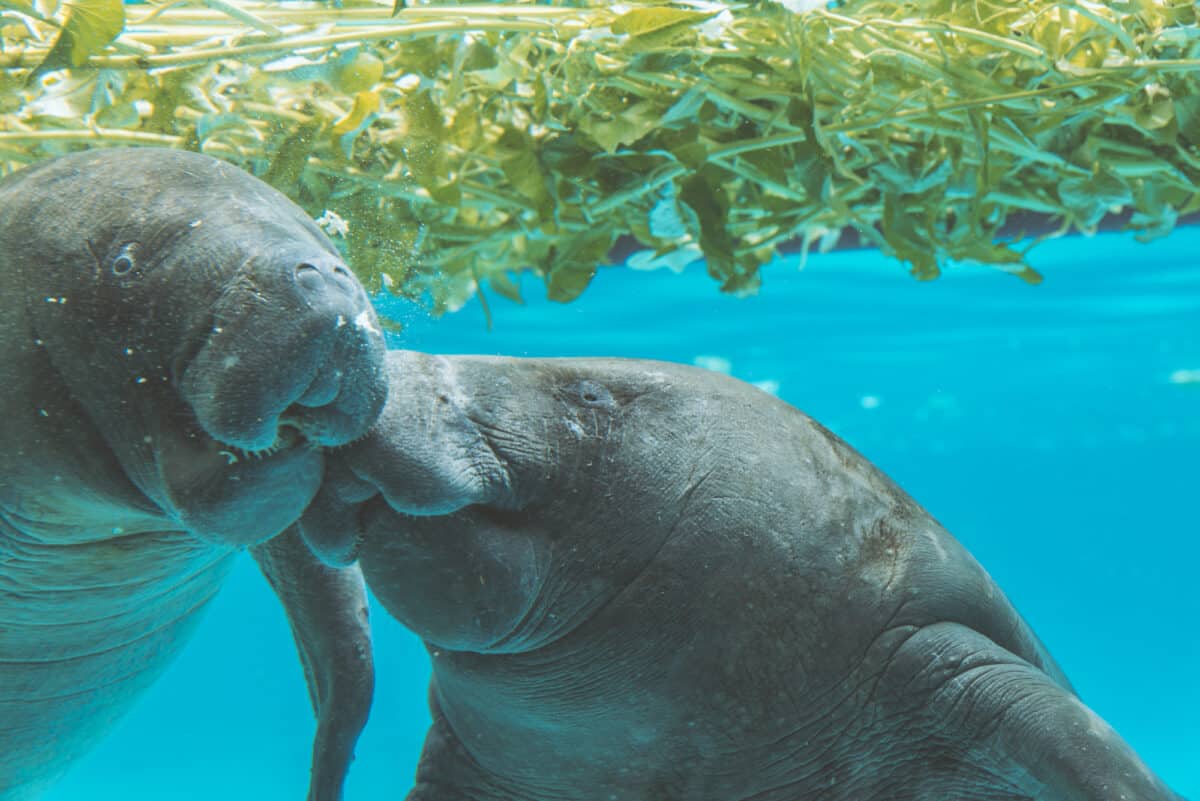
Several interconnected factors have contributed to the St. Johns River becoming a significant manatee migration destination. The most influential driver has been water temperature changes, both natural and human-influenced. The river’s numerous natural springs, which maintain a constant 72°F year-round, provide critical thermal refuges. Additionally, power plant discharges along the river, particularly in the Jacksonville area, create warm-water outflows that have attracted winter aggregations of manatees since the 1970s.
Climate change has also played a role, with shifting weather patterns affecting traditional coastal habitats and potentially pushing manatees to explore new territories. The river’s abundant food sources, including eelgrass, hydrilla, and water hyacinth, provide the substantial nutrition these large mammals require. Conservation efforts have simultaneously increased overall manatee populations in Florida waters from just a few hundred in the 1970s to over 7,500 today, naturally expanding their range and habitat utilization. These combined factors have transformed the St. Johns from an occasional manatee habitat to a critical migration destination.
Mapping the Migration Route

The manatee migration pattern within the St. Johns River follows a seasonal rhythm dictated primarily by temperature. During winter months (November through March), manatees concentrate around warm-water refuges, including Blue Spring State Park in Volusia County, which now regularly hosts over 600 manatees during cold snaps—a dramatic increase from just 36 documented in 1983. As temperatures warm in spring, manatees disperse throughout the river system, with significant populations traveling as far south as Lake Monroe and Lake George, where abundant vegetation provides ideal feeding grounds.
Tracking studies conducted by the Florida Fish and Wildlife Conservation Commission (FWC) using GPS-tagged individuals have revealed that some manatees travel the entire length of the river, while others establish smaller home ranges around particular sections. Several manatees have been documented making the journey between the St. Johns and the Indian River Lagoon system on Florida’s east coast, demonstrating connectivity between inland and coastal habitats. The most heavily utilized corridors include the main channel between Jacksonville and Green Cove Springs, and the stretch between Lake Monroe and Blue Spring State Park, where researchers have identified clear “manatee highways” that follow deeper channels and connect primary feeding and resting areas.
Conservation Success Stories at Blue Spring

Blue Spring State Park represents the most significant conservation success story within the St. Johns manatee migration. This first-magnitude spring, which discharges 104 million gallons of 72°F water daily, has been the focus of intensive manatee protection efforts since the 1970s. When manatee researcher Dr. Bruce Hartman began monitoring the spring in 1970, he counted just 14 manatees. Through the efforts of researchers, park staff, and advocacy organizations, the spring run was designated a manatee sanctuary in 1980, prohibiting human swimming during manatee season.
The implementation of this protection, combined with improved water quality management and habitat restoration, has resulted in a remarkable population increase, with winter counts now regularly exceeding 600 individuals. The Blue Spring success story demonstrates the potential effectiveness of targeted conservation measures, as this single warm-water refuge now hosts approximately 8% of Florida’s entire manatee population during cold periods. Park staff conduct daily manatee counts and identification studies, maintaining records of individual animals that have been returning to the spring for decades, including one female named “Deep Dent” who has been documented at Blue Spring annually since 1979.
Human Impacts and Threats to the Migration

Despite conservation gains, the St. Johns River manatee migration faces substantial human-caused threats. Boat strikes remain the leading cause of manatee mortality, with the Jacksonville area and Putnam County recording particularly high collision rates. In 2022 alone, FWC documented 57 watercraft-related manatee deaths in the St. Johns River watershed. Water quality degradation presents another significant challenge, with agricultural runoff, urban stormwater, and industrial discharges introducing pollutants that can trigger harmful algal blooms.
These blooms devastate the seagrass meadows that manatees depend on for food. A particular concern is the potential for warm-water habitat loss if power plants along the river modernize or close operations, potentially eliminating artificial warm-water discharges that hundreds of manatees have come to rely upon during winter. Flood control structures and water management practices can also impact manatee movements, occasionally resulting in injuries or deaths when animals encounter water control devices. Climate change represents a long-term threat, potentially altering water temperatures, flow rates, and vegetation patterns in ways that could significantly impact migration patterns that have only recently become established.
Monitoring Technologies and Research Efforts
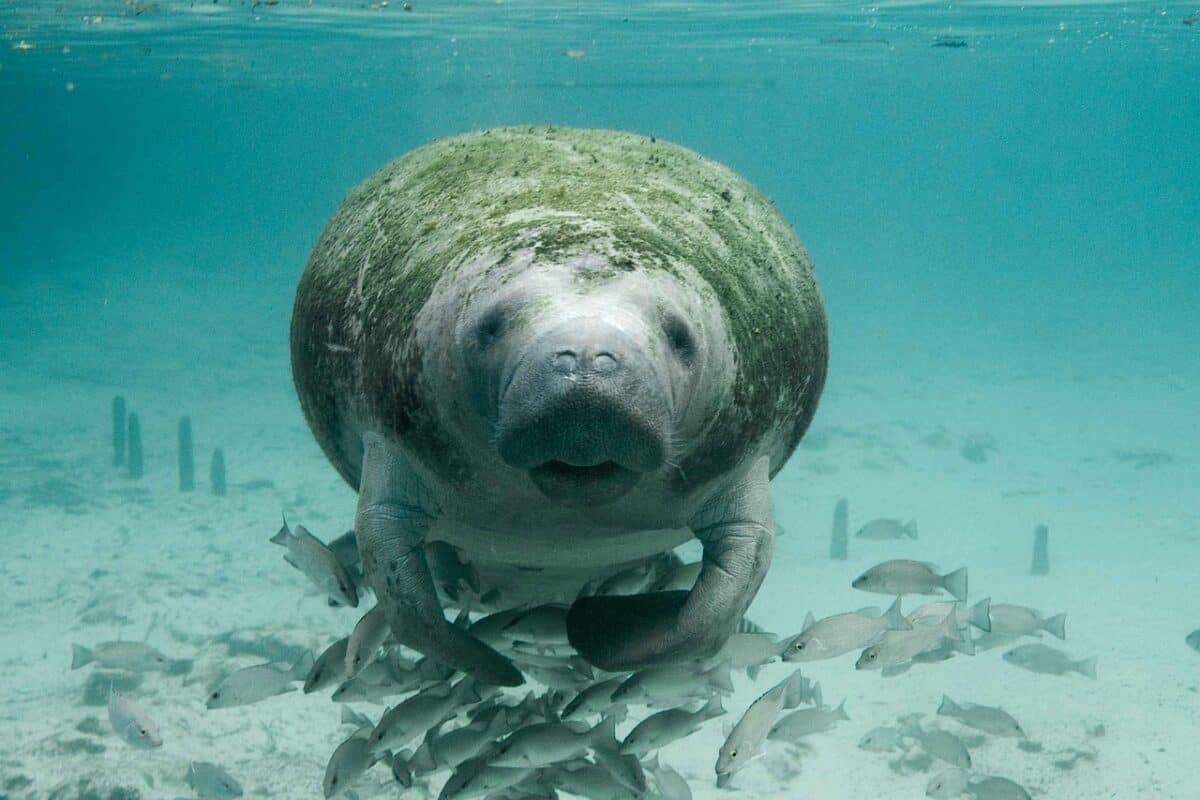
Scientists employ a sophisticated array of technologies to monitor and understand the St. Johns manatee migration. Aerial surveys conducted biweekly provide population estimates and distribution data, while boat-based observations allow researchers to document feeding patterns and social behaviors. Individual manatees are identified through unique scar patterns (primarily from boat strikes) that function as natural “fingerprints,” allowing researchers to track specific animals over decades. More advanced monitoring includes GPS tracking tags that relay real-time location data, providing insights into travel routes, speed, diving behavior, and habitat preferences.
Since 2015, the Jacksonville University Marine Science Research Institute has operated an acoustic monitoring network with underwater receivers that detect tagged manatees as they pass, creating a detailed picture of movement patterns throughout the river system. Genetic sampling helps scientists understand population structure and relationships between St. Johns manatees and those in other Florida watersheds. The most innovative recent addition is drone-based thermal imaging, which allows researchers to detect manatees below the water’s surface by identifying their body heat signature, particularly useful during nighttime monitoring or in turbid waters where visibility is limited.
Economic and Tourism Impacts
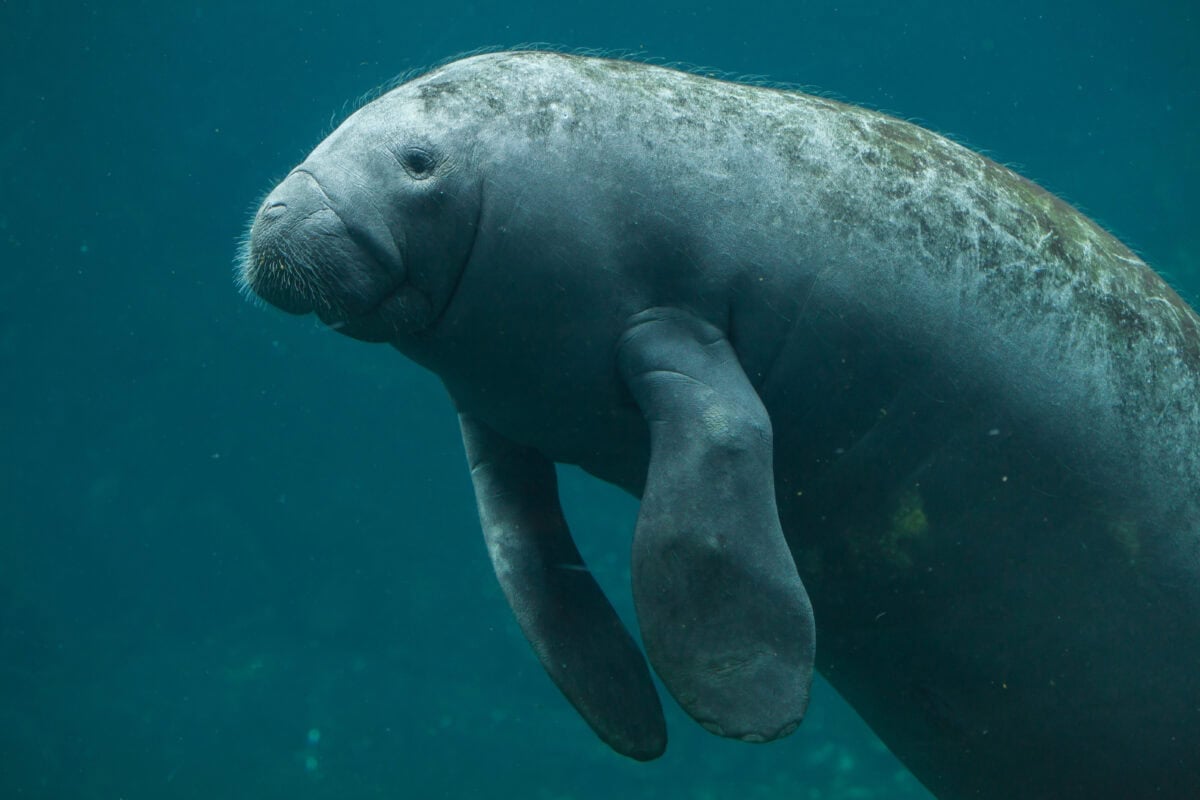
The establishment of the St. Johns River manatee migration has generated significant economic benefits for communities along the river. Blue Spring State Park now attracts over 550,000 annual visitors, with peak attendance during manatee season, generating an estimated $25 million in regional economic impact according to Florida State Parks data. The park’s entrance fee revenue has increased by 215% since 2000, largely attributed to manatee tourism. Communities like DeLand, Orange City, and Green Cove Springs have developed manatee-themed businesses, tours, and educational programs, creating what economists call “charismatic megafauna tourism.” Jacksonville’s Manatee Critical Care Center, opened in 2017, not only serves as a rehabilitation facility but also as an educational attraction drawing approximately 30,000 visitors annually.
River tour operators throughout the St. Johns watershed report that manatee sightings have become their most requested and marketable feature, with some companies shifting their business models to focus specifically on responsible manatee viewing experiences. This economic activity has created an estimated 350 direct jobs in ecotourism and conservation sectors along the river, according to a 2021 University of Florida economic impact study, demonstrating how wildlife conservation can generate tangible economic benefits for local communities.
Protection Measures and Regulations
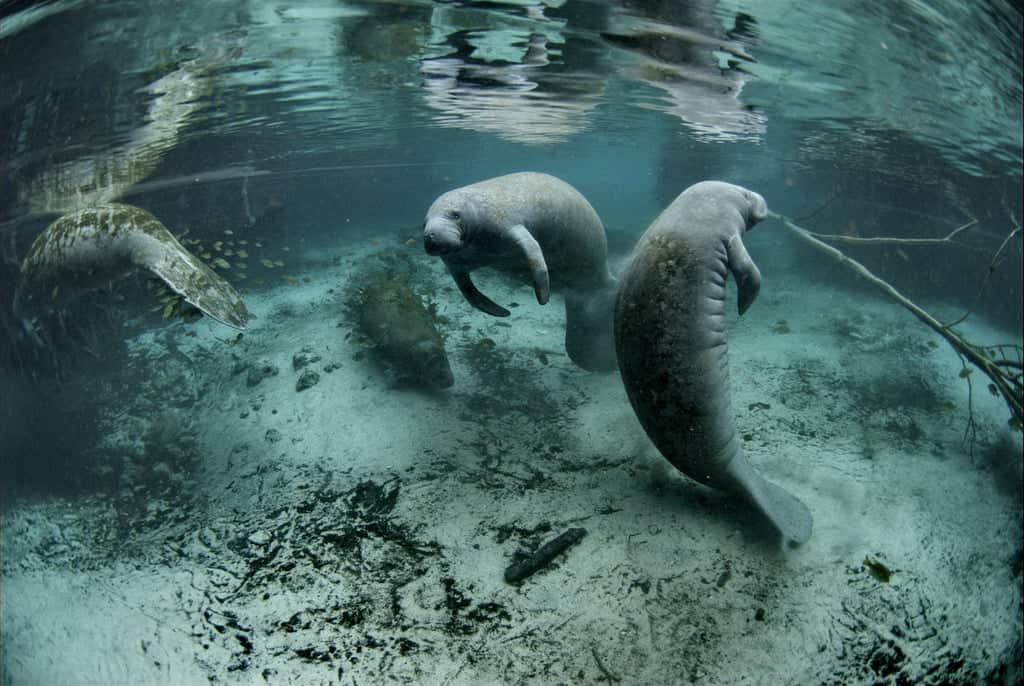
A comprehensive regulatory framework has developed to protect the St. Johns River manatee migration. Manatees are protected under both the federal Endangered Species Act and Marine Mammal Protection Act, as well as Florida’s Manatee Sanctuary Act. These laws establish penalties of up to $50,000 and potential imprisonment for harming or harassing manatees. Throughout the river, a network of manatee protection zones limits boat speeds in critical habitats, with particularly stringent restrictions during winter months when manatees concentrate in warm-water refuges.
Thirteen counties along the river have implemented Manatee Protection Plans that regulate waterfront development, marina construction, and boating activities based on manatee distribution data. Educational requirements for boaters have been strengthened, with Florida now requiring boater education courses to include specific content on manatee protection. The St. Johns River Water Management District has established vegetation protection zones that preserve critical feeding habitats, while also implementing water quality standards designed to maintain the aquatic plant communities that manatees depend upon. Enforcement of these regulations is conducted through coordinated patrols by FWC officers, county marine units, and federal wildlife agents, with particular focus on high-density manatee areas during peak migration seasons.
Community Science and Public Engagement
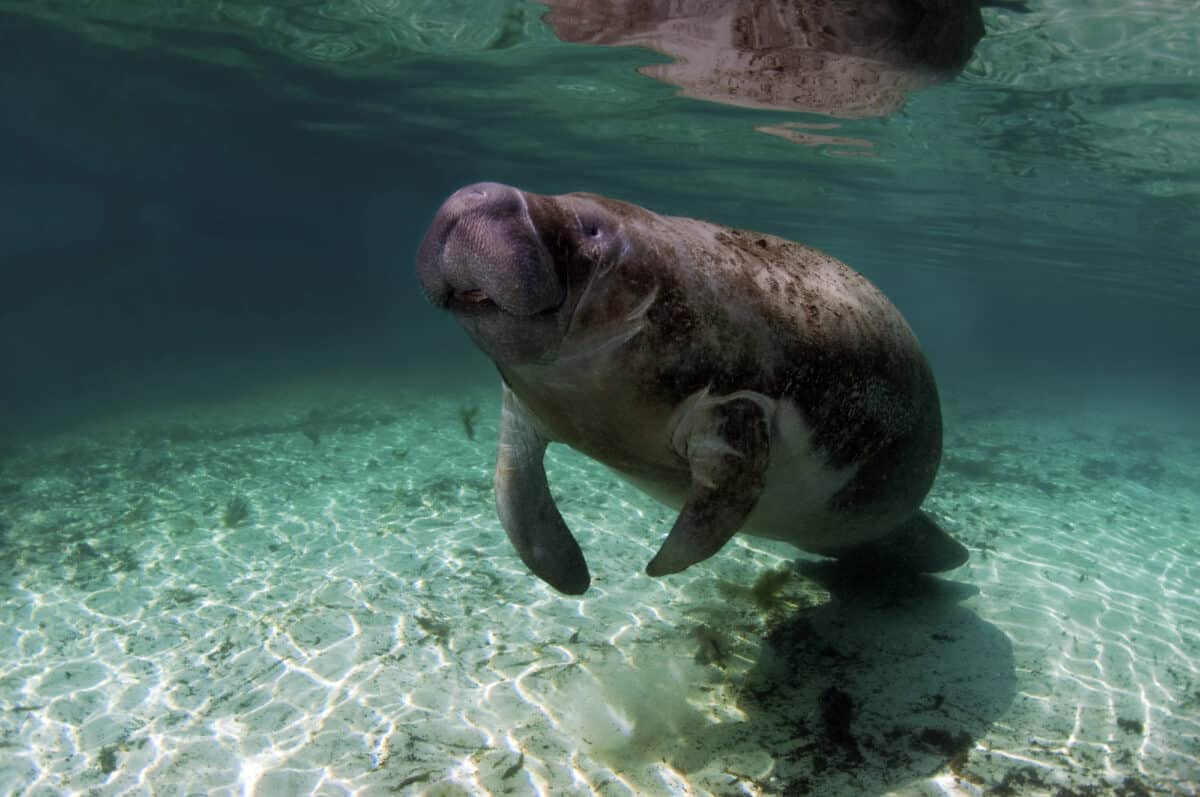
Public participation has become instrumental in monitoring and protecting the St. Johns manatee migration. The FWC’s manatee sighting network relies on thousands of citizen reports annually, with a dedicated mobile app that allows users to submit GPS-tagged photos and observations. This community science approach has documented manatee presence in previously unmonitored tributaries and has assisted in identifying injured animals needing rescue. Volunteer programs at Blue Spring State Park and other locations train community members to assist with manatee counts, identification, and visitor education.
The Jacksonville-based “Manatee Watch” program, established in 2012, has trained over 800 volunteers who conduct regular shoreline surveys, documenting manatee behavior and reporting potential threats. Educational institutions along the river, from elementary schools to universities, have incorporated manatee conservation into their curricula, creating a generation of informed advocates. Community engagement extends to the political sphere, with resident-led advocacy resulting in strengthened local ordinances protecting manatee habitat in several river communities. The Save the Manatee Club, founded by singer Jimmy Buffett and former Florida Governor Bob Graham, operates an “Adopt-A-Manatee” program featuring St. Johns River individuals, creating personal connections between donors and specific animals that migrate through the river system.
Future Outlook for the Migration
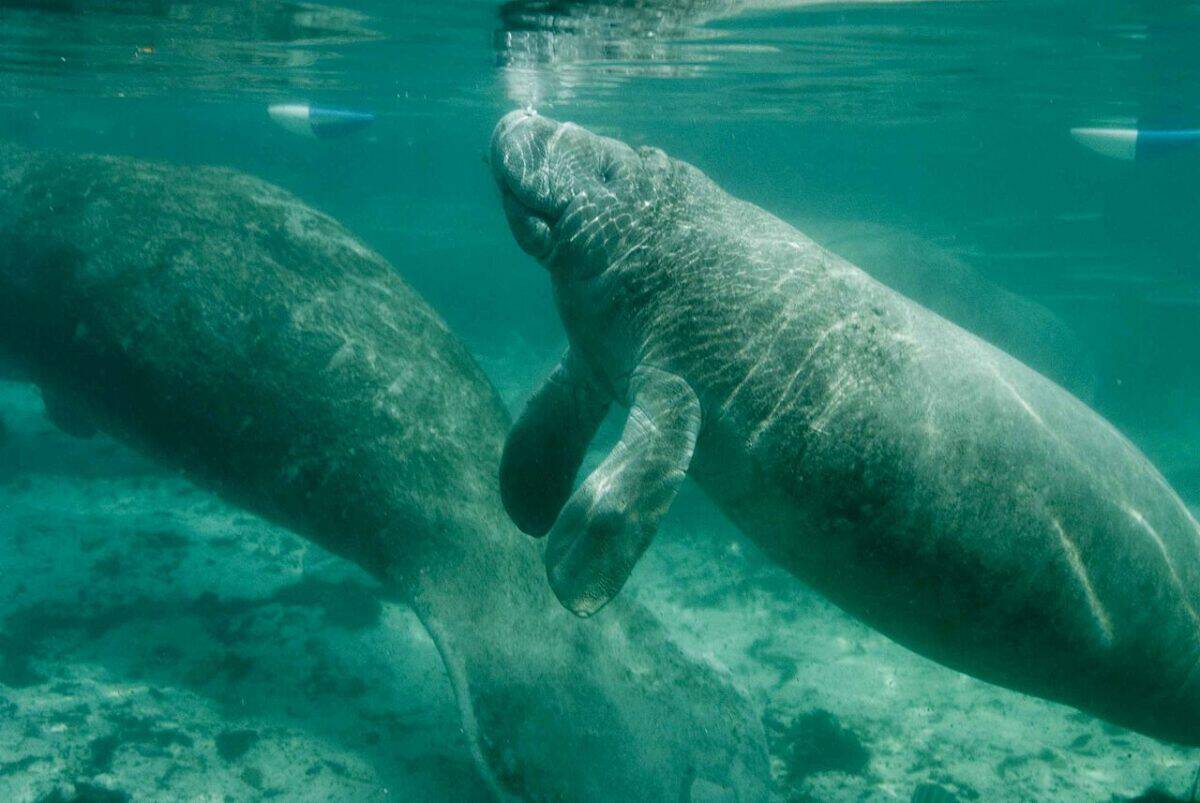
The future of the St. Johns River manatee migration balances precariously between encouraging trends and substantial challenges. Population modeling suggests the river could support an increasing manatee population if habitat protection continues and mortality from human causes decreases. Ongoing restoration projects, including the removal of unnecessary dams and improved water flow management, aim to enhance connectivity between river segments, potentially expanding usable migration corridors. Innovative technologies being developed include manatee-specific underpasses at water control structures and acoustic warning systems that alert boaters to manatee presence.
However, significant threats loom: climate change models predict altered rainfall patterns that could affect river flow and temperature regimes, potentially disrupting established migration patterns. The river’s urban corridors continue to experience development pressure that threatens riparian habitats. Water withdrawal for human use could reduce spring flows that manatees depend upon during winter months. Perhaps most concerning is the potential loss of artificial warm-water refuges if power plants modernize operations, which could displace hundreds of manatees that have adapted to use these sites. The migration’s future will largely depend on management decisions made in the coming decades, especially regarding water quality, development regulations, and how society balances human needs with manatee conservation.
Conclusion: The Remarkable Journey of the St. Johns Manatees

The establishment of a significant manatee migration in the St. Johns River represents a remarkable chapter in Florida’s wildlife conservation story, demonstrating both the adaptability of these ancient mammals and the potential effectiveness of dedicated protection efforts. From the dramatic success at Blue Spring State Park to the complex challenges in the river’s urban corridors, the manatee migration illuminates the intricate relationship between human activities and wildlife adaptation in a changing environment.
As climate patterns shift, human populations grow, and conservation practices evolve, the St. Johns River manatees will continue to serve as ambassadors for Florida’s unique aquatic ecosystems and barometers of environmental health. Their continued presence in the river stands as a living reminder that with dedicated conservation efforts, scientific monitoring, community engagement, and thoughtful policy implementation, it remains possible to create space for vulnerable species even within landscapes profoundly shaped by human influence.

From exploring the marine wonders in the Azores and witnessing the vast savannas of Kenya, to delving deep into the rich biodiversity of South Africa and traversing iconic landscapes in Australia and the US like Yellowstone, Chris's experiences are vast.
With a penchant for diving alongside sharks, the ocean holds a special place in his heart.
Through his academic insights, he champions wildlife conservation, striving with 'Animals Around The Globe' to cultivate a profound connection between humans and animals, enhancing our mutual appreciation.
Connect with him at Feedback@animalsaroundtheglobe.com.
- A Bear Journey Through The USA: 18 Best Bear Photos from 18 US States - July 19, 2026
- Elephant Matriarchs Know Every Waterhole for Miles - July 19, 2026
- Top 10 Dinosaur Relatives Still Roaming Earth Today - July 19, 2026