

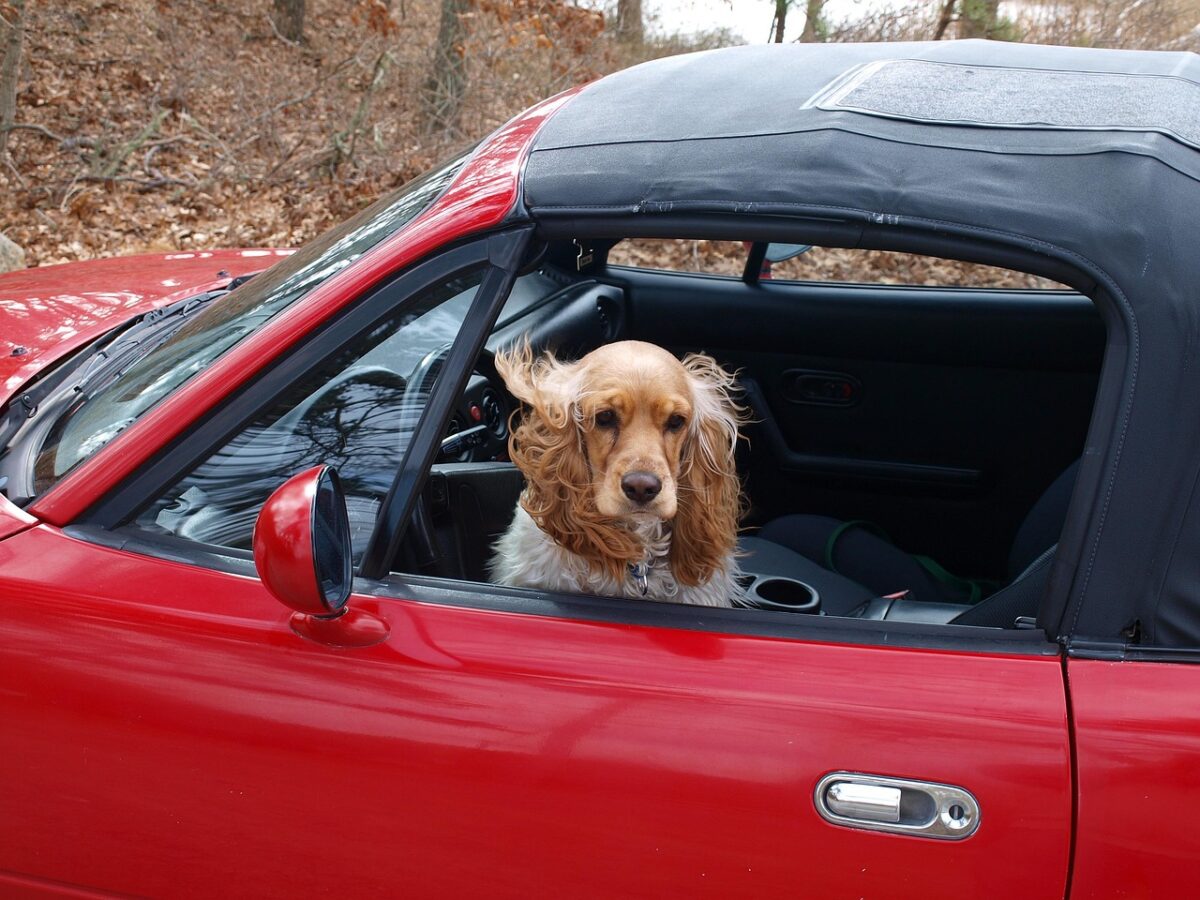
Unrestrained Pets Pose Serious Risks – Plan to Protect Everyone (Image Credits: Pixabay)
Pet owners increasingly choose road trips to create lasting memories with their animals, blending exploration with companionship through careful foresight.
Unrestrained Pets Pose Serious Risks – Plan to Protect Everyone
A 60-pound dog traveling unrestrained turns into a 2,700-pound projectile in a 35-mph crash, highlighting why vehicle safety ranks first.[1]
Owners secure medium to large dogs with crash-tested harnesses that spread impact across the chest and shoulders. Smaller pets or cats ride in hard-shell carriers fastened tightly to prevent movement. These measures create a secure space that also eases anxiety during long hauls.
Climate control matters equally. Vehicles stay between 68 and 72 degrees Fahrenheit, with sunshades on windows and no unattended pets left inside. Portable fans or cooling mats prove invaluable at warmer stops.
Pack Smart for Every Contingency
Thorough packing starts with documentation: vaccination records, recent pet photos, microchip details, and veterinarian contacts form the core list. Familiar items like bedding or toys scented with the owner’s smell provide behavioral reassurance amid unfamiliar surroundings.
Preparation extends to health acclimation weeks before departure. Short stationary sessions in the car build tolerance, progressing to neighborhood drives with engine noise and motion. Pheromone diffusers tailored for vehicles mimic calming scents to further reduce stress.
Master Hydration, Nutrition, and Strategic Stops
Frequent water breaks prevent motion sickness – small sips every 30 to 45 minutes suit most trips. Feed reduced portions, about 25 percent of normal, four to six hours prior, then pause until major rests or arrival.
| Travel Duration | Water Frequency | Amount per 10 lbs |
|---|---|---|
| 0-2 hours | Every 45 minutes | 2-3 tablespoons |
| 2-4 hours | Every 30 minutes | 2-3 tablespoons |
| 4+ hours | Every 30 minutes + stops | Normal at stops |
Rest areas double as relief spots. Map veterinary clinics every 200 miles and confirm hotel pet rules, including fees, weight limits, and breed policies, ahead of time.
Handle Health, Destinations, and Recovery
Monitor breathing, gum color, energy, and appetite en route, noting changes precisely. An emergency kit includes a pet thermometer, gauze, antiseptics, medications, poison hotlines, and physical descriptions.
At destinations, check leash laws and pet-friendly sites like trails or parks, matching activities to the pet’s fitness. Post-trip, resume normal feeding while watching for stress-induced stomach issues. “The most successful pet-friendly travel experiences are built on thorough preparation, not spontaneous decisions,” notes one expert.[1]
- Secure pets with tested harnesses or carriers to avert crash dangers.
- Pack records, familiar comforts, and an emergency kit for readiness.
- Schedule hydration and feeds to maintain pet well-being throughout.
These strategies ensure road trips strengthen bonds without unnecessary risks. What pet travel tip has worked best for you? Share in the comments.

- Urban Coyotes Show Remarkable Adaptability, Learning to Thrive in City Environments - July 22, 2026
- Beavers Are Nature’s Engineers, Creating Vital Habitats for Other Wildlife Species - July 21, 2026
- The Recovery of the California Condor Offers Hope for Other Critically Endangered Birds - July 21, 2026