


In the intricate tapestry of ecological relationships, few connections are as surprising and consequential as the emerging link between wildfires and bird migration. As climate change intensifies fire seasons across the globe, scientists are uncovering how these increasingly frequent and severe blazes are altering the ancient patterns of avian movement. From changed migration timing to altered routes and disrupted breeding cycles, wildfires are reshaping the aerial highways that birds have traveled for millennia. This article explores the complex and often unexpected ways that fire and flight intersect, revealing how these environmental forces are creating new challenges and adaptations for migratory birds in a rapidly changing world.
The Increasing Prevalence of Wildfires in Bird Habitats
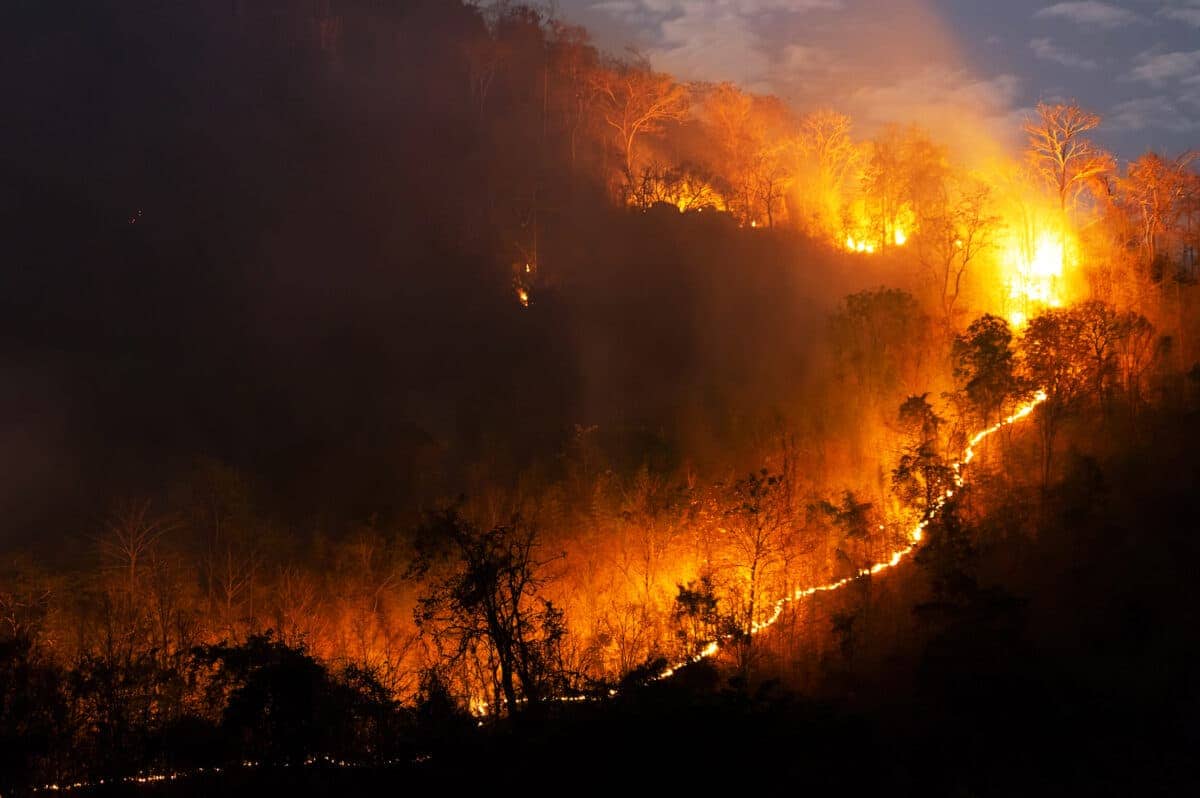
Wildfire frequency and intensity have increased dramatically over the past several decades, particularly in regions that serve as critical habitat for migratory birds. In North America alone, the annual burned area has expanded by approximately 400% since the 1970s in some regions, according to data from the National Interagency Fire Center. Mediterranean climates, boreal forests, and grassland ecosystems—all crucial for different migratory species—have experienced particularly pronounced increases in fire activity. The 2020 fire season set records across the western United States, with over 10.3 million acres burned, creating smoke plumes that extended across the continent during peak fall migration periods. These aren’t isolated incidents but part of a global pattern that’s increasingly overlapping with traditional migratory corridors and timing, forcing birds to navigate new challenges during their already demanding journeys.
How Smoke Plumes Affect Navigation Systems

Birds possess remarkable navigation abilities that rely on multiple environmental cues, many of which can be disrupted by wildfire smoke. Research published in the journal “Proceedings of the National Academy of Sciences” has demonstrated that thick smoke plumes can obscure celestial navigation cues that nocturnal migrants depend on, including stars and polarized light patterns. Additionally, many species rely on visual landmarks for orientation, which become invisible under heavy smoke conditions. Perhaps most concerning, recent studies suggest that particulate matter in smoke may interfere with birds’ magnetoreception—their ability to detect Earth’s magnetic field. Experiments with captive white-throated sparrows exposed to simulated smoke conditions showed significant orientation confusion, with birds unable to maintain consistent directional preferences. This sensory disruption can lead to increased energy expenditure, disorientation, and potentially fatal navigation errors during critical migration periods.
Direct Mortality and Physiological Impacts

The immediate dangers wildfires pose to birds extend beyond habitat destruction. In 2020, researchers documented a mass mortality event in the southwestern United States where thousands of migratory birds, primarily insectivorous species like flycatchers and swallows, were found dead during their southward migration. Necropsies revealed evidence of smoke inhalation, dehydration, and starvation. The physiological toll of smoke exposure includes respiratory distress, inflammation, and impaired immune function. Birds’ respiratory systems are particularly efficient and sensitive—they extract oxygen during both inhalation and exhalation—making them especially vulnerable to airborne pollutants. Laboratory studies have shown that exposure to fine particulate matter (PM2.5) common in wildfire smoke can reduce birds’ exercise capacity by up to 30%, which directly impacts their ability to sustain the prolonged exertion required during migration. For species that may fly non-stop for several days, this reduction in physiological capacity can mean the difference between successful migration and exhaustion over inhospitable terrain or water bodies.
Changes in Migration Timing
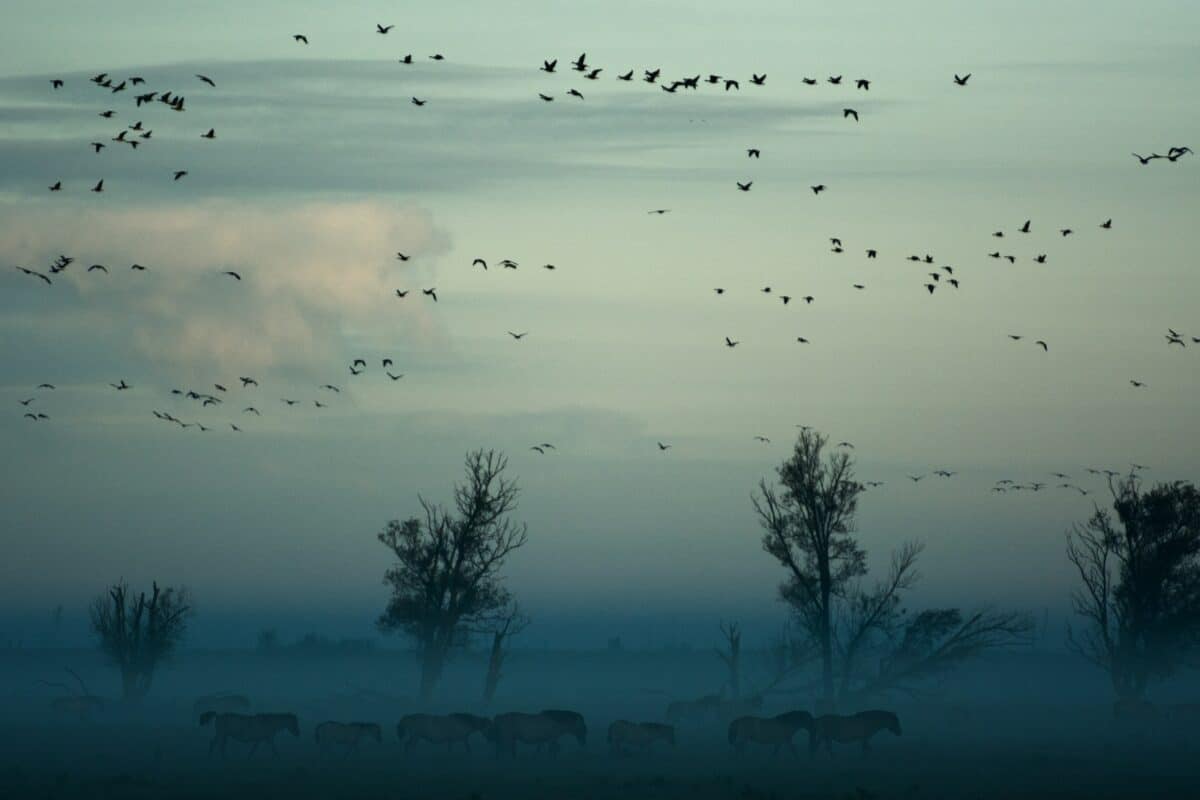
Wildfire activity is increasingly causing birds to alter the timing of their migrations, with potentially significant ecological consequences. Ornithologists using weather radar systems to track large-scale bird movements have documented delays of up to two weeks in peak migration timing when major fire events coincide with traditional departure periods. For example, data from the Cornell Lab of Ornithology’s eBird program showed that western populations of Swainson’s Thrushes delayed their southward migration by 5-12 days during severe fire seasons in 2017 and 2020. These timing shifts can create dangerous mismatches between birds’ arrivals and the availability of critical resources like seasonal food sources. For species that time their migrations to coincide with specific insect emergences or fruit ripening, even small delays can reduce survival rates and breeding success. Conversely, some opportunistic species have been documented accelerating their departures from breeding grounds when fires occur earlier in the season, potentially abandoning nesting attempts and reducing annual productivity.
Rerouting Flight Paths

The geographical extent of modern wildfires is forcing birds to significantly alter their traditional migratory routes. Using satellite tracking data from tagged individuals, researchers have observed dramatic detours around active fire zones, sometimes adding hundreds of miles to migration journeys. A study published in “Conservation Biology” documented Swainson’s Hawks making 200-mile eastward detours to avoid smoke plumes during their migration from western North America to Argentina. Similarly, tracking data from Bar-tailed Godwits showed altered Pacific flight paths during the 2019-2020 Australian bushfires. These detours come with substantial energetic costs—birds carefully balance fat reserves against distance in planning migrations, and unexpected route changes can deplete these critical energy stores. Radar ornithology has revealed that birds flying through areas with even moderate smoke concentrations fly at higher altitudes than normal, sometimes exceeding 3,000 meters above ground level, which requires additional energy expenditure and exposes them to colder temperatures and different wind patterns. These adaptations demonstrate birds’ remarkable flexibility but also highlight the increased physiological demands imposed by fire-altered landscapes.
Post-Fire Habitat Transformation and Stopover Sites
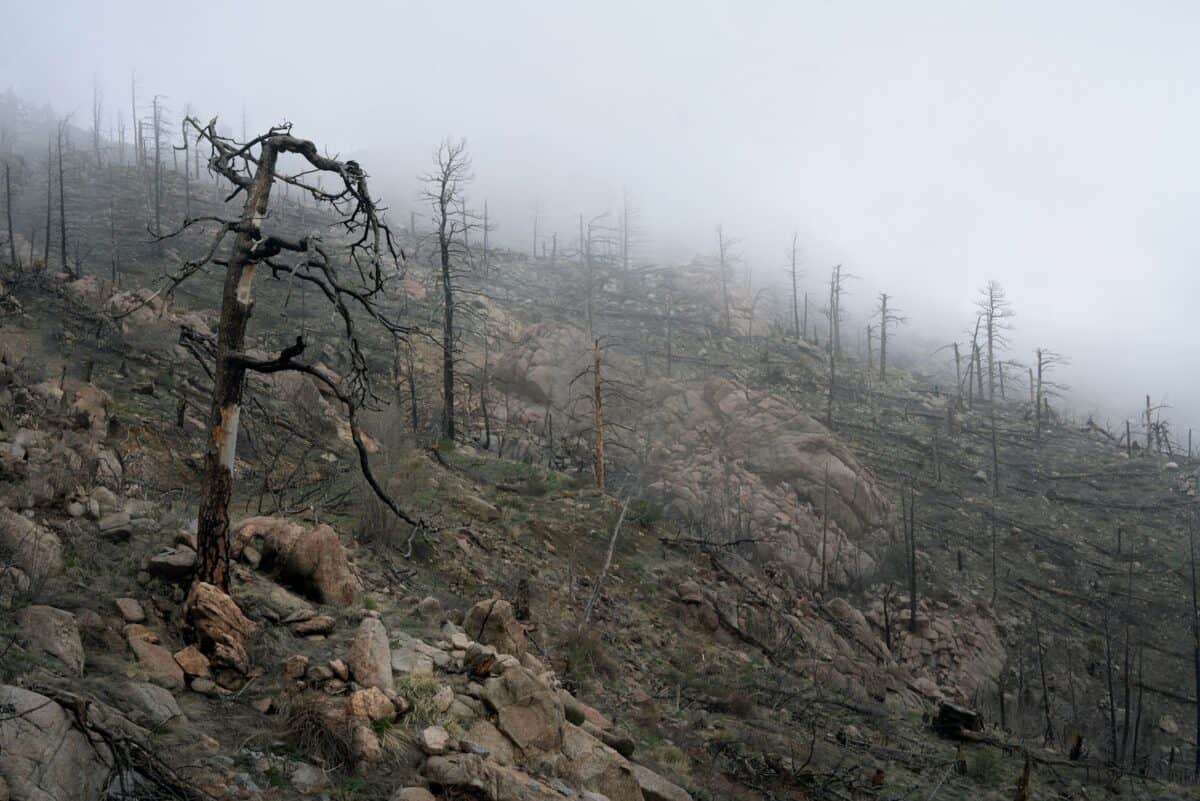
Wildfires dramatically transform landscapes that serve as critical stopover sites where migratory birds rest and refuel. The immediate aftermath of intense fires often renders these locations unusable, eliminating food sources and protective cover. A single severe fire event can transform thousands of acres of productive habitat into a resource desert for migrating birds. However, the relationship between fire and habitat quality is complex and evolves over time. Research in the boreal forests of Canada has shown that 2-5 years after moderate fire events, some stopover sites actually experience increased fruit and insect abundance, benefiting certain migratory species. Woodpeckers and other insectivores often thrive in recently burned forests due to increased abundance of wood-boring beetles. Conversely, canopy-dwelling warblers and vireos may abandon burned areas for decades. This creates a mosaic of habitat quality across the landscape that forces birds to adjust traditional stopover strategies. Tracking studies using automated radio telemetry networks have revealed that birds spend more time searching for suitable stopover habitat in fire-affected landscapes, increasing energy expenditure during critical refueling periods.
Climate Change: The Compounding Factor

Climate change acts as a force multiplier, intensifying both wildfire patterns and creating additional migration challenges. Rising global temperatures are extending fire seasons—now 78 days longer in the western United States than in the 1970s—while simultaneously shifting the timing of seasonal cues that birds use to initiate migration. This creates a dangerous scenario where peak fire activity increasingly overlaps with peak migration periods. Climate-driven changes in precipitation patterns further compound these issues, with drought conditions creating more combustible landscapes while reducing water availability for migrating birds. The physiological stress of navigating through hotter conditions with fewer water sources makes the additional challenges posed by wildfires particularly dangerous. Climate models project that by 2050, some migratory species may face fire-affected conditions along more than 30% of their migration routes, compared to historical averages of less than 5%. This represents a fundamental reshaping of the migratory landscape that birds have evolved to navigate, forcing rapid adaptations that may exceed many species’ capacity for change.
Species-Specific Vulnerability
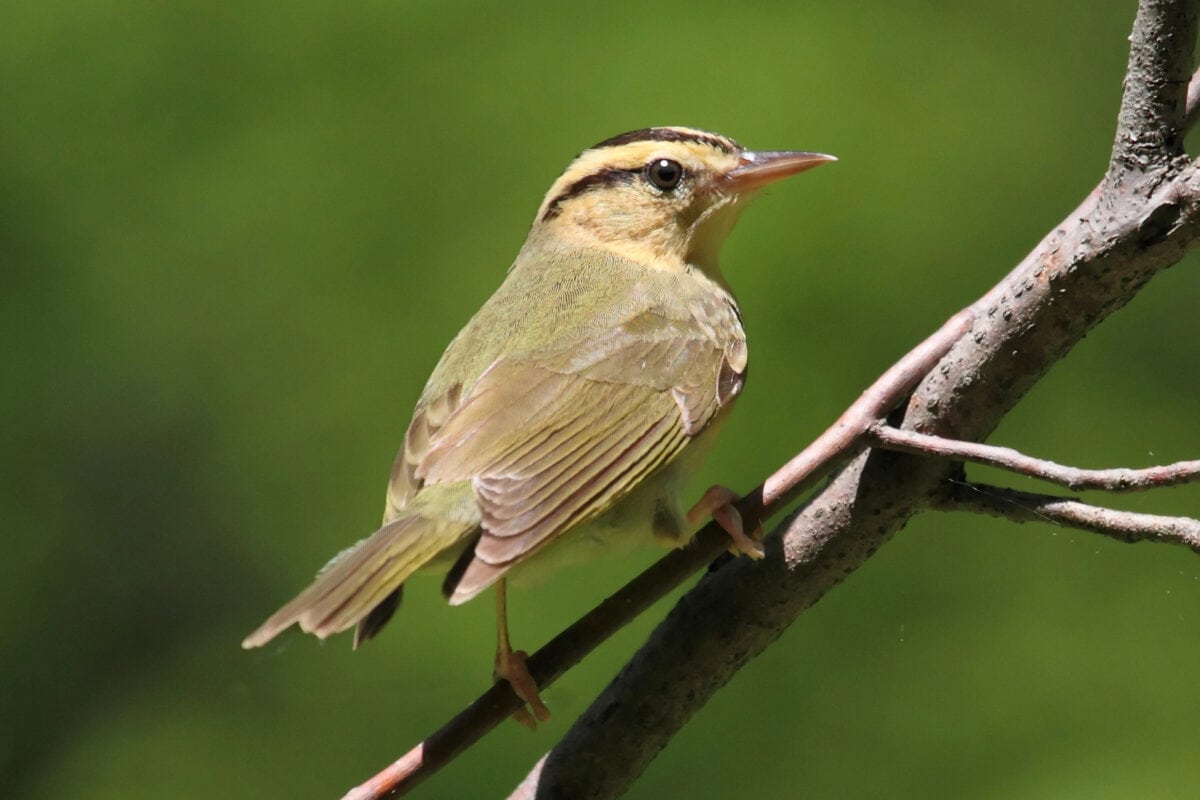
Not all migratory birds are equally vulnerable to wildfire impacts, with certain species facing disproportionate risks based on their ecological traits. Long-distance migrants that cannot easily adjust their timing or routes, such as many neotropical migrants, face particular challenges. Species with specialized diets or habitat requirements also show increased vulnerability. For example, the Kirtland’s Warbler, which migrates between specific jack pine forests in Michigan and the Bahamas, has limited flexibility to adjust to fire-altered landscapes. Similarly, aerial insectivores like swifts and swallows are especially affected by smoke-reduced visibility and insect availability. A vulnerability assessment published in “Global Change Biology” analyzed 86 migratory bird species based on their ecological traits and migration strategies, finding that narrow-range specialists with limited dietary flexibility showed 60% higher vulnerability scores to fire-altered migration conditions compared to generalist species. Counterintuitively, some of the most endangered migratory birds actually depend on natural fire regimes—species like the Black-backed Woodpecker thrive in recently burned forests but face threats from fire suppression and increasingly severe, habitat-destroying megafires.
Ecosystem Services at Risk

The disruption of bird migration patterns by wildfire carries broader ecological consequences that extend throughout ecosystems. Migratory birds provide crucial ecological services including seed dispersal, pollination, and insect control across vast geographical areas. When fire alters these movement patterns, the effects cascade through interconnected ecological systems. For instance, research in post-fire Mediterranean landscapes has documented reduced seed dispersal of fire-adapted plant species when migratory thrushes altered their movements to avoid burned areas. In agricultural regions, disruptions to the arrival timing of insectivorous migrants can affect natural pest control services valued at billions of dollars annually. Long-distance migrants often serve as mobile links between ecosystems, transferring nutrients and energy between regions. A study in “Science Advances” estimated that migratory birds transport approximately 2.8 million tons of phosphorus globally each year—an ecological service that becomes disrupted when fire alters migration patterns. These examples illustrate how the wildfire-migration relationship extends far beyond the birds themselves, affecting ecosystem function across continents.
Adaptation Strategies: How Birds Are Responding

White Stork. Image via Unsplash
Despite these challenges, migratory birds are demonstrating remarkable adaptability to changing fire regimes. Tracking studies have revealed that some species are developing new migration strategies that include greater flexibility in timing and route selection. European studies of White Storks, for example, have documented the development of new migratory divides, with some populations establishing entirely new routes that avoid fire-prone regions. Other species show behavioral adaptations, such as increased nocturnal migration during periods of heavy smoke when visibility improves after sunset. Physiological adaptations are also occurring, with evidence that some populations are developing increased respiratory tolerance to smoke exposure. Perhaps most significant is the emerging evidence of microevolutionary responses—researchers have documented selection pressure for earlier migration timing in populations that regularly experience late-summer fires. This suggests that over multiple generations, some species may be adapting genetically to new fire regimes. However, the pace of these adaptations raises concerns, as the rate of environmental change may exceed many species’ capacity for evolutionary response.
Conservation Implications and Management Approaches

The emerging understanding of wildfire-migration interactions is transforming conservation strategies for migratory birds. Progressive land managers are now incorporating migration timing into prescribed burning plans, avoiding controlled burns during peak migration periods in important corridors. The development of “dynamic conservation” approaches allows for temporary habitat protection that shifts geographically based on fire conditions and bird movements. For example, the California Waterbird Program uses real-time migration data to identify critical wetland habitats requiring emergency water deliveries when fire has degraded traditional stopover sites. International cooperation is also evolving, with initiatives like the North American Bird Conservation Initiative now incorporating fire risk assessment into transboundary conservation planning. Resource managers are increasingly creating firebreaks around critical stopover habitats and establishing emergency water sources along migration routes in fire-prone regions. These innovative approaches represent a shift toward more dynamic, responsive conservation strategies that acknowledge the changing relationship between fire and bird movement in a warming world.
Technological Advances in Monitoring and Prediction
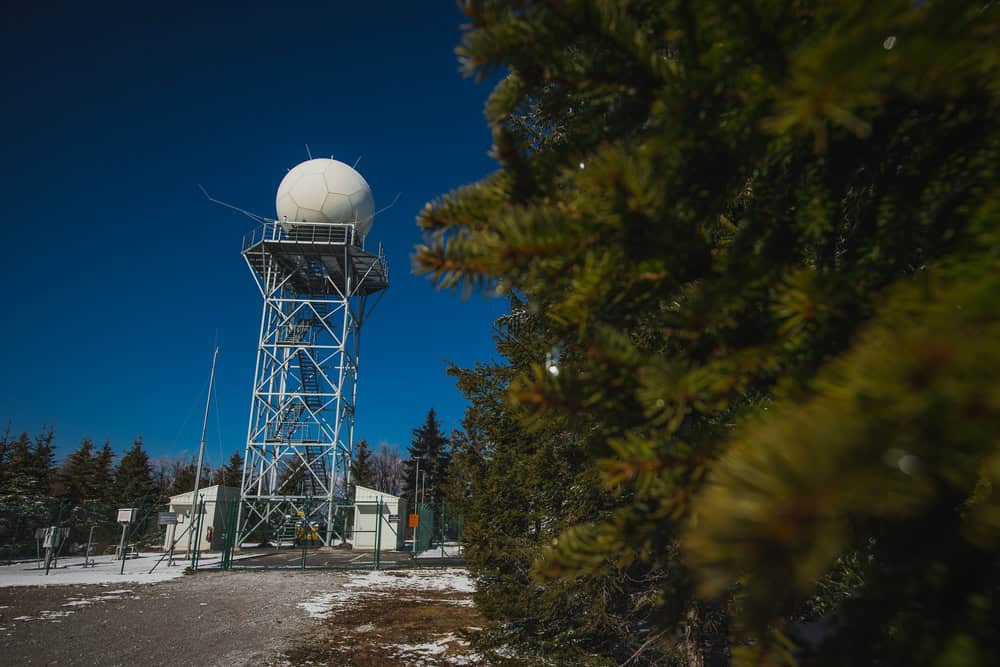
Technological innovation is revolutionizing our ability to understand and respond to wildfire impacts on bird migration. Weather radar networks originally designed for meteorological forecasting are now being repurposed to track bird movements in relation to fire and smoke conditions in real-time. The BirdCast system, developed by Cornell University, integrates radar ornithology with smoke plume modeling to predict potential migration disruptions up to 72 hours in advance. Miniaturized tracking technology has advanced dramatically, with GPS tags weighing less than 0.3 grams now allowing researchers to track even small songbirds throughout their entire migratory journeys. These devices reveal precisely how individuals respond to encountered fire conditions. Remote sensing technologies using specialized satellite imagery can now assess habitat quality changes along migration routes within days of fire events. Perhaps most promising is the integration of these monitoring systems with artificial intelligence algorithms that can identify patterns and predict vulnerable migration periods and locations. These technological tools are providing unprecedented insights into how birds navigate fire-altered landscapes while offering new opportunities for targeted conservation interventions.
The relationship between wildfire and bird migration represents one of the most dynamic and consequential ecological interactions in our changing world. As fire regimes intensify under climate change, the ancient aerial pathways that birds have followed for millennia are being rewritten in ways that challenge even the most adaptable species. The scientific understanding of these interactions has progressed rapidly, revealing both concerning vulnerabilities and remarkable adaptations that give reason for cautious optimism. The future of this relationship will depend largely on human actions—both in addressing climate change and in implementing informed management strategies that provide migratory birds with the resources and conditions they need to complete their extraordinary journeys. As we continue to unravel the complex connections between fire and flight, one thing becomes clear: the resilience of migratory birds will be tested as never before, with consequences that will ripple through ecosystems across the globe.

- Top Places to See Beavers at Work in the Wild - July 19, 2026
- Cuddling for Warmth: How Meerkats Stay Cozy - July 18, 2026
- This U.S. Lake Is Mysteriously Disappearing—Here’s What Scientists Say - July 18, 2026