
Nature has been running a very long experiment in longevity, and the results are nothing short of mind-bending. A tiny bat the size of your thumb can outlive a full-grown labrador. A shark drifting silently through the Arctic deep could be older than the United States. Meanwhile, a common mouse barely makes it past its second birthday in the wild. What is really going on here?
The science of animal aging is packed with surprises, contradictions, and more than a few head-scratching mysteries. It turns out the rules governing who lives longest in the wild are far stranger and more fascinating than scientists ever expected. Let’s dive in.
The “Live Fast, Die Young” Rule – and the Animals That Break It
Here’s the thing most people assume: big animals live long, small ones don’t. It’s tidy, it’s logical, and honestly, it’s mostly wrong. Conventional wisdom used to be that the lifespan of a creature was roughly proportional to its body mass and heart rate, with the big, slow elephant outliving the quick, small mouse. New research, however, presents a more complicated picture.
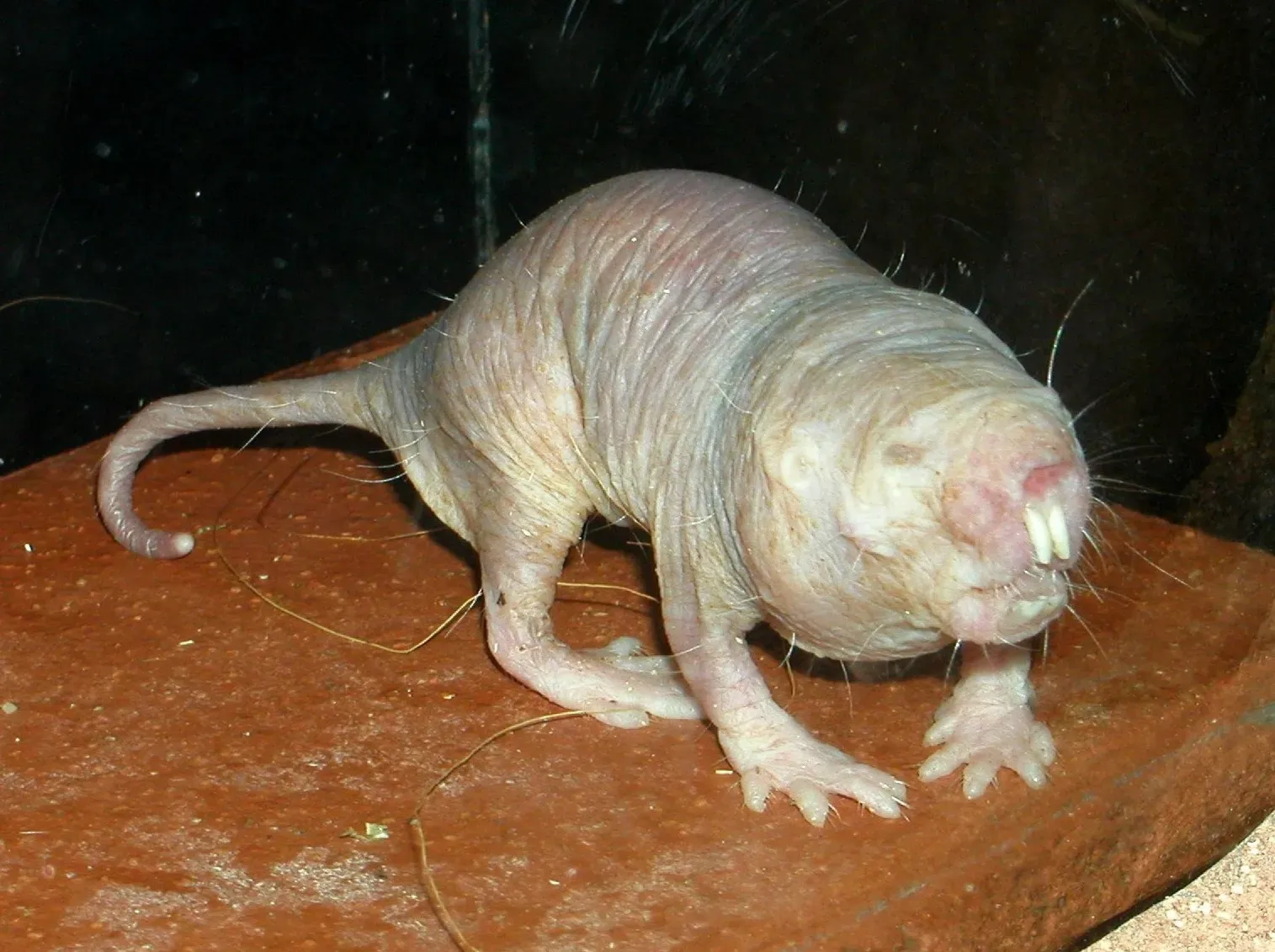
At just 35 grams, the naked mole rat is the Methuselah of the rodent world. While house mice only live up to four years, the naked mole rat can live for over 31 years. That’s not a rounding error. That’s a biological phenomenon that has kept scientists baffled for decades.
Some species seem to live fast and die young. Others, though, appear not to age at all. Think of it like two cars with the same engine size – one driven sensibly on country roads, the other floored every day through city traffic. The mileage they both accumulate tells completely different stories.
Animals across the natural world age at dramatically different rates. A female elephant can live as long as 80 years, yet she produces only a small number of calves over her lifetime. By contrast, a mouse may survive just a few years but is capable of producing dozens of offspring. Evolutionary biology explains this contrast through a basic principle: energy is limited, and species must divide it between reproduction and maintaining their bodies.
Predator Pressure: The Surprising Evolutionary Clock
Here’s a perspective that honestly blew my mind when I first came across it. The reason many animals age quickly isn’t really about biology at a molecular level – it’s about fear. Or rather, the evolutionary legacy of fear. Longevity is not something there’s direct evolutionary selection for. In the wild, most animals don’t die of old age. Predators eliminate them before cancer or heart disease, major killers of aging humans, ever become a problem.
A little scurrying rodent like a mouse has little to gain by investing much in maintenance, since it will probably end up as a predator’s lunch within a few months anyway. That low investment means it should age more quickly. Think of it this way – why would your body bother building an expensive, ultra-durable engine if the car is probably going to get totaled in a crash next week?
Species that face high predation usually evolve to grow quickly and reach sexual maturity rapidly. Other creatures that don’t face pressure to reproduce early can age slowly: Greenland sharks, for instance (the top of their food chain), may take 150 years to reach sexual maturity. Let that sink in. One hundred and fifty years just to be old enough to reproduce.
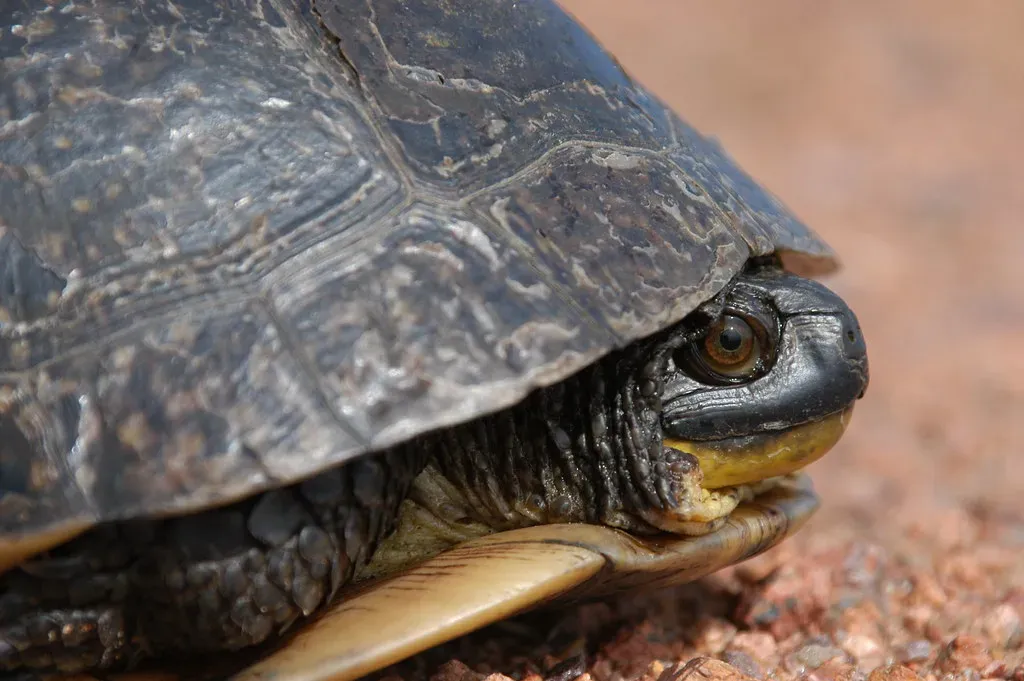
Researchers discovered a few key factors that appeared to affect how quickly or slowly cold-blooded animals aged. Reptiles and amphibians that had protective traits, such as a hard shell, scales, or a venomous bite, aged more slowly than those without them. Nature, it seems, rewards the well-defended.
The Genetic Lottery: DNA Repair, Cancer Resistance, and Secret Molecular Weapons
Let’s be real – this is where the story gets genuinely spectacular. Some animals have essentially evolved molecular superpower suits that keep their cells young and cancer-free for extraordinary periods of time. All long-lived mammals need to delay the onset of cancer. Elephants do this by having multiple copies of key tumor-suppressing genes, so that every cell has backups if one gene breaks during the wear and tear of life. Naked mole rats, on the other hand, gain cancer resistance from an unusual molecule involved in sticking cells together, while bowhead whales have amped up their DNA repair pathways.
In one study of 800 naked mole rats, not a single one had developed cancer. In contrast, scientists estimate that as many as half of humans eventually develop cancer. Indeed, naked mole rats have very high levels of a type of hyaluronan, a connective-tissue component that may help protect DNA from damage. Not a single cancer case, in 800 animals. That’s extraordinary.
Researchers studying the bowhead whale’s genome have discovered that this species possesses unique genes that aid in DNA repair and resistance to mutations that can lead to cancer. The bowhead whale’s cells were both efficient and accurate at repairing double-strand breaks in DNA, restoring broken DNA so that it’s as good as new.
Researchers also found that changes in how genes are spliced, more than just how active they are, play a key role in determining maximum lifespan. I think this is one of the most underreported findings in modern biology. It’s not just which genes you have – it’s the incredibly precise way they’re used.
The Flight Advantage and the Cold-Water Secret
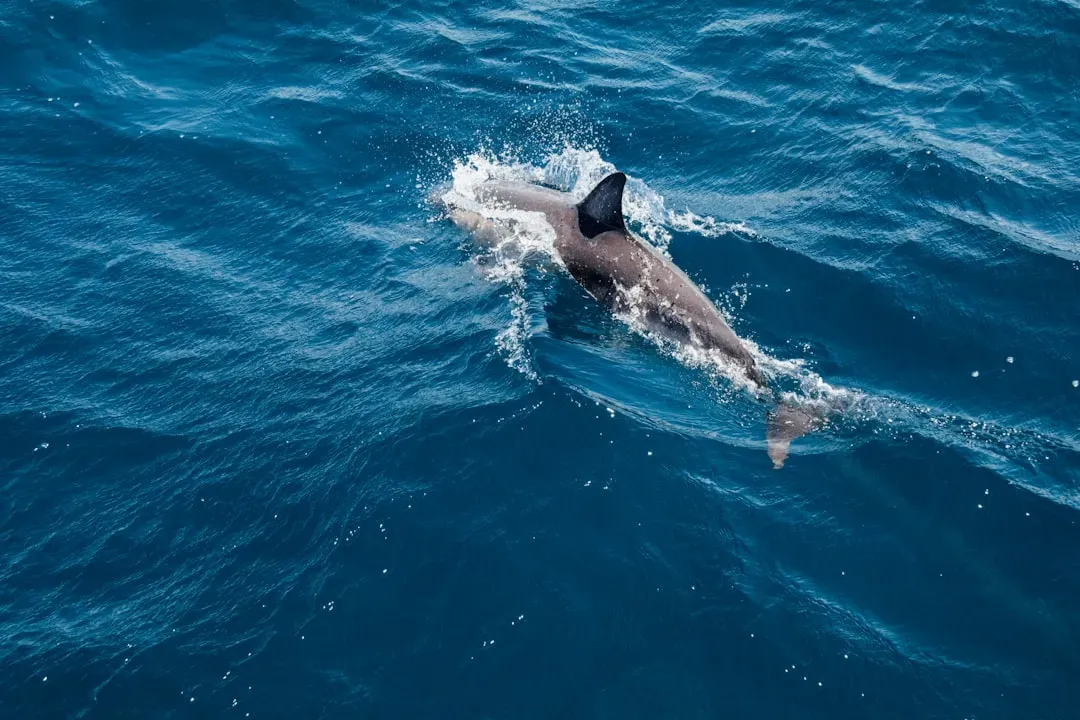
Flying turns out to be one of nature’s best anti-aging strategies, which sounds absolutely ridiculous until you think about it. Animals which can fly, such as birds and bats, live far longer than expected for their size. For example, Brandt’s bat, which weighs in at only 4 to 6 grams, can live for over 41 years. This species, along with most other flying animals, seems to have beaten both the ageing odds associated with being small and the high metabolic rate required for flight.
Bats are tiny, yet one of the longest-lived mammals, reaching 40 years old. From an evolutionary perspective, it doesn’t matter that they’re so tiny, because they’re still really good at escaping predators. Freedom from being chased gives evolution the runway it needs to build longer, better-maintained bodies.
Then there’s the cold-water angle, which is equally mind-bending. One reason for the Greenland shark’s slow aging process could be the fact that they live in the depths of the ocean where the water temperature is between minus 1.8 degrees Celsius and plus 8 degrees. The Greenland shark is a cold-blooded animal that adapts its body temperature to its icy environment. This slows down its metabolism, meaning it essentially lives its life in slow motion.
Most albatrosses live to age 50. The oldest wild albatross on record is Wisdom, a female Laysan albatross, estimated to be approximately 72 or 73 years old as of 2024. She’s now 74 and is still breeding, with her latest healthy chick hatched in late January 2025. A bird still raising young at 74. Remarkable doesn’t quite cover it.
Reproduction, Social Life, and the Hidden Cost of Having Babies
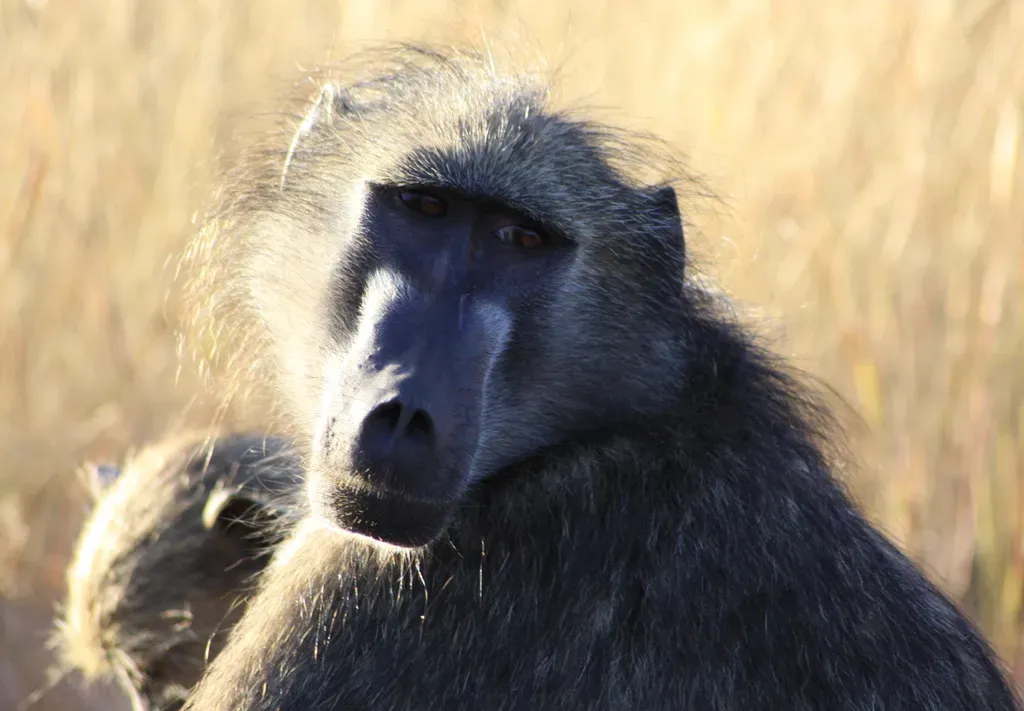
One of the most unexpected findings in recent longevity research – published just weeks ago in early 2026 – is that how much an animal reproduces directly shapes how long it lives. It’s an almost brutally logical trade-off. Female hamadryas baboons given hormonal contraception lived roughly 29 percent longer, while castrated males lived 19 percent longer. The numbers here are hard to ignore.
Males live longer only when castration removes testosterone, while females gain longevity from any form of reproductive suppression, likely because avoiding pregnancy and lactation reduces heavy energy demands on the body. Castrated males are also less likely to die from aggression or risky behavior, while females with blocked reproduction experience fewer deaths from infections, suggesting stronger immune defenses.
Social structure matters too. Naked mole rats live in underground colonies with a single reproductive queen and many sterile helpers in a system more akin to ants than to mammals. The sterile workers, freed from the energetic burden of reproduction, live extraordinary lives for animals their size. Nature, it seems, has known this trade-off for millions of years.
Parrots with relatively large brains possessed cognitive capabilities that enabled them to solve problems in the wild that could otherwise have led to their demise. Their intelligence enabled them to live longer lives. Scientists were surprised to find that other factors, such as diet or the longer developmental time required to develop larger brains, had no impact on their longer average lifespans. Intelligence, then, is its own kind of longevity gene.
Conclusion
The question of why some wild animals live dramatically longer than others doesn’t have one clean, simple answer. It never did. What science is beginning to reveal is a web of interlocking factors – predator pressure, DNA repair machinery, metabolic pace, reproductive investment, social structure, and even the temperature of the water an animal calls home. Every long-lived creature seems to have found its own unique solution to the same puzzle.
Honestly, the most surprising part of all this research isn’t any single animal. It’s the realization that longevity isn’t some grand destiny handed out by nature. It’s earned, piece by piece, through millions of years of evolutionary trial and error. A small number of researchers are taking the approach of studying unusually long-lived creatures – ones that, for whatever evolutionary reasons, have been imbued with lifespans far longer than other creatures they’re closely related to. The hope is that by exploring and understanding the genes and biochemical pathways that impart long life, researchers may ultimately uncover tricks that can extend our own lifespans, too.
The Greenland shark has been quietly drifting through the Arctic dark for potentially 400 years, completely indifferent to our fascination with it. The naked mole rat has been defying cancer in its underground colony while the rest of the rodent world burns bright and fast. Nature has been running these experiments for eons. We’re only just starting to read the results. What creature’s longevity secret surprises you most? Tell us in the comments.

- Why Veterinarians Say If Your Cat Sleeps With Their Back to You, It's the Highest Form of Trust in Feline Behavior - July 20, 2026
- Animal Science Says Ravens Remember Human Faces for Years and Warn Other Ravens About Dangerous People - July 20, 2026
- Marine Biology Says When Dolphins Suddenly Go Silent in Open Water It's Not Rest – They've Detected a Predator You Cannot See and Their Survival Strategy Reveals How They Read Danger - July 20, 2026