
Most of what happens on Earth after dark goes unwitnessed by human eyes. While we sleep, an entirely different cast of creatures takes over fields, forests, deserts, and oceans, running their own version of life with remarkable precision. It’s a world shaped by different rules, different senses, and different strategies for survival.
Roughly seven out of ten mammal species are nocturnal, while only about one in five is active primarily during daylight hours. Another small fraction operates irregularly, shifting between day and night depending on conditions. The sheer scale of that statistic is easy to overlook. Night is not the exception in the animal world. For much of life on Earth, night is simply when things get done.
Why the Night? The Evolutionary Logic Behind Nocturnality
Choosing darkness as a home base isn’t random. It’s a deeply rooted evolutionary strategy with very practical origins.
Early mammals evolved nocturnal habits during the Jurassic period as a way of avoiding predation by dinosaurs, enhancing their senses progressively over time to adapt to life in the dark. That ancient pressure left a lasting mark on how mammals perceive the world today.
Being active at night is a form of niche differentiation, where a species carves out its place not by competing for the same resources but by operating at a different time. Hawks and owls, for example, can hunt the same field for the same rodents without conflict simply because one is diurnal and the other is nocturnal.
Another powerful reason for nocturnality is avoiding the heat of the day. In arid biomes like deserts, being active at night prevents creatures from losing precious water during the hot, dry daytime hours. For species living in scorching climates, the night is not just safer. It’s the only sustainable option.
Research also shows that some animals, such as leopards in areas with high human activity, have become even more nocturnal over time, shifting their activity patterns specifically to avoid human contact while still maintaining their hunting success. Nocturnality, it turns out, can be an adaptive response to the modern world as much as an ancient one.
Built for the Dark: Extraordinary Sensory Adaptations
The bodies of nocturnal animals are engineering marvels. Each adaptation reflects millions of years of fine-tuning to solve one central problem: how to survive without light.
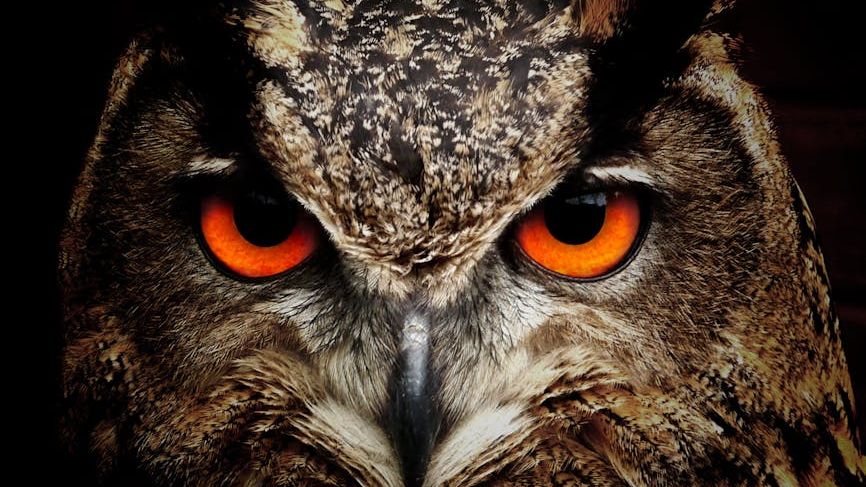
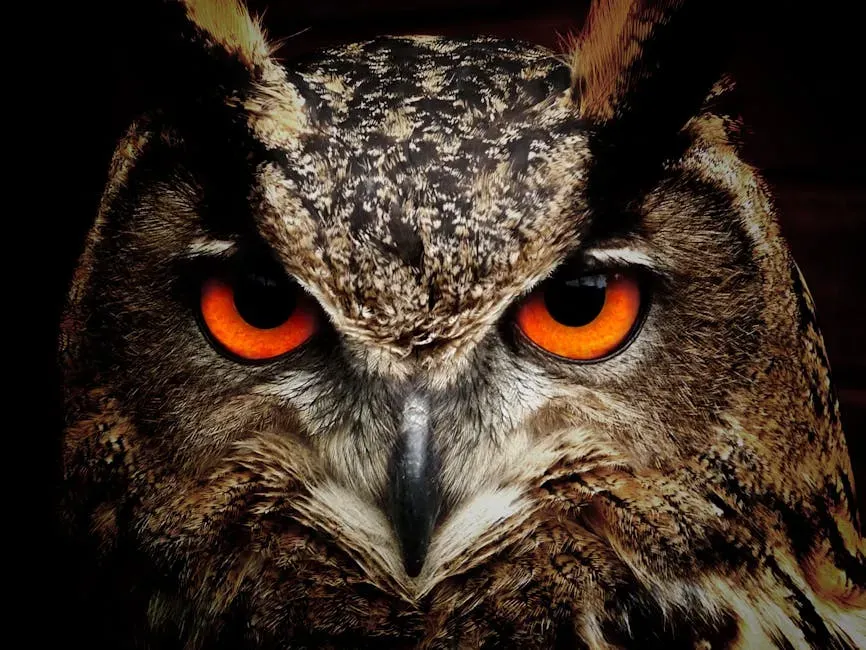
Many nocturnal animals have large eyes with a high number of rod cells, which are more sensitive to low light levels, allowing them to see better in the dark. The tapetum lucidum, a reflective layer behind the retina found in many nocturnal mammals, helps increase the amount of light available to their photoreceptors. This is why the eyes of animals like cats and raccoons appear to glow when illuminated at night.
The night vision of many owl species is roughly one hundred times more sensitive than that of humans. Owl hearing is also exceptionally acute, aided in some cases by asymmetric skulls where the two ears are positioned at different heights, further enhancing their ability to locate sound.
Bats use echolocation to navigate and hunt, emitting high-frequency sounds and listening for the echoes that bounce back from objects, allowing them to determine the size, shape, and distance of obstacles and prey in complete darkness. It’s a biological sonar system of startling accuracy.
A heightened sense of smell aids nocturnal species in navigation, finding food, and communication. Animals like raccoons rely on acute olfaction to locate prey and identify potential threats, while specialized touch senses such as whiskers provide detailed tactile information about the immediate environment.
Creatures of the Night: A Diverse Cast
The variety of animals that have made night their domain is genuinely striking. From tiny insects to large predators, the nocturnal world spans nearly every corner of the animal kingdom.
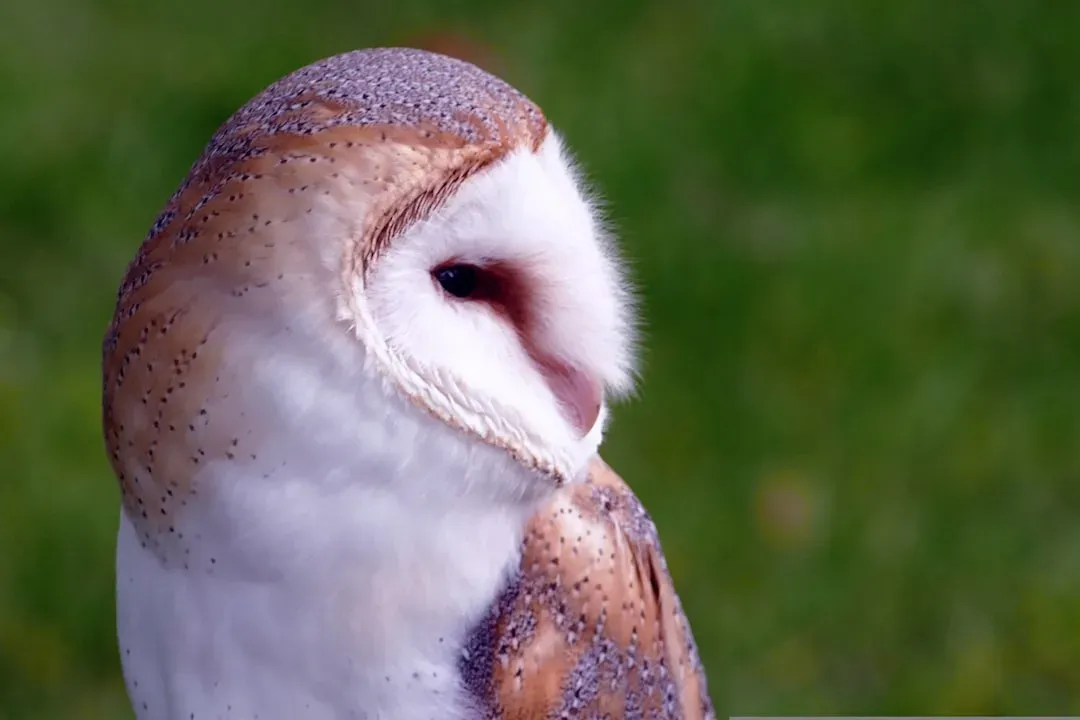
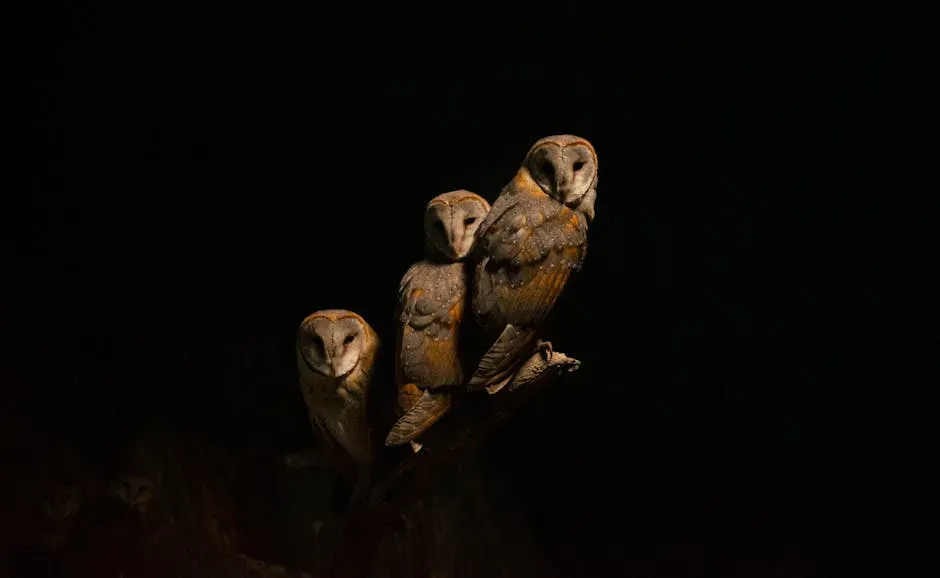
Barn owls are among the most widely distributed nocturnal animals on the planet, found on every continent except Antarctica and Australia. Their heart-shaped facial disc acts like a satellite dish, collecting and focusing sound waves toward their ears. Combined with asymmetrical ear openings, this gives them the ability to locate prey with pinpoint accuracy using sound alone.
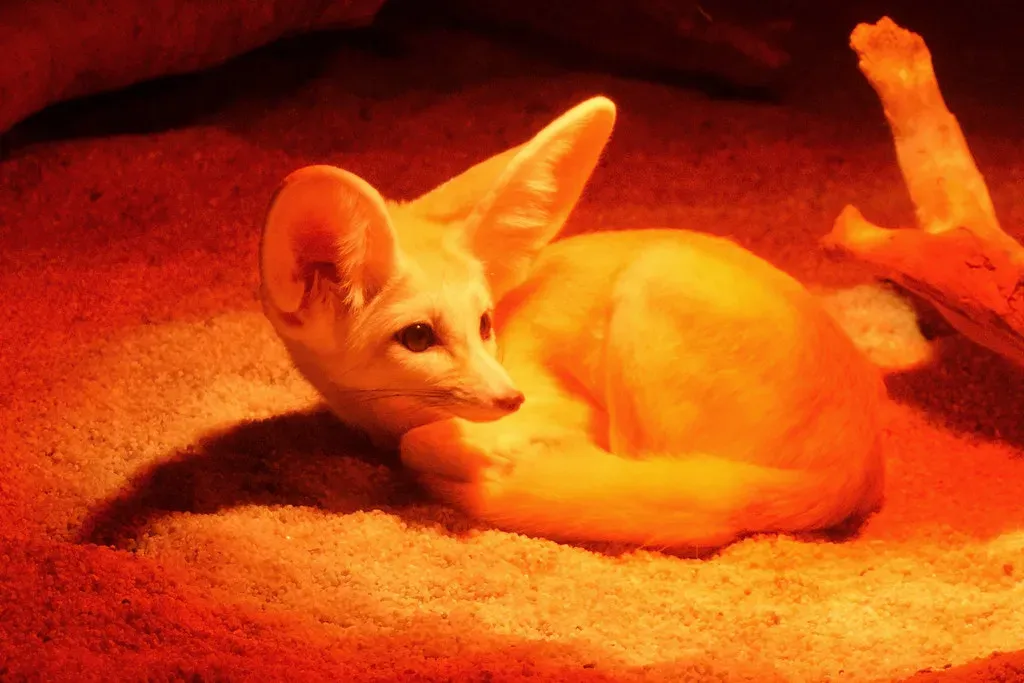
The fennec fox, with its distinctively oversized ears, is perfectly adapted to desert life, using those ears both to dissipate heat and to detect prey such as insects, rodents, and small birds hiding beneath the surface. Few animals illustrate the dual-purpose nature of nocturnal adaptation as clearly as this small fox does.
Red foxes have been observed using a hunting technique called “mousing,” leaping into the air and diving nose-first into snow to catch prey detected by hearing alone. Research has also found that red foxes can detect Earth’s magnetic field and use it for navigation when hunting, tending to be most successful when attacking in a northeastern direction.
Many reptiles, such as geckos and certain species of snakes, are nocturnal specifically to avoid daytime heat and predators. Geckos in particular have excellent vision adapted for low-light conditions, while amphibians including frogs and toads often call at night to attract mates.
The Ecological Role of Nighttime Animals
Nocturnal animals aren’t simply interesting. They’re essential. Their contributions to ecosystems often go unnoticed precisely because they happen in the dark, quietly and continuously.
Nocturnality reduces competition for resources. By being active at night, these animals avoid direct conflict with daytime species for food and habitat, allowing for a more efficient use of available resources within any given ecosystem.
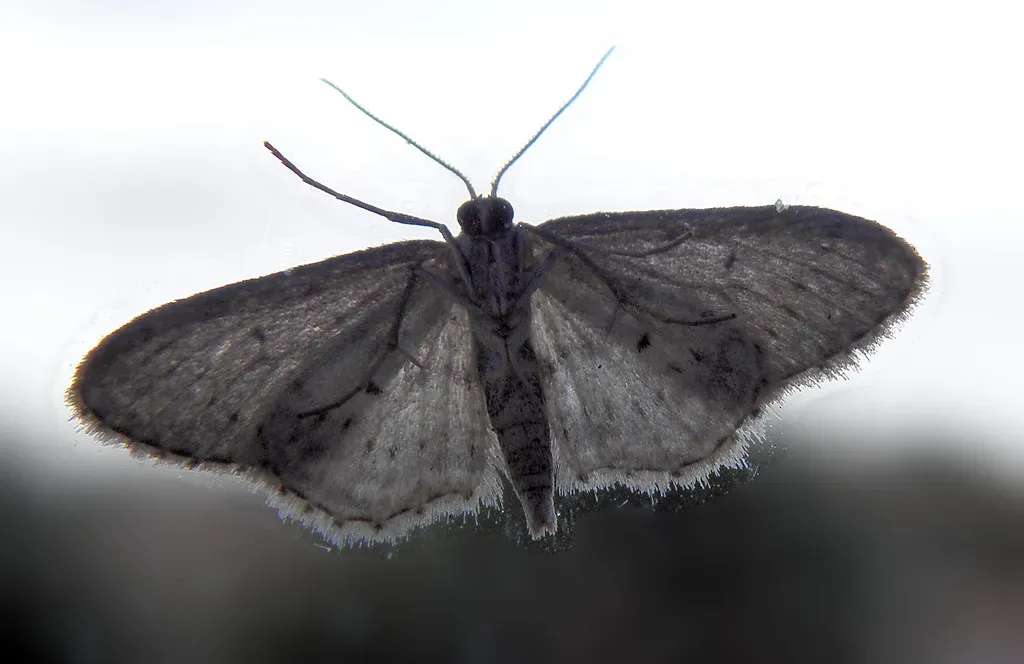
Moths play a vital role in food webs and are important pollinators, particularly those active after dark when most other pollinating animals have settled for the night. Plants such as moonflower and evening primrose depend on these nighttime pollinators to reproduce.
Many plant species native to arid biomes have adapted so that their flowers only open at night, when the sun’s intense heat cannot destroy their moist, delicate blossoms. These flowers are pollinated by bats, another creature of the night. The relationship between nocturnal pollinators and night-blooming plants is one of the more quietly remarkable partnerships in nature.
Nocturnal animals play a crucial role in maintaining the balance of ecosystems, acting as both predators and prey in the nighttime world. Their unique adaptations and behaviors allow them to thrive in environments where others might struggle.
A World Under Threat: Light Pollution and Conservation
The same technological progress that defines modern life is quietly destabilizing the nocturnal world. The threats are real, measurable, and growing.
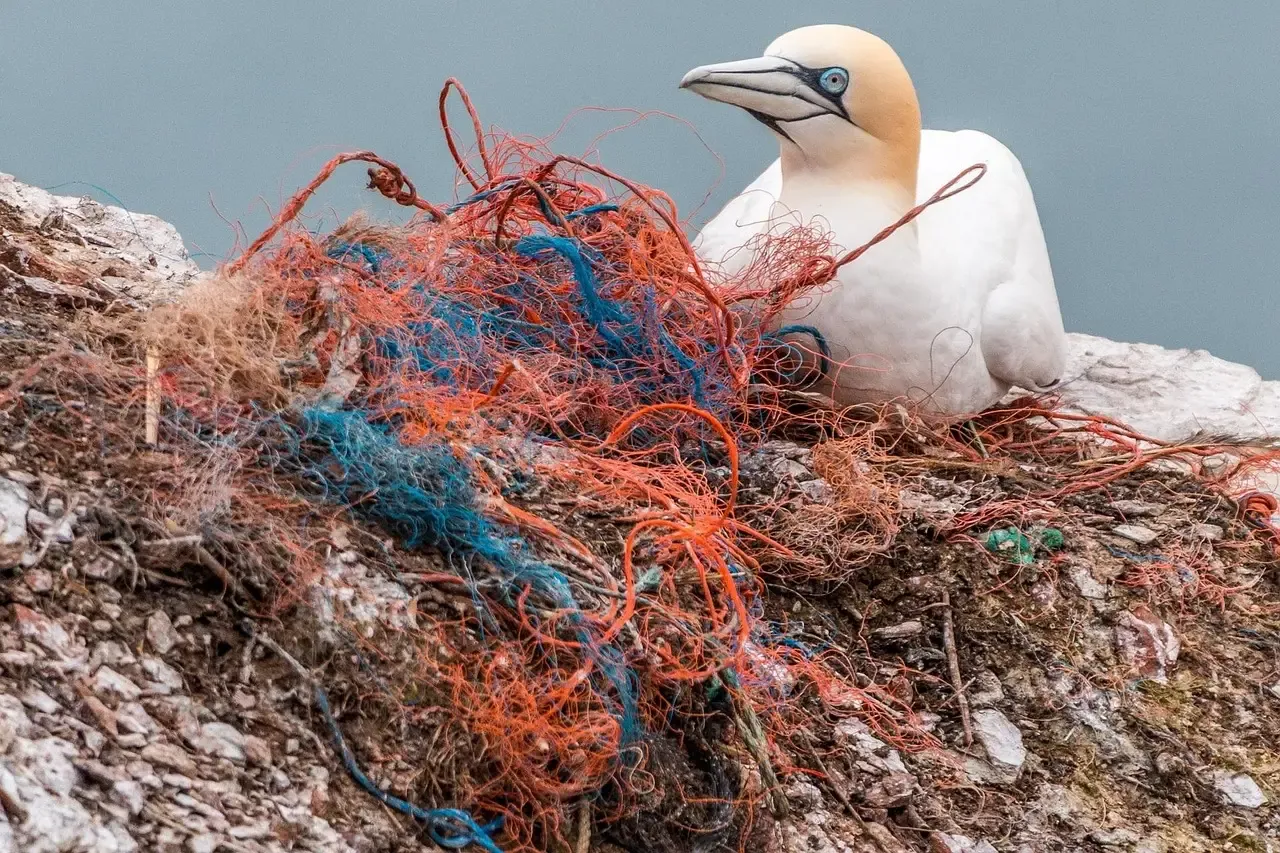
Despite their remarkable adaptations, nocturnal animals face numerous challenges, many of which are made worse by human activities. Habitat destruction, light pollution, and climate change all threaten the delicate balance of nighttime ecosystems.
Light pollution is a major issue for nocturnal species, and its impact continues to increase as electricity reaches parts of the world that previously had none. Species in the tropics are generally more affected due to the change in their relatively constant light patterns, though temperate species that rely on day-night triggers for behavioral cues are also impacted.
Some species of frogs are blinded by sudden changes in artificial light, while nocturnal migratory birds may be disoriented and lose direction. Sea turtles are particularly affected, with adults likely to avoid artificially lit beaches where they might otherwise lay eggs, and hatchlings sometimes heading toward light sources instead of the ocean.
Climate change has led to an increasing number of formerly daytime species pushing their activity patterns toward crepuscular or fully nocturnal behavior, creating new pressures on animals that evolved their rhythms over millions of years. These shifts can ripple through entire ecosystems in ways scientists are still working to fully understand.
Conclusion
The nocturnal world runs parallel to our own, complex, functional, and largely invisible to most people. Every night, animals are hunting, communicating, pollinating, and navigating using senses that humans don’t fully possess and barely understand.
Paying attention to what happens after sunset isn’t just a matter of curiosity. The enhanced senses and specialized behaviors of nocturnal animals are vital for maintaining ecological balance, and as human activity continues to alter natural habitats through urbanization, climate change, and light pollution, understanding and protecting nocturnal life becomes more important than ever.
There’s something quietly humbling about the realization that the world doesn’t stop when we go to sleep. It simply changes shifts. The animals that own the night have been doing so for far longer than we’ve been around to notice them, and they deserve more than to be disrupted by the glow of our lights.

- 13 Reasons Goldfinches Stopped Coming to Your Yard – And the Simple Fix Most Gardeners Miss - June 13, 2026
- 6 Clues That Life May Have Started in Space - June 13, 2026
- 10 Common Dog Behaviors and What They Actually Mean - June 13, 2026