

The gentle dugong, often called the “sea cow,” faces a precarious future in our world’s oceans. These marine mammals, cousins to the manatee, have inhabited coastal waters for millions of years, yet their populations have dwindled dramatically in recent decades. With fewer than 30,000 dugongs remaining globally, they stand at a critical crossroads between survival and extinction. Their decline represents not just the potential loss of a unique species but signals broader concerns about marine ecosystem health and humanity’s relationship with the ocean. As these docile herbivores graze on seagrass meadows from the western Pacific to the eastern African coast, their very existence hangs in the balance, demanding urgent conservation action before it’s too late.
The Remarkable Dugong: An Ancient Marine Mammal
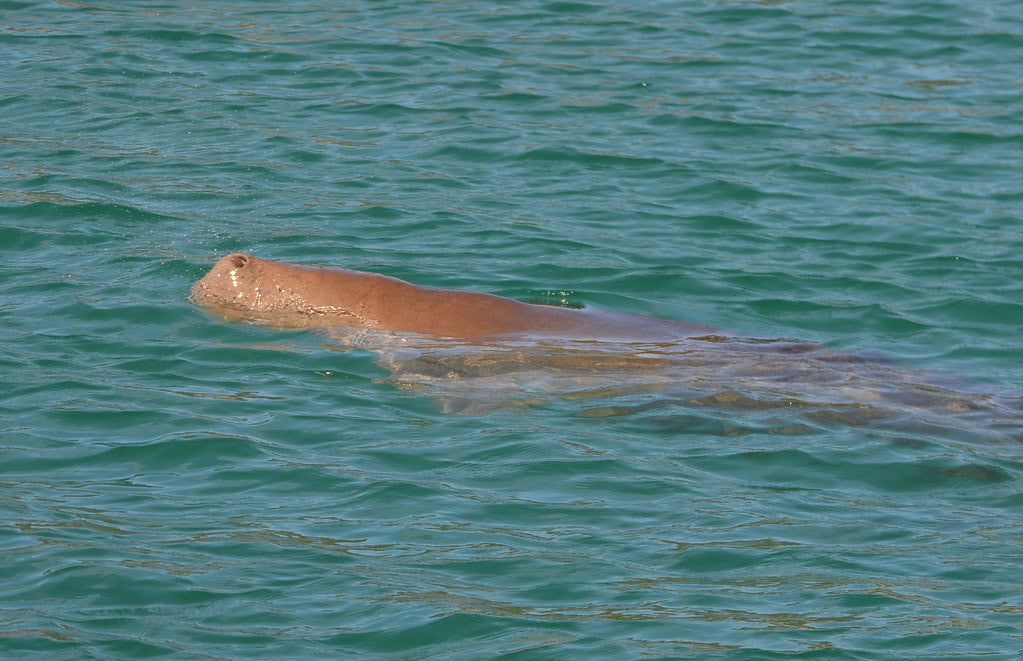
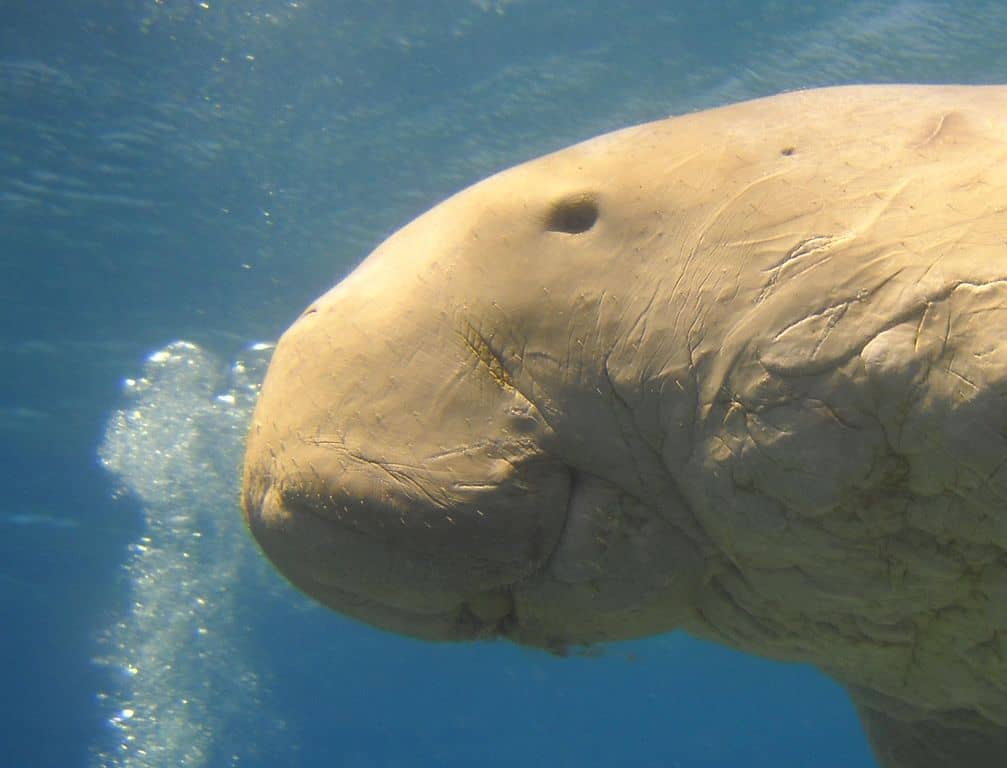
Dugongs (Dugong dugon) are the only strictly marine herbivorous mammals and the only living members of the family Dugongidae. These remarkable creatures have inhabited Earth’s waters for approximately 50 million years, making them living relics of evolutionary history. Growing up to 3 meters in length and weighing as much as 500 kilograms, dugongs possess a streamlined body adapted for life in shallow coastal waters. Their distinctive features include a dolphin-like tail fluke, paddle-shaped forelimbs, and a unique split upper lip specialized for grazing on seagrass.
Unlike their manatee relatives, dugongs have a notched tail similar to dolphins and possess tusks that develop primarily in males. They are slow-reproducing animals with a pregnancy lasting 13-14 months, typically resulting in a single calf that will remain dependent on its mother for up to two years. This slow reproductive rate makes dugong populations particularly vulnerable to decline when faced with threats, as they cannot quickly replenish their numbers. Their ancient lineage and unique biological characteristics make them irreplaceable components of marine biodiversity.
Current Population Status: A Global Crisis
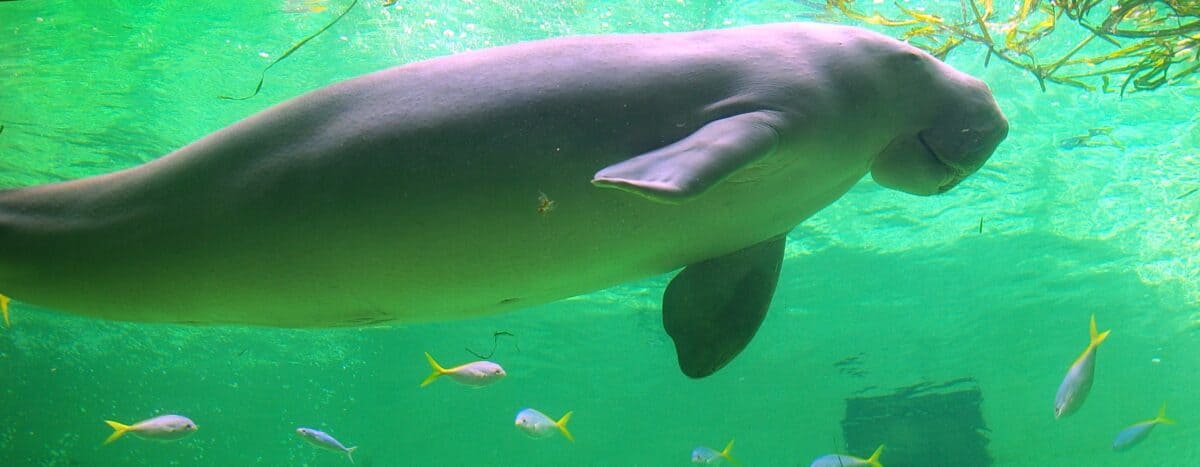
The global dugong population faces severe challenges, with estimates suggesting fewer than 30,000 individuals remain worldwide. Australia hosts the largest remaining population, with approximately 85,000 dugongs inhabiting the waters of the Great Barrier Reef and Torres Strait. However, even these relatively robust populations have experienced concerning declines in recent decades. In other parts of their range, the situation is far more dire. Dugongs are functionally extinct in the waters of China, Taiwan, and the Philippines, while populations in countries like Japan, Thailand, and Indonesia have been reduced to critically low numbers.
The most recent comprehensive assessment by the International Union for Conservation of Nature (IUCN) classifies dugongs as “vulnerable” globally, but regional assessments paint an even bleaker picture. In the waters of East Africa, the Red Sea, and parts of Southeast Asia, dugongs are considered “endangered” or “critically endangered.” Particularly concerning is the Eastern Mediterranean population, where only a few individuals remain along the coast of Israel. These statistics highlight the urgent need for coordinated international conservation efforts before these gentle giants disappear from our oceans forever.
The Ecological Importance of Dugongs
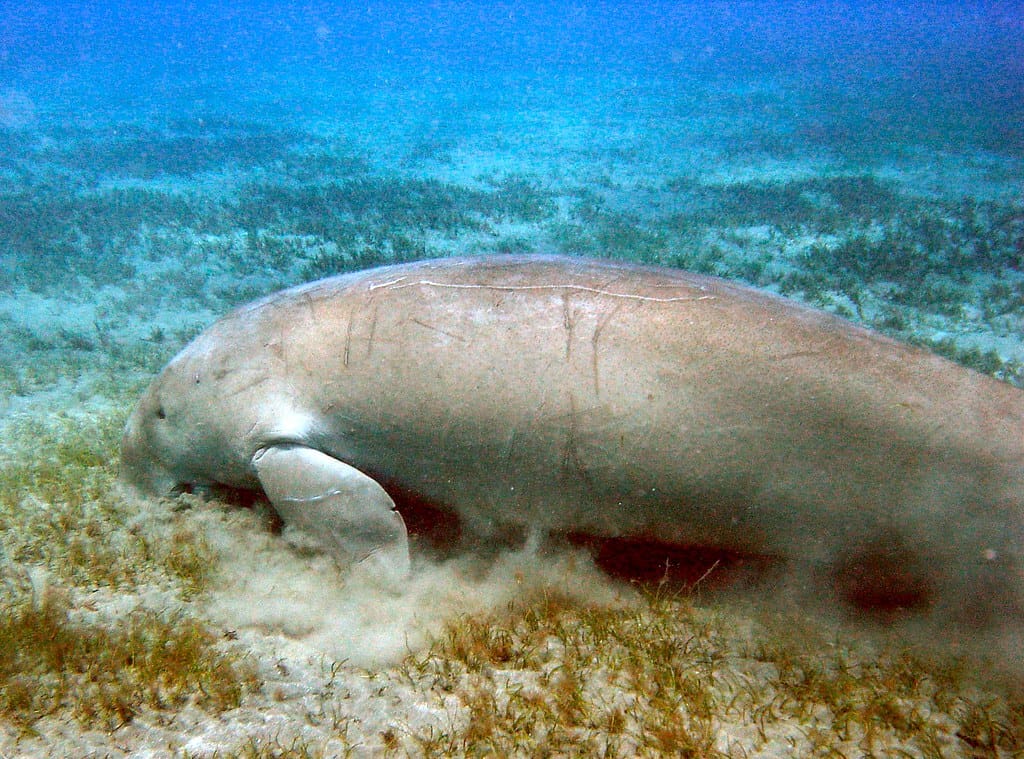
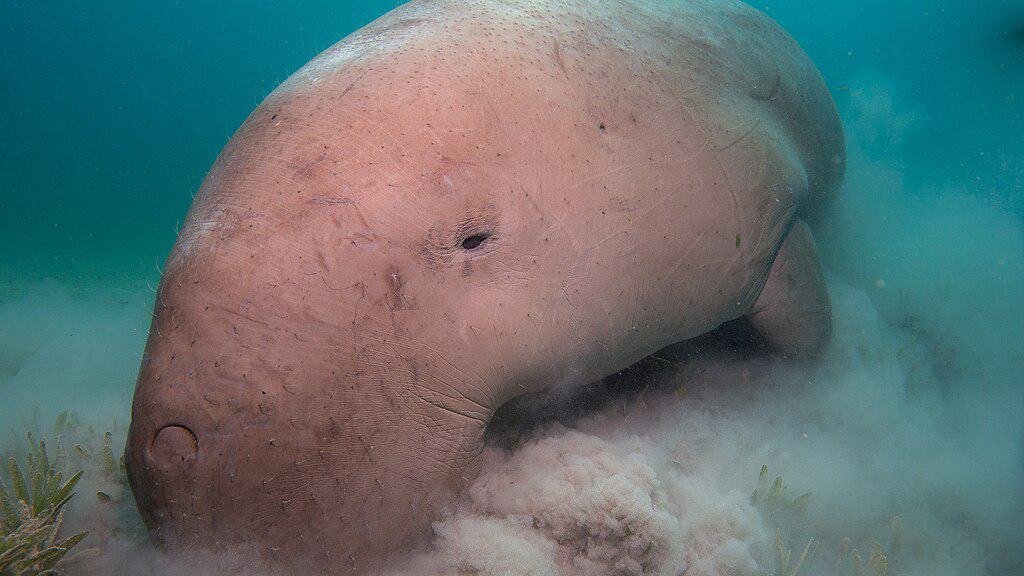
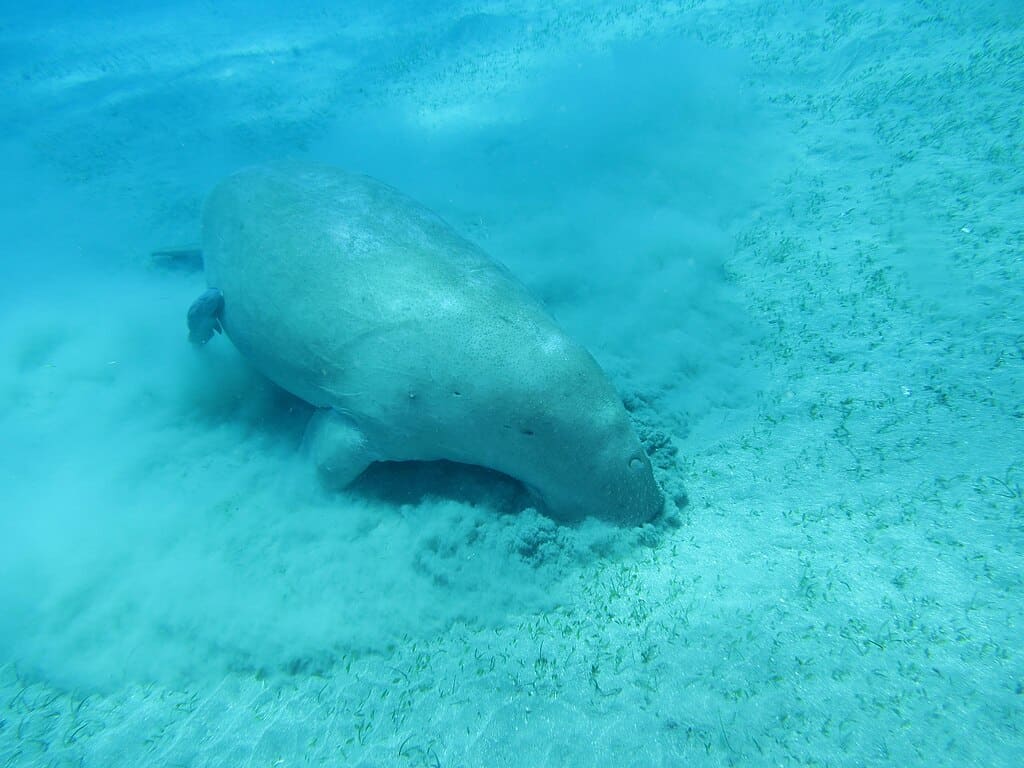
Dugongs play a crucial role in maintaining the health and biodiversity of coastal marine ecosystems. As dedicated herbivores, they function as the ocean’s lawnmowers, consuming up to 40 kilograms of seagrass daily. This grazing activity helps maintain the health and productivity of seagrass meadows by preventing overgrowth and promoting new growth. When dugongs feed, they uproot entire plants, creating small patches of disturbed sediment that allow for the regeneration of diverse seagrass species and prevent the dominance of any single species.
The ecological benefits extend beyond just the seagrass beds themselves. Healthy seagrass meadows serve as critical nursery habitats for commercially important fish and shellfish species, supporting coastal fisheries that millions of people depend on for food security and livelihoods. Seagrass ecosystems also act as enormous carbon sinks, sequestering carbon at rates up to 35 times faster than tropical rainforests. The loss of dugongs could therefore trigger cascading ecological effects, ultimately impacting not only marine biodiversity but also human communities and climate resilience. Their role as ecosystem engineers makes dugong conservation not merely a matter of saving a single species but of preserving entire marine ecosystems.
Seagrass Habitats: Declining Underwater Meadows
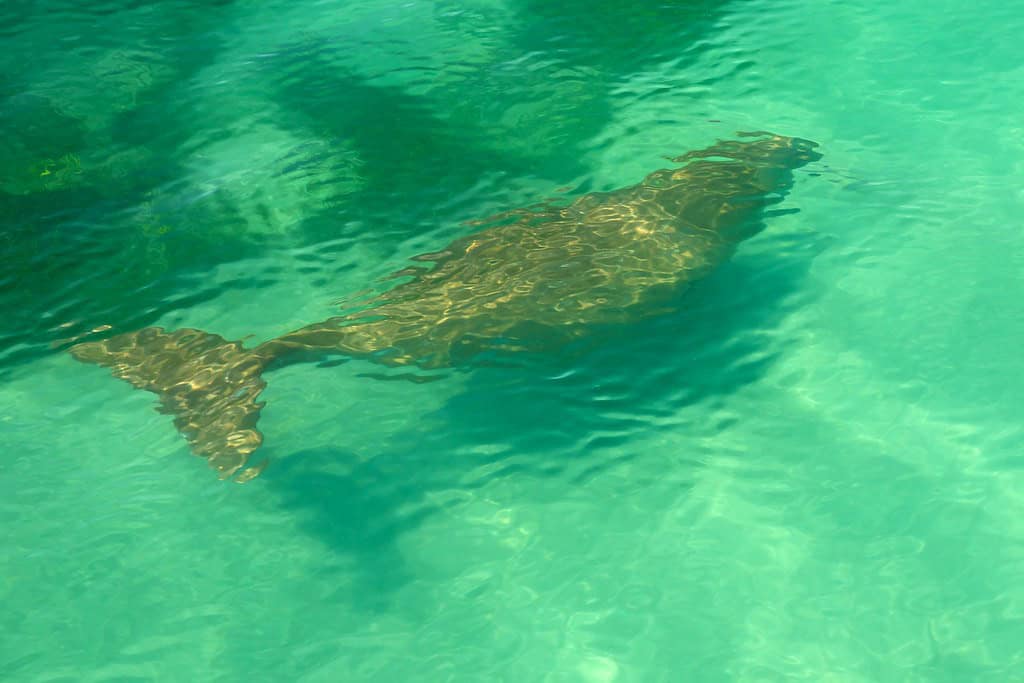
Seagrass meadows, the primary habitat and food source for dugongs, are experiencing alarming rates of decline worldwide. Global estimates suggest that seagrass coverage is disappearing at a rate of approximately 7% annually, equivalent to the loss of a football field of seagrass every 30 minutes. These underwater grasslands face multiple threats, including coastal development, agricultural runoff, industrial pollution, and sedimentation from land clearing. Climate change further exacerbates these pressures through rising sea temperatures, increased storm intensity, and ocean acidification.
The degradation of seagrass habitats creates a direct threat to dugong survival, as these specialized marine mammals have evolved specifically to feed on these underwater plants. When seagrass beds become fragmented or disappear entirely, dugongs must travel greater distances between feeding grounds, expending more energy and potentially facing increased exposure to threats like boat strikes. In areas where seagrass degradation is severe, dugongs may suffer from malnutrition or starvation. The protection of dugongs is therefore inextricably linked to the conservation and restoration of healthy seagrass ecosystems, requiring integrated approaches that address both direct threats to the animals and the health of their critical habitat.
Human Threats: Fishing Gear Entanglement and Bycatch
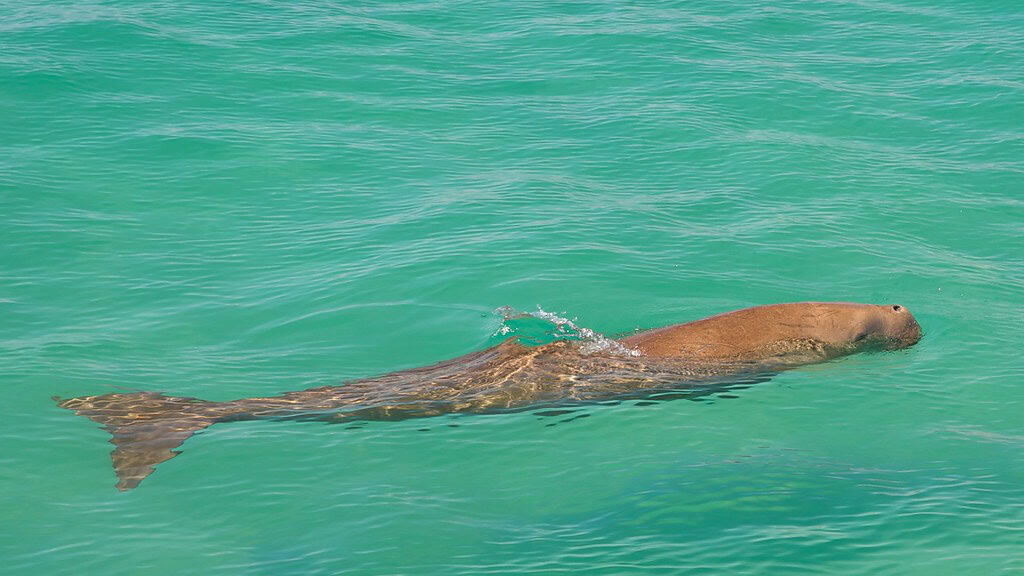
Among the most immediate threats to dugong survival is entanglement in fishing gear, particularly gill nets. These nearly invisible mesh nets, set to catch fish, become deadly traps for air-breathing mammals like dugongs. When entangled, dugongs cannot reach the surface to breathe and drown within minutes. An estimated 300,000 marine mammals, including dugongs, die annually as bycatch in fishing operations worldwide. In regions with high fishing pressure and limited regulations, such as parts of Southeast Asia and East Africa, bycatch mortality represents one of the leading causes of dugong population decline.
The problem is particularly severe in developing nations where small-scale and artisanal fisheries operate with minimal oversight. In countries like Thailand, Indonesia, and Mozambique, where coastal communities depend heavily on fishing for subsistence and livelihoods, implementing fishing restrictions presents complex socioeconomic challenges. Conservation approaches must therefore balance dugong protection with the needs of human communities. Solutions include the development and adoption of dugong-friendly fishing gear, seasonal and spatial fishing restrictions in critical dugong habitats, and alternative livelihood programs for fishing communities. Without addressing the bycatch crisis, even the most comprehensive conservation efforts may fail to reverse dugong population declines.
Vessel Strikes: A Growing Threat in Coastal Waters
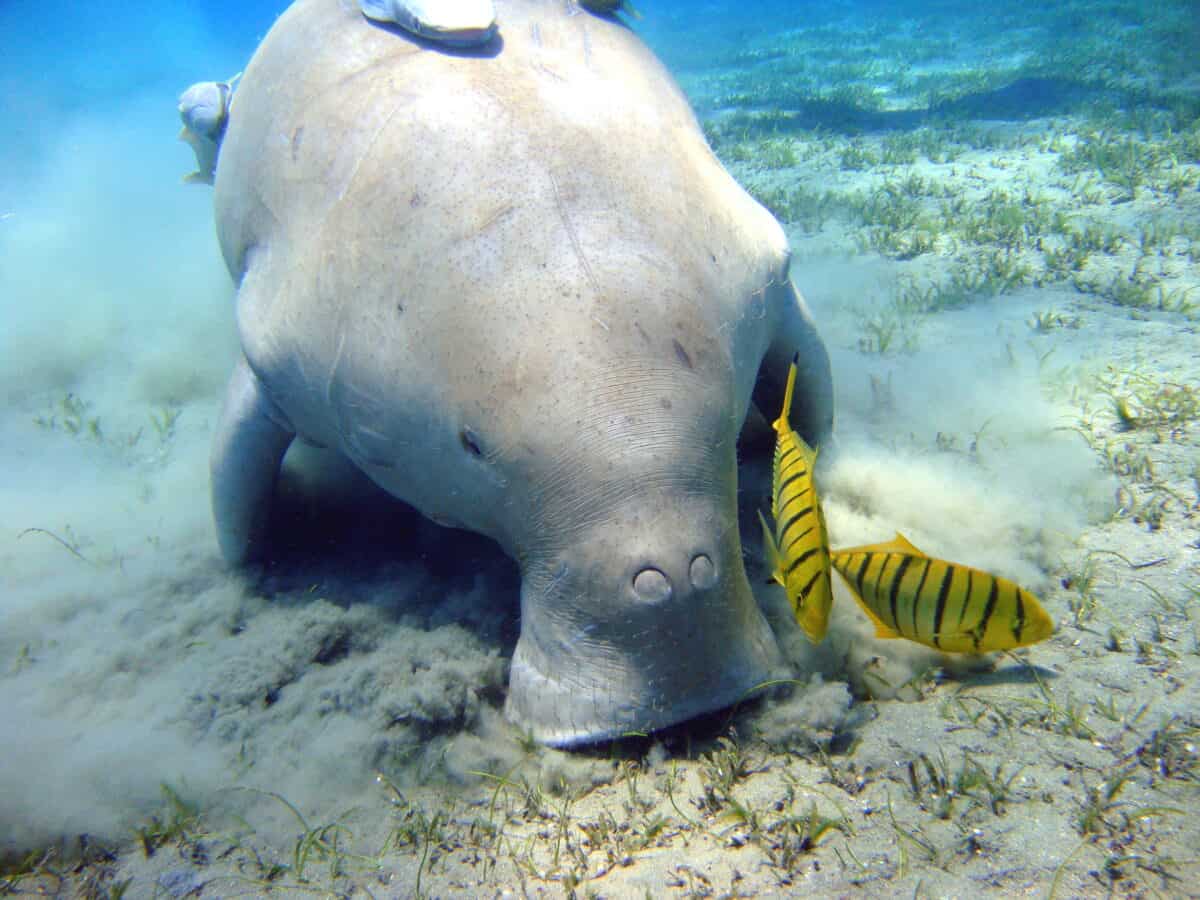
As coastal development accelerates worldwide, dugong habitats increasingly overlap with busy shipping lanes and recreational boating areas. Vessel strikes represent a significant and growing threat to dugong populations, particularly in developed regions like Australia’s Queensland coast and the Arabian Gulf. Dugongs typically swim at slow speeds of 10 km/h or less and must surface to breathe every few minutes, making them vulnerable to fast-moving watercraft. When struck by vessels, dugongs often suffer fatal injuries including deep propeller cuts, broken bones, and internal hemorrhaging.
The frequency of vessel strikes correlates directly with increasing boat traffic and vessel speeds in shallow coastal waters. In Australia’s Moreton Bay, for instance, researchers documented a 15% increase in dugong mortality from vessel strikes following a decade of rapid coastal population growth. Mitigation measures include implementing go-slow zones in critical dugong habitats, educating boaters about dugong presence and behavior, and designing shipping lanes to avoid known dugong concentration areas. Advanced technologies such as real-time dugong tracking and automated vessel alert systems also show promise in reducing collision risk. As coastal development continues to expand throughout the dugong’s range, addressing the vessel strike threat becomes increasingly crucial for the species’ survival.
Indigenous Cultural Connections and Sustainable Harvesting
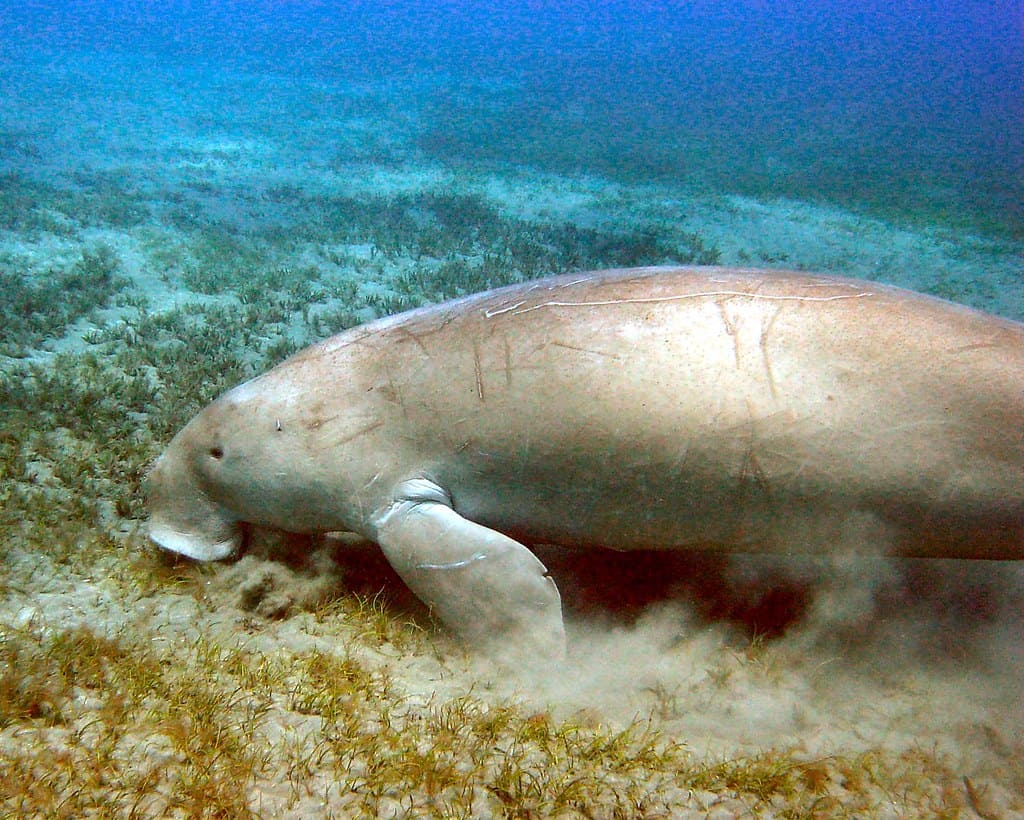
For thousands of years, dugongs have held profound cultural significance for indigenous coastal communities throughout their range. In Torres Strait and northern Australia, Aboriginal and Torres Strait Islander peoples maintain deep spiritual connections to these animals, featuring them prominently in traditional stories, songs, and art. Similarly, communities in the Pacific Islands, Southeast Asia, and East Africa have developed rich cultural traditions around dugongs. For many of these communities, limited traditional hunting of dugongs continues to play an important role in cultural practices and food security.
The relationship between indigenous communities and dugong conservation presents both challenges and opportunities. While unsustainable hunting can threaten already vulnerable populations, indigenous ecological knowledge often includes sophisticated understanding of dugong behavior, migration patterns, and habitat use that can inform conservation efforts. Many indigenous communities have established their own conservation initiatives, implementing traditional management practices that limit harvesting and protect key habitats. Successful dugong conservation increasingly recognizes the importance of indigenous leadership and co-management approaches that respect cultural traditions while ensuring sustainable population levels. These collaborative models demonstrate how cultural values and conservation goals can align to protect both natural and cultural heritage.
Climate Change Impacts on Dugong Survival
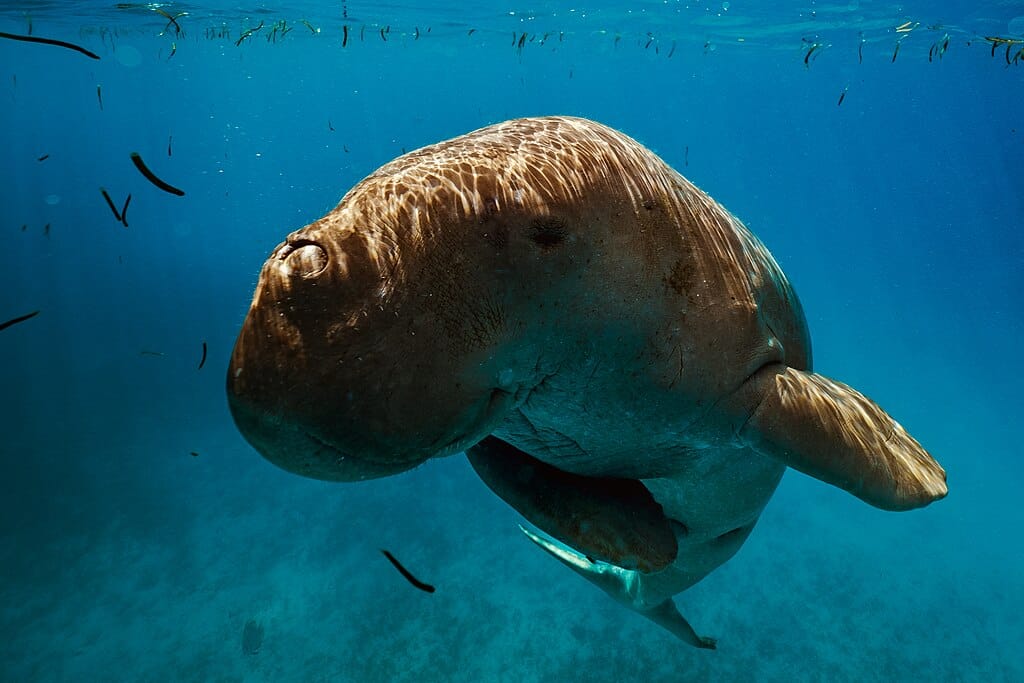
Climate change poses a complex and intensifying threat to dugong populations worldwide. Rising sea temperatures and increasing frequency of extreme weather events directly impact the seagrass meadows that dugongs depend on for survival. Major flood events and cyclones can physically destroy seagrass beds through sedimentation and uprooting, while marine heatwaves can cause widespread seagrass die-offs. Following a major marine heatwave in Shark Bay, Western Australia in 2011, researchers documented an 80% decline in seagrass coverage, leading to nutritional stress and increased mortality in the local dugong population.
Beyond habitat impacts, climate change also affects dugong reproduction and population dynamics. Studies suggest that female dugongs may delay breeding during periods of nutritional stress caused by seagrass decline. Sea level rise threatens to reduce available shallow feeding grounds, forcing dugongs into deeper waters where they expend more energy to feed. Additionally, changing ocean conditions may alter the distribution and timing of seasonal migrations, potentially disrupting established protection measures tied to specific locations. As global temperatures continue to rise, climate change adaptation strategies—including identifying and protecting climate-resilient seagrass habitats and establishing protected migration corridors—will become increasingly critical components of dugong conservation planning.
Conservation Success Stories: Rays of Hope

Despite the numerous challenges facing dugong conservation, several success stories demonstrate that effective protection is possible with coordinated effort and political will. In Australia’s Moreton Bay Marine Park, a comprehensive management approach combining habitat protection, fishing restrictions, and vessel speed regulations has contributed to stabilizing the local dugong population. Satellite tracking data confirms that dugongs now regularly use previously abandoned feeding grounds within protected zones of the park. Similarly, in the United Arab Emirates, the establishment of the Marawah Marine Biosphere Reserve has created a safe haven for one of the world’s largest dugong populations, estimated at over 3,000 individuals.
Community-based conservation initiatives have also shown promising results. In Vanuatu, traditional communities have established a network of locally managed marine areas where destructive fishing practices are prohibited and dugong hunting is strictly regulated. In Thailand’s Trang Province, a grassroots seagrass conservation project led by local fishers has successfully restored degraded habitat while monitoring and protecting resident dugongs. These examples highlight the importance of combining scientific research, policy interventions, and community engagement in conservation efforts. While challenges remain immense, these success stories provide valuable models and hope for dugong conservation throughout the species’ range.
International Protection Frameworks and Gaps
Dugongs receive protection under various international agreements, including the Convention on International Trade in Endangered Species (CITES), which prohibits commercial international trade of dugongs and their products. The Convention on Migratory Species (CMS) has facilitated the development of the Memorandum of Understanding on the Conservation and Management of Dugongs and their Habitats (Dugong MOU), now signed by 27 range states. The United Nations Environment Programme has established the Dugong and Seagrass Conservation Project, which coordinates protection efforts across key regions. These frameworks provide important legal and institutional support for dugong conservation at the international level.
However, significant gaps remain in the implementation and enforcement of these protections. Many countries lack the resources, capacity, or political will to effectively monitor dugong populations and enforce anti-poaching laws. In regions with transboundary dugong populations, coordination between neighboring countries is often inadequate. Additionally, current international frameworks provide limited mechanisms to address indirect threats like climate change and marine pollution. Strengthening these frameworks requires increased funding for implementation, improved coordination between regional and international bodies, and expanded monitoring programs to track population trends and identify emerging threats. Without closing these gaps in the international protection regime, even the most well-designed conservation plans may fail to reverse dugong population declines.
The Role of Research and Technology in Conservation
Advancing research and innovative technologies are playing increasingly important roles in dugong conservation efforts. Aerial surveys using drones equipped with AI-powered image recognition can now detect dugongs with greater accuracy and at lower cost than traditional methods, enabling more frequent population monitoring even in remote regions. Satellite tracking devices have revolutionized our understanding of dugong movement patterns, revealing previously unknown migration routes and identifying critical habitats in need of protection. Environmental DNA (eDNA) sampling techniques allow researchers to detect dugong presence from water samples alone, providing a non-invasive monitoring tool especially valuable in areas with elusive, low-density populations.
Genetic research has also contributed valuable insights for conservation planning. DNA analysis has revealed distinct population structures across the dugong’s range, highlighting the need for region-specific conservation approaches. Genetic health assessments of isolated populations help identify those at risk of inbreeding and reduced genetic diversity. Meanwhile, cutting-edge seagrass restoration technologies, including lab-cultivated seedlings and mechanized planting systems, offer new hope for rehabilitating degraded dugong habitats. As conservation challenges grow more complex, continued investment in research and technology development becomes increasingly essential. The integration of traditional ecological knowledge with these scientific advances represents a particularly promising approach, combining the precision of modern technology with generations of observational wisdom.
What Individuals Can Do: From Awareness to Action

While dugong conservation requires coordinated international effort, individuals can make meaningful contributions to protecting these vulnerable marine mammals. For coastal residents living within dugong habitats, adopting responsible boating practices—reducing speed in shallow areas, maintaining vigilant lookout, and following designated vessel lanes—can significantly reduce the risk of harmful collisions. Making sustainable seafood choices by avoiding fish caught using gillnets and other gear types associated with dugong bycatch helps reduce demand for destructive fishing practices. Participating in beach and coastal cleanups prevents plastic pollution that dugongs may mistake for seagrass or become entangled in.
Financial support for conservation organizations working specifically on dugong and seagrass protection provides crucial resources for on-the-ground efforts. Travelers can choose ecotourism operations that adhere to responsible wildlife viewing guidelines and contribute to local conservation initiatives. For educators and parents, teaching children about dugongs and their ecological importance helps build the next generation of ocean advocates. Perhaps most importantly, individuals can use their voices as citizens and consumers to advocate for stronger marine protected areas, sustainable coastal development policies, and climate change mitigation measures. Through these collective individual actions, combined with larger policy and conservation initiatives, there remains hope for securing a future where dugongs continue to grace our oceans.
Conclusion: A Call for Immediate Action
The plight of the world’s remaining dugongs represents far more than the potential loss of a single charismatic species—it signals the deterioration of coastal marine ecosystems that support biodiversity and human wellbeing alike. With populations declining throughout most of their range, the window for effective conservation action is rapidly narrowing. The interconnected threats of habitat loss, fishing gear entanglement, vessel strikes, and climate change require integrated responses that address both immediate dangers and long-term pressures on dugong populations.
Conservation success stories demonstrate that recovery is possible when scientific knowledge, policy protections, community engagement, and adequate resources align. From Australia’s marine protected areas to community-led initiatives in Southeast Asia, proven models exist for halting and even reversing dugong declines. The challenge now lies in scaling these approaches and adapting them to diverse ecological and cultural contexts across the dugong’s vast range.
As we consider the future of these ancient mariners, we must recognize that their fate is ultimately intertwined with the health of the ecosystems they inhabit. The dugong’s survival depends not only on direct conservation efforts but also on broader environmental restoration—protecting seagrass beds, reducing coastal pollution, and mitigating the impacts of climate change. Their future will also require continued collaboration across borders, as dugongs migrate across vast areas, often between countries with differing levels of resources and political will.
This global effort must be underpinned by a shared understanding of the dugong’s ecological importance and a commitment to safeguarding the interconnected habitats that sustain them. As we move forward, the challenge will be to balance the urgency of conservation with the complexity of maintaining both ecological and socio-economic systems, ensuring that the dugong can continue to navigate the oceans for generations to come.

- Can Snakes Give Birth Without Mating? - July 15, 2026
- The Hidden Desert Beneath a U.S. Forest—A Strange Natural Twist - July 15, 2026
- Rare Shark Sighting Alarms Scientists Near Baja California - July 15, 2026