

You think you know the dangers lurking in your own backyard? Think again. Ticks have quietly been establishing their territories across America, and they’re not showing any signs of retreat. These tiny parasites are more than just a summer nuisance anymore. They’re carrying diseases that can change lives, and their populations are exploding in ways that scientists didn’t predict even a decade ago.
Right now, in 2026, we’re facing a tick crisis that’s spreading faster than most people realize. The numbers tell a story that’s honestly a bit terrifying.
Pennsylvania Leads the Tick Invasion
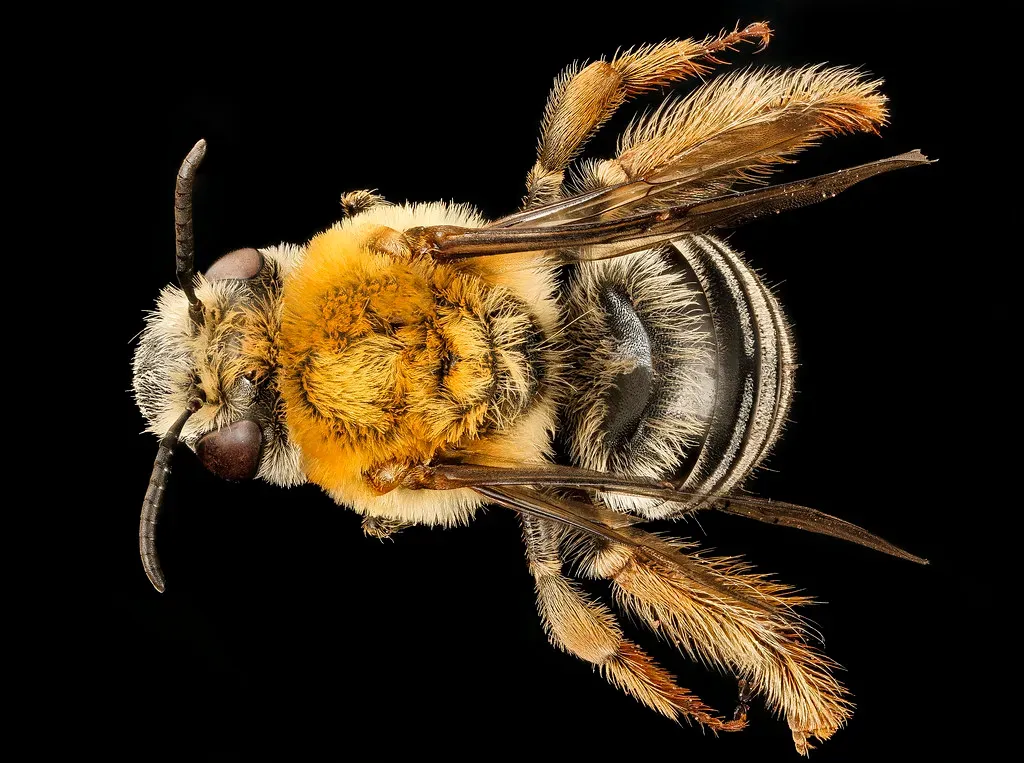
Pennsylvania had roughly about one-third of all reported Lyme disease cases in recent years, cementing its position as the undisputed tick capital of America. Walking through a Pennsylvania forest without proper protection is basically asking for trouble. The state’s high tick population thrives particularly in rural areas, especially in grassy and wooded regions with dense vegetation.
What makes Pennsylvania so attractive to these blood-sucking pests? The answer lies in the perfect storm of environmental conditions. The state offers exactly what ticks need to thrive: humidity, forested areas, abundant wildlife hosts, and plenty of humans to bite. Four of the seven prominent tick species found in the United States are prevalent here, including the American dog tick, black-legged tick, lone star tick, and groundhog tick.
Seven of the ten counties most affected by Lyme disease are in Pennsylvania, which shows just how concentrated the problem really is. Residents know they can’t let their guard down, even for a moment. The ticks are waiting in the tall grass, on shrubs, and anywhere there’s a chance to latch onto a passing host.
Here’s the thing that nobody wants to talk about: it’s getting worse. Every year, more counties report increased tick activity, and the season when they’re most active keeps getting longer thanks to milder winters.
The state has become a laboratory for studying tick-borne diseases, though nobody asked to be part of that experiment.
New York’s Growing Tick Problem
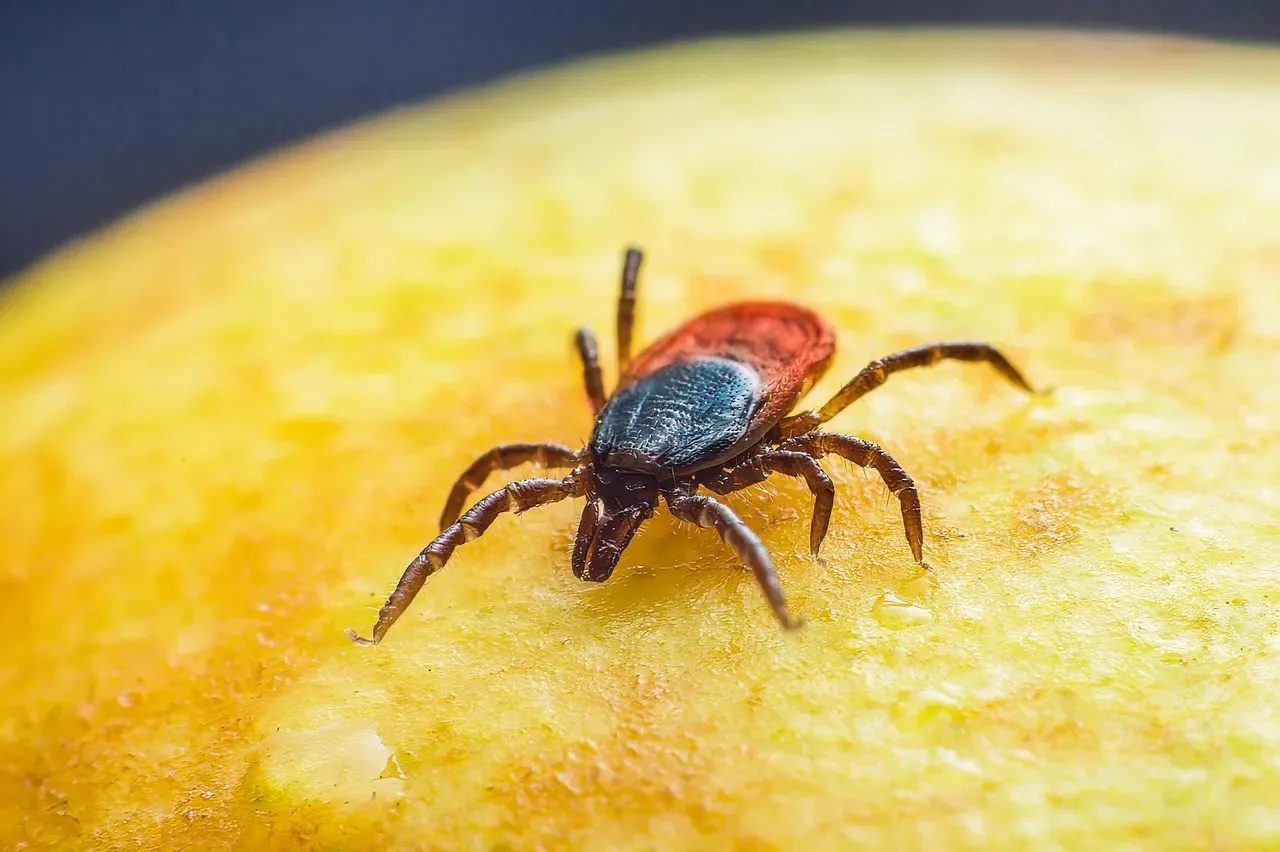
New York tops lists with over 33,000 recorded tick-borne disease cases, making it a serious contender for worst tick state. From the dense forests of the Adirondacks to the suburban sprawl of Long Island, ticks have found their way into nearly every corner of the Empire State. It’s hard to believe that something so small can cause such widespread concern.
New York City ranks as one of the top five tick-infested cities in the United States, which might surprise people who think ticks are only a rural problem. Even Central Park has become a hotspot where unsuspecting joggers and dog walkers encounter these parasites. The urban-wildlife interface creates perfect conditions for tick populations to boom.
Ticks are considered endemic in the state, primarily in the Northeast, including New York. The blacklegged tick, also known as the deer tick, has become so common that finding one after outdoor activities is almost expected. Honestly, residents have started treating tick checks like brushing their teeth – just part of the daily routine.
The state’s diverse geography means different regions face different tick species. Upstate areas deal more with deer ticks, while downstate regions see a mix of species. New Jersey followed with roughly 12%, and New York reported a similar percentage of cases.
What’s particularly concerning is how quickly tick populations have spread into areas where they were virtually unknown twenty years ago. Climate patterns and land use changes have created new habitats, and the ticks have been quick to colonize them.
New Jersey’s Dense Tick Population
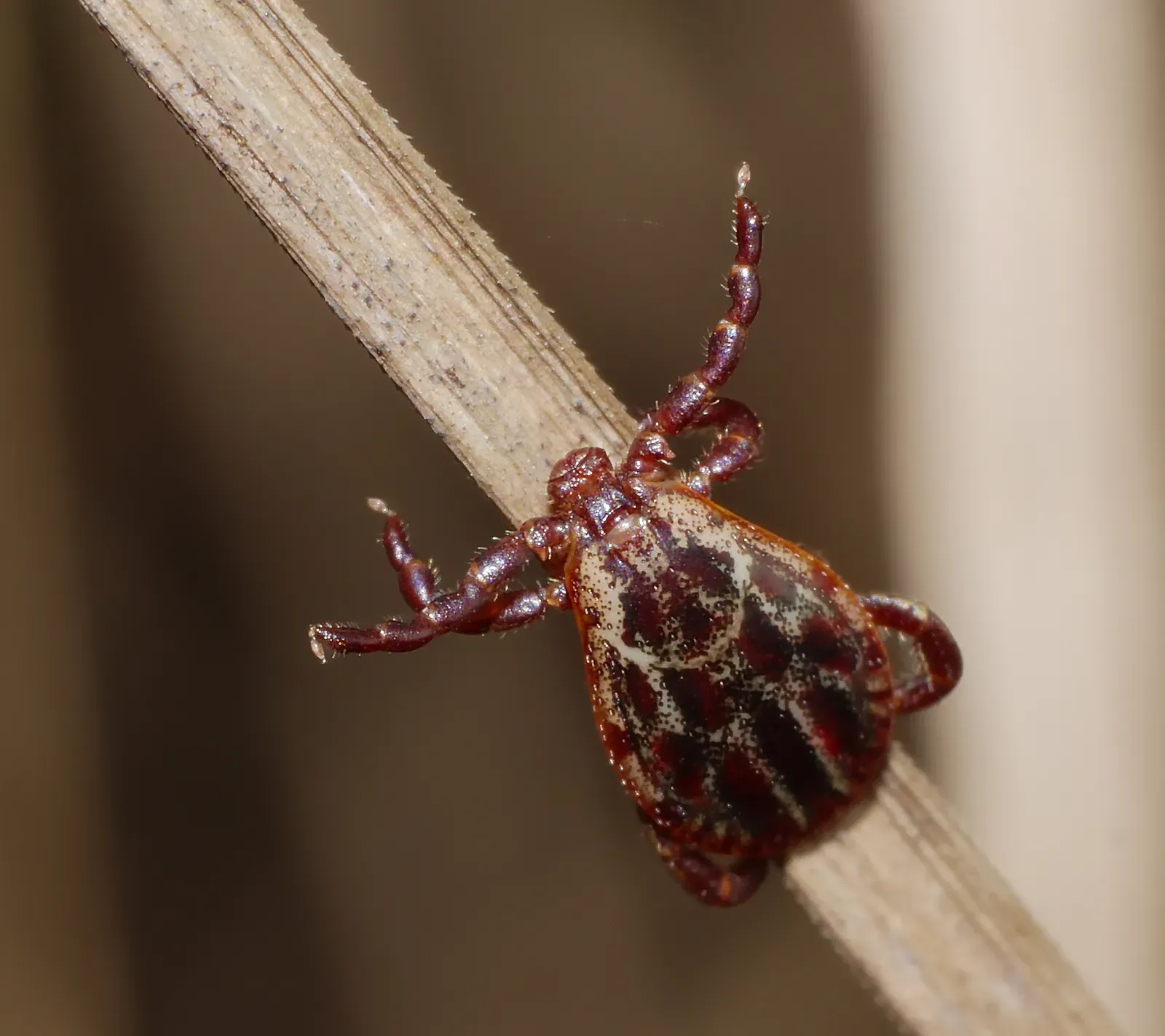
Small in size but massive in tick problems, New Jersey punches way above its weight when it comes to . The Garden State’s nickname takes on a sinister twist when you realize those gardens and forests are absolutely teeming with ticks. New Jersey is often identified as one of the worst places for ticks in the U.S., particularly states in the Northeast.
The state’s position between major population centers and extensive wooded areas creates the ideal environment. Suburban sprawl has pushed residential areas right up against tick habitats, and the parasites have gladly accepted the invitation to move in. Every backyard barbecue, every children’s soccer practice, every morning jog through the local park carries risk.
New Jersey followed Pennsylvania with approximately 12% of reported cases nationally. For a state this small, that percentage is absolutely staggering. The density of both human population and tick population means encounters are nearly inevitable during warm months.
Residents have become hypervigilant, checking themselves and their pets obsessively after any outdoor activity. Local health departments run constant awareness campaigns, yet the cases keep climbing. The state’s humidity levels remain consistently high through spring and summer, which ticks absolutely love.
Part of the problem is that New Jersey sits right in the heart of the highest-risk corridor for Lyme disease. The state falls into the top tier of states with the most tick-borne disease cases, alongside Pennsylvania, New York, and Connecticut. There’s no escaping it when you’re surrounded by tick hotspots on all sides.
Connecticut’s Tick Legacy
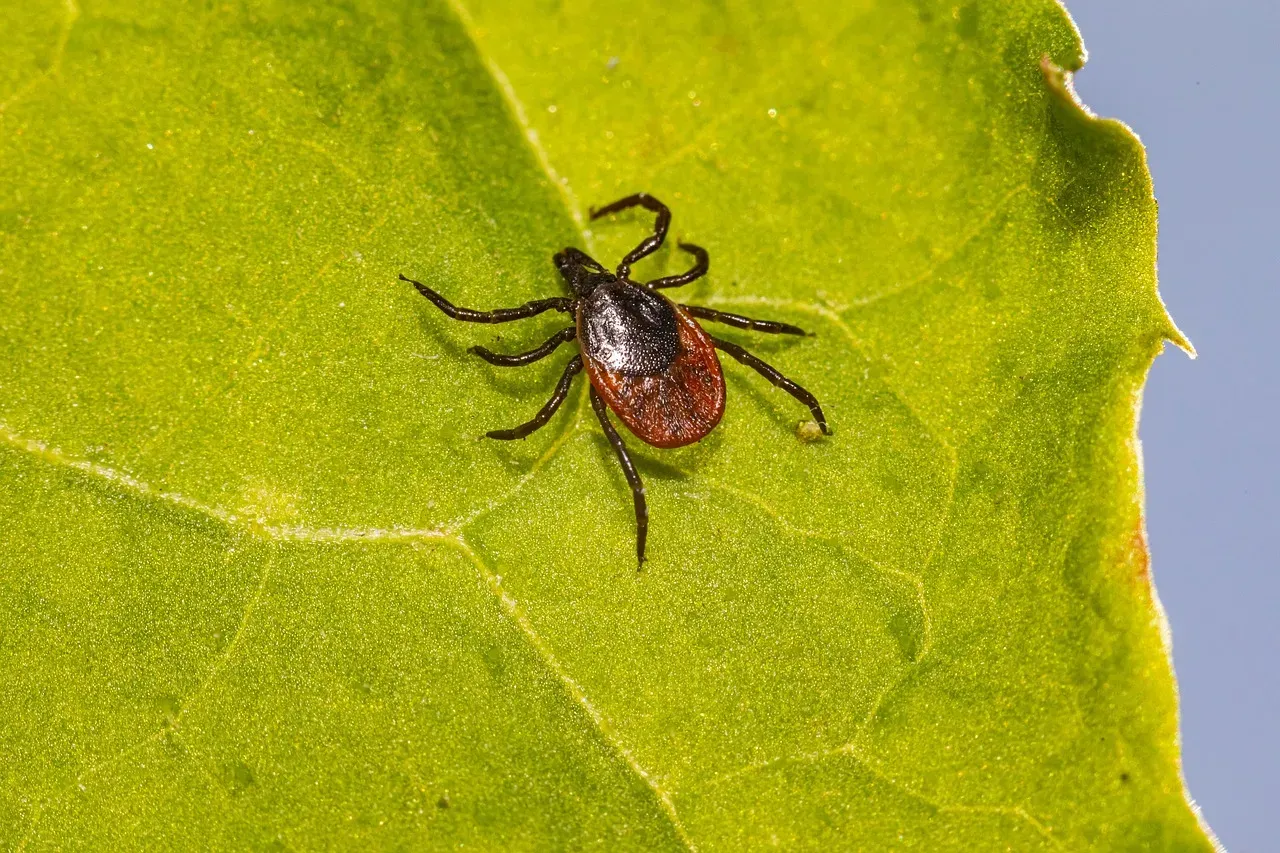
Let’s be real about Connecticut: this is where Lyme disease got its name, after an outbreak in the town of Lyme back in the 1970s. The state has been dealing with ticks longer than most Americans have been aware they’re a problem. Connecticut is considered one of the states where ticks are endemic, primarily in the Northeast.
The historical significance doesn’t make the current situation any less serious. If anything, decades of experience have shown just how difficult these pests are to control. Connecticut appears in the top tier alongside other northeastern states for tick-borne disease counts, maintaining its unfortunate legacy.
Connecticut’s landscape – heavily forested with significant suburban development – provides endless opportunities for human-tick encounters. The white-tailed deer population, which serves as a major host for adult ticks, remains robust despite management efforts. Those deer roam freely through neighborhoods, dropping ticks like biological landmines.
Public health officials have thrown everything at the problem: education campaigns, yard treatment programs, deer culling initiatives. Yet the ticks persist. The number of counties in the northeastern United States that are considered high-risk for Lyme disease has increased by more than 320% since the late 1990s, and Connecticut has been at the center of that expansion.
What frustrates residents most is how the threat has become normalized. Children learn about tick checks in elementary school. Pet owners budget for expensive tick preventatives. Yet every spring brings the same anxiety about what the tick season will bring.
Massachusetts Faces Expanding Tick Territory
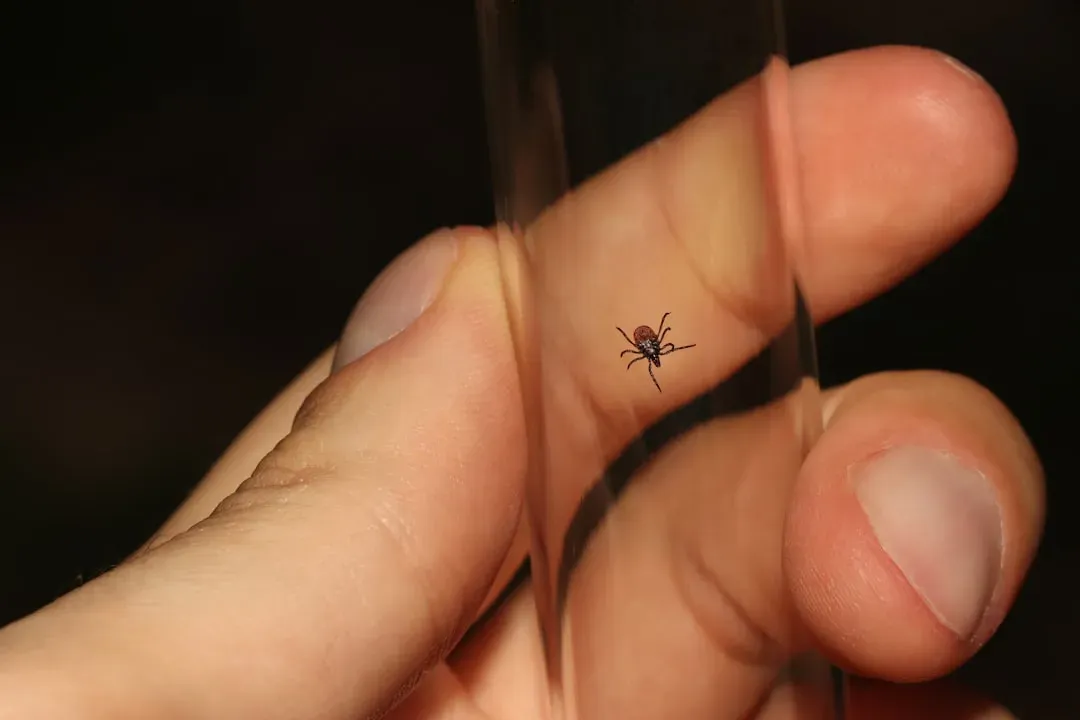
Massachusetts ranks among the top states for tick-borne disease cases, and the problem shows no signs of slowing. From Cape Cod to the Berkshires, ticks have colonized virtually every ecosystem the state offers. The coastal areas, which many assumed would be less hospitable to ticks, have proven just as vulnerable as inland forests.
The state’s renowned outdoor recreation industry has taken a hit as people become increasingly wary of hiking trails and camping spots. Martha’s Vineyard and Nantucket, once pristine vacation destinations, now come with tick warnings that rival anything found in more inland locations. Nobody wants to come home from a beach vacation with Lyme disease.
Massachusetts falls into the highest tier alongside other northeastern states for tick prevalence. What’s particularly alarming is the speed at which previously low-tick areas have become infested. Towns that reported handful of cases a decade ago now see hundreds annually.
Local universities and research institutions have made tick-borne disease research a priority, but translating research into effective prevention remains challenging. The ticks adapt faster than control methods can keep up. It’s like trying to win a race where your opponent keeps changing the rules.
Healthcare providers across the state have become expert at recognizing and treating Lyme disease and other tick-borne illnesses. In some ways, that expertise is a silver lining. Early diagnosis and treatment make a huge difference in outcomes, and Massachusetts doctors have seen enough cases to spot the signs quickly.
Wisconsin and Minnesota Lead the Upper Midwest

Roughly 95% of tick-borne disease cases occur in the Northeast and upper Midwest, and Wisconsin and Minnesota represent the western front of this epidemic. Both Wisconsin and Minnesota appear in the top tier of states with the highest tick-borne disease counts, which surprises people who don’t associate the region with serious tick problems.
The blacklegged tick has expanded dramatically across both states over the past two decades. Areas that once saw occasional ticks now have established populations that rival anything found on the East Coast. Hunters, hikers, and outdoor enthusiasts who grew up without worrying about ticks have had to completely change their approach to spending time outdoors.
Wisconsin’s northern forests and Minnesota’s lake country provide ideal tick habitat. The deer population supports tick reproduction, while small mammals like the white-footed mouse serve as disease reservoirs. Land use changes have created microecologies that are fabulous habitats for competent reservoirs like mice, while driving out predators that keep rodent populations in check.
What makes the Upper Midwest situation particularly concerning is how rapidly it developed. These states went from minimal tick presence to serious infestation in what feels like the blink of an eye. Over 80% of counties in Michigan are potentially at risk for Lyme disease, primarily due to the widespread presence of Blacklegged Ticks, showing how widespread the problem has become throughout the region.
Winters that once killed off tick populations no longer do the job. Mild winters mean deer ticks are active anytime it’s over 39 degrees, creating much longer active periods. Spring now arrives with established tick populations ready to go, rather than having to rebuild from a handful of survivors.
Virginia and Maryland’s Mid-Atlantic Struggle
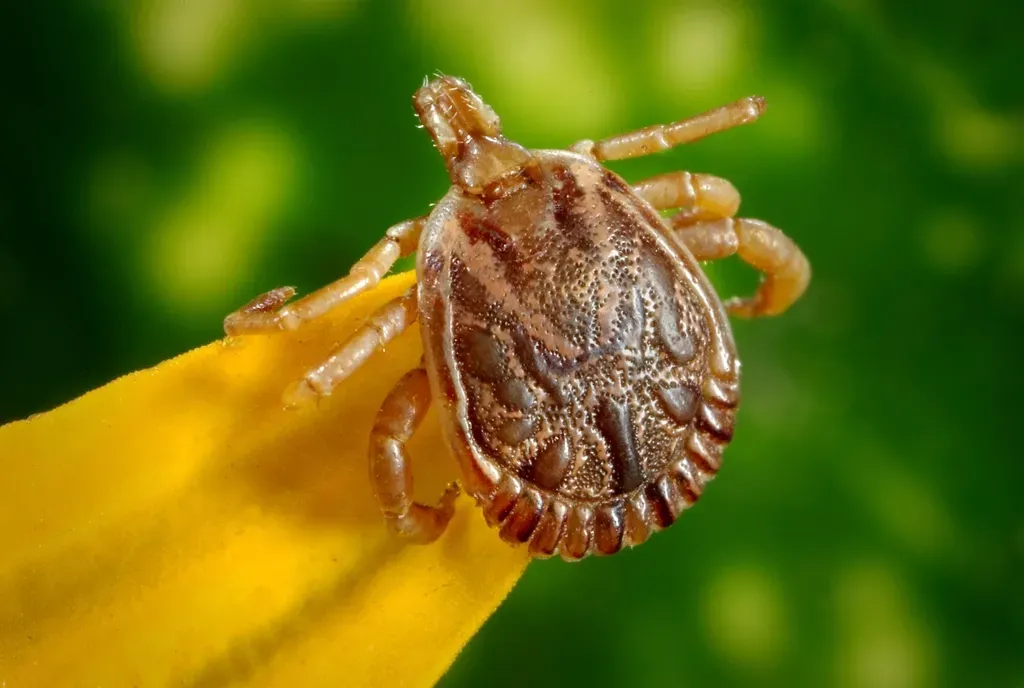
Virginia and Maryland both rank in the top tier for tick-borne disease cases, positioned at the transition zone where multiple tick species overlap. This isn’t just about blacklegged ticks anymore. The Lone Star tick is widely distributed in the Northeast, South, and Midwest of the United States, and the Mid-Atlantic states see heavy activity from this aggressive species.
Virginia’s diverse geography – from the Chesapeake Bay to the Blue Ridge Mountains – means residents face different tick threats depending on where they live. The state’s mild climate allows year-round tick activity in many areas, with only the coldest months providing any real respite. Maryland faces similar challenges, with the addition of dense suburban development that pushes people into tick territory constantly.
Maryland is considered one of the states where ticks are endemic. The Chesapeake Bay region, with its mix of forests, wetlands, and residential areas, creates endless opportunities for human-tick encounters. Boaters and fishermen who think they’re safe near the water quickly learn otherwise.
Washington, D.C., ranks among the top five tick-infested cities, which affects both Virginia and Maryland since the metropolitan area sprawls across both states. Even the nation’s capital isn’t immune to the tick invasion. Imagine getting Lyme disease from a walk along the National Mall.
The Mid-Atlantic position means these states get hit from multiple directions. Northern tick species are spreading south, southern species are expanding north, and they’re all meeting right here. It’s a tick convention, and nobody sent out invitations. Climate change appears to be making the region even more hospitable to a wider variety of species, which doesn’t bode well for the future.
The Expanding Southern Threat
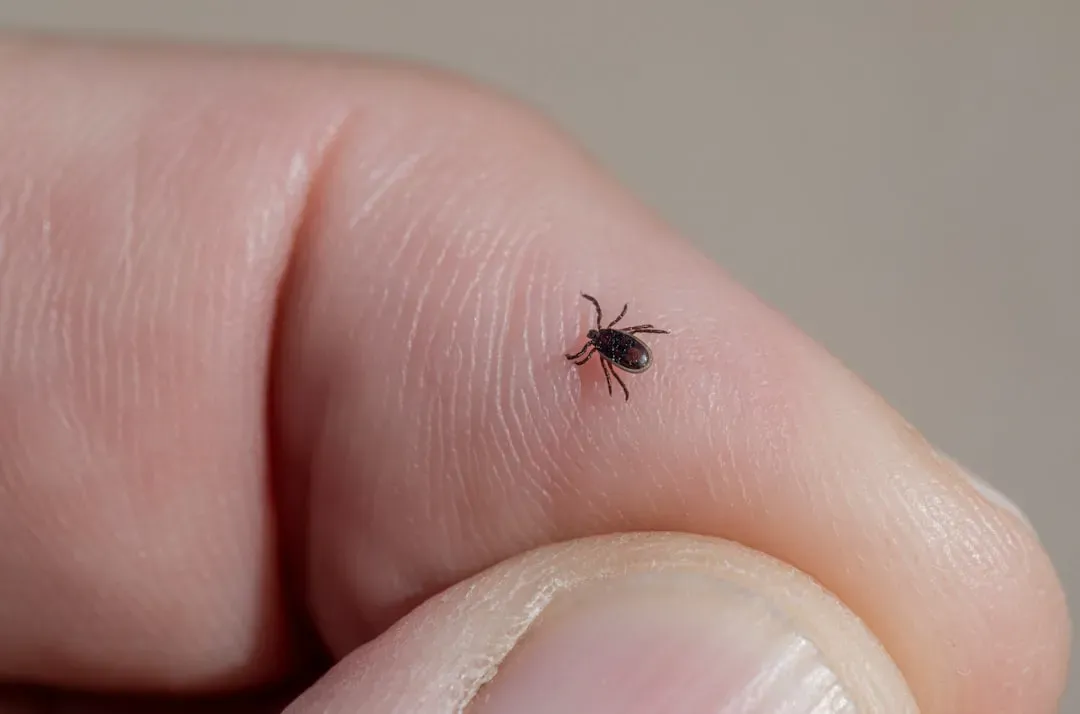
Pennsylvania, New York, New Jersey, and other states in the Northeast are often identified as the worst places for ticks, but warm climates like California, Florida, and Texas also feature prominently. The South has traditionally dealt with different tick species than the Northeast, but that’s changing rapidly. Ehrlichiosis is most common in the Southeast and Southcentral US, corresponding with the geographical distribution of the Lone Star tick, though the range has been expanding.
Texas, with its vast size and diverse ecosystems, deals with multiple tick species across different regions. While Texas is considered a low-incidence state for Lyme disease, several species of ticks are commonly found across the state, and tick season is at its worst during spring and summer. The sheer number of people living in suburban areas near natural habitats means encounters happen constantly.
Florida’s year-round warm climate eliminates the natural winter die-off that helps control tick populations in northern states. Residents and tourists alike face tick threats twelve months a year, though most people don’t associate Florida vacations with tick-borne illness risk. That’s probably a mistake, honestly.
The Lone Star tick is regarded as a hunter tick, which will walk or crawl rapidly across many meters when attracted by host odors, and has been expanding its range into new areas of the northern and mid-western United States. This aggressive behavior makes it particularly problematic. Unlike some tick species that wait passively for hosts, Lone Star ticks actively pursue them.
The alpha-gal syndrome connection makes southern ticks particularly concerning. Growing evidence suggests that alpha-gal syndrome, a red meat allergy, may be triggered by the bite of lone star ticks. Imagine developing a serious meat allergy from a single tick bite. That’s the reality some people face after encounters with these southern ticks, and it’s spreading northward along with the tick itself.
Conclusion: A Growing National Crisis
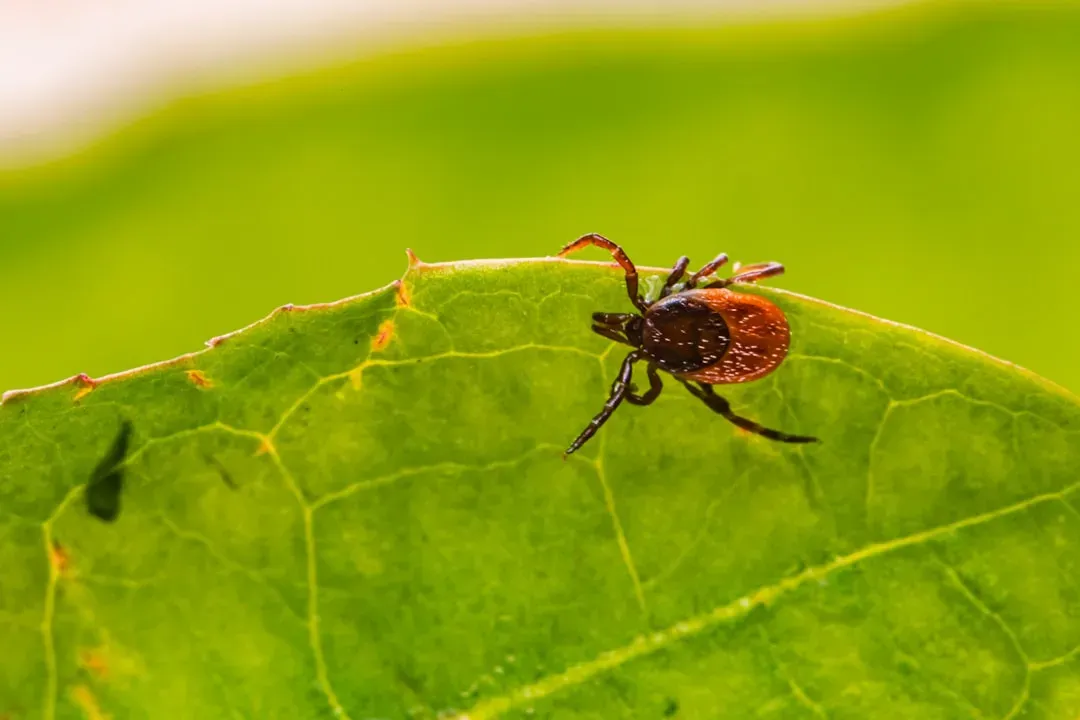
The CDC has recorded approximately 475,000 cases of Lyme disease annually, and that’s just one tick-borne disease. Between 2019 and 2022, all 50 states and Washington, D.C. reported cases of tickborne diseases. This isn’t a regional problem anymore – it’s truly national.
The overall public health threat posed by ticks and tickborne diseases in the United States is steadily increasing to include new human populations because major vector ticks are expanding their geographic ranges. Climate change, land use patterns, and wildlife population dynamics all contribute to creating more tick-friendly environments across the country.
The states with the worst infestations share common characteristics: forested areas, suburban sprawl into natural habitats, abundant wildlife populations, and climates that support tick survival. Pennsylvania, New York, New Jersey, Connecticut, and Massachusetts lead the pack, but no state is truly safe anymore.
Prevention remains our best defense since we still lack vaccines for most tick-borne diseases. Wearing protective clothing, using repellents, performing tick checks, and maintaining your yard all help reduce risk. It’s hard to say for sure, but with tick populations continuing to expand and diversify, this problem will likely get worse before it gets better.
What’s your experience with ticks in your state? Have you noticed them becoming more common over the years?

- 14 Quiet Signs Your Dog Knows Its Time Is Near and Wants You Close - July 22, 2026
- 10 Falcon Facts That Will Blow Your Mind - July 22, 2026
- 5 Incredible Migratory Journeys Animals Make Every Year - July 22, 2026