
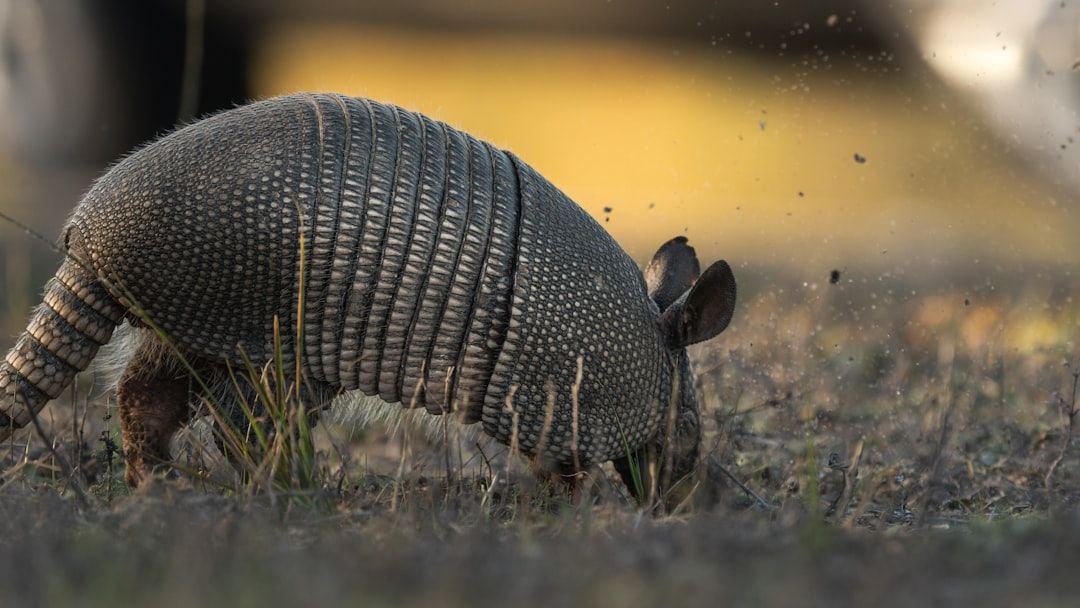
Picture this: a quirky armored creature shuffling through your backyard at dusk, digging up grubs like it’s on a treasure hunt. Nine-banded armadillos, those prehistoric-looking wanderers from Latin America, have been marching northward across the US for over a century. They’ve turned nuisance for some gardeners but fascination for wildlife lovers everywhere.[1]
Texas kicked off their American adventure back in 1849, and now they’re popping up in surprising places. Yet some states boast way more of these bony-plated diggers than others. Ready to meet the heavyweights?[2]
Texas: Undisputed Armadillo King
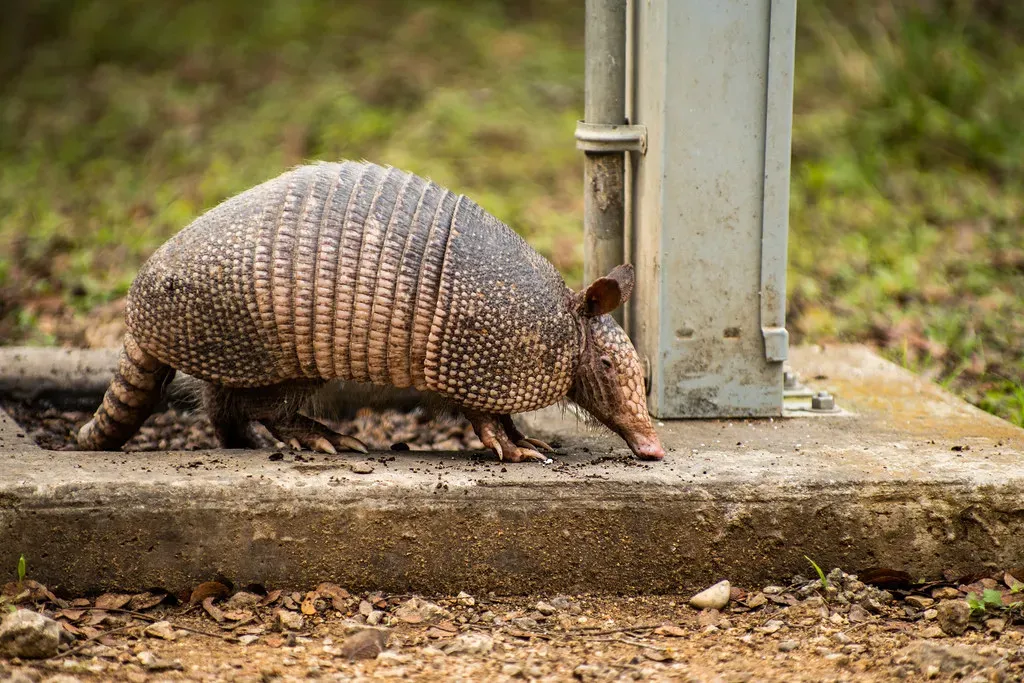
Texas reigns supreme with the highest numbers of armadillos anywhere in the US. These critters thrive almost statewide, skipping only the arid Trans-Pecos west. They’re so iconic here that the state named them its official small mammal.[3]
Locals spot them raiding lawns nightly, drawn to the state’s mix of grasslands and forests. Honestly, if armadillos had a homeland, it’d be the Lone Star State. Their density can hit one per acre in sandy spots, making encounters unavoidable.[4]
Oklahoma: Lawn Raiders Galore
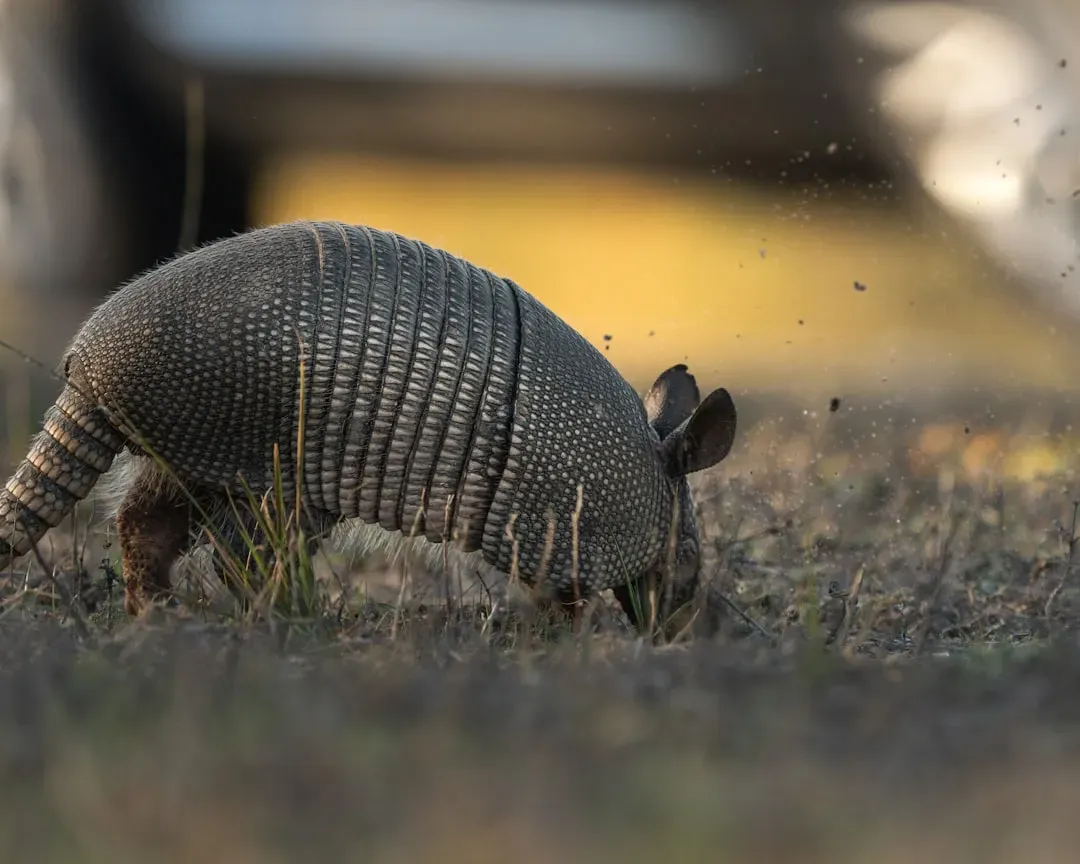
Oklahoma ranks high with armadillos common across much of the state. They love the soft summer soils, turning manicured yards into moonscapes overnight. Farmers and homeowners alike share tales of these nocturnal excavators.[3]
Here’s the thing: their spread here mirrors Texas, fueled by similar warm, buggy habitats. Populations hold steady, pushing edges northward. I bet more Oklahomans have armadillo stories than tornado ones.
Steady rains keep the grubs flowing, sustaining big groups.
Louisiana: Bayou Armadillo Haven
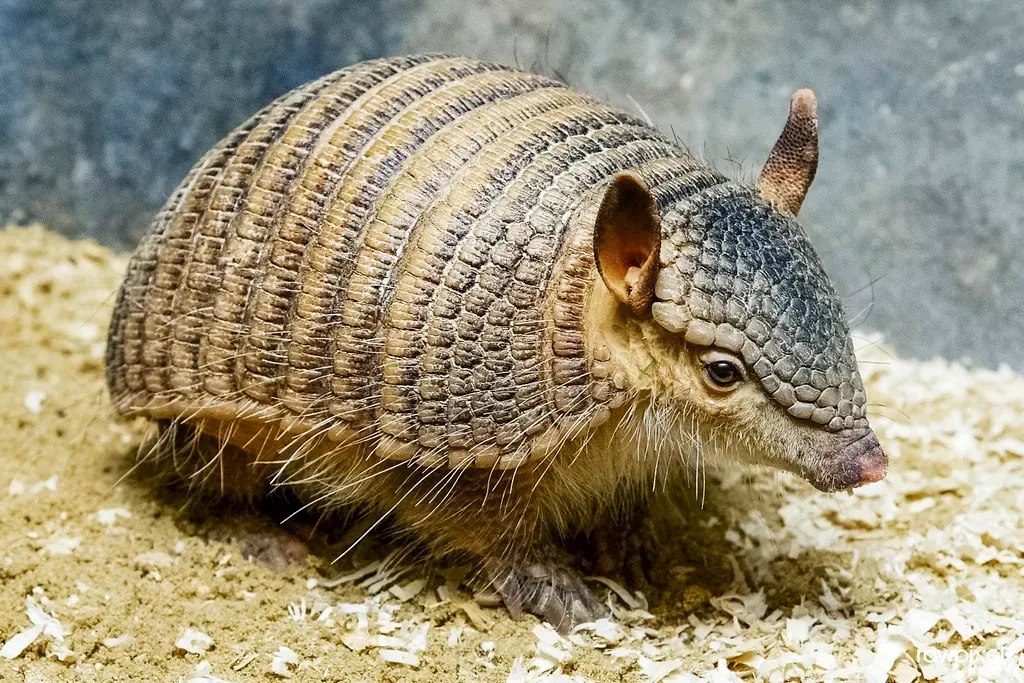
In Louisiana, armadillos roam statewide, favoring mature forests and bayous. They’re everywhere from swamps to suburbs, thriving in the humid south. No wonder sightings feel routine here.[3]
Thick vegetation hides their burrows, but dug-up flowerbeds betray them. Their love for wetlands boosts numbers in this watery wonderland. It’s like they were made for Cajun country.
Arkansas: Statewide Settlers
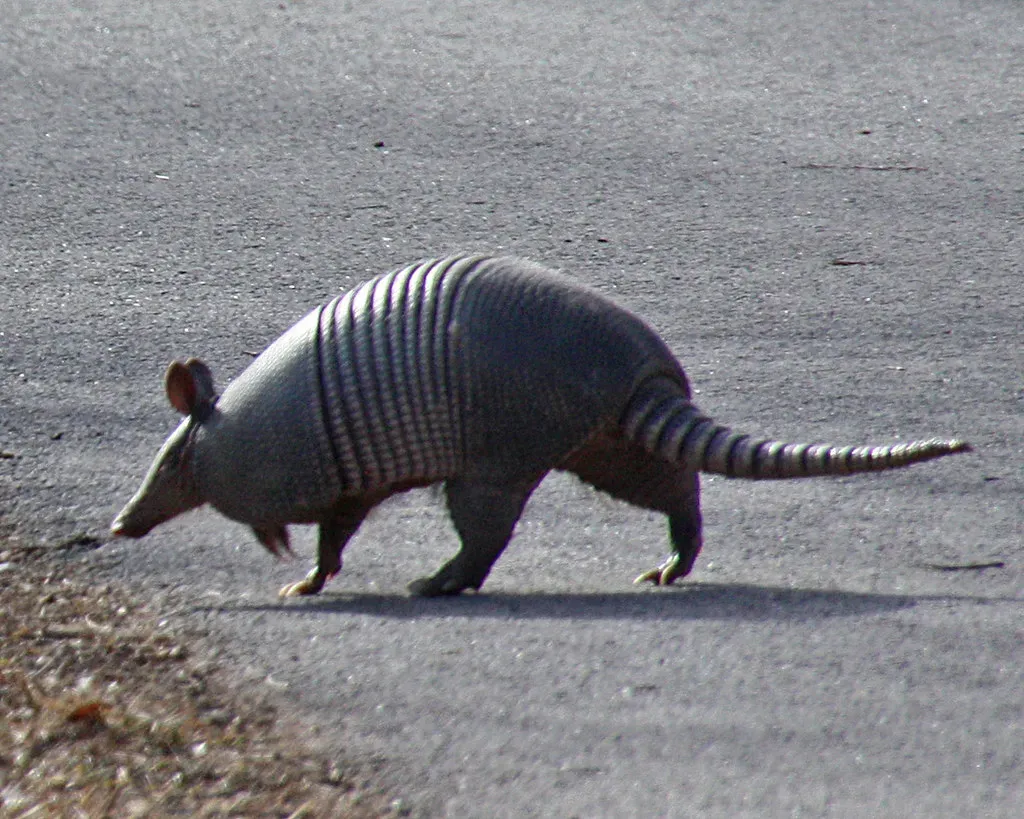
Arkansas saw its first armadillos in 1921, now established coast to coast. They blanket the state, adapting to hills and plains alike. Expansion here happened fast, by 1990 they owned the place.[3]
Rural roads claim a few yearly, hinting at healthy populations. Forests provide perfect cover for their quirky lifestyle. Let’s be real, Arkansans probably see more than they bargain for.
Density rivals southern neighbors in fertile zones.
Florida: Sunshine State Diggers
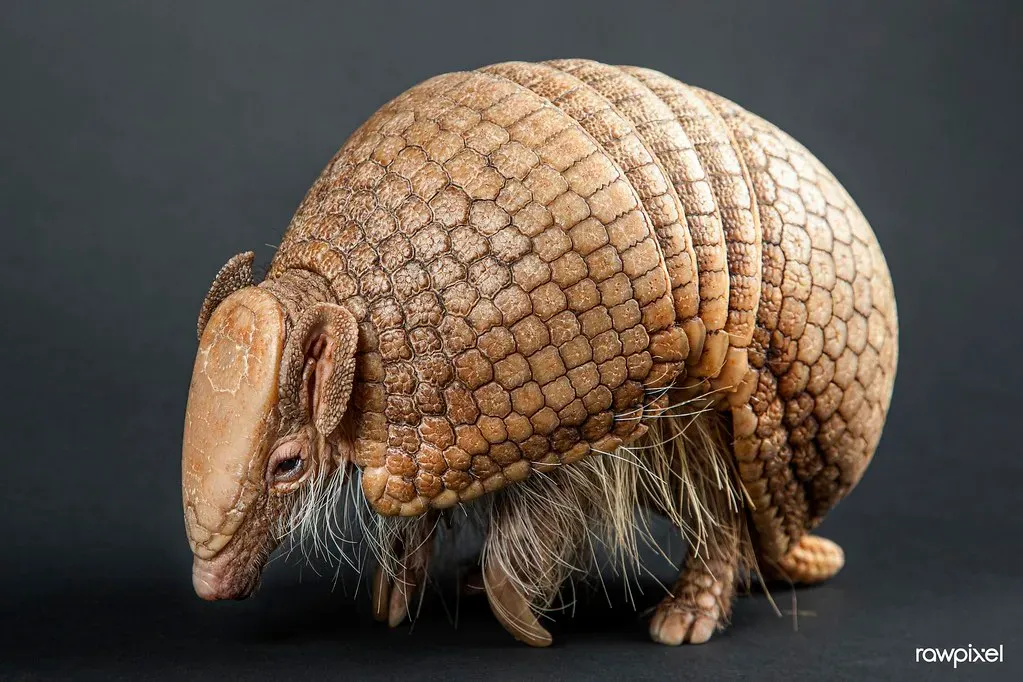
Florida hosts armadillos statewide, common in semi-open spots with loose soil. From Everglades edges to panhandle yards, they’re a fixture. Warmth and insects make it paradise for them.[3]
Beachgoers might chuckle at tracks near dunes. Human sprawl hasn’t deterred them; they burrow under homes boldly. Florida’s vibe suits these sun-loving armored friends perfectly.
Georgia: Coastal to Central Hotspot
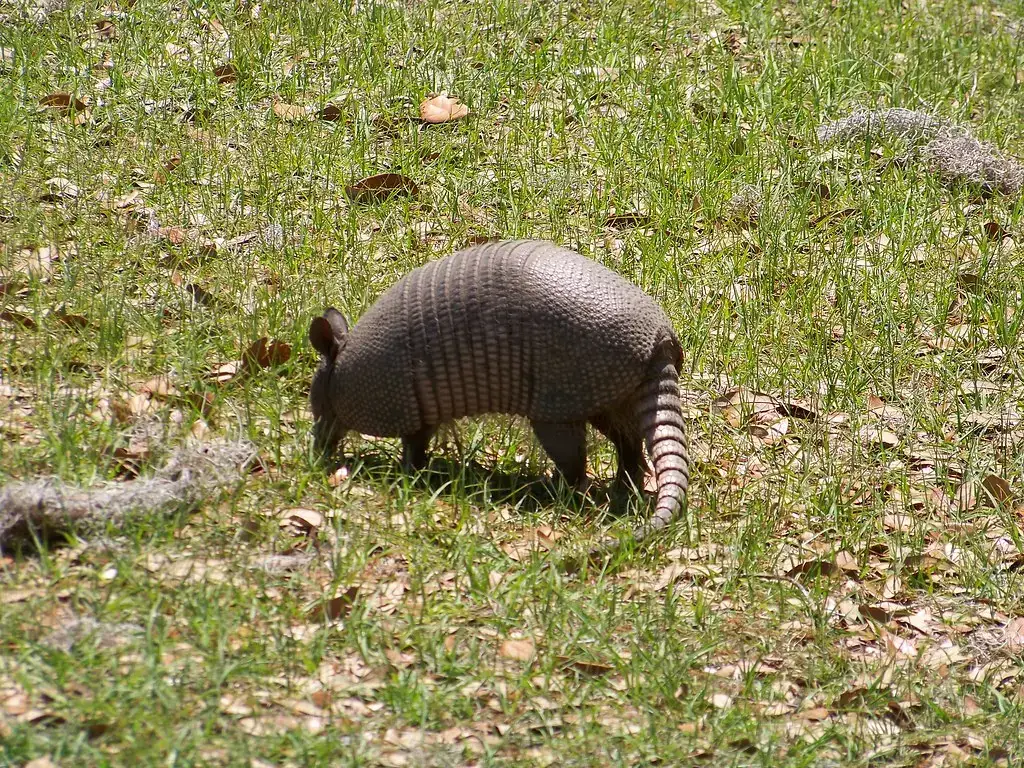
Georgia now has armadillos in nearly every county, barring mountains. Central and southern areas teem most, per recent surveys. They’ve swept the state like a slow-motion invasion.[2][3]
Peach orchards and piney woods offer ideal digs. Populations exploded eastward lately. It sounds crazy, but they’re as Georgian as sweet tea now.
Alabama: Southern Stronghold
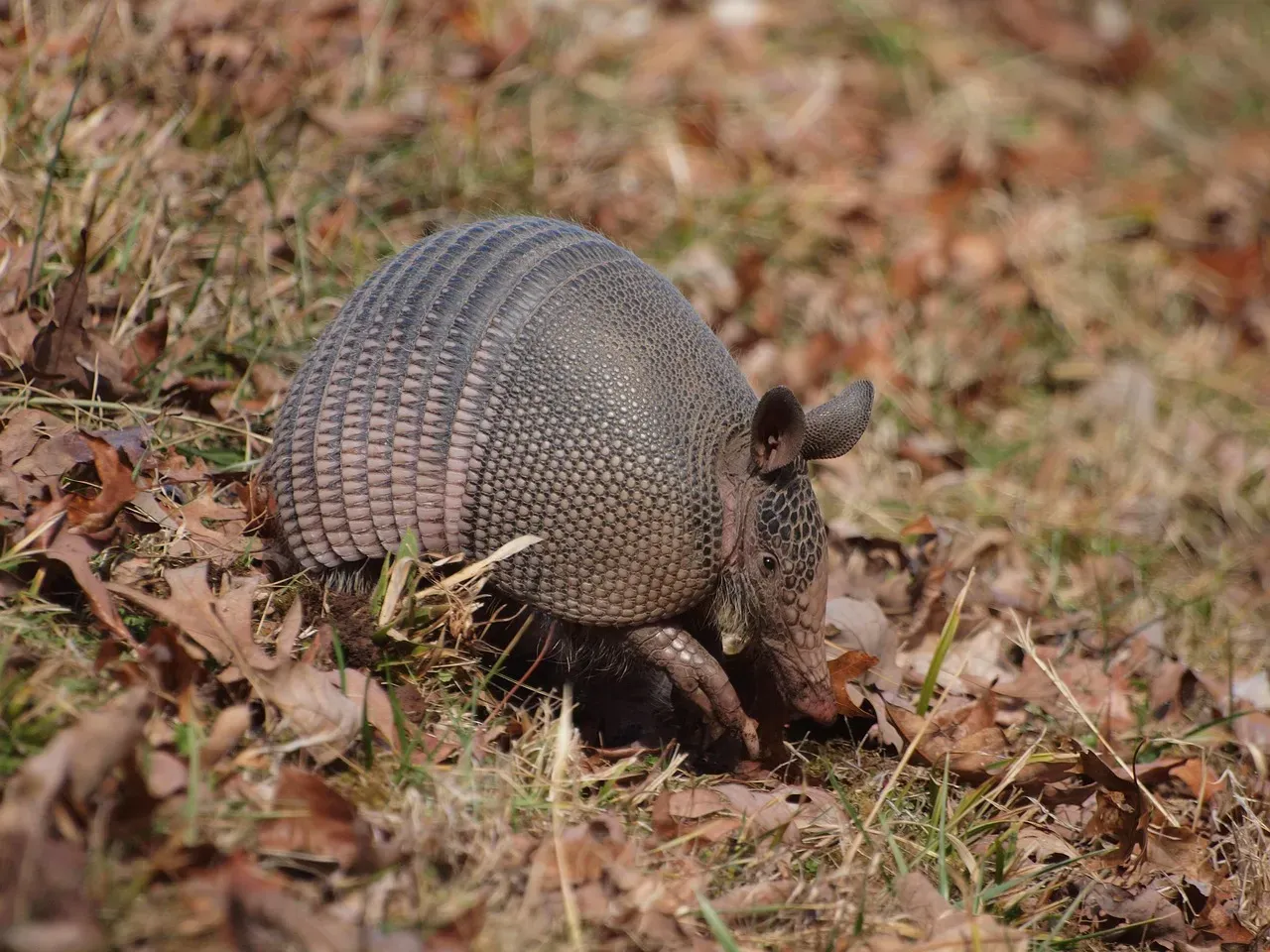
Alabama welcomed armadillos around the 1940s, now in most counties. They blend into rural life, unearthing pests farmers appreciate quietly. Steady presence marks it a top contender.[3]
Forested lowlands fuel their numbers, much like neighbors. Nighttime wanderers, they avoid the spotlight. Alabama’s warmth keeps clans thriving year-round.
Why They’re Spreading and What It Means
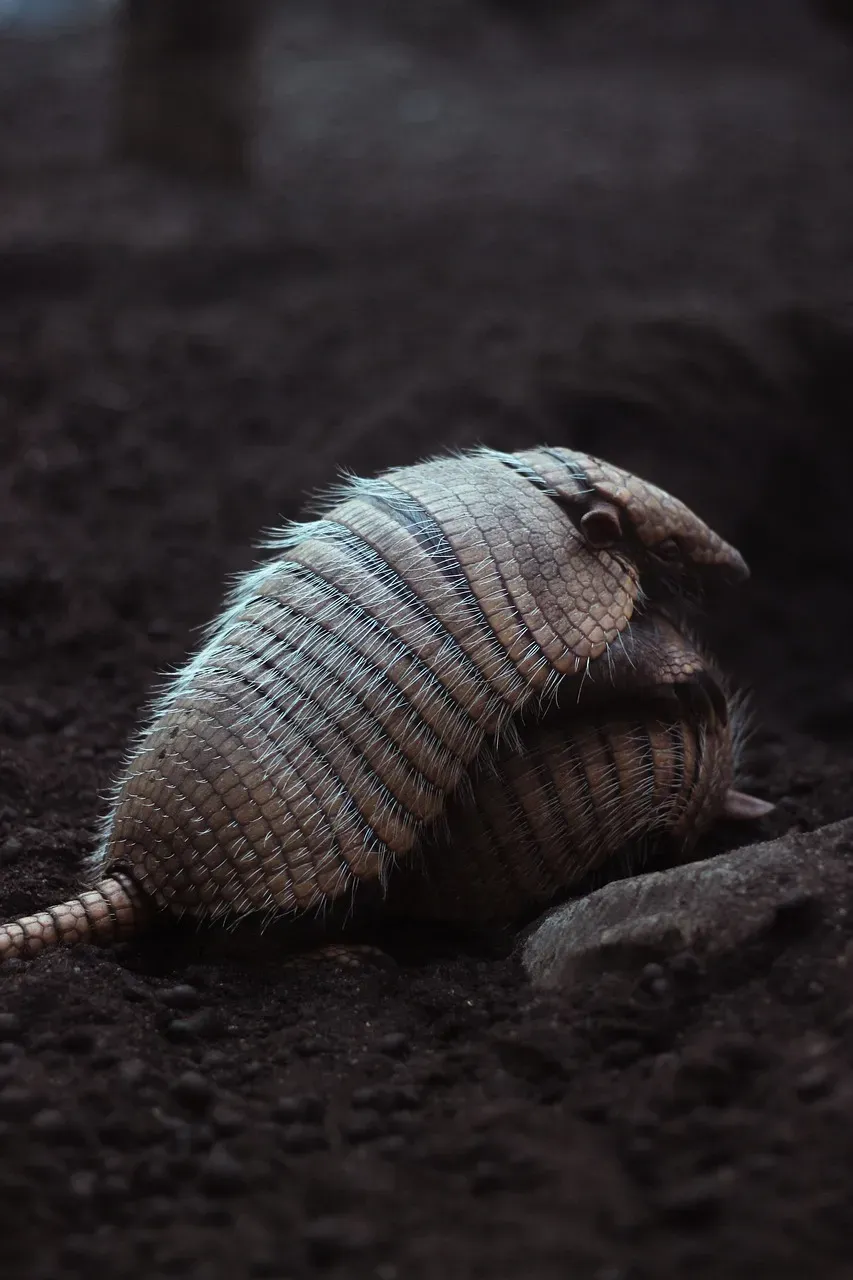
Climate shifts and habitat tweaks propel armadillos into new turf, from Missouri fully to bits of Iowa.[2] They’re not picky eaters, gobbling bugs that plague yards. Still, core southern states hold the crowds.
Encounters rise, sparking curiosity over conflict. These tough survivors remind us nature adapts fast. What state near you might host the next wave? Share your sightings below.

- 6 Exotic Bird Species You Can Spot in U.S. National Parks - July 19, 2026
- 11 Iconic American Birds Facing New Challenges and How You Can Help - July 19, 2026
- 10 Friendliest Animals in the World - July 19, 2026