

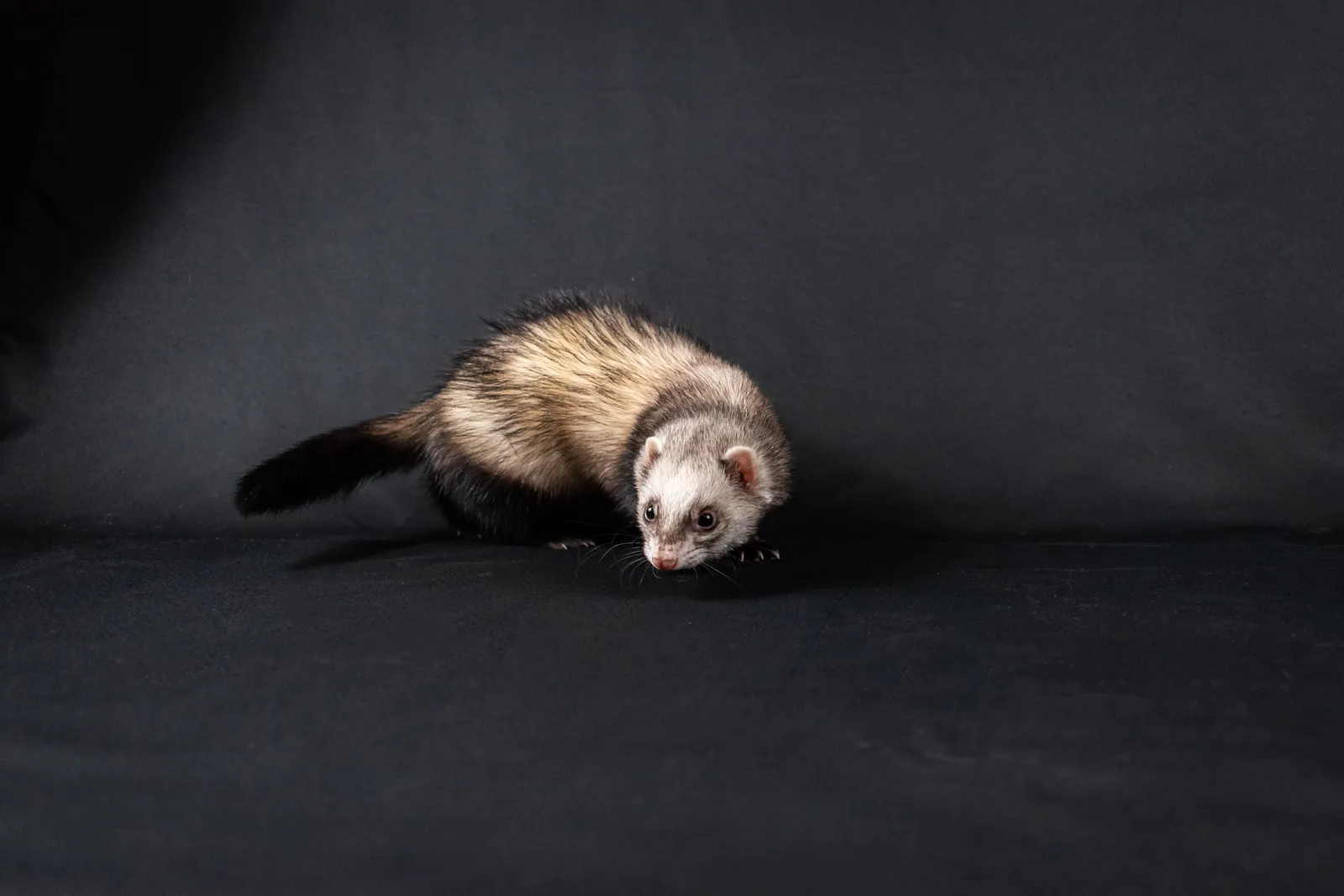
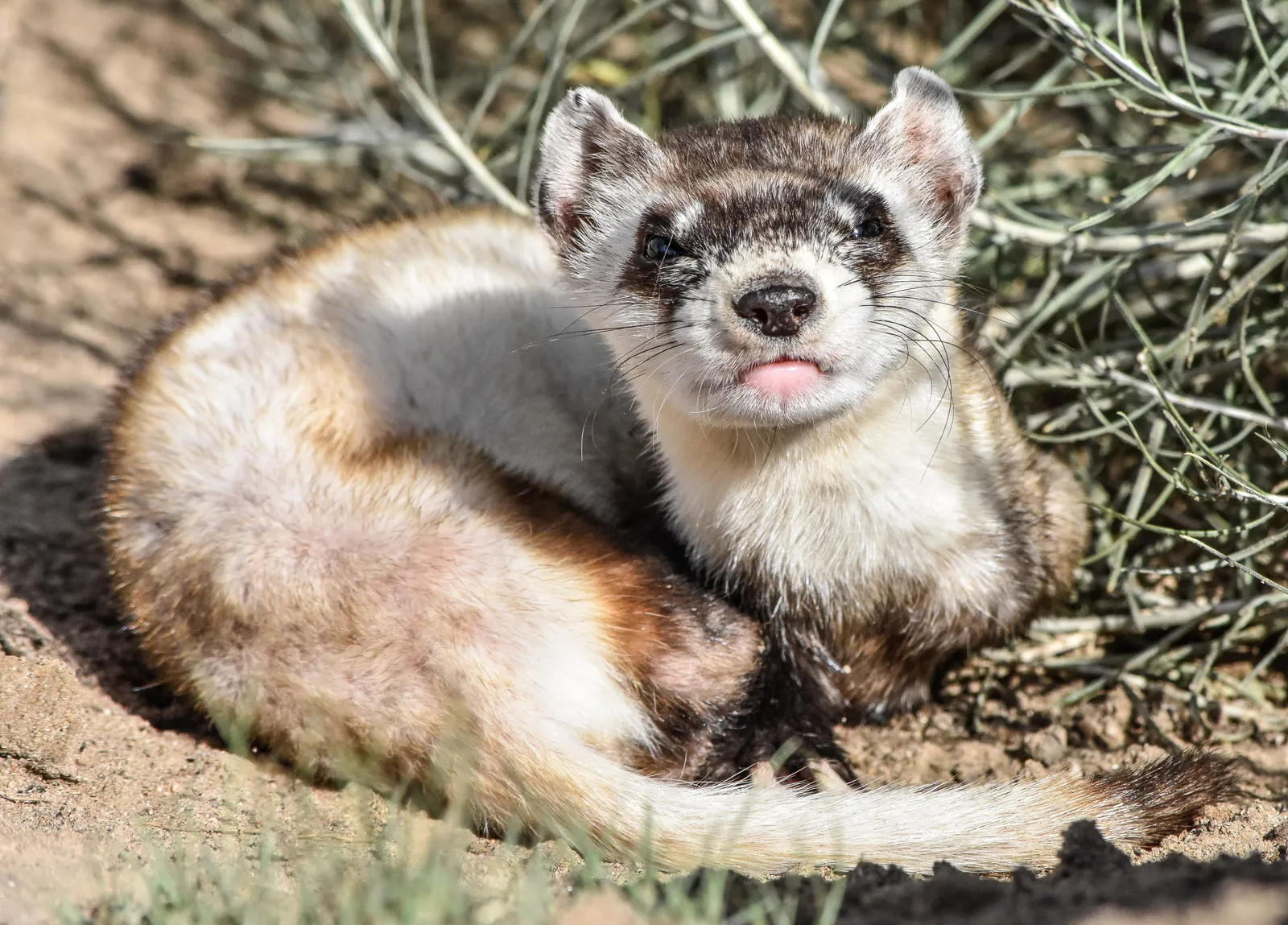
Here’s a strange fact about one of America’s rarest mammals. Every black footed ferret alive today traces back to a tiny group of animals found on a Wyoming ranch, and until recently that group was the whole genetic story. A small population turned up in 1981 and produced eight breeding ferrets, and before the early 2020s every living ferret descended from them.
So which states hold the most of these masked, prairie dog hunting weasels today? The honest answer is messier than a tidy leaderboard. Wild numbers swing from year to year, and some sites that looked promising have gone quiet. Still, a few states clearly sit at the center of the recovery effort.
Why There’s No Simple Ranking
🔥 Would you like to save this?
We'll email this post to you, so you can come back to it later!
Black footed ferrets are nocturnal and spend most of their time underground, which makes counting them hard. Biologists rely on spotlight surveys, camera traps and more recent tools like scent dogs and drones. Arizona, for example, has been testing telemetry, scent dogs, camera traps and thermal drones to understand them better.
Population totals also move. As of January 2025, 20 of 34 reintroduction sites were active, with an estimated wild population of about 496. Other sources use older, lower figures, such as roughly 300, so it’s worth treating any single number as a snapshot rather than a fixed fact.
There’s another catch. A site can be counted as a reintroduction site even when ferrets there have died out. One expert says that of 35 locations in eight states, only about 15 still actively have ferrets. That’s why this article ranks states by how important and durable their ferret programs are, not by a precise headcount that nobody can honestly provide.
Wyoming: Where the Story Began and Still Holds Strong
🔥 Would you like to save this?
We'll email this post to you, so you can come back to it later!
Wyoming is the natural starting point. The 1981 discovery happened on a ranch in Meeteetse, where a sheepdog named Shep led people to the survivors. The state then became the first release ground. In 1991, forty nine ferrets were released in Shirley Basin, Wyoming.
Shirley Basin remains a bright spot, though not a carefree one. Wyoming Game and Fish and the US Fish and Wildlife Service work very hard there, and it’s among the most successful ferret efforts. Even so, the population will probably always be on shaky footing.
That mix of success and fragility sums up the species. Wyoming also matters because ferrets there have been described as dispersing from the release area, which is what you want to see from a recovering population. If one state deserves the top slot for historical weight and steady occupancy, it’s this one.
- First reintroduction site in the country, started in 1991
- Home of the original 1981 rediscovery near Meeteetse
- Shirley Basin has been occupied for long stretches, with heavy human help
South Dakota: The Prairie Dog Powerhouse
🔥 Would you like to save this?
We'll email this post to you, so you can come back to it later!
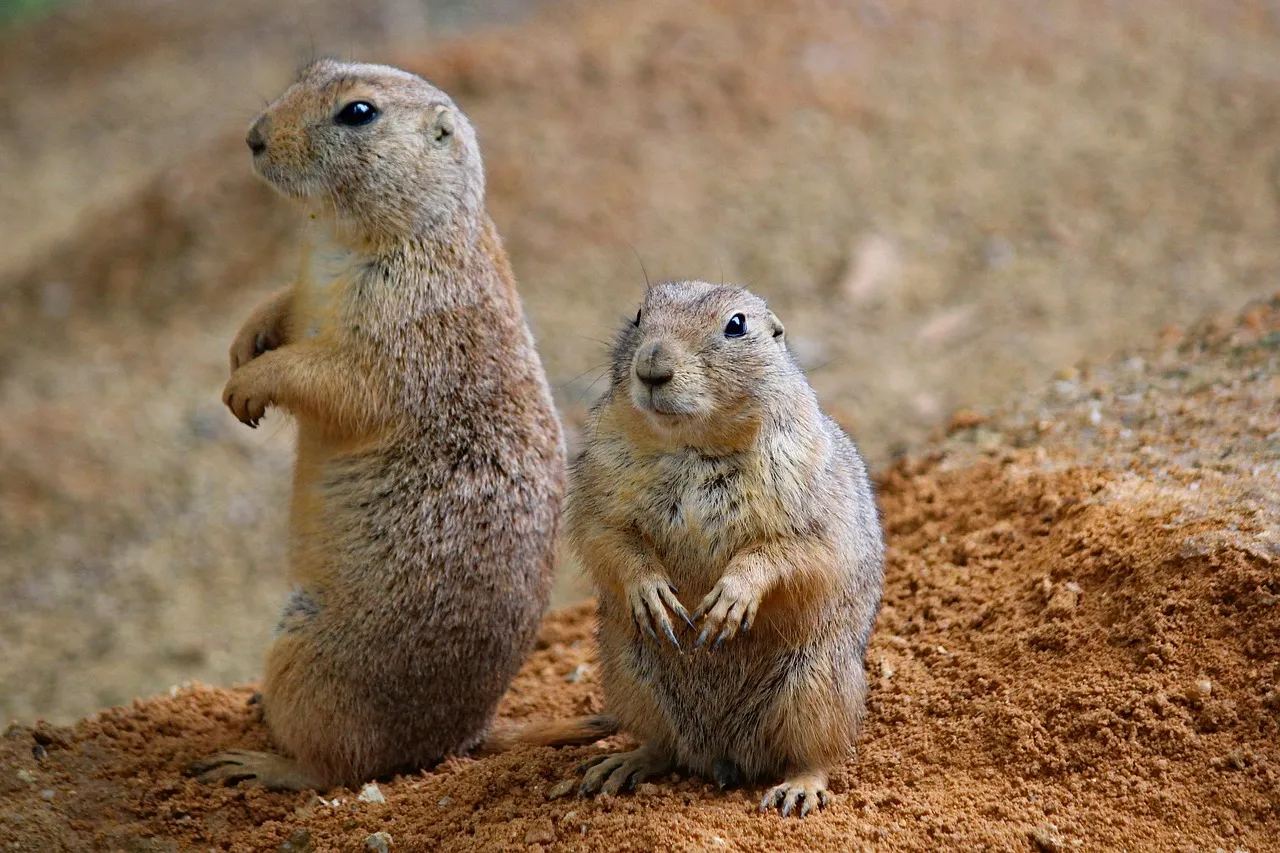
South Dakota earns its place because ferrets need prairie dogs, and the state has big, protected colonies. The Conata Basin is an important release site where killing prairie dogs is prohibited. That protection matters more than it sounds, since the ferret’s diet is almost exclusively prairie dogs.
The state also hosts several release areas across different land types. These include Conata Basin and Badlands, Buffalo Gap National Grasslands, and the Cheyenne River Sioux Reservation. Tribal partnerships are a real part of the picture here, not an afterthought.
South Dakota is also a testing ground for plague defenses. Fipronil treated grain, used to control fleas on prairie dogs, has been evaluated at sites including Conata Basin and Lower Brule Reservation in South Dakota. Fleas spread plague, so killing them can protect both prey and predator.
Montana, Colorado and Arizona: Hard Lessons and Real Wins
🔥 Would you like to save this?
We'll email this post to you, so you can come back to it later!
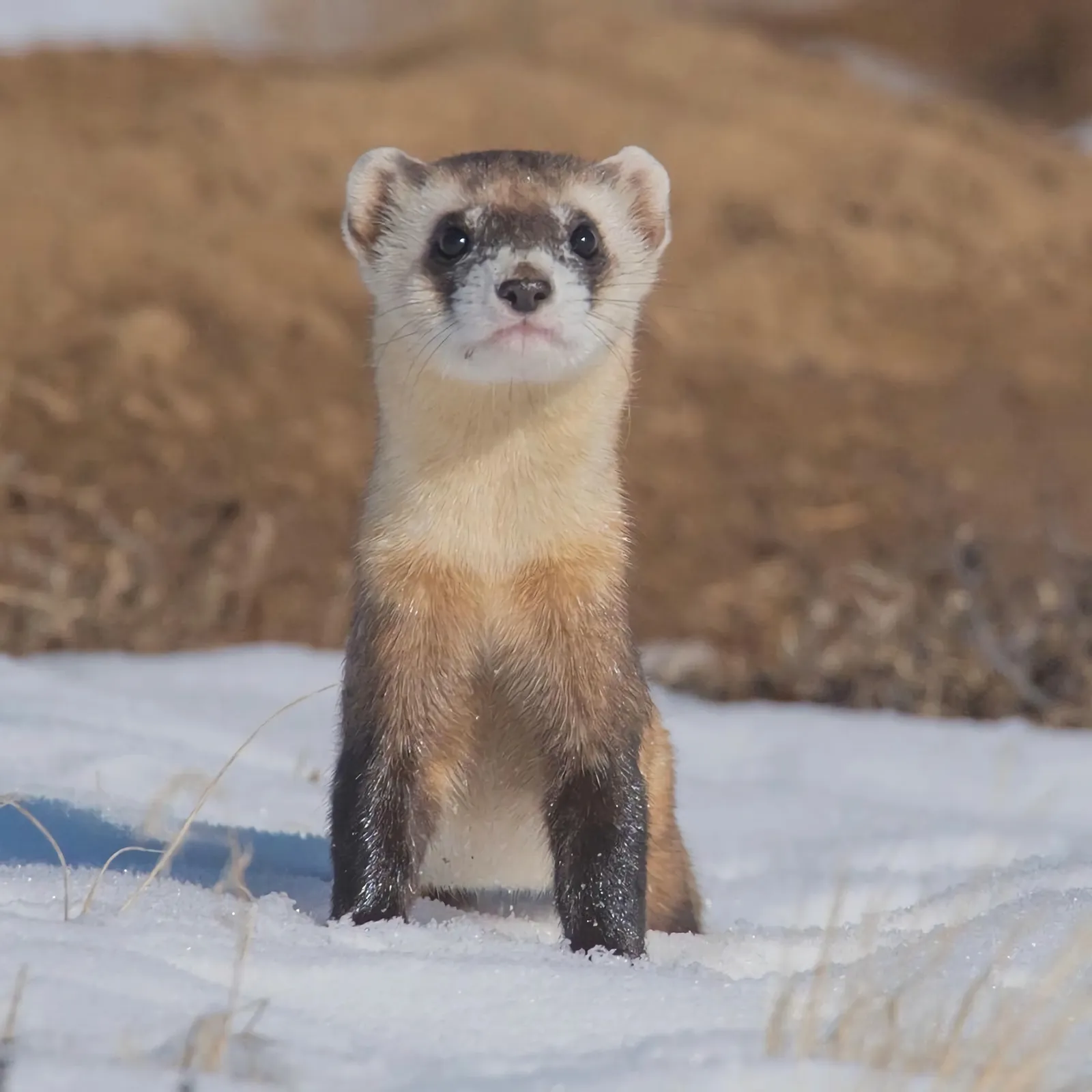
Montana shows how tough this work can be. Ferrets returned there at UL Bend in 1994, Fort Belknap in 1997 and again in 2013, plus Northern Cheyenne, the 40 Complex and the Crow Reservation. Yet according to the state’s 2021 guidelines, only Fort Belknap and Crow still held ferrets, because plague wiped out the others. So Montana has many sites on paper and fewer in practice.
Colorado has gone the other way, building a program that keeps expanding. The state now has six reintroduction sites. Releases began near Rangely in 2001, and the Eastern Plains program started in 2013. The state also notes that more than five hundred ferrets have been released there over the years.
Colorado carries extra weight because the national breeding work happens there. Most preconditioning is conducted at the National Black footed Ferret Conservation Center in Colorado. Ferrets get protected practice killing prairie dogs and are vaccinated against distemper and plague before release.
Arizona rounds out this trio. In 1996, Northern Arizona became only the fifth US reintroduction site. The state now manages two populations and three reintroduction sites near Seligman. Arizona is a small program with a steady hand.
Utah, Kansas, New Mexico and the States That Lost Their Ferrets
🔥 Would you like to save this?
We'll email this post to you, so you can come back to it later!
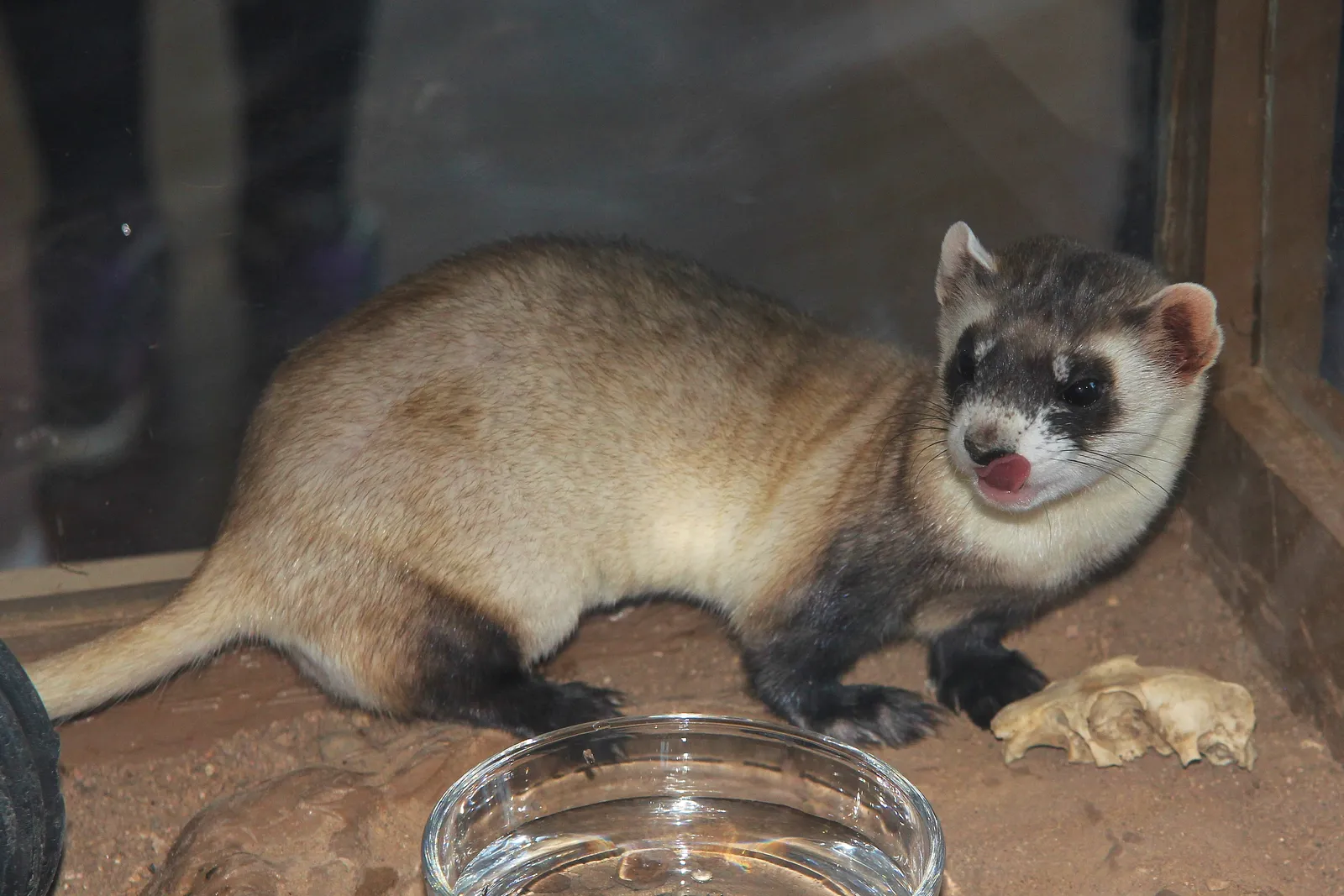
The remaining states are supporting players, though each adds something. Current populations exist only through reintroduction in Arizona, Colorado, Kansas, Montana, New Mexico, South Dakota, Utah and Wyoming. Utah’s link is Coyote Basin, which straddles Colorado and Utah.
Kansas and New Mexico are newer additions to the map, and they’re a reminder that the range is slowly widening. The program has also gone international, with releases in Canada and Mexico. Current wild numbers are encouraging, but more reintroduction sites are needed to recover the species.
Then there are the empty states. The species once lived in Nebraska, North Dakota, Oklahoma and Texas as well, along with the eight states above. Today none of those four appear on the current list of reintroduced populations, which shows how much historic range remains unfilled.
Three threats keep coming up in the research:
- Sylvatic plague, which hits both ferrets and prairie dogs
- Small population sizes that leave sites vulnerable
- Limited suitable habitat, since ferrets depend on large prairie dog colonies
Final Thoughts: Judge the States by Staying Power

🔥 Would you like to save this?
We'll email this post to you, so you can come back to it later!
If I had to pick winners, I’d put Wyoming first, South Dakota second, and Colorado third. Wyoming has the history and the persistent population. South Dakota has the protected colonies, and Colorado has the national preconditioning hub and an active expansion.
I’d also argue that the raw count matters less than the commitment behind it. Montana’s record shows that releasing animals isn’t the same as keeping them alive, and a long list of sites can flatter a program that’s struggling. The states that deserve credit are the ones that keep vaccinating, monitoring and protecting prairie dogs year after year.
The ferret’s comeback is real, but it’s still fragile and expensive to maintain. If the species is going to leave the endangered list one day, it’ll be because more states choose to protect the unglamorous prairie dog towns that everything else depends on.

- 23 Warm Corners an Elderly Cat Keeps Returning To All Winter - October 29, 2026
- 16 Behaviours Showing a Cat Considers a House Permanent Now - October 29, 2026
- 15 Wildlife Programmes a Lifetime Pass Holder Over 62 Can Join Free - October 29, 2026