

There’s something deeply captivating about a creature that manages to be both sluggish and venomous at the same time. The Gila monster carries an almost mythic reputation in the American Southwest, a lizard adorned in beaded pink, orange, and black scales that looks like it crawled straight out of an ancient desert legend. Despite their fearsome appearance and venomous bite, these fascinating reptiles spend the vast majority of their lives underground, hidden from human eyes. They’re notoriously elusive, making actual sightings something of a rare treat for those who wander the arid landscapes they call home.
When it comes to Gila monster populations across the United States, the distribution is surprisingly limited. These venomous lizards don’t range across the entire country like, say, rattlesnakes. Their territory is confined to a relatively small pocket of the American Southwest, where desert conditions provide exactly what they need to survive. So which states actually harbor these remarkable creatures? Let’s dive into the heart of Gila monster country and discover where these desert dwellers make their homes.
Arizona: The Undisputed Gila Monster Capital
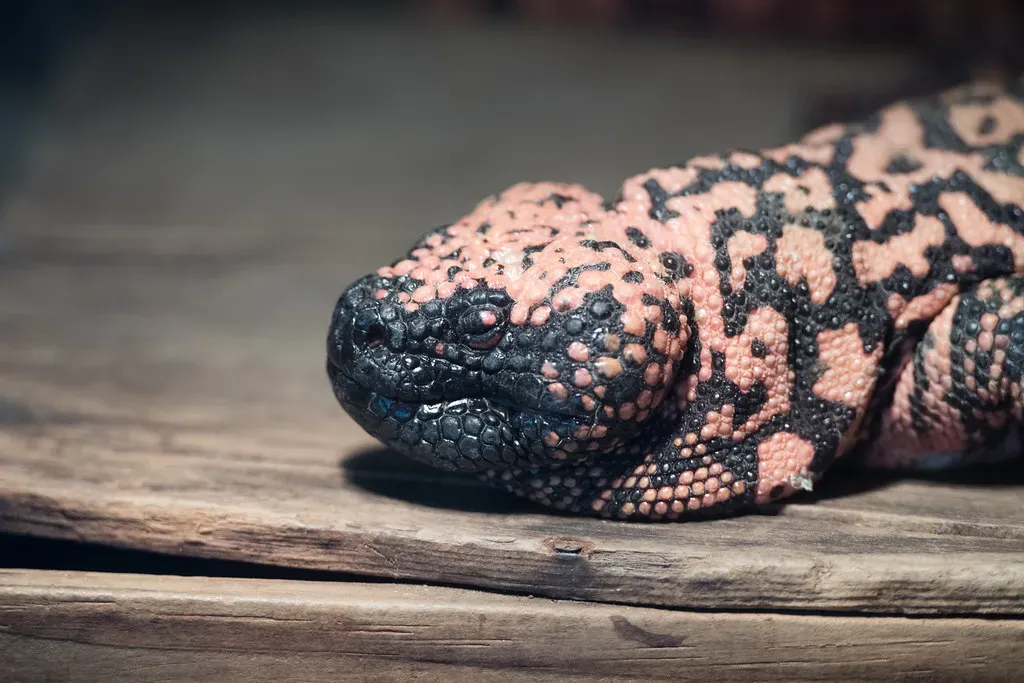
The bulk of the Gila monster’s range is in western and southern Arizona, making this state the absolute stronghold for the species. Honestly, if you’re looking to encounter one of these venomous lizards in the wild, Arizona is your best bet by a considerable margin. The species has large populations in Arizona, distributed throughout the deserts and mountain foothills that define the state’s landscape.
The Gila monster’s connection to Arizona runs deep. The name “Gila” refers to the Gila River Basin in the U.S. states of Arizona and New Mexico, where the Gila monster was once plentiful. Think about that for a moment. These lizards were so abundant in the Gila River region that the entire species was named after this Arizona landmark.
The Gila monster is most commonly found in mountain foothills dominated by saguaros and palo verde trees. The iconic Sonoran Desert landscape, with its towering cacti and rugged terrain, provides ideal habitat. Rocky slopes, arroyos, and canyon bottoms (mainly those with streams) support populations in Arizona.
The sheer concentration of suitable habitat makes Arizona unrivaled when it comes to Gila monster numbers. You’ll find them throughout the southern portions of the state, from the Tucson area to Phoenix and beyond. In 1952 the Gila monster became the first venomous animal in North America to be afforded legal protection; it is therefore illegal to collect, kill, or sell them in Arizona.
What’s remarkable is how these lizards have adapted to living near human development, particularly around sprawling metropolitan areas like Phoenix and Tucson. Twenty-five Gila monsters reported as nuisances by residents in the northeastern Phoenix Metropolitan Area were translocated from 0 to 25,000 m from their point of capture, showing that urban encounters are not uncommon in the Grand Canyon State.
Nevada: Home to the Northern Extremes
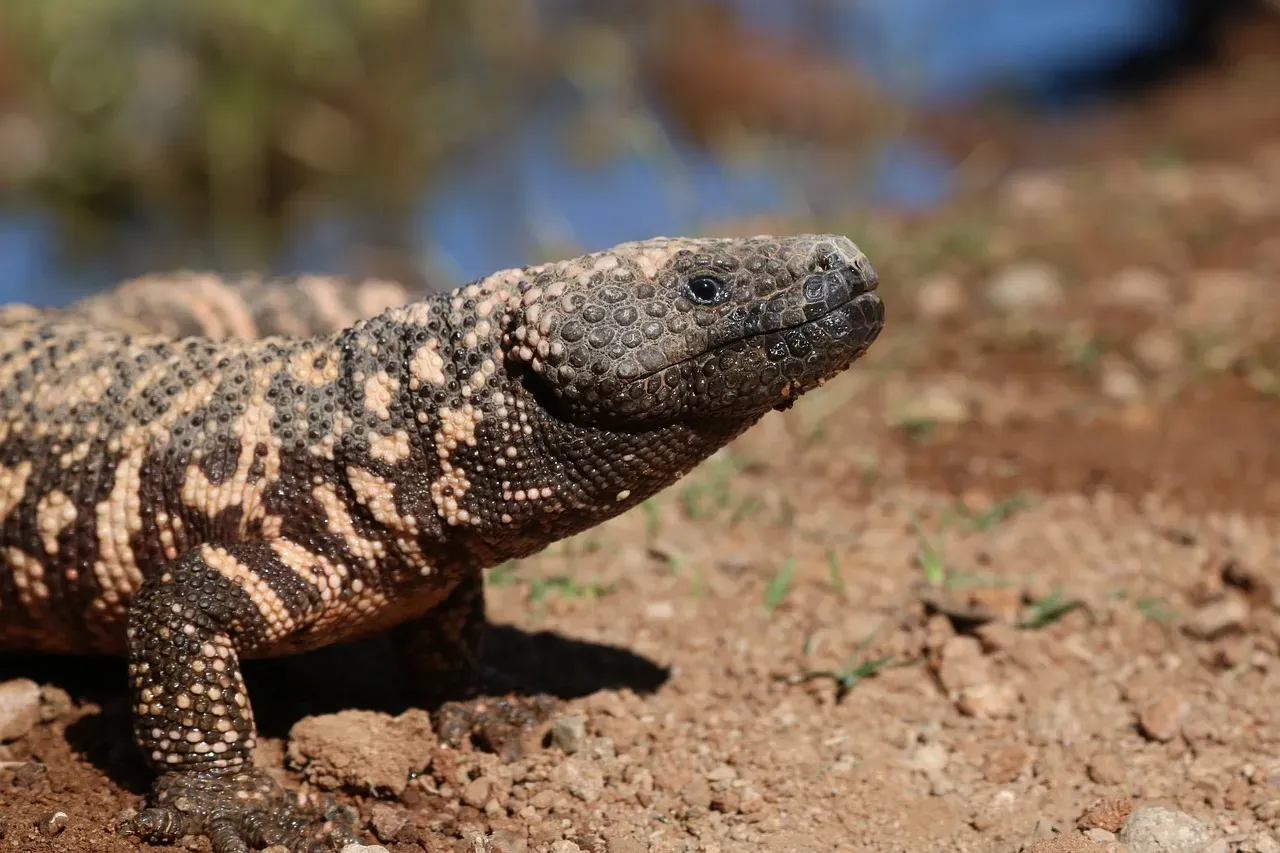
Nevada holds a special place in Gila monster geography as the northern frontier of the species’ range. The Gila monster lives primarily in Arizona and Mexico, the extreme southeastern corner of California, the southern tip of Nevada, and the southwestern corners of Utah and New Mexico. Notice the word “tip” when describing Nevada’s Gila monster territory. We’re talking about a relatively small area here.
The northernmost range of Gila monsters is the Mojave Desert, an area experiencing rapid human population growth and urban sprawl. Southern Nevada, particularly around Clark County and areas near the Arizona border, contains suitable habitat for these desert reptiles. The Gila monster ranges from extreme southwestern Utah, southern Nevada and adjacent to San Bernadino County, California.
Let’s be real, though. The Gila monster population in Nevada is nowhere near as robust as Arizona’s. The habitat is more limited, restricted to the southern desert regions where conditions align with the species’ requirements. The rugged landscape around Lake Mead and the lower elevations near the state’s southern border provide the rocky outcrops and burrows these lizards need.
Modeled current suitable habitat for Gila monsters in Nevada was primarily in rugged bajadas and lower elevations at the bases of mountain ranges. These specific microhabitats are crucial for the species’ survival in the state.
Climate change poses particular challenges for Nevada’s Gila monster populations. Predictions of potential future habitat suggested that overall habitat suitability through 2082 would remain relatively stable throughout the study area in the lower emissions scenario, but in the high emissions scenario potential habitat is greatly reduced in many lower-elevation areas. This could mean Nevada’s already limited populations face an uncertain future.
New Mexico: A Southwestern Corner Stronghold
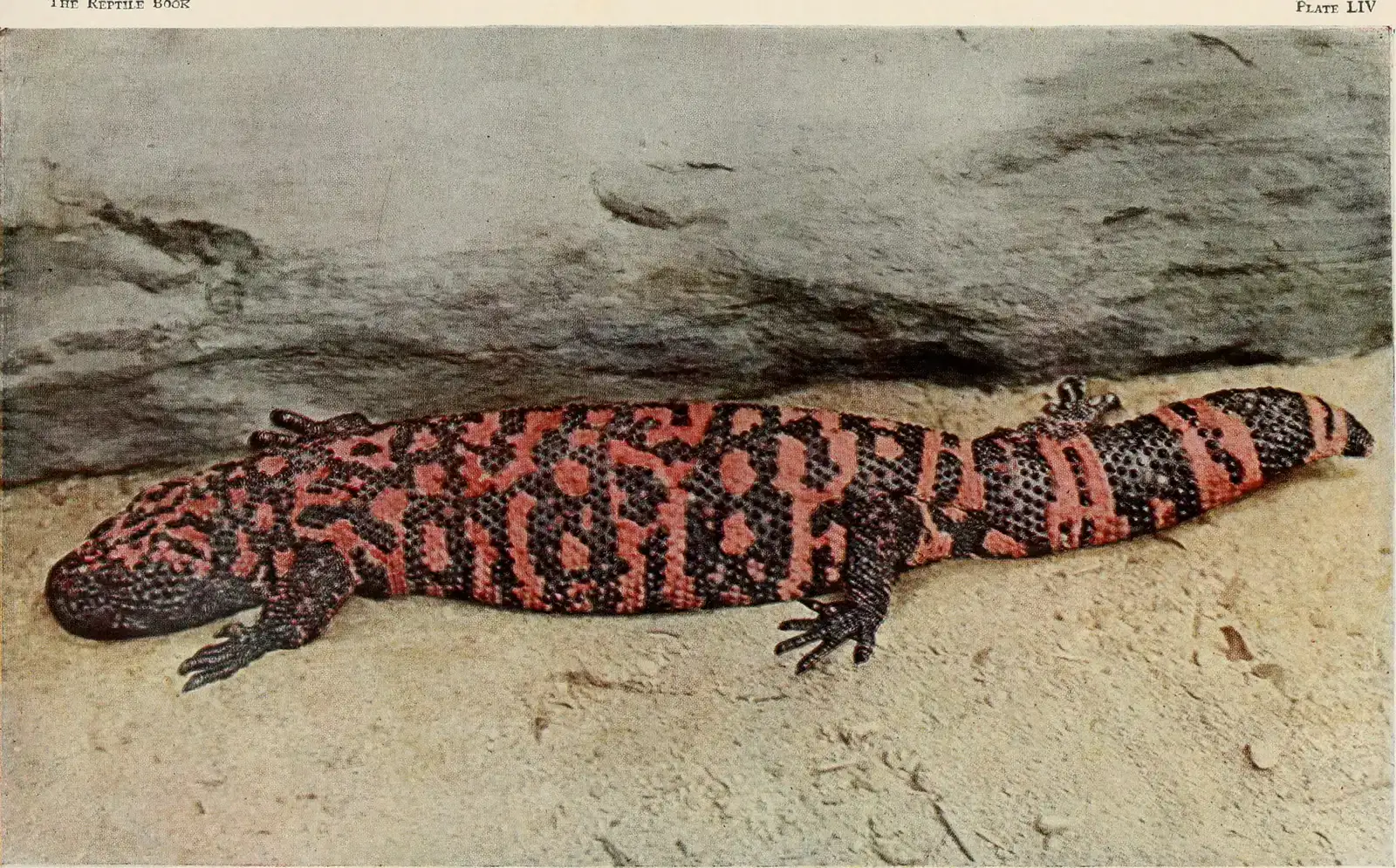
New Mexico’s Gila monster populations occupy the southwestern corner of the state, forming another important piece of the species’ overall range. The Gila monster is found in the Southwestern United States and Mexico, across a range including Sonora, Arizona, and parts of California, Nevada, Utah, and New Mexico. The state shares the namesake river with the species, after all.
The Gila River in New Mexico is the namesake for the species, cementing the state’s historical importance to these remarkable reptiles. The southwestern region of New Mexico, particularly areas near the Arizona border, provides suitable desert and semi-arid habitat. Here’s the thing, the distribution is far from uniform across the state.
The Gila monsters in New Mexico tend to stick to the lower elevations and desert regions that mirror the conditions found in neighboring Arizona. Its elevational range extends from near sea level in Sonora and 30 m in Arizona to at least 1,545 m in southeastern Arizona, and 1,180 to 1,950 m in New Mexico. The higher elevational range in New Mexico is noteworthy.
New Mexico’s Gila monster population is considered peripheral compared to the core Arizona populations. The Chihuahuan Desert regions in the southwestern part of the state offer pockets of suitable habitat, but overall numbers remain considerably lower than in Arizona. Dry, arid regions such as the Mojave, Sonoran and Chihuahan desorts of the southwestern United States (Utah, Arizona and New Mexico) all host these venomous lizards.
Still, the state plays a vital conservation role as part of the species’ broader geographic range. Maintaining habitat connectivity between New Mexico and Arizona populations helps ensure genetic diversity and long-term survival.
Utah: The Official State Reptile With Minimal Range
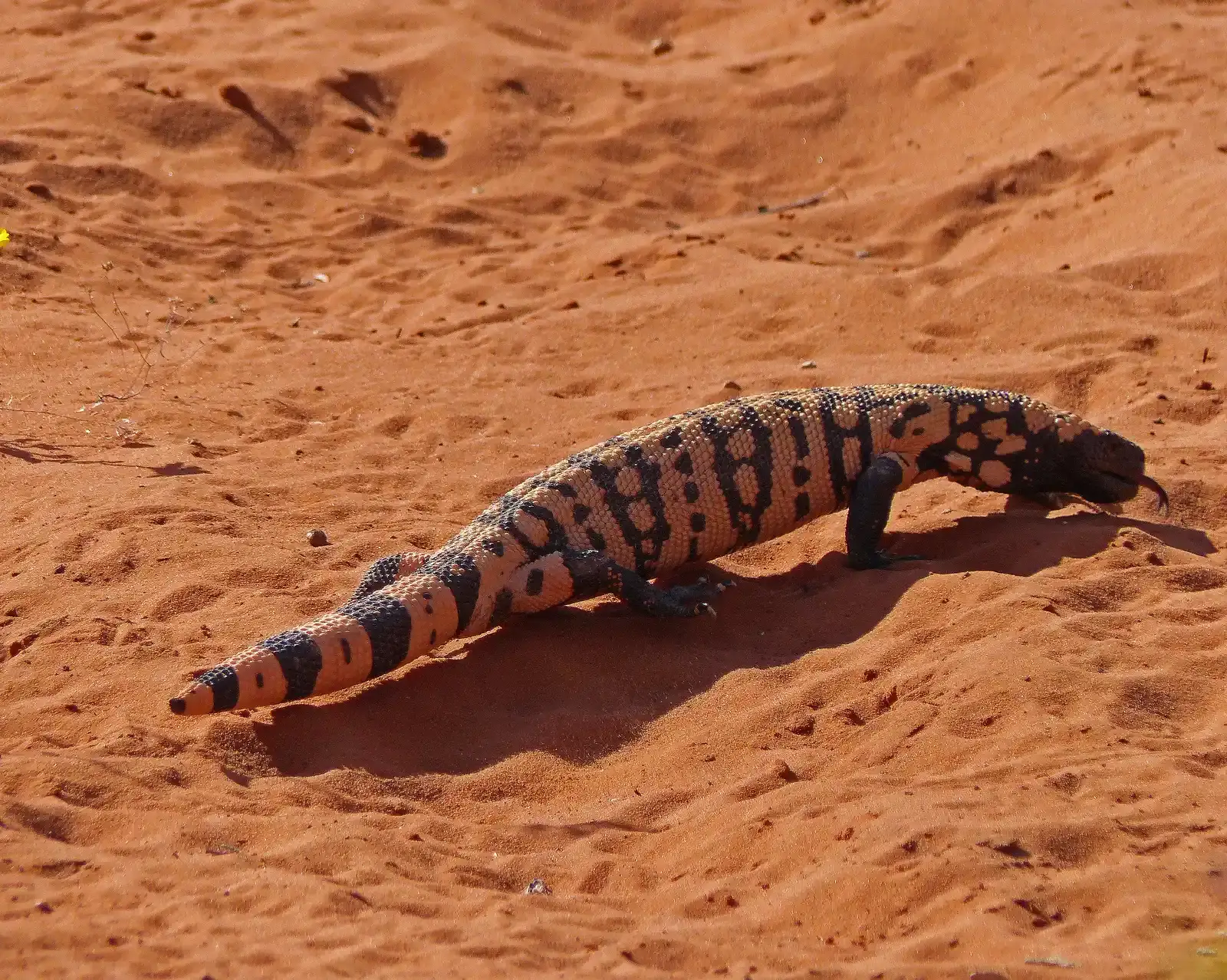
Utah has an interesting relationship with the Gila monster. Despite having only a tiny sliver of habitat in the extreme southwestern corner of the state, in 2019, the state of Utah made the Gila monster its official state reptile. Talk about pride in a species that barely crosses your borders.
The Gila monster is a slow-moving species of venomous lizard found within Utah, specifically in the Southwestern corner of Washington County, near where Utah meets both Arizona and Nevada. This is the northern extent of their distribution. We’re talking about an incredibly limited range here.
The best place to find them in Utah is in the Red Cliffs Desert Reserve in Washington County. Snow Canyon State Park, designated trails in the Red Cliffs Reserve and the BLM Red Cliffs recreation area are the most likely places to see a Gila monster in Utah. These protected areas represent essentially the entirety of Utah’s Gila monster habitat.
The population is small, isolated, and represents the absolute northern limit of the species’ geographic distribution. People are most likely to see them during the day in April and May, but they may also be seen through June, July and August, especially on warm summer nights.
Utah’s Gila monster population is significant not for its size, but for what it represents. These northernmost individuals demonstrate the species’ ability to survive in slightly cooler, higher-elevation environments compared to the core Sonoran Desert populations. One study investigating a population of Gila monsters in southwestern Utah noted that the lizard’s activity peaked from late April to mid June.
California: Extreme Southeastern Fringe Populations
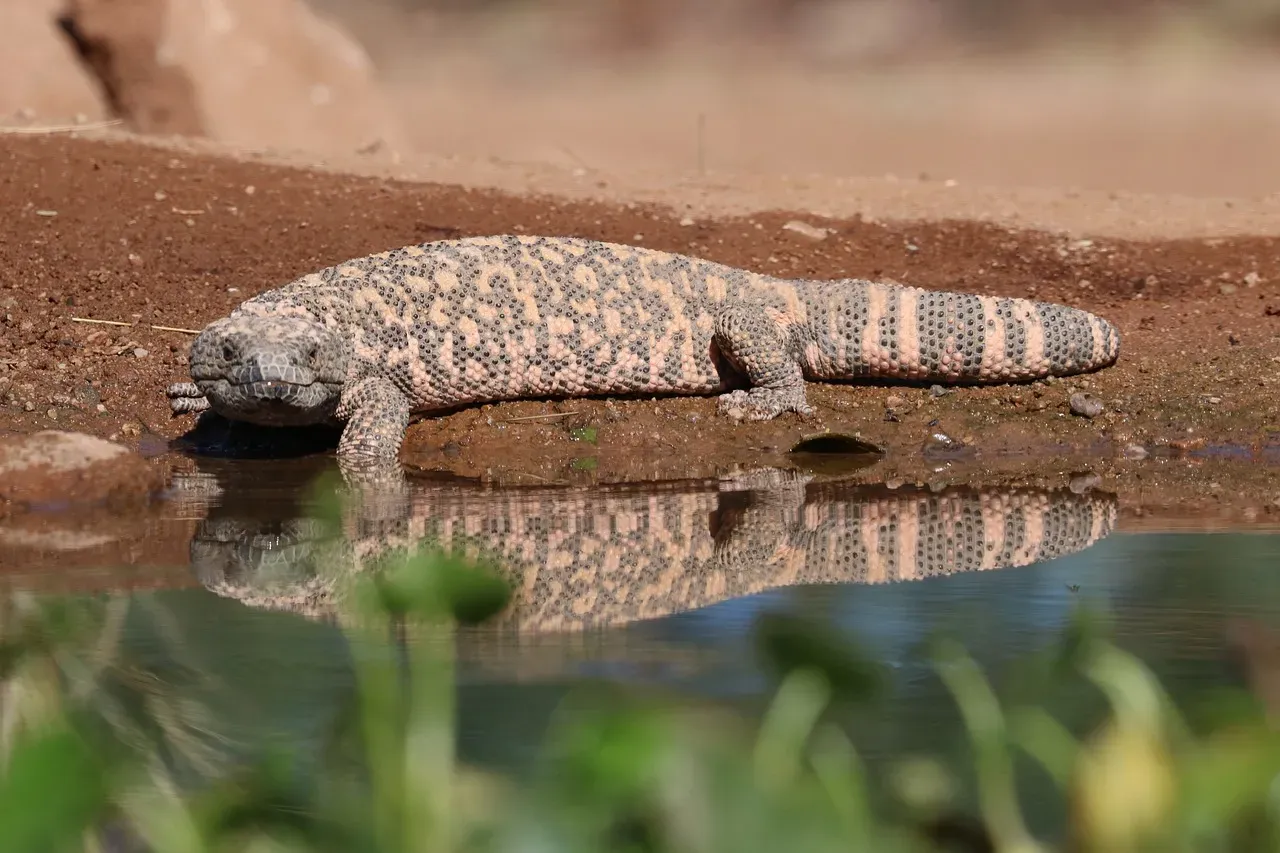
California’s Gila monster presence is limited to the extreme southeastern corner of the state, primarily in San Bernardino and Riverside counties. The species Heloderma suspectum ranges from the far southwest corner of Utah through extreme southern Nevada into extreme eastern Riverside and San Bernardino Counties in California. We’re not talking about coastal California or the Central Valley here.
According to Robert Stebbins this lizard occurs in the “Paiute, Clark, Kingston, and perhaps New York Mts. (sight record), San Bernardino Co.” and there are “old records for Providence Mts., San Bernardino Co., vicinity of Desert Center, in Chuckwalla Mts., Riverside Co., and Imperial Dam area, Imperial Co. on the Colorado R.”. These scattered localities paint a picture of a species clinging to isolated pockets of suitable habitat.
The California populations exist in the Mojave Desert regions near the Colorado River and the Arizona border. The distribution of the species in California suggests an invasion into the high mountain ranges of the northeastern Mojave during the last interglacial via the Colorado River corridor. That’s a fascinating glimpse into how these lizards colonized the far western edge of their range.
Honestly, California’s Gila monster populations are among the most vulnerable and isolated in the entire species’ range. The habitat is fragmented, human development continues to encroach, and the overall numbers are believed to be quite low. These are not the robust populations you’d find in central Arizona.
Still, the presence of Gila monsters in California adds to the species’ overall geographic diversity and genetic variation. Every isolated population potentially harbors unique adaptations to local conditions.
Mexico: The Often-Overlooked Southern Populations
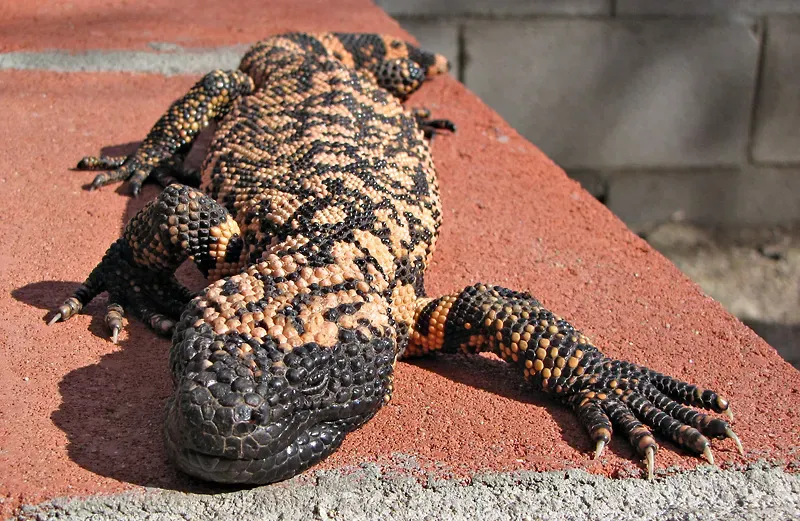
While this article focuses on US states, it’s impossible to discuss Gila monster distribution without acknowledging Mexico’s crucial role. The Gila monster is found in the Southwestern United States and Mexico, across a range including Sonora, Arizona, and parts of California, Nevada, Utah, and New Mexico. The state of Sonora in northwestern Mexico actually harbors significant populations.
It can be found south into Mexico through Sonora to northwestern Sinaloa. These Mexican populations represent the southern extent of the species’ range and likely contain substantial numbers of individuals. The Sonoran Desert extends well into Mexico, providing continuous habitat that connects with Arizona populations.
The core of the range is in Arizona and Sonora. Notice how Sonora is grouped with Arizona as the core distribution. This underscores the fact that roughly half of the Gila monster’s overall range exists south of the US border. Mexican populations are critical for the long-term survival of the species.
Habitat conditions in Sonora mirror those in southern Arizona, with saguaro-studded landscapes, rocky foothills, and desert scrubland. In Mexico, they can be found on lower mountain slopes and adjacent plains and beaches. The coastal proximity of some Mexican populations represents a different habitat type than the inland US populations.
Cross-border conservation efforts are essential for protecting Gila monster populations throughout their entire range. Political boundaries mean little to a species that evolved in these landscapes long before humans drew lines on maps.
Habitat Requirements That Limit Distribution
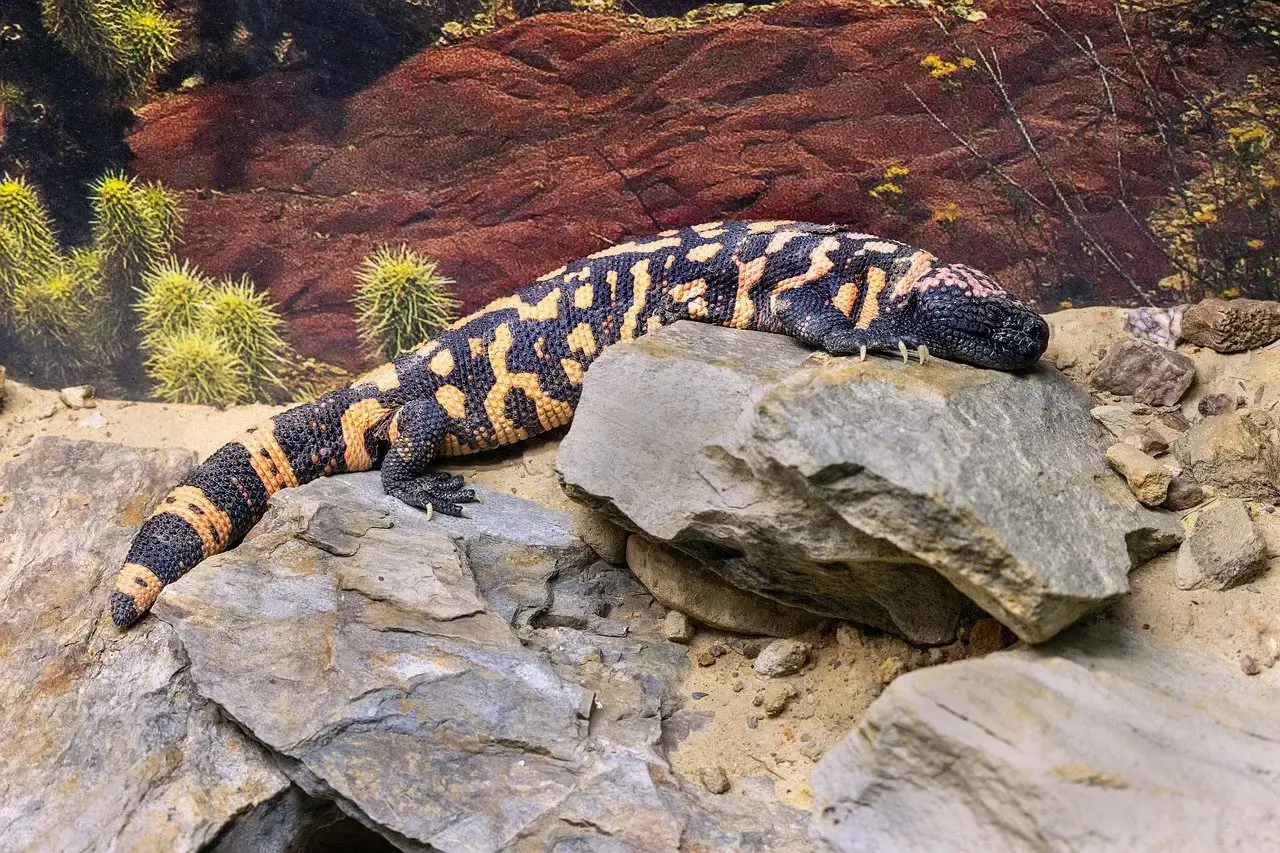
Understanding where Gila monsters live means understanding what they need to survive. They inhabit scrubland, succulent desert, and oak woodland, seeking shelter in burrows, thickets, and under rocks in locations with a favorable microclimate and adequate humidity. The habitat requirements are surprisingly specific.
Gila monsters are desert dwellers, living near washes and arroyos and in semiarid rocky regions of desert scrub or grasslands. Gila monsters also seem to prefer rocky foothills and avoid open flats and agricultural areas. This preference for rugged terrain with adequate shelter sites explains their patchy distribution even within suitable states.
Think about it. A flat, sandy desert without rocky outcrops or burrows simply won’t support Gila monsters, even if it’s within their geographic range. Previous work suggests that geology and shelter site availability are crucial aspects for determining the suitability of habitat for this species.
Gila monsters spend 90% of their time underground in burrows or rocky shelters. This underground lifestyle means accessible burrows are absolutely essential. Without them, the lizards cannot escape temperature extremes or hide from predators.
Moisture availability also plays a role, which might seem counterintuitive for a desert reptile. In fact, Gila monsters seem to like water and can be observed immersing themselves in puddles of water after a summer rain. Areas with seasonal moisture, even in arid regions, support better populations.
Conservation Status and Future Outlook
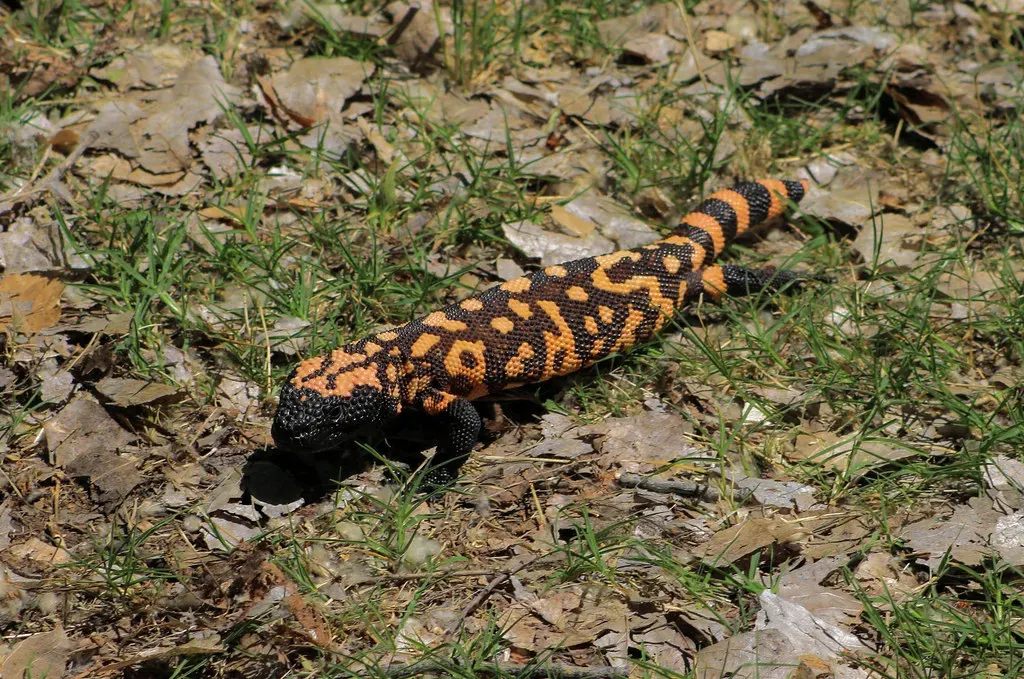
The Gila monster’s future across its US range faces multiple challenges. Gila monster populations are shrinking due primarily to human encroachments, and they are considered a threatened species. Habitat loss remains the primary threat as desert regions continue to experience development pressure.
Possibly the greatest threat to the continued existence of helodermatids is the man-made destruction of their habitat as the land is developed for construction or to create more cultivable land. The sprawling growth of cities like Phoenix, Tucson, and Las Vegas directly impacts Gila monster habitat.
Legal protection exists across the species’ range. They are protected in all states of their distribution. While they are not a federally endangered species, Gila monsters are protected in each of the states where they live, and it is illegal to capture or move a Gila monster found in the wild.
Climate change presents an additional concern, particularly for northern populations. Future habitat areas at higher elevations under the high emissions scenario showed moderate increases in suitability, though occupancy would likely be limited by Gila monster dispersal capabilities. The species’ slow movement and limited dispersal ability mean they may not be able to colonize newly suitable habitats quickly enough.
Relocation efforts, often attempted when Gila monsters wander into urban areas, prove largely ineffective. Subjects translocated less than 1000 m returned to their original site of capture within 2–30 days. The lizards are remarkably persistent about staying in their home territories, which complicates conservation strategies.
Arizona will undoubtedly remain the Gila monster capital for the foreseeable future, but protecting peripheral populations in Nevada, Utah, California, and New Mexico is equally important for maintaining the species’ genetic diversity and adaptability. Each state plays a role, no matter how small, in ensuring these remarkable venomous lizards continue to prowl the southwestern deserts for generations to come. What’s your take on living alongside one of North America’s only venomous lizards?

- 10 Remarkable Facts About the African Cheetah: The Lightning of the Grasslands - July 29, 2026
- 10 Most Heroic Horses in History - July 29, 2026
- Why You Should Never Play Dead When Attacked by a Black Bear - July 29, 2026