
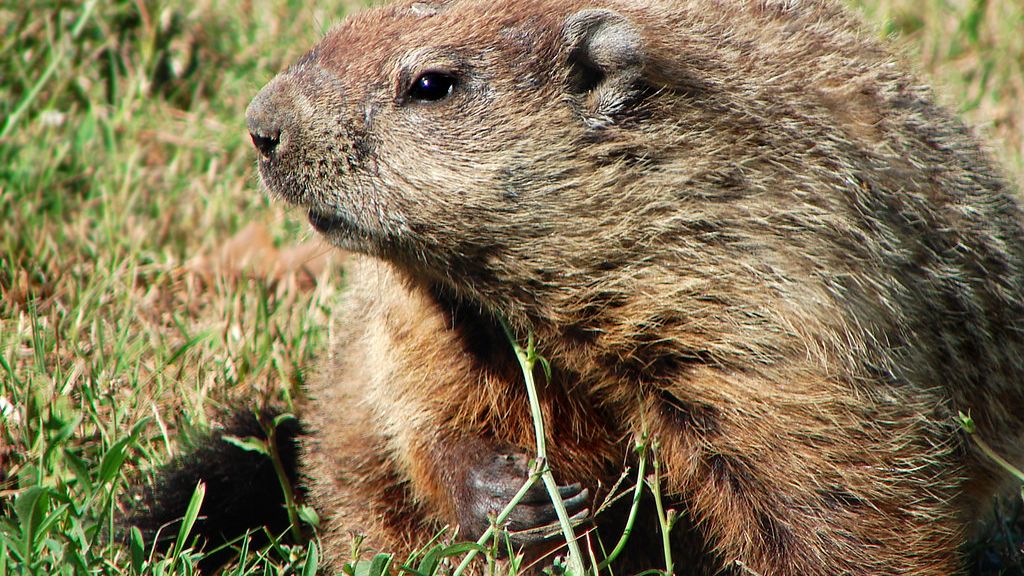
You’ve probably seen these chunky little creatures waddling through fields or popping up near forest edges. They’re everywhere in certain parts of the country, munching on crops, digging elaborate tunnel systems, and becoming either beloved symbols of spring forecasts or major headaches for farmers and gardeners. Let’s be real, most people only think about groundhogs once a year when we’re checking whether some famous rodent saw its shadow. Still, these animals have quietly carved out an impressive presence across North America.
Here’s the thing though. While groundhogs seem commonplace, they’re not evenly distributed across the United States. Some states are absolutely packed with them, while others barely have any at all. The reasons behind this uneven spread are fascinating, ranging from climate and soil conditions to how humans have shaped the landscape. So which states actually have roaming around? Let’s dig into the surprising geography of America’s most famous weather forecaster.
Pennsylvania Dominates the Groundhog Population

Pennsylvania stands out as having one of the nation’s most abundant groundhog populations, with the woodchuck being one of the state’s most common mammals today. Walk through almost any Pennsylvania field, pasture, or woodland edge and you’ll likely spot one of these critters. It’s hard to imagine, though the state authorities note this wasn’t always the case.
When Pennsylvania was almost completely forested with no farms, pastures or orchards, there were far fewer woodchucks than today, simply because there was little suitable habitat. Ironically, human development actually helped groundhogs thrive. Settlers cutting forests, raising crops and clearing pasture land created suitable habitat for these animals.
The state’s agricultural richness provides endless food sources for groundhogs. They feast on everything from clover and alfalfa to garden vegetables, which explains why Pennsylvania farmers have such mixed feelings about them. The woodchuck is one of Pennsylvania’s most widely distributed mammals, found throughout the entire state from urban backyards to remote rural areas. Pennsylvania even hosts the most famous groundhog celebration at Punxsutawney, home to the legendary Punxsutawney Phil.
The soil conditions across much of Pennsylvania are ideal for burrowing. Groundhogs prefer loose, well-drained soil, and the state offers this in abundance. Their population density remains consistently high despite hunting pressure because they reproduce quickly and have plenty of habitat to support them.
Ohio’s Expansive Groundhog Territory
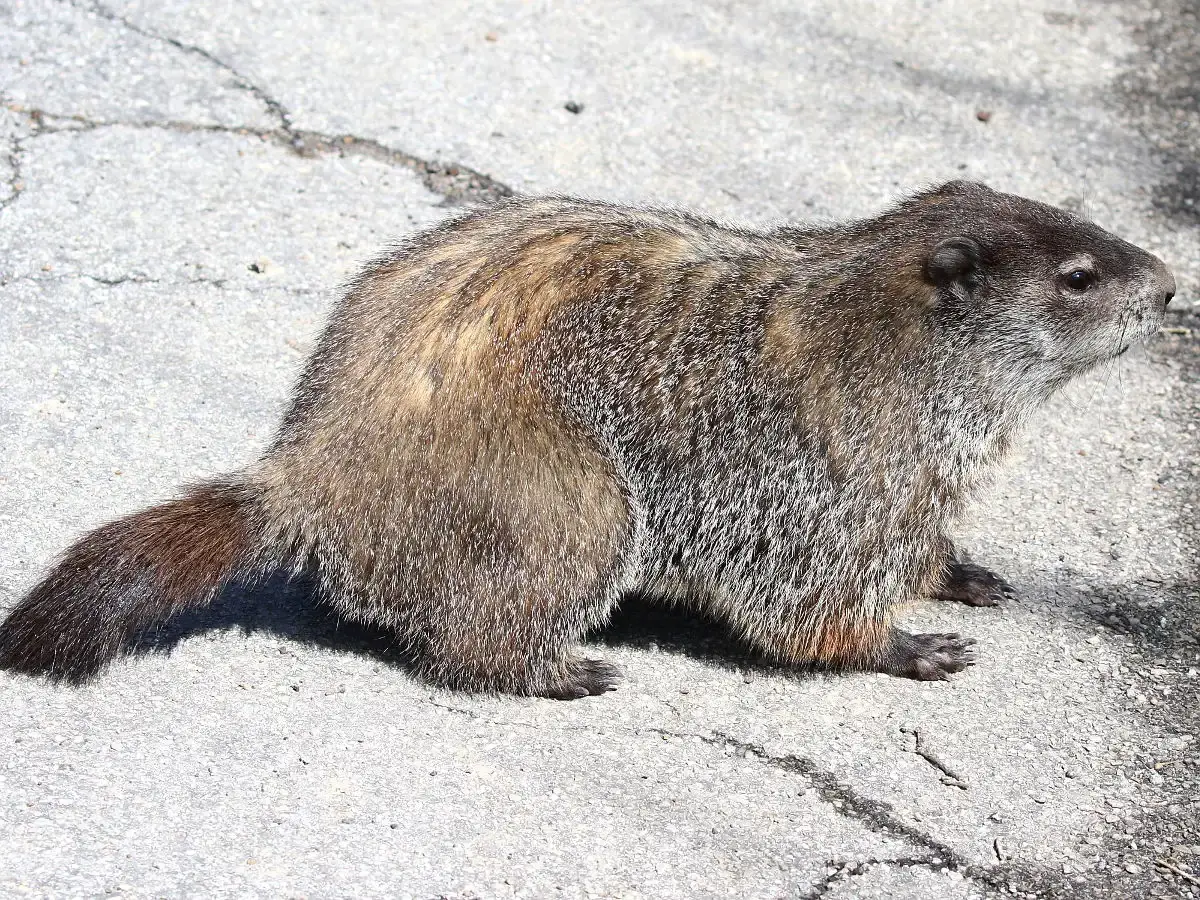
Moving westward, groundhogs also inhabit several states in the Midwest, such as Ohio, Indiana, Illinois, Michigan, Wisconsin, and Minnesota. Ohio deserves special mention as another groundhog hotspot. The state’s mix of agricultural land and woodland edges creates perfect conditions for these animals to flourish.
Groundhogs in Ohio have been observed to have different social organization than groundhogs elsewhere, with adult males and females associating with each other throughout the year and often from year to year. This unique behavior pattern suggests Ohio provides exceptionally favorable living conditions. The fertile farmland throughout the state offers abundant food supplies during the active seasons.
Ohio is also home to Buckeye Chuck, one of the more famous weather-predicting groundhogs after Punxsutawney Phil. The state’s central location in the groundhog’s natural range, combined with its agricultural landscape, makes it prime real estate for these burrowing rodents. Farmers across Ohio know groundhogs well, sometimes too well, as the animals can cause significant crop damage and create hazardous burrow holes in fields.
The climate in Ohio supports the groundhog’s hibernation cycle perfectly. Cold enough winters trigger proper hibernation, while the growing season provides ample vegetation for these herbivores to pack on the necessary fat reserves before their long winter sleep. The fertile soils and expansive grasslands of this region offer ample opportunities for groundhogs to construct their burrows and create stable dwellings.
New York’s Thriving Groundhog Communities
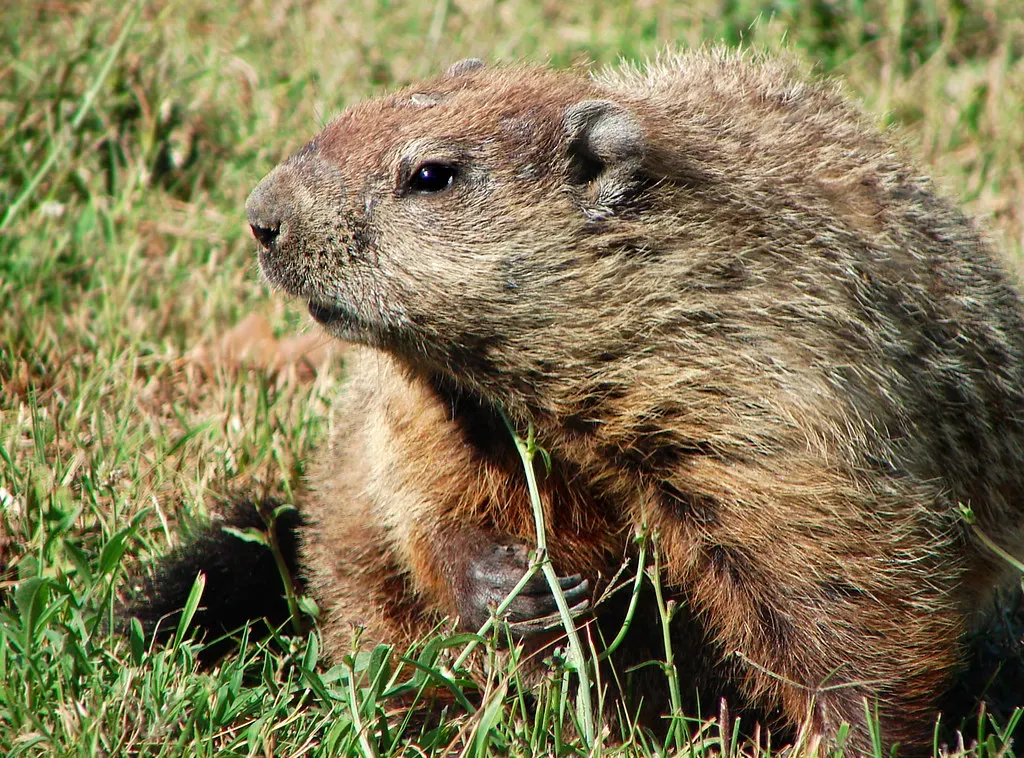
The northeastern states, including Maine, Vermont, New Hampshire, Massachusetts, Rhode Island, Connecticut, New York, New Jersey, Pennsylvania, and Maryland, are home to a significant population of groundhogs. New York stands out within this group as having particularly abundant groundhog numbers spread across both rural and increasingly suburban areas.
From the farmlands of upstate New York to the surprising green spaces within New York City itself, groundhogs have adapted remarkably well. Staten Island Chuck, the official groundhog of New York City, represents just how well these animals thrive even in urban environments when suitable habitat exists. The diverse landscape across New York State provides everything groundhogs need to prosper.
The varied landscapes and abundant vegetation in these states provide ideal conditions for groundhog burrowing and foraging. New York’s mix of deciduous forests, agricultural areas, and open meadows creates a patchwork of perfect groundhog habitat. The state’s relatively moderate climate allows for a long growing season, meaning more time for groundhogs to feed and build up reserves.
Agricultural areas throughout New York experience regular groundhog conflicts. These animals can devastate small vegetable gardens overnight and create dangerous burrow systems that threaten farm equipment and livestock. Despite control efforts, groundhog populations remain robust across the state, testament to their adaptability and reproductive success.
The rocky terrain in parts of New York also suits groundhogs well. They often dig burrows under large rocks or at the bases of trees where roots protect den entrances. This versatility in choosing burrow locations allows them to thrive in varied New York environments from the Catskills to Long Island.
Indiana’s Agricultural Groundhog Haven
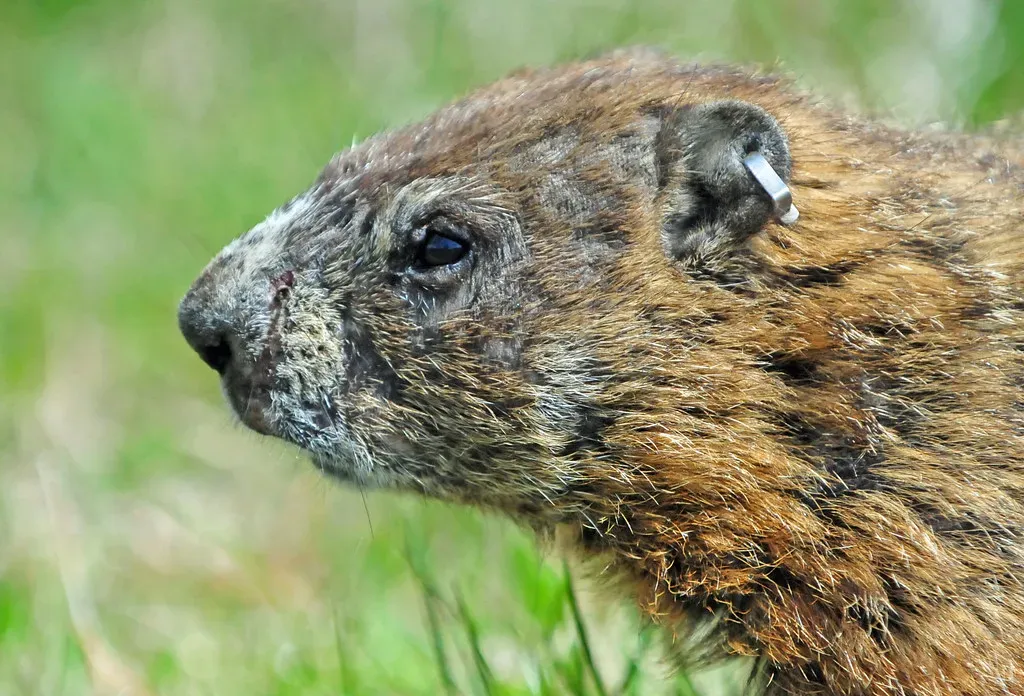
Woodchucks are found statewide in a variety of habitats across Indiana. The Hoosier State’s extensive agricultural development has created what amounts to groundhog paradise. Vast expanses of farmland interspersed with woodland edges provide ideal conditions for these animals to establish large populations.
They prefer meadows, pastures, crop fields and yards that are close to a woods edge. Indiana’s landscape delivers exactly this combination throughout much of the state. The animals have become so common that they’re considered both a valuable part of the ecosystem and a significant agricultural pest, depending on who you ask.
Indiana’s soil composition works perfectly for groundhog burrow construction. Summer burrows are found near grassy or agricultural fields where food is available, sometimes under a barn. Farmers throughout Indiana regularly encounter groundhogs living quite literally under their very noses, with burrows extending beneath outbuildings and equipment sheds.
The state’s climate supports healthy groundhog populations with distinct seasonal patterns. They hibernate beginning in October or November and emerge in mid to late February. This hibernation cycle aligns perfectly with Indiana’s weather patterns, allowing groundhogs to avoid the harshest winter conditions while emerging in time to take advantage of early spring vegetation.
Indiana wildlife authorities note that groundhog populations remain stable despite being hunted as game animals. Their rapid reproduction rate and the abundance of suitable habitat ensure populations bounce back quickly even when subjected to control measures.
Michigan’s Widespread Groundhog Populations
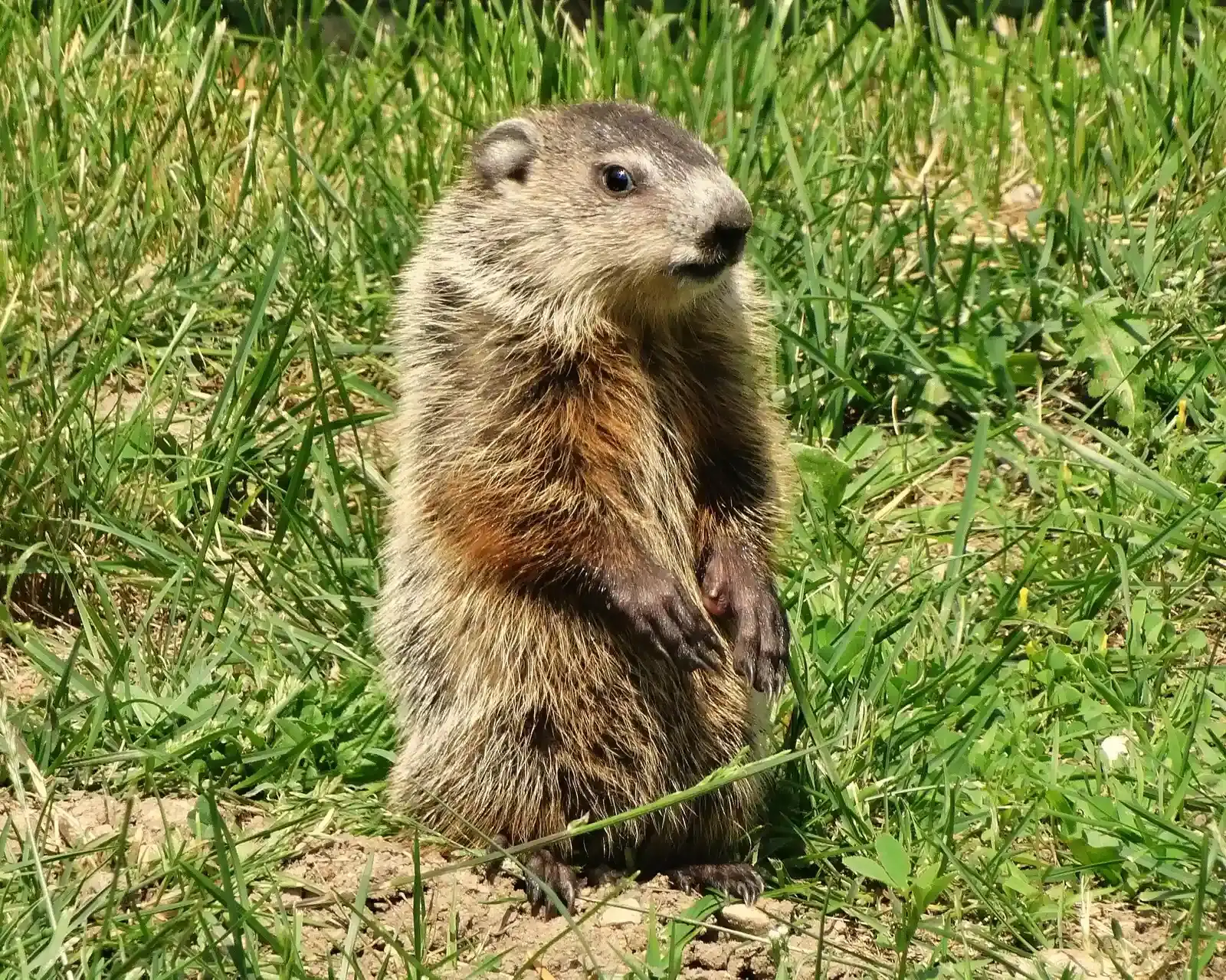
Michigan represents another Midwestern state with substantial groundhog numbers. The state’s diverse habitat, ranging from agricultural regions in the south to mixed forests further north, supports groundhog populations across much of its geography. The Lower Peninsula especially provides excellent groundhog habitat.
Groundhogs also inhabit several states in the Midwest, such as Ohio, Indiana, Illinois, Michigan, Wisconsin, and Minnesota. Michigan’s position within the core of the groundhog’s natural range ensures healthy populations. The animals thrive particularly well in the southern and central parts of the state where agricultural land meets woodland edges.
The Great Lakes State offers groundhogs abundant food sources during the active months. Farm crops, backyard gardens, and natural vegetation all contribute to supporting large numbers of these animals. Michigan gardeners and farmers are well acquainted with the damage groundhogs can inflict on cultivated plants, though the animals also provide ecological benefits through their burrowing activities.
Michigan’s soil conditions favor groundhog burrow construction. Sandy loam soils, common throughout much of the state, are relatively easy to dig and maintain the structural integrity needed for complex burrow systems. Groundhogs in Michigan often dig extensive tunnel networks with multiple entrances, providing escape routes from predators and protection during hibernation.
The state’s climate allows groundhogs to build up substantial fat reserves before winter. Michigan’s cold winters trigger proper hibernation, while the state’s relatively short but productive growing season provides sufficient time for groundhogs to prepare for their long sleep. This cycle has repeated successfully for generations, maintaining stable groundhog populations throughout the state.
Wisconsin and Illinois Round Out the Midwest Strongholds
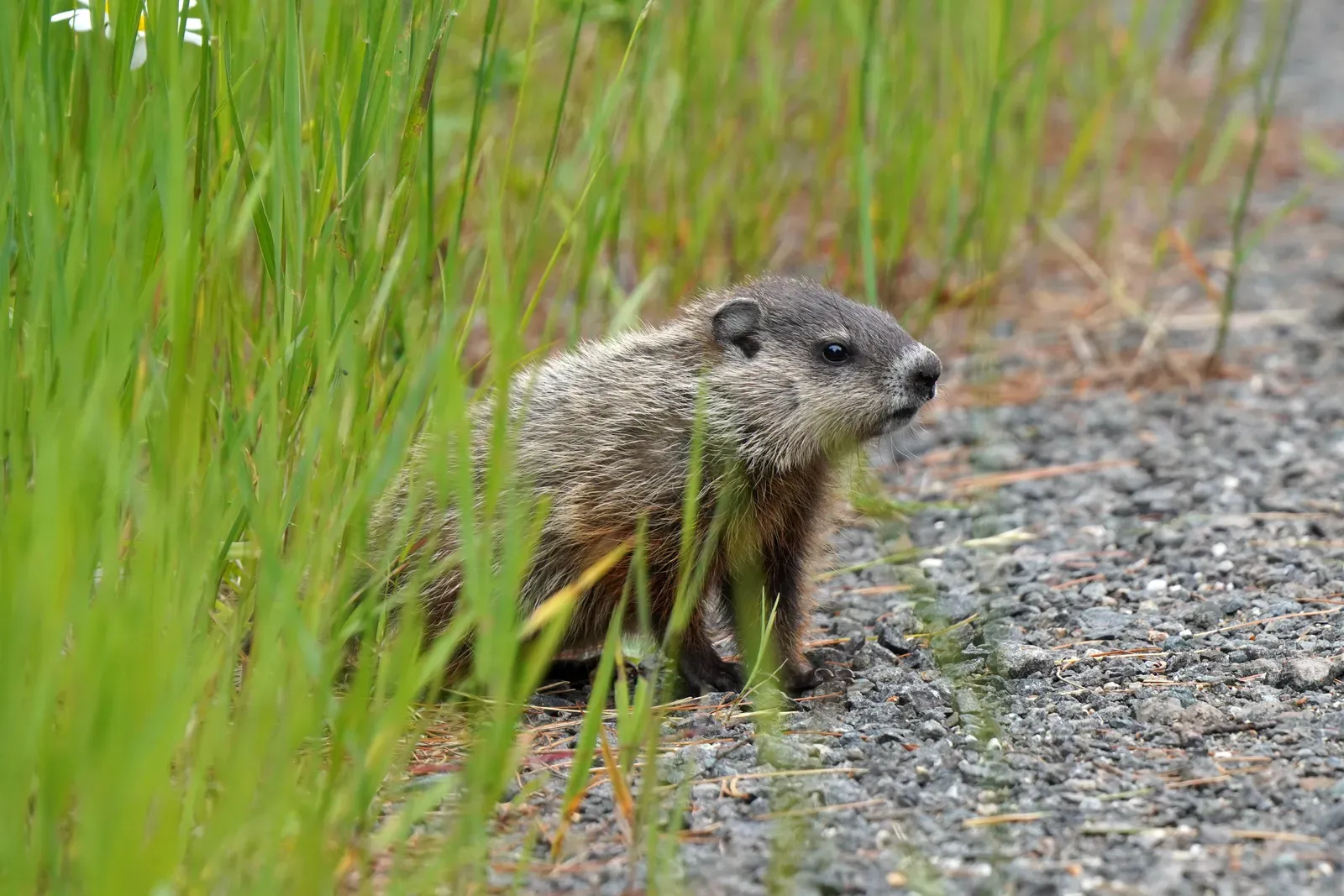
Groundhogs also inhabit several states in the Midwest, such as Ohio, Indiana, Illinois, Michigan, Wisconsin, and Minnesota. Wisconsin and Illinois both maintain substantial groundhog populations, completing the Midwest’s concentration of these animals. The agricultural character of both states provides ideal conditions for groundhogs to flourish.
Wisconsin has an interesting history with groundhogs. In areas of intensive agriculture and the dairying regions of Wisconsin, particularly in southern areas, the woodchuck had been almost extirpated by 1950. However, populations have since recovered in many areas, demonstrating the groundhog’s resilience. Illinois similarly supports healthy groundhog numbers across much of the state, particularly in agricultural regions.
Both states feature the mix of open fields and woodland edges that groundhogs prefer. The animals have adapted well to living alongside human development, establishing burrows in fencerows, along roadsides, and even in suburban neighborhoods. Wisconsin is also home to Jimmy the Groundhog in Sun Prairie, another famous weather-forecasting groundhog that draws crowds each February.
The fertile prairie soils of Illinois provide excellent digging conditions for groundhogs. These well-drained soils allow for stable burrow construction while also supporting abundant vegetation for food. Illinois farmers often wage ongoing battles with groundhogs that damage crops and create hazardous burrow openings in fields used for grazing or machinery.
Both states experience classic Midwest weather patterns that suit groundhog biology perfectly. Cold winters ensure proper hibernation, while warm summers with adequate rainfall support lush vegetation growth. This climate allows groundhogs in Wisconsin and Illinois to maintain the annual cycle of feeding, reproduction, hibernation, and population growth that keeps their numbers robust year after year.
The Eastern Concentration and Geographic Limitations
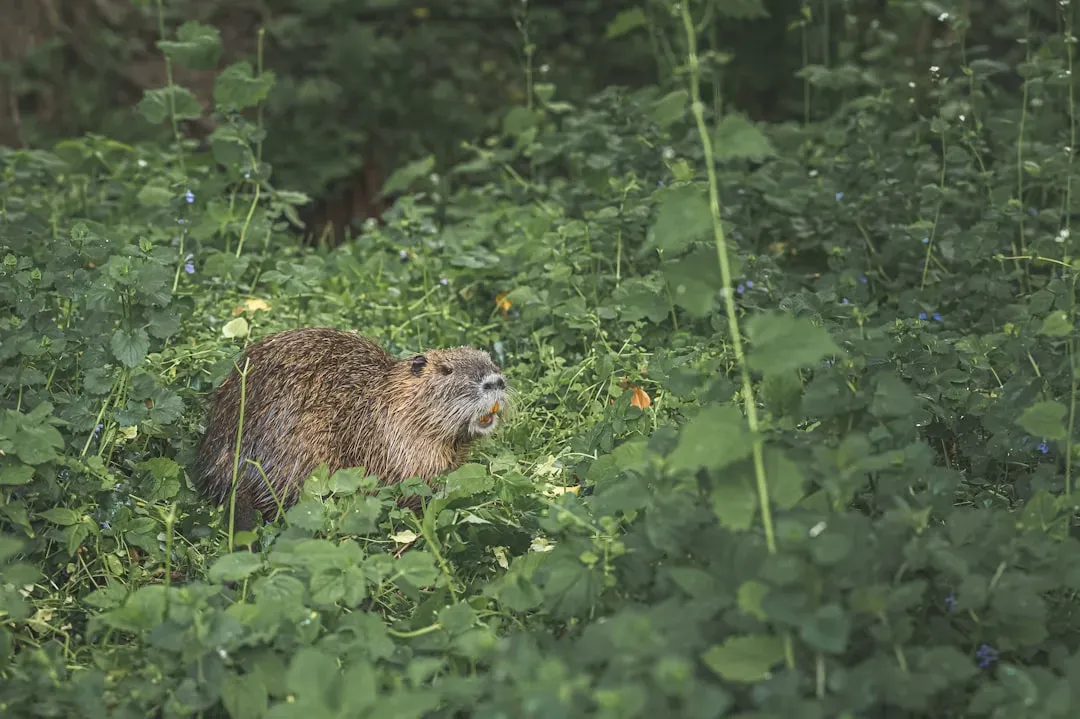
Groundhogs have a wide distribution in North America, especially in the east, being found from Georgia and Alabama in the United States to Ontario and northern Quebec. The eastern United States clearly dominates when it comes to groundhog populations, with the highest concentrations in the Northeast and Midwest regions discussed above.
Groundhogs are typically absent from the western United States, including states like Colorado, Wyoming, Montana, Idaho, Utah, Nevada, Arizona, New Mexico, Washington, Oregon, and California. This geographic limitation isn’t accidental. The arid conditions and rugged terrains of the western states are less favorable for groundhog populations.
Although less common in this region, groundhogs can still be found in parts of the southeastern United States, with states like Tennessee, Kentucky, Virginia, West Virginia, North Carolina, South Carolina, Georgia, and Alabama having small populations of groundhogs. These southern populations represent the edge of the groundhog’s natural range. The warm and humid climate of the southeast may limit their distribution compared to other regions.
Groundhogs are distributed from eastern Alaska across the southern half of Canada to the Atlantic Ocean and south in the eastern half of the United States to Arkansas, Mississippi, Alabama, Georgia, South Carolina and North Carolina, with North Carolina being the southernmost part of the groundhog’s range east of the Appalachian Mountains. This distribution pattern reveals how groundhogs concentrate heavily in states with the right combination of climate, soil, and habitat.
The absence of groundhogs from much of the West highlights how specific their habitat requirements truly are. They need loose, well-drained soil for burrowing, adequate vegetation for food, and a climate that supports their hibernation cycle. share these characteristics, which explains why Pennsylvania, Ohio, New York, Indiana, Michigan, Wisconsin, and Illinois dominate the groundhog population landscape. So next time you’re traveling through these states and spot a groundhog by the roadside, remember you’re in the heart of groundhog country.
Conclusion
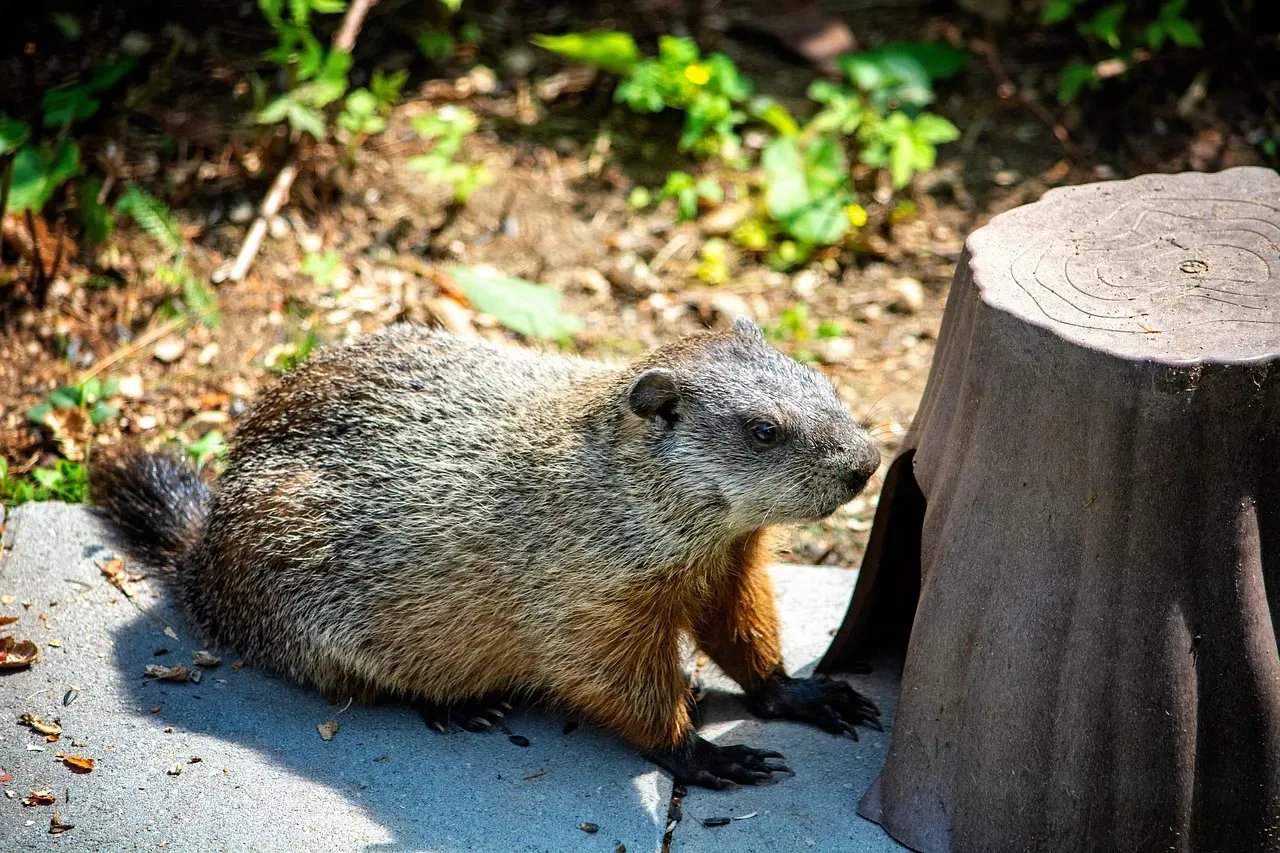
The concentration of groundhogs in the eastern United States, particularly in Pennsylvania, Ohio, New York, Indiana, Michigan, Wisconsin, and Illinois, tells us something important about how landscape shapes wildlife distribution. These states didn’t just luck into having abundant groundhog populations. Human agricultural development actually created the perfect conditions for these animals to thrive, turning what were once heavily forested regions into the mixed farmland and woodland edge habitats groundhogs prefer.
It’s fascinating how an animal most people associate with a quirky February tradition actually plays such a significant ecological role across these states. Their burrows provide shelter for countless other species, their digging aerates soil, and they serve as prey for various predators. Sure, they drive gardeners and farmers a bit crazy, and honestly, who can blame people for being frustrated when a groundhog devours an entire vegetable garden overnight? Yet these chunky rodents have carved out their niche remarkably well.
What surprises you most about where groundhogs live? Did you expect Pennsylvania and its neighbors to so thoroughly dominate the groundhog landscape?

- 8 US States With the Most Horseshoe Crab Spawning Beaches - August 6, 2026
- The 10 Worst US Cities For Seniors To Retire In - August 6, 2026
- 7 Incredible U.S. National Parks You Haven’t Heard Of (But Should Visit) - August 6, 2026