
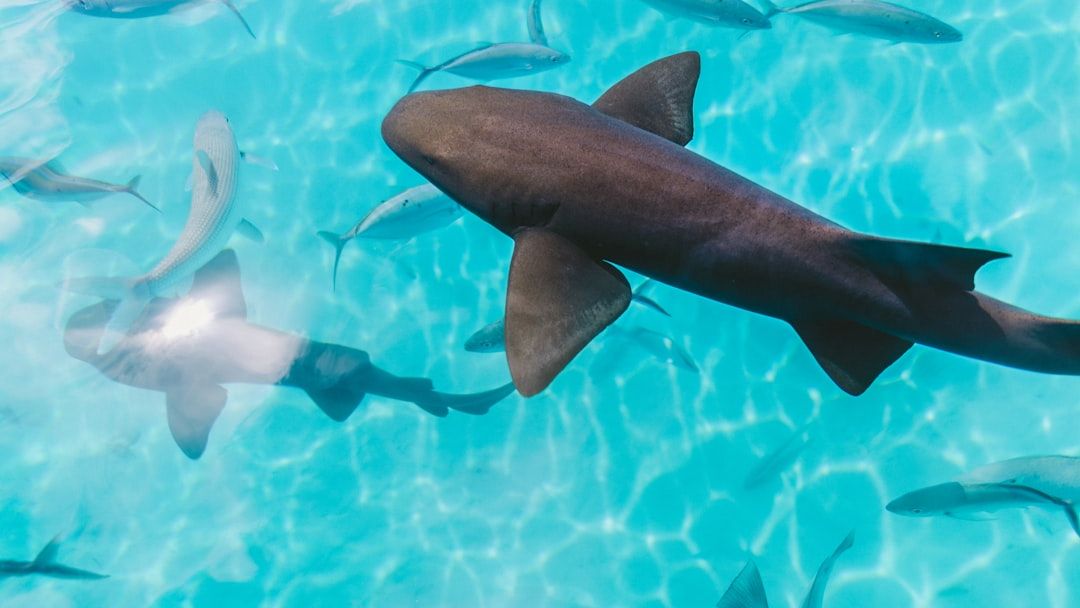
Imagine wading into warm, turquoise water on a sunny afternoon, toes sinking into soft sand, waves lapping gently at your ankles. Perfect, right? Then a dorsal fin slices through the surface just beyond the breakers.
Your heart skips. That primal fear kicks in. Sharks have long captured our imagination, and let’s be real, they’ve earned their reputation as the ocean’s most formidable predators. Yet most people have no idea which American coastlines actually host the highest shark populations and encounters. Some states are practically shark magnets, drawing dozens of species to their shores year after year. The reasons vary from warm currents to abundant prey, but the result is the same: certain beaches see far more of these ancient creatures than others. If you’re planning a beach vacation or simply curious about where sharks call home, you might be surprised by what the data reveals. So let’s dive in and explore the states where sharks truly rule the waves.
Florida: The Undisputed Shark Capital
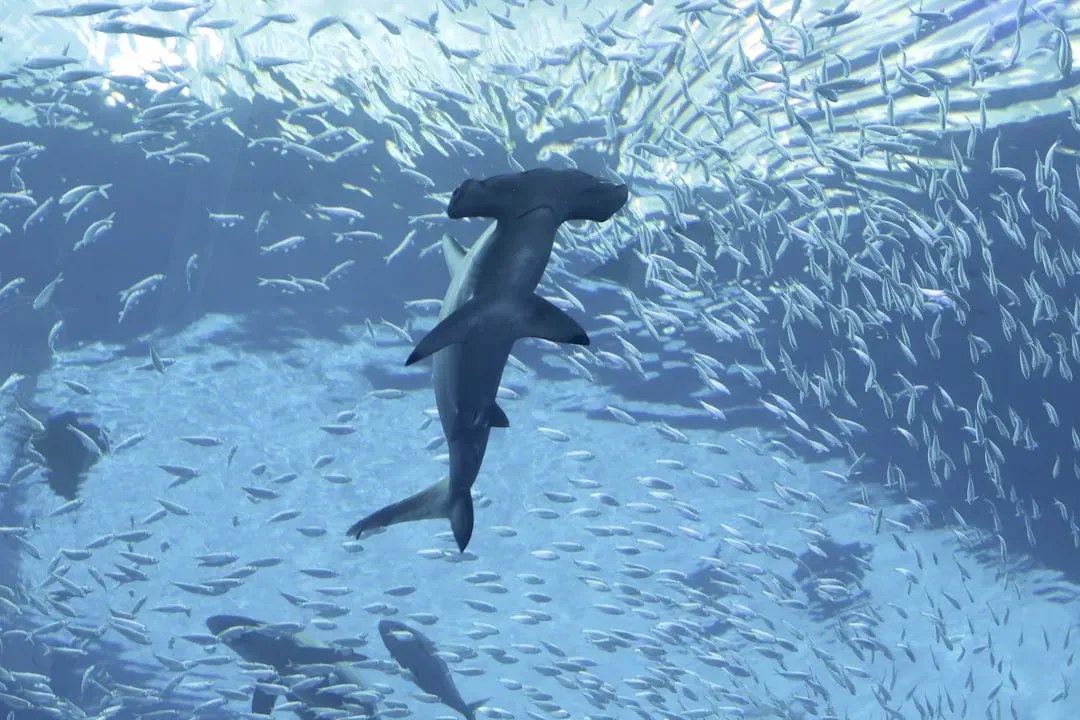
Florida is known as the shark attack capital of the world and has reported 942 shark attacks since 1882, far more than any other state. The Sunshine State’s extensive coastline stretches over 1,350 miles, offering sharks an incredible buffet of marine life and habitat diversity. Honestly, it’s hard to overstate just how dominant Florida is in this category.
In 2024, Florida’s 14 cases represented 50% of the U.S. total and 30% of unprovoked bites worldwide. Of these, eight occurred in Volusia County, which bears the unofficial title of shark bite capital of the world. New Smyrna Beach, located in Volusia County, has become particularly notorious. New Smyrna Beach leads with 277 shark attacks since 1642, earning it global recognition among researchers and beachgoers alike.
Several factors contribute to Florida’s shark-heavy reputation. The state’s warm waters create an ideal environment for both sharks and the prey they hunt. Based on life history traits, blacktip sharks account for the majority of requiem bites in Florida. These smaller species often mistake swimmers and surfers for fish, leading to quick bite-and-release encounters. The blacktip and spinner sharks most common off Northeast Florida’s coast typically bite and spit and swim away, causing harm but rarely life-threatening injuries.
Interestingly, despite leading the nation in shark encounters, Florida has remarkably low fatality rates. While Florida led the nation and the world in the number of shark bites, none of the unprovoked attacks in 2023 proved fatal. The state’s robust emergency response systems and widespread public education have proven effective in minimizing serious outcomes. Beach safety officials constantly monitor conditions, and lifeguards are trained specifically for shark-related incidents. Still, the sheer volume of encounters keeps Florida firmly at the top of every shark encounter list, and that’s unlikely to change anytime soon.
Hawaii: Paradise With a Predatory Edge
Hawaii has reported 199 shark attacks throughout its recorded history, placing it solidly in second place among US states. The Hawaiian Islands present a unique scenario because they’re surrounded entirely by deep ocean, creating a concentrated zone where human activity intersects with significant shark populations. There are about forty species of sharks in Hawaiian waters, ranging in size from the deep-water pygmy shark to the whale shark.
Tiger sharks dominate the attack statistics in Hawaii. Tigers are considered the most dangerous sharks in Hawaiian waters. Unlike Florida’s smaller coastal species, tiger sharks grow substantially larger and exhibit more aggressive feeding behaviors. Tiger sharks are notably considered the most aggressive sharks in Hawaii. These apex predators patrol reef edges and channels, sometimes venturing surprisingly close to popular beaches.
Hawaii recorded four bites in 2024, one of which was fatal. The islands of Maui and Oahu see the highest concentration of incidents. Maui is the hot spot for human shark encounters followed by Oahu. Cultural attitudes toward sharks in Hawaii differ markedly from mainland perspectives. The Hawaiian dictionary lists nine Hawaiian Gods associated with sharks, and many native Hawaiians view certain sharks as aumakua, or guardian spirits.
Incidents of sharks biting people in Hawaiian waters are very rare, occurring on average at a rate of about three or four per year. However, when you consider millions of tourists visit annually, this rate is remarkably low. The most active months for shark encounters are October through December, coinciding with tiger shark pupping season. It’s worth noting that Hawaii’s crystal-clear waters and year-round swimming conditions mean people and sharks share space constantly, yet serious incidents remain statistically uncommon.
California: Cold Water, Big Sharks
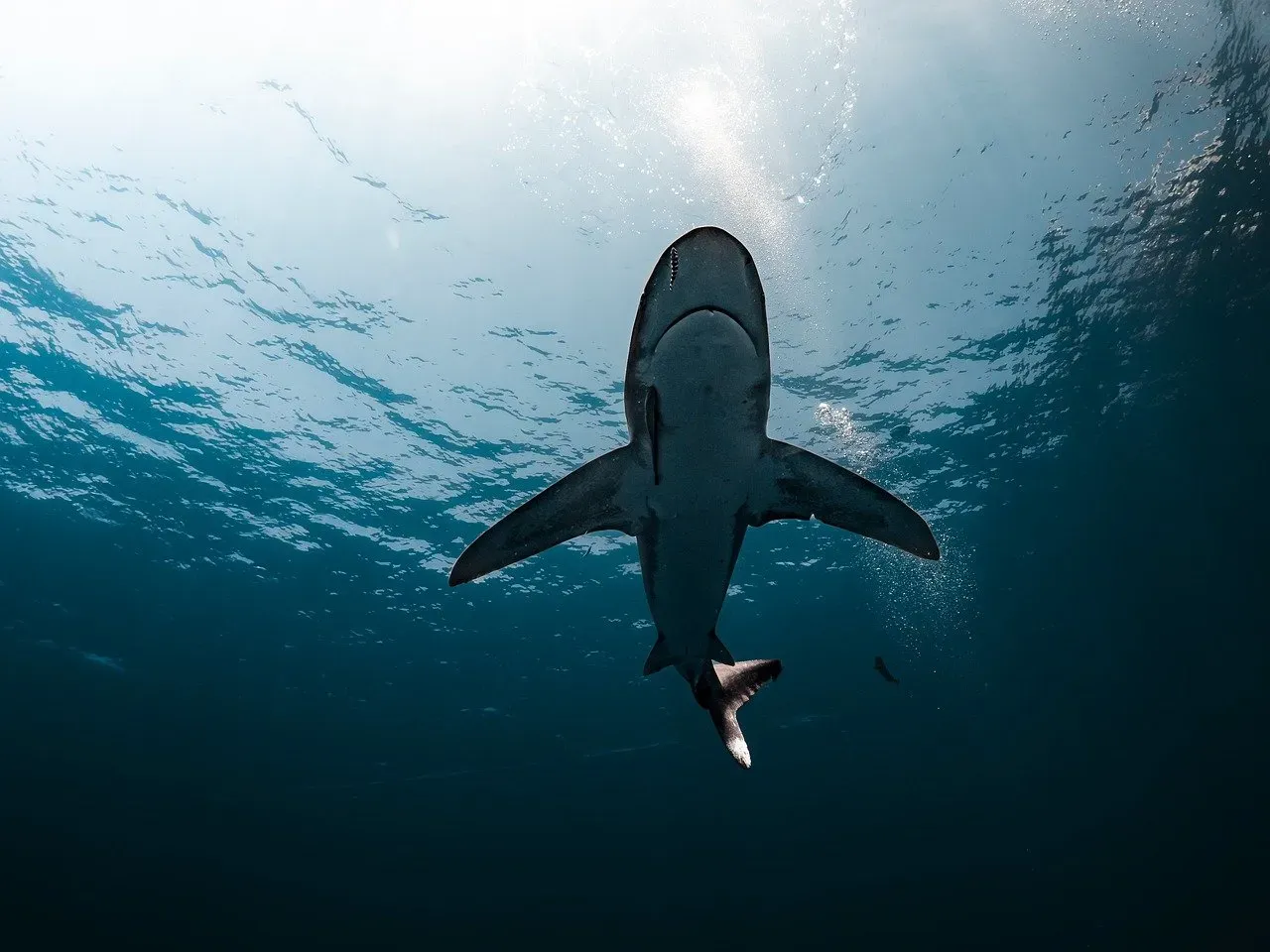
California has reported 141 shark attacks over its history, earning third place nationally. California’s shark situation differs dramatically from Florida and Hawaii because of the species involved. California recorded 225 shark attacks according to some historical data compilations, with great white sharks accounting for many of the more serious incidents.
The California coast serves as prime habitat for juvenile and adult great whites, particularly around pinniped colonies where seals and sea lions congregate. These aggregation sites act like magnets for sharks seeking their preferred prey. The cold, nutrient-rich waters of the Pacific support massive populations of marine life, creating a robust food chain that culminates in apex predators like great whites. California’s extensive coastline, from San Diego north to the Oregon border, provides varied habitats that different shark species utilize throughout the year.
Roughly four shark bites happen each year in California. Many incidents occur in areas popular with surfers, where the silhouette of a person on a board resembles a seal when viewed from below. The majority of California’s shark encounters are investigatory bites rather than predatory attacks. Great whites are naturally curious, and many biologists believe these sharks are simply trying to determine whether an unfamiliar object is edible.
There were three unprovoked bites in California in 2024. The state has implemented various tracking and monitoring programs to better understand white shark movements. Organizations like OCEARCH regularly tag sharks off California’s coast, providing valuable data about migration patterns, breeding grounds, and seasonal presence. These efforts have revealed that many California great whites travel to offshore areas, including waters near Hawaii, during certain times of the year. California’s shark population appears healthy and stable, which is actually good news for overall ocean ecosystem health, even if it means beachgoers need to stay vigilant.
South Carolina: A Southeastern Surprise
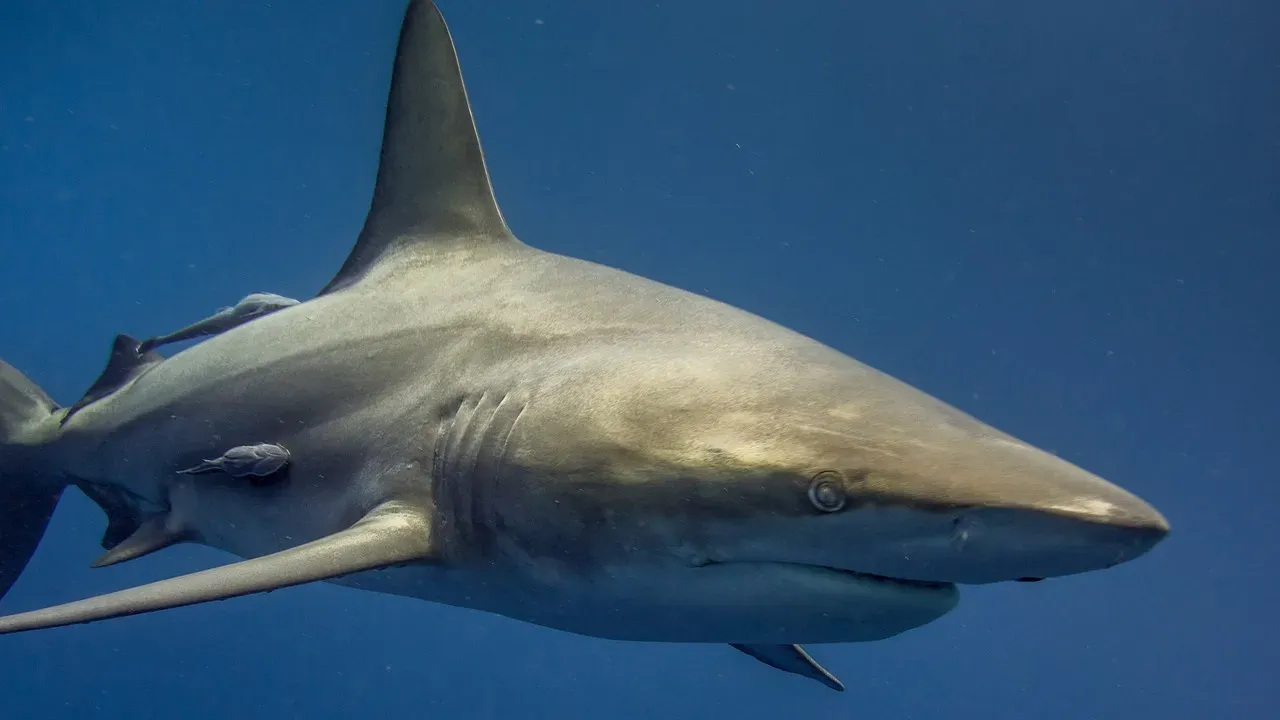
South Carolina has reported 120 shark attacks, a number that surprises many people unfamiliar with the state’s coastal dynamics. The South Carolina coast stretches from the North Carolina border down to Georgia, encompassing barrier islands, extensive salt marshes, and warm, productive coastal waters. These conditions create perfect nursery grounds for several shark species.
Finetooth and blacknose sharks accounted for 72% and 25% respectively of small coastal shark detections, and these two species were detected monthly between March and December. South Carolina’s waters also host larger species. Tiger sharks comprised 45% of transmitter days of data for large coastal sharks and were detected in all months except February. The presence of both small and large coastal sharks means encounters can range from minor to potentially serious.
Between 2013 and 2023, 44 people were bitten in South Carolina with no fatalities. Popular beaches like Myrtle Beach, Hilton Head, and the Charleston area see consistent shark activity during warmer months. A marine biologist revealed that South Carolina usually records four shark bites every year, a relatively predictable pattern that aligns with seasonal shark migrations and peak tourist season overlap.
The state’s fishing piers have become unexpected hotspots for shark observation. Researchers have documented sharks congregating near piers, attracted by discarded fish scraps and the shelter provided by pier pilings. This behavior brings sharks into close proximity with swimmers and anglers, increasing the likelihood of accidental encounters. South Carolina’s Department of Natural Resources actively monitors shark populations through tagging programs and acoustic receivers positioned along the coast. This research reveals fascinating details about shark movement patterns, including seasonal migrations where blacktip sharks travel south in early November as water temperatures drop. The data helps inform public safety measures and contributes to broader understanding of Atlantic shark ecology.
North Carolina: The Migration Highway
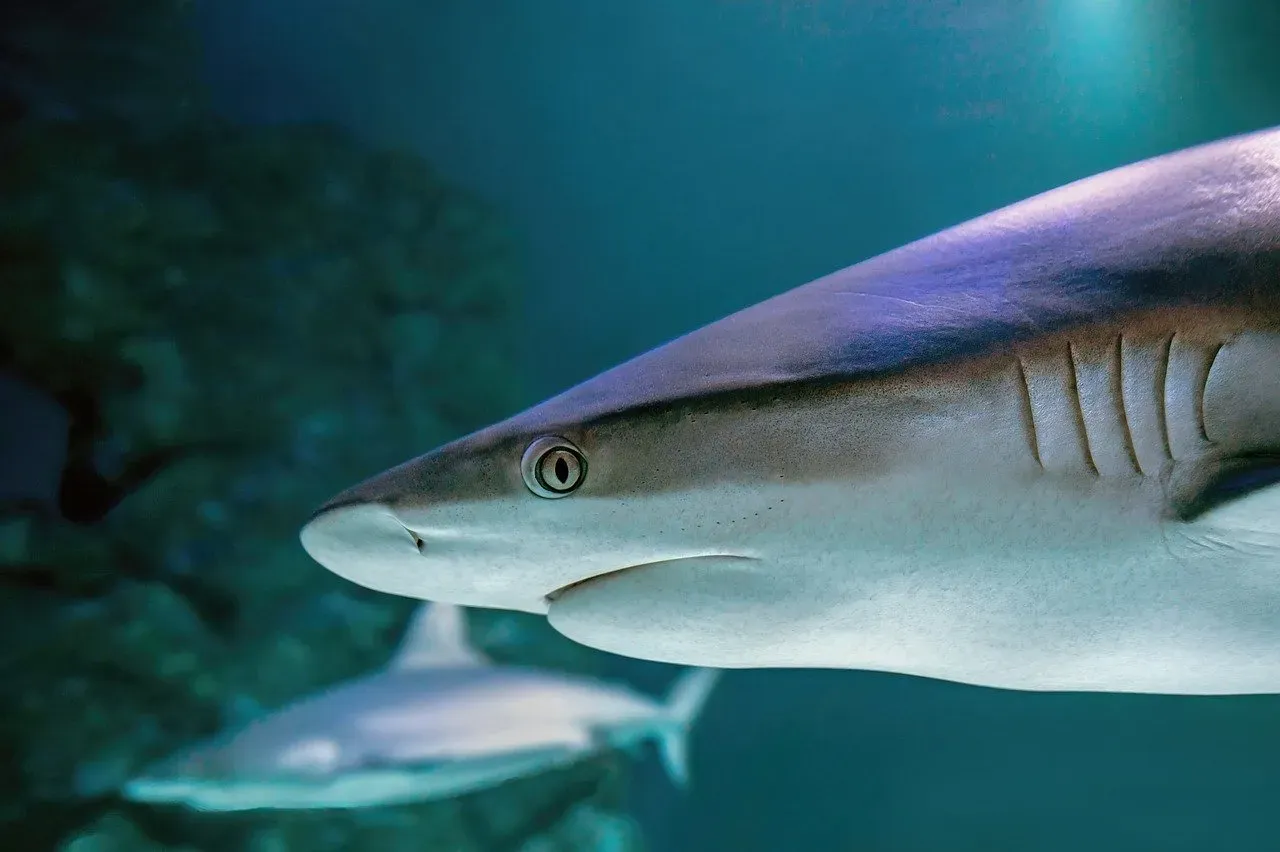
North Carolina has reported 81 shark attacks historically, rounding out the top five shark-heavy states. North Carolina’s position along the Atlantic seaboard places it directly on a major shark migration corridor. The coastal waters of North Carolina lie along a major migration corridor for marine species, and this “shark superhighway” brings incredible diversity to the state’s waters.
The state has around 20 shark species, of which the great white, tiger, and bull shark are the most dangerous. The variety is impressive: from small Atlantic sharpnose sharks to massive great whites, North Carolina sees them all at various times throughout the year. Bull sharks, which can top off at 10.5 feet, are the apex predators of North Carolina sounds and can tolerate brackish and fresh water, being found in the Newport, Neuse and Pamlico rivers.
North Carolina has recorded over 80 shark attack incidents since the 1800s, and over the past few decades has averaged roughly 2.4 shark bite incidents per year. The Outer Banks region experiences particularly high shark activity. In a recent month alone, nine great white sharks were tracked near the Outer Banks. These sharks use the area as a stopover during their extensive migrations along the eastern seaboard.
The Atlantic sharpnose, sandbar, and most other sharks are spotted in NC waters in summer and autumn. This seasonal pattern means the risk fluctuates dramatically throughout the year. Winter months see far fewer sharks as most species migrate to warmer southern waters. Cape Hatteras acts as a particularly important landmark, with juvenile dusky sharks overwintering offshore. The convergence of the cold Labrador Current and warm Gulf Stream near North Carolina creates unique oceanographic conditions that attract diverse marine life, including the sharks that feed on them. Beaches like Emerald Isle, Wrightsville Beach, and Ocracoke Island have all recorded multiple incidents over the decades, reminding visitors that these waters remain wild despite their popularity as vacation destinations.
Conclusion
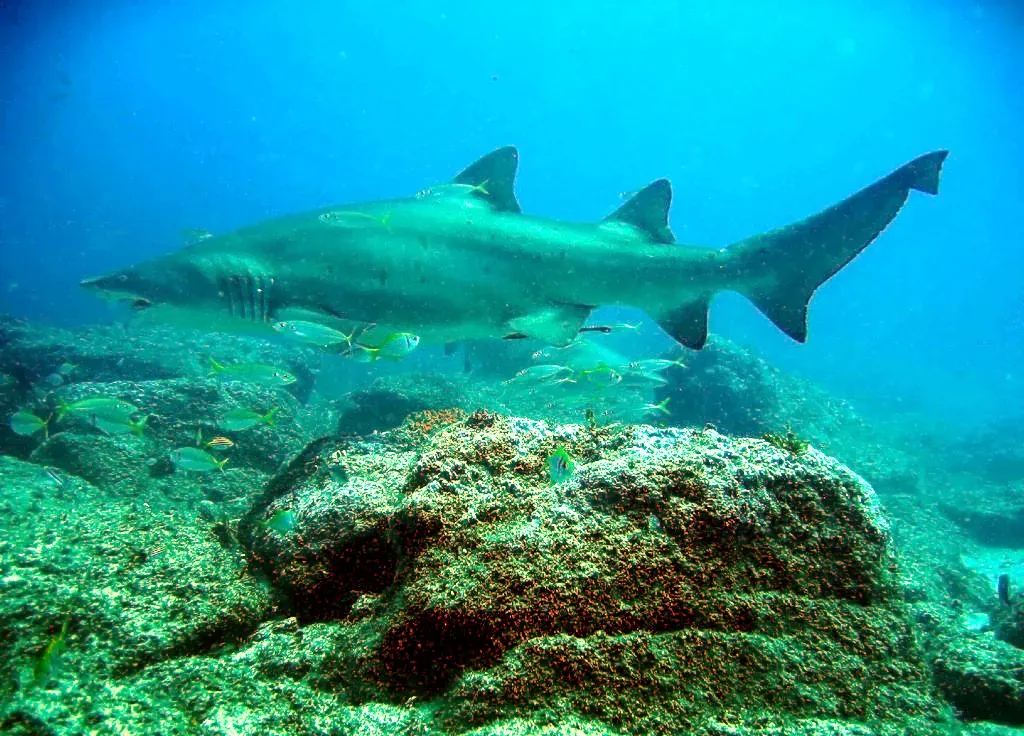
The states with the highest shark populations tell a story about geography, water temperature, and the delicate balance between human recreation and marine ecosystems. Florida dominates by a massive margin, thanks to its enormous coastline and ideal conditions for dozens of shark species. Hawaii follows with its unique island geography and tiger shark presence, while California’s cold waters harbor the iconic great white. South Carolina and North Carolina round out the top five, both benefiting from warm Atlantic currents and strategic positions along major migration routes.
Here’s the thing, though: despite these impressive numbers, your actual risk remains incredibly low. More people drown at beaches annually than are seriously injured by sharks. These ancient predators deserve our respect and fascination, not our irrational fear. They’ve survived for over 400 million years by being perfectly adapted to their environment. We’re just visitors in their world.
What do you think about swimming in these waters now? Would you still take a dip, or does knowing the numbers change your perspective?
