

Most people picture wolverines as comic book characters or college mascots. In reality, these fierce, stocky creatures are among the most elusive and ecologically fascinating wild animals on the planet. They stalk snowfields at elevation, cover jaw-dropping distances in a single day, and have a reputation for ferocity that far exceeds their modest size. Here in the United States, their story is one of dramatic disappearance, quiet resilience, and a slow but gripping comeback.
So which states actually harbor wolverines? The answer might surprise you. Let’s dive in.
What Makes a Wolverine, and Why Are They So Rare?
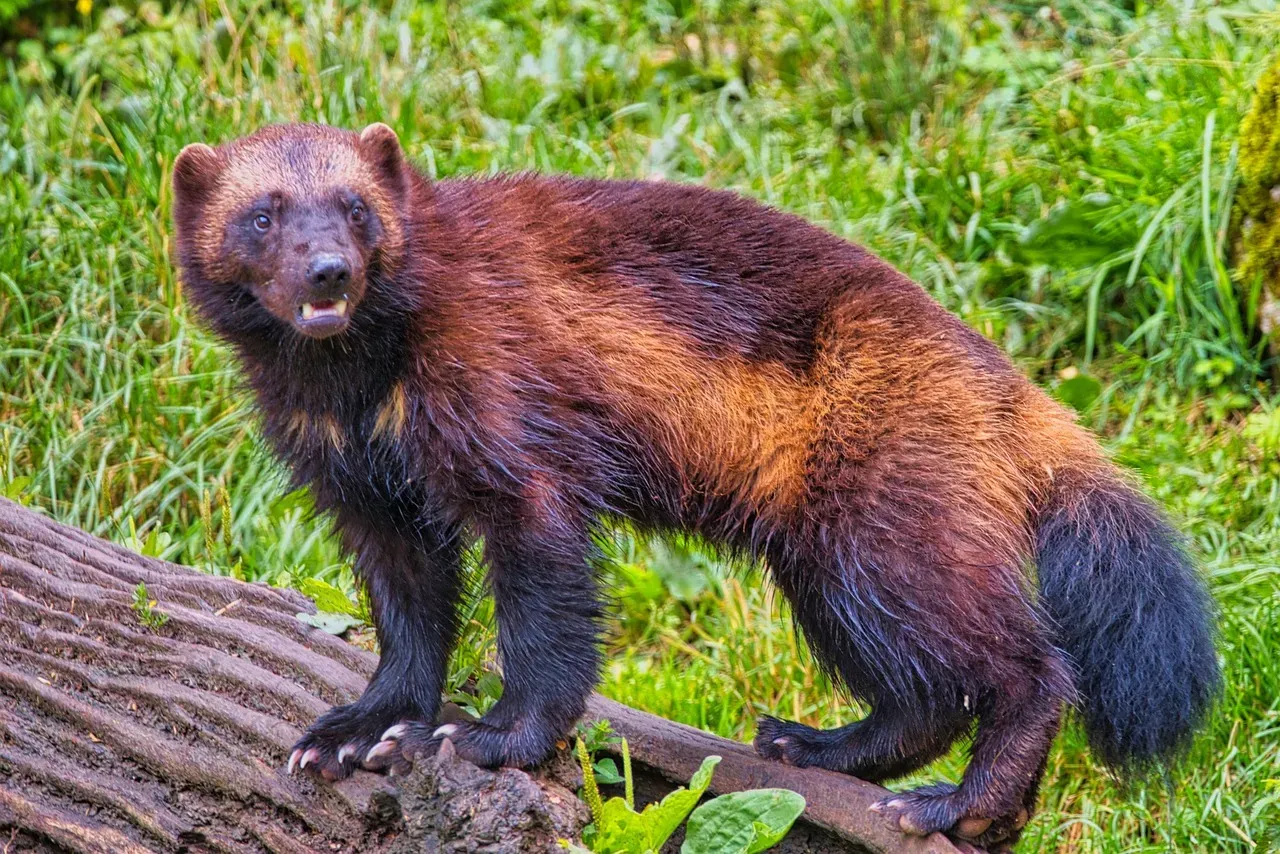
The scientific name for the wolverine is Gulo gulo, meaning “glutton.” Wolverines are the largest member of the weasel family, and the home range of a single wolverine may span several hundred square miles. Think about that for a moment. One single animal claiming territory the size of a small city. It’s no wonder they’re so hard to find.
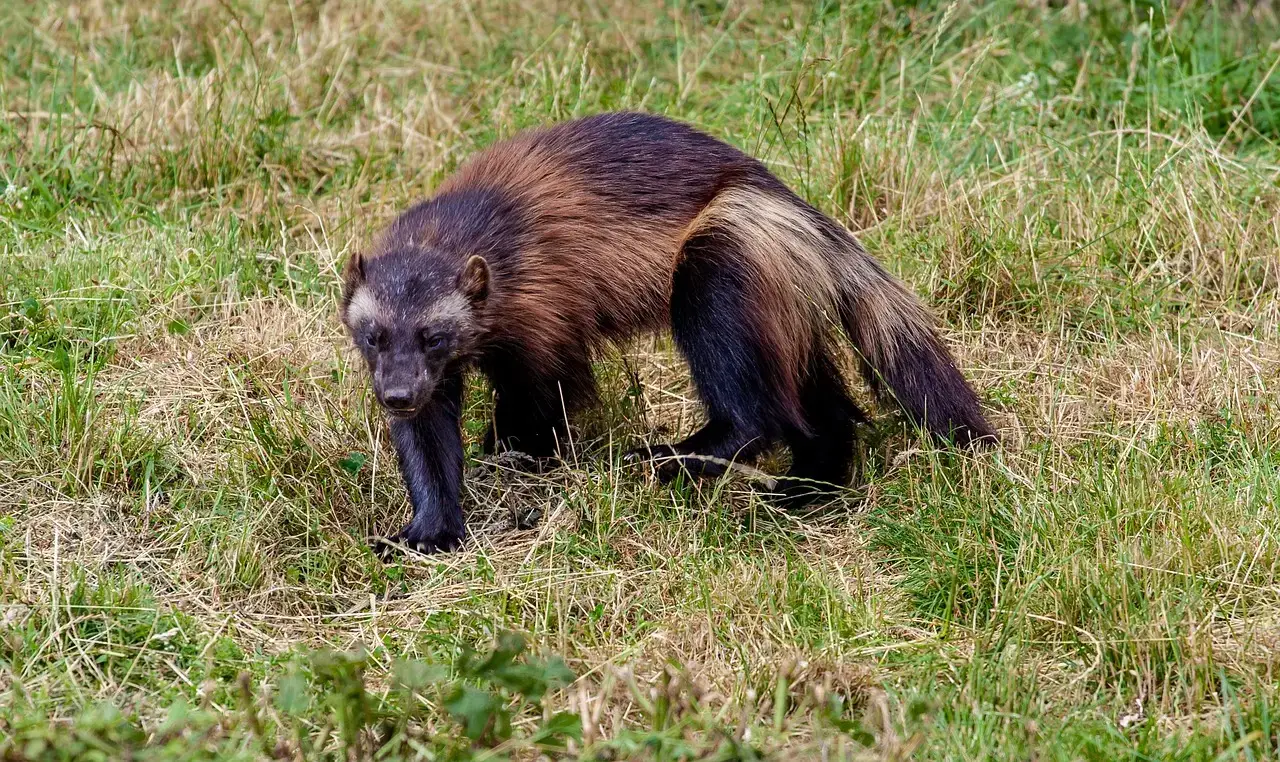
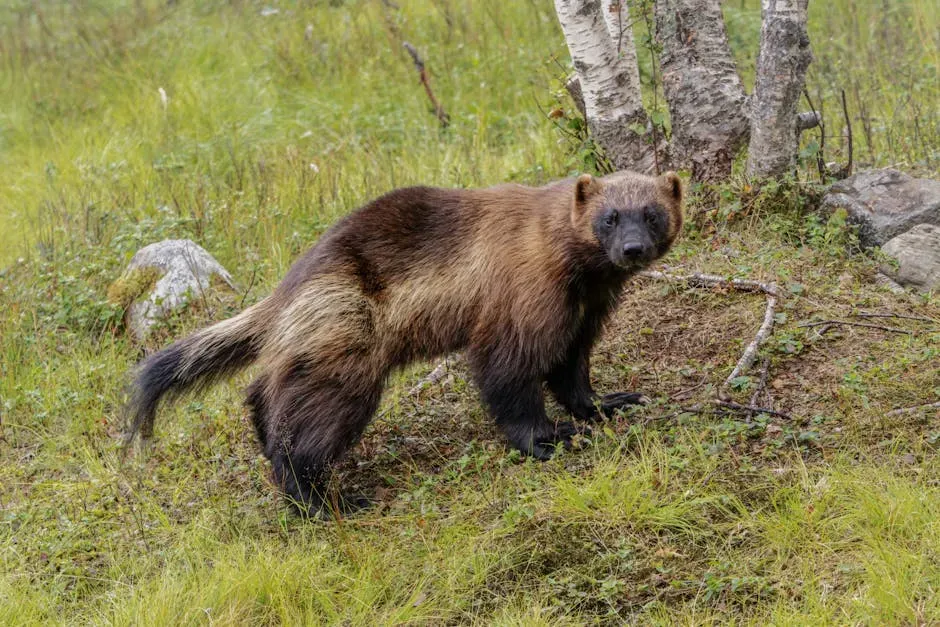
The wolverine is an animal with a stocky, muscular build that has drawn obvious comparisons to a miniature bear. Important features include short but powerful limbs, five toes on each paw, sharp semi-retractable claws, and a moderately powerful bite to help them hunt for prey. The fur color is brown or black with a yellow or gold stripe extending from the head to the rump.
Wolverines have thick, dark, oily fur which is highly hydrophobic, making it resistant to frost. This has led to its traditional popularity among hunters and trappers as a lining in jackets and parkas in Arctic conditions. That frost-resistant coat is gorgeous. Honestly, it also nearly sealed their fate in the lower 48.
The wolverine ranges widely, up to 15 miles a day, and needs lots of habitat. Home ranges can vary from 100 to 600 square miles. In the lower 48, they live primarily at high altitudes with alpine vegetation, but can venture to lower elevations. Combine that enormous need for space with human encroachment, and you begin to understand why wolverine populations remain razor-thin across the United States.
Alaska: The Undisputed Wolverine Capital
Scientists have concluded that Alaska is the state that has . It’s not even a close competition. No other American state comes remotely close to matching Alaska’s sheer density of wolverine territory, and I think that makes perfect geographic sense.
In the frozen expanse of Alaska, wolverines reign supreme. This state is home to a significant number of these tenacious creatures, thriving in its cold, challenging conditions. The remote wilderness, characterized by dense forests and vast tundra, offers an ideal habitat. Alaska is, in essence, wolverine utopia.
The wolverine is found primarily in remote reaches of the northern boreal forests and subarctic and alpine tundra of the Northern Hemisphere, with the greatest numbers in Northern Canada, the U.S. state of Alaska, the mainland Nordic countries of Europe, and throughout western Russia and Siberia. The pattern is clear. Cold, vast, and remote is exactly what wolverines demand.
The number of wolverines that live in Alaska is not known to scientists who study this threatened animal. One thing is certain about the state, it is a prime region for wolverines to roam around. Even with modern tracking tools, the sheer wilderness of Alaska makes a precise headcount essentially impossible. That mystery is part of what makes wolverines so captivating.
Montana: The Crown Jewel of the Lower 48
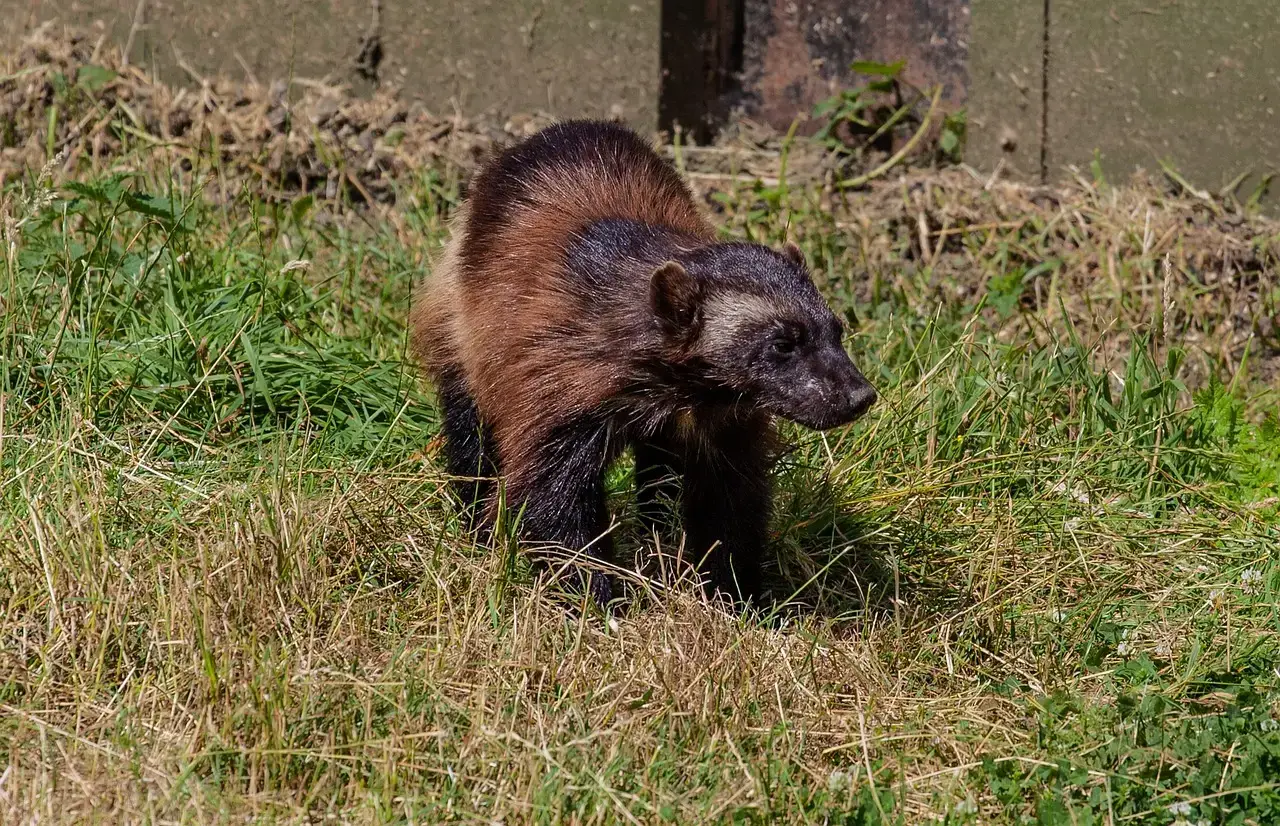
If Alaska is wolverine country on a grand scale, Montana is where scientists in the continental United States do the most important work. Montana’s vast wilderness areas provide the perfect habitat for wolverines to thrive. The state’s rugged terrain, characterized by high-elevation forests and alpine tundra, offers ample opportunities for these solitary predators to roam and hunt. Montana is believed to have one of the largest wolverine populations in the lower 48 states, with estimates ranging from 100 to 175 individuals.
Wolverines are reclaiming their ancestral territories across Montana’s rugged mountain ranges. Local wildlife officials have documented a notable increase in wolverine sightings since 2023. Conservation partnerships between ranchers and wildlife agencies created protected corridors that allow these solitary creatures to travel safely between habitats. The Northern Rockies now boast the healthiest wolverine population in the lower 48 states.
Wolverines love the high, rocky landscapes here, especially in Glacier National Park and the Bob Marshall Wilderness. Glacier National Park, in particular, is a genuine hotspot. If you ever plan a wildlife trip and want a chance of a genuine wolverine sighting, honestly, this is the place to start.
Montana continues to maintain an annual trapping season for wolverines, despite their low population number and the risk it poses to maintaining a self-sustaining population. That is a genuinely contentious issue among conservationists, and it’s one worth watching closely.
Idaho, Wyoming, and Washington: The Critical Trio
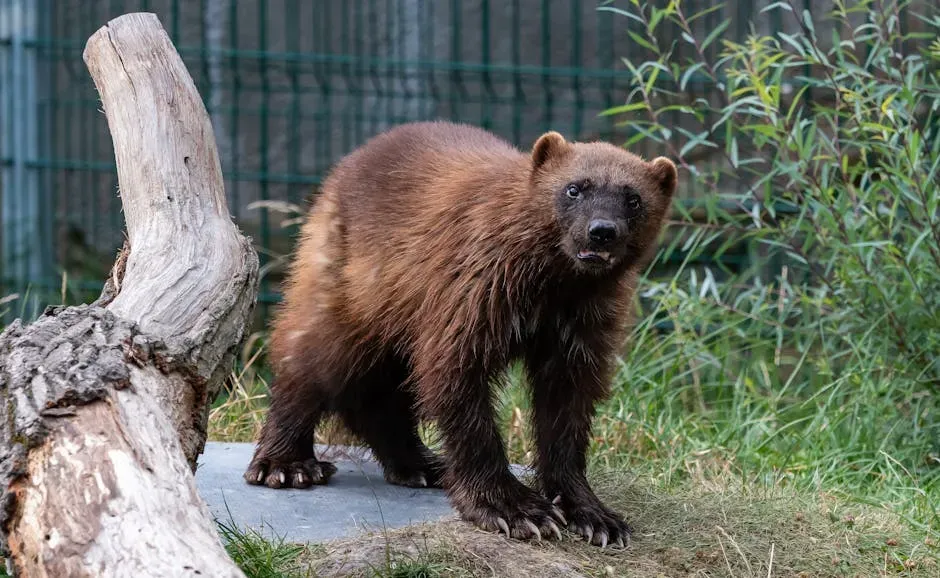
Three states consistently appear together in wolverine distribution research, and for good reason. They form a connected corridor that scientists believe is essential for the species’ long-term survival in the lower 48. Wolverine populations are currently known in the North Cascades Range in Washington; the Northern Rockies of Montana, Idaho, Wyoming; and a small portion of Oregon (Wallowa Range).
Idaho is perhaps the most underrated of the three. Idaho’s diverse landscapes, from its towering mountain ranges to its expansive forests, create an ideal environment for wolverines to call home. The state’s remote wilderness areas, particularly in the central and northern regions, have long been known to support a significant wolverine population. Idaho may be home to approximately 50 to 100 individuals, making it one of the top states for wolverine conservation.
The Sawtooth and Selway-Bitterroot Wilderness areas in Idaho have been identified as critical habitats for wolverines. These pristine landscapes provide the necessary resources for wolverines to hunt, den, and raise their young. It’s a stunning part of the country that most Americans never see, which is exactly why wolverines love it.
Wyoming’s contribution is no less important. Wyoming’s rugged backcountry, with its towering peaks and vast expanses of untamed wilderness, provides an ideal sanctuary for wolverines. The state’s wolverine population is estimated to be around 40 to 50 individuals, primarily concentrated in the northwestern region. Wyoming’s Yellowstone and Grand Teton National Parks, along with the surrounding national forests, serve as vital strongholds for these elusive creatures. Wolverines in the state rely heavily on high-elevation areas with persistent spring snow cover for denning and raising their young.
Washington rounds out the trio with the North Cascades acting as the western anchor of wolverine territory. The Cascade Mountains of Washington State provide a rugged and remote habitat well-suited for wolverines. Although the state’s wolverine population is relatively small, with estimates ranging from 25 to 50 individuals, Washington remains an important stronghold for the species in the lower 48 states. The North Cascades, in particular, have been identified as a critical area for wolverine conservation.
Oregon, California, and the Fringe States
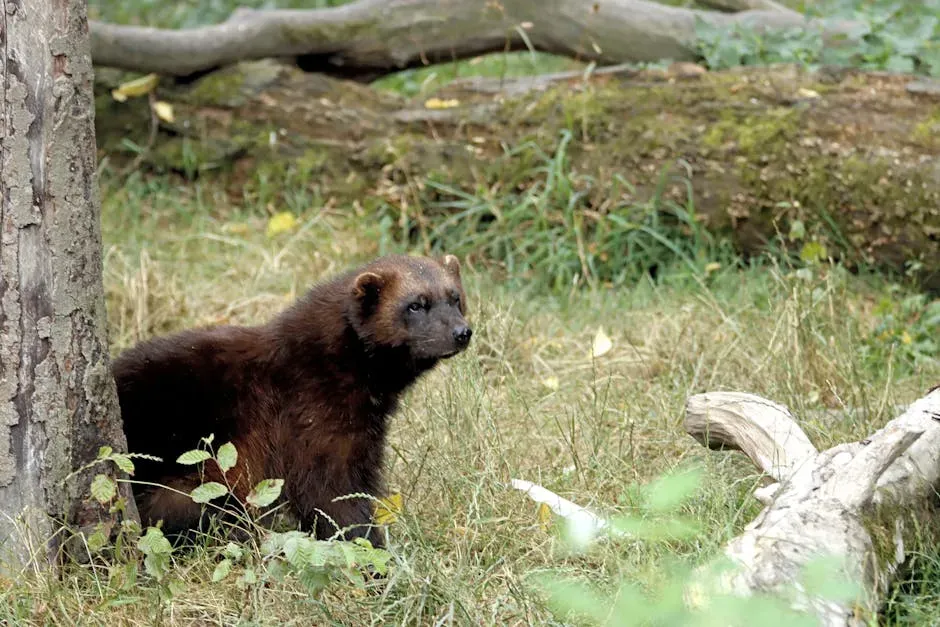
Here’s where things get genuinely surprising. Several states you’d never associate with wolverines have actually documented sightings, and a few have small but real populations clinging on in remote mountain terrain.
Oregon occupies a small but real place in wolverine territory. Wolverines are known to live in the Wallowa mountain range. Researchers have theorized that sightings may become more common. As their natural habitats become more affected by climate change, they’ll emerge from the mountains and be more visible.
California is a fascinating edge case. California’s Sierra Nevada is home to a small but resilient population of wolverines. These creatures favor secluded, rugged areas away from human activity. The Sierra Nevada offers a perfect blend of dense forests and snowy landscapes, ideal for wolverines. Let’s be real, when most people think of California wildlife, wolverines are probably not the first thing that comes to mind.
In 2008 and 2009, one wolverine was recorded on motion-detector cameras in the northern Sierra Nevada mountains. It is not believed to be part of a resident population, possibly having come from somewhere in the Rocky Mountains. A lone wanderer, essentially. The wolverine equivalent of a road tripper passing through.
Minnesota, surprisingly, also enters the conversation. Minnesota’s northern forests are experiencing a wolverine renaissance. After being absent for generations, at least 12 individuals have established territories in the Boundary Waters region. These newcomers migrated naturally from Canada, following increasingly connected forest corridors. That is genuinely exciting news for conservationists watching the species inch toward recovery.
The Threats Wolverines Face and the Fight to Save Them
Understanding where wolverines live is only half the story. The other half, honestly the more urgent half, is understanding what threatens them. In November 2023, the United States Fish and Wildlife Service announced that it was adding the wolverine in the United States Lower 48 states to the threatened list. That formal recognition was a long time coming.
Wolverines need deep snow to birth and rear their young. As snowpack continues melting earlier each year, aggressive action must be taken to reduce the carbon pollution driving climate change, and to consider climate impacts in wolverine conservation efforts. This is the central crisis. It’s not hunters or habitat bulldozers at this point. It’s a warming planet slowly erasing the very snowpack these animals depend on for survival.
It is estimated that due to climate change, within 30 years, about 30 percent of wolverine habitat in the lower 48 states will be gone. Within about 70 years, an estimated 60 percent of their habitat will be lost in the lower 48 states. Those numbers are stark. A projected loss of more than half of suitable habitat within a human lifetime is not a distant hypothetical. It’s an unfolding emergency.
Resource extraction, roads, winter recreation such as snowmobiling and helicopter skiing, and other disturbances near denning sites may negatively impact the ability of wolverines to reproduce. Even seemingly harmless recreational activities near denning areas can push females to abandon their young. The wolverine’s margin for error is terrifyingly slim.
Colorado, meanwhile, is writing a more hopeful chapter. The North American wolverine was part of Colorado’s native fauna until it was extirpated during the early 1900s. Now Colorado Parks and Wildlife is restoring the species back to the state. The restoration of wolverines to Colorado was authorized by a bipartisan list of supporters in the 2024 Colorado State Legislature. Conservation getting bipartisan support in 2024 is, itself, a small miracle worth celebrating.
Conclusion: A Species Worth Fighting For
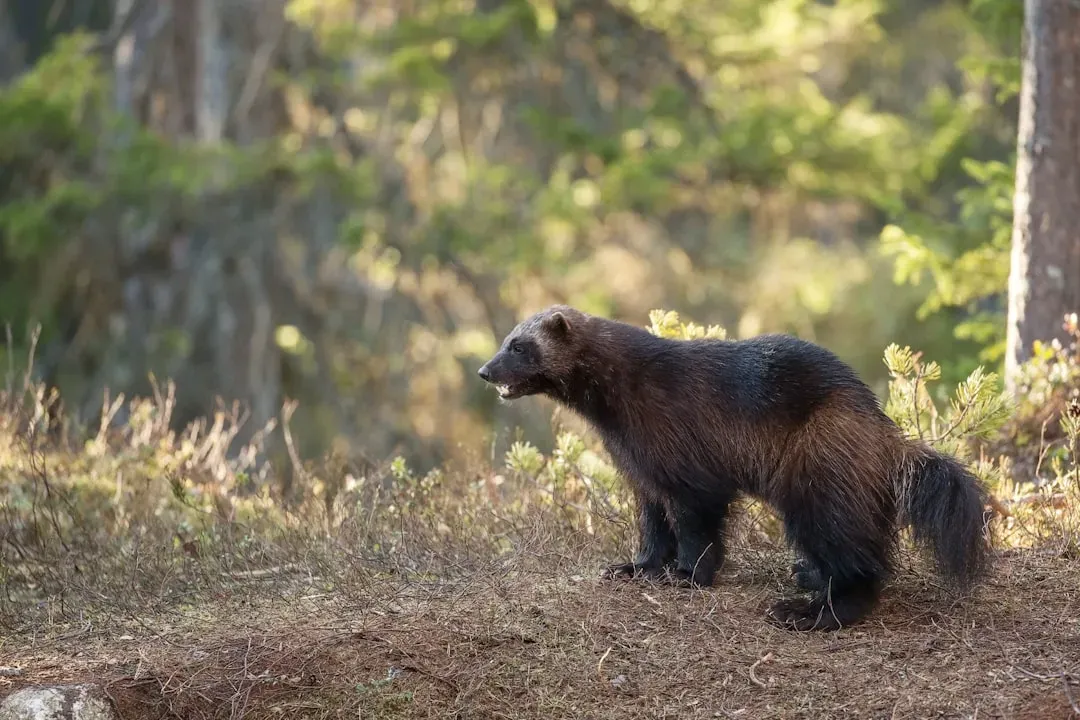
The wolverine is, by almost any measure, one of the most remarkable wild animals in North America. Small in body but enormous in territory, ferocious yet deeply vulnerable, it occupies a ecological role that nothing else can easily fill. Alaska holds the greatest numbers, Montana leads the lower 48, and states like Idaho, Wyoming, and Washington form the fragile backbone of the species’ continental survival.
What’s striking is how much of this story remains unfinished. Reintroduction efforts in Colorado, documented returns in Minnesota, breeding populations confirmed in Utah’s mountains. These are signs of a species trying, against real odds, to hold on.
The real question is whether we’ll give them the space and the climate stability to do it. If wolverines can cross interstate highways and scale mountain ranges on sheer biological determination, the least we can do is protect what’s left of the snowfields they call home. What do you think should be done to protect wolverines in the US? Share your thoughts in the comments below.

- 8 Ways Bobcats Move Through Suburbs Without Being Seen - August 9, 2026
- 7 Reasons Black Bears Return to the Same Food Source - August 9, 2026
- Animal Cognition Says Horses Remember People Who Treated Them Well and Those Who Did Not - August 9, 2026