
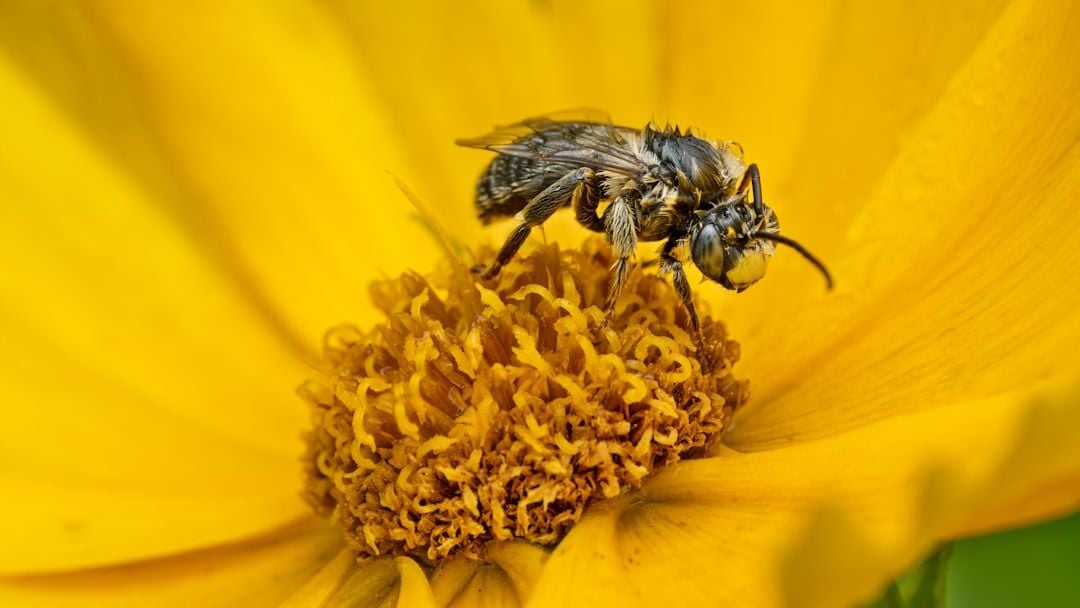
Think about every apple you’ve ever eaten, every almond snack, every blueberry smoothie. Now imagine them gone. Not because of drought or poor farming. Just because a small, buzzing insect disappeared. That’s not a hypothetical nightmare. That’s the very real direction we’re heading if we continue to underestimate the creatures that silently hold our natural world together.
Bees are extraordinary in a way that most people never stop to appreciate. They’ve been quietly doing the most important job on the planet for millions of years, and most of us barely give them a second glance. What follows might genuinely change the way you see that humble little bee hovering over your garden flowers. Let’s dive in.
Nature’s Most Indispensable Pollinator
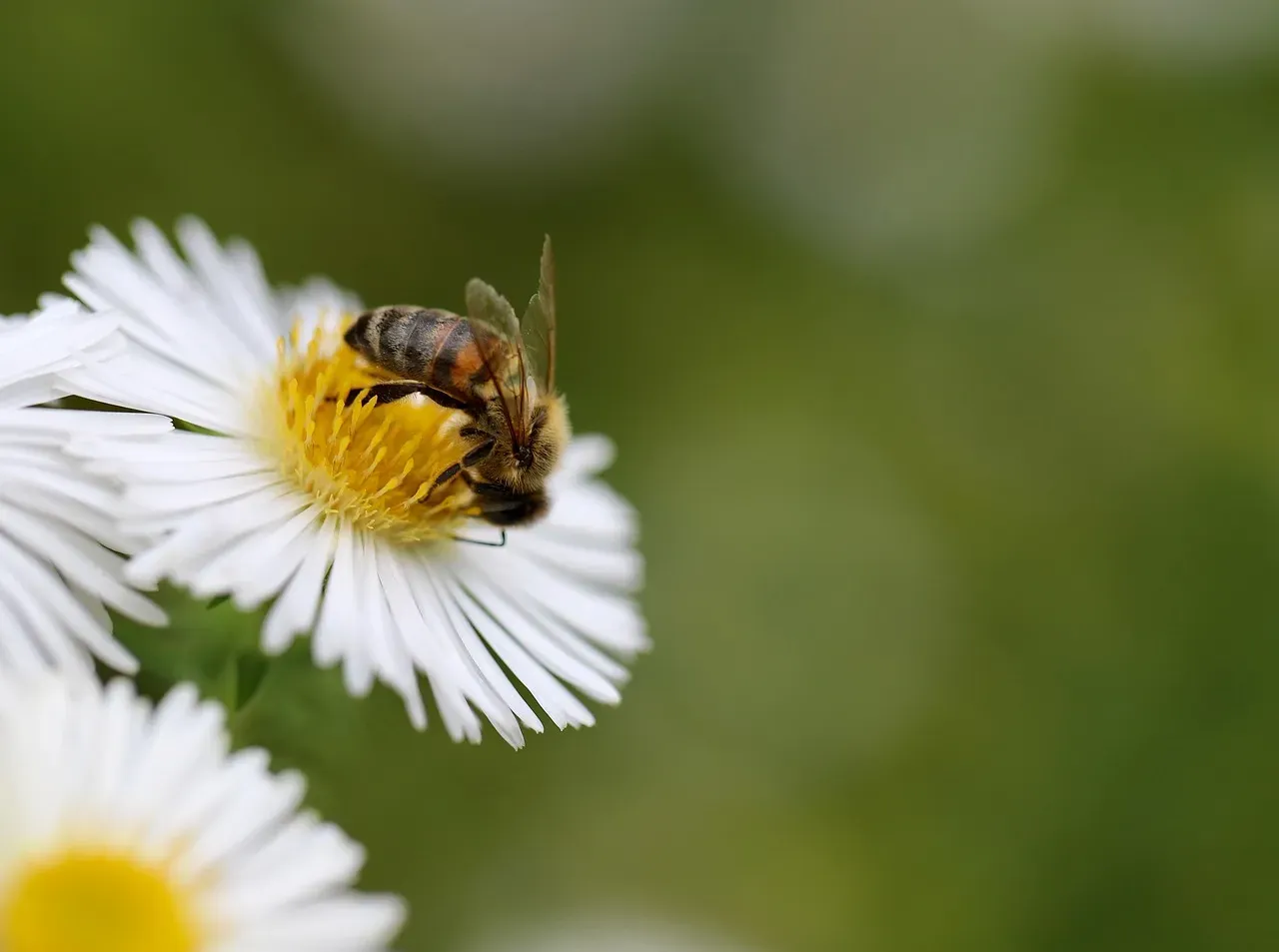
Here’s the thing about bees that always stops me in my tracks. There are approximately 20,000 species of bees, and they are the most important insect pollinators, contributing significantly to the reproduction of flowering plants and the formation of fruits and seeds. That’s not a small supporting role. That’s a starring performance in the drama of life itself.
Bees make excellent pollinators because most of their life is spent collecting pollen. When a bee lands on a flower, the hairs all over the bee’s body attract pollen grains through electrostatic forces, and stiff hairs on their legs enable them to groom the pollen into specialized brushes or pockets on their legs or body, and then carry it back to their nest. It’s like nature engineered the perfect pollen delivery system, and it did, over millions of years of co-evolution.
Individual bees tend to focus on one kind of flower at a time, which means it is more likely that pollen from one flower will be transferred to another flower of the same species. Many plants require this kind of pollen distribution, known as cross-pollination, in order to produce viable seeds. Without that precise, species-specific transfer, entire plant lineages simply cannot reproduce.
Bees and the Global Food Supply: A Connection You Cannot Ignore
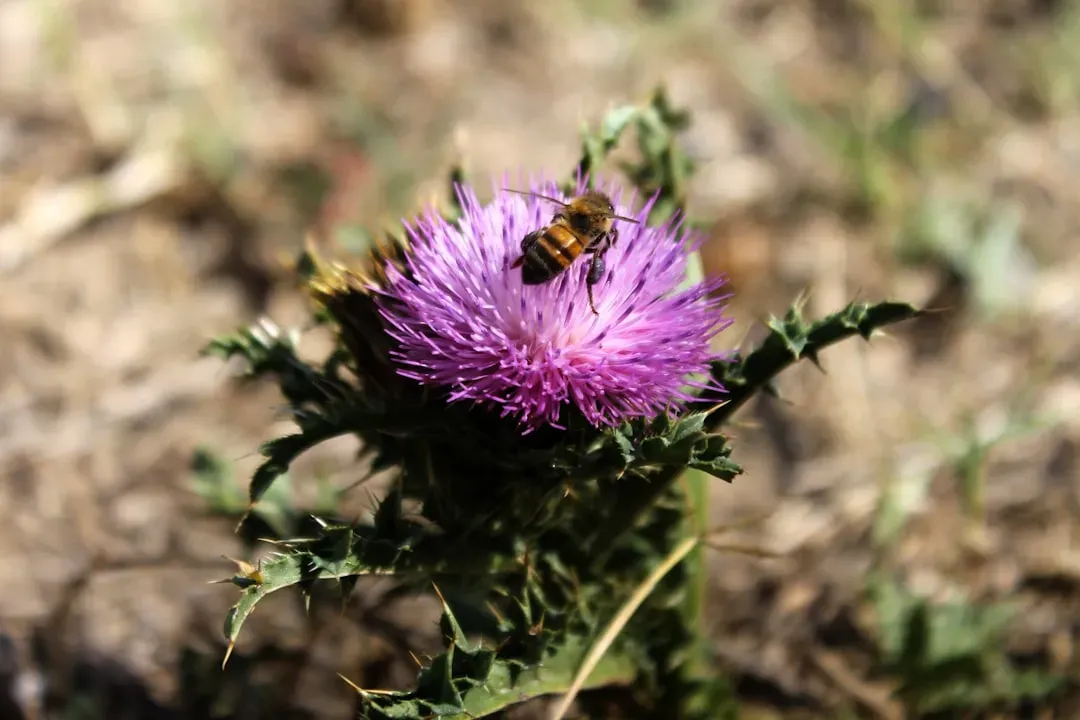
According to bee experts at the Food and Agriculture Organization of the United Nations, roughly a third of the world’s food production depends on bees. Let that sink in. Nearly every third bite of food you take exists because a bee visited a flower at just the right moment.
Most crops grown for their fruits, including vegetables such as squash, cucumber, tomato and eggplant, nuts, seeds, fiber such as cotton, and hay grown to feed livestock, require pollination by insects. We’re not just talking about honey. We’re talking about the very foundation of the human diet.
Western honeybees, orchard bees, and countless wild bees are responsible for the pollination of about 90 crops in the United States alone, including almonds, apples, blueberries, and cucumbers. Honestly, once you understand this, it’s hard to look at a grocery store shelf the same way again.
The Ripple Effect on Biodiversity
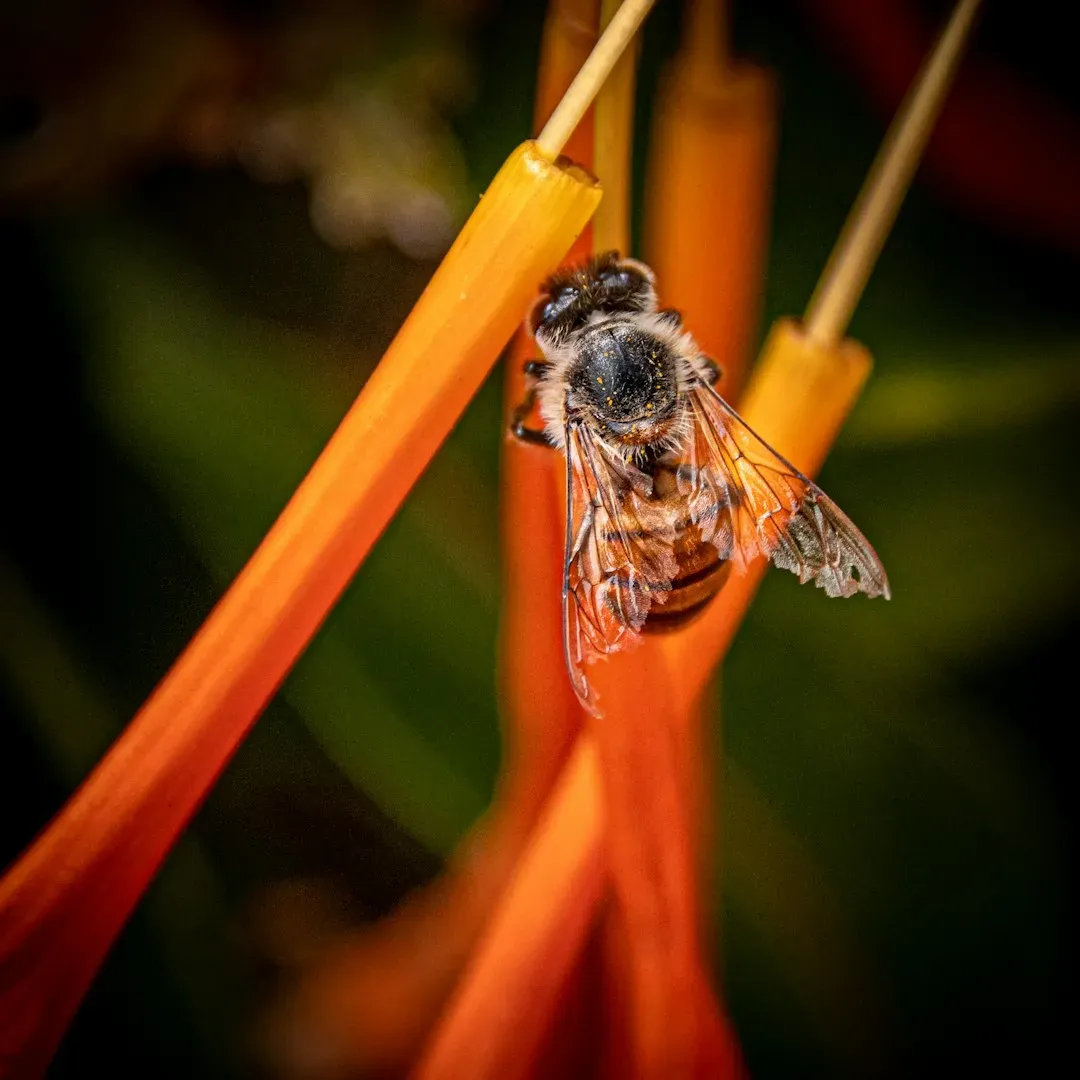
Nearly 90 percent of the world’s wild flowering plant species depend, entirely or at least in part, on animal pollination, along with more than 75 percent of the world’s food crops and 35 percent of global agricultural land. That is a staggering dependency. Think of it like removing the keystone from an arch. Pull it out, and everything collapses.
Bees contribute to plant diversity by allowing different species to reproduce. This also helps ensure genetic diversity within plant species, as bees carry pollen between different individuals. Greater genetic diversity in plants means more resilient ecosystems. A forest with varied, genetically rich plant life is a forest that can weather disease, drought, and disruption far better than one without.
Beyond agriculture, bees are integral to maintaining healthy ecosystems. The plants they help perpetuate serve as food and shelter for various wildlife, from tiny arthropods to the largest land animals. Bees are also themselves important food for other organisms in the food web. Remove the bee, and you don’t just lose the bee. You unravel an entire web of life built on top of it.
The Alarming Decline of Bee Populations
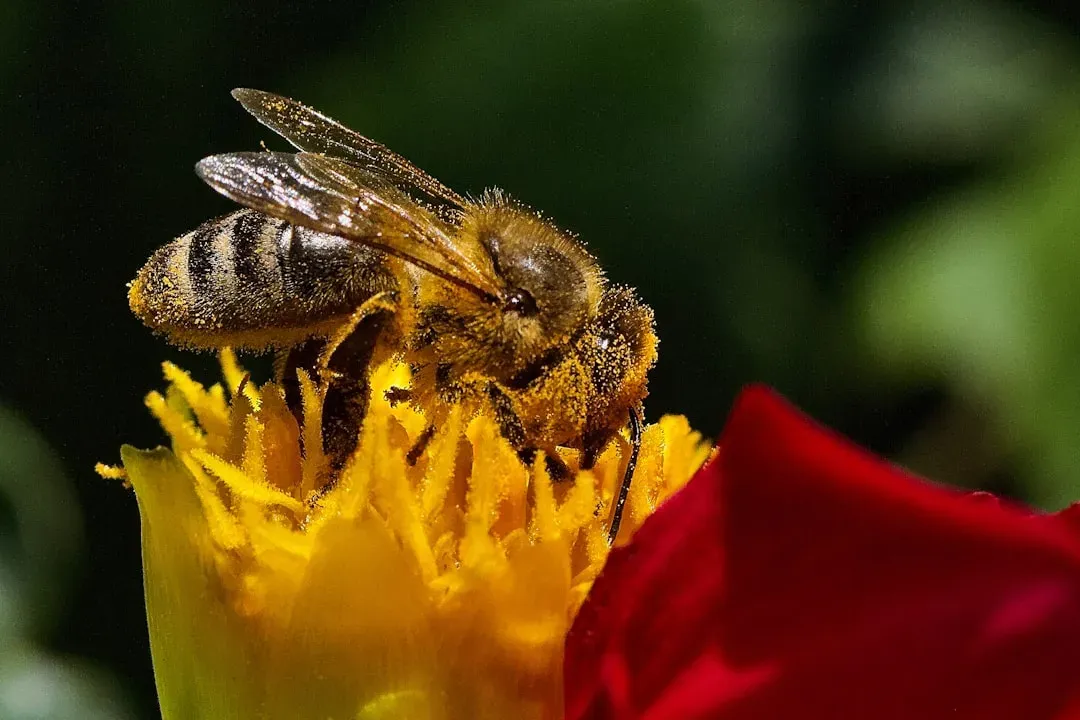
I know it sounds unbelievable, but the numbers are genuinely frightening. Bee populations have been declining globally over recent decades due to habitat loss, intensive farming practices, changes in weather patterns, and the excessive use of agrochemicals such as pesticides. It’s not one single cause. It’s a relentless combination of pressures hitting from every direction simultaneously.
Approximately 16 percent of vertebrate pollinators such as birds and bats, and roughly 40 percent of invertebrate pollinators such as bees and butterflies, are at risk of extinction. That’s a crisis hiding in plain sight. We tend to notice when a tiger or an elephant is threatened. A bee? Far less so.
In the face of 62 percent losses in the commercial sector, more commercial beehives are now dead in America than are alive. This situation has never been this bad, and it had not tipped the 50 percent death mark until recently. Now it stands at 62 percent for commercial beehives. That is not a warning sign anymore. That is a crisis in full effect.
Pesticides, Climate Change, and Human Threats
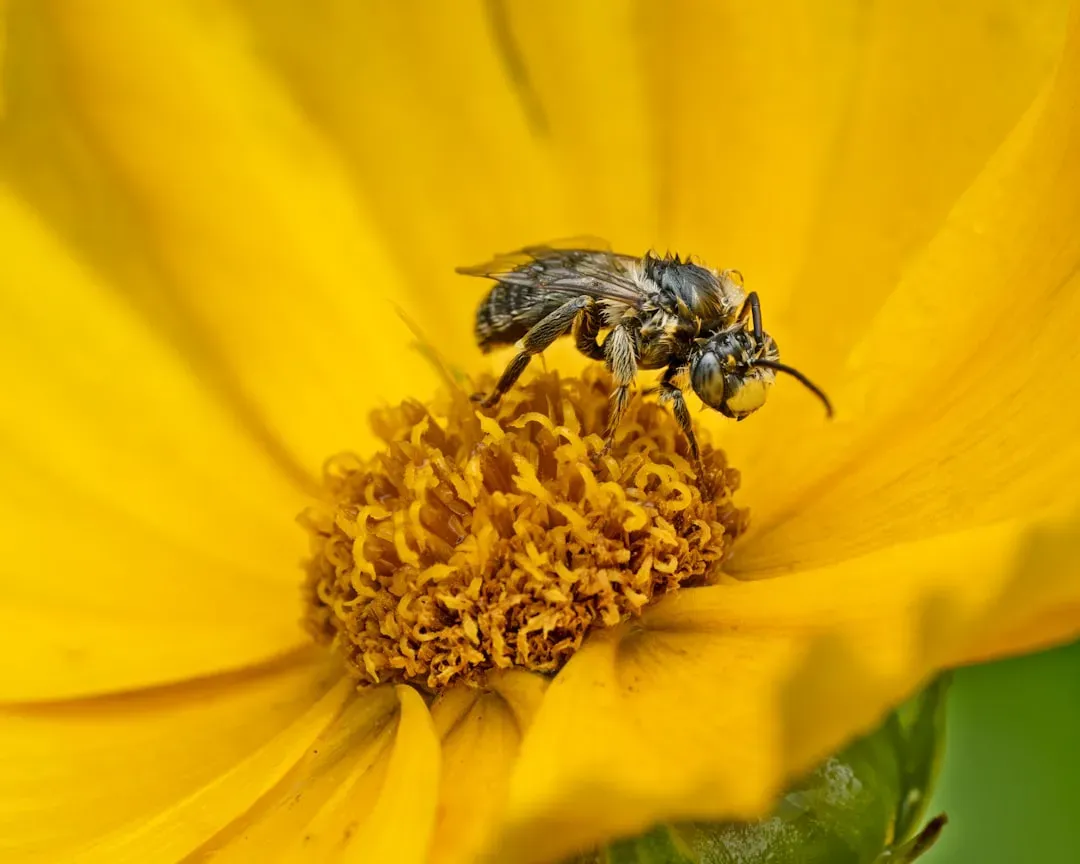
One of the primary causes contributing to the decline of honey bee populations is the widespread use and exposure to pesticides. Neonicotinoid insecticides have raised particular concerns due to their harmful effects on bees. These systemic pesticides are applied to seeds or sprayed onto crops and can persist in plant tissues, including pollen and nectar. Bees, in their search for food, come into contact with these contaminated plant parts and bring the pesticide-laden pollen and nectar back to the hive.
Air pollution is also thought to be affecting bees. Preliminary research shows that air pollutants interact with scent molecules released by plants, which bees need to locate food. The mixed signals interfere with the bees’ ability to forage efficiently, making them slower and less effective at pollination. It’s a cruel irony. The very environment bees have navigated for millennia is now essentially giving them the wrong directions.
Climate change emerges as the most prominent threat to pollinators and the most difficult threat to control. The changes in water and temperature associated with climate change can lower the quantity and quality of resources available to pollinators, decrease the survival of larvae or adults, and modify suitable habitats. There is no quick fix here. No single regulation or ban will reverse it overnight.
What Happens to Our Food if Bees Disappear?
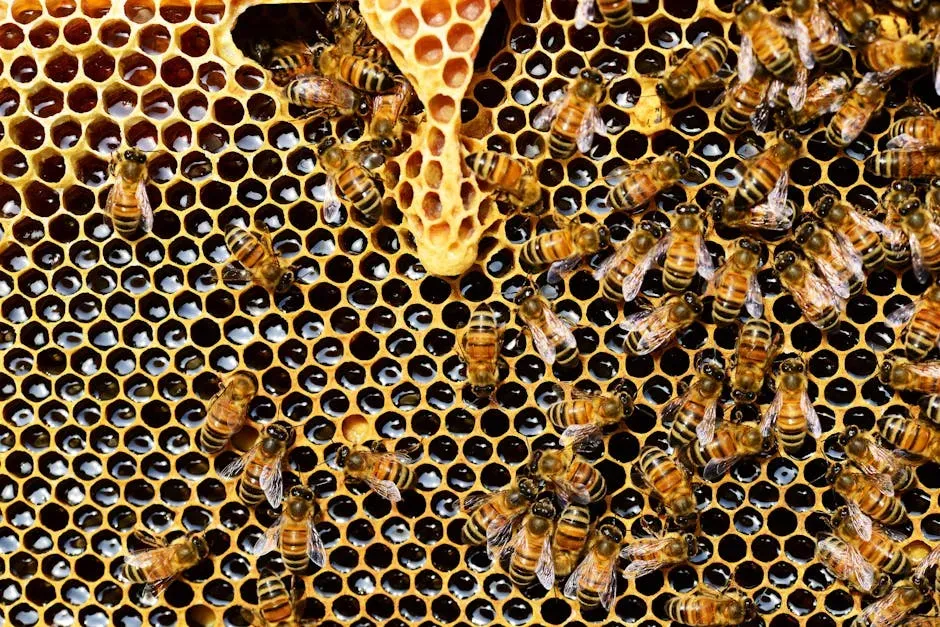
If the current trend continues, nutritious crops such as fruits, nuts, and many vegetables will be substituted increasingly by staple crops like rice, corn, and potatoes, eventually resulting in an imbalanced diet. Imagine a world where almonds, blueberries, and cherries become rare luxuries. That future is closer than most people realize.
The economic impact of declining bee populations is also significant. Farmers who grow bee-dependent crops may face financial losses due to reduced yields, which can lead to higher production costs. These costs are often passed on to consumers, contributing to the overall increase in food prices. The average shopper already feels this at the checkout. Prices for bee-dependent produce have been quietly climbing for years.
The collapse of bee populations not only affects human food systems but also has cascading effects on ecosystems. Bees are key to the reproduction of plants that provide food and shelter for other animals. Without bees, many of these plants would not be able to reproduce, threatening animal populations that depend on them for survival. This could collapse entire ecosystems, threatening biodiversity and leading to further environmental imbalances.
What We Can Do to Protect Bees Before It’s Too Late
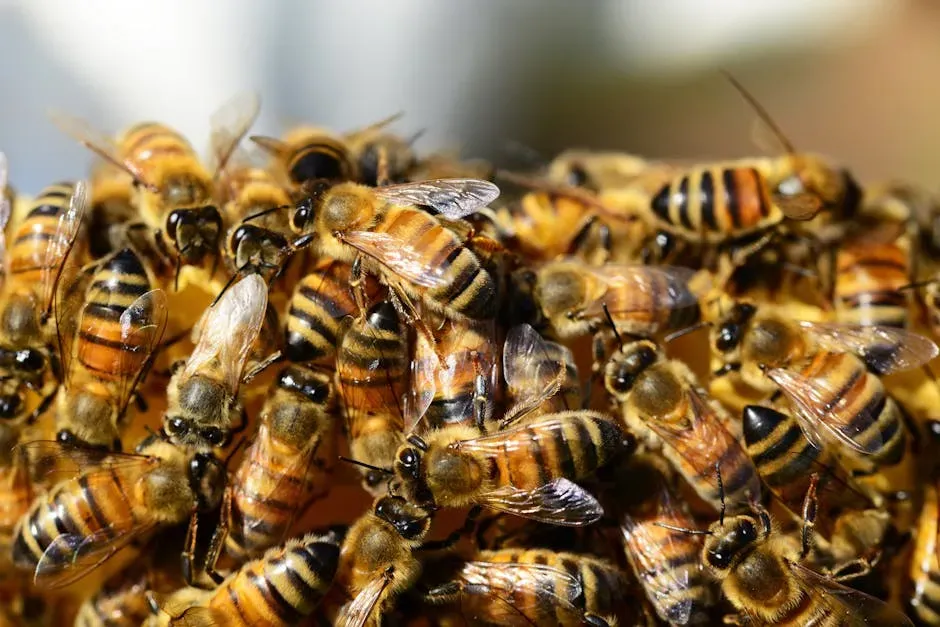
Protecting pollinators enhances biodiversity and critical ecosystem services such as soil fertility, pest control, and air and water regulation. Nature-friendly agricultural practices like agroecology, intercropping, agroforestry, and integrated pest management help sustain pollinators, ensuring stable crop yields and reducing food shortages and environmental impacts. The solutions exist. The will to apply them at scale is what’s still missing.
Research consistently finds that what’s most associated with improved bee health is a diverse, native flower population. Think about planting a flower. Guerrilla gardening, where you simply scatter a handful of native seeds, or planting on green rooftops, goes a very long way. Cities are a wonderful opportunity to improve the biodiversity of the flowers that bees rely upon. That’s a surprisingly simple action any of us can take, right now, in our own backyards or balconies.
Conservation efforts such as reducing pesticide use, creating bee-friendly habitats, and promoting sustainable agriculture play a vital role in mitigating the impacts of honey bee decline. Public awareness and engagement are also crucial in fostering a culture of pollinator conservation and encouraging individuals to take actions such as planting bee-friendly gardens and supporting local beekeepers. Every garden, every choice at the grocery store, and every vote for smarter agricultural policy genuinely matters.
Conclusion: A Tiny Creature Holding the World Together
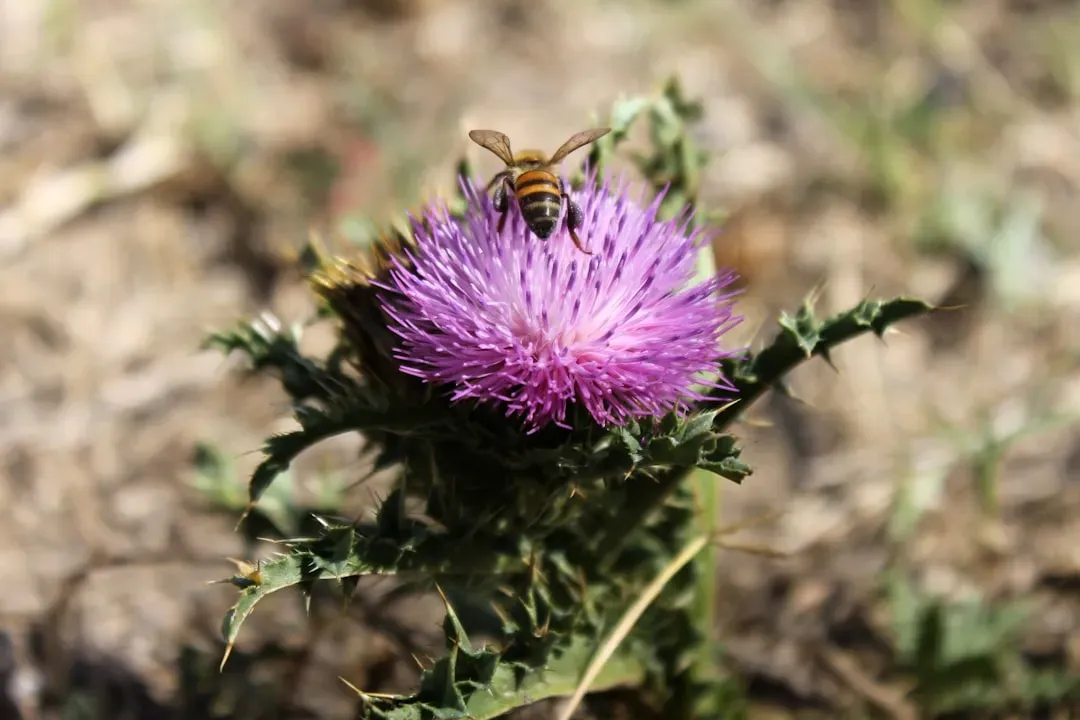
Bees are not a background detail in the story of life on Earth. They are the plot itself. Without them, the intricate chains of plants, animals, and ecosystems that sustain us would slowly fray and unravel. No amount of technology has yet been able to replace what a single bee does naturally in just a few hours of flight.
The good news is that this story doesn’t have to end badly. Awareness is growing. Science is advancing. Individuals, farmers, and governments around the world are beginning to understand what’s truly at stake. The question now is simply whether that understanding will turn into action fast enough.
Next time you spot a bee hovering over a flower, don’t swat it away. Watch it for a moment. That tiny creature is holding more of our world together than most people will ever fully appreciate. What small step could you take today to give it a fighting chance?
