

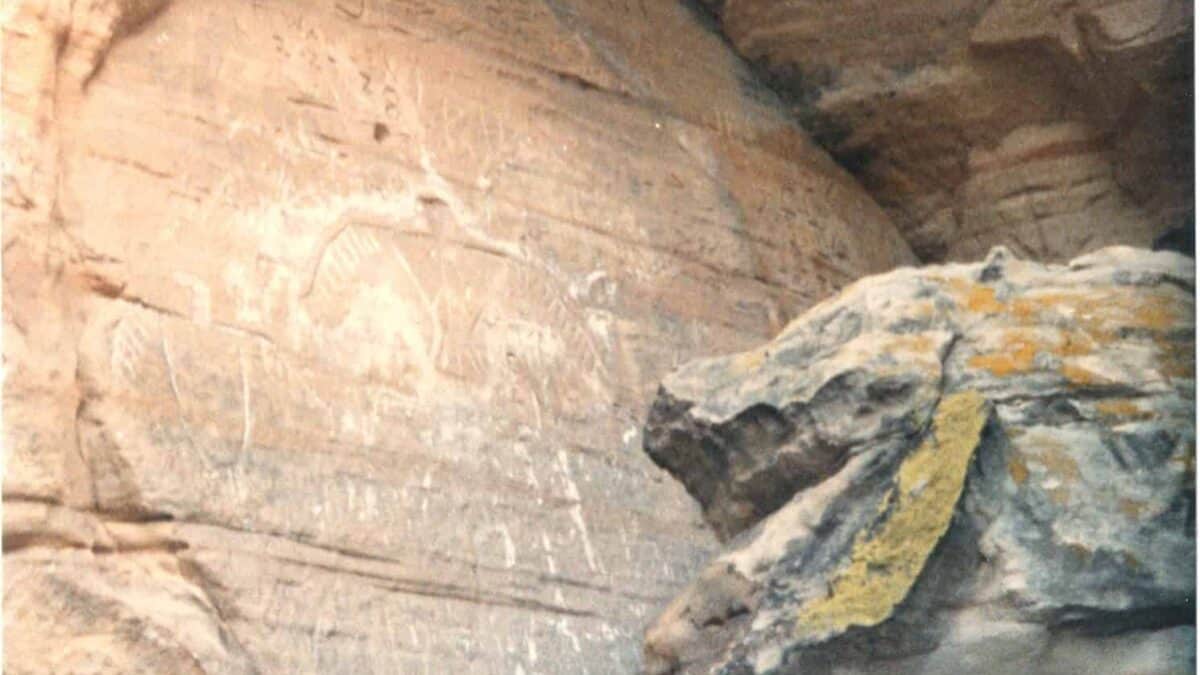
American folklore is rich with tales of mysterious creatures, legendary beasts, and animals with supernatural abilities. From the earliest Indigenous stories to frontier legends and modern urban myths, wild animals have played crucial roles in the cultural imagination of the United States. These stories reveal our complex relationship with the natural world and often reflect deeper cultural anxieties, hopes, and beliefs. While some folkloric animals are based on real creatures, others exist purely in the realm of imagination, combining features of known animals with supernatural elements. This exploration of American animal folklore takes us through forests, mountains, swamps, and prairies, revealing the diverse creatures that populate our national storytelling tradition.
The Thunderbird: Sacred Sky Guardian
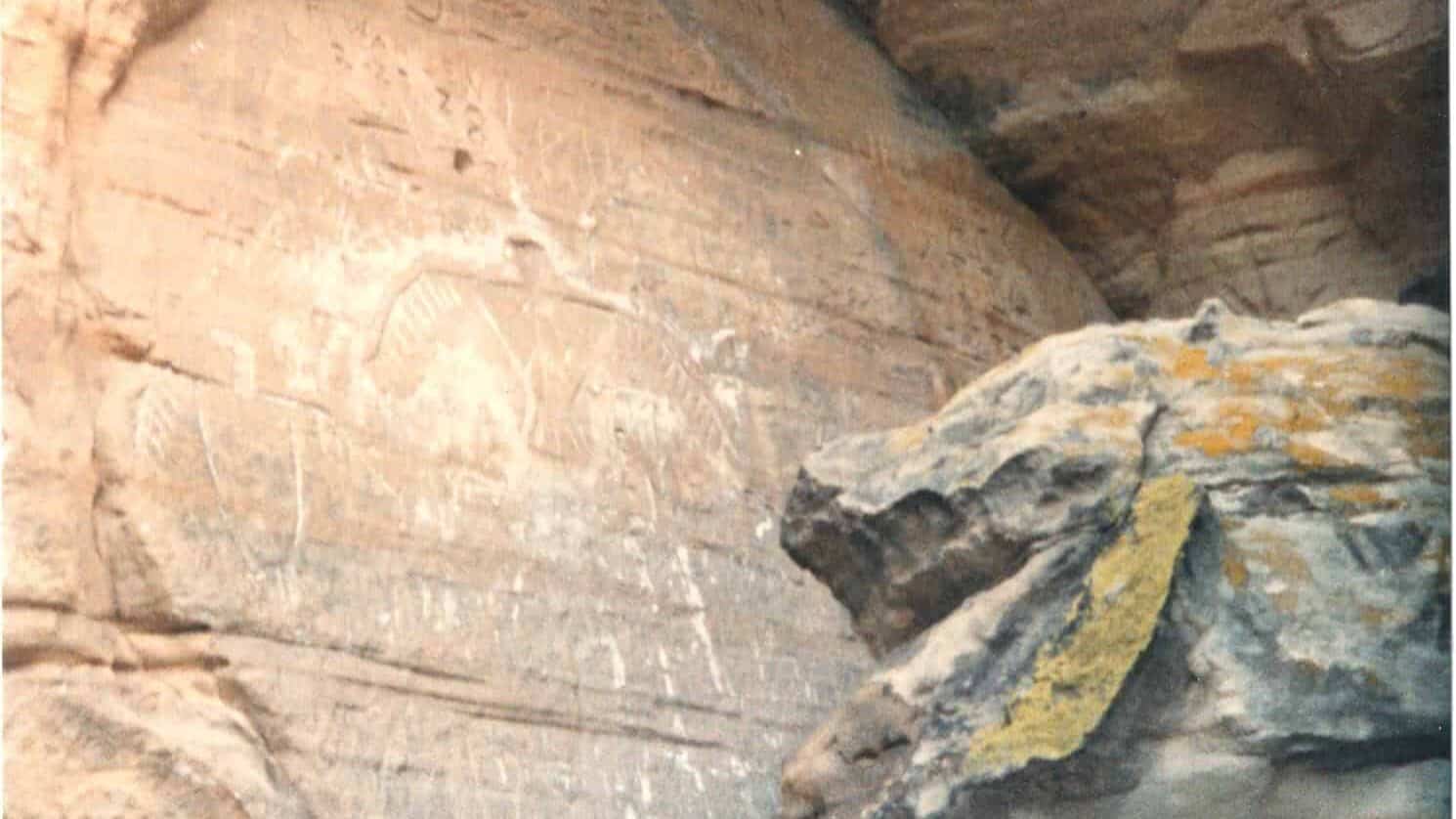
The Thunderbird holds a revered place in many Native American traditions, particularly among tribes of the Pacific Northwest, Plains, and Southwest. This enormous bird—sometimes described as large enough to carry off whales or bison—controls the upper world, creating thunder by flapping its massive wings and lightning by blinking its eyes. The Thunderbird serves as a powerful spiritual being that maintains balance in the world, bringing rain to parched lands and protecting humans from dangerous underworld spirits.
Different tribes portray the Thunderbird with varying physical characteristics, but it is typically depicted with an eagle-like appearance, colorful plumage, and supernatural powers. The Lakota people consider the Thunderbird a messenger from the Great Spirit, while the Ojibwe view it as the ruler of the western sky. Archaeological evidence of Thunderbird imagery dates back thousands of years, appearing in rock art, pottery, and ceremonial objects throughout North America. Unlike many folkloric creatures, the Thunderbird transcends mere legend status—it remains an active spiritual entity in many Indigenous belief systems today.
The Fearsome Wendigo of Northern Forests
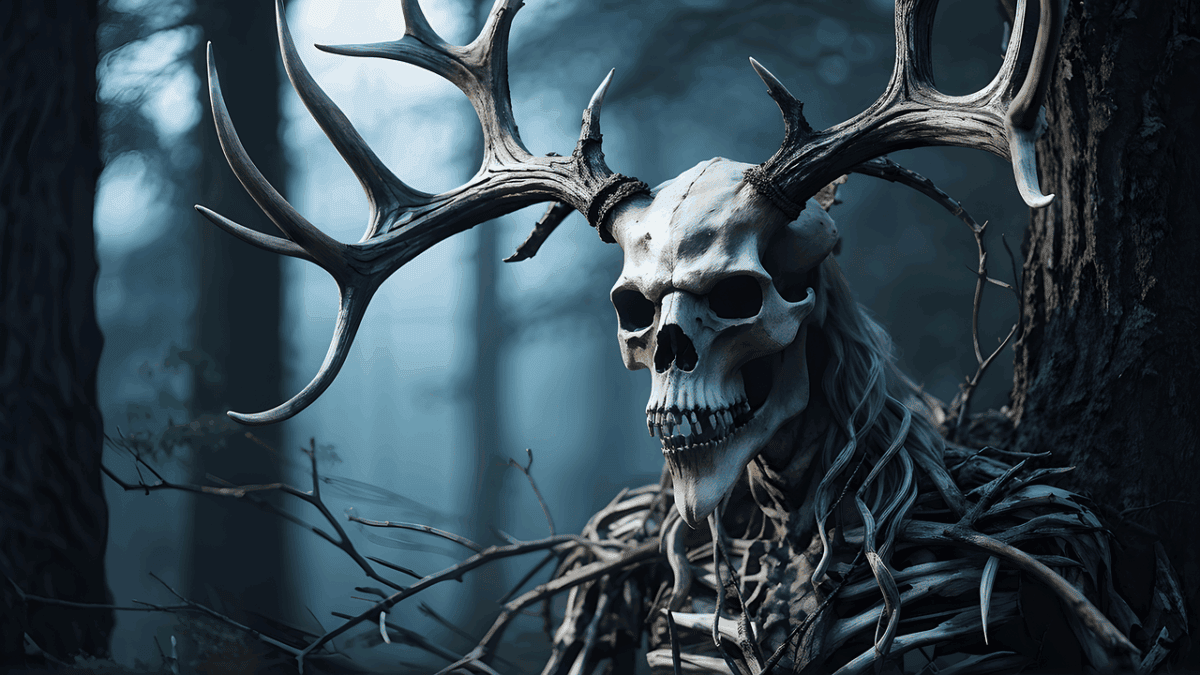
The Wendigo emerges from the forested regions of the Northern United States and Canada, particularly in Algonquian-speaking communities including the Ojibwe, Cree, and Assiniboine peoples. This terrifying creature represents the dangers of greed, isolation, and starvation. According to traditional beliefs, the Wendigo was once human but transformed after engaging in cannibalism, becoming an emaciated, gaunt figure with a heart of ice, glowing eyes, and an insatiable hunger.
Wendigo stories served practical purposes in Indigenous communities, warning against overconsumption and the dangers of winter isolation. Colonial accounts from the 17th and 18th centuries documented “Wendigo psychosis,” a culture-bound syndrome where individuals developed an obsessive desire to consume human flesh during times of extreme food scarcity. The Wendigo has experienced renewed popularity in contemporary American culture, appearing in literature, film, and television—though often stripped of its original cultural context. Modern interpretations frequently portray the Wendigo as a deer-like humanoid with antlers, a visual representation that bears little resemblance to traditional descriptions but has become recognizable in popular culture.
The Trickster Coyote: Shape-Shifter and Culture Hero
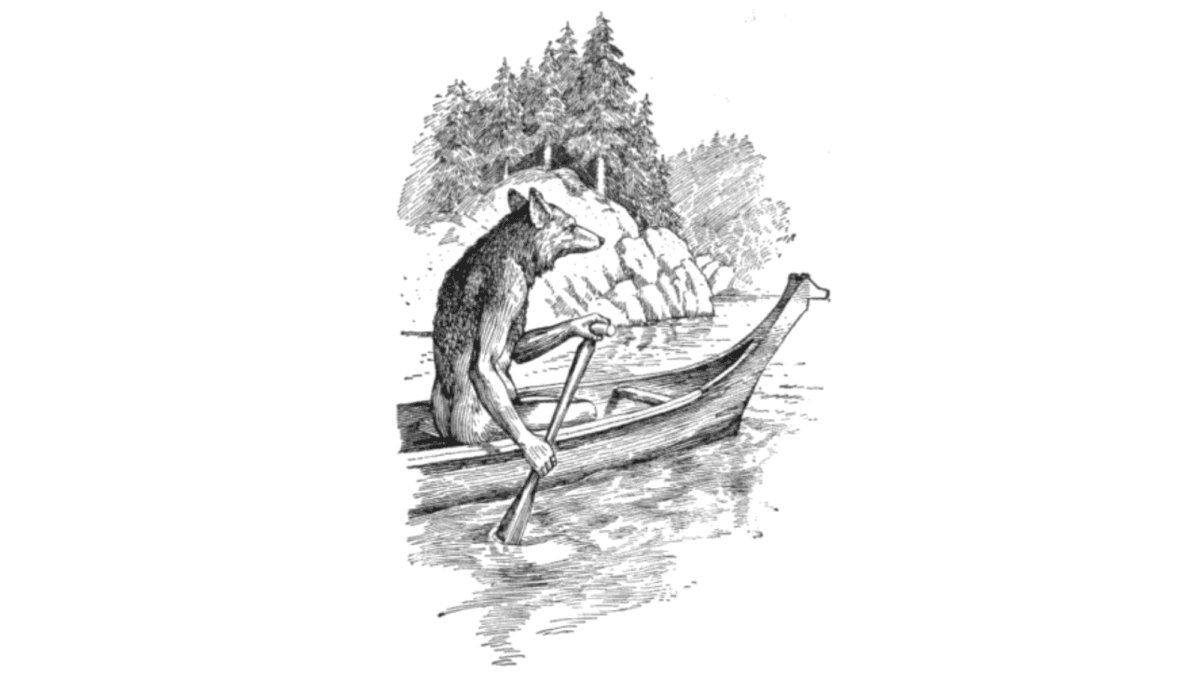
Coyote stands as one of the most widespread and complex figures in Native American folklore, particularly among tribes of the Southwest, Plains, and Pacific Northwest. Unlike purely supernatural creatures, coyotes exist as real animals whose intelligence and adaptability have inspired countless stories portraying them as clever tricksters, culture heroes, and sometimes creators. In Navajo tradition, Coyote plays an essential role in the emergence story, while among the Hopi, he appears as both a helper and a troublemaker.
The duality of Coyote’s nature makes him particularly fascinating—he frequently breaks societal rules but simultaneously establishes cultural practices and important institutions. Through folly and cleverness, Coyote stories teach moral lessons while acknowledging the unpredictable nature of existence. As European settlers moved westward, they encountered both real coyotes and Indigenous stories about them, leading to the animal’s incorporation into frontier folklore as a symbol of wilderness resilience. Today, as actual coyotes have adapted remarkably well to urban environments throughout the United States, their mythological reputation as adaptive tricksters seems increasingly appropriate.
The Misunderstood Bigfoot: America’s Wild Man
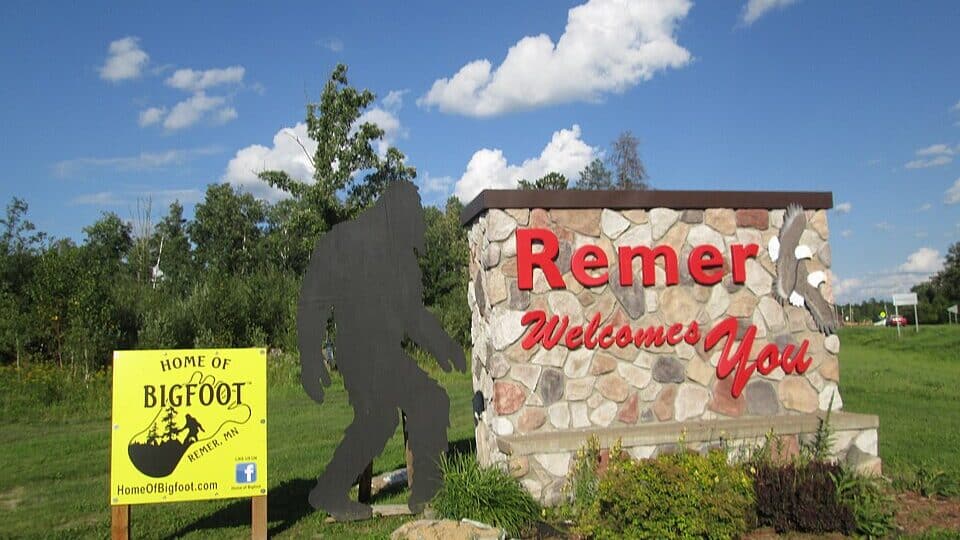
Bigfoot, also known as Sasquatch, represents perhaps America’s most famous folkloric creature. Though reports exist throughout North America, the Pacific Northwest—particularly Northern California, Oregon, and Washington—claims the densest concentration of sightings. Indigenous peoples of the region, including the Coast Salish, Lummi, and other tribes, have long told stories of wild, hairy humanoids living deep in the forests, often describing them as spiritual beings rather than animals.
The modern Bigfoot phenomenon began in earnest in 1958 with the discovery of large, humanoid footprints at a construction site in Bluff Creek, California (later revealed to be a hoax). The famous 1967 Patterson-Gimlin film, purporting to show a female Bigfoot walking along a creek bed, cemented the creature’s place in American popular culture. Despite decades of searches, no conclusive scientific evidence supports Bigfoot’s existence, yet thousands of Americans report encounters each year. Bigfoot has evolved beyond mere folklore into a cultural icon representing wilderness, mystery, and the possibility that untamed spaces might still harbor undiscovered creatures. The popularity of Bigfoot tourism, festivals, and research groups demonstrates how deeply this legendary creature has become embedded in America’s relationship with its wild spaces.
The Jersey Devil: Pine Barrens Phantom

The New Jersey Pine Barrens—a heavily forested coastal plain covering over one million acres—has been home to the legendary Jersey Devil for over 300 years. According to the most common version of the legend, the creature was born in 1735 to Mother Leeds, who cursed her thirteenth child during a difficult labor. Upon birth, the child transformed into a creature with a horse’s head, bat wings, hooved feet, and a forked tail, before flying up the chimney and disappearing into the Pine Barrens.
The Jersey Devil achieved peak notoriety during a 1909 panic, when newspapers reported multiple sightings across New Jersey and eastern Pennsylvania, causing schools and factories to close temporarily. Cryptozoologists have proposed various explanations for the Jersey Devil phenomenon, from misidentifications of known animals like sandhill cranes to mass hysteria. Historians note that the legend likely reflects tensions between the isolated Pine Barrens communities and surrounding settlements, as well as religious conflicts between the dominant Quaker population and the Leeds family’s alleged ties to witchcraft. Today, the Jersey Devil serves as New Jersey’s unofficial state monster, lending its name to the NHL hockey team and numerous local businesses while remaining a fixture of regional identity.
The Resilient Jackalope: Western Tall Tale
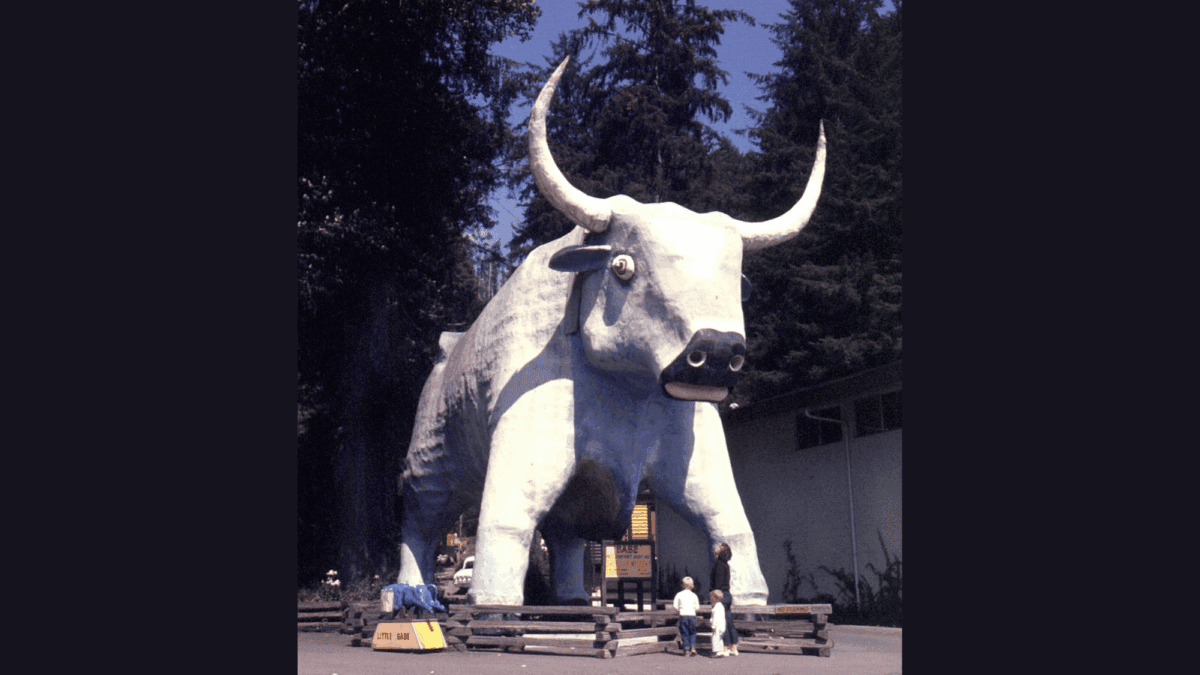
The jackalope—a jackrabbit sporting antelope horns—represents one of America’s most beloved cryptozoological hoaxes. Unlike many folkloric creatures with ancient origins, the jackalope was deliberately created in the 1930s by Wyoming brothers Douglas and Ralph Herrick, who combined their hunting and taxidermy skills to mount a rabbit with deer antlers. What began as a practical joke evolved into a widespread Western tall tale, with postcard sales and mounted specimens becoming popular tourist souvenirs throughout Wyoming, South Dakota, and other Western states.
The jackalope legend expanded to include various humorous abilities, including a talent for mimicking human voices and an affinity for whiskey. Road signs warning of jackalope crossings and hunting licenses (often specifying that hunters may only catch jackalopes during non-existent times like “February 31st”) perpetuate the good-natured hoax. Biologists note that the jackalope may have been inspired by rabbits infected with the Shope papilloma virus, which causes horn-like growths on rabbits’ heads and faces. Despite its relatively recent and artificial origins, the jackalope has become genuinely integrated into Western American folklore, representing the frontier tradition of tall tales and the distinctive humor of the American West.
The Ominous Mothman: Harbinger of Disaster
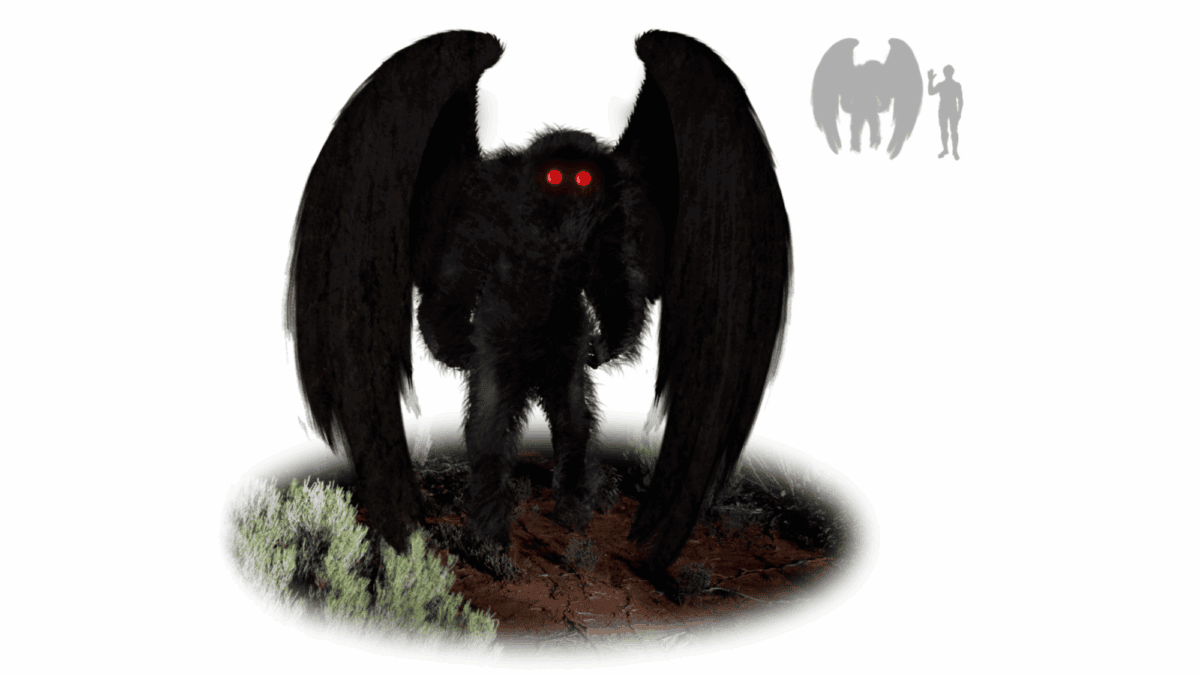
The Mothman legend originated in Point Pleasant, West Virginia, during a concentrated period between November 1966 and December 1967. Multiple witnesses reported encountering a large, gray creature standing 6-7 feet tall with glowing red eyes and enormous wings. The sightings culminated with the December 15, 1967, collapse of the Silver Bridge over the Ohio River, which killed 46 people. Following this tragedy, Mothman sightings in the area largely ceased, leading many to associate the creature with the disaster—either as a cause or, more commonly, as a harbinger warning of the impending catastrophe.
Journalist John Keel’s 1975 book “The Mothman Prophecies” popularized the legend nationally, proposing connections between Mothman and other paranormal phenomena. Skeptics have suggested the sightings might be explained by misidentifications of barn owls or sandhill cranes, both of which can appear unusually large and have reflective eyes when illuminated at night. Others point to mass hysteria following initial reports. Unlike some regional cryptids, Mothman has achieved international recognition, inspiring films, books, and an annual festival in Point Pleasant that draws thousands of visitors. The creature’s alleged connection to disaster has established a pattern where Mothman sightings are retrospectively reported preceding other tragedies, including the 9/11 attacks and the I-35W bridge collapse in Minneapolis.
The Elusive Hide-Behind: Lumberjack’s Nightmare
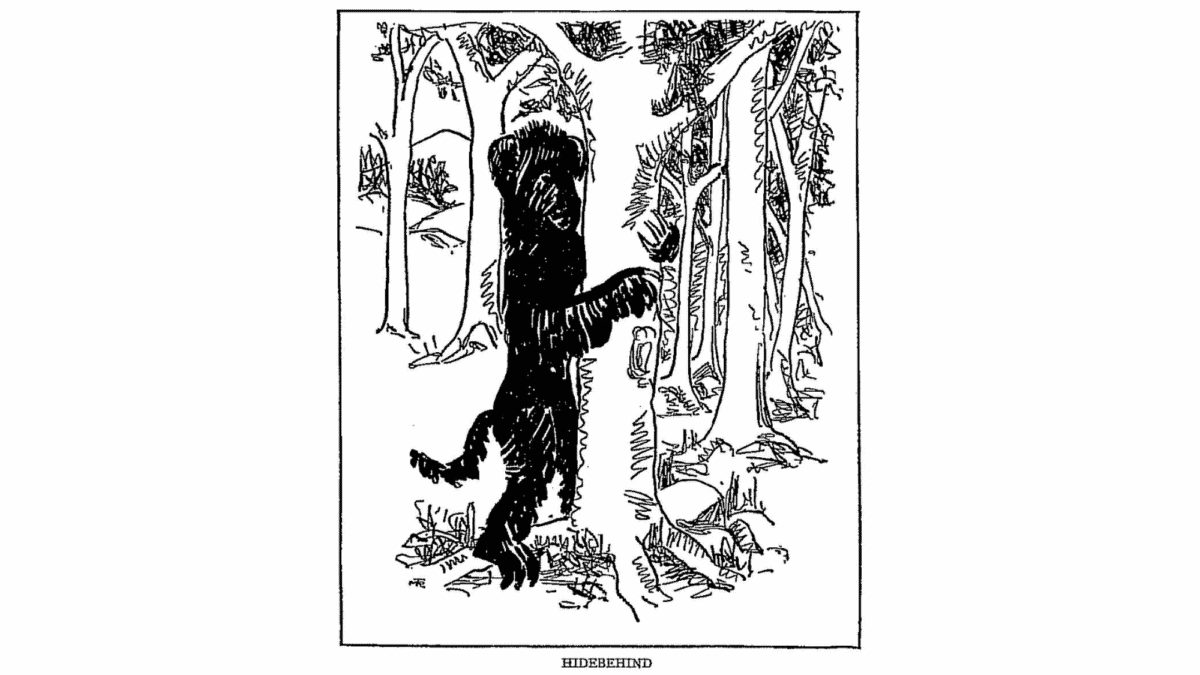
The Hide-Behind represents a unique creature in American folklore, notable for its defining characteristic—it remains perpetually just out of sight, always hiding behind something when humans attempt to observe it. This evasive forest creature originated in lumber camp stories throughout the Northeast and Great Lakes regions during the late 19th and early 20th centuries. Lumberjacks described sensing an unseen presence following them through the forest, particularly at dusk or dawn, yet whenever they turned to look, the creature would instantly relocate to remain hidden.
Descriptions of the Hide-Behind’s appearance vary dramatically, with some accounts describing a tall, slender humanoid figure, while others portray a bearlike or raccoon-like animal. The creature’s most consistent feature is its uncanny ability to remain unseen. Hide-Behind stories functioned as both entertainment during long winter evenings in isolated camps and as cautionary tales encouraging workers to return to camp before dark. Folklorists note similarities between the Hide-Behind and creatures from European folklore that followed solitary travelers, suggesting the legend may have evolved from Old World traditions. The famed American naturalist and conservationist Aldo Leopold playfully referenced the Hide-Behind in some of his writings, helping to preserve this distinctly American woodland spirit in literary tradition.
The Monstrous Hodag: Wisconsin’s Fearsome Critter
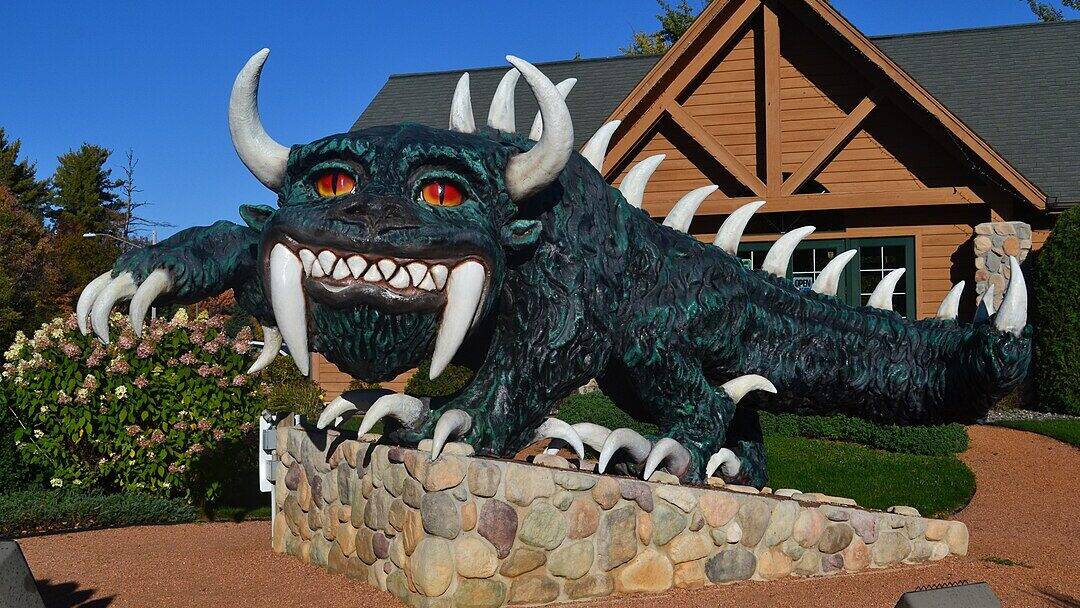
The Hodag emerged from the lumber camps of Wisconsin in the 1890s as one of the most elaborate “fearsome critters”—the category of fanciful beasts invented by frontier workers to entertain themselves and fool newcomers. According to legend, the Hodag possesses the head of a frog, the face of an elephant, spikes along its spine, and a tail tipped with spears. Eugene Shepard, a timber cruiser and prankster from Rhinelander, Wisconsin, claimed to have captured a Hodag in 1893, displaying a cleverly constructed model with hidden wires to make it move during exhibitions.
Shepard’s hoax became so convincing that reportedly the Smithsonian Institution expressed interest in examining the specimen, prompting Shepard to admit the deception. Despite its fraudulent origins, the Hodag has become a beloved regional mascot, serving as the official symbol of Rhinelander and the namesake of the city’s high school sports teams. The Hodag represents a distinctive American tradition of humorous tall tales designed to test the gullibility of outsiders while building camaraderie among insiders. Unlike cryptids reported by earnest believers, the Hodag was a knowing fabrication that transformed into genuine folklore through community adoption and celebration.
The Chilling Snallygaster: Maryland’s Flying Terror

The Snallygaster terrorized rural Maryland communities, particularly Frederick County, during the early 20th century. This flying creature was described as part reptile and part bird with a metallic beak lined with razor-sharp teeth, octopus-like tentacles, and a single eye in the center of its forehead. The name “Snallygaster” likely derives from the German term “schneller geist,” meaning “quick ghost,” reflecting the region’s Pennsylvania Dutch heritage. First appearing in print in early newspaper accounts from the 1730s, the creature experienced a significant revival in February 1909 when a series of newspaper articles reported multiple sightings.
These 1909 reports coincided with similar sensational stories about the Jersey Devil, suggesting a regional wave of cryptid interest or possibly coordinated media fabrication to boost newspaper sales. According to folklore, the Snallygaster preyed on livestock and had a particular fondness for whiskey, which locals would leave in troughs to intoxicate and capture the beast. The Snallygaster legends peaked again in the 1930s, when local newspapers reported President Theodore Roosevelt was considering postponing an African safari to hunt the creature instead. While less widely known than creatures like Bigfoot or the Jersey Devil, the Snallygaster represents an important example of how European-derived folklore adapted to American settings, incorporating elements of frontier fears and sensationalist journalism.
The Legendary White Buffalo: Sacred Messenger

The white buffalo holds profound spiritual significance in many Native American traditions, particularly among Plains tribes such as the Lakota, Dakota, and Nakota. Unlike purely mythological creatures, white buffalo are real but extremely rare genetic variants of the American bison, occurring in approximately one of every 10 million births. In Lakota tradition, the White Buffalo Calf Woman is a sacred cultural hero who brought the sacred pipe and established many religious practices and social laws. The appearance of a white buffalo calf is interpreted as a sign of coming peace and prosperity and an indication that prayers are being heard.
When white buffalo calves are born on ranches today, they often become the focus of pilgrimages and ceremonies by Indigenous peoples. The 1994 birth of Miracle, a female white buffalo on a farm in Wisconsin, attracted visitors from across North America and was celebrated with ceremonies attended by members of numerous tribes. The white buffalo represents a rare case where a folkloric animal exists in reality, though with vastly different frequency than in stories. Its cultural significance has persisted despite the near-extinction of the American bison in the late 19th century and the disruption of many traditional Native American practices, demonstrating the resilience of this powerful symbol in American spiritual traditions.
America’s Folkloric Menagerie
The wild animals of American folklore represent a complex tapestry of cultural influences, environmental relationships, and historical developments that continue to evolve today. From ancient Indigenous spiritual beings like the Thunderbird to deliberate hoaxes like the jackalope that gained genuine folkloric status, these creatures reveal America’s ongoing fascination with the mysteries of the natural world. Many of these legends continue to serve important functions in contemporary culture—creating regional identity, preserving traditional knowledge, exploring psychological fears, and maintaining connections to the untamed aspects of the landscape.
While scientific understanding has eliminated the possibility of many cryptids’ physical existence, their cultural significance often transcends questions of literal reality. The persistence of these stories in the age of information suggests they fulfill deep psychological and social needs that science alone cannot satisfy. As Americans’ relationship with wilderness continues to change through urbanization and environmental challenges, folkloric animals evolve to reflect new concerns and values, demonstrating the dynamic nature of these traditions.
From the fearsome predators that stalked the edges of early settlements to modern urban legends of mutant creatures in sewers and abandoned places, animal folklore has consistently helped Americans process their fears and hopes about the natural world. These stories ultimately reveal as much about human nature as they do about the creatures they describe—showing how we project our values, anxieties, and wonder onto the animals, both real and imagined, with whom we share this continent.

- What’s Hiding in the Forests of the Pacific Northwest - July 21, 2026
- Tarsiers: The Tiny Primates with Giant Eyes - July 21, 2026
- Are Zoos Still Ethical in 2025? - July 21, 2026