
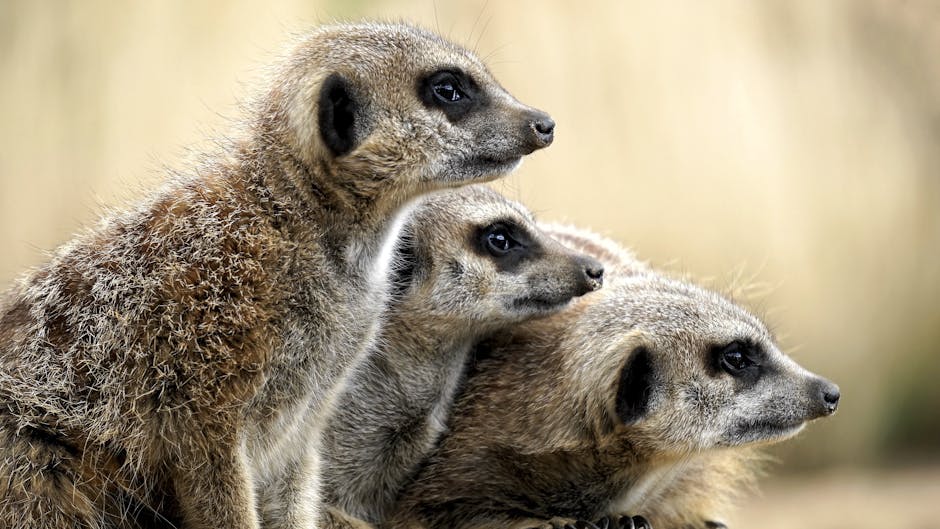
Testosterone. Just the word conjures up images of raw power, fierce competition, and relentless dominance. In the wild, this hormone is far more than just a chemical floating through an animal’s bloodstream – it’s a biological force that shapes behavior, builds bodies, determines who eats and who gets eaten, and decides who gets to pass their genes to the next generation.
It’s honestly one of the most fascinating subjects in all of animal biology. Some of the creatures on this list will surprise you. A few might even make you slightly nervous. The science behind animal testosterone is far stranger, far more nuanced, and far more gripping than most people expect. So let’s dive in.
The Elephant in Musth: Nature’s Most Explosive Hormonal Surge
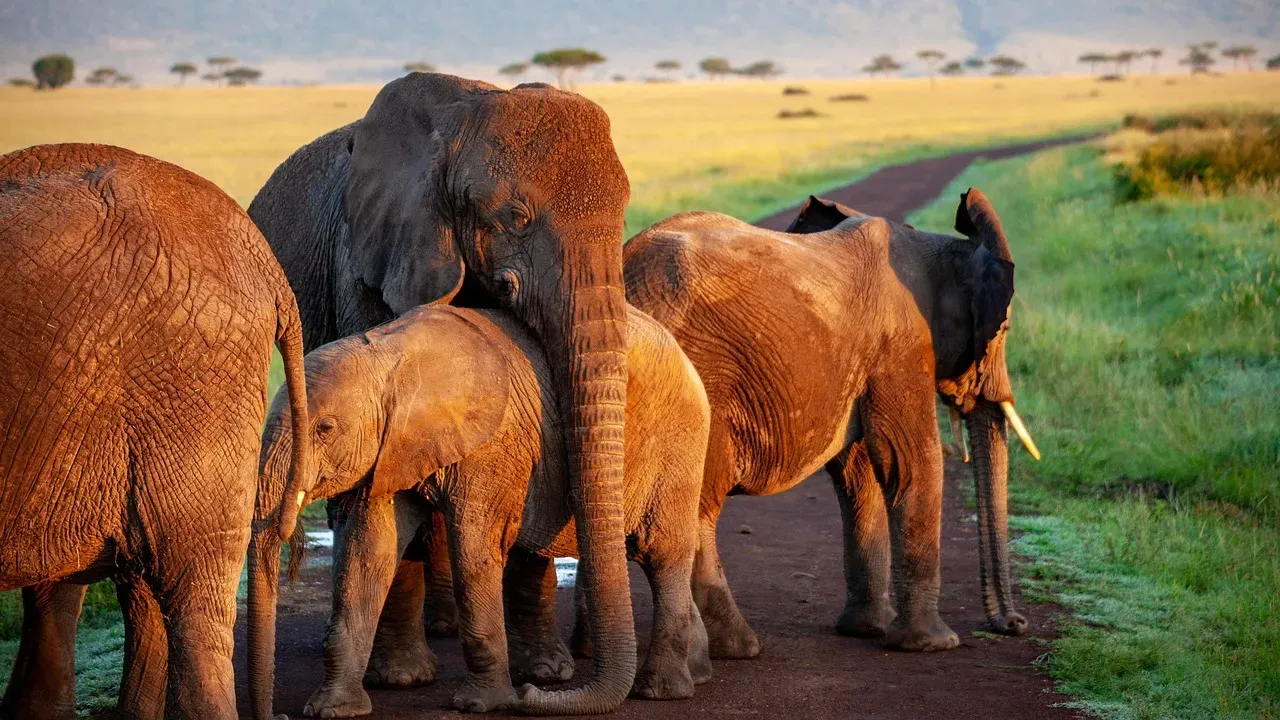
Here’s a fact that will genuinely stop you in your tracks. Male elephants periodically enter a dramatic biological state known as “musth,” and what happens to their testosterone levels during this period is nothing short of extraordinary.
Male elephants regularly undergo a unique sexual period of musth that is characterized by elevated testosterone. Unlike the heightened reproductive seasonality of other mammals, musth is nonseasonal and asynchronous among males. Think of it like a hormonal storm that hits each individual bull on its own unpredictable schedule, not tied to seasons the way deer or seals operate.
During musth, testosterone levels in Asian elephants have been recorded between 19 and 40 nanograms per milliliter, with an average of around 26 nanograms per milliliter. For context, a typical adult human male sits somewhere in the range of 2 to 7.5 nanograms per milliliter. The numbers are staggering.
Male elephants experience a biological phenomenon called musth, characterized by a suite of physiological and behavioral changes which serve to facilitate copulation between the sexes. What does this actually look like in practice? Musth bulls become dangerously unpredictable, leak a pungent secretion from their temporal glands, and can challenge animals and obstacles many times their normal risk threshold.
Musth occurs annually after periods of high androgen secretion, and there is a positive correlation between the duration of musth and mean concentrations of testosterone in the previous two months. In groups of bulls, there is also a positive correlation between social rank and mean testosterone concentrations. In other words, the more dominant the bull, the more intense the hormonal surge tends to be. It’s a feedback loop of power and biology that is almost poetic in its brutality.
The Gorilla Silverback: Testosterone Written on the Body Itself
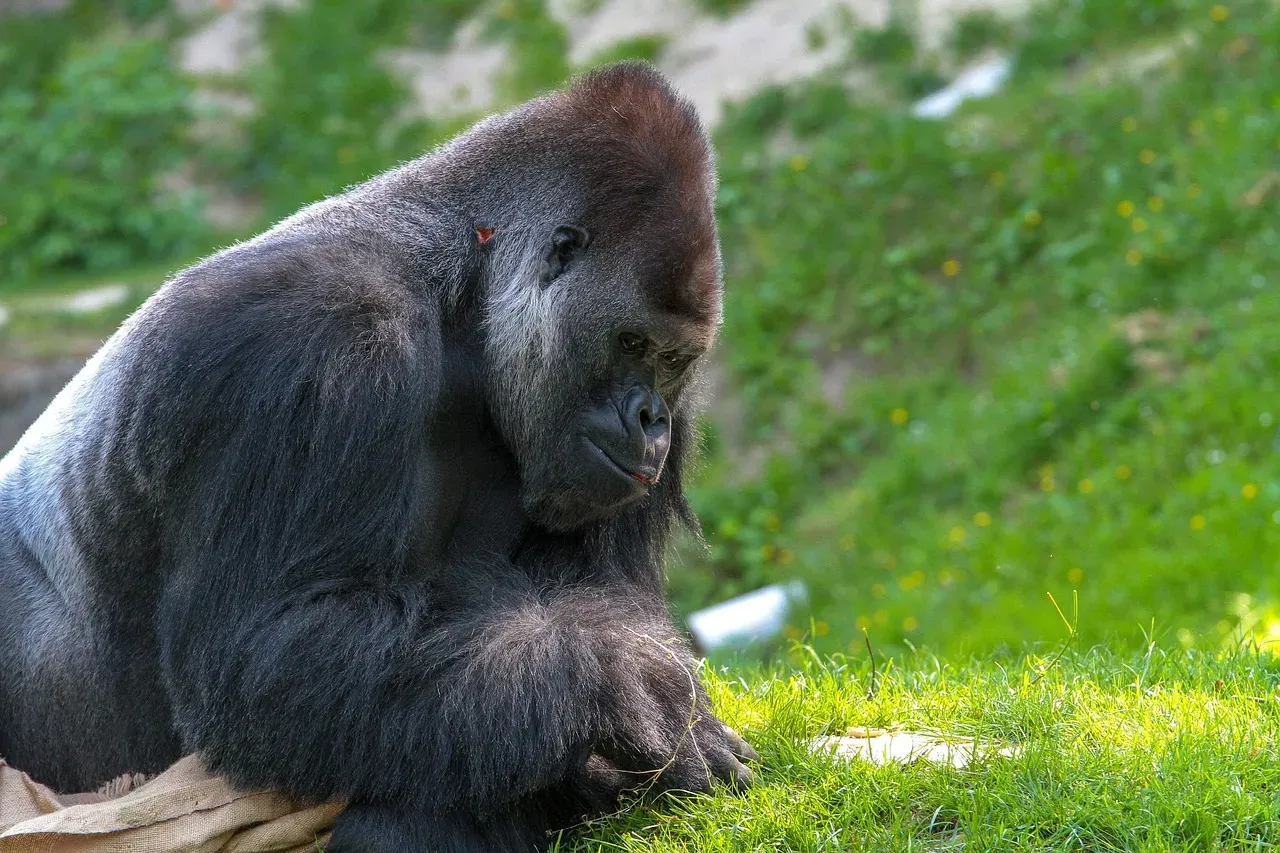
If you’ve ever seen a silverback gorilla up close, you already understand that something hormonally extraordinary is at work. That iconic silver patch spreading across the back isn’t just a cosmetic quirk.
Each gorilla group has a single dominant male known as the silverback. The distinctive silver color of the animal’s back is essentially a visible readout of its testosterone level. Let that sink in. The animal wears its hormone status like a uniform.
Gorillas illustrate that the Darwinian consequences of social status are considerable. Only the dominant male gets to breed. Males are selected for large size because the largest individuals can intimidate breeding rivals, and males are much bigger than females as a result.
Urinary steroid hormone levels were measured in wild male mountain gorillas to determine how levels of testosterone and cortisol corresponded with age and social rank, with urine samples collected noninvasively from 18 males ranging in age from 3 to 26 years.
Dominant males exhibited a trend toward significantly higher levels of testosterone than subordinate males. So even within a species, the gap between a dominant silverback and a lower-ranking male is measurable in cold hormonal numbers. I think this is one of the clearest demonstrations in nature that testosterone and power are genuinely intertwined, not just a cultural myth we’ve projected onto animals.
Although alpha males produce more offspring, there is a price to be paid in terms of higher mortality and reduced life expectancy. High testosterone, high stakes. Always.
The Meerkat Matriarchy: When Females Out-Testosterone the Males
Now here is where the story gets genuinely wild, and honestly, a little humbling for anyone who assumed testosterone was purely a “male thing.”
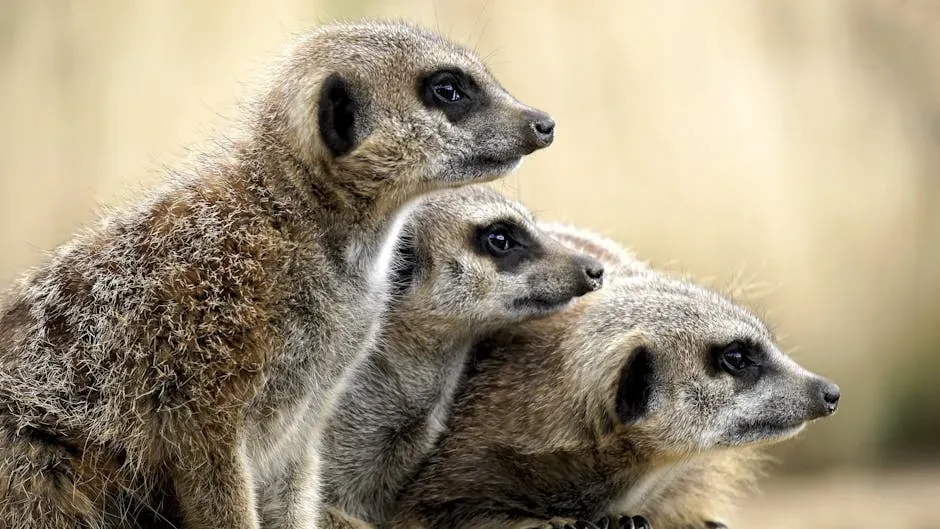
A pair of Duke University studies identified meerkats of the southern tip of Africa as an animal group in which females can produce even more testosterone than males. Female meerkats with naturally high levels of testosterone-related hormones are more likely to be leaders, but they also pay a price for being macho.
Duke professor Christine Drea and research associate Charli Davies and colleagues found that female meerkats can produce up to twice as much testosterone as males. Twice as much. From the females.
Squirrel-sized members of the mongoose family, meerkats live in groups ruled by a single dominant female with as many as 50 lower-ranking male and female helpers. In meerkats, it’s the females who do most of the growling, biting and chasing. The top-ranking meerkat queens are the biggest bullies, shoving, charging and swiping food from the females beneath them.
The boss female meerkat even banishes other females who manage to get pregnant, or kills their pups. This keeps the other females devoted to feeding and watching over her babies instead of their own. Brutal social strategy. Effective, ruthless, and driven by testosterone from a tiny creature you’d probably find adorable at a zoo.
There are other species in which females rule, but meerkats are the only known animals in which traditional sex hormone patterns are reversed. That last detail is what makes them so remarkable from a scientific standpoint.
The Bull Shark and the Myth of the Most Testosterone-Fueled Predator
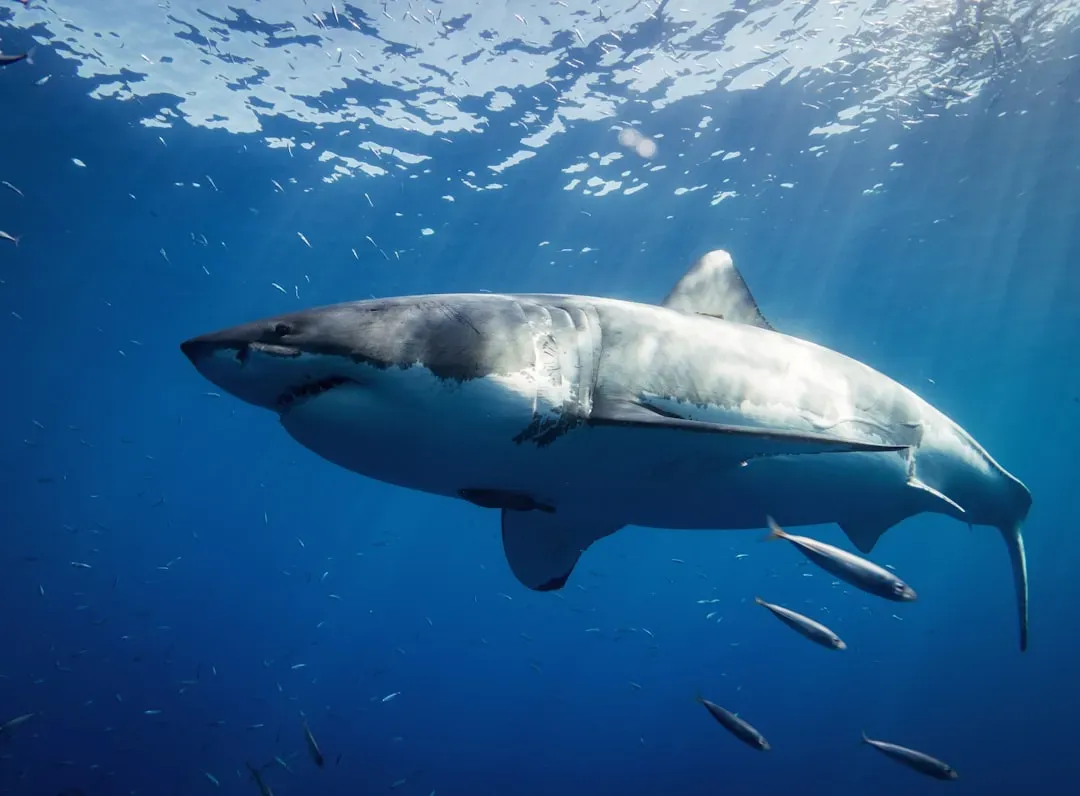
Let’s be real: practically everyone has heard the famous claim about bull sharks having more testosterone than any other animal on Earth. It’s been repeated on nature documentaries, in diving circles, and in popular culture so many times it feels like established fact. Here’s the thing: the reality is far more complicated.
In wild bull sharks caught right before the breeding season, serum testosterone levels were much higher, reaching an average of 185 nanograms per milliliter, which was 4 to 10 times higher than levels found in two other shark species. Those are impressively high numbers, no question.
One shark did test at 358 nanograms per milliliter, a value described as “among the highest recorded in vertebrate serum.” That single recorded peak is what launched a thousand internet claims. However, scientists point out that one extreme data point doesn’t define the whole species.
It turns out it’s not that hard to find high testosterone levels in fish. Other sharks have high levels too, like the bonnethead, whose highest levels have been recorded at 303 nanograms per milliliter. In that species, even females have higher levels than an elephant, at a whopping 74 nanograms per milliliter at maximum.
According to the best available scientific information, the idea that bull sharks are super-juiced compared to other animals isn’t definitively true. Yet in the news and even on the Discovery Channel’s Shark Week, the highest-testosterone-in-the-world bull shark narrative remains the norm.
Still, the bull shark remains genuinely fascinating from a hormonal standpoint. Its aggression, its ability to thrive in both salt and freshwater, its fearlessness in shallow coastal zones – all of this paints the picture of an animal operating on a different biological level.
Chimpanzees, Social Rank, and the Testosterone Surprise
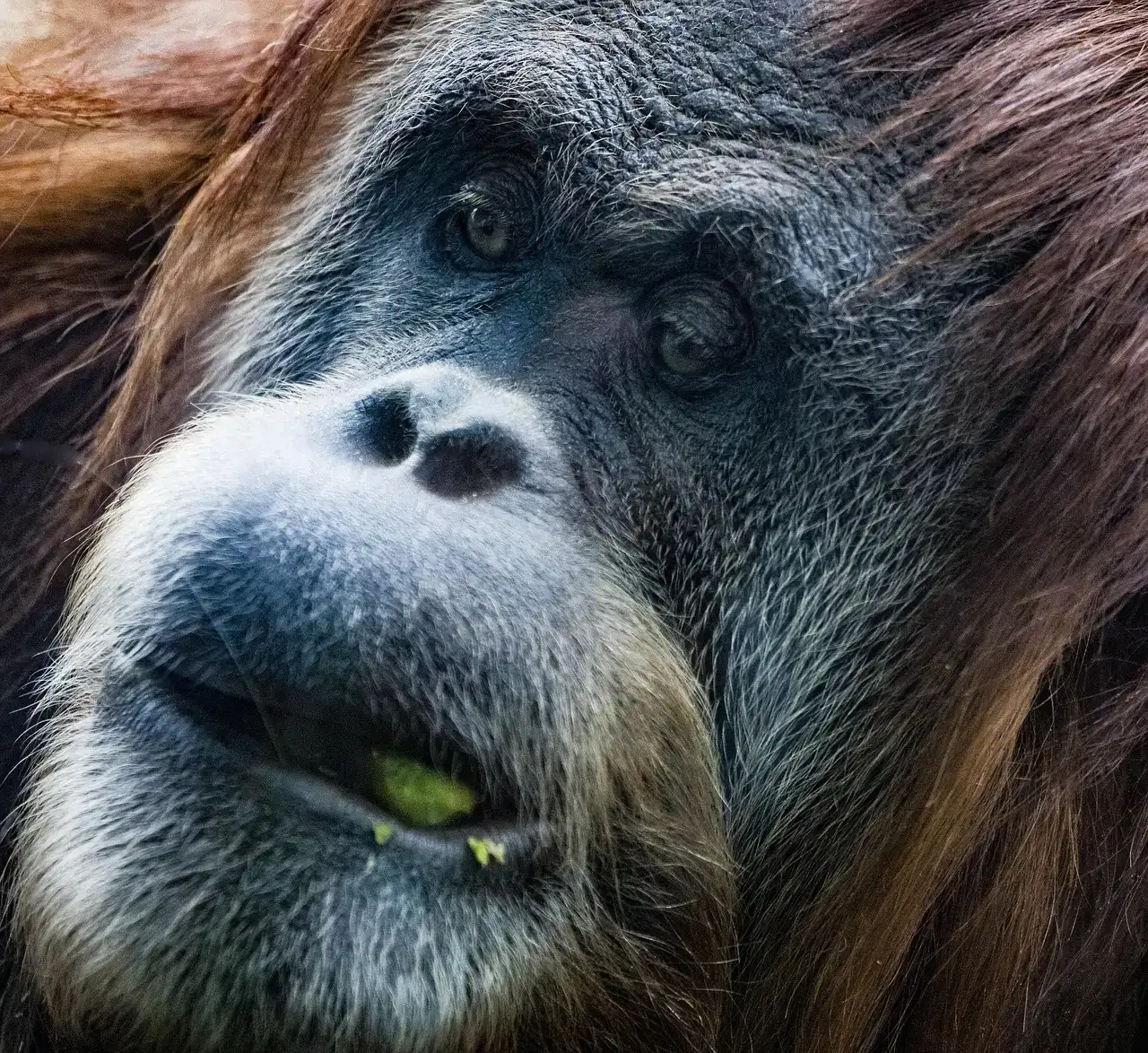
Here’s a story that science has been quietly rewriting for years, and the conclusions might surprise anyone who assumes more testosterone always equals more aggression and dominance.
Research by a team of primatologists at Arizona State University is dispelling some myths about testosterone and aggression in primates. The team found that more testosterone does not mean more aggression in wild chimpanzees.
Observations from a range of wild primates support the “Challenge Hypothesis,” which posits that variation in male testosterone is more closely associated with aggressive mating competition than with reproductive physiology. In both seasonally and non-seasonally breeding species, males increase testosterone production primarily when competing for fecund females.
In species where males compete to maintain long-term access to females, testosterone increases when males are threatened with losing access to females rather than during mating periods. When male status is linked to mating success and depends on aggression, high-ranking males normally maintain higher testosterone levels than subordinates, particularly when dominance hierarchies are unstable.
Think of it like a pressure gauge on a boiler. The testosterone doesn’t stay pinned at max all the time. It spikes precisely when the competitive heat is on. A chimpanzee in a stable group where no one is challenging his position can maintain relatively lower levels – and that’s actually adaptive, not weak.
When animals rise in social status, their testosterone levels increase as well. This change produces the increased confidence that accrues to social status as well as increased aggression. Some high-status animals often look healthier but may have a shorter lifespan. The biological cost of testosterone in the wild is a theme that runs through every species on this list.
Conclusion: The Wild, Complicated World of Animal Testosterone
Testosterone in the wild is not the simple, blunt instrument we tend to imagine. It’s a precision tool, a surge that arrives when needed and retreats when the stakes lower. It builds silver backs on gorillas, drives elephants to near-madness during musth, turns female meerkats into tiny tyrants, and probably makes bull sharks somewhat more thrilling than your average reef fish.
What’s genuinely captivating about all this science is how much it challenges our assumptions. Females out-testosterone males in some species. A single shark might spike to record levels while others of its kind test unremarkably. Dominant chimps don’t always show the highest numbers. Nature, as always, refuses to be simple.
The more we study hormones in wildlife, the more we realize that testosterone is less about raw aggression and more about strategic biological investment. It rises when the reward justifies the risk and the cost. It’s a molecule shaped by millions of years of survival math.
Honestly, I find that far more interesting than the old “roid-rage animal” narrative. What about you – which of these creatures surprised you most?

- 6 Exotic Bird Species You Can Spot in U.S. National Parks - July 19, 2026
- 11 Iconic American Birds Facing New Challenges and How You Can Help - July 19, 2026
- 10 Friendliest Animals in the World - July 19, 2026