


Beneath the picturesque beauty of Yellowstone National Park’s shimmering lakes lies a geological and biological secret that has fascinated scientists for decades. This hidden underwater world offers a glimpse into the extraordinary forces that have shaped this iconic landscape and continues to influence its unique ecosystems. From thermal vents releasing superheated water to bizarre microbial communities thriving in extreme conditions, Yellowstone’s lakes harbor mysteries that connect directly to the park’s volatile volcanic underpinnings. This article explores the remarkable subaquatic environments that remain largely unseen by the park’s millions of visitors, revealing how these concealed features tell a story of geological drama, biological adaptation, and the raw power of Earth’s internal forces.
The Volcanic Foundation of Yellowstone’s Lakes

Yellowstone National Park sits atop one of the world’s largest active supervolcanoes, with a magma chamber that stretches approximately 37 miles long, 18 miles wide, and up to 8 miles deep. This enormous reservoir of molten rock provides the heat source that drives the park’s famous geothermal features and influences its lakes in profound ways. The Yellowstone Caldera, formed by three massive eruptions over the past 2.1 million years, created the topographical depressions that would eventually become many of the park’s lakes. Yellowstone Lake, the largest high-elevation lake in North America, occupies part of this caldera, sitting directly above some of the most active geothermal areas in the region. This volatile foundation means that the lakes of Yellowstone are not simply passive bodies of water but dynamic systems intimately connected to the geological forces churning beneath the park’s surface.
Hydrothermal Explosions: Lakes with Violent Histories
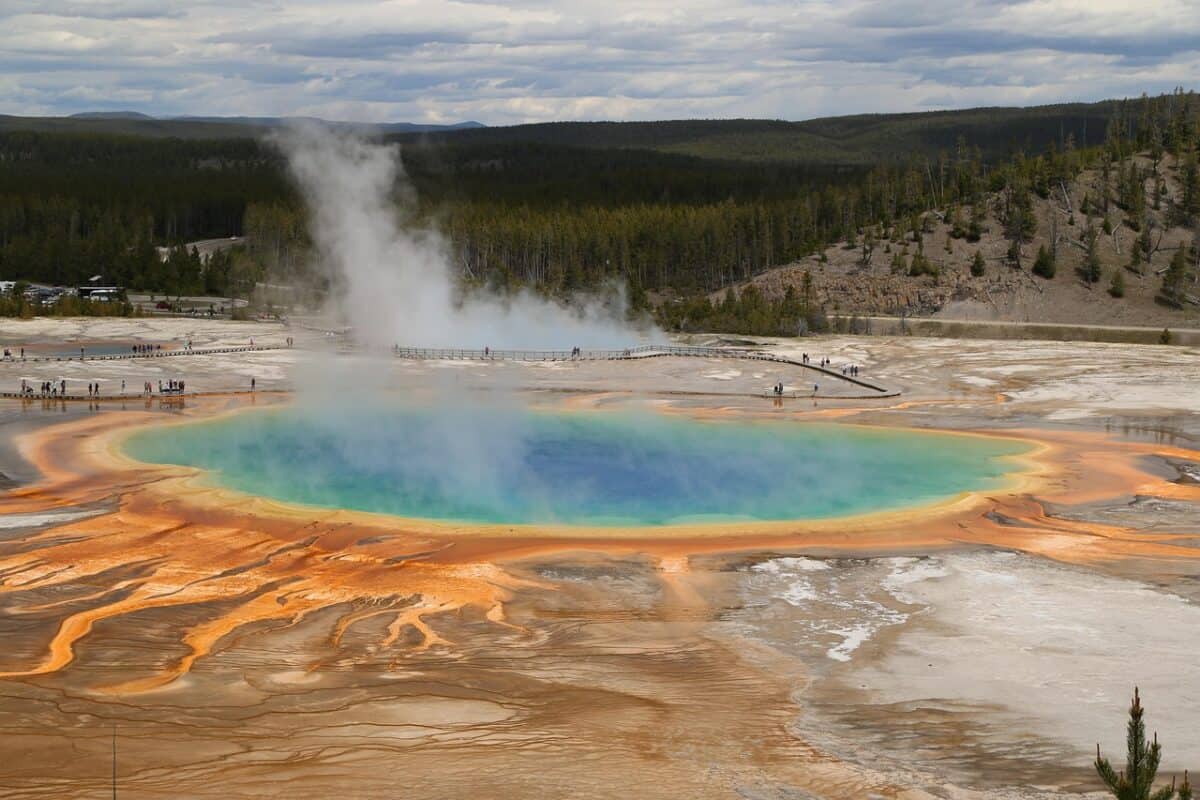
Some of Yellowstone’s most picturesque lakes have formed through catastrophic events known as hydrothermal explosions. These violent geological phenomena occur when superheated water in underground reservoirs suddenly flashes to steam, creating massive explosions that blast out craters. Mary Bay on the northern shore of Yellowstone Lake was created approximately 13,800 years ago by one of the largest hydrothermal explosions documented in the world, ejecting more than 77 million cubic feet of rock and sediment.
Indian Pond, another feature near Yellowstone Lake, formed from a similar explosion about 3,000 years ago. These explosive origins reveal that the tranquil lake surfaces visible today mask histories of sudden, violent geological activity—a reminder of the dynamic forces still at work beneath the park. Scientists continue to monitor these areas, as similar explosions remain possible in the geologically active Yellowstone system.
Underwater Geysers and Hot Springs
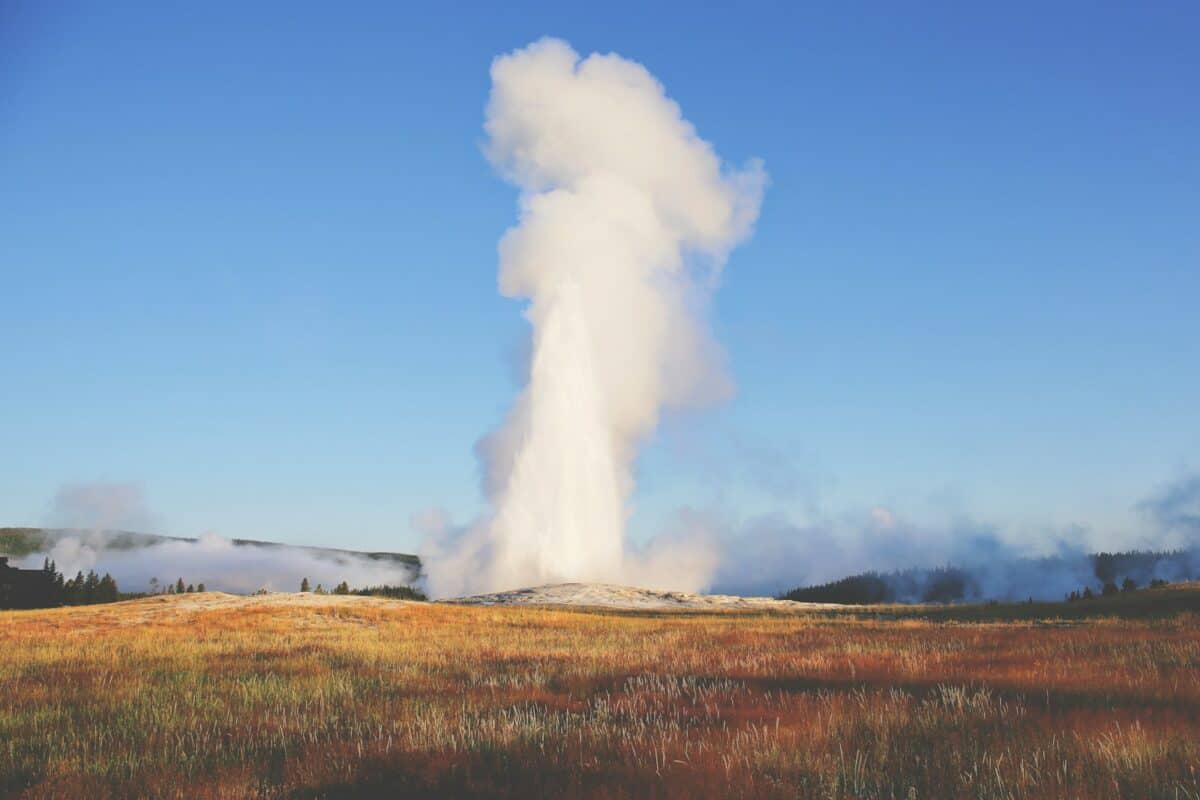
While Yellowstone’s terrestrial geysers like Old Faithful attract millions of visitors annually, few realize that similar features exist beneath the surface of the park’s lakes. Underwater thermal vents, sometimes called “deep hot springs,” punctuate the lake floors, releasing superheated water and creating localized hot spots in the otherwise cold mountain lakes. In Yellowstone Lake, researchers have documented hundreds of these hydrothermal vents, some releasing water as hot as 406°F (208°C)—well above the boiling point at sea level. These underwater features create dramatic temperature gradients, with near-freezing water just feet away from scalding hydrothermal discharge. The West Thumb Geyser Basin extends from the shoreline directly into Yellowstone Lake, creating a seamless transition between terrestrial and submerged thermal features. This underwater geothermal activity represents one of the most active and least visible aspects of Yellowstone’s famous thermal systems.
Microbial Life in Extreme Conditions

The hydrothermal vents beneath Yellowstone’s lakes support some of the most extreme-loving microbial communities on Earth. These thermophiles (heat-loving microorganisms) and hyperthermophiles (extreme heat-lovers) have adapted to not only the scorching temperatures but also to water chemistry that would be lethal to most life forms. Scientists have discovered microbes thriving in waters with temperatures exceeding 175°F (80°C), highly acidic or alkaline conditions, and environments rich in toxic compounds like hydrogen sulfide and arsenic.
These remarkable organisms use chemosynthesis rather than photosynthesis to produce energy, harvesting chemical energy from the mineral-rich vent water. The discovery of such life forms in Yellowstone’s underwater thermal features has revolutionized our understanding of life’s boundaries and has even informed NASA’s search for potential life on other planets. Some species found in these environments exist nowhere else on Earth, making Yellowstone’s lake bottoms unique biological treasures.
The Yellowstone Lake Spire: An Underwater Monument

One of the most extraordinary discoveries beneath Yellowstone Lake came in 1997 when researchers using submersible technology encountered a massive hydrothermal spire rising from the lake floor. This impressive structure, standing over 20 feet tall, was found in the northern basin of the lake at a depth of approximately 100 feet. The chimney-like formation is composed of silica deposits that precipitated out of the mineral-rich hydrothermal fluids as they cooled upon contact with the colder lake water.
Similar to “black smoker” chimneys found in deep-sea environments, this spire represents a rare freshwater example of such formations. While initially active and venting hot water when discovered, subsequent visits found the spire had become dormant, demonstrating the dynamic nature of Yellowstone’s hydrothermal systems. This remarkable structure stands as silent testimony to the ongoing geological processes reshaping the hidden landscapes beneath Yellowstone’s waters.
Submerged Shorelines: Evidence of a Dynamic Past

Beneath the surface of Yellowstone Lake lies evidence of dramatic changes in water levels over millennia. Underwater archaeological surveys have revealed submerged shorelines, ancient beach terraces, and even drowned forests, all indicating that the lake’s level has fluctuated significantly throughout its history. Some submerged shorelines rest 100 feet below the current water surface, suggesting massive changes in the lake’s volume and extent.
These variations result from a combination of factors including climate change, geological upheaval, and changes in the lake’s outlet channels. Perhaps most fascinating is the “breathing” of the Yellowstone Caldera—a phenomenon where portions of the ground rise and fall like a slowly inhaling and exhaling chest due to magmatic and hydrothermal activity below. This geological breathing alters lake levels and shorelines, sometimes submerging lands that were once dry. These underwater landscapes provide scientists with valuable information about Yellowstone’s climatic and geological history.
The Mystery of Underwater Forests

Some of Yellowstone’s lakes harbor perfectly preserved ancient forests standing upright on the lake bottoms. In Yellowstone Lake and other smaller lakes throughout the park, researchers have documented stands of submerged trees that have remained remarkably intact despite being underwater for centuries or millennia. These submarine forests result from landslides, sudden flooding events, or gradual changes in water levels that submerged once-terrestrial ecosystems. The cold, relatively low-oxygen conditions of the lake waters have preserved the wood in exceptional condition, with some trees showing minimal decomposition despite their great age. Radiocarbon dating of these submerged trees provides scientists with precise timelines for geological events in Yellowstone’s history. Each submerged forest tells a story of landscape transformation, offering a unique window into the park’s dynamic past. The presence of these preserved forests demonstrates how Yellowstone’s lakes serve as natural time capsules, preserving evidence of environmental changes across millennia.
Geothermal Influences on Lake Ecosystems

The geothermal activity beneath Yellowstone’s lakes creates unique ecological niches that influence the entire aquatic food web. The influx of minerals from hydrothermal vents fertilizes these mountain lakes, providing nutrients that would otherwise be scarce in high-elevation freshwater environments. This geothermal enrichment supports unusually productive ecosystems for mountain lakes, with distinctive patterns of phytoplankton and zooplankton distribution around thermal features.
Fish and other aquatic organisms have developed behavioral adaptations to navigate the patchwork of hot and cold zones, with some species learning to exploit the resource-rich areas near vents while avoiding potentially lethal temperatures. Researchers have observed lake trout and other fish species gathering near the edges of hydrothermal zones, taking advantage of the abundant food while staying just outside dangerous temperature thresholds. This complex interplay between geology and biology has created lake ecosystems unlike any others on Earth, where the boundaries between hostile and hospitable environments shift constantly.
Bacterial Mats: Living Carpets of Color

One of the most visually striking features of Yellowstone’s underwater thermal areas is the presence of vibrant bacterial mats that carpet the lake bottom near hydrothermal vents. These living microbiological communities form thick, colorful layers that can extend for hundreds of square feet around thermal features. The extraordinary hues—ranging from brilliant oranges and yellows to deep greens and blues—come from different species of thermophilic bacteria and archaea, each adapted to specific temperature and chemical conditions.
The color gradients often indicate temperature transitions, with different microbial communities dominating at different distances from heat sources. These bacterial mats are not merely passive residents of these environments but active engineers, precipitating minerals, altering water chemistry, and creating microhabitats for other organisms. When viewed through clear mountain water, these vibrant living carpets create otherworldly landscapes on the lake floors, visual evidence of life’s remarkable ability to colonize extreme environments.
CO2 Pools: Deadly Lakes Within Lakes

Among the most dangerous hidden features in Yellowstone’s lakes are areas known as CO2 pools—localized zones where carbon dioxide saturates the water, creating potentially lethal conditions for unwary swimmers or divers. These pools form where CO2 from magmatic sources seeps through the lake floor and dissolves in the water. Unlike normal lake water, which typically contains minimal dissolved CO2, these areas can become supersaturated with the gas.
In extreme cases, disturbances to these waters can trigger sudden CO2 releases, creating hazardous conditions similar to (though typically smaller than) the infamous Lake Nyos disaster in Cameroon that killed over 1,700 people in 1986. Park researchers have identified several such areas in Yellowstone Lake, particularly near active hydrothermal zones. These invisible hazards represent one of the less-known dangers in Yellowstone’s backcountry waters. The National Park Service monitors these areas and restricts access to some of the most dangerous zones to protect visitors.
Research Challenges in a Remote Underwater World
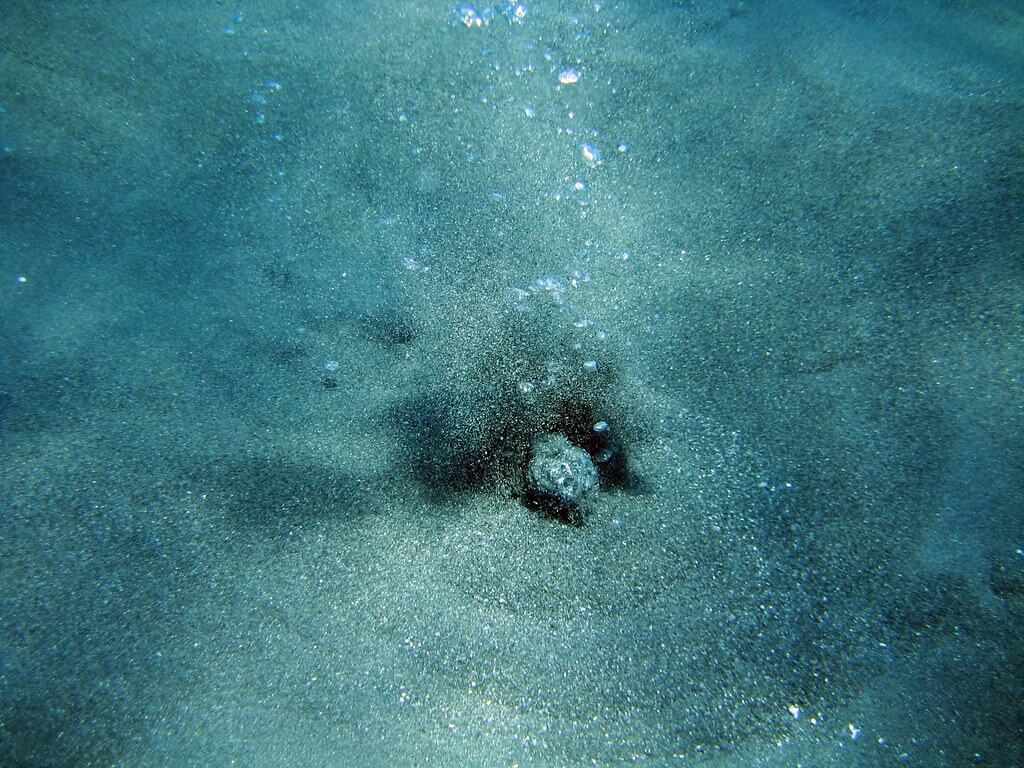
Studying the hidden depths of Yellowstone’s lakes presents extraordinary challenges that have made this environment one of the least explored in the national park system. The combination of high elevation, extreme cold, active geothermal features, and remote locations creates formidable obstacles for researchers. Water temperatures in the lakes can dip below 40°F (4°C) even in summer, requiring specialized diving equipment and limiting human dive times. The unpredictable nature of hydrothermal vents presents serious safety concerns, as sudden temperature changes or hydrothermal explosions pose risks to research teams.
Additionally, the protected status of Yellowstone as America’s first national park means that research activities are carefully regulated to minimize environmental impacts. Despite these challenges, scientists continue to develop innovative approaches to study these environments, including remotely operated vehicles (ROVs), autonomous underwater vehicles (AUVs), and non-invasive sampling techniques. Each new study reveals previously unknown aspects of these fascinating underwater ecosystems, highlighting how much remains to be discovered.
Conclusion: The Continuing Mystery Beneath the Surface
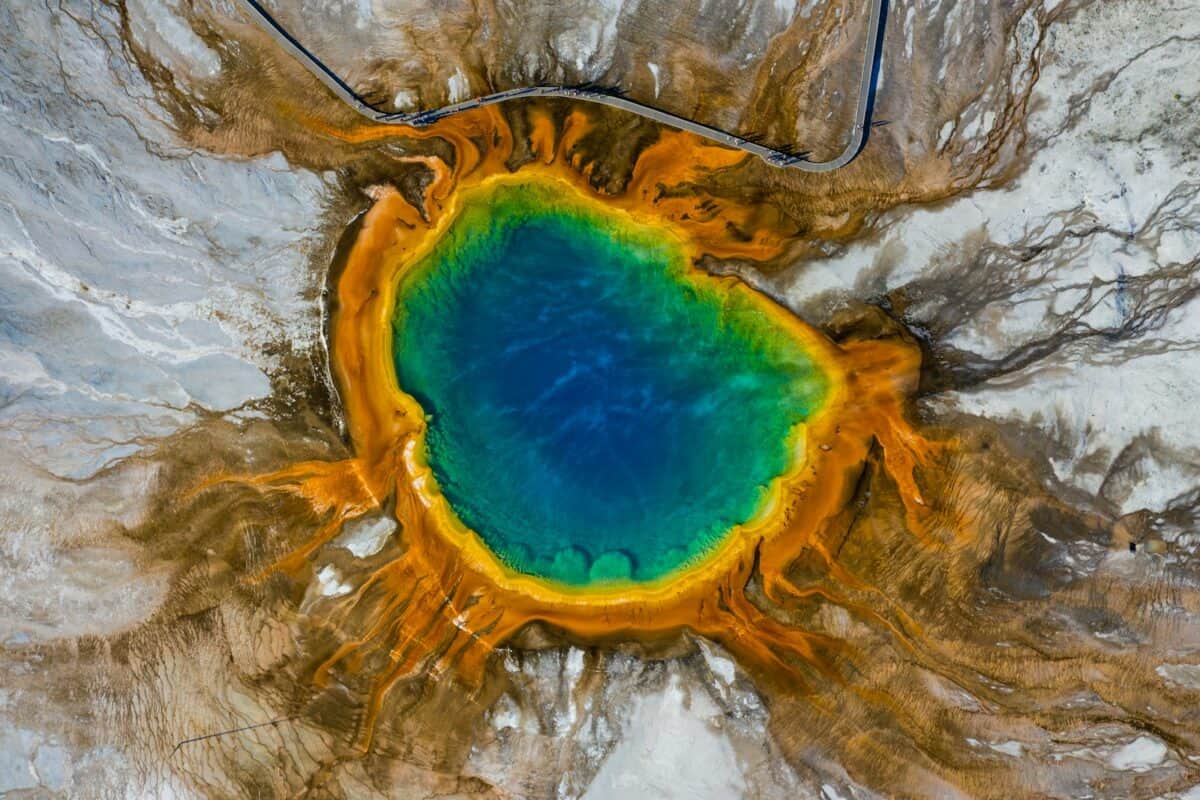
The hidden world beneath Yellowstone’s lakes represents one of America’s last great unexplored frontiers, where geology, biology, and chemistry converge to create environments that challenge our understanding of Earth’s processes. As research technology advances, scientists continue to uncover new aspects of these submerged landscapes, from previously unknown thermal features to novel species of extremophile microorganisms.
These discoveries not only enhance our understanding of Yellowstone’s natural systems but also provide insights into how life might exist in extreme environments on other planets. The lakes’ secrets remind us that even in one of the world’s most studied and visited natural areas, mysteries remain hidden just beneath the surface, waiting to be revealed. As stewards of this remarkable natural laboratory, we face the ongoing challenge of balancing scientific exploration with preservation, ensuring that Yellowstone’s underwater wonders remain protected for future generations to study and appreciate.

From exploring the marine wonders in the Azores and witnessing the vast savannas of Kenya, to delving deep into the rich biodiversity of South Africa and traversing iconic landscapes in Australia and the US like Yellowstone, Chris's experiences are vast.
With a penchant for diving alongside sharks, the ocean holds a special place in his heart.
Through his academic insights, he champions wildlife conservation, striving with 'Animals Around The Globe' to cultivate a profound connection between humans and animals, enhancing our mutual appreciation.
Connect with him at Feedback@animalsaroundtheglobe.com.