

Deep in the coastal regions of North America, a fascinating behavioral adaptation has emerged among certain wolf populations. These remarkable predators, known for their traditional pack hunting methods, have embraced an entirely new approach to securing prey. Researchers and wildlife observers have documented wolves along the Pacific Northwest coastline and parts of Alaska developing specialized techniques to harvest marine resources—a behavior previously unrecorded in scientific literature. This article explores this extraordinary adaptation, examining how these intelligent canids have expanded their hunting repertoire beyond the conventional pursuit of ungulates to include systematic harvesting of marine life, demonstrating once again the remarkable adaptability of these apex predators in response to their environment.
The Unexpected Coastal Hunters

When we think of wolves, most of us envision packs racing across snowy plains in pursuit of elk or deer. However, coastal wolf populations in places like British Columbia’s Great Bear Rainforest and parts of Alaska have broken this stereotype. These wolves have developed a remarkable ability to synchronize their hunting activities with the tidal cycles, arriving at shorelines during low tide to search for marine bounty. This behavior represents a significant departure from traditional wolf hunting strategies and showcases their cognitive flexibility. Unlike their inland counterparts who rely almost exclusively on ungulate prey, these coastal wolves have effectively become part-time marine predators, expanding their ecological niche in an unprecedented way.
The Origins of Tidal Hunting

The emergence of this unique hunting behavior likely began as opportunistic scavenging before evolving into a deliberate, calculated hunting technique. Scientists theorize that wolves initially discovered the nutritional value of marine resources when encountering washed-up carcasses along shorelines. Over generations, this opportunistic feeding behavior appears to have developed into a sophisticated understanding of tidal patterns and marine resource availability. Genetic studies suggest that coastal wolf populations may have diverged from inland wolves between 5,000 to 7,000 years ago, providing ample time for this specialized behavior to develop. The wolves’ ability to adapt to coastal environments demonstrates the species’ remarkable behavioral plasticity—a trait that has contributed to their survival across diverse landscapes throughout the Northern Hemisphere.
Clam Digging: The Strange New Technique
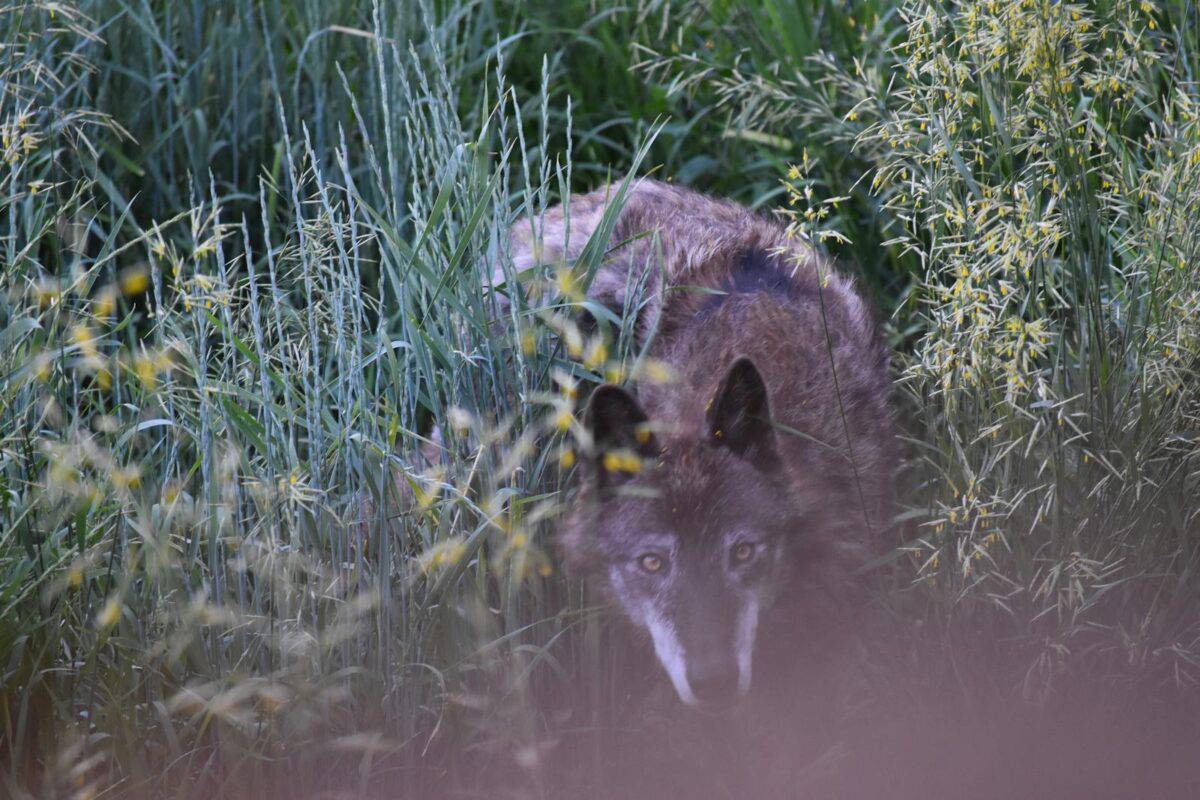
Perhaps the most surprising aspect of coastal wolves’ marine hunting repertoire is their systematic clam-digging behavior. Observers have documented wolves using their sensitive noses to detect clams buried in tidal mudflats, then employing their powerful paws to dig efficiently through the substrate. Once exposed, the wolves crack the shellfish open with their strong jaws to access the nutritious meat inside. This behavior requires a sophisticated understanding of where clams are likely to be found, how to extract them, and how to process them for consumption. What makes this behavior particularly remarkable is its similarity to how coastal indigenous peoples have traditionally harvested clams—a case of convergent foraging strategies developed in response to the same environmental resources.
Salmon Specialists

Beyond shellfish harvesting, coastal wolves have developed specialized techniques for catching salmon during spawning seasons. Unlike bears who often wait at the top of falls to catch jumping fish, wolves employ more collaborative methods. Researchers have observed wolves positioning themselves strategically along shallow spawning channels, with some pack members herding fish toward others waiting to make the catch. This behavior demonstrates not only problem-solving abilities but also the cooperative hunting that wolves are renowned for, adapted to an entirely new prey type. DNA analysis of wolf scat from coastal regions has revealed that salmon can constitute up to 25% of some wolves’ diets during spawning season, representing a significant nutritional resource.
Beach-Combing Behaviors

Coastal wolves have developed a sophisticated understanding of beach environments as productive foraging grounds. Beyond clams and salmon, these adaptable predators scavenge for a wide array of marine resources washed ashore. They consume beached marine mammals, bird eggs, and various invertebrates found in tidal zones. Observations have documented wolves performing methodical sweeps of beaches after storms, understanding that such weather events often deposit nutritional treasures along the shoreline. They’ve been observed flipping rocks to find crabs and other crustaceans hiding beneath—a behavior requiring both intelligence and dexterity. This generalist approach to coastal foraging helps sustain wolf populations through seasonal changes in prey availability and represents an ecological niche distinctly different from their inland relatives.
The Nutritional Benefits
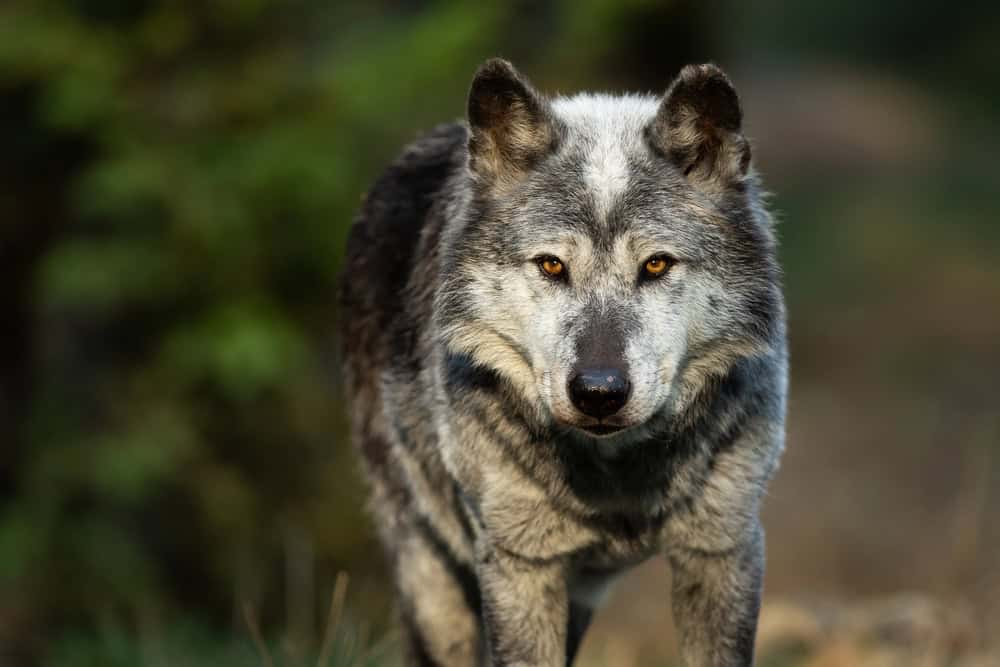
The shift to marine resource utilization offers substantial nutritional advantages for coastal wolf populations. Marine food sources provide essential nutrients that might be limited in terrestrial prey, particularly omega-3 fatty acids found abundantly in seafood. Analysis of coastal wolf tissues has revealed significantly higher concentrations of these beneficial compounds compared to inland wolves. Additionally, marine resources offer critical dietary diversity during winter months when ungulate prey may be scarce or in poor condition. Scientists studying coastal wolf populations have noted that packs with access to marine resources typically maintain better body condition through winter than those restricted to terrestrial prey alone. This nutritional advantage translates to better reproductive success and overall population health, highlighting the adaptive value of this behavioral innovation.
Cultural Transmission of Knowledge

One of the most fascinating aspects of this unique hunting behavior is how it appears to be culturally transmitted within wolf packs rather than being purely instinctual. Researchers have observed adult wolves actively teaching younger pack members the techniques for harvesting marine resources. Wolf pups learn through observation and guided practice, with adult wolves demonstrating proper clam-digging techniques and allowing young wolves to participate in increasingly complex ways as they develop. This social learning process ensures the persistence of these specialized skills across generations. Similar to how human cultural knowledge is passed down, these wolves have developed a tradition of marine resource utilization that constitutes a genuine cultural adaptation—evidence of the sophisticated social learning capabilities of these highly intelligent social carnivores.
Genetic Adaptations Supporting the Behavior

While cultural transmission explains how the behavior spreads within populations, emerging research suggests that coastal wolves may have undergone genetic adaptations that support their marine-focused lifestyle. Preliminary studies indicate that these wolves have developed physiological differences that help them process high-salt marine diets more efficiently than inland wolves. Their digestive systems appear better equipped to extract nutrients from marine resources while managing the higher salt content. Additionally, coastal wolves have evolved waterproof guard hairs and denser undercoats that dry more quickly—adaptations that serve them well in the rainy coastal environments where they regularly enter shallow water to hunt. These genetic changes, coupled with learned behaviors, showcase how natural selection has favored individuals better suited to coastal environments over many generations.
Conservation Implications

The unique adaptations of coastal wolves highlight important conservation considerations. These populations represent distinctive ecological and potentially genetic variants of the species that warrant special protection efforts. However, these wolves face specific threats related to their coastal lifestyle. Marine pollution, declining salmon stocks, and habitat disruption along shorelines all potentially impact their specialized foraging strategies. Climate change presents another significant threat, as rising sea levels may reduce tidal flat areas essential for clam digging, while changing ocean temperatures affect marine ecosystem productivity. Conservation strategies must account for the wolves’ dependence on healthy marine ecosystems and intact coastal access—protection that extends beyond traditional terrestrial habitat conservation approaches typically applied to wolf populations.
Ecological Impacts of the New Hunting Strategy

The wolves’ adoption of marine hunting techniques creates unique ecological relationships not seen in other wolf populations. As they harvest marine resources, coastal wolves transport marine-derived nutrients inland, effectively connecting ocean and forest ecosystems. Studies examining vegetation around coastal wolf den sites have found enriched nitrogen levels attributed to the wolves’ marine diet, creating what ecologists call “hotspots” of fertility. This nutrient transfer supports more productive plant growth, which in turn affects the entire forest ecosystem. Additionally, as predators in the intertidal zone, wolves may influence the behavior and abundance of various marine organisms, creating trophic cascades similar to those documented when wolves prey on ungulates. These complex ecological interactions make coastal wolves important components of their ecosystems in ways distinctly different from their inland counterparts.
Scientific Research Challenges
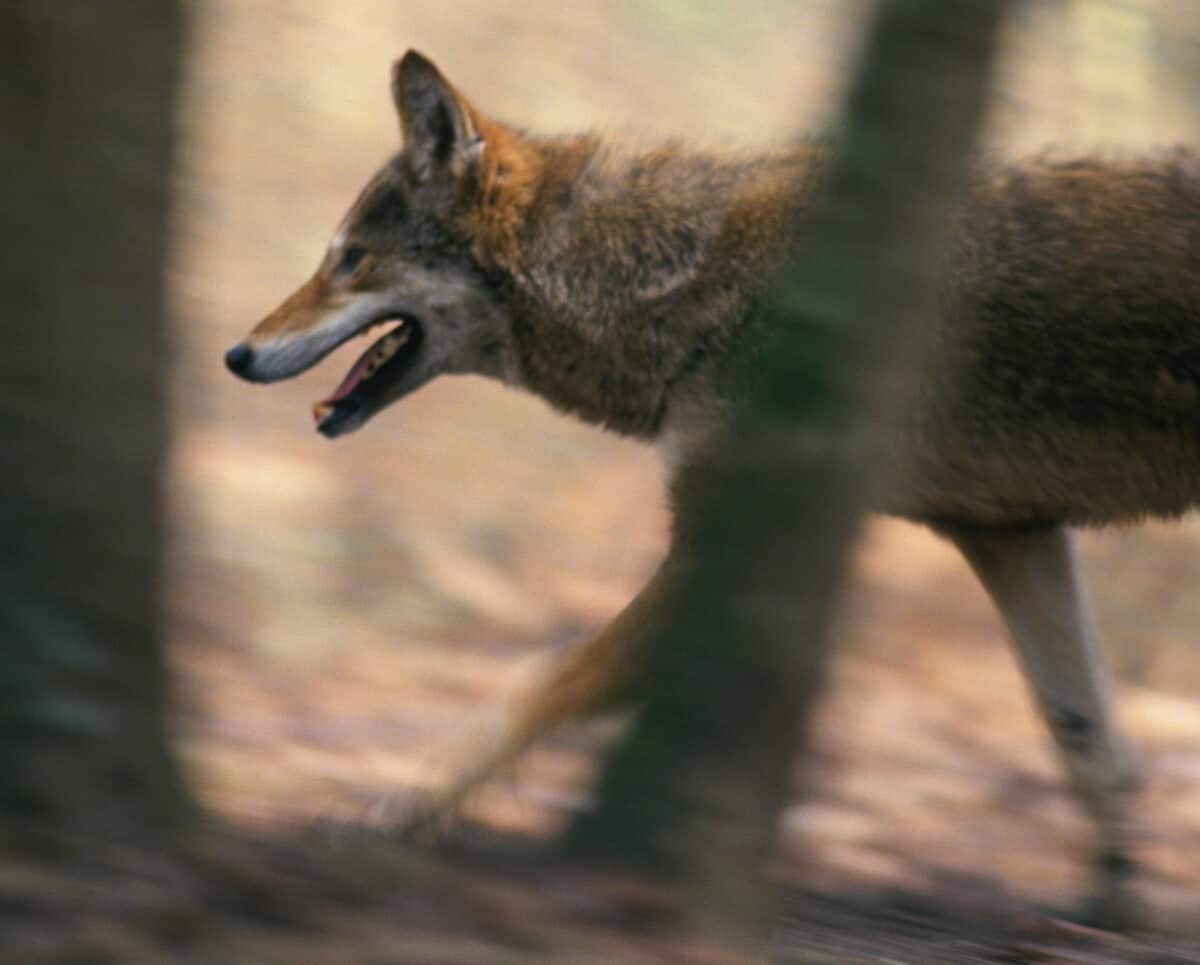
Studying coastal wolf populations presents unique challenges for researchers. The remote, rugged coastlines these wolves inhabit make traditional observation difficult, while their wariness of humans means that direct observation opportunities are limited. Scientists have increasingly relied on non-invasive methods including remote cameras, scat analysis, and environmental DNA sampling to study these elusive predators. GPS collaring studies have revealed fascinating movement patterns, showing how some wolves travel extensively along coastlines, focusing movement patterns around tidal schedules. The integration of traditional ecological knowledge from indigenous communities has also proven invaluable, as coastal First Nations peoples have observed these wolves’ marine hunting behaviors for countless generations. Collaborative research approaches that combine modern scientific methods with indigenous knowledge offer the most comprehensive understanding of these unique wolf populations.
Similar Adaptations in Other Populations

While coastal wolves of the Pacific Northwest represent the most studied example of this hunting adaptation, similar behaviors have been documented in limited instances elsewhere. Wolf populations on islands in the Great Lakes have been observed harvesting spawning fish, though not with the same systematic approach as coastal Pacific wolves. In parts of coastal Arctic regions, wolves occasionally exploit marine resources, particularly when sea ice provides access to potential prey. These parallel adaptations, developing independently in different wolf populations, suggest that the behavioral flexibility to exploit marine resources may be latent within the species, emerging when ecological conditions favor it. However, the sophisticated level of specialization seen in Pacific coastal wolves remains exceptional, representing perhaps the most developed marine resource utilization strategy documented in the species.
The Future of Coastal Wolf Adaptations
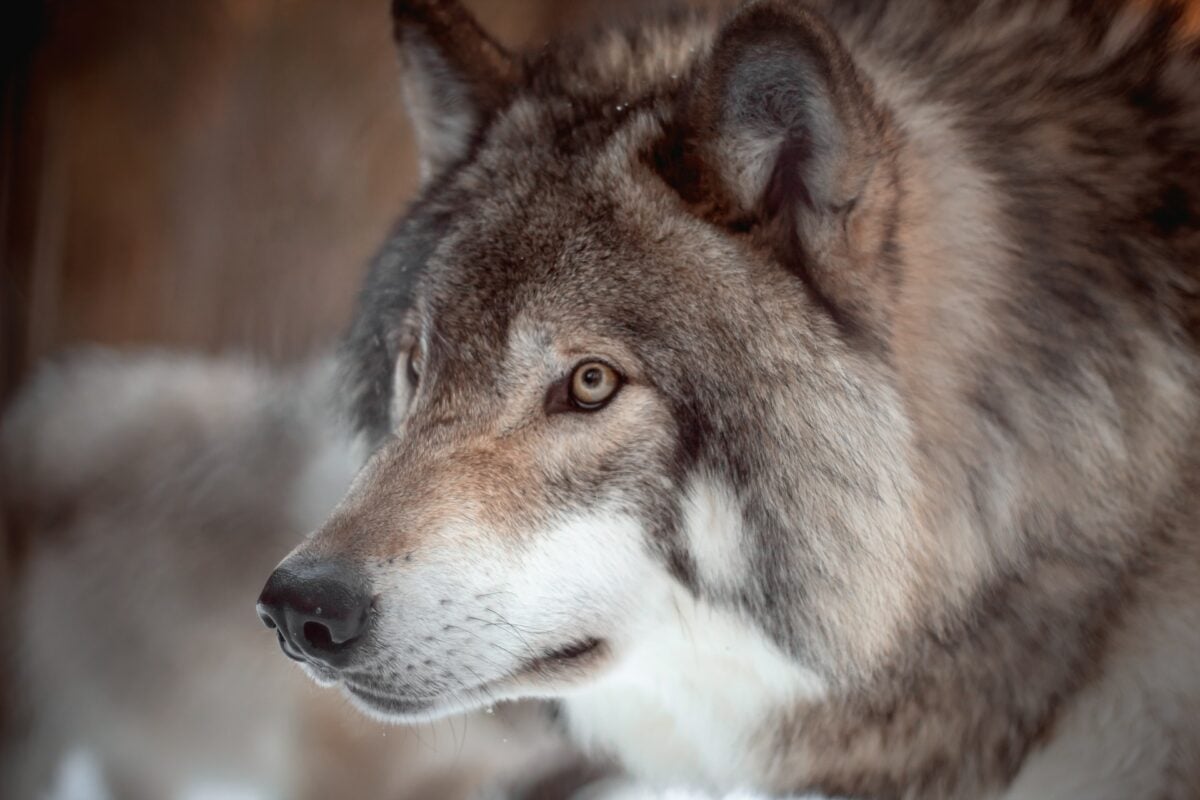
The remarkable behavioral adaptations observed in coastal wolf populations offer a window into evolutionary processes occurring in real-time. As these wolves continue to refine their marine hunting techniques, we witness evolution in action—not through dramatic physical changes, but through sophisticated behavioral adaptations. The future trajectory of these adaptations remains uncertain, particularly as climate change alters coastal ecosystems. Will coastal wolves develop even more specialized techniques for harvesting marine resources as conditions change? How might declining salmon populations or shifting tidal patterns affect their foraging success? The answers to these questions remain to be discovered. What is certain is that these wolves represent a fascinating case study in behavioral adaptation, demonstrating once again that intelligence and behavioral flexibility can be powerful evolutionary tools. For conservation biologists, wildlife managers, and evolutionary scientists alike, coastal wolves provide valuable insights into how species adapt to specific ecological niches through both learned behaviors and genetic adaptations.

- The Story of the Arctic Fox’s Incredible Seasonal Transformation - July 18, 2026
- 10 Most Venomous Snakes in US National Parks - July 18, 2026
- The Moth That Drinks Blood - July 18, 2026