
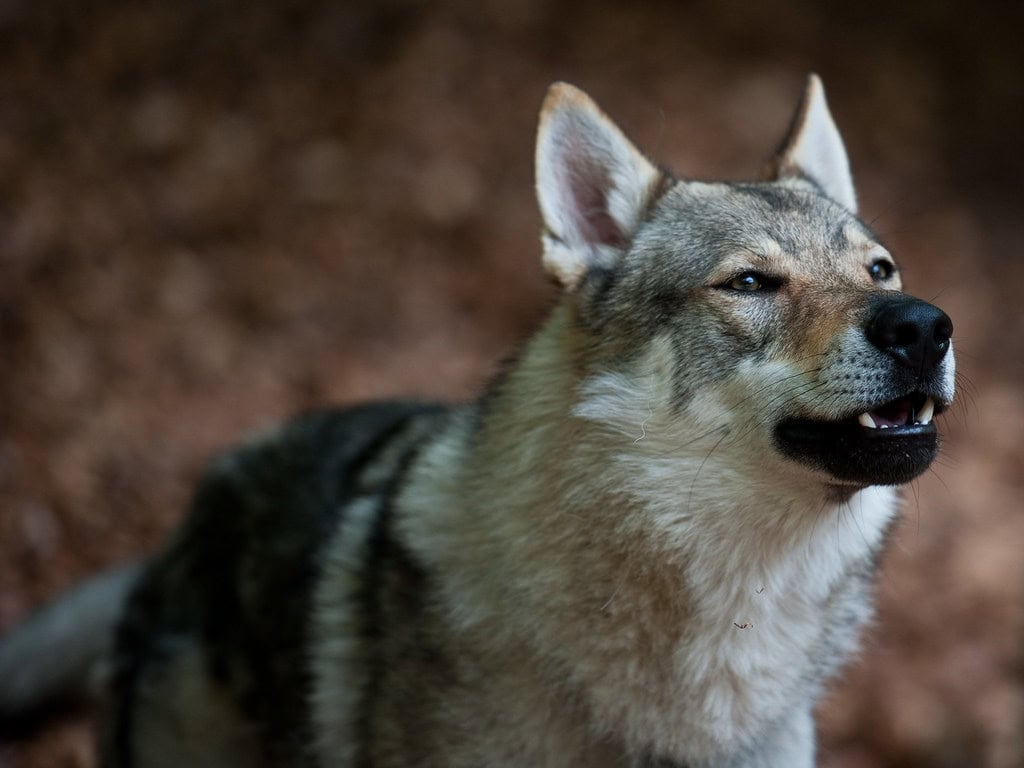
In January 1995, a watershed moment in American conservation history unfolded as eight gray wolves from Canada were released into Yellowstone National Park. Their howls pierced the winter air of the northern range for the first time in over 70 years, marking the beginning of one of the most significant ecological restoration projects ever undertaken. By the following year, a total of 31 wolves had been reintroduced to the park, initiating a remarkable experiment in ecosystem recovery that scientists, conservationists, and the public have observed with fascination for a quarter century. This bold initiative was not without controversy—ranchers feared for their livestock, hunters worried about game populations, and skeptics questioned the wisdom of bringing back a predator that humans had deliberately eradicated. Yet 25 years later, the reintroduction of wolves to Yellowstone stands as a profound case study in ecological interconnectedness, demonstrating how a single species can transform an entire ecosystem in ways both anticipated and surprising.
Why Wolves Disappeared from Yellowstone
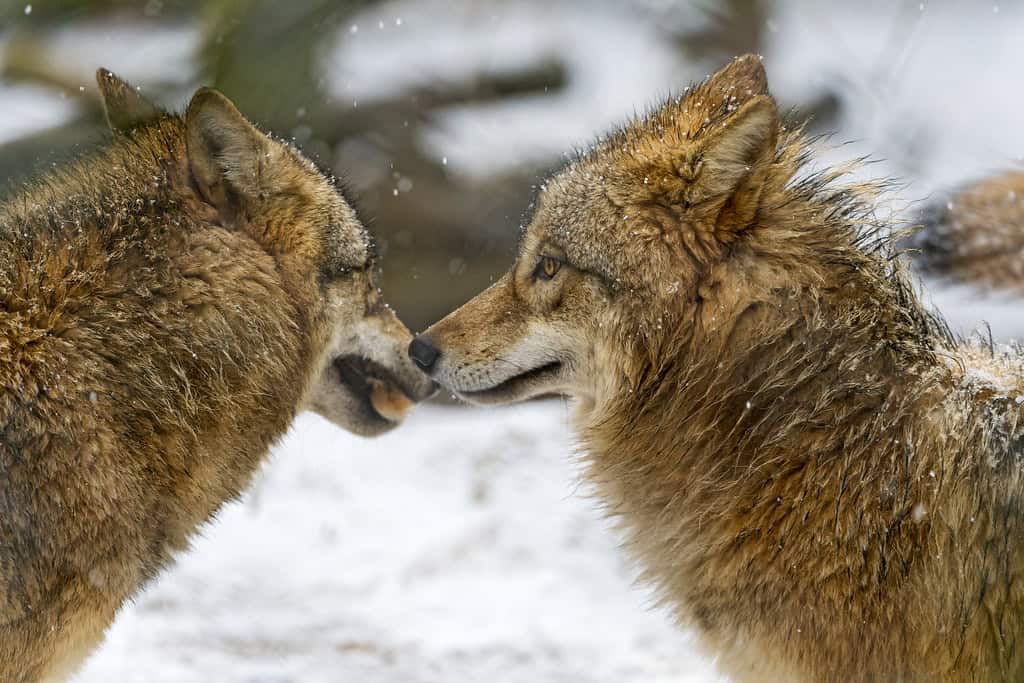
The absence of wolves from Yellowstone was no accident but rather the result of a systematic government-sanctioned extermination campaign in the early 20th century. When Yellowstone was established as the world’s first national park in 1872, predator control was considered necessary wildlife management. By the 1920s, government hunters had eliminated wolves from the park as part of a broader effort to rid the West of predators perceived as threats to livestock and game animals. The last wolf pack in Yellowstone was killed in 1926, leaving the park without wolves for nearly 70 years. This elimination reflected the prevailing attitudes of the time, when the ecological value of predators was poorly understood, and “vermin” control was standard practice. The absence of wolves would have profound effects on Yellowstone’s ecosystem that wouldn’t be fully appreciated until much later, setting the stage for their eventual return as scientific understanding evolved.
The Legal Battle to Bring Wolves Back

The road to wolf reintroduction was paved with complex legislation, fierce legal battles, and changing public attitudes. The passage of the Endangered Species Act in 1973 provided the legal framework for wolf recovery, as gray wolves were among the first species listed for protection. However, it would take over two decades of scientific research, environmental advocacy, and policy development before wolves would return to Yellowstone. The U.S. Fish and Wildlife Service’s Northern Rocky Mountain Wolf Recovery Plan, finalized in 1987, established reintroduction as a recovery goal, but implementation faced significant opposition. Multiple environmental impact statements, public hearings, and legal challenges from both pro- and anti-wolf groups characterized the contentious process. Ultimately, after years of debate and thousands of public comments, Secretary of the Interior Bruce Babbitt signed the decision to proceed with reintroduction in 1994, setting in motion the historic return of wolves to Yellowstone the following year.
Trophic Cascades: The Ripple Effects of Predation

Perhaps the most fascinating lesson from Yellowstone’s wolf reintroduction has been the demonstration of trophic cascades—ecological chain reactions triggered by changes at the top of the food web. Prior to wolf reintroduction, Yellowstone’s elk population had exploded to unsustainable levels without their natural predators, resulting in severe overgrazing. The return of wolves dramatically changed elk behavior; these herbivores began avoiding areas where they were vulnerable to predation, particularly river valleys and aspen groves. This behavioral shift, known as the “ecology of fear,” allowed vegetation in these areas to recover. Aspen, willow, and cottonwood stands, previously suppressed by elk browsing, began to thrive again. The regenerating forests provided habitat for songbirds, beavers returned to build dams in the rejuvenated streams, and riparian areas flourished. Scientists documented increases in biodiversity across multiple trophic levels, from plants to insects to birds and mammals. This cascade of effects, stemming from the reintroduction of a single species, has become one of the most compelling examples of how predators shape ecosystems through both direct predation and indirect behavioral effects.
Wolf Population Dynamics Over 25 Years

The journey of Yellowstone’s wolf population over the past quarter-century illustrates natural regulation in action. From the initial 31 wolves reintroduced in 1995-1996, the population grew rapidly, reaching about 170 wolves in 2003, organized in 16 packs. This growth phase was followed by a period of relative stability and eventual decline to approximately 80-100 wolves in 8-10 packs—a level maintained in recent years. This pattern reflects classic population dynamics, with initial exponential growth followed by stabilization as the population approached the ecosystem’s carrying capacity. Disease, particularly canine distemper, has played a significant role in regulating wolf numbers, with documented outbreaks causing major population declines in 1999, 2005, and 2008. Intraspecific competition (wolves killing other wolves in territorial disputes) has emerged as another important natural population control. Notably, the population has exhibited resilience, bouncing back from these periodic declines without human intervention. Wolf pack territories have shifted continually across the landscape, with established packs dissolving and new ones forming in response to changing conditions and social dynamics.
Impacts on Yellowstone’s Elk Herds

The relationship between wolves and their primary prey—elk—has been a central focus of research and controversy throughout the reintroduction experiment. Yellowstone’s northern elk herd, which numbered approximately 19,000 animals in 1995, has declined to about 6,000-8,000 in recent years. While wolves have undoubtedly contributed to this reduction, research indicates a more complex picture than simple predator-prey dynamics. Multiple factors, including drought, harsh winters, human hunting outside the park, and predation by bears and mountain lions, have all influenced elk numbers. Studies show that wolves preferentially target vulnerable individuals—the very young, old, or weak—potentially improving the overall health of the elk population through selective pressure. The relationship has also proven more dynamic than initially predicted; elk have adapted their behavior over time, becoming more vigilant and using terrain more strategically to evade predation. The predator-prey balance between wolves and elk continues to evolve, demonstrating the complexity of natural systems and challenging simplistic assumptions about the impacts of predator reintroduction.
Beneficiaries of Wolf Presence: Scavengers and Small Predators

One of the unexpected benefits of wolf reintroduction has been the creation of a more reliable food source for Yellowstone’s scavenger community. Wolf kills provide crucial carrion that supports a diverse array of species, especially during harsh winter months when food is scarce. Researchers have documented over 30 species feeding on wolf kills, from iconic scavengers like bald eagles, ravens, and magpies to surprising beneficiaries like the red fox and even grizzly bears. Before wolf reintroduction, winter carrion was limited to animals that died primarily of starvation at the end of winter; wolves now provide carrion throughout the year, creating a more consistent food source. This redistribution of nutrients across the landscape has strengthened the scavenger community and created a more resilient ecosystem. Interestingly, wolves have also affected other predators in unexpected ways. Coyote populations initially declined by about 50% after wolf reintroduction as wolves actively killed coyotes encroaching on their territories. This reduction in coyote numbers appears to have benefited smaller predators and prey species previously suppressed by coyotes, including foxes, badgers, and rodents, illustrating the complex interplay between competition and facilitation in predator communities.
Rivers Changed by Wolves: The Beaver Connection

Among the most remarkable ecological effects observed following wolf reintroduction has been the transformation of Yellowstone’s riparian ecosystems, largely mediated through the recovery of beaver populations. Prior to wolf reintroduction, beaver colonies were rare in Yellowstone’s northern range due to the scarcity of their primary food and building material—willow. As wolves changed elk browsing patterns, willows flourished along streams, providing beavers with the resources they needed to expand. From just one colony in 1995, beaver populations grew to over a dozen colonies by 2012. The engineering activities of these returning beavers have fundamentally altered stream hydrology throughout the northern range. Their dams create wetland complexes that slow water flow, reduce erosion, raise water tables, and create habitat for countless other species, from fish to amphibians to waterfowl. The resulting changes in stream morphology have been so significant that scientists now speak of “wolf-triggered” river recovery. This cascade from wolves to elk to vegetation to beavers to streams perfectly illustrates the concept of ecological interconnectedness and demonstrates how the effects of restoring a top predator can extend far beyond direct predator-prey relationships to reshape physical landscapes.
Economic and Tourism Impacts

The return of wolves to Yellowstone has generated substantial economic benefits through increased tourism and wildlife watching opportunities. A 2006 University of Montana study estimated that wolf-related tourism brings approximately $35 million annually to the Greater Yellowstone Ecosystem, as visitors specifically come to the park hoping to glimpse these iconic predators. The Lamar Valley, nicknamed “America’s Serengeti,” has become a world-renowned wolf-watching destination, with dedicated enthusiasts spending millions on equipment, guides, accommodations, and other services in gateway communities. Beyond direct expenditures, wolves have enhanced Yellowstone’s brand value as a complete, functioning ecosystem where visitors can observe natural processes unfolding. This economic boost has helped transform local attitudes in some communities from hostility toward wolf reintroduction to recognition of wolves as valuable tourism assets. However, economic impacts extend beyond tourism; ranchers outside the park boundaries have experienced costs associated with occasional wolf predation on livestock. While compensation programs exist for verified losses, the economic calculus of wolf reintroduction continues to vary dramatically depending on perspective and proximity to the park.
Social and Cultural Dimensions of Wolf Recovery

The wolf reintroduction story extends far beyond ecology into complex social and cultural dimensions that continue to evolve 25 years later. Wolves remain lightning rods for broader conflicts about land use, conservation values, and the relationship between humans and wildlife in the American West. For Native American tribes with historical connections to the Yellowstone region, wolf restoration has represented a cultural and spiritual renewal, reconnecting traditional relationships with an animal often featured prominently in tribal stories and ceremonies. For many environmental advocates, the wolf’s return symbolizes a shift toward ecological restoration and coexistence rather than dominion over nature. Yet for some ranching and hunting communities, particularly those dealing with wolves that have dispersed beyond park boundaries, wolves represent unwelcome federal intervention and threats to traditional livelihoods. The reintroduction has sparked ongoing conversations about how humans define and value wilderness in the 21st century. These cultural tensions have played out in management decisions as wolves expanded their range and were eventually delisted from endangered species protection in Idaho, Montana, and Wyoming, transferring management authority to state wildlife agencies with varying approaches to wolf conservation.
Scientific Advances from the Yellowstone Wolf Project

The reintroduction of wolves to Yellowstone has created an unprecedented natural laboratory that has advanced ecological science in numerous ways. The Yellowstone Wolf Project, led by dedicated researchers who have meticulously documented wolf behavior and ecosystem effects since 1995, has produced hundreds of scientific papers that have transformed our understanding of predator ecology. Early studies focused on basic wolf biology and predation patterns, but research has expanded to include complex topics like disease dynamics, social behavior, and multi-species interactions. Technological innovations have enhanced this research; GPS collars now provide detailed movement data, remote cameras capture behavior previously invisible to researchers, and genetic tools allow scientists to track relatedness and gene flow between packs. The intensity and duration of monitoring make Yellowstone wolves among the best-studied wild predator populations in the world. Perhaps most significantly, the project has documented how ecosystems respond to the restoration of a keystone species after long absence, providing insights relevant to conservation efforts globally. The scientific knowledge generated extends far beyond wolves themselves to deepen our understanding of ecosystem function, resilience, and the cascading effects of conservation interventions.
Management Challenges and Future Uncertainties

As the Yellowstone wolf recovery passes its 25-year milestone, numerous management challenges and uncertainties loom on the horizon. Climate change poses perhaps the greatest unknown, potentially altering prey availability, disease dynamics, and competition with other predators in ways difficult to predict. Increased human visitation to the park creates both opportunities for wolf education and risks of habituation and human-wolf conflicts. Beyond park boundaries, wolves face varying management regimes as they disperse into surrounding states, with hunting and trapping allowed in much of the Greater Yellowstone Ecosystem. Maintaining genetic connectivity between Yellowstone’s wolves and other recovering populations in the Northern Rockies remains a conservation priority that requires multi-jurisdictional cooperation. Chronic wasting disease, advancing through elk and deer populations in the region, may eventually affect wolf health through consumption of infected prey. Disease outbreaks within the wolf population itself, particularly canine distemper and parvovirus, continue to cause periodic population declines. Despite these challenges, the successful establishment of a self-sustaining wolf population in Yellowstone suggests resilience in the face of changing conditions. Adaptive management approaches, informed by continued research and monitoring, will be essential for navigating these uncertainties in the decades ahead.
The Legacy of Yellowstone’s Wolf Reintroduction

The twenty-five-year experiment of returning wolves to Yellowstone has yielded lessons that extend far beyond the boundaries of a single national park. It stands as a powerful demonstration of ecological restoration in action, showing how the strategic reintroduction of a single species can trigger cascading benefits throughout an ecosystem. The Yellowstone wolf story has transformed scientific understanding of predator ecology and trophic cascades, providing evidence that has influenced conservation policy and ecosystem management worldwide. For the millions of visitors who have witnessed wolves in the Lamar Valley or heard their howls echo across Yellowstone’s landscape, the experience has created personal connections to wildlife that transcend political divisions about predator management. Perhaps most importantly, the reintroduction represents a shift in how humans perceive our relationship with the natural world—from conquering and controlling nature toward recognizing the value of complete, functioning ecosystems with all their component parts intact. As we face unprecedented biodiversity loss globally, Yellowstone’s wolves offer a compelling case study in the possibility of recovery and renewal, demonstrating that with sufficient understanding, commitment, and courage, humans can sometimes successfully repair some of the ecological damage we have caused.

- 10 Animals That Cheat Death in the Most Unexpected Ways - July 19, 2026
- The Shrimp That Punches Like a Bullet - July 19, 2026
- This Tiny Mammal Can Slow Its Heartbeat to One Beat Per Minute - July 19, 2026